Searching for a reliable hex nuts and washers set requires balancing precision engineering with cost efficiency. Our factory-direct solutions provide OEM-grade fasteners, eliminating middleman markups while ensuring strict adherence to international quality standards. Whether for heavy machinery assembly or general construction, selecting the right combination of hexagonal nuts and matching washers is critical for joint integrity, vibration resistance, and long-term durability in demanding environments.
What Defines a High-Quality Hex Nuts and Washers Set?
A premium hex nuts and washers set is not merely a collection of metal parts; it represents a engineered system designed to distribute load and prevent loosening. The core component, the hex nut, features six flat sides allowing for high torque application using standard wrenches. When paired with washers, the assembly creates a stable friction interface that protects the mating surface from damage during tightening.
Industry professionals recognize that the true value lies in the material consistency and dimensional accuracy of the components. Substandard sets often suffer from thread mismatches or uneven hardness, leading to premature failure. Our manufacturing process focuses on maintaining tight tolerances across every batch, ensuring that each nut threads smoothly onto its corresponding bolt without cross-threading risks.
The integration of washers is equally vital. They act as a bearing surface, spreading the clamping force of the nut over a larger area. This prevents the nut from digging into softer materials like aluminum or wood. In our factory production lines, we ensure that the inner diameter of the washer perfectly aligns with the bolt shank, while the outer diameter provides optimal coverage for the specific nut size.
Key Components of the Assembly
Understanding the individual elements helps buyers make informed decisions about their procurement needs. A complete set typically includes:
- Hex Nuts: Available in various grades, these six-sided fasteners are the primary locking mechanism.
- Flat Washers: Also known as plain washers, these distribute the load and protect surfaces.
- Lock Washers: Often included in specialized sets, these feature split rings or teeth to resist vibration-induced loosening.
- OEM Customization: Factory direct options allow for specific coatings, materials, and packaging tailored to project requirements.
The synergy between these components determines the overall performance of the fastened joint. For instance, using a hardened lock washer with a soft grade nut can lead to deformation of the nut rather than effective locking. Therefore, sourcing a matched set from a single reputable manufacturer ensures compatibility and predictable performance.
Material Selection and Manufacturing Standards
The longevity of any hex nuts and washers set depends heavily on the raw materials used. In current mainstream manufacturing, carbon steel remains the most common choice due to its excellent balance of strength and cost-effectiveness. However, specific environmental conditions demand alternative alloys to prevent corrosion or maintain structural integrity under extreme temperatures.
Our factory utilizes advanced metallurgical processes to produce fasteners that meet or exceed global benchmarks. The selection of material is never arbitrary; it is driven by the intended application’s mechanical and chemical demands. We adhere to rigorous internal testing protocols to verify tensile strength, yield strength, and hardness before any product leaves the facility.
Common Material Grades Explained
Different industries require different levels of performance. Understanding the distinction between material grades is essential for engineers and procurement specialists.
- Carbon Steel (Grade 5/8.8): The industry standard for general construction and automotive applications. It offers good tensile strength and is often zinc-plated for basic rust resistance.
- Alloy Steel (Grade 8/10.9): Heat-treated for superior strength, these are ideal for high-stress environments such as heavy equipment and suspension systems.
- Stainless Steel (304/316): Essential for marine, food processing, and chemical industries where corrosion resistance is paramount. Grade 316 offers enhanced protection against chlorides.
- Brass and Bronze: Used primarily in electrical applications for conductivity or in marine settings for non-magnetic properties and aesthetic appeal.
Selecting the wrong material can lead to catastrophic failures. For example, using standard carbon steel in a saltwater environment will result in rapid oxidation, compromising the joint within months. Conversely, specifying stainless steel for a dry, indoor application may unnecessarily increase project costs without adding functional value.
The Role of Surface Treatments
Beyond the base metal, surface finishes play a crucial role in the performance of a hex nuts and washers set. Coatings are applied to enhance corrosion resistance, improve appearance, or reduce friction during installation. Our OEM services include a wide range of finishing options tailored to client specifications.
Zinc plating is the most ubiquitous finish, providing a sacrificial layer that protects the underlying steel. For more aggressive environments, hot-dip galvanizing offers a thicker, more durable coating, though it requires adjusted torque values due to increased thread thickness. Geomet and Dacromet coatings represent newer technologies offering superior salt-spray resistance without the hydrogen embrittlement risks associated with some electroplating methods.
Factory Direct Pricing vs. Traditional Distribution
The traditional supply chain for industrial fasteners often involves multiple layers of distributors, wholesalers, and retailers. Each intermediary adds a markup to cover their overhead and profit margins, significantly inflating the final price paid by the end-user. By opting for a factory direct price model, buyers can bypass these unnecessary costs.
Direct engagement with the manufacturer allows for transparent pricing structures. There are no hidden fees or inflated retail prices. Instead, the cost reflects the actual material, labor, and overhead involved in production, plus a reasonable margin for the factory. This approach is particularly beneficial for large-scale projects or businesses with recurring high-volume needs.
Economic Advantages of Direct Sourcing
Switching to a direct-from-factory model offers several tangible financial benefits beyond just the unit price reduction.
- Bulk Discount Scalability: Factories can offer progressive pricing tiers based on order volume, making large purchases significantly more economical per unit.
- Reduced Lead Times: Eliminating distributor inventory bottlenecks means faster processing and shipping directly from the production line.
- Customization Without Premiums: OEM modifications, such as specific packaging or unique material blends, are often more affordable when handled directly by the engineering team.
- Consistent Supply Chain: Direct relationships foster better communication regarding stock levels and production schedules, reducing the risk of project delays.
Furthermore, direct sourcing facilitates better quality control feedback loops. If a specific batch exhibits minor deviations, the communication channel is short and direct, allowing for immediate resolution. In contrast, navigating returns or quality issues through a multi-tier distribution network can be time-consuming and frustrating.
Understanding OEM Capabilities
Original Equipment Manufacturer (OEM) services are a cornerstone of our factory operations. Many businesses require fasteners that differ slightly from off-the-shelf standards to fit proprietary designs or meet specific regulatory requirements. Our facility is equipped to handle these custom requests with precision.
OEM collaboration begins with a detailed review of the client’s technical drawings or performance criteria. Our engineering team analyzes the requirements to suggest optimal materials, thread pitches, and heat treatment processes. This collaborative approach ensures that the final hex nuts and washers set integrates seamlessly into the client’s broader assembly.
From custom head markings to specialized packaging configurations, OEM flexibility allows brands to maintain their identity and operational efficiency. Whether it is a unique thread form for a specialized machine or a specific color coding for assembly line organization, our factory can execute these details without compromising on structural integrity.
About Our Manufacturing Heritage
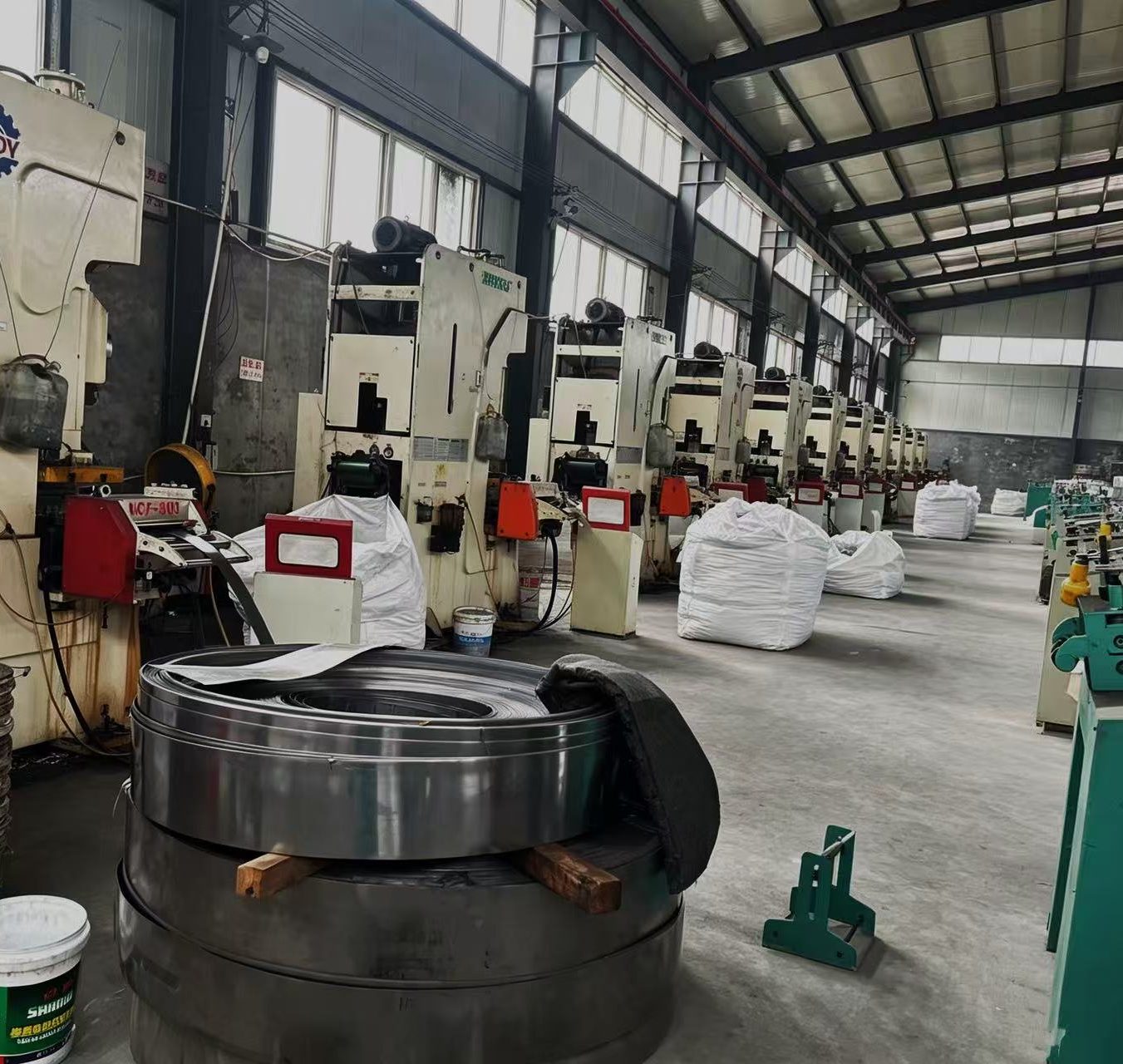
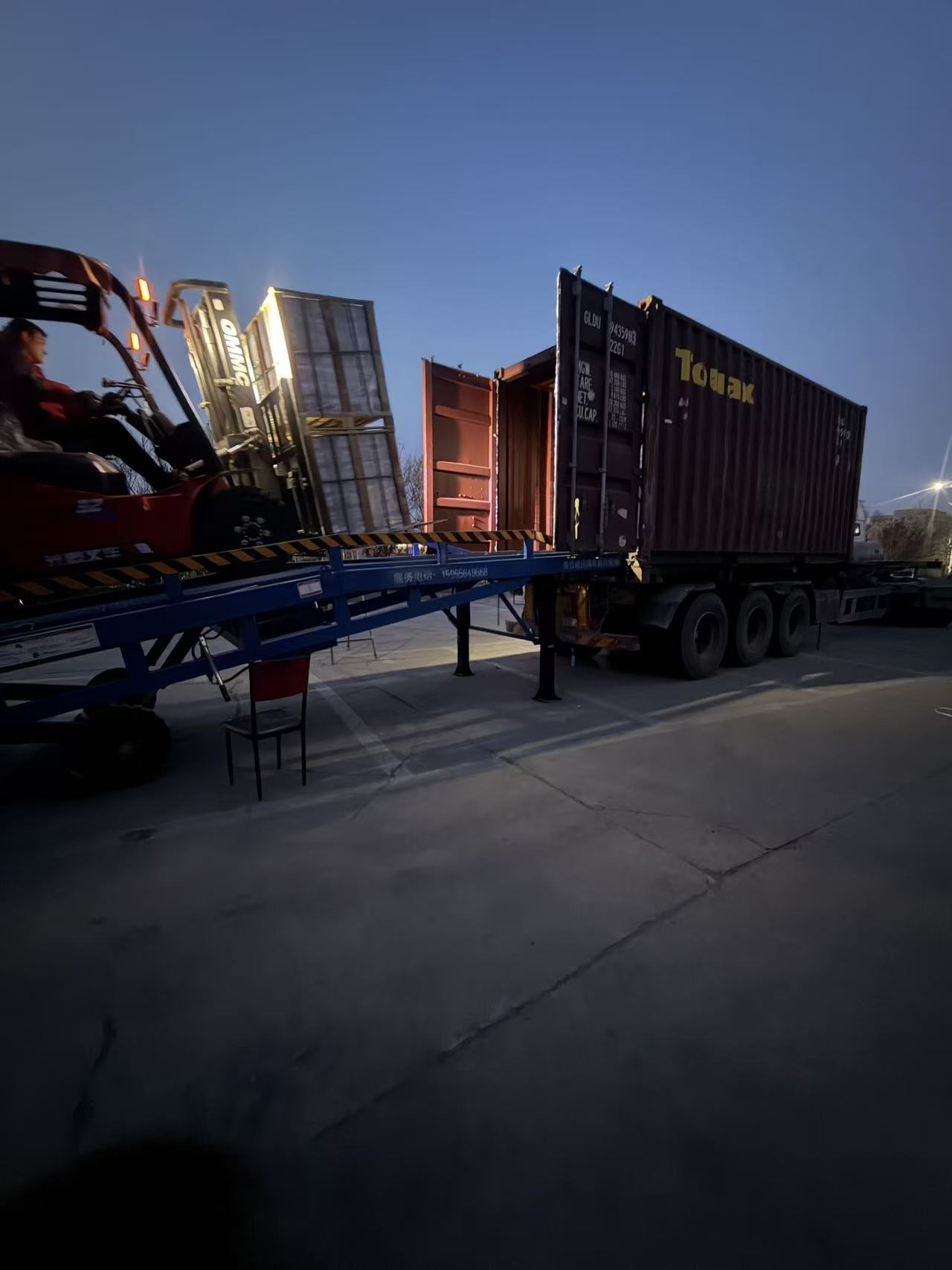
Behind every high-performance fastener is a legacy of expertise and innovation. We operate as a global industry and trade integrated enterprise, headquartered in Handan, Hebei—China’s renowned “Fastener Capital.” With over a decade of specialized experience, we have evolved from a local manufacturer into a trusted global supplier, exporting our products to more than 26 countries across diverse markets.
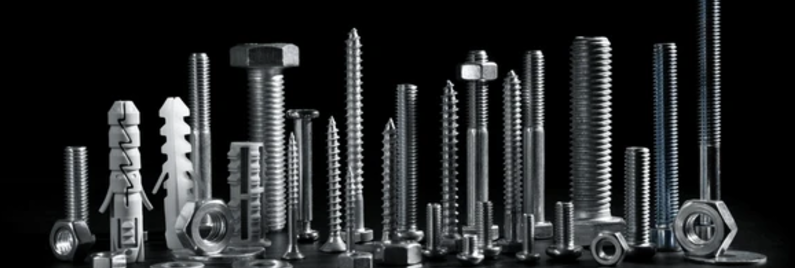
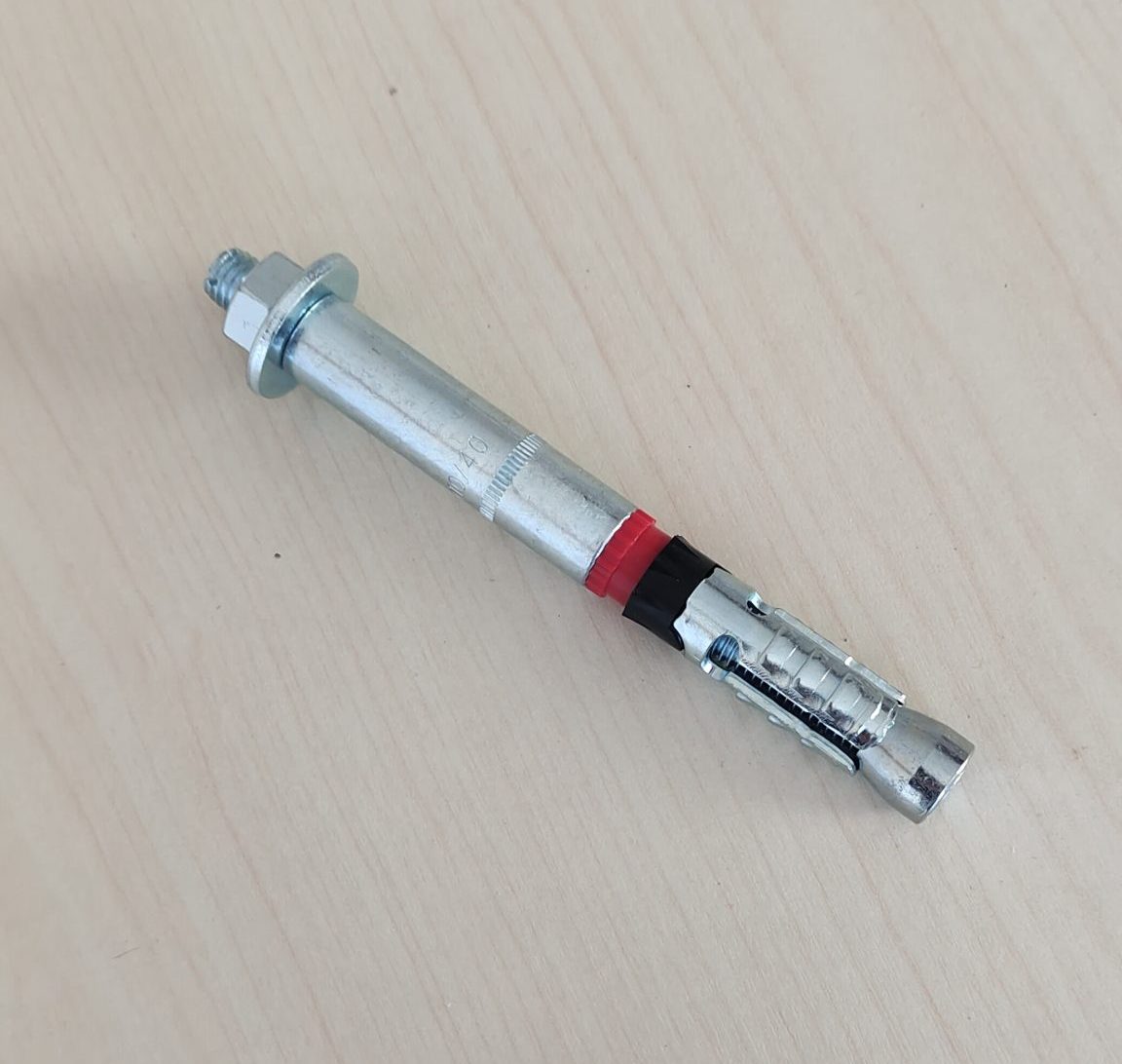
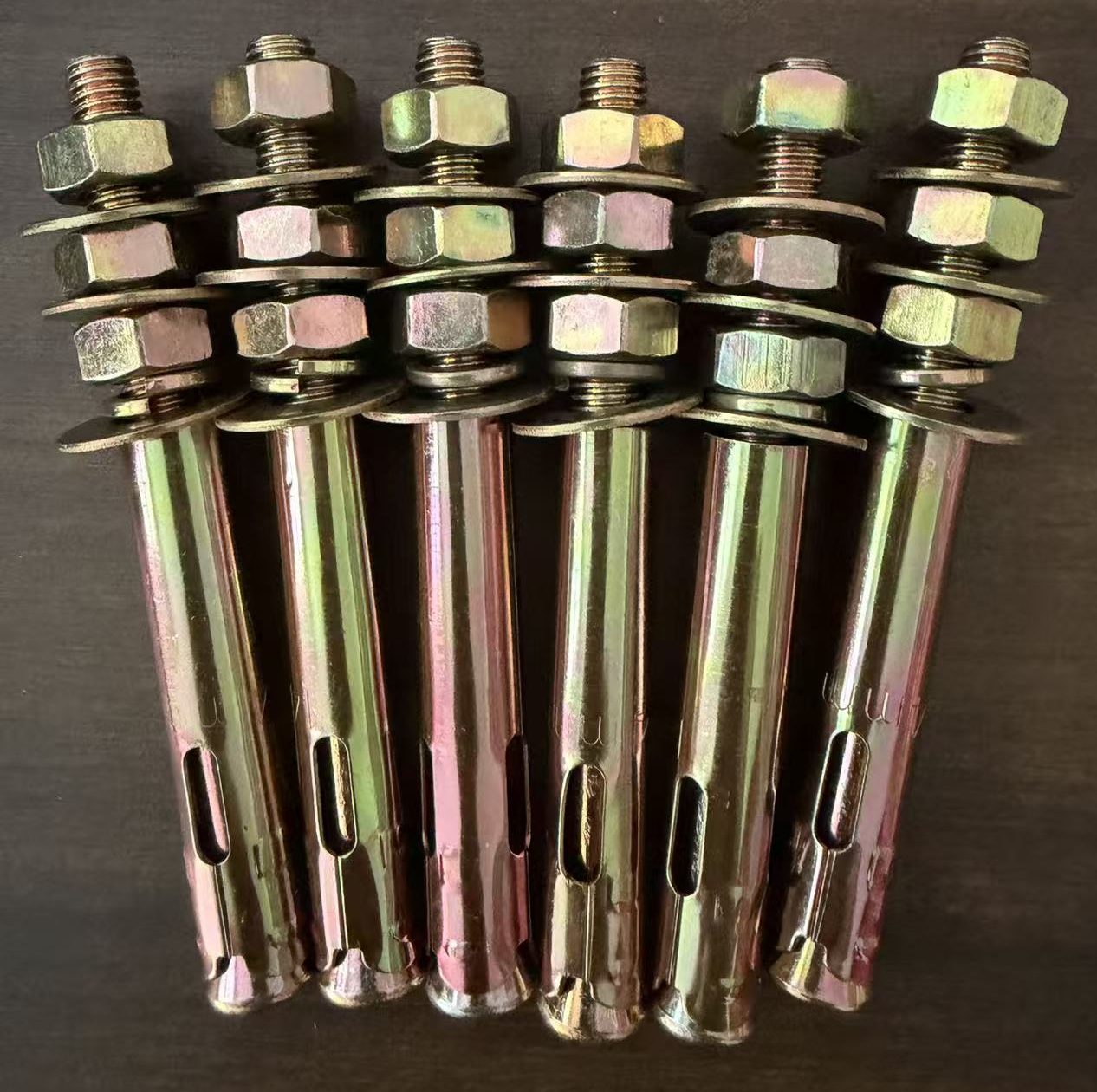
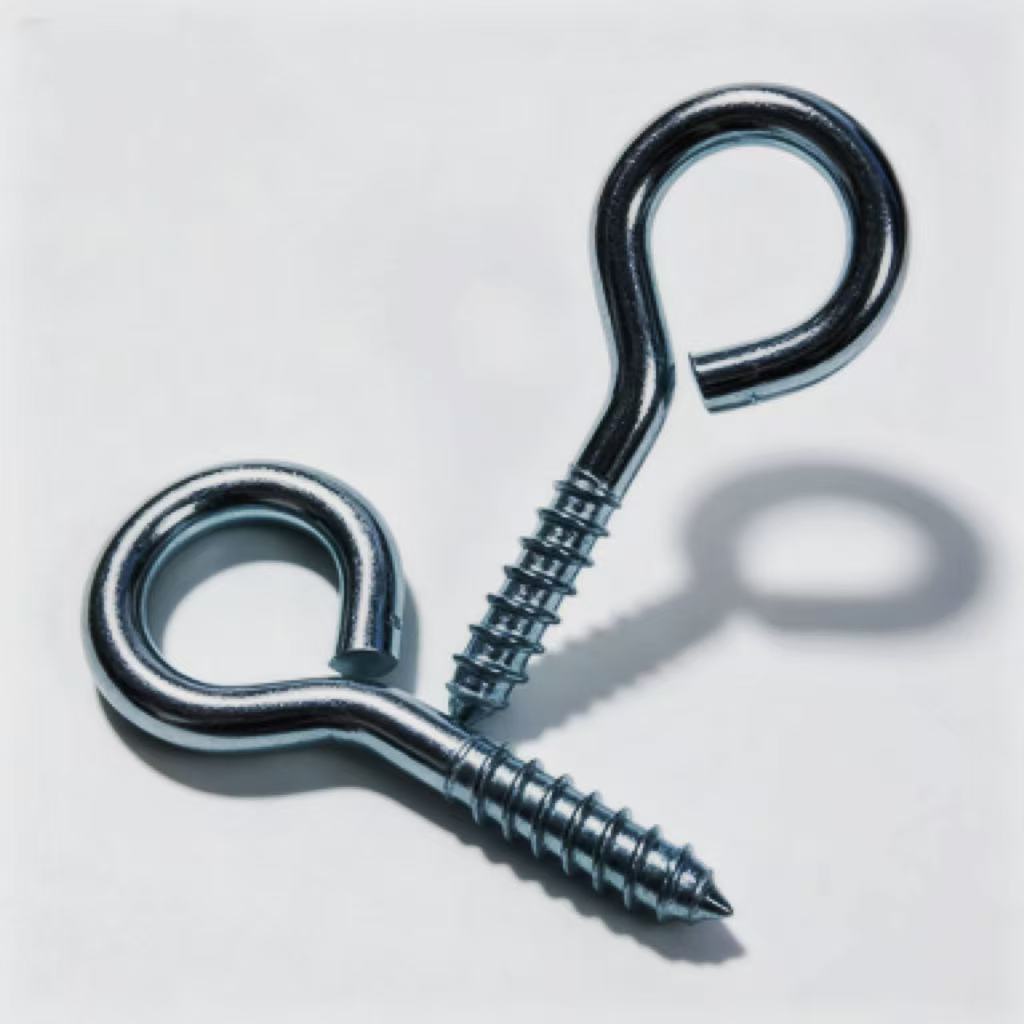
While we specialize in a broad spectrum of hardware including casing geckos, wooden teeth welded sheep’s eye screws, and bolts, our core competency lies in the comprehensive development, manufacturing, and service of precision fasteners. Our philosophy is rooted in integrity and continuous improvement. We consistently invest in scientific research and recruit high-tech talent to refine our production technologies. This commitment allows us to utilize advanced machinery and perfect testing methods, ensuring every hex nuts and washers set we produce meets rigorous international standards including GB, DIN, JIS, and ANSI.
Our professional technical team works closely with clients to customize special specifications, qualities, and quantities according to unique project needs. Adhering to the principle of “Quality First, Customer First,” we strive to provide not just products, but thoughtful solutions that uphold our reputation and satisfy our customers’ evolving demands.
Technical Comparison: Standard vs. Heavy Duty Sets
Not all fastener sets are created equal. The choice between standard and heavy-duty configurations depends on the load requirements and safety factors of the application. Understanding the technical differences helps in selecting the appropriate specification for the job.
Standard sets are designed for general-purpose use where loads are predictable and within normal operating ranges. Heavy-duty sets, however, are engineered for extreme conditions, featuring thicker profiles, higher grade materials, and enhanced locking mechanisms. The following table outlines the key distinctions between these two categories.
| Feature | Standard Hex Nuts & Washers | Heavy Duty Hex Nuts & Washers |
| Material Grade | Typically Grade 5 or Class 8.8 | Grade 8, Class 10.9, or higher alloy steels |
| Nut Height | Standard height (approx. 0.8x nominal diameter) | Increased height for greater thread engagement |
| Washer Thickness | Thin profile for light load distribution | Thick, hardened washers for high clamp loads |
| Application Scope | Furniture, light automotive, general repairs | Structural steel, heavy machinery, bridges |
| Vibration Resistance | Moderate; often requires separate lock washers | High; often integrated with prevailing torque features |
| Cost Implication | Lower initial cost, suitable for mass consumption | Higher unit cost, justified by safety and longevity |
This comparison highlights that while standard sets are sufficient for many tasks, critical infrastructure demands the robustness of heavy-duty components. Using a standard nut in a high-vibration environment could lead to self-loosening, whereas a heavy-duty variant with proper locking features maintains tension over time.
Load Distribution Mechanics
The physics behind why heavy-duty washers are necessary involves the concept of bearing stress. When a nut is tightened, it exerts a tremendous amount of force on the surface beneath it. If the contact area is too small or the washer too thin, the pressure can exceed the yield strength of the base material, causing permanent deformation.
Heavy-duty washers increase the bearing area, effectively reducing the pressure per square inch on the joint surface. This is crucial when connecting steel beams or mounting heavy motors. Our factory produces washers with precise flatness tolerances to ensure uniform load distribution, preventing point loading that could initiate cracks in the structural member.
Installation Best Practices for Maximum Durability
Even the highest quality hex nuts and washers set can fail if installed incorrectly. Proper installation techniques are as important as the hardware itself. Following established industry procedures ensures that the fasteners perform as intended throughout their service life.
The first step in any installation is verifying the compatibility of the components. Ensure the nut thread pitch matches the bolt exactly and that the washer fits snugly around the bolt shank without excessive play. Misalignment during the initial threading can strip threads or cause cross-threading, rendering the fastener useless.
Step-by-Step Installation Guide
To achieve optimal clamping force and joint security, follow this procedural guide:
- Step 1: Surface Preparation: Clean the mating surfaces of dirt, oil, and debris. Rough or contaminated surfaces can alter friction coefficients, leading to inaccurate torque readings.
- Step 2: Component Stacking: Place the washer flat against the workpiece surface. Ensure the chamfered side of the washer (if present) faces away from the workpiece to maximize contact area.
- Step 3: Hand Tightening: Thread the hex nut onto the bolt by hand until it seats firmly against the washer. Avoid using tools at this stage to prevent cross-threading.
- Step 4: Initial Snugging: Use a wrench to tighten the nut until the components are in full contact but not yet under significant tension. This aligns the joint properly.
- Step 5: Torque Application: Apply the specified torque using a calibrated torque wrench. Follow a star pattern if multiple fasteners are securing a single flange to ensure even compression.
- Step 6: Final Inspection: Verify that the washer has not rotated excessively and that the nut is seated flush. Check for any signs of galling or thread damage.
Adhering to these steps minimizes the risk of human error. One common mistake is over-tightening, which can stretch the bolt beyond its elastic limit, causing it to snap or lose clamping force over time. Conversely, under-tightening leaves the joint vulnerable to vibration and movement.
Torque Specifications and Lubrication
Torque values are not universal; they depend on the fastener size, grade, and lubrication status. Dry threads generate more friction than lubricated ones, meaning a dry nut requires higher torque to achieve the same clamp load as a lubricated one. However, applying lubricant without adjusting the torque value can lead to dangerous over-tightening.
Our technical team recommends consulting specific torque charts provided with our hex nuts and washers set. These charts account for the specific friction characteristics of our factory-applied coatings. Using generic charts found online may result in suboptimal performance, especially when dealing with specialized coatings like PTFE or wax.
Critical Applications Across Industries
The versatility of hex nuts and washers makes them indispensable across a vast array of sectors. From towering skyscrapers to delicate electronic assemblies, these fasteners hold the modern world together. Understanding their specific roles in different industries highlights the need for tailored solutions.
In the construction sector, structural steel connections rely heavily on high-strength hex nuts and hardened washers. These joints must withstand dynamic loads from wind, seismic activity, and the weight of the structure itself. Failure in these connections can have catastrophic consequences, underscoring the importance of using certified, factory-tested components.
Automotive and Transportation
The automotive industry presents unique challenges due to constant vibration and exposure to road salts and fluids. Here, the hex nuts and washers set often incorporates locking features such as nylon inserts or serrated washers. These prevent the nuts from backing off due to the relentless shaking experienced by vehicles in motion.
Safety-critical components like suspension systems, engine mounts, and brake assemblies demand the highest grade fasteners available. Our factory supplies OEMs with batches that undergo rigorous fatigue testing to ensure they can endure millions of stress cycles without failure. The trend towards lighter vehicles also drives demand for high-strength alloy fasteners that offer maximum holding power with minimal weight.
Renewable Energy Infrastructure
The rapid expansion of wind and solar energy has created a surge in demand for durable fastening solutions. Wind turbines, located in remote and often harsh environments, require fasteners that can resist corrosion and fatigue for decades with minimal maintenance. Solar panel mounting structures similarly need reliable connections that withstand thermal cycling and UV exposure.
For these applications, stainless steel or heavily galvanized sets are the norm. The cost of replacing a failed fastener on a wind turbine blade is astronomical compared to the initial cost of the hardware. Therefore, investing in premium, factory-direct components with proven track records is a strategic economic decision for energy developers.
Manufacturing and Machinery
In industrial manufacturing, machines operate continuously under heavy loads. The fasteners holding these machines together must maintain precise alignment to prevent wear and tear on moving parts. Vibration damping is a key concern, making lock washers and prevailing torque nuts essential components of any machinery maintenance kit.
Customization plays a significant role here. Machine builders often require specific lengths, thread counts, or head styles that are not available in standard retail packs. Our OEM capabilities allow us to produce bespoke hex nuts and washers set configurations that fit the exact design parameters of complex industrial equipment.
Troubleshooting Common Fastener Issues
Despite careful planning, issues can arise during the lifecycle of a fastened joint. Identifying the root cause is essential for preventing recurrence. Most problems stem from improper selection, installation errors, or environmental factors that were not adequately accounted for.
One frequent issue is “nut spinning,” where the nut turns freely without tightening. This usually indicates stripped threads on either the bolt or the nut, often caused by cross-threading during installation or using mismatched metric and imperial components. Another common problem is corrosion staining, which occurs when dissimilar metals are paired without proper isolation, leading to galvanic corrosion.
Preventing Vibration Loosening
Vibration is the silent enemy of threaded fasteners. Over time, cyclic loading can cause a nut to rotate loose, even if it was initially tightened correctly. This phenomenon, known as spontaneous loosening, occurs when the friction in the threads is overcome by the vibrational energy.
To combat this, engineers employ various strategies. Mechanical locks like castle nuts with cotter pins provide a physical barrier to rotation. Chemical solutions, such as thread-locking adhesives, bond the threads together. Our factory offers sets pre-applied with micro-encapsulated adhesives that activate upon installation, providing a reliable and reusable locking solution for many applications.
Addressing Corrosion Challenges
Corrosion weakens fasteners and can seize them in place, making removal impossible without destruction. In coastal or industrial atmospheres, standard zinc plating may degrade quickly. Upgrading to hot-dip galvanized or stainless steel components is often the only viable long-term solution.
It is also crucial to consider the compatibility of the washer and nut materials. Using a stainless steel nut on a carbon steel bolt can accelerate corrosion of the bolt due to the galvanic series difference. Our experts recommend using matched material sets to ensure uniform corrosion rates and prevent premature failure of the weaker component.
Frequently Asked Questions (FAQ)
Buyers often have specific questions regarding the procurement and usage of fastener sets. Addressing these common inquiries helps clarify uncertainties and guides customers toward the right choices for their projects.
What is the difference between a hex nut and a lock nut?
A standard hex nut relies solely on friction between the threads to stay in place. A lock nut, however, incorporates a feature designed to resist loosening under vibration. This could be a nylon insert that deforms against the bolt threads, a distorted thread shape, or a prevailing torque design. For dynamic applications, a lock nut is generally preferred over a standard hex nut paired with a separate lock washer.
Can I mix different brands of nuts and washers?
While physically possible, mixing components from different manufacturers is not recommended for critical applications. Variations in thread tolerances, hardness, and coating thickness can affect the joint’s performance. Sourcing a complete hex nuts and washers set from a single factory ensures that all components are manufactured to compatible standards and tested together for optimal interaction.
How do I determine the correct torque value?
Torque values depend on the fastener’s diameter, thread pitch, material grade, and lubrication condition. Manufacturers typically provide torque tables based on achieving 75% of the proof load. It is essential to use a calibrated torque wrench and refer to the specific data sheet provided with your factory-direct purchase, as generic charts may not account for specific coating frictions.
Are factory direct sets suitable for small quantity orders?
Traditionally, factories focused on massive bulk orders. However, modern manufacturing flexibility allows many facilities, including ours, to accommodate smaller MOQs (Minimum Order Quantities) for standard items. For custom OEM projects, higher volumes are usually required to justify setup costs. Contacting the sales team directly can reveal current capacity for smaller runs.
What certifications should I look for?
Depending on your industry, you may require specific certifications such as ISO 9001 for quality management, or material-specific certs like ASTM or DIN compliance. For structural applications, certification of the mill test reports (MTR) is crucial to verify the chemical composition and mechanical properties of the steel used in the hex nuts and washers set.
Making the Right Choice for Your Project
Selecting the appropriate fastening solution is a balance of technical requirements, environmental conditions, and budgetary constraints. The market is flooded with options, but few offer the combination of quality assurance and cost efficiency found in direct factory partnerships. By understanding the nuances of material grades, surface treatments, and installation protocols, buyers can secure joints that last.
The shift towards OEM collaborations allows businesses to tailor their supply chain specifically to their needs. Rather than adapting a design to fit available off-the-shelf parts, companies can now have parts manufactured to fit their design perfectly. This flexibility, coupled with the economic advantages of cutting out intermediaries, makes factory-direct sourcing an increasingly popular strategy among industry leaders.
Summary of Key Considerations
When evaluating potential suppliers, prioritize those who demonstrate transparency in their manufacturing processes and provide detailed technical documentation. Look for evidence of rigorous testing protocols and a commitment to continuous improvement. The cheapest option is rarely the most cost-effective in the long run if it leads to downtime or rework.
- Verify Material Specs: Always request mill certificates for critical applications.
- Assess Coating Quality: Ensure the surface treatment matches the environmental exposure.
- Check Compatibility: Confirm that nuts, bolts, and washers are dimensionally and chemically compatible.
- Evaluate Support: Choose a supplier who offers technical support and clear communication channels.
Next Steps for Procurement
For organizations ready to optimize their fastener supply chain, the logical next step is to engage directly with a capable manufacturer. Request samples to evaluate the build quality and finish firsthand. Discuss your specific volume requirements and explore potential OEM customization options that could streamline your assembly process.
Investing in a high-quality hex nuts and washers set from a trusted factory source is an investment in the reliability and safety of your final product. Whether you are building a bridge, assembling a vehicle, or maintaining industrial machinery, the strength of your connection depends on the quality of the smallest components. Make the choice that prioritizes longevity, precision, and value.