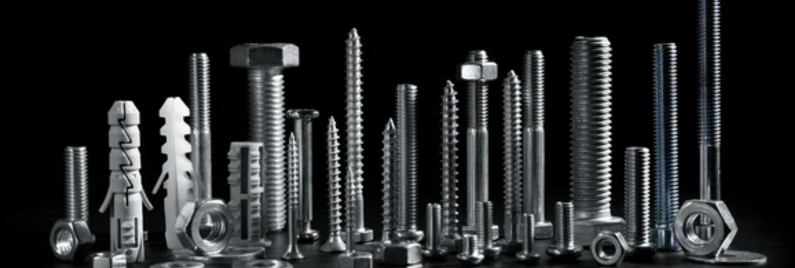
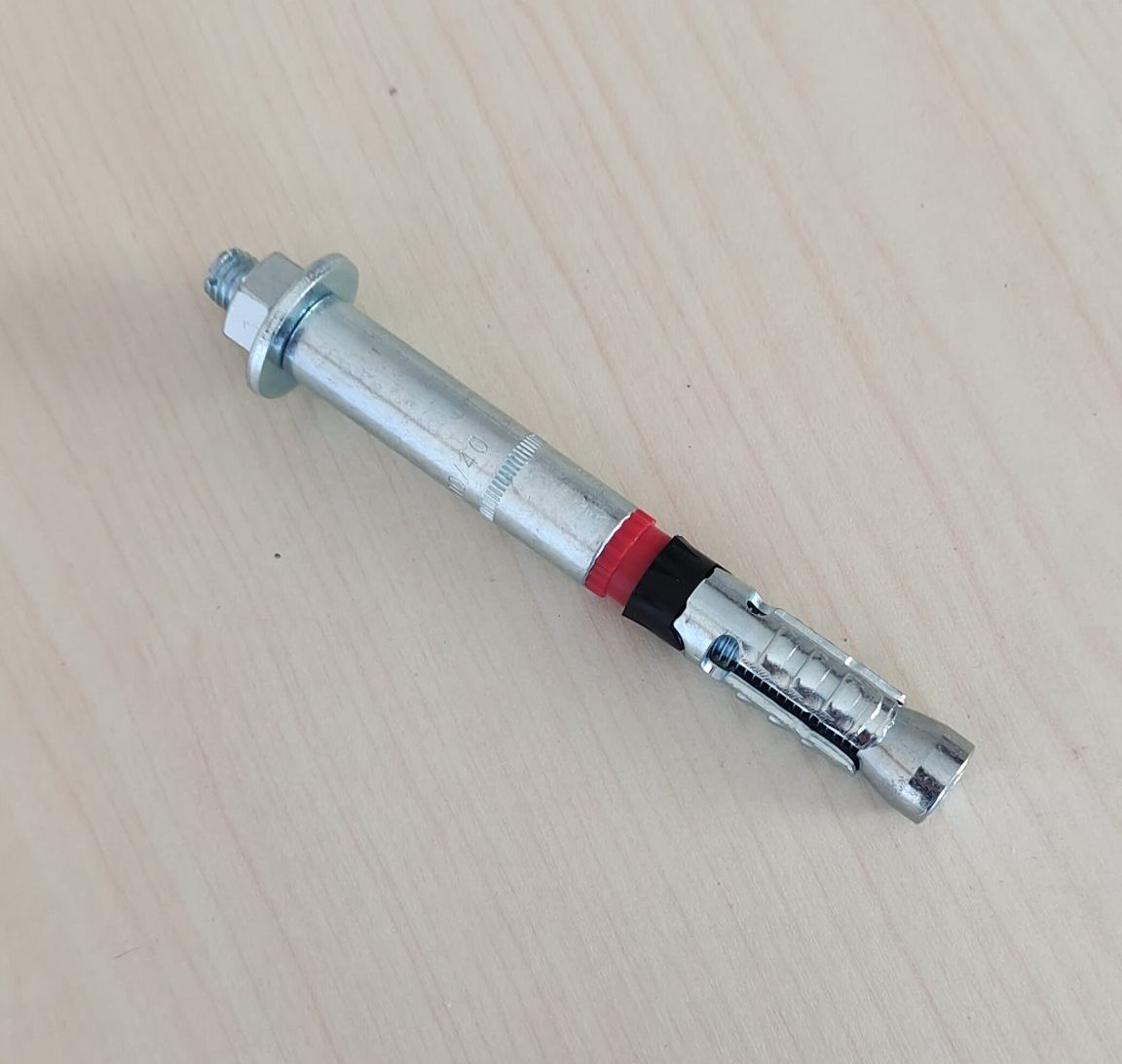
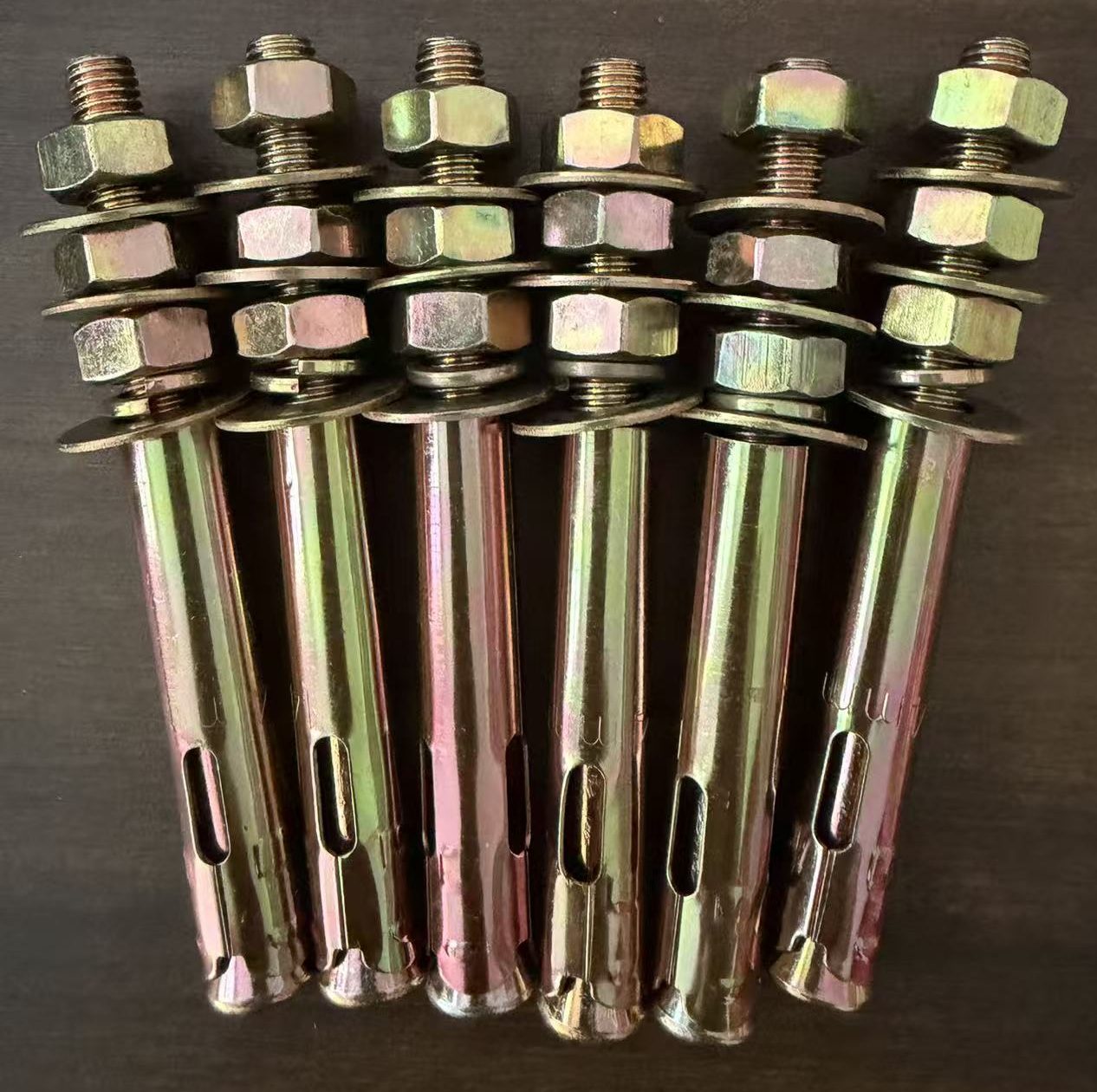
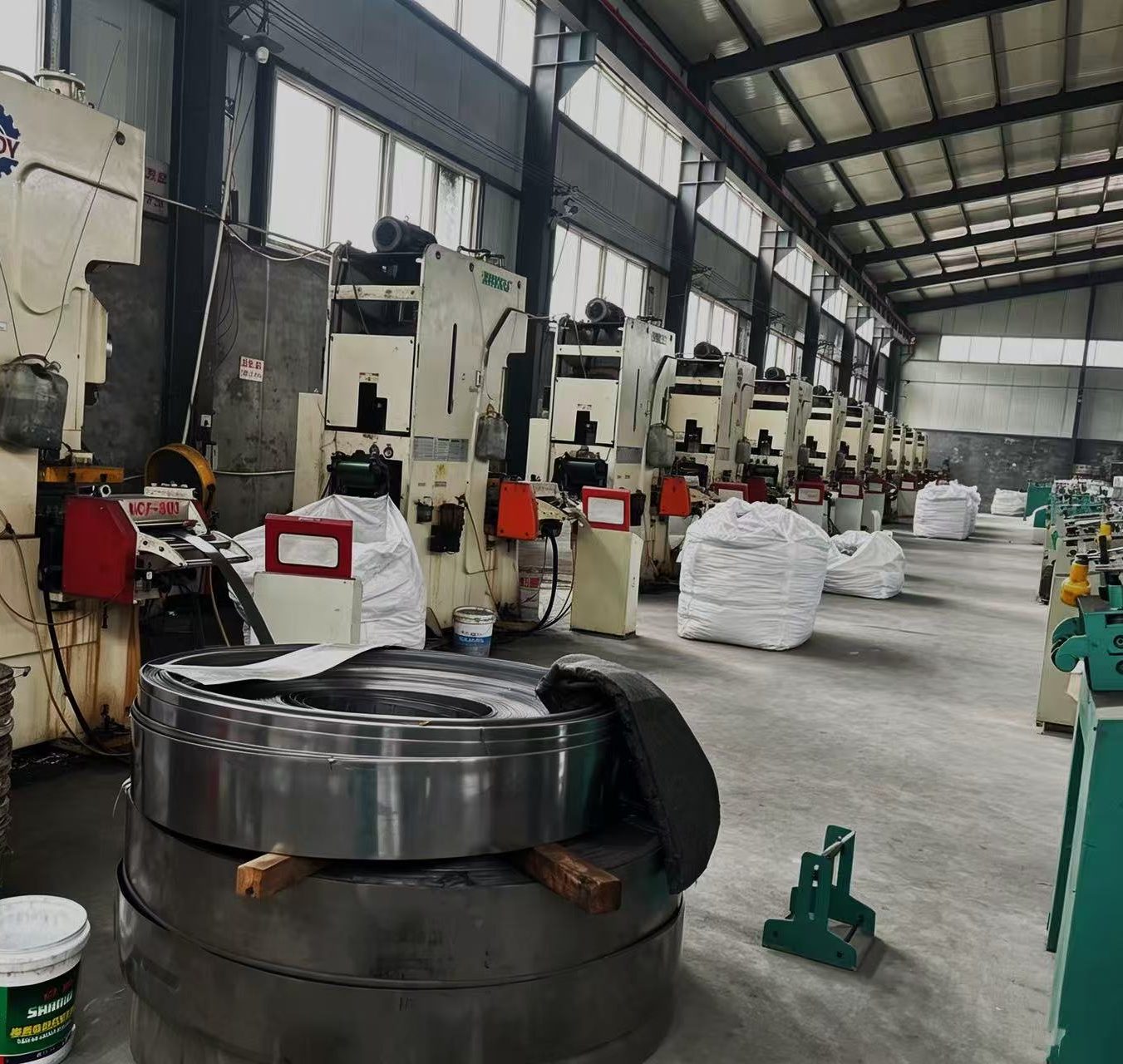
As a leading self drilling screws manufacturer, we provide factory-direct pricing on high-performance fasteners designed for metal-to-metal and metal-to-wood applications. These specialized screws eliminate the need for pre-drilling, significantly reducing labor costs and installation time while ensuring superior pull-out resistance. Our direct-to-consumer model guarantees competitive rates without compromising on material quality or structural integrity.
What Are Self Drilling Screws and How Do They Work?
Self drilling screws, often referred to as Tek screws, are innovative fasteners engineered with a drill-point tip that functions like a twist drill bit. This unique design allows the screw to penetrate materials, tap its own threads, and secure components in a single operation. Unlike traditional fasteners that require a pilot hole, these screws streamline the assembly process, making them indispensable in modern construction and manufacturing sectors.
The working principle relies on the geometry of the point and the hardness of the steel. As the screw rotates under torque, the sharp flutes at the tip cut through the base material, removing chips efficiently. Simultaneously, the threaded shank engages the newly formed hole, creating a tight mechanical lock. This dual-action capability is why they are the preferred choice for securing steel framing, roofing sheets, and HVAC ductwork.
Industry professionals recognize that the efficiency of self drilling screws stems from their ability to maintain consistent clamping force. By eliminating the separate drilling step, the risk of hole misalignment is removed, resulting in cleaner finishes and stronger joints. This technology has become a mainstream solution for projects demanding speed and reliability.
The Anatomy of a High-Performance Drill Screw
Understanding the components of these fasteners reveals why they outperform standard options. The tip length, known as the drill point, varies based on the thickness of the material it must penetrate. A longer point is required for thicker gauge metals to ensure the threads do not engage before the hole is fully drilled.
- Drill Point: The cutting edge that bores the hole; its length determines the maximum material thickness capacity.
- Threads: Designed to optimize chip removal and maximize pull-out strength depending on the substrate.
- Head Style: Available in hex washer, pan, or flat heads to suit specific aesthetic and functional requirements.
- Coating: Protective layers such as zinc or ceramic enhance corrosion resistance for outdoor exposure.
The precision engineering behind each component ensures that the screw does not “walk” on the surface before biting in. This stability is crucial when working on slippery metal surfaces or curved architectural elements. Manufacturers adhere to strict tolerances to guarantee that every unit performs predictably under standard driving conditions.
Why Choose Factory Direct Pricing for Your Fastener Needs?
Sourcing self drilling screws directly from the manufacturer offers significant economic advantages over purchasing through distributors or retail channels. By removing intermediaries, buyers gain access to wholesale pricing structures that reflect the true cost of production. This model is particularly beneficial for large-scale construction projects and industrial manufacturers with high-volume requirements.
Beyond cost savings, factory-direct relationships provide greater control over quality assurance. Direct communication with the production team allows for customized specifications regarding head styles, thread pitches, and coating types. Clients can request specific testing protocols to ensure the fasteners meet the rigorous demands of their unique applications.
Furthermore, supply chain transparency is enhanced when dealing directly with the source. Lead times are often reduced because inventory management and production scheduling are aligned with actual customer demand rather than speculative stocking. This agility helps prevent project delays caused by stockouts or logistical bottlenecks common in multi-tier distribution networks.
Cost Efficiency vs. Quality Compromise
A common misconception is that lower prices imply inferior quality. However, reputable manufacturers achieve cost efficiency through optimized production processes and economies of scale, not by sacrificing material standards. Using high-grade carbon steel and advanced cold-heading techniques ensures that factory-direct products maintain superior tensile strength and durability.
When evaluating suppliers, it is essential to verify their commitment to industry standards. A trustworthy manufacturer will provide detailed material certifications and conduct regular batch testing. This approach ensures that the cost benefits of buying direct do not come at the expense of structural safety or long-term performance.
Investing in quality fasteners from a reliable source prevents costly failures down the line. Stripped heads, broken shafts, or premature corrosion can lead to expensive repairs and reputational damage. Therefore, the value proposition of factory-direct pricing lies in obtaining premium quality at a sustainable cost point.
Our Manufacturing Heritage and Global Reach
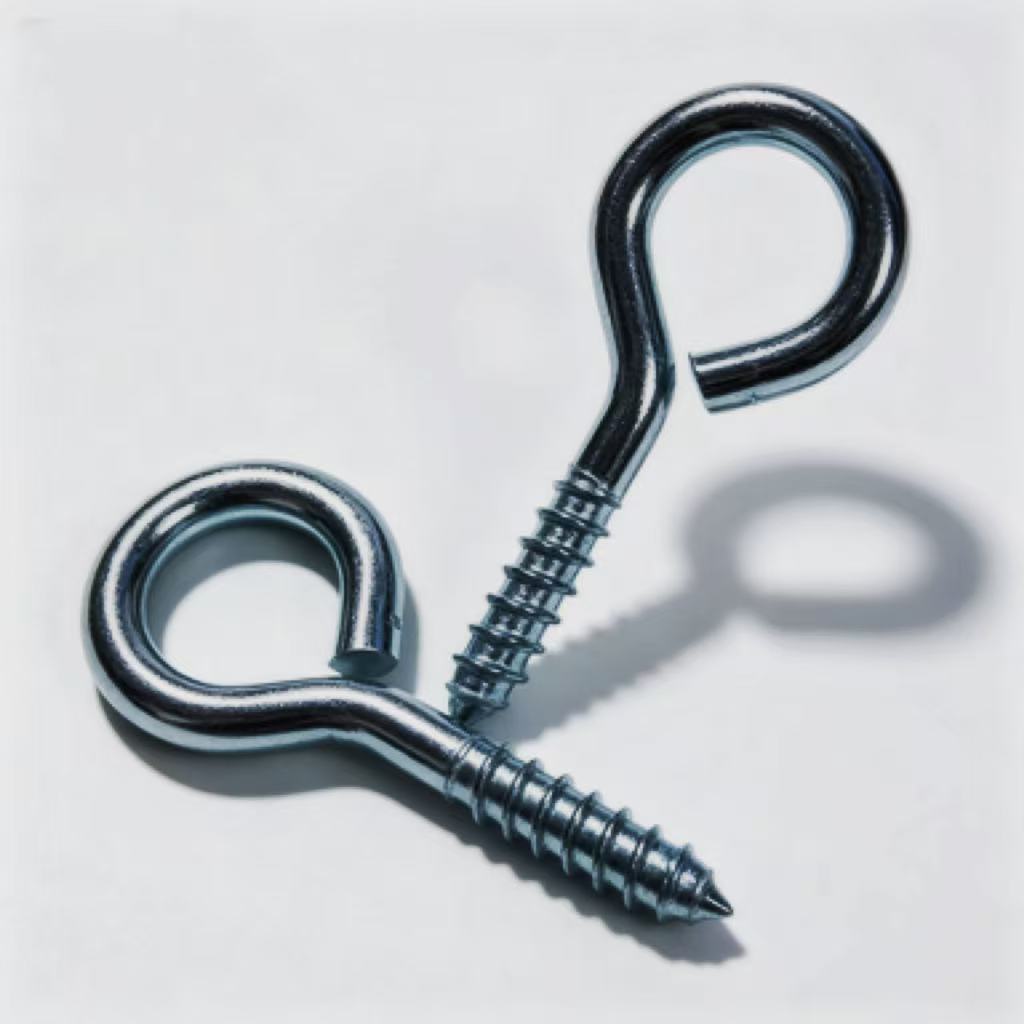
At the heart of our operations is a deep-rooted commitment to excellence, born in Handan, Hebei—China’s renowned hub for fastener manufacturing. As a global industry and trade integration enterprise with over a decade of experience, we specialize in the development, production, and service of a diverse range of fasteners and hardware tools. While our portfolio includes specialized products like casing geckos and wooden teeth welded sheep’s eye screws, our core expertise lies in delivering high-performance self-drilling solutions to the international market.
Our dedication to innovation drives us to continuously invest in scientific research and recruit high-tech talent. By utilizing advanced production technologies and rigorous testing methods, we ensure that every product meets stringent international standards, including GB, DIN, JIS, and ANSI. This commitment has enabled us to export our products to more than 26 countries, building a reputation for reliability and integrity across diverse markets.
We believe that true value comes from combining professional technical expertise with state-of-the-art machinery. Our team is equipped to handle custom specifications, tailoring quality and quantity to meet unique customer needs. Guided by the principle of “quality first, customer first,” we strive to provide thoughtful service that not only meets but exceeds expectations, ensuring that our clients receive fasteners that stand the test of time.
Comprehensive Guide to Self Drilling Screw Types and Grades
Selecting the correct type of self drilling screws is critical for the success of any application. The industry categorizes these fasteners primarily by their point length and the thickness of the material they can penetrate. Understanding these classifications helps engineers and contractors choose the right tool for the job, ensuring optimal holding power and installation ease.
The most common classification system uses numbers ranging from #1 to #5, with each number corresponding to a specific drilling capacity. For instance, a #2 point is suitable for lighter gauge metals, while a #5 point is designed for heavy structural steel. Matching the point type to the material thickness prevents premature wear on the drill tip and ensures clean thread formation.
In addition to point types, the material grade of the screw itself plays a vital role. High-hardness heat-treated steel is necessary for drilling into harder substrates without deforming the tip. Conversely, softer materials may require different thread designs to prevent stripping the host material during installation.
Detailed Comparison of Point Types
To assist in selection, the following table outlines the typical capabilities of various point types found in the market. This comparison serves as a general guideline for matching fasteners to material gauges.
| Point Type | Drilling Capacity (Steel) | Typical Applications | Key Characteristics |
| #1 Point | Up to 1mm (20-18 Gauge) | Light gauge framing, electrical boxes | Shortest point, fastest penetration for thin metals |
| #2 Point | Up to 2.5mm (14-12 Gauge) | Roofing, siding, stud-to-track | Most common general-purpose type |
| #3 Point | Up to 4mm (10-8 Gauge) | Heavy steel framing, purlins | Extended flute for deeper drilling |
| #4 Point | Up to 6mm (1/4 inch) | Structural connections, thick plates | Reinforced tip for high-torque applications |
| #5 Point | Up to 12mm (1/2 inch) | Heavy industrial machinery, beam connections | Maximum drilling depth and durability |
It is important to note that these capacities can vary slightly depending on the hardness of the base metal and the rotational speed of the driving tool. Always consult technical data sheets for precise limitations when working with high-strength alloys or treated lumber.
Material Science: Coatings and Corrosion Resistance
The longevity of self drilling screws in harsh environments depends heavily on their surface treatment. Exposure to moisture, salt spray, and industrial chemicals can rapidly degrade unprotected steel, leading to structural weakness and unsightly staining. Manufacturers employ various coating technologies to mitigate these risks and extend the service life of the fasteners.
Zinc plating remains a popular choice for indoor applications where moderate corrosion resistance is required. This electroplated layer provides a bright, uniform finish that protects against rust in dry or mildly humid conditions. For more aggressive environments, thicker coatings such as hot-dip galvanizing or specialized polymer blends are recommended.
Advanced ceramic-based coatings have emerged as a premium solution for coastal and chemical processing facilities. These coatings offer exceptional barrier protection and often include color-coding for easy identification of grade and type. The choice of coating should always align with the specific environmental challenges of the project site.
Evaluating Coating Performance Standards
Industry standards such as ASTM B117 define the methods for testing salt spray resistance, providing a benchmark for comparing different coating options. A high-quality coating should withstand hundreds of hours of salt fog exposure without showing signs of red rust. This metric is crucial for projects located near oceans or in areas with heavy road salt usage.
- Electro-Zinc: Suitable for interior use; offers basic protection up to 50 hours of salt spray.
- Mechanically Galvanized: Provides a thicker zinc layer; ideal for exterior roofing and siding.
- Xylan/PTFE: Low friction and high chemical resistance; excellent for specialized industrial uses.
- Ceramic Composite: Superior durability; capable of withstanding over 1,000 hours of salt spray testing.
Selecting the appropriate coating not only preserves the aesthetic appeal of the structure but also maintains the mechanical integrity of the connection points. Neglecting this aspect can result in premature failure, necessitating costly maintenance and replacement efforts sooner than anticipated.
Step-by-Step Installation Best Practices
Proper installation is key to maximizing the performance of self drilling screws. Even the highest quality fastener can fail if driven incorrectly. Following a systematic approach ensures consistent results, minimizes tool wear, and prevents damage to the base material or the screw head.
The first step involves selecting the correct driver bit. A worn or mismatched bit can cause cam-out, stripping the head recess and rendering the screw useless. It is essential to use bits made from high-impact alloys that match the screw’s drive style perfectly, whether it is hex, Phillips, or square.
Next, setting the clutch on the power tool is critical. The torque setting must be high enough to drive the screw flush but low enough to prevent over-driving, which can crush the material or break the screw shaft. Practice on scrap pieces of the same material combination to dial in the perfect settings before beginning the main installation.
Operational Guidelines for Flawless Execution
Adhering to the following procedure will help achieve professional-grade results across various applications. These steps reflect the collective experience of industry experts and address common pitfalls encountered during field operations.
- Step 1: Inspection: Verify that the screw point is sharp and free of debris. Check the material surfaces for cleanliness to ensure proper seating.
- Step 2: Alignment: Position the screw perpendicular to the work surface. Angled driving increases the risk of walking and uneven thread engagement.
- Step 3: Initial Engagement: Apply firm axial pressure while starting the tool at a low speed. This helps the drill point bite into the material without slipping.
- Step 4: Drilling and Tapping: Increase speed gradually as the point penetrates. Maintain steady pressure until the threads begin to engage the base material.
- Step 5: Final Seating: Allow the threads to pull the components together tightly. Stop immediately once the head is flush with the surface to avoid stripping.
Regularly inspecting the drill point during high-volume installation is also advisable. As the point wears down, drilling efficiency decreases, and the risk of overheating increases. Replacing worn screws promptly ensures consistent quality throughout the project lifecycle.
Common Applications Across Industries
The versatility of self drilling screws has led to their widespread adoption across diverse sectors. From residential housing to heavy infrastructure, these fasteners solve complex joining challenges with simplicity and efficiency. Their ability to handle dissimilar materials makes them particularly valuable in hybrid construction scenarios.
In the construction industry, they are the backbone of light gauge steel framing systems. Builders rely on them to connect studs to tracks, attach sheathing, and secure roof trusses. The speed of installation translates directly into reduced labor hours and faster project completion times, which is vital in competitive bidding environments.
The HVAC sector extensively utilizes these screws for assembling ductwork. The airtight seals created by properly installed screws improve energy efficiency and system performance. Additionally, their vibration resistance ensures that duct connections remain secure despite the constant airflow and mechanical movement within the system.
Specialized Use Cases and Sector Benefits
Beyond general construction, specific industries leverage unique properties of these fasteners to meet stringent regulatory and performance standards. Understanding these niche applications highlights the adaptability of the technology.
- Metal Roofing and Cladding: Sealed washers integrated into the screw head prevent water infiltration, protecting buildings from leaks and weather damage.
- Automotive Manufacturing: Used in non-structural assemblies where rapid fastening is required without damaging thin sheet metal panels.
- Storage Racking Systems: Provide robust connections for warehouse shelving units that must support heavy loads safely.
- Modular Building: Facilitate the quick assembly of prefabricated modules, allowing for rapid deployment of temporary or permanent structures.
Each application demands specific considerations regarding load bearing, environmental exposure, and aesthetic finish. By tailoring the screw specification to the specific use case, engineers can optimize both the functionality and the lifespan of the assembled product.
Troubleshooting Common Installation Issues
Despite their user-friendly design, installers may occasionally encounter issues when working with self drilling screws. Identifying the root cause of these problems is essential for maintaining workflow efficiency and ensuring joint integrity. Most issues stem from incorrect tool settings, mismatched fastener types, or poor technique.
One frequent problem is “burnishing,” where the screw spins without advancing. This usually occurs when the rotational speed is too high for the material hardness, causing friction heat that hardens the metal surface. Reducing the RPM and applying more downward pressure typically resolves this issue.
Another common challenge is head stripping, which renders the screw impossible to drive further or remove. This is often caused by using a worn driver bit or applying excessive torque. Ensuring that the bit is in good condition and correctly sized for the screw head recess is the primary preventive measure.
Diagnostic Table for Quick Resolution
The following table summarizes common symptoms, their likely causes, and recommended corrective actions. This resource serves as a quick reference guide for field technicians and supervisors.
| Symptom | Potential Cause | Corrective Action |
| Screw walks on surface | Incorrect angle or lack of initial pressure | Hold tool perpendicular; apply firm axial force before starting |
| Point breaks off | Material too hard for point type or excessive torque | Switch to a higher number point type; reduce clutch setting |
| Threads strip out | Over-driving or soft base material | Adjust torque limiter; use screws with finer pitch for soft materials |
| Rust appears quickly | Inappropriate coating for environment | Replace with higher-grade coated screws suitable for the exposure level |
| Uneven seating | Warped material or inconsistent pressure | Flatten material surface; ensure consistent driving technique |
Addressing these issues proactively prevents rework and material waste. Training installation crews on these troubleshooting techniques empowers them to handle variations in material and site conditions effectively, maintaining high standards of workmanship.
Frequently Asked Questions (FAQ)
Addressing common queries helps clarify uncertainties surrounding the selection and use of self drilling screws. The following answers are based on industry best practices and technical expertise to guide users toward informed decisions.
Can self drilling screws be used in wood?
While primarily designed for metal, certain types of self drilling screws with modified thread patterns can effectively fasten metal to wood. However, for wood-to-wood applications, traditional wood screws or self-tapping screws with a gimlet point are generally more efficient and provide better holding power.
What is the difference between self-drilling and self-tapping screws?
The key distinction lies in the tip design. Self-drilling screws have a drill-bit-like point that creates the hole and forms threads simultaneously. Self-tapping screws can cut threads but require a pre-drilled pilot hole. Using the wrong type can lead to installation failure or damaged materials.
How do I determine the correct screw length?
The general rule is that the screw should penetrate the base material by at least three full threads beyond the joined material. Calculating the total thickness of the materials being fastened and adding this penetration margin ensures a secure and durable connection.
Are stainless steel self drilling screws available?
Yes, stainless steel variants are available for applications requiring high corrosion resistance, such as marine environments or food processing facilities. However, they are generally softer than carbon steel and may have limited drilling capacity in very hard metals.
Does the color of the screw indicate its grade?
Not necessarily. While some manufacturers use color-coded heads to denote specific coatings or grades, this is not a universal standard. It is always safer to verify the specifications through packaging labels or certification documents rather than relying solely on color.
Future Trends in Fastener Technology
The landscape of fastening solutions continues to evolve, driven by demands for sustainability, smarter construction methods, and enhanced performance. Innovations in metallurgy and coating technologies are paving the way for self drilling screws that are stronger, more durable, and environmentally friendly.
Research into nano-coatings promises to deliver unprecedented levels of corrosion protection with minimal environmental impact. These advanced treatments could extend the lifespan of outdoor structures significantly, reducing the frequency of maintenance and replacement cycles. Such developments align with global goals for sustainable infrastructure.
Additionally, the integration of smart manufacturing techniques allows for tighter quality control and customization. Automated inspection systems ensure that every screw meets exacting standards before leaving the factory. This precision supports the growing trend towards prefabrication and modular construction, where consistency is paramount.
The Shift Towards Eco-Friendly Solutions
Environmental regulations are increasingly influencing the production of fasteners. Manufacturers are exploring alternatives to traditional hexavalent chromium coatings, which pose health and environmental risks. Water-based and trivalent chromium coatings are becoming the new standard, offering comparable performance with a reduced ecological footprint.
Recyclability is another focal point. Designing fasteners that can be easily separated from base materials at the end of a structure’s life facilitates recycling processes. This circular economy approach is gaining traction among architects and developers committed to green building certifications.
As the industry adapts to these changes, users can expect a new generation of self drilling screws that not only perform better but also contribute to broader sustainability objectives. Staying informed about these trends enables stakeholders to make forward-thinking choices for their projects.
Conclusion and Strategic Recommendations
In summary, self drilling screws represent a pinnacle of fastening efficiency, combining drilling, tapping, and fastening into a single seamless operation. Their ability to reduce labor costs, improve joint integrity, and adapt to various materials makes them an essential component in modern construction and manufacturing. Sourcing these critical components directly from a reputable manufacturer ensures access to factory-direct pricing, customized solutions, and uncompromised quality.
This comprehensive guide has highlighted the importance of selecting the correct point type, understanding coating technologies, and adhering to proper installation techniques. Whether you are managing a large-scale commercial build or a specialized industrial project, the right fastener strategy can significantly impact your bottom line and project success.
Who should use this solution? Contractors, engineers, procurement managers, and DIY enthusiasts involved in metal fabrication, roofing, framing, or HVAC installation will find immense value in optimizing their fastener choices. If your project demands speed, reliability, and cost-effectiveness, transitioning to high-quality self-drilling solutions is a strategic move.
For your next project, evaluate your specific material requirements and environmental conditions carefully. Consider reaching out to a trusted manufacturer to discuss your volume needs and explore custom options. Making an informed decision today ensures a stronger, more durable structure for tomorrow. Take the next step by reviewing your current supply chain and identifying opportunities to integrate factory-direct high-performance fasteners.