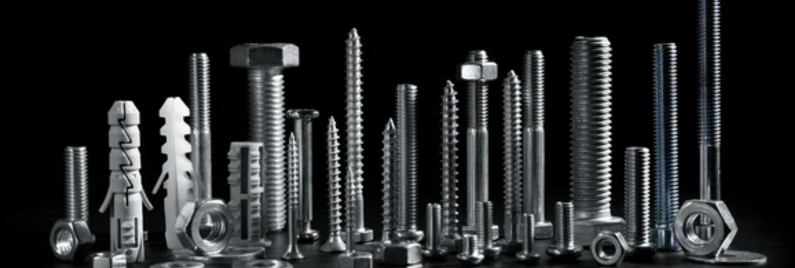
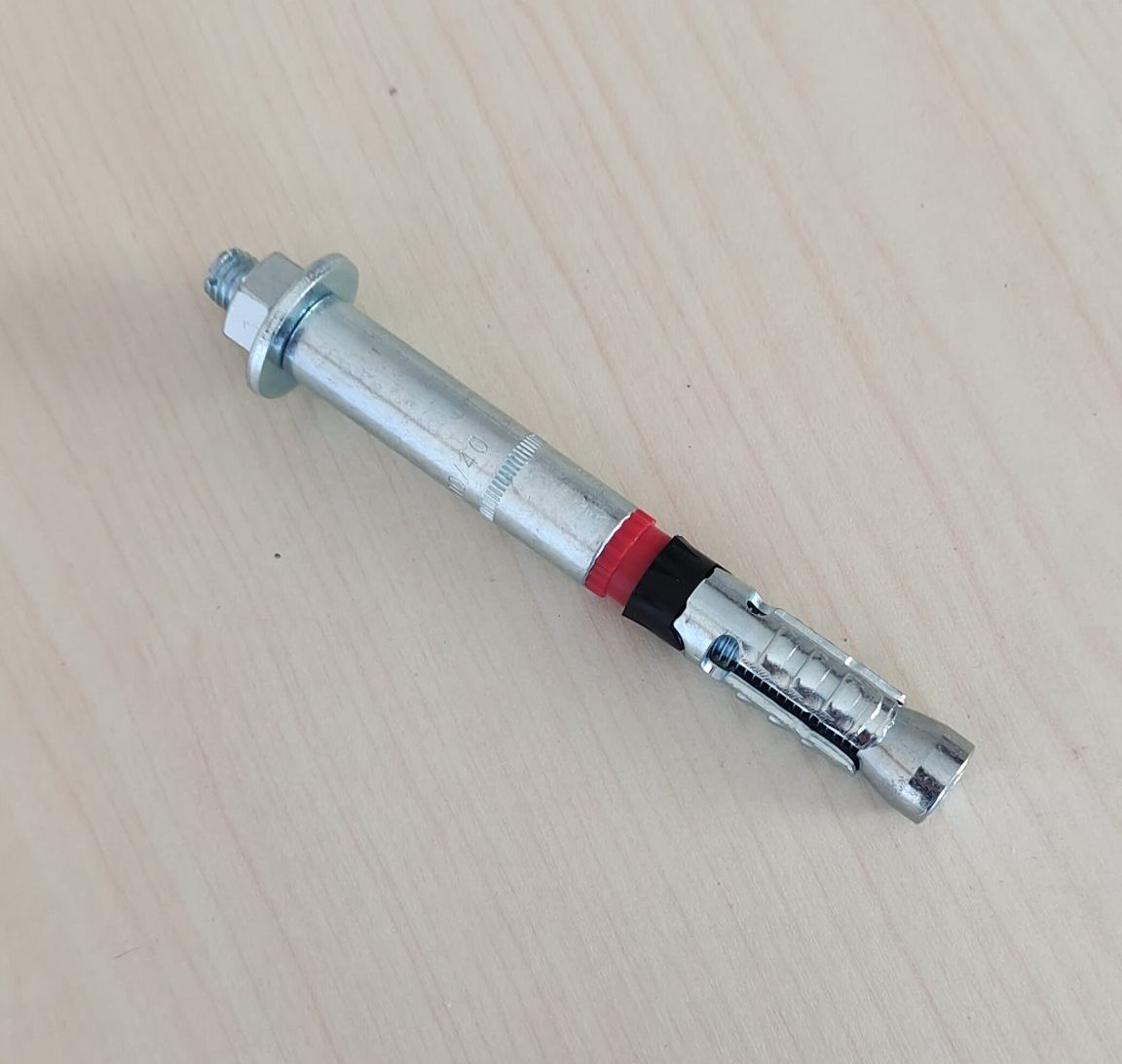
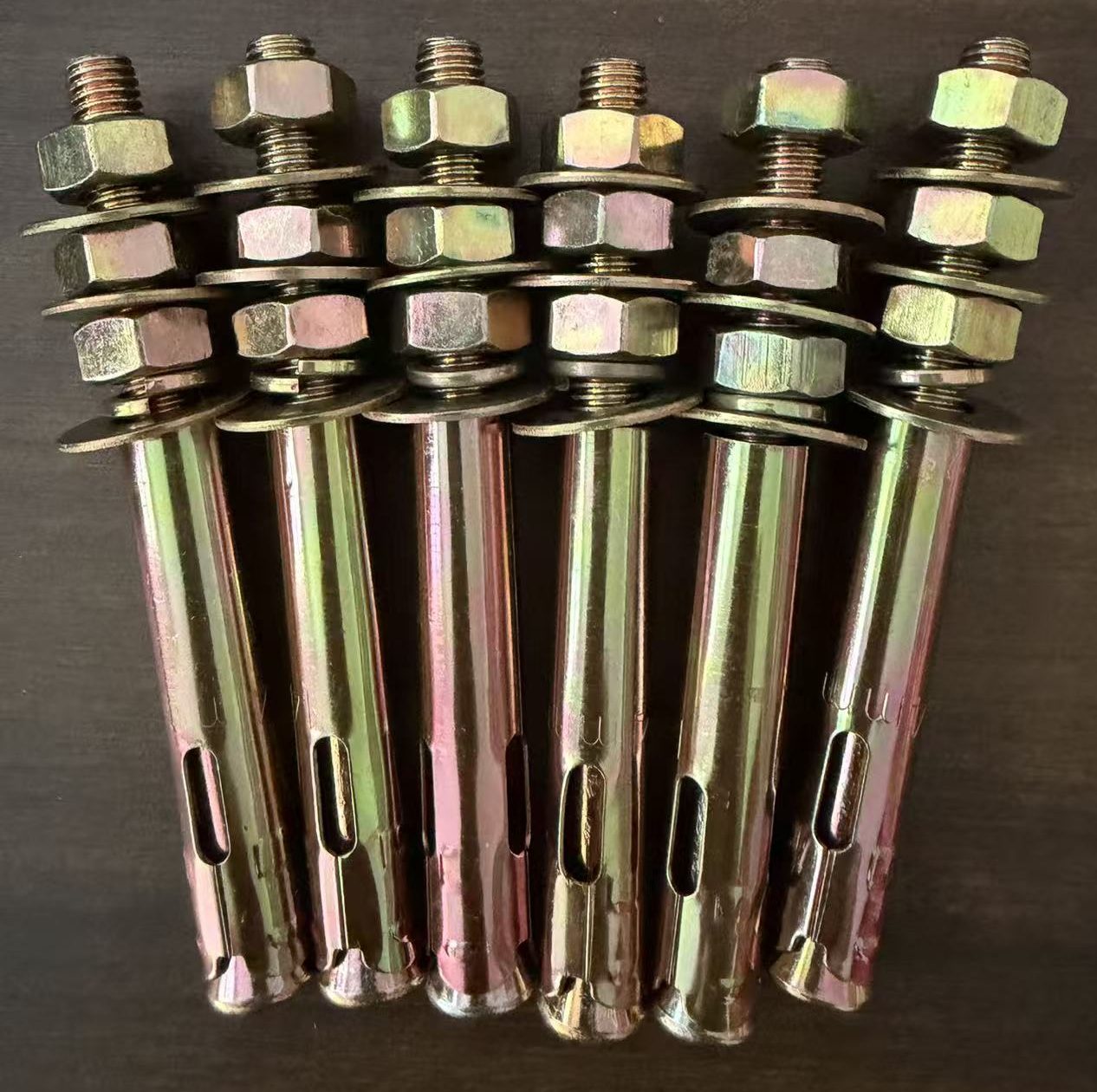
As a leading stainless steel hex bolts manufacturer, we provide factory-direct pricing on high-performance fasteners engineered for durability and corrosion resistance. Our facility specializes in producing precision hex head bolts across various stainless steel grades, ensuring compliance with international standards for industrial, marine, and construction applications. By eliminating intermediaries, we deliver cost-effective solutions without compromising on material integrity or manufacturing precision.
What Defines a Premium Stainless Steel Hex Bolts Manufacturer?
Selecting the right partner for fastener procurement requires understanding the technical capabilities that distinguish a top-tier stainless steel hex bolts manufacturer. It is not merely about producing metal rods with threads; it involves rigorous metallurgical control, precise cold forging processes, and strict adherence to dimensional tolerances.
A reputable manufacturer operates with full vertical integration, from raw material selection to final quality inspection. This ensures that every hex bolt meets specific tensile strength requirements and surface finish standards. The industry increasingly demands traceability and certification, making the manufacturer’s internal quality assurance protocols as critical as the final product itself.
Furthermore, expertise in material science allows manufacturers to recommend the optimal stainless steel grade for specific environmental conditions. Whether dealing with high-chloride marine environments or high-temperature chemical processing plants, the ability to match material properties to application needs is the hallmark of true expertise.
The Role of Material Grades in Manufacturing Quality
The foundation of any high-quality hex bolt lies in the raw material. Professional manufacturers primarily utilize austenitic stainless steels, known for their excellent corrosion resistance and formability. The most common grades include 304 (A2) and 316 (A4), each serving distinct industrial purposes.
- Grade 304 (A2): The standard choice for general industrial and architectural applications where exposure to corrosives is moderate.
- Grade 316 (A4): Enhanced with molybdenum to resist pitting and crevice corrosion, making it essential for marine and chemical processing sectors.
- Precipitation Hardening Grades: Used for specialized applications requiring higher tensile strengths while maintaining corrosion resistance.
Understanding these distinctions is vital. A competent manufacturer does not simply stock materials but analyzes the end-use environment to prevent premature failure due to stress corrosion cracking or galvanic incompatibility.
Comprehensive Guide to Stainless Steel Hex Bolt Specifications
Navigating the vast array of specifications can be challenging for procurement managers and engineers. A professional stainless steel hex bolts manufacturer adheres to globally recognized standards to ensure interchangeability and reliability. These standards dictate everything from head dimensions and thread pitch to mechanical property classes.
The most prevalent standards include ISO, DIN, ANSI/ASME, and JIS. While the physical dimensions may vary slightly between these systems, the underlying engineering principles remain consistent. For instance, an ISO 4014 hex head bolt shares functional similarities with a DIN 931, yet subtle differences in head height or wrench size can impact assembly efficiency.
Mechanical property classes, such as A2-70 or A4-80, indicate the minimum tensile strength and yield strength of the fastener. The number following the hyphen represents one-tenth of the minimum tensile strength in N/mm². Therefore, an A4-80 bolt guarantees a minimum tensile strength of 800 MPa, a critical factor for structural integrity calculations.
Decoding Thread Standards and Tolerances
Thread compatibility is non-negotiable in assembly operations. Manufacturers must produce threads that fit seamlessly with corresponding nuts and tapped holes. The two dominant thread profiles are metric (ISO) and unified (UNC/UNF).
Metric threads are defined by their nominal diameter and pitch (e.g., M10 x 1.5). In contrast, unified threads use threads per inch (TPI). Precision manufacturing ensures that the major diameter, minor diameter, and pitch diameter fall within specified tolerance classes, typically 6g for external threads in general applications.
- Coarse Threads (UNC/Metric Coarse): Preferred for general assembly due to faster engagement and better resistance to stripping in softer materials.
- Fine Threads (UNF/Metric Fine): Utilized when precise adjustment is needed or in thin-walled tubing where coarse threads would compromise wall integrity.
- Locking Features: Some applications require prevailing torque features or specific thread modifications to prevent loosening under vibration.
Factory Direct Pricing: The Economic Advantage
One of the most significant benefits of sourcing directly from a stainless steel hex bolts manufacturer is the elimination of supply chain markups. Traditional distribution channels often involve multiple layers of wholesalers and retailers, each adding a margin to the final cost. Factory-direct models bypass these intermediaries, passing savings directly to the buyer.
Beyond unit price reduction, direct manufacturing relationships offer flexibility in order volumes. While distributors may enforce strict minimum order quantities (MOQs) for non-standard items, a factory can often accommodate custom runs or mixed loads more efficiently. This agility is particularly valuable for projects requiring specific lengths or non-standard head configurations.
Moreover, direct communication with the production team facilitates faster resolution of technical queries. Instead of relaying questions through a sales representative who may lack technical depth, clients can discuss material certifications, heat treatment processes, and packaging requirements directly with engineering staff.
Cost Factors Influencing Bulk Orders
While factory prices are generally lower, several variables influence the final quote. Understanding these factors helps buyers optimize their procurement strategy.
- Raw Material Fluctuations: Stainless steel prices are tied to global nickel and chromium markets. Long-term contracts can sometimes lock in favorable rates.
- Production Complexity: Standard sizes produced in high volumes benefit from economies of scale. Custom diameters or unusual lengths may incur setup charges.
- Surface Finishing: Additional treatments like passivation, pickling, or electro-polishing add value but also affect the cost structure.
- Certification Requirements: Providing mill test certificates (MTC) or third-party inspection reports involves administrative and testing costs.
Manufacturing Process: From Wire to Finished Bolt
The journey of a stainless steel hex bolt begins with high-quality wire rod. The manufacturing process is a sophisticated blend of cold working and thermal treatment designed to enhance the mechanical properties of the metal without compromising its corrosion resistance.
Initially, the wire is drawn to the precise diameter required for the specific bolt size. This cold drawing process increases the tensile strength of the material through work hardening. The wire is then cut into blanks of exact length, calculated to account for the volume of metal needed to form both the head and the threaded shank.
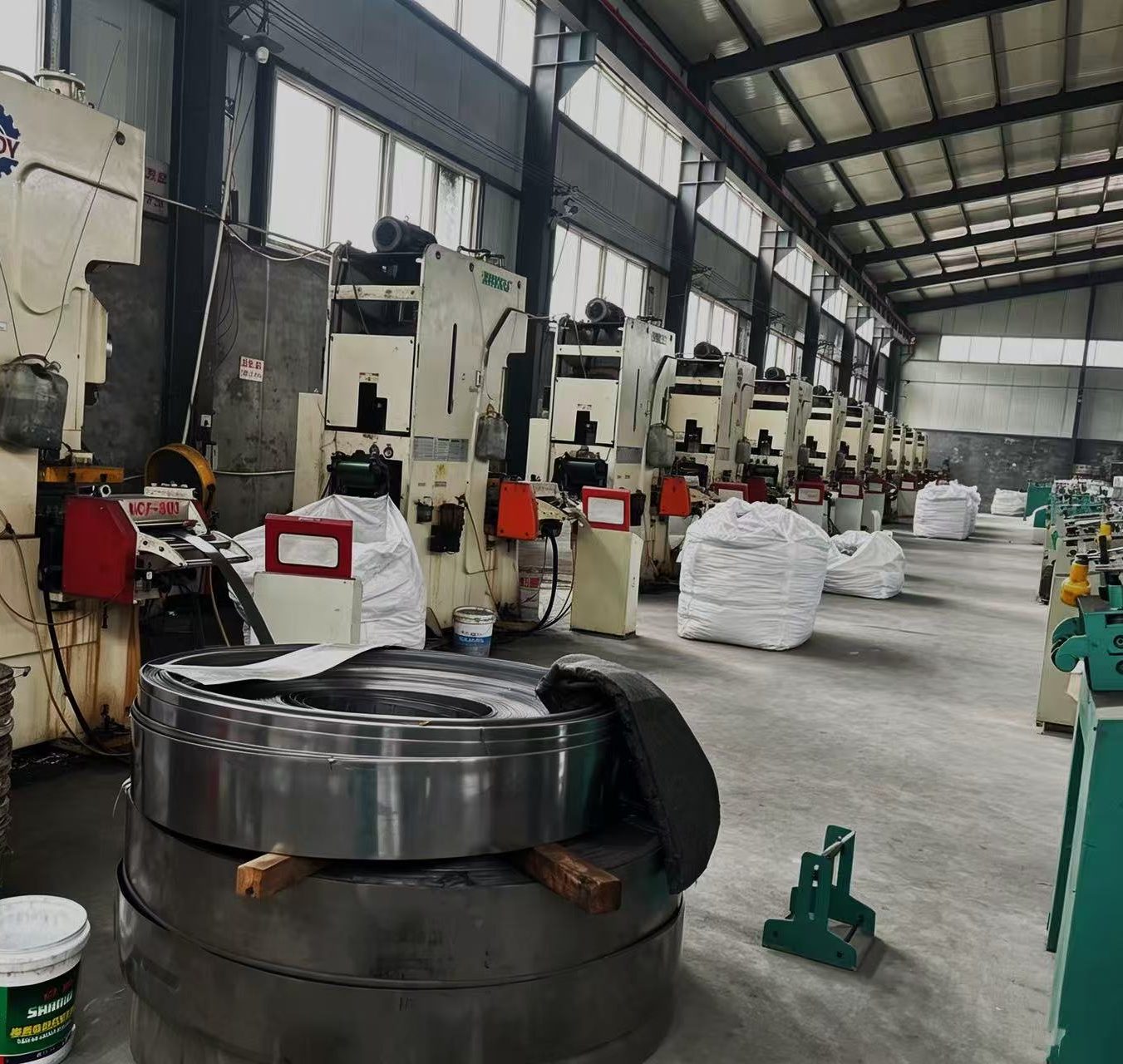
The heading operation follows, where massive cold forging presses shape the blank into a hexagonal head. This method aligns the grain structure of the metal along the contour of the bolt, significantly improving fatigue resistance compared to machined heads. Subsequently, the shank is rolled between dies to form the threads, a process that further strengthens the fastener by compressing the grain flow rather than cutting it away.
Quality Control and Testing Protocols
Rigorous quality control is the backbone of any credible stainless steel hex bolts manufacturer. Every batch undergoes a series of tests to verify compliance with stated specifications. These tests are not merely formalities but critical safeguards against structural failure.
Spectrometry analysis is conducted on raw materials to confirm the chemical composition matches the designated grade (e.g., verifying molybdenum content in 316 stainless). Mechanical testing includes tensile strength tests, yield strength verification, and hardness measurements (Rockwell or Vickers scales).
- Dimensional Inspection: Automated optical scanners and go/no-go gauges ensure head height, wrench flat width, and thread pitch are within tolerance.
- Corrosion Resistance Testing: Salt spray tests (ASTM B117) are periodically performed to validate the material’s ability to withstand corrosive environments.
- Visual Examination: Trained inspectors check for surface defects such as cracks, seams, or forging laps that could initiate failure.
Comparative Analysis: Stainless Steel vs. Alternative Materials
Choosing the right fastener material is crucial for project longevity. While carbon steel and alloy steel are common alternatives, stainless steel offers unique advantages that justify its selection in many demanding applications. The following table highlights key differences to aid in decision-making.
| Feature | Stainless Steel (A2/A4) | Carbon Steel (Plated) | Alloy Steel (Heat Treated) |
| Corrosion Resistance | Excellent; inherent property | Poor; relies on coating | Moderate; depends on plating |
| Tensile Strength | High (up to 800-1000 MPa) | Moderate | Very High (up to 1200+ MPa) |
| Temperature Resistance | Superior at high and low temps | Limited by coating degradation | Good, but prone to temper embrittlement |
| Maintenance | Low; self-healing oxide layer | High; requires inspection of coating | Moderate |
| Cost Efficiency | Higher initial cost, lower lifecycle cost | Lowest initial cost | Moderate to High |
This comparison illustrates that while carbon steel may appear cheaper initially, the lifecycle costs associated with replacement and maintenance in corrosive environments often make stainless steel the more economical choice over time. For applications involving extreme loads where stainless steel’s strength limit is reached, alloy steel might be considered, provided corrosion protection measures are implemented.
Key Applications of Stainless Steel Hex Bolts
The versatility of stainless steel hex bolts makes them indispensable across a wide spectrum of industries. Their ability to maintain structural integrity under harsh conditions drives their adoption in sectors where failure is not an option.
In the marine industry, exposure to saltwater creates an aggressive corrosive environment. Grade 316 (A4) hex bolts are the standard here, resisting pitting and crevice corrosion that would rapidly degrade lesser materials. They are used in boat fittings, dock structures, and offshore platform assemblies.
The chemical processing sector relies heavily on these fasteners for piping systems, reactors, and storage tanks. The inert nature of stainless steel prevents contamination of sensitive chemicals and ensures the fasteners do not degrade when exposed to acids, alkalis, or solvents.
In food and beverage processing, hygiene is paramount. Stainless steel bolts are easy to clean, do not harbor bacteria, and withstand frequent washdowns with sanitizing agents. Their non-reactive surface ensures no metallic taste is imparted to food products.
Specialized Uses in Architecture and Infrastructure
Modern architecture often features exposed fasteners as part of the aesthetic design. Stainless steel hex bolts provide a clean, modern look that resists staining and rusting, even in urban environments with high pollution levels. They are extensively used in curtain walls, handrails, and structural glass connections.
Infrastructure projects, including bridges and tunnels, utilize these bolts for critical connections where long-term durability reduces maintenance intervals. The ability of stainless steel to perform in freeze-thaw cycles without losing toughness makes it ideal for transportation infrastructure in varying climates.
- Railway Systems: Resisting vibration and dynamic loads while enduring weather exposure.
- Renewable Energy: Wind turbine assemblies and solar panel mounting structures require fasteners that last decades with minimal intervention.
- Water Treatment: Facilities handling potable water or wastewater depend on non-corrosive fasteners to prevent system contamination.
How to Select the Right Manufacturer for Your Needs
Identifying a reliable stainless steel hex bolts manufacturer involves more than comparing price lists. It requires a due diligence process to assess technical capability, quality systems, and supply chain stability. Buyers should look for partners who demonstrate transparency and a commitment to continuous improvement.
Certifications play a pivotal role in this evaluation. Look for manufacturers holding ISO 9001 certification, which indicates a robust quality management system. Industry-specific certifications, such as PED (Pressure Equipment Directive) for European markets or ABS/DNV for marine applications, further validate technical competence.
Production capacity and lead times are also critical considerations. A capable manufacturer should be able to provide clear timelines and have the flexibility to scale production up or down based on project demands. Requesting samples before placing a bulk order allows buyers to physically inspect the finish, threading, and head formation.
Evaluating Technical Support and After-Sales Service
The relationship with a manufacturer extends beyond the transaction. Superior providers offer ongoing technical support, assisting with material selection, torque value recommendations, and troubleshooting installation issues. This level of service minimizes the risk of application errors that could lead to joint failure.
Traceability is another essential factor. In regulated industries, being able to trace a specific batch of bolts back to the original heat number and mill certificate is mandatory. Ensure the manufacturer has a systematic approach to labeling and documentation that supports full traceability throughout the product’s lifecycle.
- Customization Capabilities: Can they produce non-standard lengths or special head styles?
- Packaging Options: Do they offer bulk packing, boxed units, or specialized labeling for inventory management?
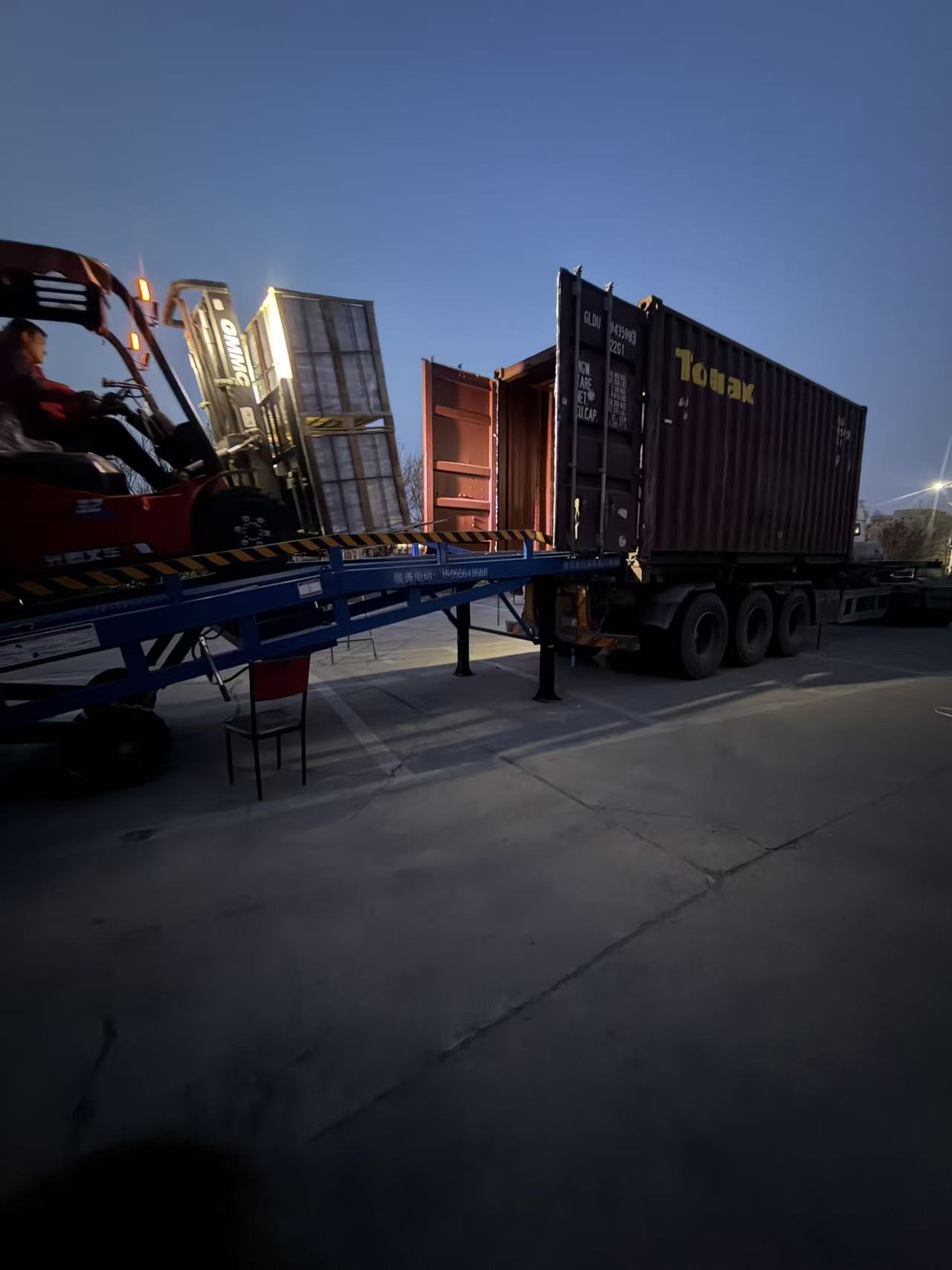
- Logistics Expertise: Are they experienced in exporting to your region and handling necessary customs documentation?
Our Commitment: Excellence from Handan to the World
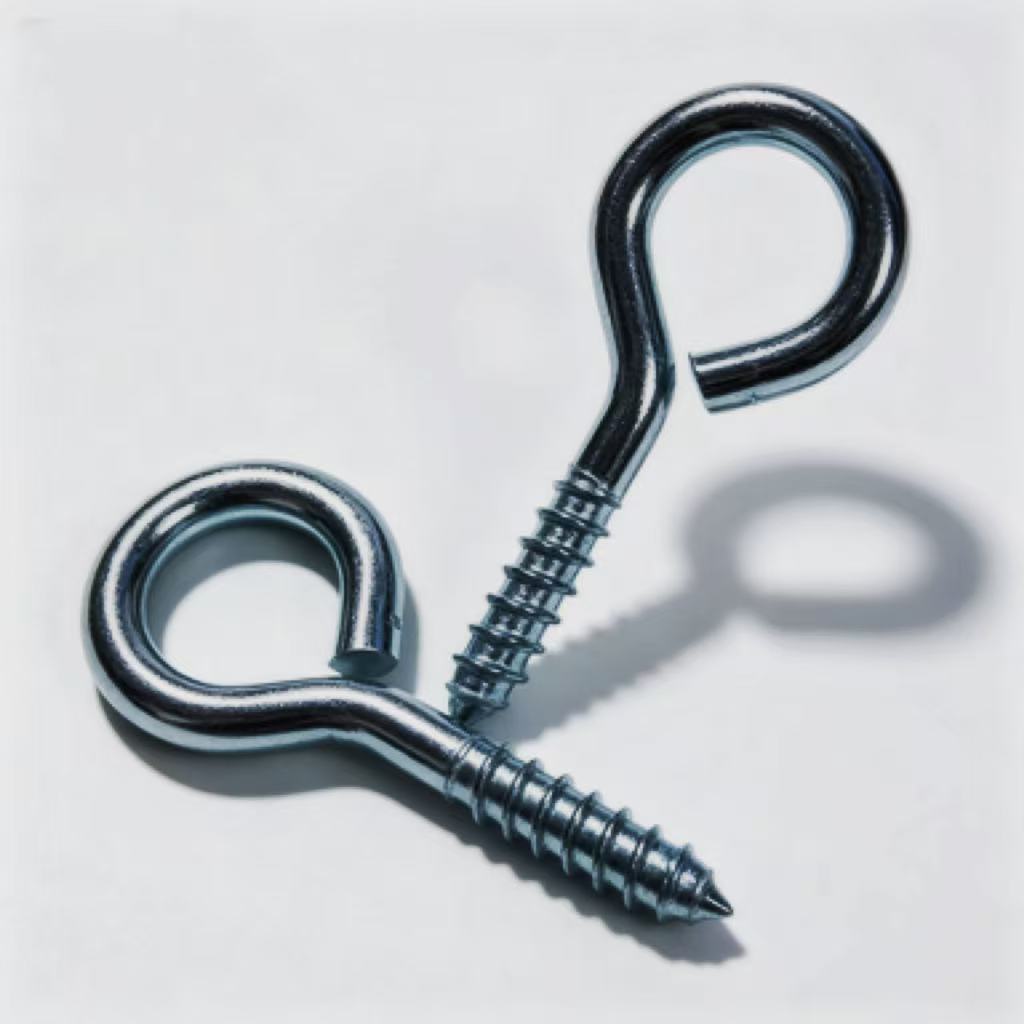
Located in Handan, Hebei—China’s renowned hub for fastener manufacturing—our company embodies the synergy of industry and trade. With over a decade of specialized experience, we have evolved into a global provider of high-performance fasteners and hardware tools, serving clients in more than 26 countries. While our heritage includes expertise in diverse products like casing geckos and welded sheep’s eye screws, our core focus remains on the development and precision manufacturing of superior fastening solutions.
We adhere to an integrity-based business philosophy, continuously investing in scientific research and introducing high-tech talent to drive innovation. Our advanced production technology and perfect testing methods ensure that every product we deliver meets rigorous international standards, including GB, DIN, JIS, and ANSI. Whether you require standard stainless steel hex bolts or customized specifications tailored to unique project needs, our professional technical team is equipped to deliver quality and quantity with competitive pricing.
Guided by the principle of “quality first, customer first,” we strive to provide thoughtful service that goes beyond mere transactions. From customizing special specifications to ensuring seamless logistics, our goal is to maintain a sterling reputation while meeting the evolving needs of our global customers.
Frequently Asked Questions (FAQ)
What is the difference between A2 and A4 stainless steel hex bolts?
A2 stainless steel corresponds to Grade 304 and is suitable for general atmospheric conditions. A4 corresponds to Grade 316 and contains molybdenum, providing superior resistance to chlorides and acidic environments. For marine or chemical applications, A4 is the recommended choice.
Can stainless steel hex bolts be used with carbon steel nuts?
While mechanically possible, mixing stainless steel bolts with carbon steel nuts is generally discouraged due to the risk of galvanic corrosion. The dissimilar metals can create an electrochemical reaction in the presence of an electrolyte, leading to rapid degradation of the less noble metal (carbon steel). It is best to use matching stainless steel nuts.
What does the marking “A4-80” mean on a bolt head?
The marking indicates the material and strength class. “A4” signifies the bolt is made from 316 stainless steel. “80” denotes the minimum tensile strength of 800 N/mm² (MPa). This information helps users verify that the fastener meets the required mechanical specifications for their application.
Do you provide mill test certificates with your orders?
Yes, as a committed stainless steel hex bolts manufacturer, we provide Mill Test Certificates (MTC) EN 10204 3.1 for all batches upon request. These documents detail the chemical composition and mechanical test results, ensuring full compliance with ordered specifications.
What is the typical lead time for factory direct orders?
Lead times vary depending on the quantity and specificity of the order. Standard sizes and grades are often available for immediate shipment from stock. Custom specifications or large volume orders typically require a production window of 2 to 4 weeks, subject to current factory scheduling and raw material availability.
Conclusion: Making the Strategic Choice
Investing in high-quality fasteners is a strategic decision that impacts the safety, longevity, and maintenance costs of any project. Partnering with a dedicated stainless steel hex bolts manufacturer ensures access to products that meet rigorous international standards while offering the economic benefits of factory-direct pricing.
This approach is ideally suited for construction firms, industrial plant operators, marine engineers, and procurement specialists who prioritize reliability and total cost of ownership over mere initial purchase price. By understanding the nuances of material grades, manufacturing processes, and quality assurance, buyers can make informed decisions that safeguard their assets.
To proceed, evaluate your specific environmental and load requirements, identify the appropriate stainless steel grade, and engage with a manufacturer who can provide the necessary certifications and technical support. Taking this proactive step ensures your assemblies stand the test of time, delivering performance and peace of mind in even the most challenging conditions.