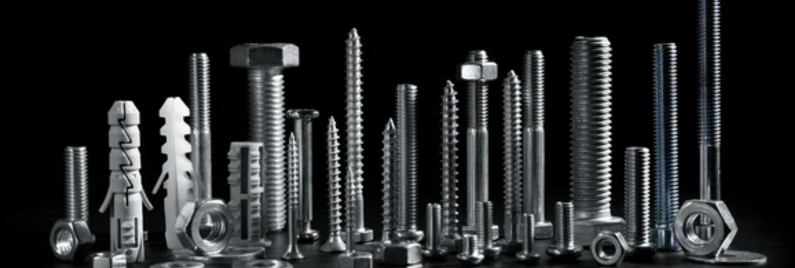
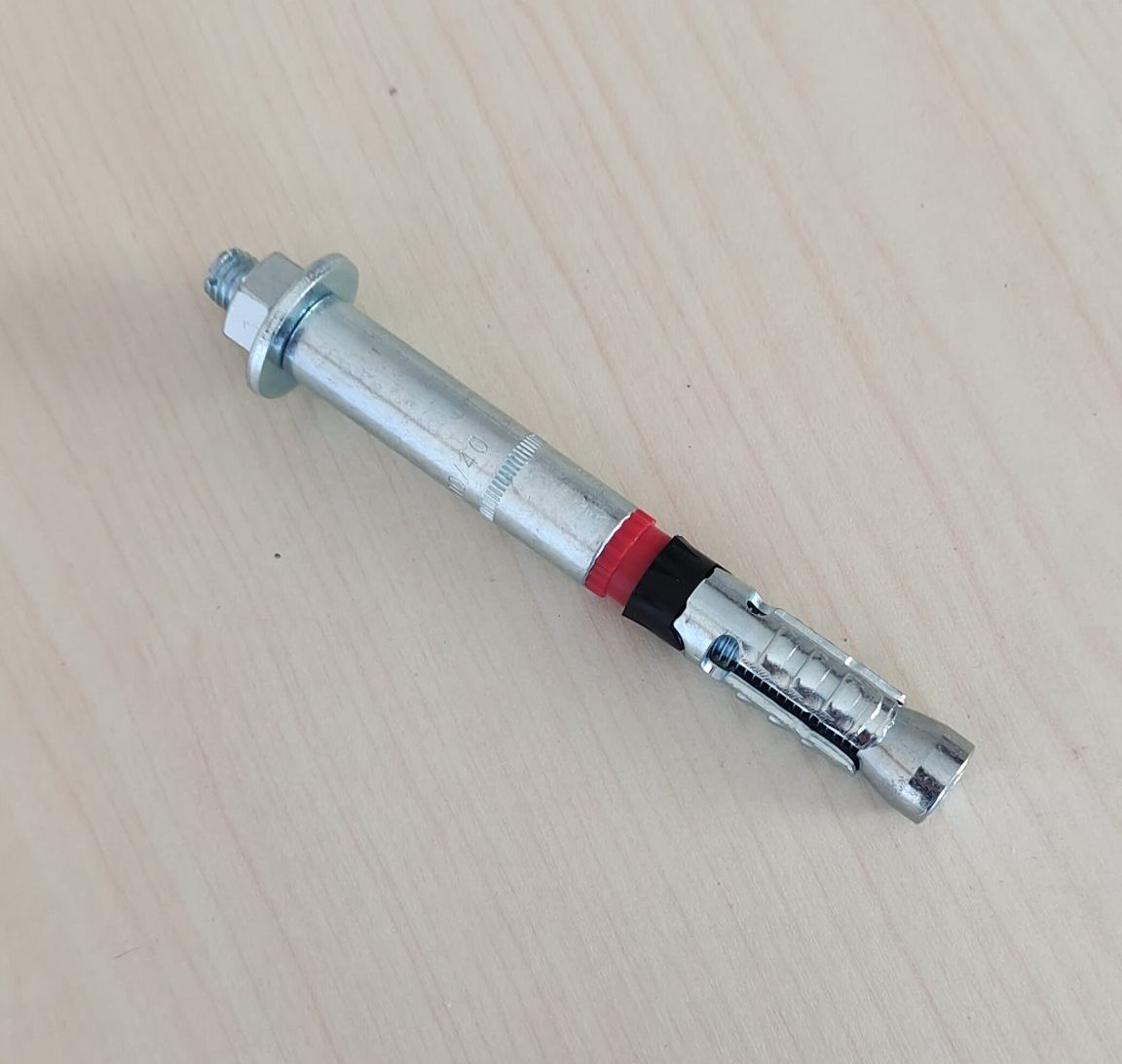
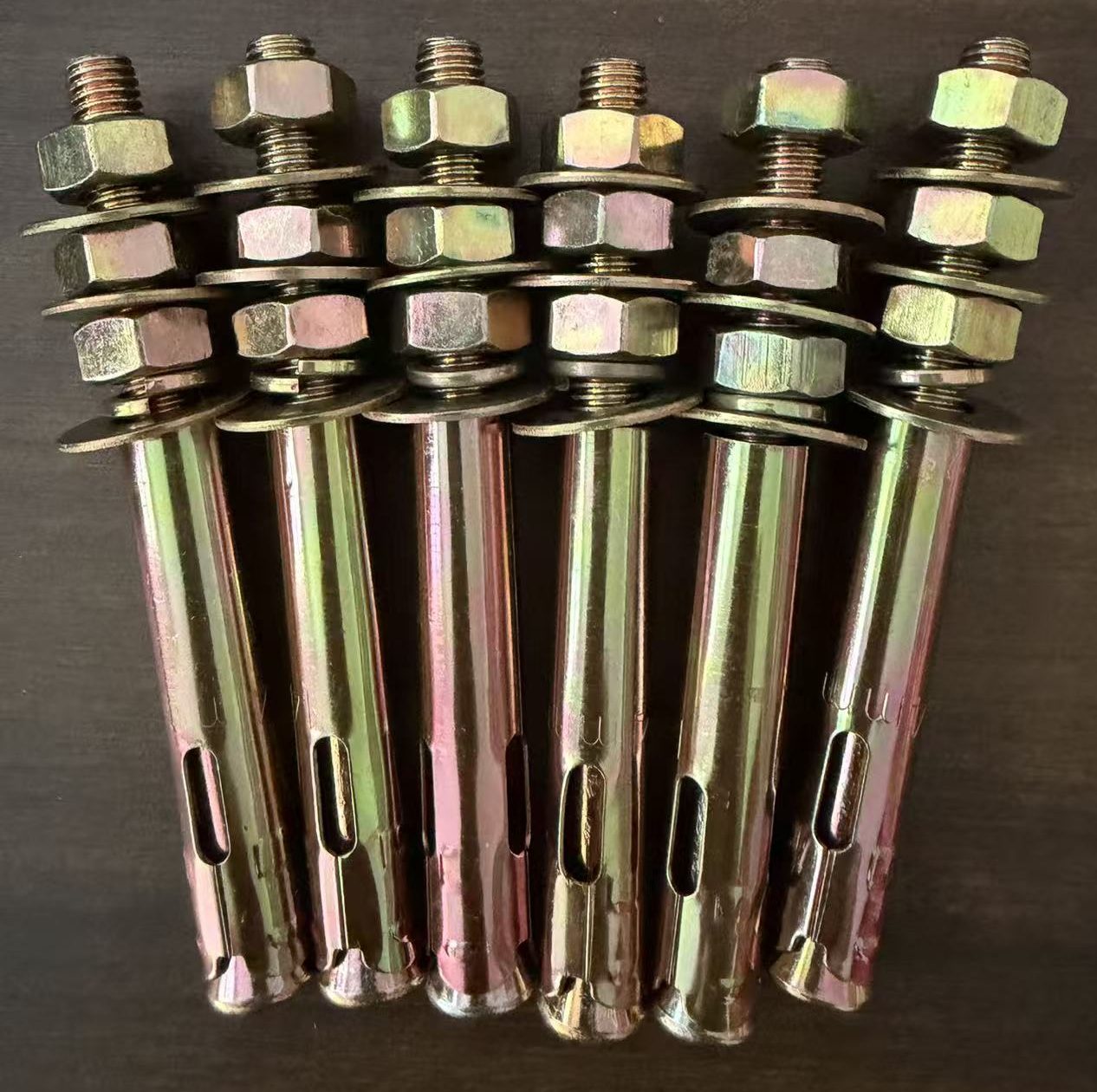
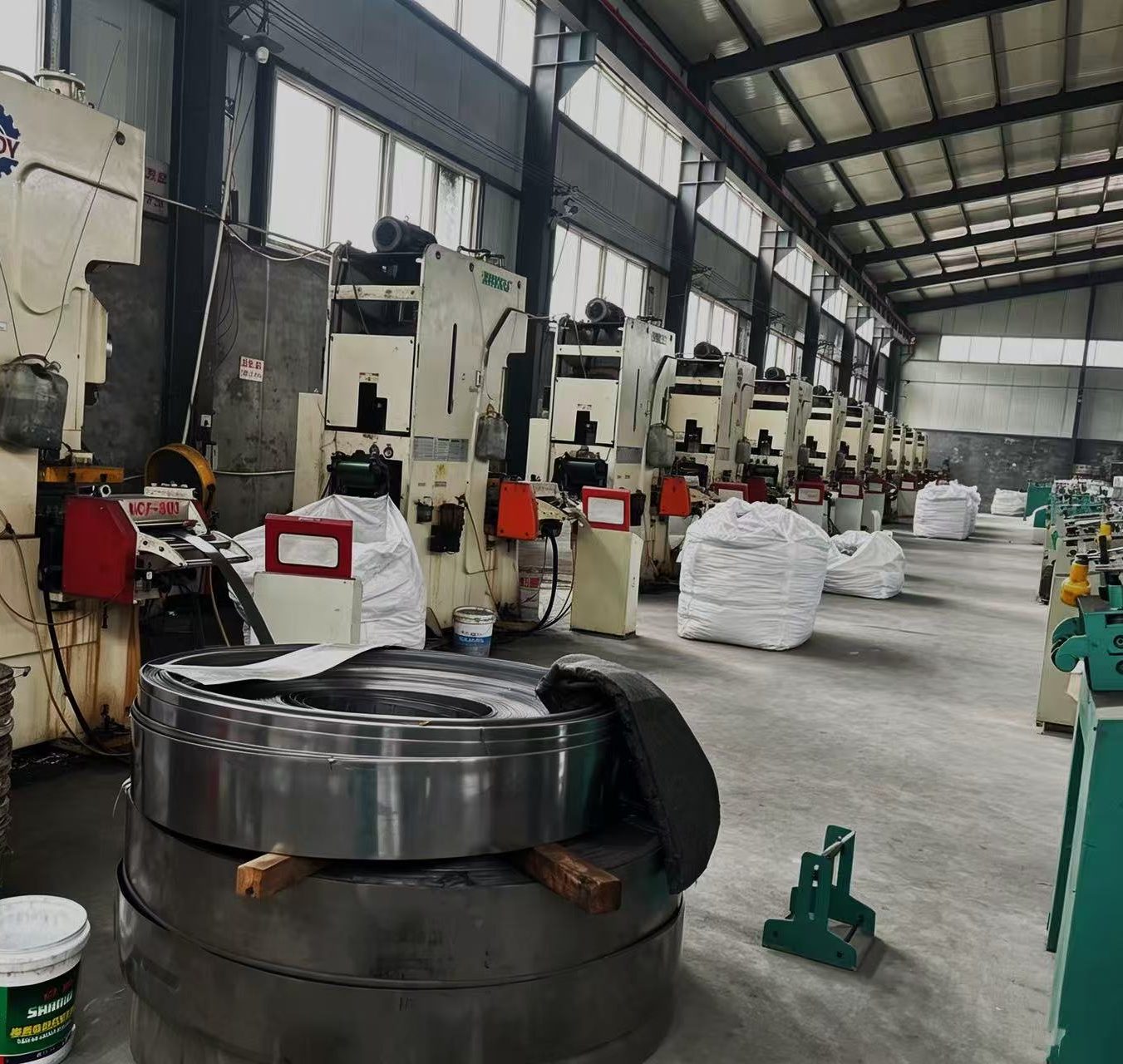
As a leading threaded fasteners supplier, we provide factory-direct access to high-precision bolts, screws, nuts, and studs tailored for OEM requirements. Our manufacturing facility eliminates intermediaries, ensuring competitive pricing without compromising on material integrity or dimensional accuracy. Whether you need standard metric components or custom-engineered solutions for extreme environments, our direct supply chain guarantees consistency, rapid lead times, and full traceability for industrial applications worldwide.
What Are Threaded Fasteners and Why Do They Matter?
Threaded fasteners are mechanical devices characterized by helical ridges, known as threads, designed to join two or more components securely. These elements function by converting rotational torque into linear clamping force, creating a friction-based lock that resists vibration and dynamic loads. In modern engineering, they serve as the fundamental backbone of structural integrity across aerospace, automotive, construction, and heavy machinery sectors.
The significance of selecting the right threaded fastener cannot be overstated. A single failure in a critical joint can lead to catastrophic equipment downtime or safety hazards. Industry professionals recognize that the performance of a fastener depends not just on its size, but on the synergy between thread geometry, material grade, and surface treatment. Understanding these variables is essential for engineers specifying components for high-stress applications.
Unlike welded or adhesive joints, threaded connections offer the distinct advantage of non-permanent assembly. This allows for maintenance, repair, and component replacement without destroying the base materials. However, this reusability demands precise manufacturing tolerances to ensure that threads engage smoothly without stripping or galling, a common issue in lower-quality supply chains.
The Mechanics of Thread Engagement
The effectiveness of any threaded connection relies on the precise interaction between male and female threads. When tightened, the flanks of the threads bear the load, distributing stress along the engaged length. Proper engagement ensures that the shear strength of the threads exceeds the tensile strength of the bolt, forcing failure to occur in the shank rather than the threads themselves.
Key geometric factors influencing this engagement include the pitch diameter, major diameter, and minor diameter. Deviations in these measurements, even by microns, can drastically reduce load-carrying capacity. Factory-direct suppliers maintain strict control over these parameters using advanced CNC threading and automated optical inspection systems to verify compliance with international standards.
Comprehensive Catalog of Industrial Threaded Fasteners
Our production lines cover an extensive range of threaded fastener types, each engineered for specific loading conditions and environmental exposures. From general-purpose hardware to specialized aerospace-grade components, our inventory supports diverse OEM specifications. We categorize our offerings based on head style, drive type, and functional application to streamline the selection process for procurement teams.
Understanding the distinctions between these categories helps engineers specify the optimal component for their assembly. Below is a detailed breakdown of the primary families of threaded fasteners available through our direct manufacturing channel.
Bolts and Hex Cap Screws
Bolts represent the most ubiquitous category of threaded fasteners, typically featuring a hexagonal head for wrench tightening. High-strength hex cap screws are manufactured from alloy steels and heat-treated to achieve specific yield strengths. These are indispensable in structural steelwork, heavy equipment framing, and pressure vessel assemblies where high preload is required.
We produce these in various grades, ranging from commercial quality to high-tensile classifications compliant with ASTM and ISO standards. The precision of the hexagon geometry ensures maximum torque transfer without rounding, a critical factor when dealing with rusted or painted surfaces in field applications.
Studs and Double-End Rods
Studs are cylindrical rods threaded on both ends, often with an unthreaded section in the middle. They are predominantly used in applications requiring frequent disassembly of one side while the other remains fixed, such as engine cylinder heads and pump housings. Our double-end rods are machined to ensure perfect coaxiality, preventing binding during nut installation.
These components are vital in high-temperature environments where thermal expansion differences between the stud and the host material must be managed. We offer continuous thread studs as well as tap-end and machine-end configurations to suit specific flange designs and sealing requirements.
Nuts and Locking Mechanisms
Nuts serve as the mating component for bolts and studs, providing the necessary clamp load. Beyond standard hex nuts, we manufacture a wide array of locking nuts designed to resist loosening under vibration. These include nylon insert lock nuts, all-metal prevailing torque nuts, and flange nuts with integrated serrations.
The choice of locking mechanism depends on the operational environment. For instance, chemical processing plants may require all-metal locks to avoid nylon degradation, while automotive assemblies often utilize distorted thread nuts for reliable retention. Our factory produces these with consistent torque-prevailing characteristics to ensure assembly line efficiency.
Material Selection and Corrosion Resistance Strategies
The longevity of a threaded fastener is directly correlated with its material composition and surface finish. Selecting the wrong material for a given environment can lead to premature failure through corrosion, hydrogen embrittlement, or stress cracking. As a factory-direct source, we guide clients through material selection based on empirical data and industry best practices.
Carbon steel remains the default choice for general industrial applications due to its excellent strength-to-cost ratio. However, when exposed to moisture, chemicals, or extreme temperatures, alternative alloys become necessary. Our metallurgical team works closely with OEMs to match material properties to specific service conditions.
Stainless Steel Solutions
Stainless steel fasteners are the industry standard for applications requiring superior corrosion resistance. We primarily utilize Austenitic grades like 304 (A2) and 316 (A4), which offer excellent resistance to oxidation and many acidic environments. The addition of molybdenum in 316 stainless significantly enhances pitting resistance in chloride-rich settings, such as marine or coastal installations.
For high-strength requirements where standard austenitic grades fall short, we supply precipitation-hardening stainless steels like 17-4 PH. These materials can be heat-treated to achieve tensile strengths comparable to alloy steels while retaining good corrosion resistance. This makes them ideal for aerospace and high-performance automotive components.
Alloy Steels and High-Temperature Grades
In scenarios demanding extreme tensile strength or resistance to creep at elevated temperatures, alloy steels are the preferred solution. Grades such as ASTM A193 B7 and B16 are commonly used in power generation and petrochemical industries. These materials undergo rigorous quenching and tempering processes to achieve the desired microstructure and mechanical properties.
Our heat treatment facilities are equipped with controlled atmosphere furnaces to prevent decarburization and ensure uniform hardness throughout the fastener batch. We strictly monitor carbon potential and cooling rates to guarantee that every bolt meets the specified Rockwell hardness range, ensuring predictable performance under load.
Advanced Coatings and Plating
Surface treatments play a pivotal role in extending the service life of carbon steel fasteners. Zinc plating provides a sacrificial layer that protects the base metal from rust, suitable for indoor or mildly corrosive environments. For more aggressive conditions, we apply hot-dip galvanizing, which creates a thicker, more durable zinc-iron alloy coating.
Recent industry trends have shifted towards environmentally friendly coatings that eliminate hexavalent chromium. We offer Geomet and Dacromet finishes, which provide exceptional salt spray resistance without the toxicity associated with traditional electroplating. These coatings also offer better temperature stability, making them suitable for engine compartments and exhaust systems.
Factory Direct vs. Distributor: The Supply Chain Advantage
Sourcing threaded fasteners directly from the manufacturer offers distinct strategic advantages over purchasing through multi-tiered distribution networks. In an era where supply chain resilience is paramount, eliminating intermediaries reduces lead times, lowers costs, and enhances quality control visibility. Our factory-direct model is designed to support Just-In-Time (JIT) manufacturing protocols.
Distributors often aggregate stock from multiple sources, leading to inconsistencies in material certification and traceability. By contrast, buying factory direct ensures that every batch of fasteners comes with a Mill Test Report (MTR) tracing the raw material back to the melt shop. This level of transparency is crucial for regulated industries like nuclear, aerospace, and medical device manufacturing.
Cost Efficiency and Pricing Transparency
The most immediate benefit of factory-direct sourcing is the reduction in unit cost. Without the markups added by warehousing and logistics intermediaries, OEMs can achieve significant savings, especially on high-volume orders. Furthermore, direct communication allows for dynamic pricing models based on raw material fluctuations, offering greater financial predictability.
We also eliminate the risk of counterfeit products that occasionally infiltrate distributor inventories. Every item leaving our facility undergoes final inspection and is packaged with unique lot identifiers. This secure chain of custody protects brands from liability issues arising from substandard hardware failures in the field.
Customization and Rapid Prototyping
Standard catalog items do not always meet the unique design constraints of innovative products. Our in-house engineering team specializes in developing custom threaded solutions, from non-standard thread pitches to proprietary head geometries. Working directly with the factory accelerates the prototyping phase, allowing for rapid iteration and testing.
Whether you require a modified shoulder bolt for a robotic arm or a specialized flange nut for a wind turbine gearbox, our flexible production lines can accommodate low-volume runs without the prohibitive setup costs typical of large-scale commodity producers. This agility supports R&D departments in bringing new products to market faster.
OEM Services and Custom Manufacturing Capabilities
Original Equipment Manufacturers (OEMs) face increasing pressure to optimize assembly processes and reduce total landed costs. Our OEM service program is structured to integrate seamlessly with your design and production workflows. We act as an extension of your engineering team, providing technical consultation on fastener selection, joint design, and torque specifications.
From initial concept to mass production, we manage the entire lifecycle of your threaded fastener requirements. Our capabilities span cold heading, hot forging, thread rolling, and precision machining, allowing us to select the most cost-effective manufacturing method for your specific volume and geometry needs.
Design for Manufacturability (DFM) Analysis
Early engagement with our technical team allows for Design for Manufacturability (DFM) analysis, identifying potential production bottlenecks before tooling is cut. We evaluate part drawings to suggest modifications that enhance structural integrity while reducing machining time and material waste. Small adjustments to fillet radii or thread lengths can yield substantial efficiency gains in high-volume production.
Our engineers utilize finite element analysis (FEA) to simulate load distribution in complex joint configurations. This predictive modeling helps prevent over-engineering, ensuring that fasteners are sized correctly to handle expected loads without unnecessary weight or cost penalties. This collaborative approach fosters innovation and optimizes the final product performance.
Quality Assurance and Certification
Quality is the cornerstone of our manufacturing philosophy. Our facility operates under a robust Quality Management System (QMS) certified to international standards. Every production run is subject to rigorous statistical process control (SPC) to monitor critical dimensions and mechanical properties in real-time.
We provide comprehensive documentation packages including Material Test Reports, Heat Treatment Charts, and Plating Thickness Certificates. For regulated industries, we can facilitate third-party inspections and audits to verify compliance with specific customer standards. This commitment to documentation ensures that your assembly lines never halt due to missing paperwork or questionable quality.
Technical Comparison: Fastener Types and Applications
Selecting the appropriate threaded fastener requires a clear understanding of the trade-offs between different types. The following table compares common fastener categories based on their primary characteristics, typical applications, and installation considerations. This overview aids engineers in making informed decisions during the design phase.
| Fastener Type | Primary Function | Typical Materials | Key Application Areas | Installation Note |
| Hex Bolt | High tensile clamping | Carbon Steel, Alloy Steel | Structural Steel, Heavy Machinery | Requires wrench access; high torque capability |
| Socket Head Cap Screw | Space-saving high strength | Alloy Steel, Stainless | Machinery, Dies, Fixtures | Internal hex drive; compact head profile |
| Stud Bolt | Flange connection | Alloy Steel, PTFE Coated | Petrochemical, Power Generation | Requires two nuts; ideal for blind holes |
| Self-Tapping Screw | Sheet metal joining | Hardened Carbon Steel | Automotive Body, HVAC, Electronics | Cuts own thread; no pre-tapped hole needed |
| Eye Bolt | Lifting and rigging | Forged Steel | Construction, Marine, Rigging | Must be loaded axially; angular loading reduces capacity |
This comparison highlights that no single fastener type is universally superior. The optimal choice depends on the specific constraints of the assembly, including available space, required load capacity, and environmental exposure. Our technical sales team assists in navigating these choices to ensure the selected component aligns perfectly with your design intent.
Installation Best Practices and Torque Management
Even the highest quality threaded fastener can fail if installed incorrectly. Proper installation technique is critical to achieving the intended clamp load and ensuring joint reliability. Misapplication of torque is a leading cause of fastener failure, resulting in either stripped threads or insufficient preload that leads to fatigue cracking.
Engineers and assembly technicians must adhere to established torque guidelines that account for friction coefficients, lubrication status, and thread condition. Our factory provides detailed torque tables for all our products, derived from empirical testing under controlled conditions.
The Importance of Preload
The primary function of a threaded fastener is to generate preload, a tensile force that stretches the bolt and compresses the joined members. This preload creates a frictional grip that prevents relative motion between parts. If the preload is too low, the joint may separate under external loads, causing the bolt to experience cyclic bending stresses that lead to fatigue failure.
Conversely, excessive preload can stretch the bolt beyond its yield point, causing permanent deformation or immediate fracture. Achieving the “sweet spot” requires precise torque control. We recommend using calibrated torque wrenches and, for critical applications, angle-controlled tightening methods to ensure consistent preload across all fasteners in a joint.
Lubrication and Friction Control
Friction plays a dominant role in the relationship between applied torque and achieved preload. Approximately 90% of applied torque is consumed overcoming friction under the nut face and within the threads, with only 10% contributing to useful clamp load. Variations in friction due to surface finish, plating, or lack of lubrication can cause massive discrepancies in preload.
To mitigate this, we advise applying consistent lubrication where appropriate, unless the fastener is specifically designed with a dry-film lubricant or patch. Using the correct lubricant reduces the scatter in preload values, allowing for tighter torque tolerances and safer, more reliable joints. Our technical team can recommend compatible lubricants for specific material and coating combinations.
Common Failure Modes and Prevention Strategies
Understanding how threaded fasteners fail is essential for preventing recurrence in future designs. Most failures fall into distinct categories, each with identifiable root causes and preventive measures. By analyzing failure modes, engineers can refine their specifications and installation procedures to enhance overall system durability.
Vibration-induced loosening remains one of the most prevalent issues in dynamic applications. Without proper locking mechanisms, nuts and bolts can gradually rotate loose due to microscopic slip between thread flanks. Implementing prevailing torque nuts, thread-locking adhesives, or mechanical locking devices like wedge-lock washers effectively counters this phenomenon.
Hydrogen Embrittlement
High-strength steel fasteners are susceptible to hydrogen embrittlement, a delayed failure mode caused by the absorption of atomic hydrogen during plating or cleaning processes. This condition renders the metal brittle, leading to sudden fracture under static loads well below the yield strength. Prevention involves strict control of pickling and plating parameters, followed by mandatory baking cycles to diffuse trapped hydrogen.
Our manufacturing protocol includes immediate baking of high-strength components post-plating, adhering to ASTM F519 standards. We rigorously test batches for embrittlement susceptibility before release, ensuring that our high-tensile products maintain their ductility and toughness in service.
Stress Corrosion Cracking (SCC)
Stress Corrosion Cracking occurs when a susceptible material is subjected to tensile stress in a corrosive environment. This insidious failure mode can cause cracks to propagate rapidly, often without visible signs of general corrosion. Austenitic stainless steels are particularly prone to SCC in chloride-containing environments at elevated temperatures.
Mitigation strategies include selecting materials with higher resistance to SCC, such as duplex stainless steels or nickel alloys, and reducing residual stresses through proper heat treatment. Additionally, controlling the environment or applying protective barriers can interrupt the corrosion mechanism. Our material experts assist in identifying SCC risks during the design review phase.
Industry Applications and Sector-Specific Requirements
Threaded fasteners are ubiquitous across virtually every industrial sector, yet the requirements vary significantly depending on the application. What suffices for a consumer appliance may be wholly inadequate for a jet engine or a deep-sea submersible. Our production capabilities are segmented to address the unique demands of key industries.
In the automotive sector, the trend towards lightweighting has driven the adoption of high-strength, small-diameter fasteners that maximize joint efficiency while minimizing mass. Meanwhile, the renewable energy sector, particularly wind power, demands massive, corrosion-resistant bolts capable of withstanding decades of cyclic loading in harsh offshore environments.
Aerospace and Defense Standards
The aerospace industry imposes the most stringent requirements on threaded fasteners, governed by standards such as NAS, MS, and AS. Components must exhibit exceptional consistency, traceability, and performance under extreme temperature and pressure variations. We manufacture aerospace-grade fasteners from titanium, superalloys, and specialized stainless steels, fully compliant with NADCAP accreditation requirements.
Every aerospace lot undergoes 100% inspection for critical features, including thread fit, head height, and surface defects. Documentation packages are meticulously maintained to support airworthiness certification. Our dedication to these rigorous standards makes us a trusted partner for prime contractors and tier-one suppliers in the global aviation supply chain.
Oil, Gas, and Petrochemical
Operations in the oil and gas sector often involve high pressures, sour gas environments (containing H2S), and extreme temperatures. Fasteners used in these settings must comply with NACE MR0175/ISO 15156 standards to resist sulfide stress cracking. We supply specialized alloy bolts and studs, often with PTFE or Xylan coatings, designed to perform reliably in downhole and refinery applications.
Traceability is non-negotiable in this sector. Our systems track every component from raw material ingestion to final shipment, ensuring that full material pedigrees are available for audit at any time. This level of accountability minimizes risk and ensures compliance with strict regulatory frameworks governing energy infrastructure.
About Our Company: Decades of Expertise in Handan
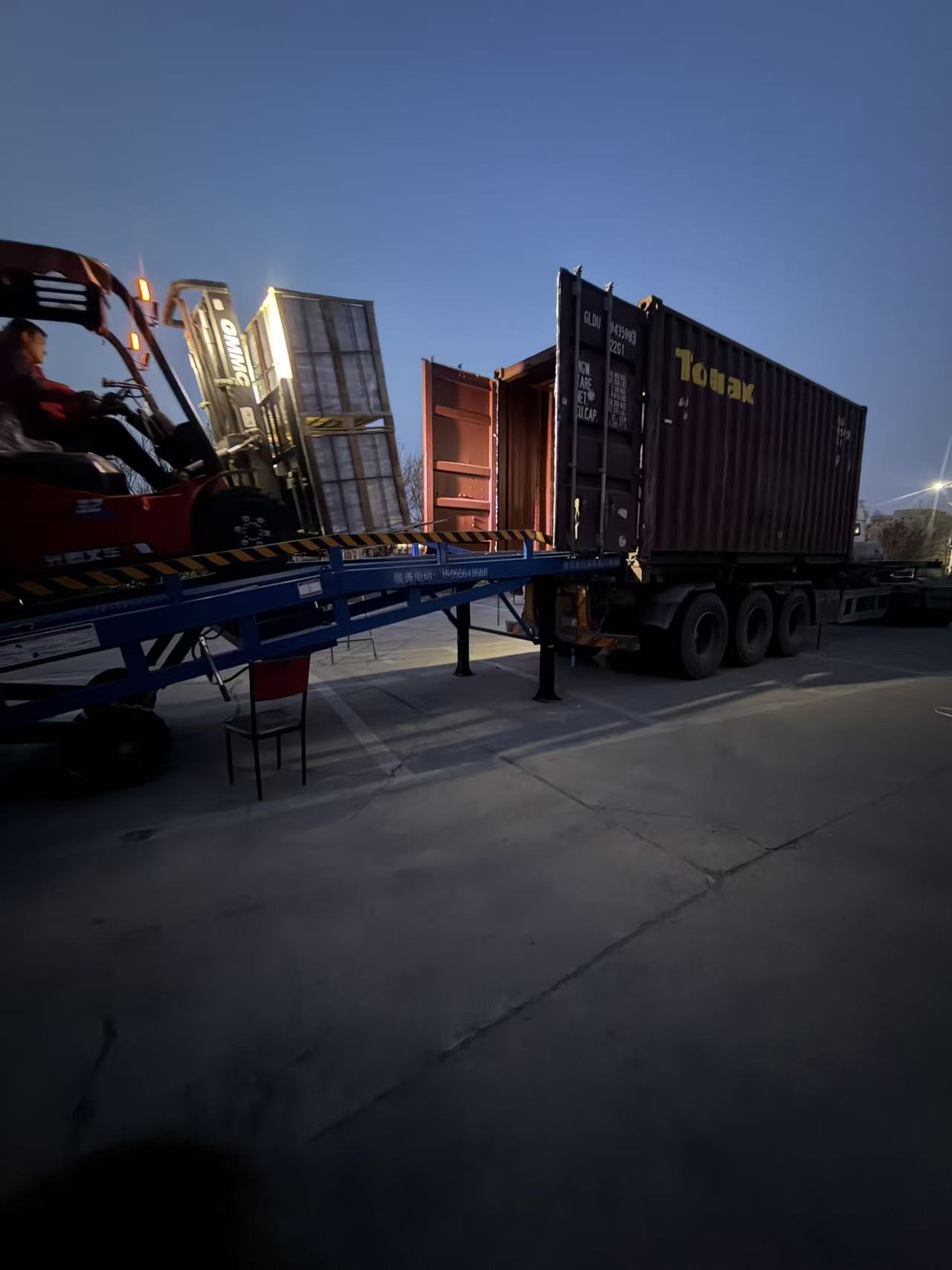
Rooted in Handan, Hebei—China’s renowned hub for fastener manufacturing—our company stands as a premier integration of industry and trade. With over a decade of specialized experience, we have evolved from a local producer into a global supplier, exporting high-quality fasteners and hardware tools to more than 26 countries. Our core mission combines rigorous development, precision manufacturing, and dedicated service to meet the evolving needs of the international market.
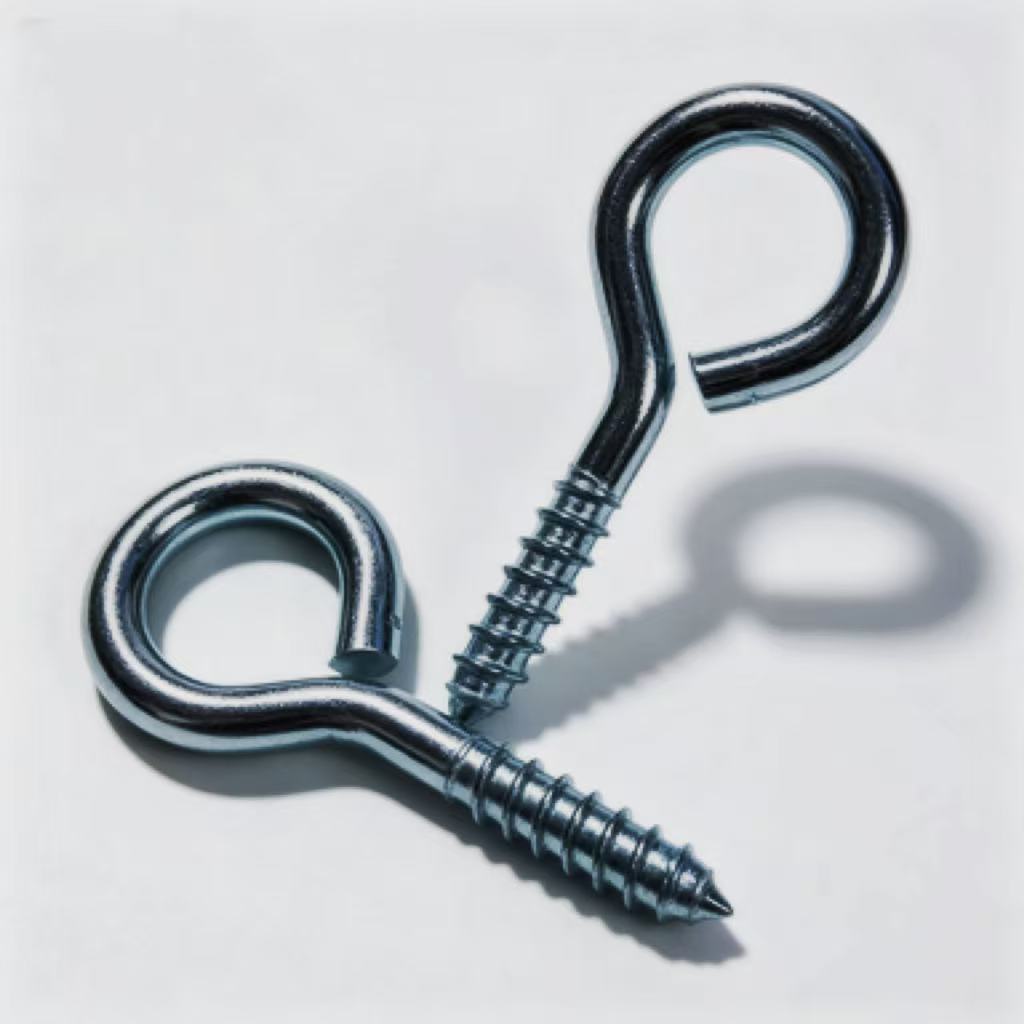
While we excel in standard industrial components, we also possess unique expertise in specialized products such as casing geckos and wooden teeth welded sheep’s eye screws/bolts. These niche offerings demonstrate our versatility and commitment to solving complex engineering challenges across diverse sectors, from construction to heavy machinery.
We adhere to a philosophy of “integrity first,” investing heavily in scientific research and high-tech talent to stay ahead of industry curves. Our facility utilizes advanced production technologies and perfect testing methods to ensure every product meets stringent international standards, including GB, DIN, JIS, and ANSI. Guided by the principle of “quality first, customer first,” our professional technical team leverages state-of-the-art machinery to deliver customized solutions tailored to your specific specifications, quality requirements, and volume needs. Whether you require a small prototype batch or mass production, our goal is to maintain an impeccable reputation while exceeding your expectations.
Frequently Asked Questions (FAQ)
To further assist engineers and procurement specialists, we have compiled answers to common inquiries regarding our threaded fastener solutions. These insights clarify technical nuances and highlight our commitment to transparency and customer support.
What is the lead time for custom OEM threaded fasteners?
Lead times vary based on complexity and volume. Standard customizations, such as altered lengths or specific plating, typically require 2-4 weeks. Fully engineered solutions involving new tooling or exotic materials may take 6-8 weeks. We prioritize urgent projects and offer expedited production slots for critical OEM timelines, ensuring minimal disruption to your supply chain.
Do you provide samples for testing before bulk orders?
Yes, we encourage rigorous validation before commitment. We can provide sample kits of standard items immediately. For custom developments, we produce pilot runs specifically for your testing and approval process. This iterative approach ensures that the final production batch meets your exact functional and dimensional requirements without surprise deviations.
How do you ensure thread compatibility with existing assemblies?
We utilize go/no-go gauges and advanced thread scanning technology to verify that all threads conform to specified tolerance classes (e.g., 6g, 6H). If you are replacing existing hardware, sending us a sample allows our metrology lab to reverse-engineer the exact thread profile, ensuring seamless interchangeability with your current inventory.
Can you handle small batch orders for prototype phases?
Absolutely. Unlike many large mills that enforce high minimum order quantities (MOQs), our flexible manufacturing cells are optimized for low-to-medium volume runs. We understand the needs of R&D departments and startups, offering scalable production that grows with your project from prototype to full-scale mass production.
What certifications does your factory hold?
Our facility maintains ISO 9001 certification for quality management. Depending on the product line, we also comply with IATF 16949 for automotive, AS9100 for aerospace, and PED 2014/68/EU for pressure equipment. Specific material certifications like NACE and ADWO 2000 are available upon request for relevant applications.
Conclusion: Partnering for Precision and Reliability
In the complex landscape of industrial manufacturing, the reliability of your assembly hinges on the quality of its smallest components. Choosing the right threaded fasteners supplier is not merely a procurement decision but a strategic partnership that impacts product safety, longevity, and brand reputation. Our factory-direct model delivers the trifecta of precision engineering, cost efficiency, and unwavering quality assurance.
By eliminating intermediaries, we provide OEMs with direct access to advanced manufacturing technologies, customized material solutions, and transparent supply chain visibility. Whether you require standard hardware for general assembly or highly specialized alloys for extreme environments, our expertise ensures that every fastener performs exactly as intended.
Who should partner with us? This solution is ideal for automotive manufacturers, aerospace contractors, heavy equipment builders, and energy sector firms seeking to optimize their supply chain and reduce total cost of ownership. If your projects demand strict adherence to international standards, rapid prototyping capabilities, and guaranteed material traceability, our direct manufacturing services are tailored to your needs.
Take the next step towards securing your supply chain. Evaluate your current fastener specifications and consider the benefits of a direct manufacturing relationship. Contact our engineering team today to discuss your specific requirements, request a quote, or initiate a custom development project. Let us build the foundation of your success, one precise thread at a time.