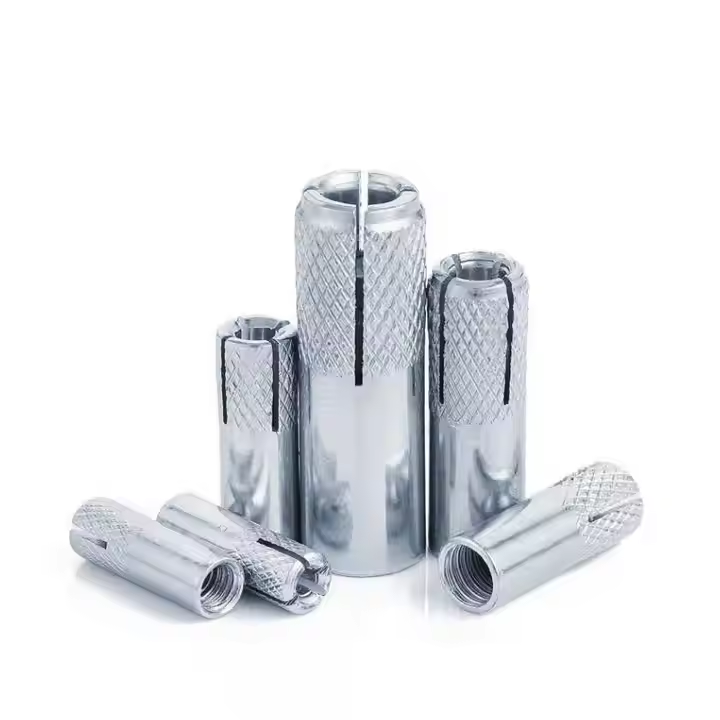
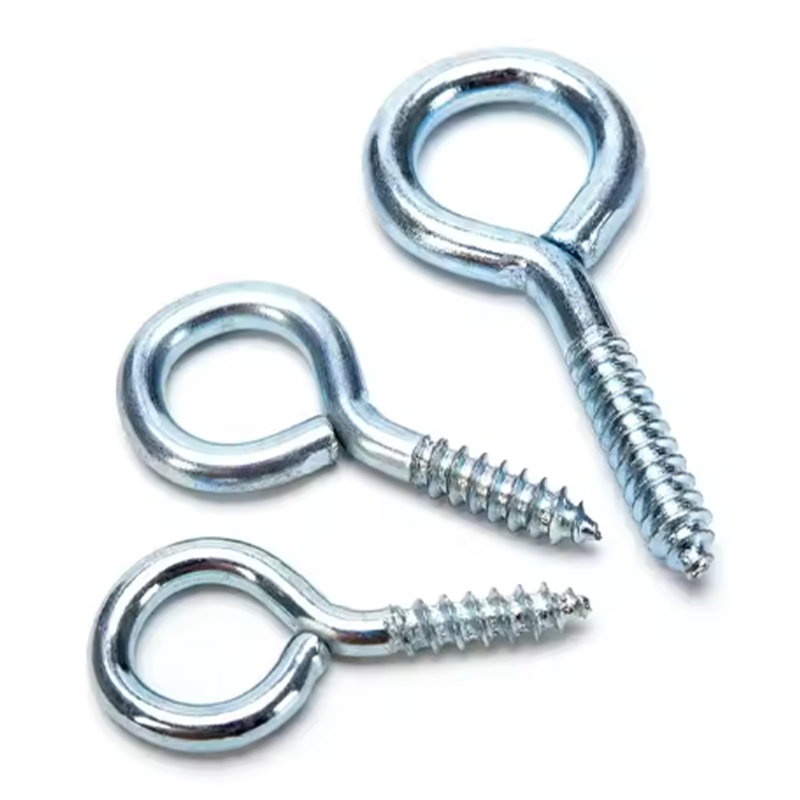
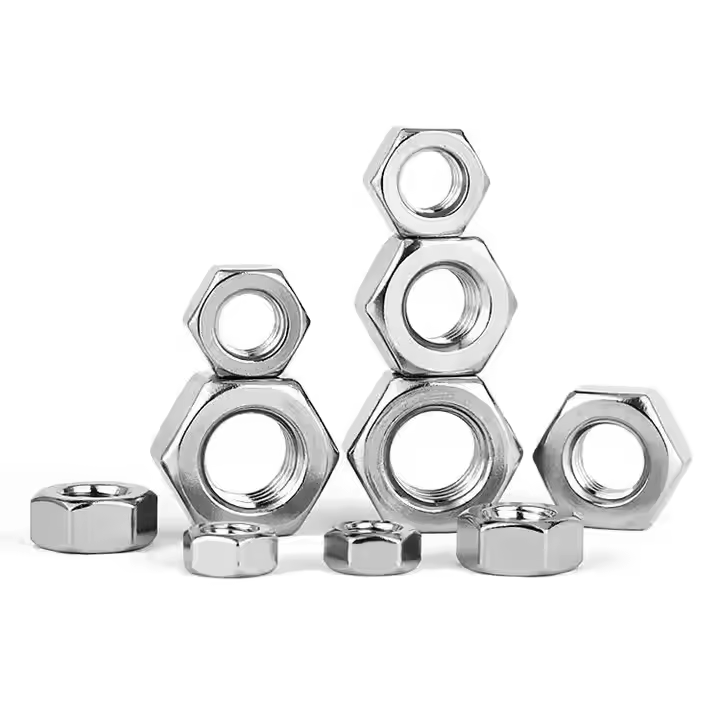
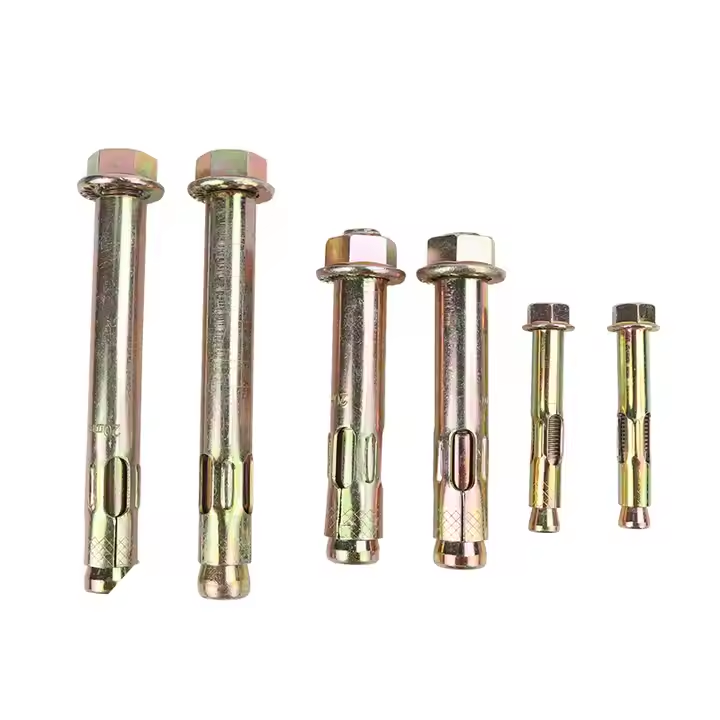
This guide provides a detailed overview of China T nut screws, covering their types, applications, manufacturing processes, and key considerations for selection and procurement. We delve into the various materials, sizes, and finishes available, offering insights to help you make informed decisions based on your specific needs. Learn about quality control, sourcing strategies, and potential challenges in the global market for these essential fasteners.
Understanding China T Nut Screws
China T nut screws are a crucial type of fastener widely used in various industries. Their unique T-shaped design allows for secure and efficient fastening, particularly in applications requiring repeated assembly and disassembly. The T refers to the shape of the internal thread within the nut, which engages with a corresponding threaded screw. This design offers several advantages over traditional nuts and bolts, including increased strength, improved vibration resistance, and easier installation. Understanding the nuances of different China T nut screws is crucial for selecting the right component for your project.
Types of China T Nut Screws
Several factors determine the type of China T nut screw you need. These include material, size, thread type (e.g., metric, UNC, UNF), and finish. Common materials include stainless steel, carbon steel, and brass, each offering different levels of corrosion resistance and strength. Sizes range from miniature components used in electronics to larger fasteners used in heavy machinery. The finish can affect appearance, corrosion resistance, and lubricity. Common finishes include zinc plating, nickel plating, and powder coating.
Materials and Finishes
| Mea | Common Finishes | Tulaga lelei | Fa'aletonu |
| Uamea uamea | Polished, Passivated | Tete'e maualuga corrosion, malosi | Higher cost |
| Uamea Carbon | Zinc plating, Powder coating | Malosi maualuga, tau maualalo | Susceptible to corrosion without proper finish |
| 'apamemea | Polished, Lacquered | Good corrosion resistance, non-magnetic | Lower strength compared to steel |
Table 1: Material and Finish Comparison for China T Nut Screws
Applications of China T Nut Screws
The versatility of China T nut screws makes them suitable for a wide range of applications. They are commonly used in:
- Automotive industry
- Machinery and equipment
- Electronics manufacturing
- Furniture and fixtures
- Construction
Their ability to withstand vibration and provide a secure connection makes them particularly valuable in applications where repeated assembly and disassembly are required. For example, in machinery, they might be used to secure panels or components that need regular access for maintenance.
Sourcing China T Nut Screws
When sourcing China T nut screws, it’s crucial to consider factors such as quality, price, and reliability. Working with reputable suppliers is paramount. Thorough quality control measures, including inspection and testing, should be in place to ensure consistent quality. It’s essential to clearly specify the required materials, dimensions, and finishes to avoid discrepancies. Consider the supplier's certifications, manufacturing capabilities, and delivery timelines.
For high-quality China T nut screws and related fasteners, consider exploring options from reputable suppliers. One such option might be Hebei Muyi Import&Export Trading Co.,Ltd, a company specializing in international trade of various industrial components. Always conduct thorough due diligence before selecting a supplier.
Fa'ai'uga
Selecting the appropriate China T nut screw requires careful consideration of several factors, including material, size, finish, and intended application. By understanding the various types available and employing sound sourcing strategies, you can ensure the successful integration of these essential fasteners into your projects. Remember to always prioritize quality and work with trusted suppliers to minimize risks and ensure long-term reliability.