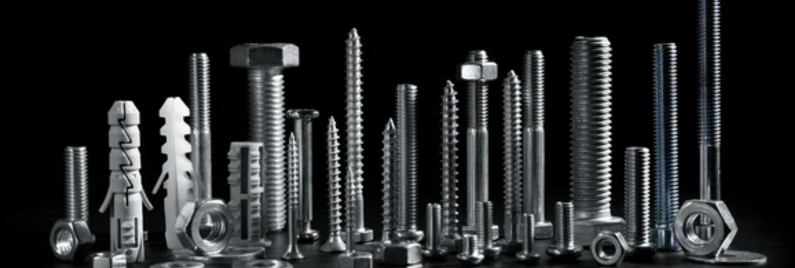
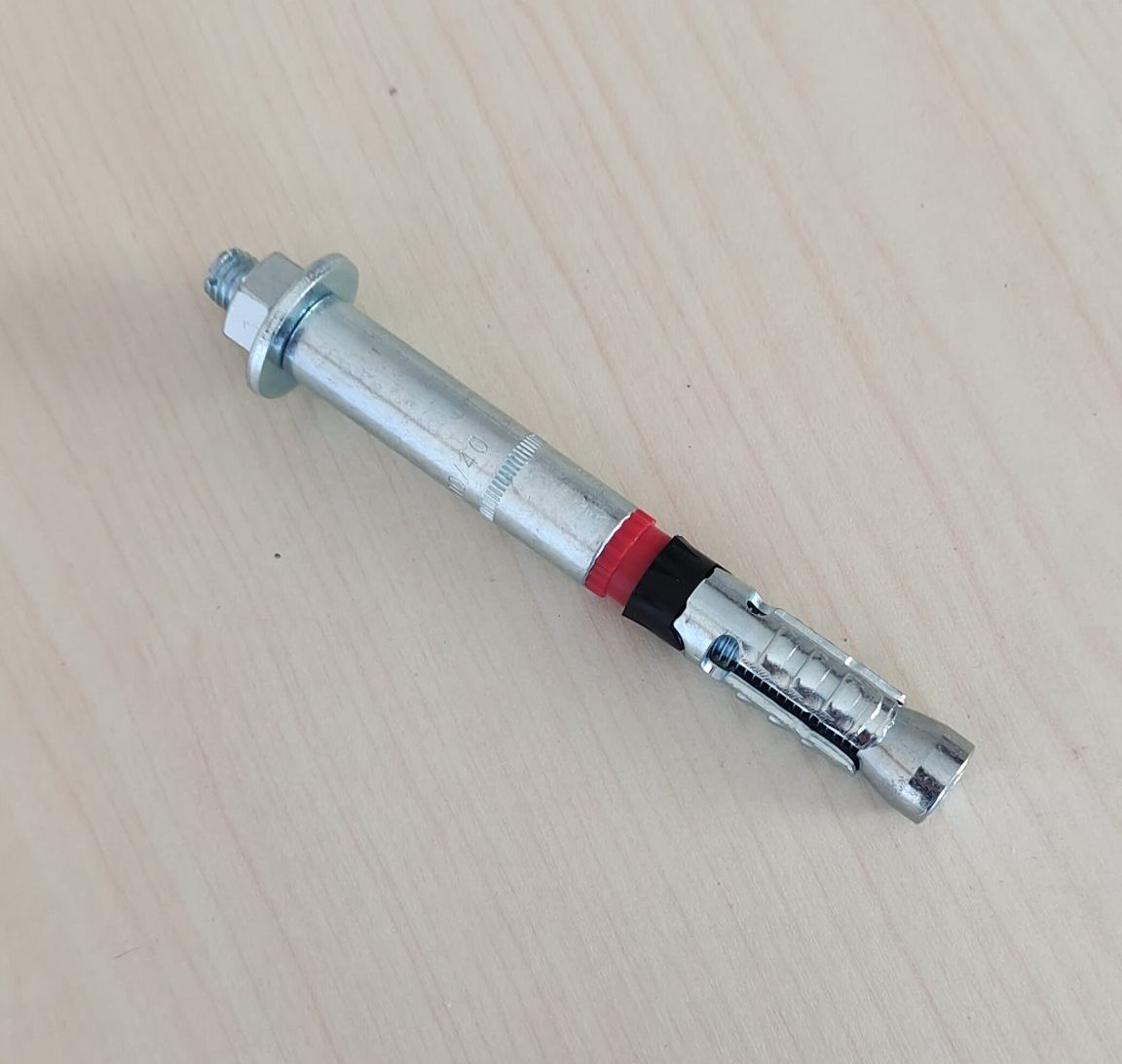
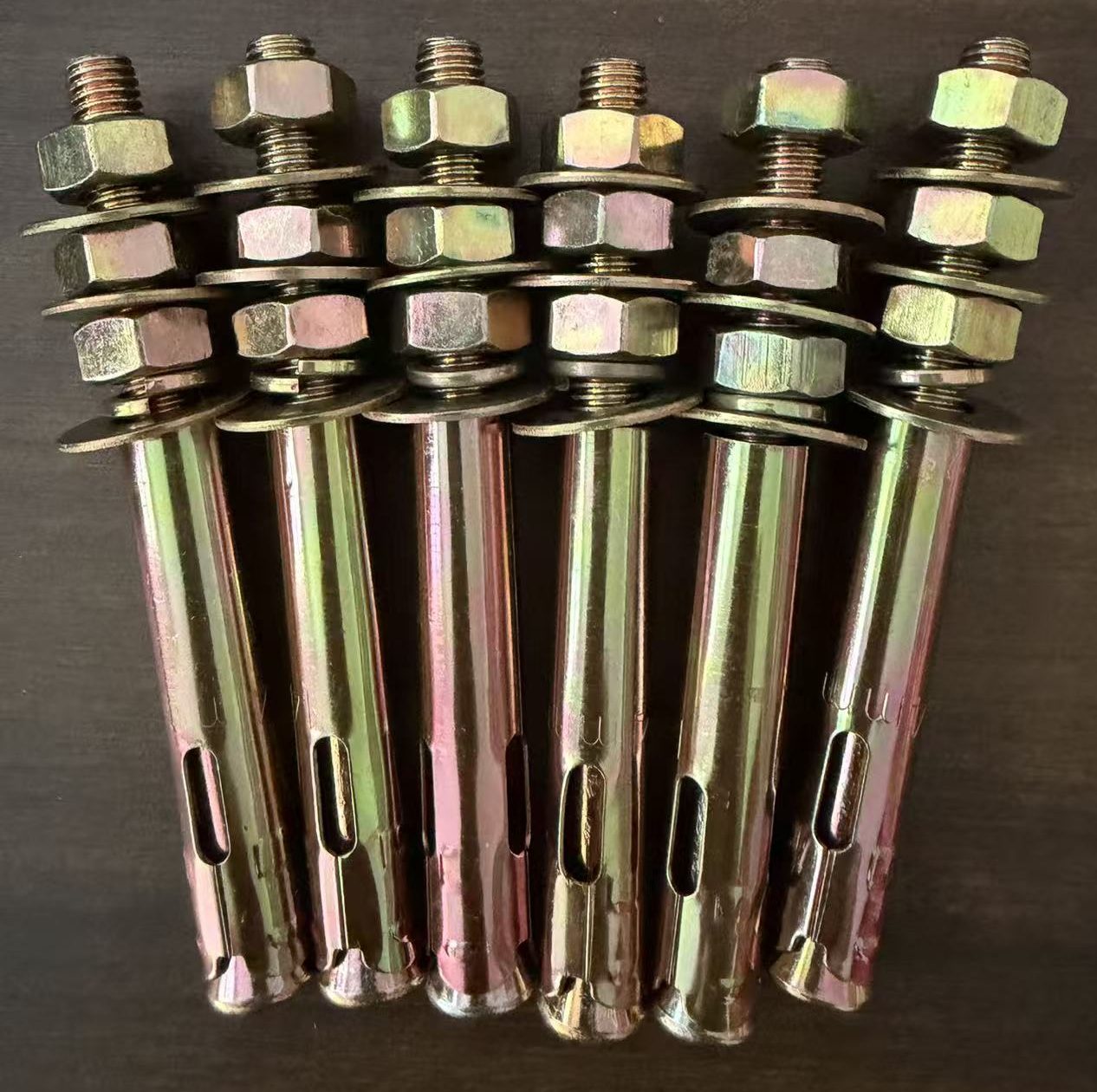
Hex nuts are six-sided fasteners with internal threads designed to mate with bolts and studs, creating secure, high-strength mechanical joints. Sourcing hex nuts directly from a China manufacturer offers significant cost advantages, customization flexibility, and access to diverse international standards such as DIN, ANSI, JIS, and GB. For B2B buyers, purchasing from established industrial hubs like Handan, Hebei, ensures consistent quality, scalable production capacity, and rigorous adherence to global engineering specifications.
Why Source Hex Nuts Directly from Chinese Manufacturers?
The global supply chain for fasteners has shifted significantly toward direct manufacturing partnerships. Buying hex nuts directly from the source eliminates intermediary markups, reduces lead times, and provides greater control over quality assurance. China, particularly the Handan region in Hebei Province, has evolved into a premier hub for fastener production, combining decades of metallurgical expertise with modern automated manufacturing capabilities.
Direct procurement allows engineers and procurement managers to specify exact material grades, thread pitches, and surface treatments. This level of customization is often unavailable through generalist distributors. Furthermore, direct engagement with manufacturers facilitates better communication regarding technical drawings, tolerance requirements, and compliance with specific industry standards.
Cost Efficiency and Supply Chain Transparency
When you bypass trading companies and engage directly with a factory, you gain visibility into the production process. This transparency is crucial for maintaining project timelines and budget integrity. Manufacturing costs in specialized industrial zones are optimized due to clustered supply chains, where raw materials, heat treatment facilities, and plating services are located in close proximity. This ecosystem reduces logistical overhead, passing savings directly to the buyer.
Customization and Technical Flexibility
Standard off-the-shelf components do not always meet the rigorous demands of specialized machinery or infrastructure projects. Direct manufacturers possess the technical teams and machinery necessary to produce non-standard hex nuts. Whether you require unusual dimensions, left-hand threads, or specific alloy compositions, a direct partnership enables rapid prototyping and precise mass production tailored to your engineering blueprints.
Understanding Hex Nut Standards and Specifications
Selecting the correct hex nut requires a deep understanding of international standards. A mismatch in standards can lead to joint failure, stripping, or corrosion issues. As a manufacturer with over ten years of experience exporting to more than 26 countries, we ensure that every batch meets the specified regulatory framework, whether it is German DIN, American ANSI, Japanese JIS, or Chinese GB standards.
| Standard | Region of Origin | Common Grades/Materials | Key Characteristics |
| DIN 934 / DIN 933 | Germany/Europe | Class 8, 10, 12 | Metric threads, high precision, widely used in automotive and machinery. |
| ANSI/ASME B18.2.2 | USA/North America | Grade 2, 5, 8 | Imperial threads (UNC/UNF), specific width across flats, heavy hex options. |
| JIS B 1181 | Japan | Class 4, 7, 10 | Metric threads, distinct chamfering and thickness ratios compared to DIN. |
| GB/T 6170 | China | Grade 4.8, 8.8, 10.9 | Metric threads, compatible with ISO standards, cost-effective for general use. |
Material Grades and Mechanical Properties
The performance of a hex nut is defined by its material grade. Carbon steel is the most common material, categorized by strength classes. Stainless steel options, such as A2-70 and A4-80, provide superior corrosion resistance for marine or chemical environments. For high-temperature or high-stress applications, alloy steels like 40Cr or 35CrMo are processed through quenching and tempering to achieve higher tensile strength and yield limits.
- Carbon Steel: Cost-effective, high strength, requires surface treatment (zinc plating, black oxide) for corrosion protection.
- Stainless Steel (304/316): Excellent corrosion resistance, moderate strength, ideal for food processing and outdoor applications.
- Alloy Steel: High tensile strength, used in heavy machinery, automotive engines, and structural steel connections.
Manufacturing Excellence in Handan, Hebei
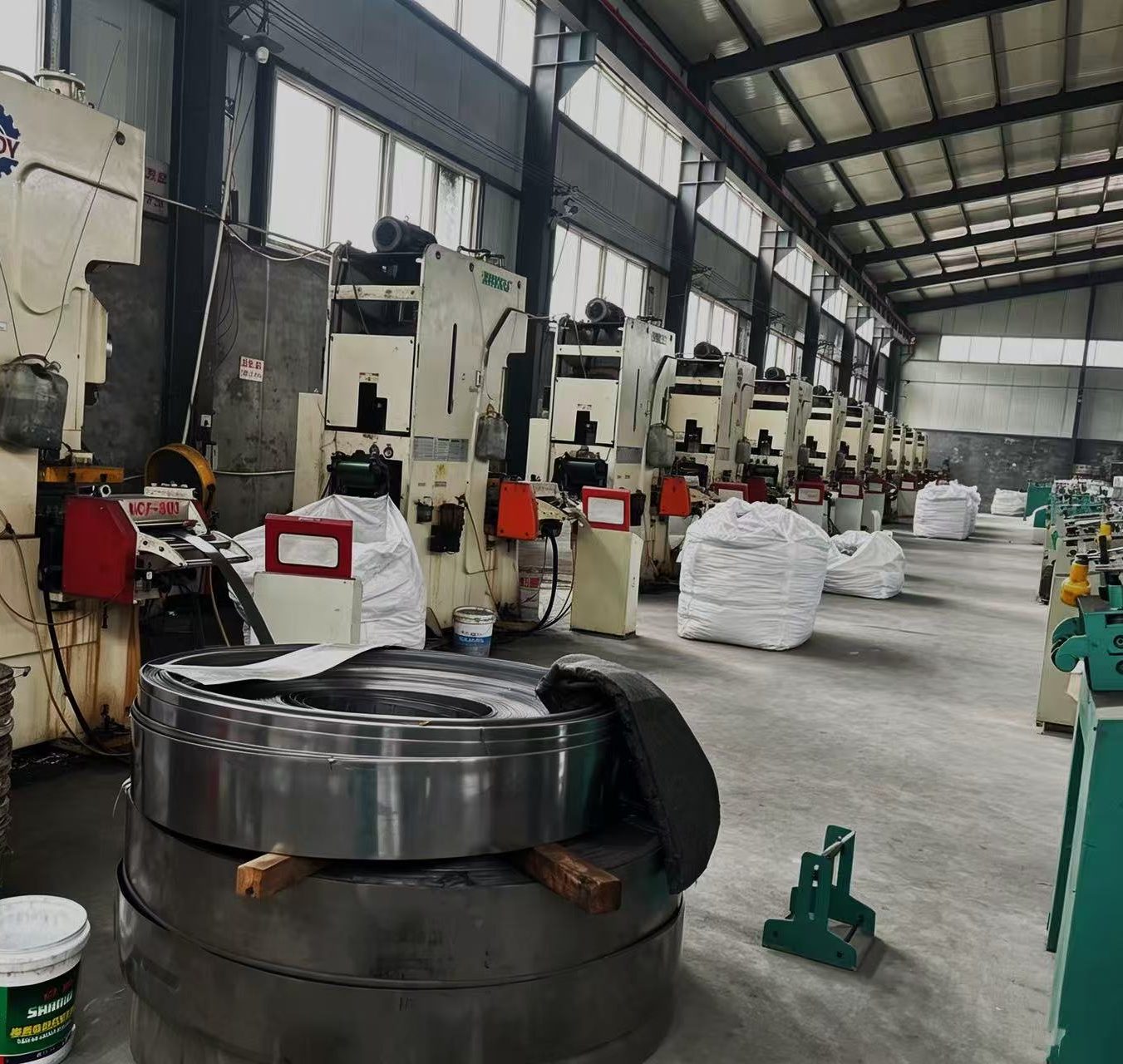
Handan, Hebei, is recognized globally as a center for fastener manufacturing. Our company is strategically located in this industrial cluster, leveraging local expertise and infrastructure. With more than ten years of industry experience, we have developed a robust production ecosystem that integrates cold heading, tapping, heat treatment, and surface finishing under one roof.
This vertical integration allows for strict quality control at every stage. From the initial wire drawing to the final packaging, each process is monitored by our professional technical team. We adhere to an integrity-based business philosophy, ensuring that the products we deliver match the samples approved during the quotation phase. Our investment in scientific research and the introduction of high-tech talents have enabled us to refine our production techniques, reducing defect rates and improving consistency.
Advanced Production Technology and Testing
To maintain competitiveness in the global market, we utilize advanced machinery and perfect testing methods. Our facility is equipped with high-speed cold formers and CNC tapping machines that ensure precise thread geometry. Thread accuracy is critical for preventing loosening under vibration. We employ optical sorting machines to inspect dimensions and surface defects, ensuring that only compliant parts are shipped.
Quality control extends beyond dimensional checks. We perform mechanical property tests, including hardness testing, torque testing, and salt spray testing for corrosion resistance. These rigorous protocols ensure that our hex nuts meet GB, DIN, JIS, ANSI, and other different standards as required by our international clients. This commitment to “quality first” has allowed us to build a reputation for reliability across 26 different countries.
Types of Hex Nuts and Their Applications
While the standard hex nut is ubiquitous, various specialized designs address specific engineering challenges. Understanding these variations helps in selecting the right component for your application.
Standard Hex Nuts
The most common type, used in general construction and machinery. They provide a reliable bearing surface and are easy to install with standard wrenches. Suitable for applications where space is not constrained and high prevailing torque is not required.
Heavy Hex Nuts
Designed with a larger width across flats and greater thickness, heavy hex nuts offer increased bearing surface area. This distributes load more effectively, reducing the risk of pull-through in soft materials. They are frequently used in structural steelwork, heavy machinery, and high-vibration environments where additional grip and durability are essential.
Flange Nuts
Featuring an integrated wide flange at one end, these nuts act like a washer, distributing pressure over a larger area. This eliminates the need for a separate washer, simplifying assembly and reducing part count. Flange nuts are ideal for applications involving plastic components or uneven surfaces.
Nylon Insert Lock Nuts (Nyloc)
These nuts contain a nylon collar that deforms slightly when threaded onto a bolt, creating friction that resists loosening due to vibration. They are reusable but lose effectiveness after multiple uses. Commonly used in automotive, aerospace, and consumer electronics.
Surface Treatments and Corrosion Protection
The longevity of a fastener joint often depends on its surface treatment. Environmental factors such as humidity, salt exposure, and chemical presence can degrade unprotected steel. We offer a range of surface treatments to enhance durability and aesthetic appeal.
- Zinc Plating (Electro-galvanized): Provides a bright finish and moderate corrosion resistance. Suitable for indoor applications.
- Hot-Dip Galvanizing: Offers thick zinc coating for superior protection against rust. Ideal for outdoor structures, power transmission towers, and marine environments.
- Black Oxide: Provides minimal corrosion resistance but improves appearance and reduces light reflection. Often used in military and automotive applications where aesthetics matter.
- Dacromet/Geomet: Advanced coating technologies offering high corrosion resistance without hydrogen embrittlement risks, suitable for high-strength fasteners.
How to Choose the Right Hex Nut Supplier
Selecting a supplier is a strategic decision that impacts your product’s quality and your company’s reputation. Here are key factors to consider when evaluating potential manufacturing partners.
1. Verification of Certifications and Standards
Ensure the manufacturer holds relevant ISO certifications and can provide material test reports (MTRs). The ability to produce according to specific international standards (DIN, ANSI, etc.) is a baseline requirement. Ask for sample certificates and verify their authenticity.
2. Production Capacity and Lead Times
Assess the factory’s monthly output capacity. Can they handle your volume requirements without compromising quality? Inquire about their standard lead times and their flexibility in handling rush orders. A reliable partner should have contingency plans for peak demand periods.
3. Quality Control Processes
Request details on their QC workflow. Do they perform in-process inspections? What equipment do they use for testing? A transparent supplier will welcome questions about their testing protocols and may even allow virtual or physical factory audits.
4. Customization Capabilities
If your project requires non-standard sizes or materials, evaluate the supplier’s R&D capabilities. Can they interpret complex technical drawings? Do they have the tooling expertise to create custom molds? Our company specializes in developing new products and customizing special specifications according to customer needs, ensuring that unique engineering challenges are met with precise solutions.
Common Mistakes in Hex Nut Procurement
Avoiding common pitfalls can save time and money. Many buyers overlook critical details that lead to project delays or component failures.
- Ignoring Thread Pitch Compatibility: Mixing metric and imperial threads is a frequent error. Always verify the thread standard before ordering.
- Underestimating Corrosion Requirements: Choosing standard zinc plating for outdoor marine applications leads to rapid rusting. Match the surface treatment to the environment.
- Overlooking Torque Specifications: Different grades require different tightening torques. Using a Grade 8 nut with a Grade 2 bolt can cause joint failure. Ensure matched grades for critical applications.
- Neglecting Sample Approval: Never proceed with mass production without approving a physical sample. This step confirms dimensions, finish, and fitment.
Frequently Asked Questions (FAQ)
What is the difference between a hex nut and a lock nut?
A standard hex nut relies on friction and proper torque to stay in place. A lock nut incorporates features such as a nylon insert, distorted threads, or a metal locking patch to resist loosening under vibration. Lock nuts are preferred in dynamic environments like engines or vibrating machinery.
Can you produce hex nuts according to custom drawings?
Yes. According to customer needs, we customize special specifications, quality, and quantity. Our professional technical team can review your drawings and recommend manufacturing processes to achieve the desired tolerances and material properties.
What is the minimum order quantity (MOQ)?
MOQ varies depending on the size, material, and customization level. For standard items, we offer flexible quantities to support trial orders. For customized products, MOQs are determined by production setup requirements. We aim to meet the needs of our customers while maintaining production efficiency.
How do you ensure the quality of exported goods?
We adhere to strict quality control, in line with the “quality first, customer first” principle. Each batch undergoes dimensional inspection, hardness testing, and visual checks. We also provide third-party inspection services if required by the client. Our perfect testing methods ensure that products meet GB, DIN, JIS, ANSI, and other different standards.
Do you provide surface treatment services?
Yes, we offer various surface treatments including zinc plating, hot-dip galvanizing, black oxide, and Dacromet. These processes are conducted using advanced technology to ensure uniform coating and adhesion, enhancing the product’s lifespan and performance.
Conclusion: Partnering for Precision and Reliability
Sourcing hex nuts directly from a specialized manufacturer in China offers a competitive edge in terms of cost, quality, and customization. By choosing a partner with deep industry experience, advanced production technology, and a commitment to international standards, you secure a reliable supply chain for your critical fastening needs.
Our company, located in the heart of Handan’s fastener industry, combines over ten years of expertise with a global perspective. We do not just sell products; we provide solutions. From standard DIN hex nuts to complex custom-engineered fasteners, we are dedicated to maintaining our reputation and meeting the diverse needs of our customers across 26 countries. Our integrity-based business philosophy and continuous investment in research ensure that you receive products that exceed expectations.
Whether you are looking for high-volume standard parts or specialized components for a unique application, our team is ready to assist. We invite you to contact us to discuss your specific requirements, request samples, or obtain a detailed quotation. Let us help you optimize your supply chain with high-quality, competitively priced hex nuts.
→ Contact us today for a custom quote and technical consultation on our hex nut solutions.