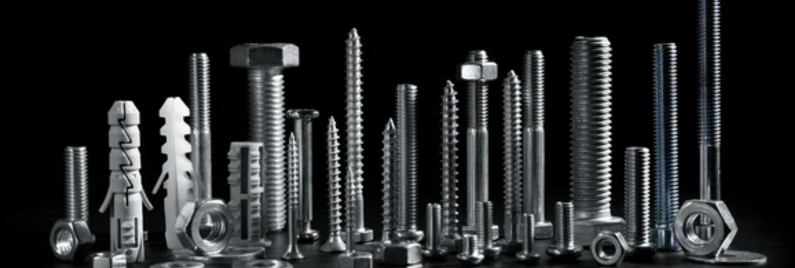
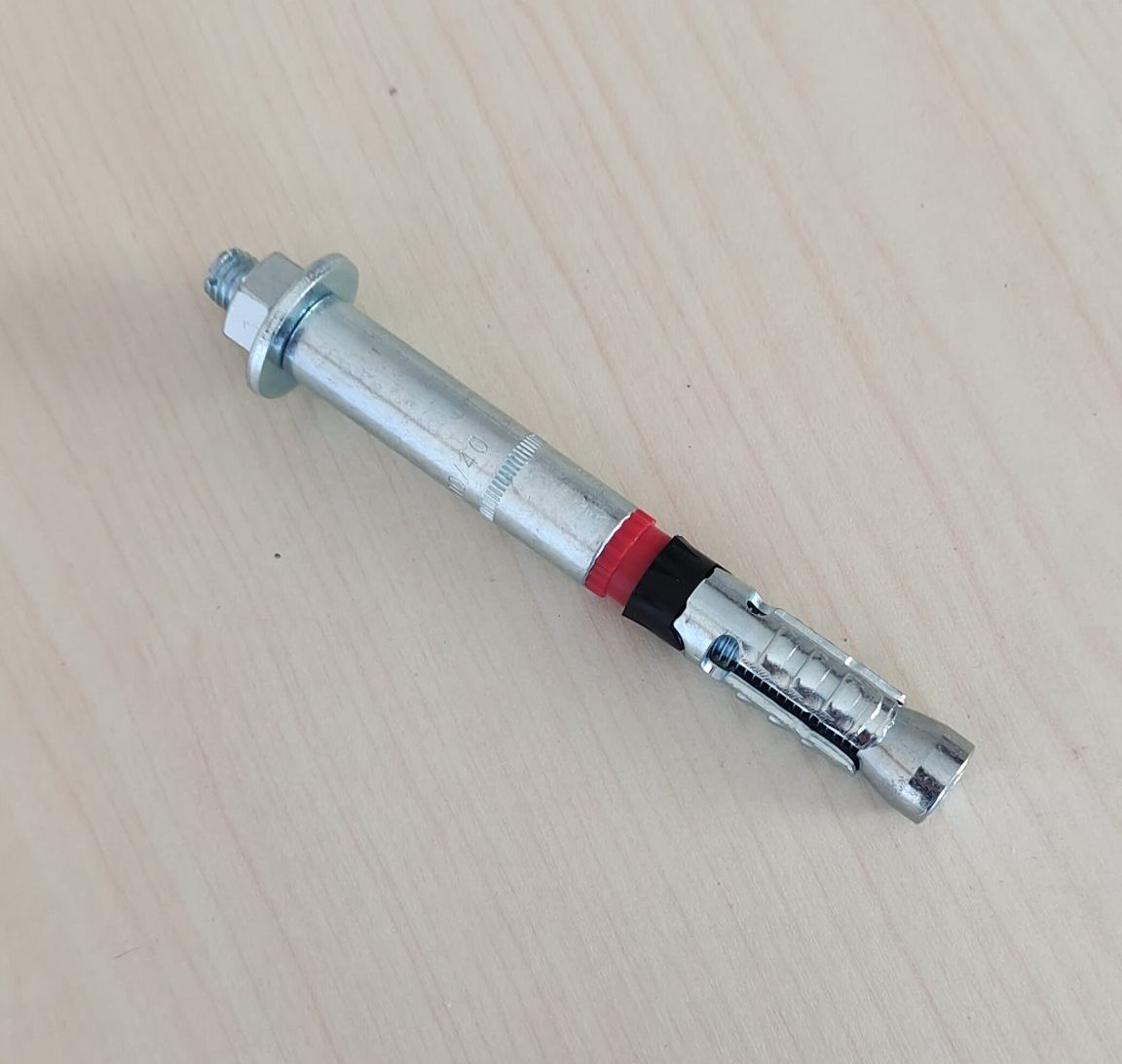
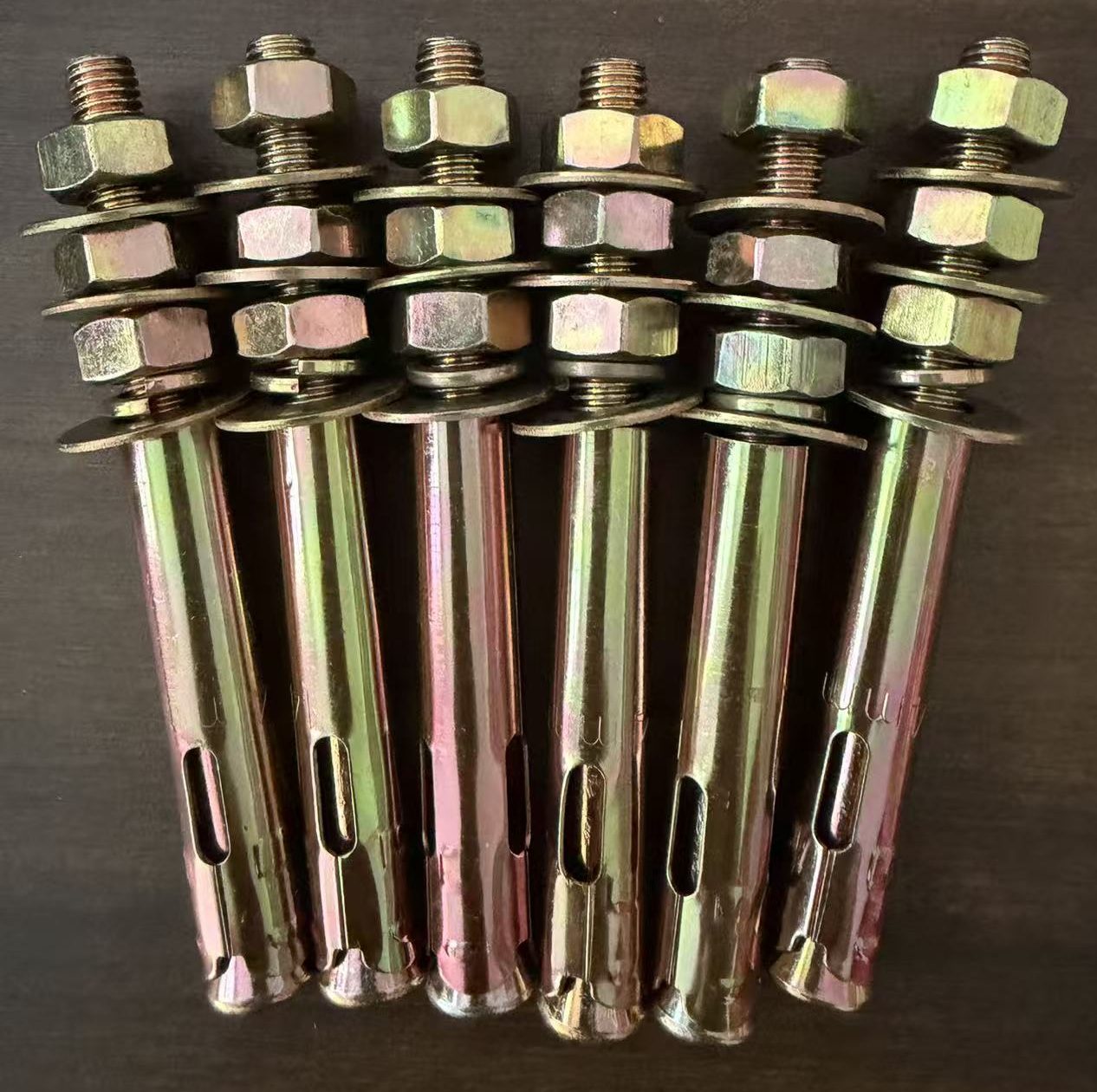
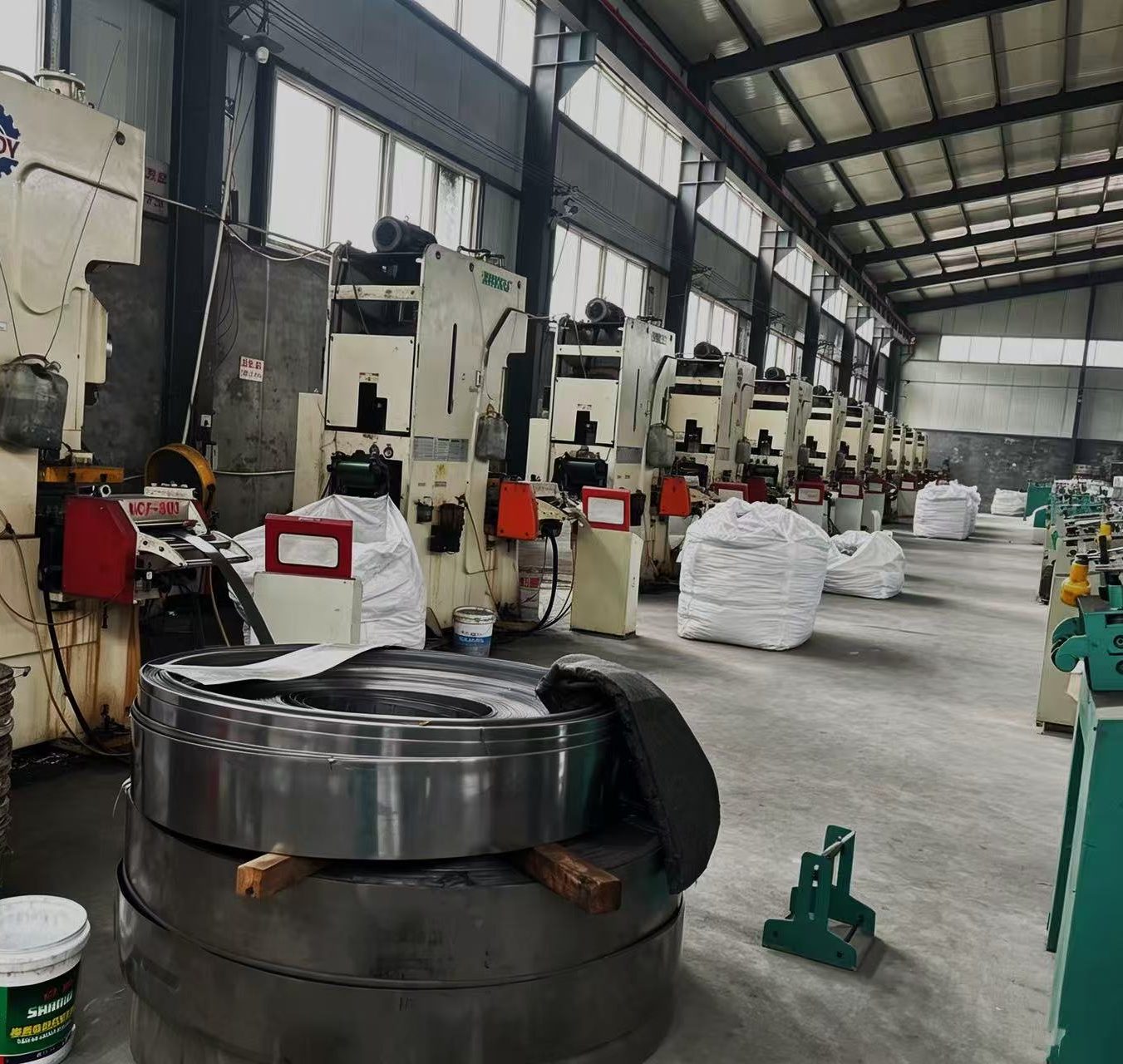
As a specialized custom metal fasteners manufacturer, we deliver precision-engineered OEM solutions for critical industrial applications. Our facility integrates advanced CNC machining, cold heading, and thread rolling technologies to produce high-tolerance bolts, screws, nuts, and specialized clips. We serve sectors including automotive, aerospace, heavy machinery, and electronics, ensuring every component meets strict ISO, DIN, ANSI, or JIS standards. By controlling the entire production chain—from raw material sourcing to surface treatment and quality inspection—we provide reliable, scalable, and cost-effective fastening systems tailored to your specific engineering requirements.
Why Choose a Specialized Custom Metal Fasteners Manufacturer?
In modern industrial engineering, off-the-shelf fasteners often fail to meet the unique demands of complex assemblies. A dedicated custom metal fasteners manufacturer bridges the gap between standard supply and specific design needs. Unlike general suppliers, specialized manufacturers focus on technical adaptability, material science, and precision tolerances that define product longevity and safety.
The primary advantage lies in engineering flexibility. Custom manufacturing allows for modifications in head style, thread pitch, length, diameter, and material composition. This ensures that the fastener integrates seamlessly with the mating components, reducing stress concentrations and preventing premature failure. For industries like automotive and aerospace, where weight reduction and vibration resistance are paramount, custom solutions are not just an option but a necessity.
Furthermore, working with a specialized partner enhances supply chain stability. By establishing a direct relationship with the factory, buyers eliminate intermediaries, reduce lead times, and gain transparency into production schedules. This direct line of communication is crucial for iterative design processes, where rapid prototyping and immediate feedback loops accelerate time-to-market.
Key Benefits of OEM Fastener Production
- Precision Tolerances: Achieve tight tolerances (e.g., ISO 965-1 Class 6g/6H) that standard commercial grades cannot guarantee.
- Material Optimization: Select specific alloys such as Inconel, Titanium Grade 5, or Duplex Stainless Steel to match environmental conditions.
- Cost Efficiency at Scale: Reduce per-unit costs through optimized tooling and bulk production runs tailored to your annual volume.
- Regulatory Compliance: Ensure all parts meet industry-specific certifications like IATF 16949 for automotive or AS9100 for aerospace.
- Intellectual Property Protection: Secure NDA-backed production environments that protect proprietary designs and engineering data.
Core Manufacturing Capabilities and Technologies
Understanding the technical capabilities of a custom metal fasteners manufacturer is essential for evaluating potential partners. The production process involves a synergy of forming, machining, and finishing technologies. Each step contributes to the final mechanical properties and dimensional accuracy of the fastener.
Cold Heading and Forming
Cold heading is the most efficient method for mass-producing fasteners with consistent grain structure. This process involves deforming metal wire at room temperature using high-speed presses. The metal flows into die cavities to form the head and shank, resulting in a part that is stronger than machined equivalents due to work hardening.
Our facility utilizes multi-station cold headers capable of producing complex shapes in a single cycle. This includes hex heads, flanged heads, and specialized drive types like Torx or Splined. The speed of cold heading allows for high-volume output, making it ideal for automotive and construction applications where millions of units are required.
CNC Machining for Complex Geometries
For fasteners with non-standard shapes, intricate internal features, or extremely tight tolerances, CNC machining is the preferred method. This subtractive process uses computer-controlled lathes and mills to remove material from solid bars. While slower than cold heading, CNC machining offers unparalleled flexibility.
This technology is critical for producing prototype fasteners and low-volume specialized components. It allows for the creation of stepped shanks, undercuts, and precise thread forms that cannot be achieved through forming alone. CNC-machined fasteners are commonly used in medical devices, robotics, and precision instrumentation.
Thread Rolling and Cutting
Threads are the functional core of any fastener. Thread rolling creates threads by displacing material rather than cutting it, which preserves the metal’s grain flow and increases tensile strength. This method is standard for high-strength bolts and screws. Conversely, thread cutting is used for brittle materials or when specific thread clearances are required.
Our threading equipment supports various standards, including Metric (ISO), Unified National (UNC/UNF), British Standard (BSW/BSF), and Pipe Threads (NPT/BSP). We also produce custom thread profiles for specialized locking mechanisms or sealing applications.
About Us: Decades of Expertise in Handan, China
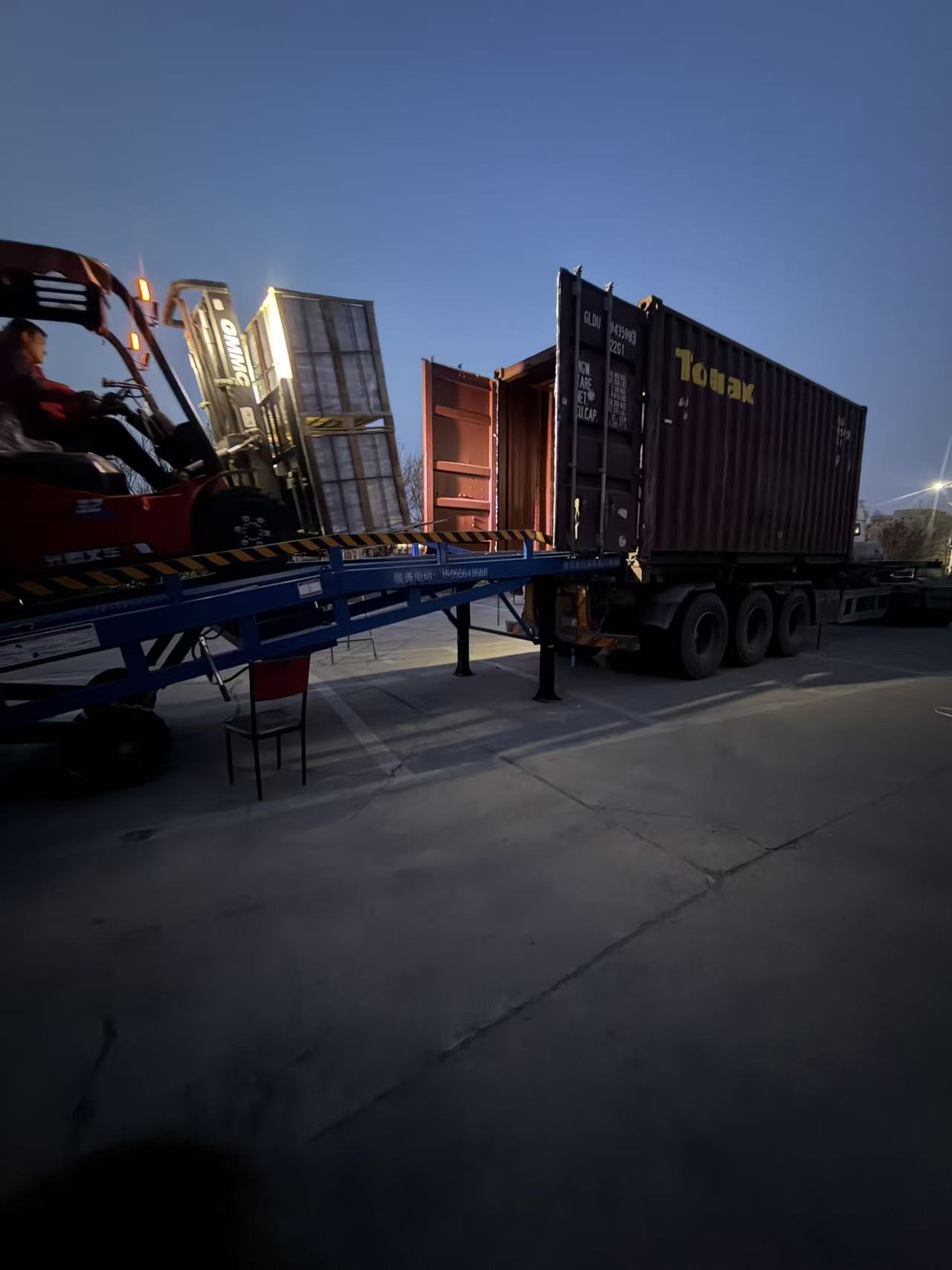
Located in Handan, Hebei—a city renowned globally as a hub for fastener manufacturing—our company stands as a premier integration of industry and trade. With over ten years of dedicated experience, we have evolved into a global partner, exporting high-quality fasteners and hardware tools to more than 26 countries.
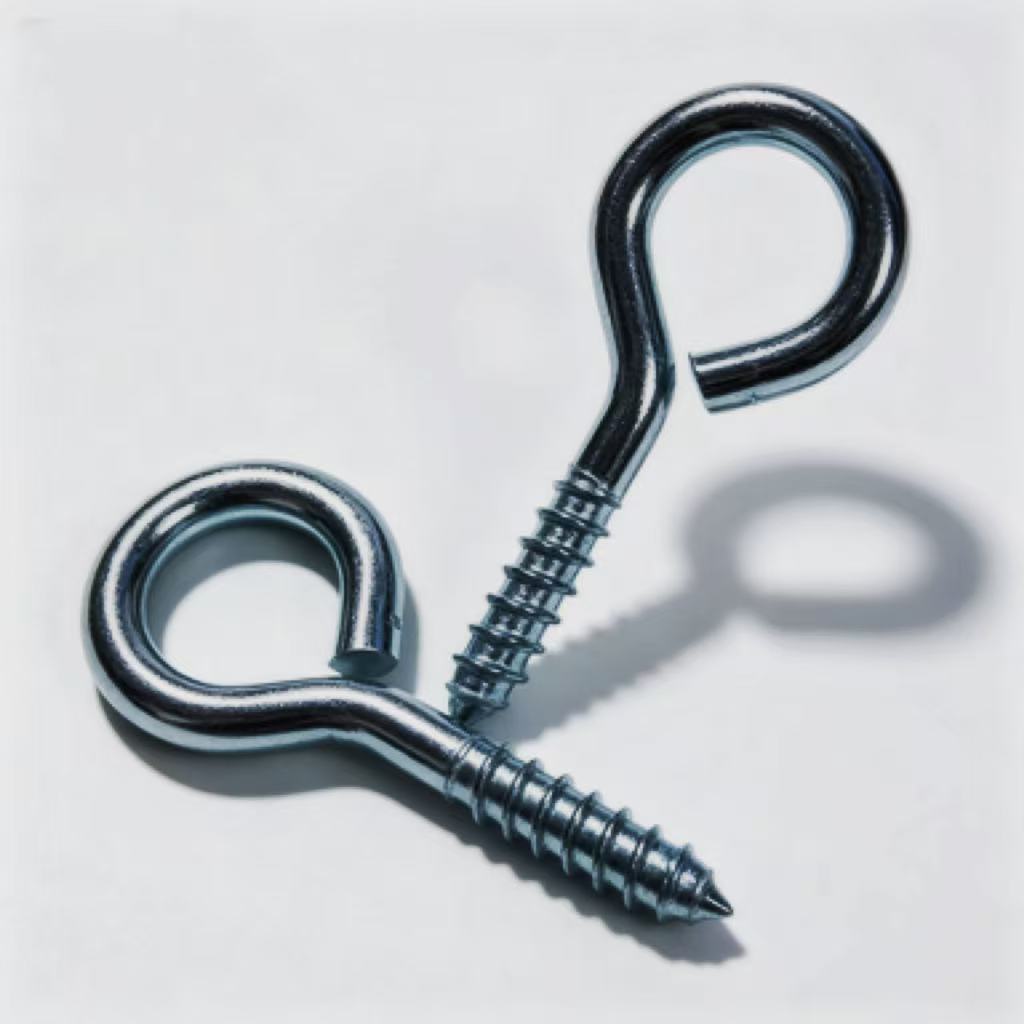
We specialize in the development and manufacturing of diverse products, ranging from standard industrial fasteners to unique items like casing geckos and wooden teeth welded sheep’s eye screws/bolts. Our commitment to innovation drives us to continuously invest in scientific research and introduce high-tech talent, ensuring we stay at the forefront of production technology. By adhering to an integrity-based business philosophy and maintaining rigorous testing methods, we provide products that strictly comply with GB, DIN, JIS, ANSI, and other international standards. Our professional technical team and advanced machinery allow us to offer competitive prices without compromising on the “quality first, customer first” principle that defines our service.
Material Selection Guide for Industrial Fasteners
Selecting the right material is the most critical decision in custom fastener design. The choice determines the fastener’s strength, corrosion resistance, temperature tolerance, and compatibility with the assembled materials. A competent custom metal fasteners manufacturer provides expert guidance on material selection based on the application environment.
| Material Type | Key Properties | Common Grades | Typical Applications |
| Carbon Steel | High strength, cost-effective, magnetic | SAE 1018, 1022, 1035, 1045 | General construction, automotive chassis, machinery |
| Stainless Steel | Corrosion resistant, hygienic, moderate strength | 304, 316, 410, 17-4 PH | Marine environments, food processing, chemical plants |
| Alloy Steel | Very high strength, heat treatable | 40Cr, 35CrMo, SCM435 | Heavy-duty trucks, structural steel, high-stress joints |
| Aluminum | Lightweight, good conductivity, non-magnetic | 6061, 7075, 2024 | Aerospace structures, electronics housing, lightweight vehicles |
| Titanium | High strength-to-weight ratio, biocompatible | Grade 2, Grade 5 (Ti-6Al-4V) | Aerospace engines, medical implants, racing components |
| Brass/Copper | Excellent conductivity, decorative, anti-spark | C36000, C11000 | Electrical connections, plumbing, marine hardware |
Understanding Material Grades and Standards
When specifying materials, it is vital to reference international standards. For carbon steel, SAE J403 defines chemical compositions. For stainless steel, ASTM A276 covers bar stock requirements. In the metric system, ISO 898-1 specifies mechanical properties for bolts and screws. Ensuring that your custom metal fasteners manufacturer adheres to these standards guarantees that the raw material meets the necessary performance criteria before production begins.
For high-temperature applications, superalloys like Inconel 718 or Hastelloy C-276 may be required. These materials retain their strength and resist oxidation at extreme temperatures, making them suitable for turbine engines and exhaust systems. Conversely, for cryogenic applications, austenitic stainless steels or aluminum alloys are preferred due to their toughness at low temperatures.
Surface Treatments and Coatings
Surface treatment is not merely aesthetic; it is a functional requirement for durability and performance. The right coating protects the base metal from corrosion, reduces friction during assembly, and can even provide electrical insulation. A professional custom metal fasteners manufacturer offers a range of finishing options tailored to the operating environment.
Zinc Plating and Galvanization
Zinc plating is the most common protective coating for carbon steel fasteners. It provides a sacrificial layer that corrodes before the base metal. Electroplating offers a smooth, uniform finish suitable for indoor applications. For outdoor exposure, hot-dip galvanizing provides a thicker zinc layer, offering superior corrosion resistance but with a rougher texture.
Modern zinc-nickel alloys offer enhanced protection compared to pure zinc, particularly in automotive applications where salt spray resistance is critical. These coatings can withstand over 1,000 hours in salt spray tests without red rust formation.
Dacromet and Geomet Coatings
Dacromet and Geomet are water-based, inorganic coatings that provide exceptional corrosion resistance without the environmental hazards associated with traditional chrome plating. These coatings are thin, maintaining precise thread tolerances, and offer excellent heat resistance. They are widely used in the automotive industry for engine components and undercarriage parts.
Black Oxide and Phosphate
Black oxide is a conversion coating that provides mild corrosion resistance and a matte black finish. It is often used for aesthetic purposes or to reduce light reflection in optical instruments. Phosphate coatings, such as manganese or zinc phosphate, are primarily used as a base for oil or wax impregnation, providing good wear resistance and lubricity for high-friction applications.
Polymer and PTFE Coatings
For applications requiring low friction and high chemical resistance, polymer coatings like PTFE (Teflon) are ideal. These coatings prevent galling and seizing, especially in stainless steel assemblies where cold welding can occur. They also provide a barrier against aggressive chemicals, making them suitable for chemical processing equipment.
Quality Assurance and Testing Protocols
Quality assurance is the backbone of a reputable custom metal fasteners manufacturer. Without rigorous testing, fasteners can fail catastrophically, leading to safety hazards and costly recalls. Our quality control process integrates inline inspection, laboratory testing, and final audit procedures.
Dimensional Inspection
Every batch undergoes dimensional checks using calibrated micrometers, calipers, and thread gauges. For critical components, we employ Coordinate Measuring Machines (CMM) to verify complex geometries and true position tolerances. This ensures that every fastener fits perfectly within the specified tolerance band, preventing assembly issues.
Mechanical Property Testing
Mechanical tests verify that the fastener meets the required strength grades. Key tests include:
- Tensile Strength Test: Measures the maximum load the fastener can withstand before breaking.
- Yield Strength Test: Determines the point at which the fastener permanently deforms.
- Hardness Testing: Uses Rockwell or Vickers scales to ensure proper heat treatment and material consistency.
- Torque-Tension Test: Evaluates the relationship between applied torque and clamp load, crucial for bolted joint integrity.
Corrosion Resistance Testing
Salt spray testing (ASTM B117) is conducted to evaluate the effectiveness of surface coatings. Samples are exposed to a controlled corrosive environment for specified durations (e.g., 48, 96, or 1,000 hours) to check for red rust or white corrosion products. This data helps validate the suitability of the coating for the intended service environment.
Certifications and Compliance
We maintain strict adherence to international quality management systems. Our facility is certified under ISO 9001:2015 for general quality management. For automotive clients, we comply with IATF 16949 standards, which require robust process control and traceability. All material certifications (Mill Certificates) are provided with each shipment, ensuring full traceability from raw material batch to finished product.
Industries Served and Application Scenarios
Custom fasteners are integral to a wide array of industries, each with unique challenges and requirements. Understanding these applications helps in designing fasteners that perform optimally in their specific context.
Automotive and Transportation
The automotive industry demands high-volume, high-precision fasteners that can withstand vibration, thermal cycling, and corrosive road conditions. Custom solutions include wheel studs, engine bolts, and interior trim clips. Lightweight materials like aluminum and titanium are increasingly used to improve fuel efficiency. Safety-critical components require strict traceability and PPAP (Production Part Approval Process) documentation.
Aerospace and Aviation
Aerospace fasteners must meet extreme standards for strength-to-weight ratio and reliability. Materials like Titanium Grade 5 and Inconel are common. Threads often feature dry film lubricants to prevent galling at high altitudes. Every part requires full material certification and often individual serial numbering for traceability. Compliance with AS9100 standards is mandatory.
Electronics and Consumer Devices
In electronics, miniaturization is the key trend. Micro-screws and standoffs made from brass or stainless steel are used to assemble smartphones, laptops, and wearable devices. These fasteners require precise head heights and drive types to accommodate automated assembly robots. Non-conductive coatings are often applied to prevent short circuits.
Construction and Infrastructure
Structural fasteners for bridges, buildings, and towers must handle massive static and dynamic loads. High-strength alloy steel bolts (e.g., ASTM A325, A490) are standard. Corrosion protection is critical, often involving hot-dip galvanizing or heavy-duty epoxy coatings. These fasteners are designed for long-term durability with minimal maintenance.
Medical Devices
Medical fasteners require biocompatible materials such as Titanium Grade 2 or 316L Stainless Steel. Surface finishes must be ultra-smooth to prevent bacterial growth and tissue irritation. Precision is paramount, as these components are often used in implantable devices or surgical instruments. Cleanroom manufacturing environments may be required to ensure sterility.
How to Choose the Right Custom Fastener Partner
Selecting the right custom metal fasteners manufacturer involves more than comparing prices. It requires evaluating technical capability, quality systems, and communication efficiency. Here are the key factors to consider:
Technical Expertise and Engineering Support
Look for a manufacturer that offers Design for Manufacturability (DFM) feedback. Can they suggest improvements to your design that reduce cost or improve performance? Do they have in-house engineers who can assist with material selection and tolerance analysis? A partner who actively engages in the design phase adds significant value.
Production Capacity and Lead Times
Assess the manufacturer’s capacity to handle your volume requirements. Do they have enough cold headers and CNC machines to meet your demand? What is their typical lead time for prototypes versus mass production? Flexible manufacturers can scale up quickly during peak demand periods, ensuring your supply chain remains uninterrupted.
Quality Control Infrastructure
Visit the facility if possible, or request virtual tours. Check for modern inspection equipment like CMMs, optical sorters, and hardness testers. Ask about their defect rate and how they handle non-conforming products. A transparent quality system is a strong indicator of reliability.
Communication and Responsiveness
Effective communication is crucial for custom projects. Evaluate how quickly they respond to inquiries and how clearly they explain technical details. Language barriers should not hinder technical discussions. A responsive partner will keep you updated on production progress and proactively address any issues that arise.
Step-by-Step Guide to Ordering Custom Fasteners
To streamline the procurement process, follow these steps when engaging with a custom metal fasteners manufacturer:
- Submit Detailed Drawings: Provide 2D PDFs and 3D CAD files (STEP or IGES format). Include all critical dimensions, tolerances, thread specifications, and material requirements.
- Specify Standards and Coatings: Clearly state the applicable industry standards (ISO, DIN, ANSI) and desired surface treatments. Mention any specific testing requirements.
- Request a DFM Review: Allow the manufacturer’s engineers to review your design for manufacturability. They may suggest minor adjustments to reduce tooling costs or improve consistency.
- Approve Quotation and Tooling: Review the detailed quote, including unit price, tooling charges, and lead times. Once approved, pay the tooling deposit to initiate mold or die creation.
- Sample Approval: Receive initial samples for inspection. Verify dimensions, fit, and function. Provide feedback or approval to proceed to mass production.
- Mass Production and QC: The manufacturer proceeds with bulk production. Regular quality reports and photos should be provided during this phase.
- Final Inspection and Shipping: Conduct a final pre-shipment inspection (PSI) either internally or via a third-party agency. Upon approval, arrange logistics and shipping.
Frequently Asked Questions (FAQ)
What is the minimum order quantity (MOQ) for custom fasteners?
MOQ varies depending on the manufacturing method. For cold-headed parts, MOQs typically start at 10,000 to 50,000 pieces due to tooling setup costs. For CNC-machined fasteners, MOQs can be as low as 100 to 500 pieces, though unit costs will be higher. We work with clients to find cost-effective solutions for both prototype and production volumes.
How long does it take to produce custom fasteners?
Prototype samples usually take 7-15 days, depending on complexity. Mass production lead times range from 3 to 6 weeks after sample approval. Urgent orders can be expedited, subject to factory capacity. Clear communication of your timeline helps us prioritize your project effectively.
Can you manufacture fasteners according to non-standard drawings?
Yes, specializing in non-standard and bespoke designs is our core competency. Whether you need a unique head shape, special thread pitch, or unusual material combination, we can engineer and produce it. Our engineering team assists in validating designs to ensure they are feasible and cost-efficient.
What file formats do you accept for drawings?
We prefer 3D CAD files in STEP (.stp) or IGES (.igs) format for accurate geometric representation. 2D drawings in PDF or DWG format are required for specifying tolerances, thread details, and surface finish requirements. Providing both ensures the highest accuracy in quotation and production.
Do you provide material certifications?
Yes, we provide Mill Test Certificates (MTC) or Material Certificates for every batch, tracing the chemical composition and mechanical properties of the raw material. For regulated industries like aerospace and medical, we can provide additional documentation such as FAI (First Article Inspection) reports and full traceability records.
What is the difference between coarse and fine threads?
Coarse threads (e.g., UNC) have fewer threads per inch and are faster to assemble, making them suitable for general purposes and softer materials. Fine threads (e.g., UNF) have more threads per inch, offering greater tensile strength and better resistance to vibration loosening. They are preferred in precision instruments and high-stress applications.
Common Mistakes in Custom Fastener Design
Avoiding common design pitfalls can save time and money. Here are frequent errors observed in custom fastener projects:
- Ignoring Thread Engagement Length: Insufficient thread engagement leads to stripping. A general rule is that engagement length should be at least 1.5 times the nominal diameter for steel threads.
- Over-specifying Tolerances: Requesting tighter tolerances than necessary increases cost significantly. Only specify tight tolerances for critical mating surfaces.
- Neglecting Galvanic Corrosion: Using dissimilar metals (e.g., aluminum bolt in steel hole) without insulation can cause rapid corrosion. Use compatible materials or insulating washers.
- Incorrect Head Drive Selection: Choosing a drive type that cannot handle the required torque leads to cam-out and damaged heads. Consider high-torque drives like Torx or Hex for critical applications.
- Underestimating Environmental Factors: Failing to account for temperature extremes or chemical exposure can lead to premature failure. Always select materials and coatings based on the worst-case scenario.
Conclusion: Partnering for Precision and Reliability
Choosing the right custom metal fasteners manufacturer is a strategic decision that impacts the quality, safety, and efficiency of your final product. By leveraging advanced manufacturing technologies, rigorous quality control, and deep material expertise, we deliver fastening solutions that meet the highest industry standards. Whether you need high-volume automotive components or precision aerospace parts, our commitment to excellence ensures your supply chain remains robust and reliable.
We invite engineers, procurement managers, and business owners to collaborate with us on their next project. Let our technical team review your requirements and provide a comprehensive solution tailored to your needs. From initial design consultation to final delivery, we are dedicated to supporting your success with precision-engineered fasteners.
Ready to optimize your fastening strategy? Contact our engineering team today for a free consultation and quote. Discover how our custom solutions can enhance your product’s performance and durability.
Explore Our Custom Fastener Solutions and Technical Capabilities