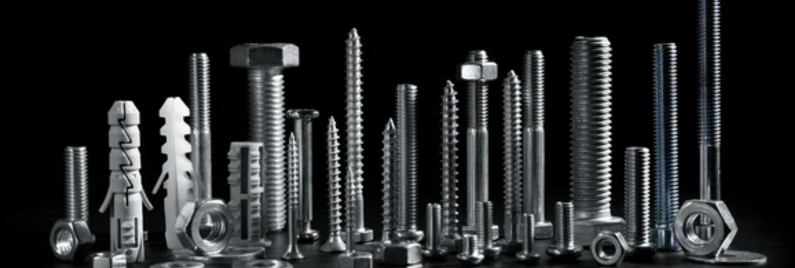
A fastener is a hardware device that mechanically joins or affixes two or more objects together. In 2026, the landscape of fastening technology has evolved to prioritize corrosion resistance, high-tensile strength, and smart installation verification. This guide covers essential types, material selection, and expert insights for engineers and contractors seeking reliable structural integrity.
What Is a Fastener and Why Does It Matter in 2026?
A fastener serves as the critical link in any assembly, transferring loads and maintaining alignment under stress. Unlike permanent joining methods like welding, fasteners allow for disassembly, maintenance, and adjustments. The industry currently emphasizes durability against extreme environmental conditions and compatibility with advanced composite materials.
Selecting the wrong fastener can lead to catastrophic structural failure, costly recalls, or safety hazards. Modern engineering demands a deep understanding of thread geometry, head styles, and drive types. As manufacturing tolerances tighten, the margin for error diminishes, making expert knowledge indispensable for project success.
The definition extends beyond simple screws and bolts. It encompasses a vast ecosystem including rivets, anchors, clips, and specialized locking mechanisms. Understanding these components is the first step toward mastering assembly reliability in contemporary construction and manufacturing sectors.
Core Types of Fasteners: A Comprehensive Breakdown
Fasteners are generally categorized by their function, installation method, and permanence. The primary division lies between temporary fasteners, which can be removed without damage, and permanent ones, which require destruction for removal. Each category serves distinct industrial needs.
Bolts and Screws: The Backbone of Assembly
Bolts and screws are the most ubiquitous fasteners, distinguished primarily by how they mate with a counterpart. Bolts typically pass through unthreaded holes and secure via a nut, while screws engage directly with pre-formed or self-tapped threads in the base material.
- Hex Bolts: Featuring a six-sided head, these are ideal for high-torque applications using wrenches or sockets.
- Socket Head Cap Screws: Designed for tight spaces, these utilize an internal hex drive for a sleek profile.
- Machine Screws: Precision-threaded for use with nuts or tapped holes in metal assemblies.
- Self-Tapping Screws: Capable of cutting their own threads, reducing the need for pre-drilling in sheet metal and plastics.
In 2026, advancements in thread rolling technology have improved the fatigue life of these components. Experts recommend matching the thread pitch precisely to the application’s vibration profile to prevent loosening over time.
Nuts and Washers: Essential Companions
Nuts act as the receiving end for bolts, creating the clamping force necessary to hold joints together. Washers distribute this load, preventing surface damage and providing a smooth bearing surface for rotation during tightening.
Locking nuts have become standard in dynamic environments where vibration is prevalent. These include nylon insert types and all-metal deformed thread designs. Flat washers and split lock washers remain fundamental, though prevailing torque nuts are increasingly favored for critical safety applications.
Rivets and Anchors: Permanent and Substrate-Specific Solutions
When disassembly is not required, rivets offer a robust permanent solution. Blind rivets, in particular, allow installation from one side of the workpiece, revolutionizing aerospace and automotive assembly lines.
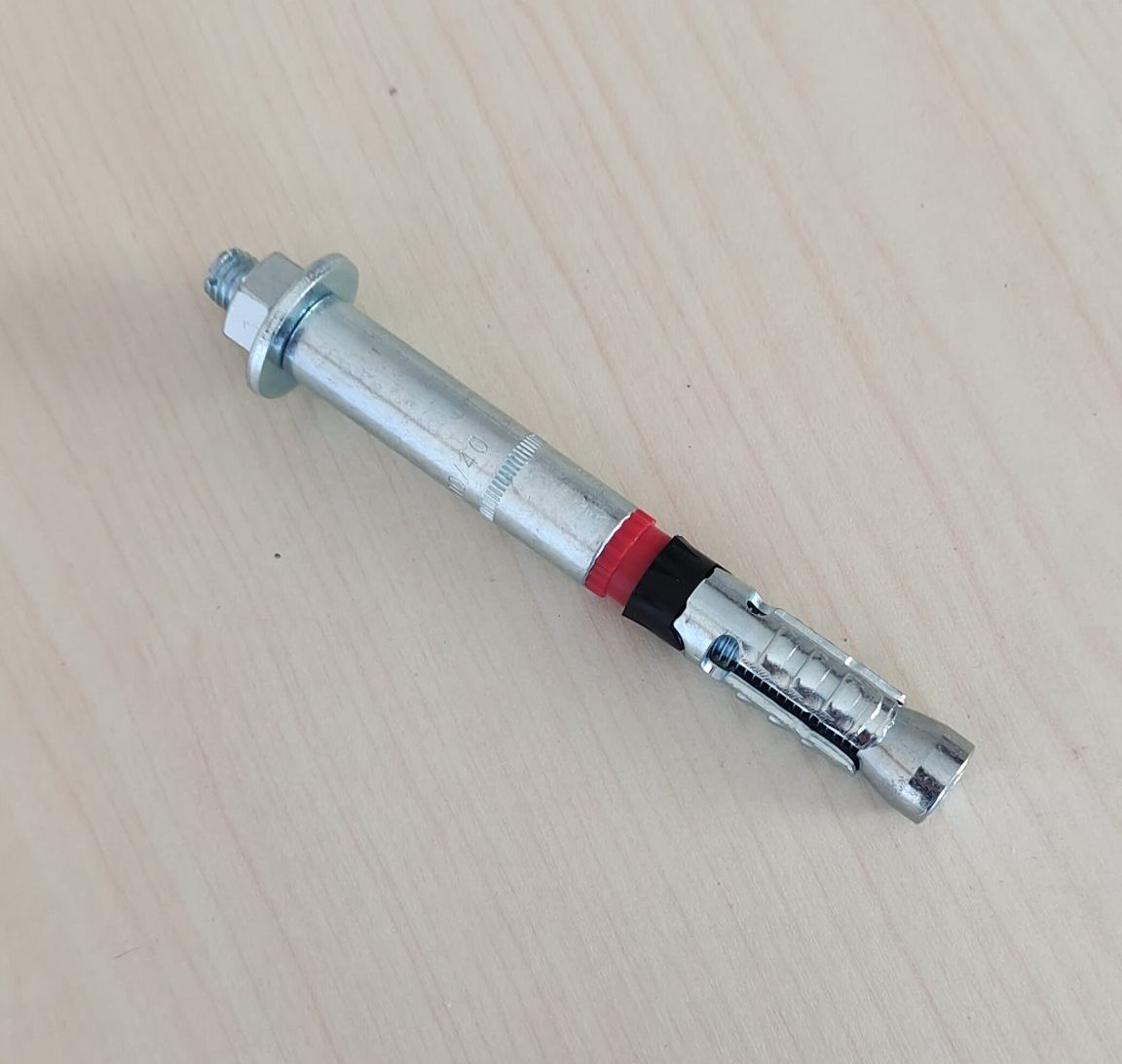
Anchors address the challenge of fastening into brittle materials like concrete, brick, or drywall. Expansion anchors wedge themselves against the substrate, while chemical anchors rely on adhesive bonding. Choosing the correct anchor type is vital for load-bearing capacity in masonry applications.
Material Selection Guide for Durability and Performance
The longevity of a fastening system depends heavily on material compatibility with the operating environment. Corrosion, temperature extremes, and chemical exposure dictate the optimal choice. Using inferior materials can compromise the entire structure regardless of design quality.
Steel Alloys: Strength and Versatility
Carbon steel remains the industry standard for general-purpose applications due to its high tensile strength and cost-effectiveness. However, it requires protective coatings like zinc plating or galvanization to resist rust in outdoor or humid settings.
Alloy steels, such as those treated with boron or chromium, provide enhanced hardness and heat resistance. These are essential for automotive engines and heavy machinery where thermal cycling occurs frequently. Proper heat treatment ensures the balance between brittleness and ductility.
Stainless Steel: Corrosion Resistance Leader
For marine, food processing, and architectural applications, stainless steel is the preferred choice. Grades like 304 offer excellent general corrosion resistance, while 316 includes molybdenum for superior protection against chlorides and saltwater.
It is crucial to avoid galvanic corrosion when mixing stainless fasteners with dissimilar metals. Industry professionals often recommend using insulating washers or selecting fasteners with electrochemical potentials close to the base material to mitigate this risk.
Non-Metallic and Exotic Alloys
In highly corrosive chemical environments or where electrical insulation is required, non-metallic fasteners made from nylon, PTFE, or fiberglass-reinforced polymers are utilized. While lower in strength, they offer unique benefits in specific niche applications.
Titanium and Inconel represent the high-end spectrum, offering exceptional strength-to-weight ratios and resistance to extreme temperatures. These materials are staples in aerospace and defense sectors where performance outweighs cost considerations.
Fastener Comparison: Choosing the Right Type
Selecting the appropriate fastener involves balancing load requirements, environmental factors, and installation constraints. The following table compares common fastener types based on key performance metrics relevant to 2026 standards.
| Fastener Type | Primary Use Case | Removability | Vibration Resistance | Typical Material |
| Hex Bolt + Nut | Structural Steel, Heavy Machinery | High | Moderate (requires locker) | Carbon/Alloy Steel |
| Socket Head Cap Screw | Precision Equipment, Tight Spaces | High | Moderate | Alloy Steel, Stainless |
| Blind Rivet | Aerospace, Sheet Metal Assembly | None (Permanent) | High | Aluminum, Steel |
| Self-Drilling Screw | HVAC, Metal Framing | Moderate | Low to Moderate | Hardened Steel |
| Chemical Anchor | Concrete, Masonry Load Bearing | None (Permanent) | Very High | Epoxy Resin + Rod |
This comparison highlights that no single fastener fits all scenarios. Structural applications demand the removability and high shear strength of bolts, whereas sheet metal workflows benefit from the speed of self-drilling screws. Permanent joints in inaccessible areas justify the use of rivets.
Installation Best Practices and Torque Specifications
Proper installation is as critical as the component selection itself. Over-torquing can strip threads or stretch the bolt beyond its yield point, leading to premature failure. Under-torquing results in insufficient clamp load, allowing movement and eventual loosening.
Step-by-Step Installation Guide
Following a systematic approach ensures consistent joint integrity across large-scale projects. Adhering to these steps minimizes human error and maximizes the lifespan of the assembly.
- Step 1: Inspection: Verify that holes are clean, aligned, and free of burrs. Check fasteners for defects or damaged threads.
- Step 2: Lubrication: Apply appropriate lubricant if specified, as friction coefficients significantly affect torque-to-tension relationships.
- Step 3: Hand Tightening: Start all fasteners by hand to ensure proper thread engagement and avoid cross-threading.
- Step 4: Snugging: Bring parts into contact using a power tool or wrench until the joint is snug but not fully loaded.
- Step 5: Final Torquing: Use a calibrated torque wrench to tighten to the manufacturer’s specified value in a star or crisscross pattern.
- Step 6: Verification: Inspect the joint for gaps and re-check torque values after a settling period if required by protocol.
Modern smart tools now provide digital feedback during installation, recording torque and angle data for quality assurance logs. This technological integration enhances traceability and accountability in regulated industries.
Understanding Torque vs. Tension
It is a common misconception that torque equals clamp force. In reality, up to 90% of applied torque overcomes friction, with only a small fraction generating the desired tension. Variations in surface finish or lubrication can drastically alter this ratio.
Engineers increasingly rely on the “turn-of-nut” method or direct tension indicators for critical joints. These methods measure the actual elongation of the bolt, providing a more accurate representation of the clamping force than torque alone.
Common Failure Modes and Prevention Strategies
Even high-quality fasteners can fail if subjected to improper conditions or installation errors. Recognizing the signs of potential failure allows for proactive maintenance and redesign before accidents occur.
Fatigue Failure
Fatigue occurs when a fastener is subjected to cyclic loading below its ultimate tensile strength. Cracks initiate at stress concentrators, such as thread roots, and propagate until sudden fracture happens. Preventing fatigue involves ensuring adequate preload to keep the joint compressed under operational loads.
Corrosion and Hydrogen Embrittlement
Environmental degradation weakens the material matrix over time. Galvanic corrosion accelerates when dissimilar metals interact in the presence of an electrolyte. Additionally, high-strength steel fasteners are susceptible to hydrogen embrittlement during plating processes if not baked correctly.
Prevention strategies include selecting compatible materials, applying robust coatings, and adhering to strict manufacturing protocols for heat treatment. Regular inspections in harsh environments are mandatory to detect early signs of rust or cracking.
Loosening Due to Vibration
Vibration is the leading cause of spontaneous fastener loosening. Without proper locking mechanisms, rotational forces can gradually back out the nut or screw. This phenomenon, known as Junker’s effect, can be mitigated using prevailing torque nuts, thread-locking adhesives, or mechanical locking devices.
Industry Applications and Emerging Trends
The demand for specialized fasteners varies significantly across sectors. Automotive manufacturers focus on weight reduction and electrification compatibility, while construction firms prioritize seismic resilience and fire resistance.
Automotive and Aerospace Innovations
In the shift toward electric vehicles, fasteners must accommodate new battery pack architectures and aluminum-intensive bodies. Lightweight alloys and flow drill screws are becoming mainstream to join dissimilar materials without pre-punched holes.
Aerospace continues to drive innovation with titanium and superalloy fasteners capable of withstanding supersonic stresses. The integration of sensor-enabled fasteners that monitor structural health in real-time represents a significant leap forward in predictive maintenance.
Construction and Infrastructure
Green building standards influence fastener choices, favoring materials with lower carbon footprints and longer service lives. Seismic codes in earthquake-prone regions mandate specific ductility ratings for structural bolts to absorb energy during tremors.
Modular construction techniques rely on rapid-assembly fastening systems that reduce on-site labor time. These systems often feature proprietary drive styles and automated installation tools to ensure consistency across prefabricated units.
Expert Insights: Navigating the 2026 Market
Industry veterans emphasize that the future of fastening lies in standardization and digitalization. As supply chains globalize, adherence to international standards like ISO and ASTM becomes paramount for interoperability and safety compliance.
“The biggest mistake we see is treating fasteners as commodities,” notes a senior structural engineer. “They are precision-engineered components that define the safety margin of your entire project. Investing in quality and expertise pays dividends in reduced liability and maintenance costs.”
Supply chain resilience is another focal point. Recent years have highlighted the risks of relying on single-source suppliers for critical grades. Diversifying sources and maintaining strategic stockpiles of high-grade fasteners is now a best practice for large enterprises.
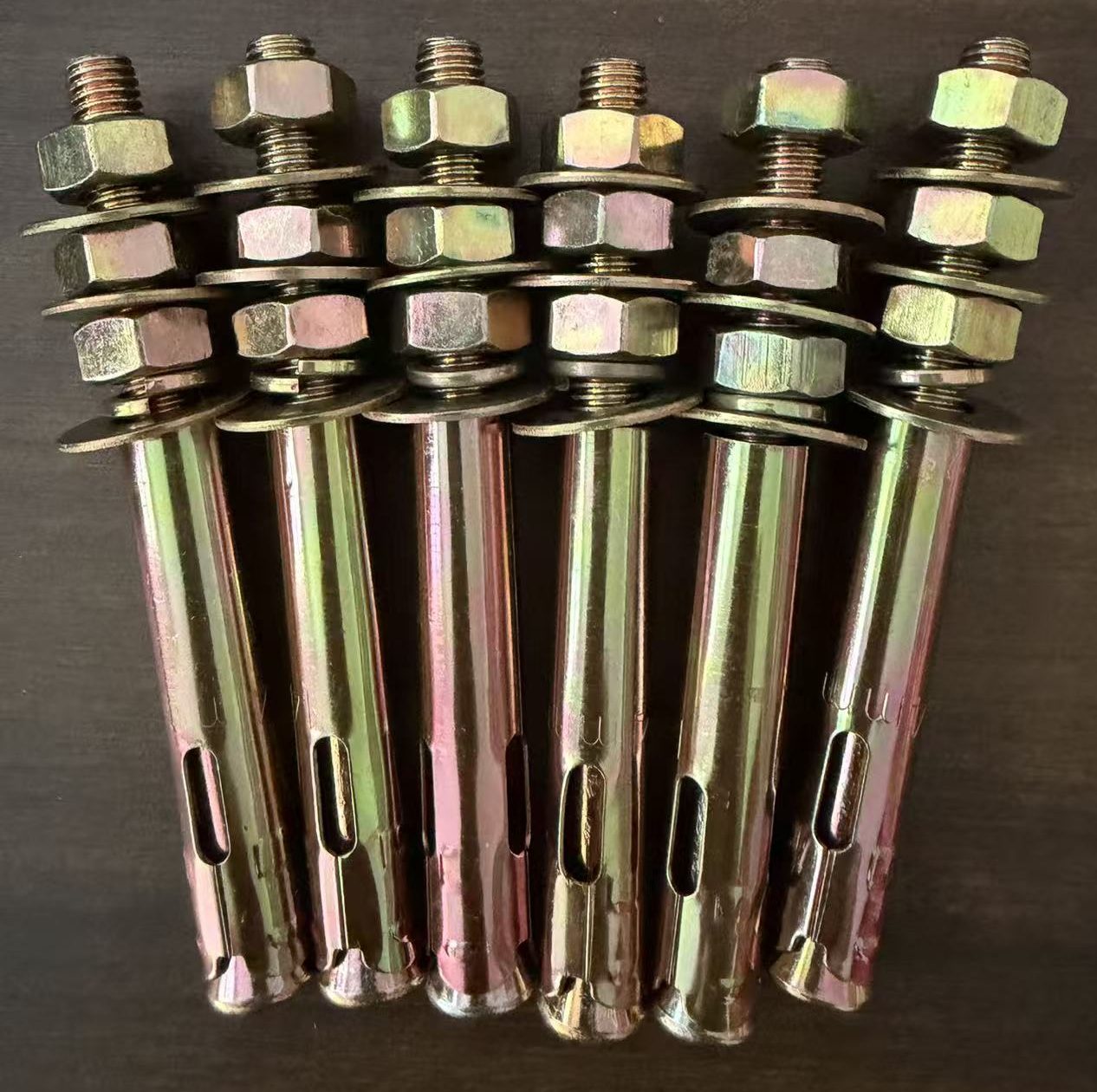
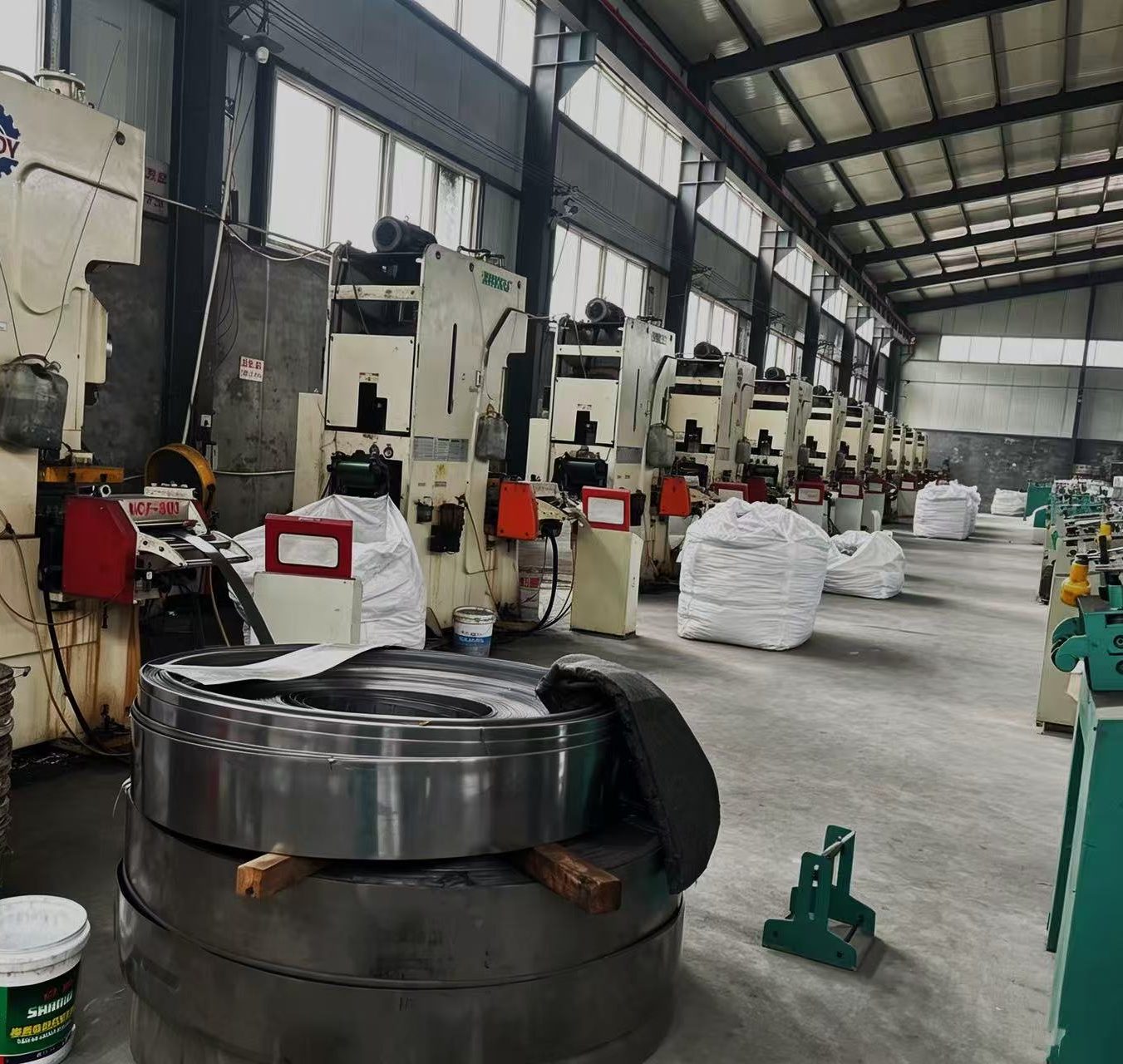
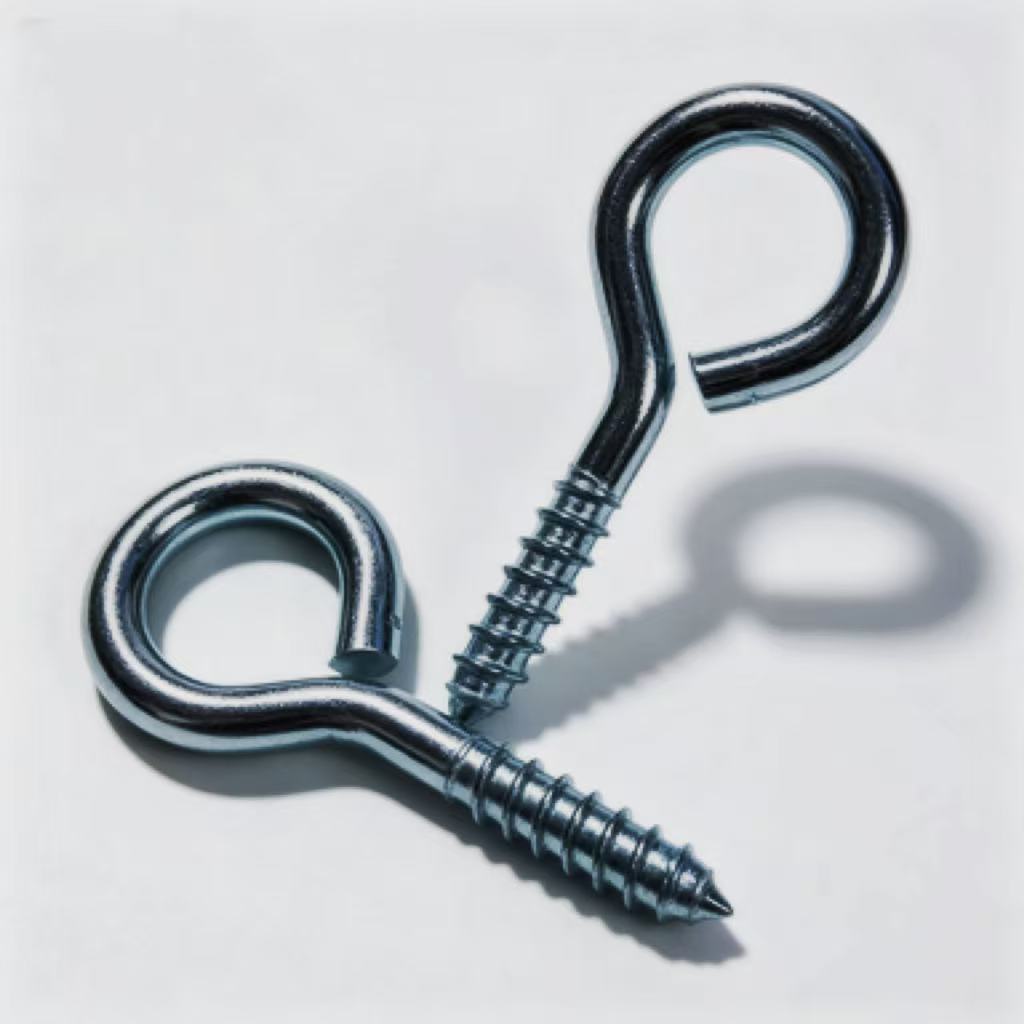
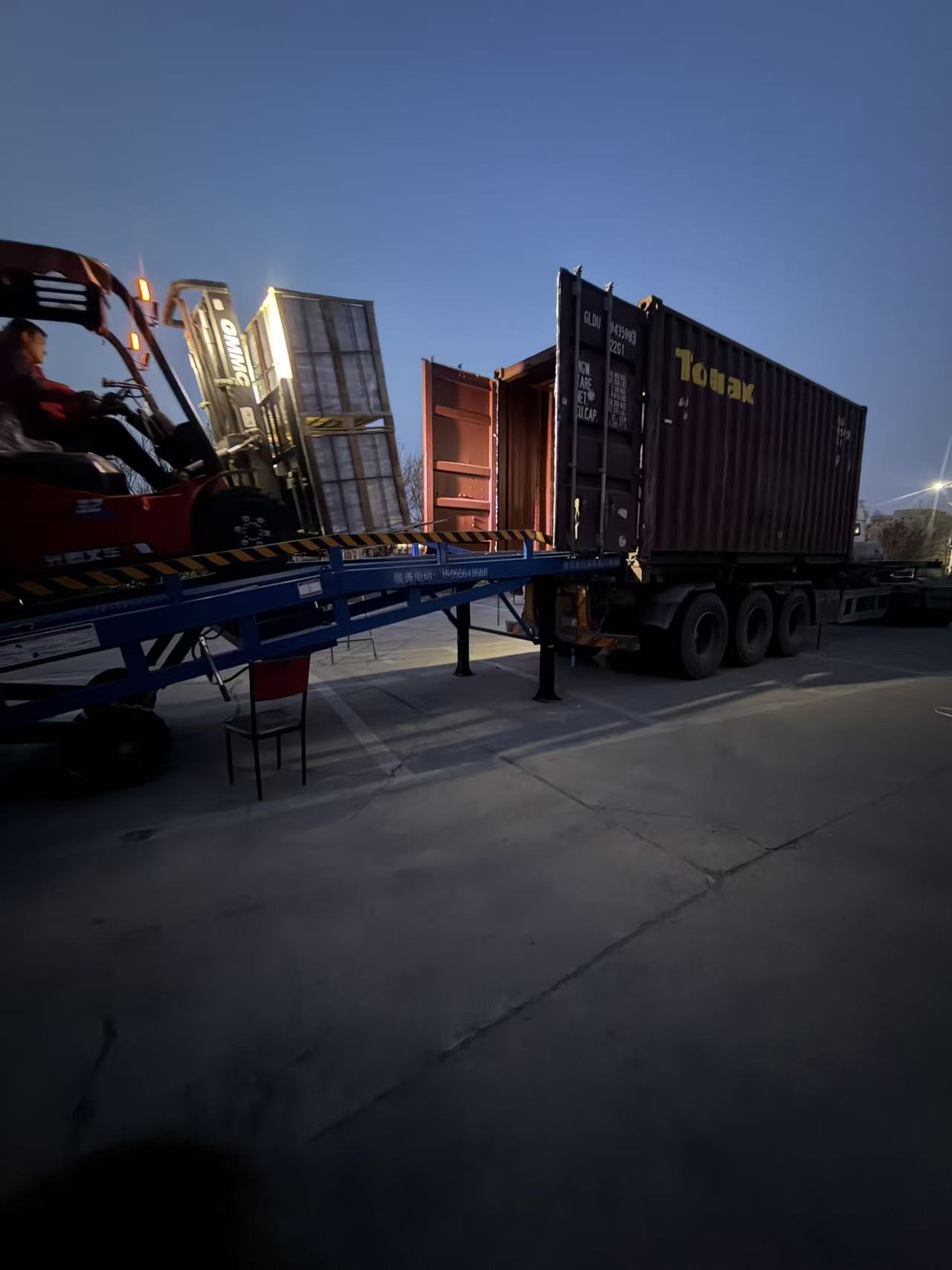
Meeting these rigorous global demands requires partners who combine deep industry experience with advanced manufacturing capabilities. Based in Handan, Hebei—China’s premier hub for fastener production—a leading industry and trade combination company has spent over a decade perfecting this balance. Specializing in the development, manufacturing, and service of diverse hardware solutions, they produce a wide array of products ranging from specialized casing geckos to wooden teeth welded sheep’s eye screws and bolts. By integrating high-tech talent with advanced production technologies and comprehensive testing methods, they ensure every product meets stringent international standards including GB, DIN, JIS, and ANSI. With exports reaching over 26 countries, their commitment to “quality first, customer first” has established them as a trusted source for both standard components and custom-specification orders tailored to unique project needs.
Frequently Asked Questions (FAQ)
What is the difference between a bolt and a screw?
A bolt is designed to pass through a substrate and secure with a nut, whereas a screw threads directly into the material or a pre-tapped hole. Bolts generally handle higher shear loads, while screws excel in axial holding power.
How do I prevent fasteners from loosening due to vibration?
Use locking mechanisms such as nylon insert nuts, prevailing torque nuts, or thread-locking fluids. Ensuring the correct preload during installation is also critical, as a properly tensioned joint resists rotational forces better.
Which stainless steel grade is best for marine environments?
Grade 316 stainless steel is the industry standard for marine applications due to its molybdenum content, which provides superior resistance to pitting and crevice corrosion caused by saltwater compared to Grade 304.
Can I mix different metal fasteners in one assembly?
Mixing dissimilar metals can lead to galvanic corrosion if an electrolyte is present. If unavoidable, use insulating washers or sleeves to separate the metals and prevent electrochemical reactions.
What does the marking on a bolt head indicate?
Bolt head markings denote the grade or class of the fastener, indicating its tensile strength and material composition. For example, three radial lines on a metric bolt usually signify Class 8.8, while raised letters on imperial bolts indicate specific ASTM standards.
Conclusion and Next Steps
Selecting the right fastener is a nuanced decision that impacts the safety, durability, and efficiency of any project. From understanding material properties to mastering installation torque, every detail contributes to the overall integrity of the assembly. The 2026 landscape offers advanced solutions, but fundamental engineering principles remain the cornerstone of success.
This guide is ideal for engineers, procurement specialists, and contractors who need to make informed decisions about structural connections. Whether working on skyscrapers, vehicles, or consumer electronics, applying these insights will minimize risk and optimize performance.
To move forward, evaluate your current fastening specifications against the latest industry standards. Consider conducting a joint analysis to identify potential weak points in your existing assemblies. Prioritize quality sourcing and invest in training for installation teams to ensure every connection performs as intended.