An anchor is a critical component used to secure vessels, structures, or loads by transferring force into the ground or seabed. In maritime contexts, it prevents drifting by gripping the bottom surface, while in construction and climbing, it provides stable fixation points. Understanding the mechanics, types, and proper selection of an anchor is essential for safety and operational efficiency across these diverse industries.
What Is an Anchor and How Does It Work?
The fundamental principle behind an anchor involves converting horizontal pulling forces into vertical holding power. When deployed, the device interacts with the substrate—whether sand, mud, rock, or concrete—to create resistance. This interaction relies heavily on the design geometry and the material properties of the seabed or foundation.
In marine environments, the anchor does not merely act as a heavy weight. Instead, modern designs utilize flukes or palms that dig into the sediment. As tension increases on the rode (the line connecting the vessel to the anchor), the device buries itself deeper, exponentially increasing its holding capacity. This self-burying mechanism is the cornerstone of effective mooring systems.
For industrial and construction applications, the concept shifts slightly but retains the core logic of load transfer. Here, an anchor often refers to mechanical or chemical fasteners embedded in concrete or masonry. These devices distribute stress over a larger area to prevent pull-out failure under dynamic or static loads.
The Physics of Holding Power
Holding power is not a fixed value; it is dynamic and dependent on several variables. The angle of pull is perhaps the most critical factor. For most buried anchors, a horizontal pull yields the highest resistance. If the angle becomes too vertical, the device may lever out of the ground rather than dig in.
- Substrate Composition: Soft mud requires large surface areas, while hard sand benefits from sharp penetration.
- Scope Ratio: The length of the rode relative to water depth determines the pull angle.
- Setting Time: Allowing the anchor to settle before applying full load ensures proper embedding.
Industry experts emphasize that understanding these physical interactions is vital for selecting the right equipment. A mismatch between the anchor type and the environmental conditions can lead to catastrophic failure, regardless of the device’s rated strength.
Core Types of Anchors Across Industries
The term “anchor” encompasses a wide variety of designs, each optimized for specific conditions. Categorizing them helps users identify the most suitable solution for their unique requirements. The primary divisions exist between maritime usage and structural engineering applications.
Maritime Anchor Designs
In the maritime sector, evolution has driven the development of highly specialized shapes. Early designs relied purely on mass, but contemporary models focus on geometric efficiency. The goal is to maximize holding power per unit of weight, facilitating easier handling and storage.
The Plow Anchor: Inspired by agricultural plows, this design features a single curved fluke. It excels in grassy or weedy bottoms where other anchors might skip. Its ability to reset quickly if the wind shifts makes it a favorite among cruisers.
The Danforth Style: Characterized by two large, flat flukes hinged at the crown, this type offers immense holding power in soft mud and sand. However, its bulky shape can make stowage challenging on smaller vessels with limited deck space.
The Claw Anchor: Originally designed for North Sea oil rigs, this scoop-shaped device grabs the seabed effectively. It is renowned for its reliability in rocky conditions and its capacity to hold firmly without needing to penetrate deeply.
Structural and Construction Anchors
In construction, the anchor serves as the vital link between a fixture and the base material. These are broadly classified into mechanical and chemical categories, each offering distinct advantages depending on the load requirements and substrate integrity.
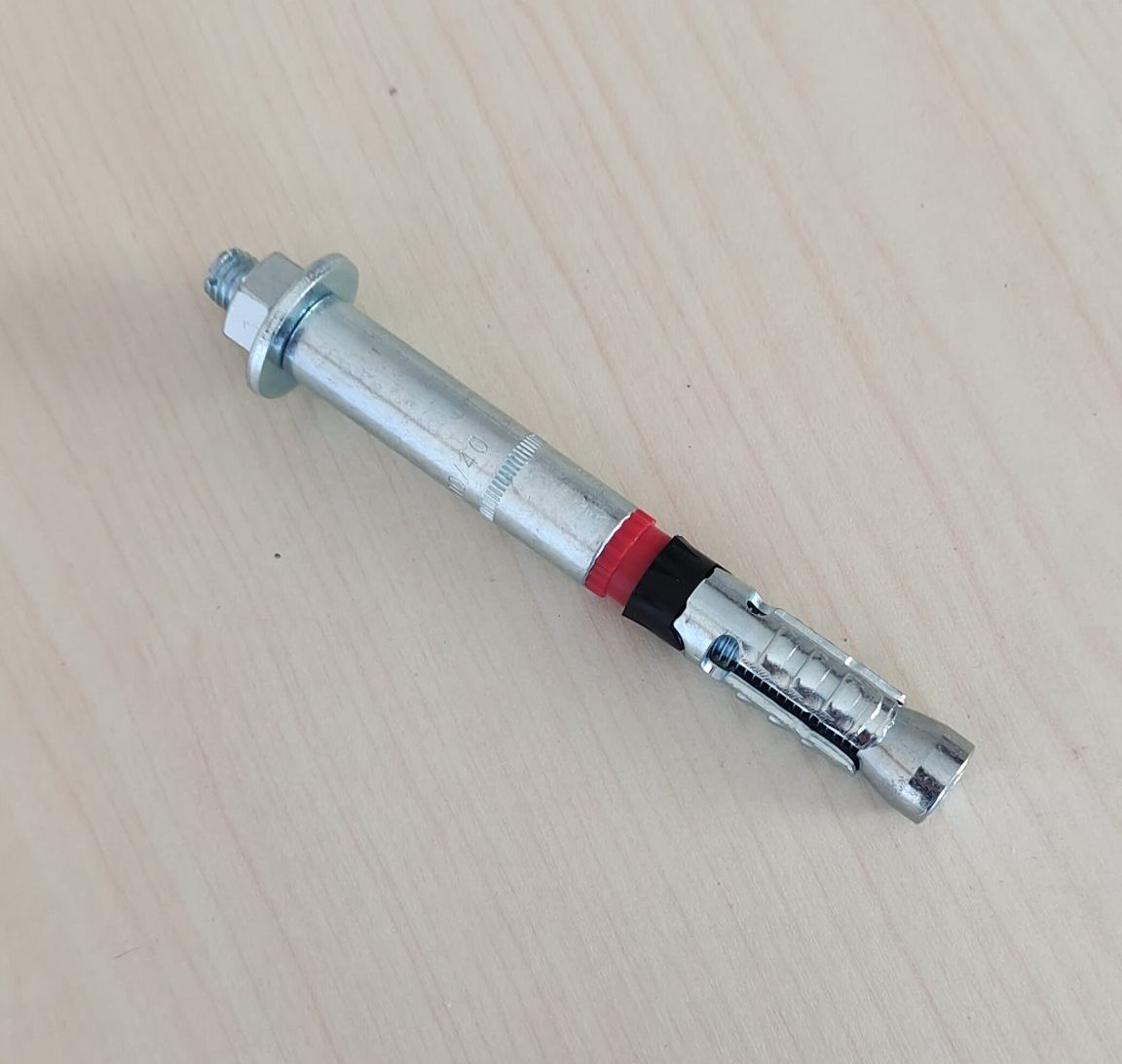
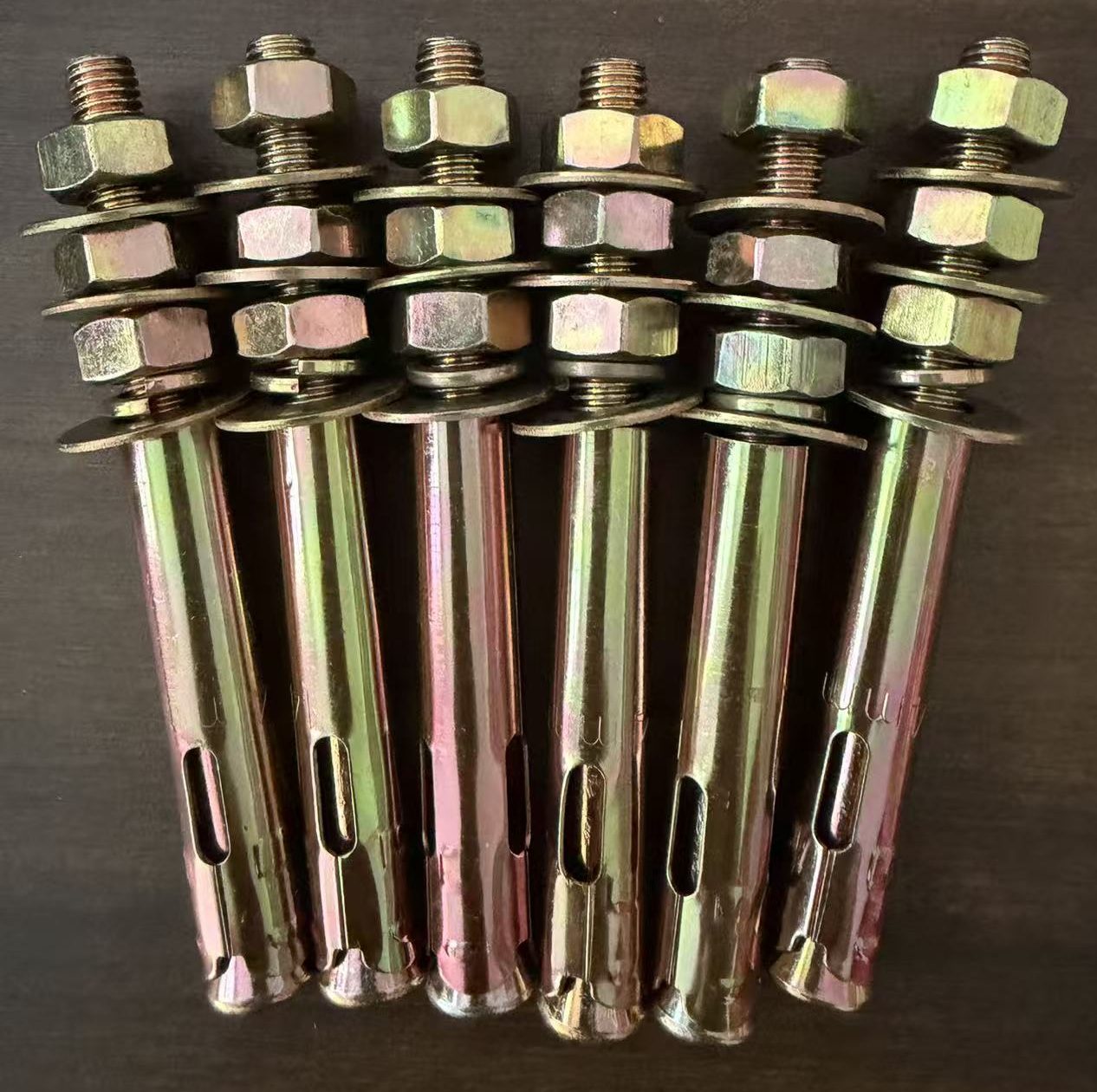
Mechanical Anchors: These rely on friction or interlocking mechanisms. Expansion anchors widen inside a drilled hole to grip the concrete, while undercut anchors lock into a specially shaped cavity. They provide immediate load-bearing capacity upon installation.
Chemical Anchors: Utilizing resin adhesives, these systems bond a threaded rod to the surrounding material. They are ideal for high-load applications and edges where mechanical expansion might cause cracking. The curing time varies based on temperature and resin formulation.
Comparative Analysis of Anchor Systems
Selecting the correct anchor requires a clear understanding of how different systems perform under varying conditions. The following comparison highlights key differences between common maritime and structural options to guide decision-making.
| Anchor Type | Ideal Substrate | Key Advantage | Limitation |
| Plow Anchor | Weedy, Grass, Mixed | Excellent resetting ability | Can struggle in very soft mud |
| Danforth Style | Sand, Mud | High holding-to-weight ratio | Bulky storage profile |
| Claw Anchor | Rock, Hard Sand | Reliable in difficult bottoms | Lower performance in thick weed |
| Expansion Mechanical | Solid Concrete | Immediate load capacity | Risk of substrate cracking near edges |
| Chemical Resin | Cracked Concrete, Masonry | Highest load limits, no expansion stress | Requires curing time before loading |
This table illustrates that no single anchor is universally superior. The optimal choice is always context-dependent. For instance, a vessel frequently moving between sandy bays and rocky coves might prioritize a claw design, whereas a permanent mooring in soft silt would benefit from a large fluke anchor.
Performance Metrics in Real-World Scenarios
Industry data suggests that proper selection can increase holding efficiency by significant margins. In soft sediments, a specialized fluke anchor may outperform a generic plow design by a factor of two or more. Conversely, in hard-packed clay, the penetration capability of the plow becomes the deciding factor.
Similarly, in construction, the choice between mechanical and chemical systems often dictates the safety margin of the structure. High-vibration environments, such as those near heavy machinery, often necessitate chemical anchors due to their superior resistance to loosening over time.
Step-by-Step Guide to Anchor Deployment
Proper installation and deployment are just as critical as the selection of the anchor itself. Even the most advanced device will fail if not executed correctly. The following procedures outline the best practices for both maritime and structural applications.
Maritime Deployment Procedure
Securing a vessel requires a systematic approach to ensure the anchor sets firmly and holds against changing weather conditions. Rushing this process is a common cause of dragging.
- Assess Conditions: Evaluate wind direction, current, and seabed composition before approaching the spot.
- Approach Slowly: Head into the wind or current and reduce speed to a near stop at the desired location.
- Lower, Do Not Drop: Gently lower the anchor until it touches the bottom. Dropping it from height can damage the chain or foul the rode.
- Reverse Slowly: Engage reverse gear gently to lay out the rode. This allows the anchor to orient itself correctly.
- Apply Tension: Once sufficient scope is deployed, apply moderate reverse thrust to dig the flukes into the seabed.
- Verify Set: Check fixed landmarks or GPS coordinates to confirm the vessel is not dragging.
Experienced mariners note that the “scope”—the ratio of rode length to water depth—is crucial. A minimum 5:1 ratio is generally recommended for calm conditions, increasing to 7:1 or higher in rough weather to maintain a horizontal pull angle.
Structural Installation Guidelines
Installing construction anchors demands precision to ensure structural integrity. Deviations from manufacturer specifications can compromise the entire assembly.
- Drill Preparation: Use a hammer drill with a carbide bit sized exactly to the anchor specifications.
- Clean the Hole: Remove all dust and debris using compressed air or a brush. Residual dust prevents proper bonding or expansion.
- Insert the Anchor: Place the mechanical anchor or inject the chemical resin according to the product guidelines.
- Torque Application: For mechanical types, tighten the nut to the specified torque setting to activate the expansion mechanism.
- Curing Period: For chemical anchors, wait the full cure time before applying any load. This varies by temperature.
Adhering to these steps minimizes the risk of pull-out failures. Professional installers often use calibrated torque wrenches to ensure consistency across multiple fixation points.
Common Challenges and Troubleshooting
Despite careful planning, issues can arise during anchor usage. Recognizing early signs of trouble allows for timely intervention, preventing accidents or structural damage. Common problems vary significantly between marine and terrestrial applications.
Maritime Dragging and Fouling
Dragging occurs when an anchor fails to hold the vessel in place. This is often due to insufficient scope, inappropriate bottom type, or poor setting technique. If a vessel begins to drift, immediate action is required to reset the anchor or deploy a secondary one.
Fouling happens when the anchor gets stuck in rocks, debris, or old cables. Retrieving a fouled anchor can be difficult and may require specialized retrieval tools or diving assistance. To mitigate this, some users employ trip lines attached to the crown of the anchor to facilitate dislodging.
Structural Failure Modes
In construction, concrete breakout is a frequent concern. This occurs when the load exceeds the capacity of the base material, causing a cone of concrete to break away around the anchor. Proper edge distance and spacing are critical to preventing this mode of failure.
Corrosion is another long-term threat, especially in outdoor or marine environments. Using stainless steel or hot-dip galvanized anchors is standard practice to enhance durability. Regular inspections help identify early signs of rust or loosening before they become critical.
Applications and Industry Use Cases
The versatility of the anchor extends far beyond simple mooring. Its principles are applied in various sectors where stability and security are paramount. From offshore energy to high-rise construction, these devices play a silent but vital role.
Offshore Energy and Renewables
The burgeoning offshore wind industry relies heavily on advanced anchoring solutions. Floating wind turbines require mooring systems capable of withstanding extreme ocean forces. Dynamic positioning anchors and suction piles are increasingly used to secure these massive structures in deep waters where traditional fixed foundations are impractical.
Oil and gas platforms have long utilized drag embedment anchors and vertically loaded anchors (VLAs). These systems must maintain position for decades under harsh environmental conditions, demonstrating the long-term reliability required of industrial-grade anchors.
Infrastructure and Civil Engineering
Bridges, tunnels, and retaining walls depend on rock anchors and soil nails to stabilize slopes and support heavy loads. These tensioned cables act as internal reinforcement, preventing landslides and structural shifts. The precision engineering involved in these projects underscores the importance of accurate load calculations and material science.
In facade engineering, anchors secure curtain walls and cladding systems to building frames. These components must accommodate thermal expansion and wind loads while maintaining aesthetic alignment. The failure of a single anchor in such systems can have cascading consequences, highlighting the need for rigorous quality control.
Expert Insights on Future Trends
The field of anchoring technology continues to evolve, driven by the demand for higher efficiency and sustainability. Experts point to several emerging trends that are reshaping how anchors are designed and utilized.
Smart Anchoring Systems: Integration of sensors and IoT technology is beginning to appear in high-end maritime applications. These systems monitor tension, angle, and seabed conditions in real-time, alerting operators to potential dragging before it becomes dangerous.
Eco-Friendly Designs: There is a growing emphasis on minimizing seabed disturbance. New anchor designs aim to reduce the footprint on sensitive marine ecosystems while maintaining holding power. This is particularly relevant in protected coastal areas and coral reef zones.
Advanced Materials: The adoption of high-strength alloys and composite materials allows for lighter yet stronger anchors. This reduction in weight improves handling efficiency and reduces fuel consumption during transport and deployment.
Manufacturing Excellence and Global Supply
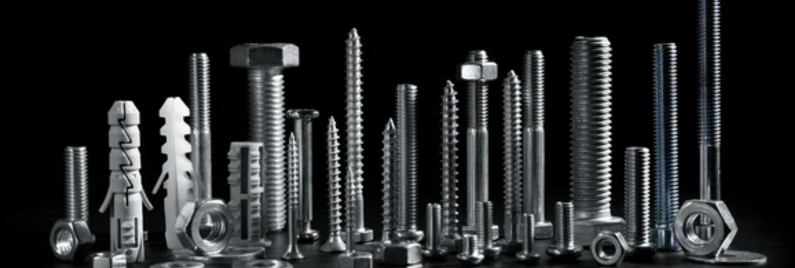
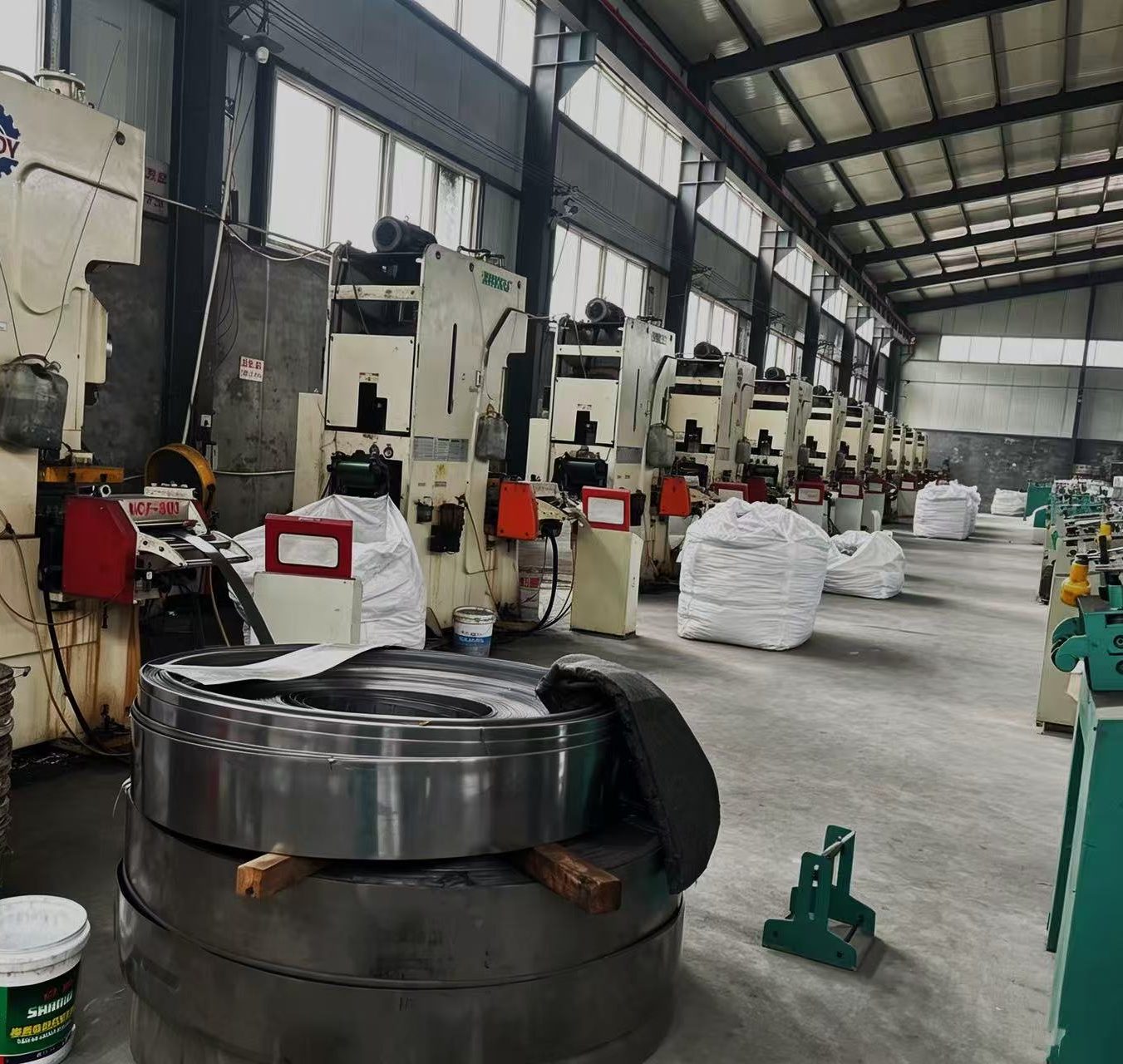
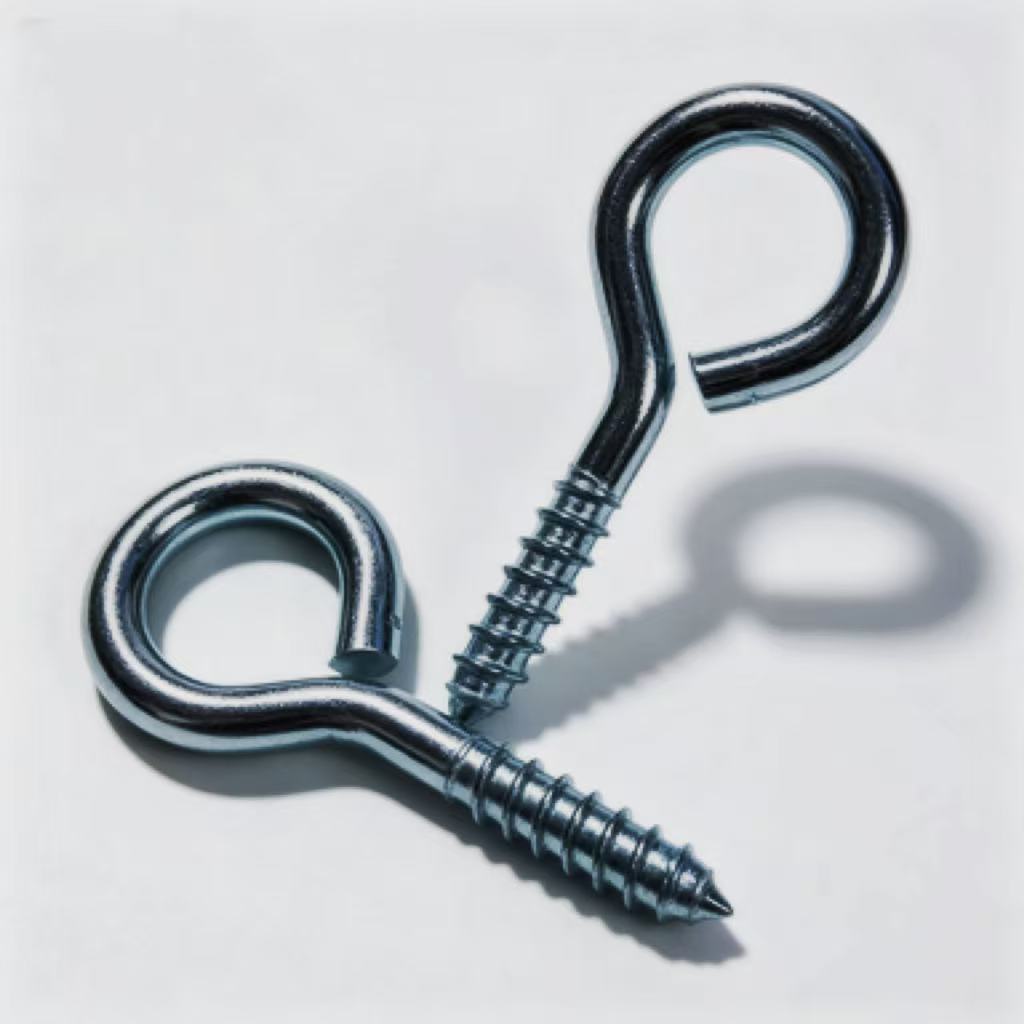
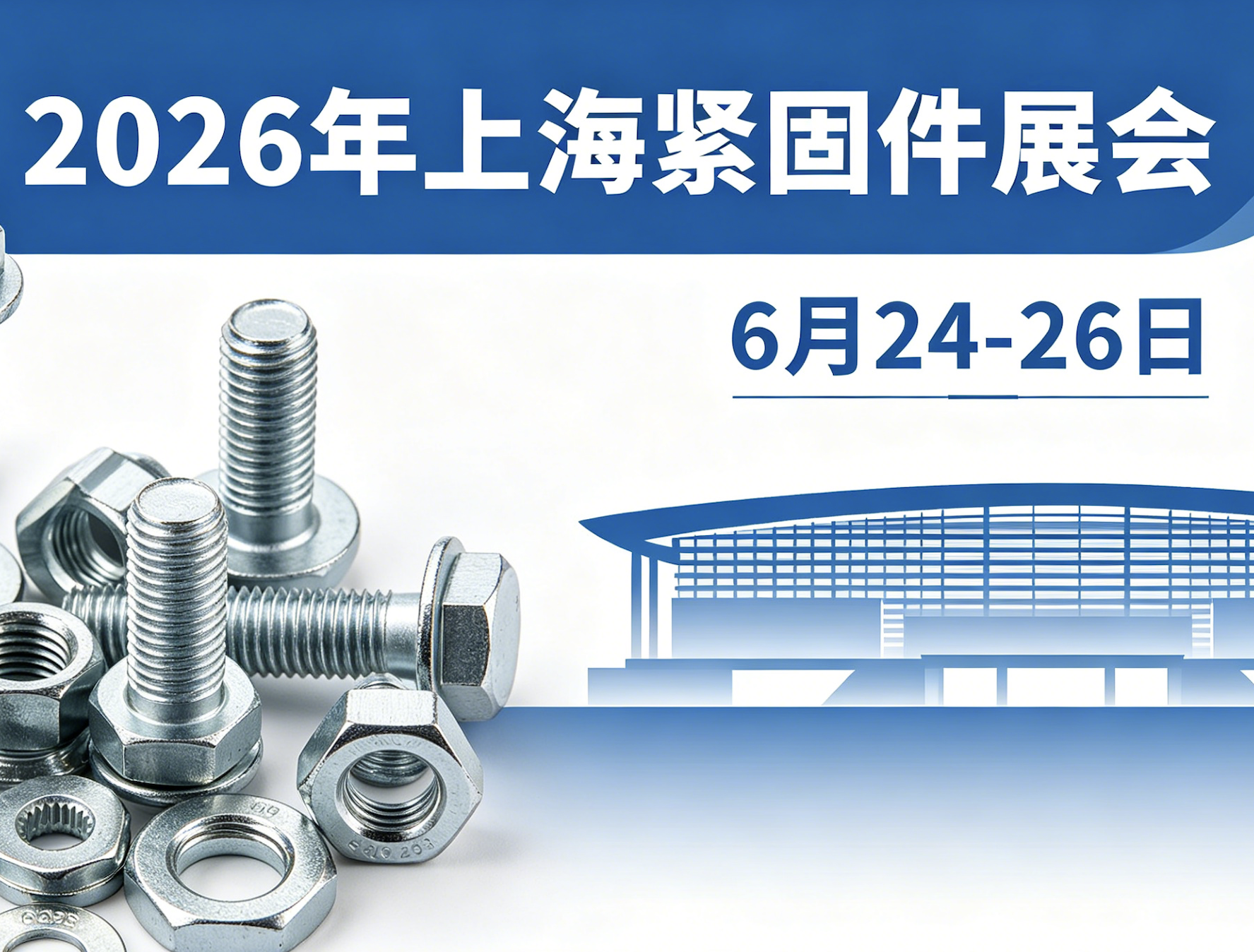
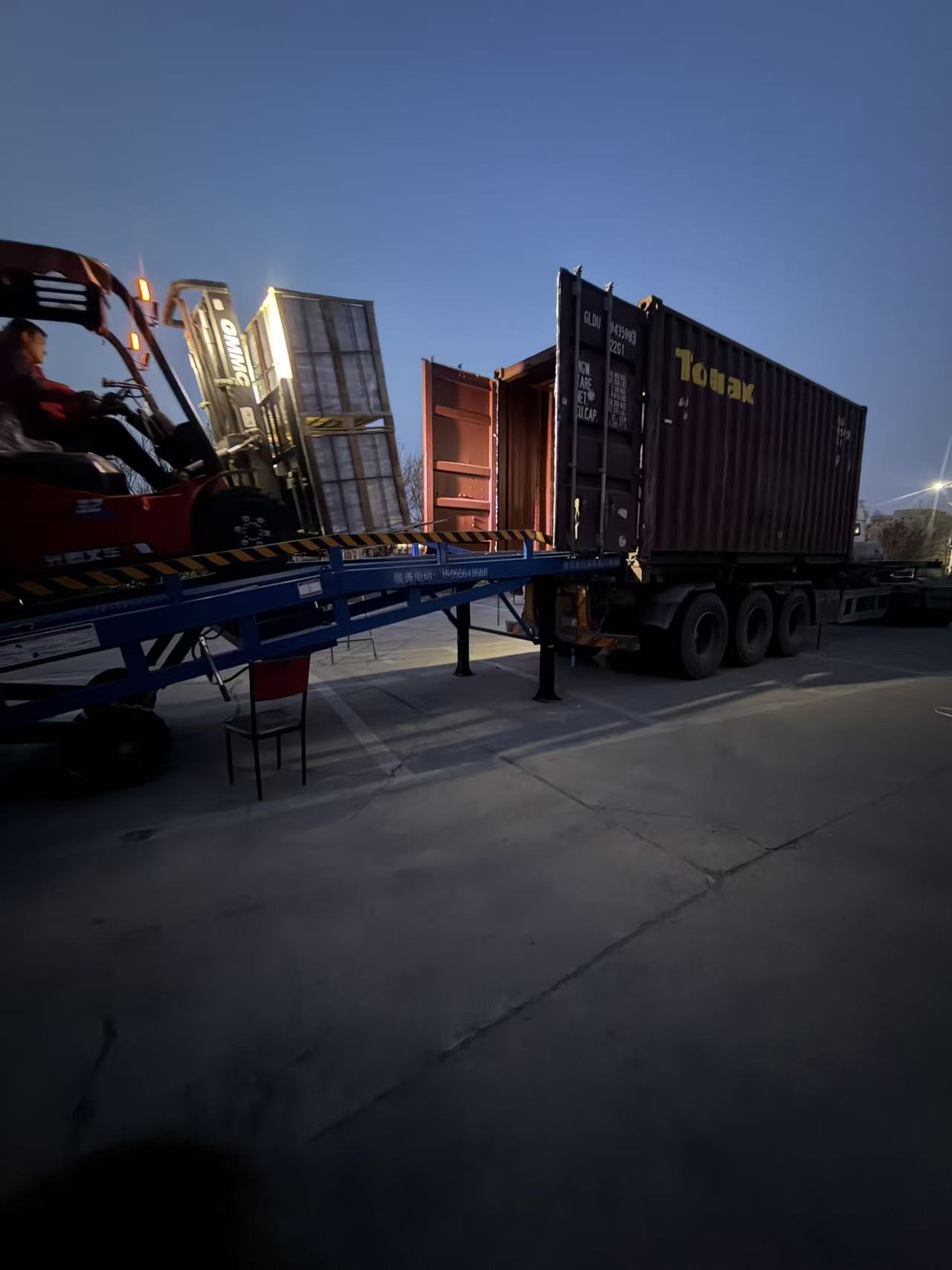
Behind every reliable anchor system lies robust manufacturing expertise. As a global industry and trade combination company based in Handan, Hebei—a city renowned as China’s fastener manufacturing hub—we specialize in the development, production, and distribution of high-performance fasteners and hardware tools. With over a decade of industry experience, our products, including specialized casing geckos, wooden teeth welded sheep’s eye screws/bolts, and various anchoring solutions, are exported to more than 26 countries worldwide.
Our commitment to innovation drives us to invest heavily in scientific research and introduce high-tech talent. By utilizing advanced production technologies and rigorous testing methods, we ensure our products meet international standards such as GB, DIN, JIS, and ANSI. Whether you require standard specifications or custom-designed solutions tailored to unique project needs, our professional technical team and state-of-the-art machinery deliver high-quality products at competitive prices. Adhering to the principle of “quality first, customer first,” we strive to provide thoughtful service that builds lasting trust and meets the evolving demands of the global market.
Frequently Asked Questions (FAQ)
Addressing common queries helps clarify misconceptions and provides quick answers to practical concerns regarding anchor selection and usage.
How do I choose the right anchor size for my boat?
Selection depends primarily on the vessel’s length, weight, and windage. Manufacturers provide sizing charts based on these parameters. It is generally advisable to size up if you frequently encounter severe weather or poor holding bottoms.
Can a chemical anchor be used in wet holes?
Standard polyester resins may struggle in wet conditions, but specific epoxy and vinyl ester formulations are designed for damp or even flooded holes. Always check the product technical data sheet for water tolerance ratings.
What is the lifespan of a marine anchor?
With proper maintenance and galvanization, a steel anchor can last for decades. However, constant abrasion against rocks and exposure to saltwater can accelerate wear. Regular inspection for thinning metal or cracked welds is essential.
Why did my anchor drag despite being heavy?
Weight alone does not guarantee holding power. If the angle of pull is too steep or the flukes fail to penetrate the substrate, even a heavy anchor will drag. Ensuring adequate scope and proper setting technique is often more important than adding weight.
Are stainless steel anchors worth the extra cost?
For vessels kept in saltwater or applications requiring high corrosion resistance, stainless steel is a worthwhile investment. It offers superior longevity and aesthetics, though it comes at a higher initial price point compared to galvanized steel.
Conclusion and Selection Recommendations
The anchor remains an indispensable tool across maritime, construction, and industrial sectors. Its effectiveness hinges on the synergy between design geometry, material quality, and correct application. Whether securing a yacht in a storm or stabilizing a skyscraper’s facade, the principles of load transfer and substrate interaction remain constant.
Choosing the right solution requires a thorough assessment of environmental conditions and load requirements. Mariners should prioritize versatility and resetting capabilities, while engineers must focus on load ratings and substrate compatibility. There is no universal “best” anchor; the optimal choice is always the one tailored to the specific challenges of the job site.
For those looking to upgrade their current systems, the next step involves a detailed site survey or seabed analysis. Consult with industry specialists to review your specific needs and explore the latest advancements in anchoring technology. Investing in the right anchor today ensures safety, stability, and peace of mind for years to come.