Hardware fasteners are essential components used to connect, secure, and support parts in mechanical assemblies, equipment, and various fixing applications. Common types include bolts, nuts, screws, washers, threaded rods, and anchors. Although these products may look similar or work together in the same assembly, each has a different structure and function.
For hardware wholesalers, fastener buyers, and product distributors, choosing the right product requires more than identifying its general category. Dimensions, thread specifications, material, surface finish, and mechanical requirements can all affect whether a fastener is suitable for a particular application.
This guide introduces the common types of hardware fasteners, explains how they differ, and outlines the key factors to consider when selecting products. It also provides a practical checklist of the information buyers should prepare before requesting a quotation from a fastener supplier.
What Are Hardware Fasteners?
Hardware fasteners are mechanical components designed to join, secure, or hold two or more parts together. They are commonly used in mechanical connections, equipment assembly, and general fixing tasks.
The term hardware fasteners covers a broad range of products. In this guide, the discussion focuses on metal fasteners, including bolts, nuts, screws, washers, threaded rods, and anchors.
These products can work individually or as part of a complete fastening assembly. For example, a bolt can pass through aligned holes in two components, while a nut engages with the bolt’s external thread to hold the components together. A washer may also be placed between the fastener and the contact surface, depending on the connection design.
Fasteners are generally identified by their role in forming, securing, or supporting mechanical connections. Understanding their product categories and basic functions is the first step toward selecting suitable components.
Common Types of Hardware Fasteners
Hardware fasteners are available in different designs to meet different connection and fixing requirements. The following categories represent common metal fastener products and provide a useful starting point for product identification.
Bolts
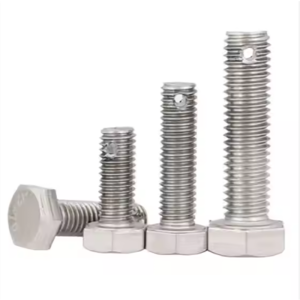
Bolts are externally threaded fasteners generally designed to be used with a compatible nut. They commonly feature a head that allows the fastener to be driven or tightened using an appropriate tool.
A typical bolt connection involves passing the bolt through aligned holes in the components being joined and securing it with a nut. The exact arrangement depends on the connection design and the parts being assembled.
Hex head bolts are a common type. Their six-sided heads provide surfaces for tightening with compatible tools. Other bolt designs may differ in head shape, thread length, dimensions, and intended application.
When identifying a bolt, buyers should pay attention to its head type, diameter, length, thread specifications, material, and surface finish. These details help distinguish products that may appear similar but are not necessarily interchangeable.
Nuts
Nuts are internally threaded fasteners designed to engage with compatible external threads, such as those on bolts or threaded rods. Their main function is to secure threaded connections.
Hex nuts are among the most recognizable types because of their six-sided shape. Other designs may include flange nuts, lock nuts, cap nuts, and slotted nuts. Differences in structure can affect how a nut is installed or how it functions within a connection.
A nut must match the relevant thread specifications of the bolt or threaded rod. Buyers should therefore confirm the thread diameter, pitch, and applicable thread system rather than relying only on the product’s general name or appearance.
Screws
Screws are threaded fasteners used to secure components through a suitable threaded engagement. Depending on the design, a screw may engage with a pre-threaded hole, a compatible nut, or a material that allows the screw to form or cut its own thread.
Screws are available with different head styles, drive types, thread forms, and dimensions. These features influence how a screw is installed and the type of connection it is intended to create.
Bolts and screws can have similar appearances, and their terminology sometimes varies across product categories and industries. In general, bolts are commonly used with nuts in through-hole connections, while screws may engage directly with a component or another threaded feature. The actual distinction depends on the product design and applicable specifications.
When selecting screws, buyers should confirm the head type, drive type, diameter, length, thread details, and material requirements.
Washers
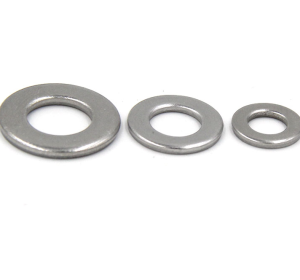
Washers are components placed between a fastener and a contact surface or between connected parts. Depending on their design and the connection, they can help distribute bearing pressure, protect contact surfaces, or provide a specific supporting function.
Flat washers have a simple flat profile with a central hole. They are commonly used beneath bolt heads or nuts when the connection design requires a larger bearing area or surface protection.
Spring washers have a different structure and are intended for specific fastening arrangements. Their suitability depends on the connection design and applicable requirements; they should not automatically be treated as a solution for every loosening or vibration concern.
When choosing washers, buyers should check the inner diameter, outer diameter, thickness, material, and compatibility with the associated fastener.
Threaded Rods
Threaded rods are elongated metal components with external threads along part or all of their length, depending on the product design. They provide a threaded connection over a longer distance than many conventional bolts.
Threaded rods may be used with compatible nuts and other components in assemblies that require an extended threaded connection. Their dimensions and configuration depend on the installation and connection requirements.
Important purchasing details include rod diameter, overall length, thread specifications, material, and surface finish. Buyers should also confirm whether the required product has threads along its entire length or only on specified sections.
Anchors
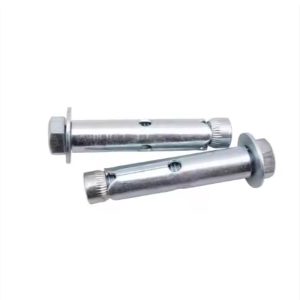
Anchors are fasteners designed to secure components to a base material, such as concrete, masonry, or another suitable substrate. Their fixing mechanisms vary according to the product design and the material into which they are installed.
Mechanical expansion anchors are one common category. They generally use an expansion mechanism to develop a fixing action within a suitable base material. Other anchor designs may use different structures and installation methods.
Anchor selection requires particular attention to the base material, installation conditions, required fixing arrangement, and product specifications. An anchor suitable for one substrate or installation condition should not automatically be assumed to work in another.
Buyers should identify the anchor type and confirm the relevant dimensions, installation requirements, material, and applicable product documentation before ordering.
How Hardware Fasteners Differ from One Another
Although bolts, nuts, screws, washers, threaded rods, and anchors all belong to the broader category of hardware fasteners, they do not perform the same function. Their differences mainly relate to connection methods, product structures, and compatibility with other components.
The following table provides a basic comparison.
| Product Type | Basic Function | Common Identification Feature |
| Bolts | Connecting components, commonly with a nut | External thread and head |
| Nuts | Securing compatible threaded connections | Internal thread |
| Screws | Fastening components through threaded engagement | Head and threaded shank |
| Washers | Supporting or protecting connection surfaces, depending on design | Flat or specially shaped profile |
| Threaded Rods | Providing an extended threaded connection | Elongated threaded rod section |
| Anchors | Fixing components to a suitable base material | Designed anchoring structure |
Differences in Connection Methods
One of the main differences between fasteners is how they create or support a connection.
Bolts commonly work with nuts in connections where the bolt passes through aligned holes. Screws may engage directly with a threaded hole or another suitable material, depending on their design. Threaded rods provide a longer threaded section and are often used with compatible nuts.
Anchors work differently because they are designed to secure components to a base material. Their fixing mechanisms depend on the anchor type and installation conditions.
Washers generally support an existing fastening arrangement rather than creating the main connection themselves. Their function depends on their design and position within the assembly.
Differences in Product Structure and Compatibility
Fasteners can also differ in head shape, thread configuration, body dimensions, and additional structural features. For example, a hex head bolt and a screw may both have external threads, but their connection arrangements and intended uses can differ.
Compatibility is equally important. A nut must match the external thread of the bolt or threaded rod. A washer must have suitable dimensions for the fastener and contact surface. An anchor must be appropriate for the base material and installation conditions.
For this reason, buyers should not select hardware fasteners based on appearance alone. Product dimensions, thread specifications, connection requirements, and technical documentation should all be considered.
Key Factors to Consider When Choosing Hardware Fasteners
Selecting suitable hardware fasteners involves evaluating several related specifications. A product may have the correct general category but still be unsuitable if its dimensions, thread, material, or mechanical properties do not match the application.
Fastener Material
Material selection affects the properties and suitability of a fastener. Common metal fastener materials include carbon steel and alloy steel, among other material options depending on the product and requirements.
Carbon steel fasteners are used in a wide range of fastening applications. Alloy steel contains additional alloying elements and may be selected where particular mechanical properties are required. However, the material name alone does not establish the finished product’s mechanical performance.
Buyers should distinguish between material type and strength grade. They should also consider the operating environment, connection design, and any applicable material specifications before confirming an order.
Size and Dimensions
Dimensions are among the most important factors when choosing hardware fasteners. Even products within the same category may not be interchangeable if their measurements differ.
Relevant dimensions vary by product type:
- Bolts: Diameter, overall length, head dimensions, and thread length.
- Nuts: Thread size, width across flats, and height.
- Screws: Diameter, length, head dimensions, and drive configuration.
- Washers: Inner diameter, outer diameter, and thickness.
- Threaded rods: Diameter, overall length, and threaded configuration.
- Anchors: Diameter, length, and other product-specific dimensions.
The required dimensions should match the connection design and compatible components. If the product is a replacement part, buyers should compare the existing product’s measurements with the new specification rather than relying only on its name.
Thread Type and Specifications
Thread specifications determine whether threaded components can engage correctly. Important details may include nominal diameter, pitch, thread form, and the applicable thread system or standard.
For example, a nut and bolt with similar nominal diameters may still be incompatible if their thread pitches or thread systems differ.
Before purchasing, buyers should confirm the required thread specifications from drawings, technical documents, existing samples, or the relevant product requirements. For assemblies involving multiple threaded components, compatibility should be checked across all mating parts.
Surface Finish and Corrosion Considerations
Surface finish can influence a fastener’s surface protection, appearance, and suitability for its intended environment. Different finishes may be used depending on the product material, application, and purchasing requirements.
Environmental conditions should be considered during selection. Moisture, outdoor exposure, and contact with other materials can affect the corrosion risks associated with a fastening assembly.
However, no single surface finish should be assumed to suit every environment. Buyers should identify the expected operating conditions and confirm the required finish, coating type, and any applicable performance specifications with the supplier.
Strength Grade and Mechanical Requirements
Strength grade describes specified mechanical performance requirements for products covered by the relevant classification system. It is not the same as the general material name.
For example, identifying a fastener as carbon steel does not provide enough information to establish its strength grade. Mechanical properties must be confirmed using the applicable product specification and supporting technical information.
The required mechanical performance depends on factors such as product type, dimensions, connection design, and operating conditions. Buyers should verify the applicable grade, standard, and required documentation instead of assuming that visually similar fasteners have equivalent properties.
How to Confirm Hardware Fastener Specifications Before Purchasing
A clear product specification helps buyers reduce ordering errors and avoid unnecessary clarification during procurement. Before placing an order, it is useful to confirm the product category, dimensions, thread details, material, surface finish, and applicable technical requirements.
Identify the Required Product Type
Start by identifying the specific fastener category: bolt, nut, screw, washer, threaded rod, or anchor.
For products with special structures, a product image, drawing, sample, or existing product number can help clarify the requirement. A general description such as “metal fastener” is usually insufficient for identifying the exact product.
Buyers should also specify whether the product needs to work with other components in an assembly. This is particularly important for matched threaded parts, such as bolts and nuts.
Confirm Dimensions and Thread Details
Provide the relevant dimensions for the selected product. These may include diameter, length, head dimensions, thickness, or other product-specific measurements.
For threaded products, confirm the thread type, nominal diameter, and pitch. If the fastener must fit an existing component, provide the relevant mating-part specifications where possible.
Clear dimensional and thread information makes it easier to distinguish between products that have similar names but different specifications.
Specify Material and Surface Finish
State the required material and surface finish separately. If the order has particular mechanical or environmental requirements, include those details in the specification.
For example, a buyer may need to identify the expected operating environment and specify the required surface protection. The final material and finish should be confirmed against the product requirements rather than selected solely by appearance or general product description.
Check Applicable Standards and Documentation
Some fasteners are purchased according to recognized product standards, while others may be specified through drawings or customer-defined technical requirements.
Buyers should identify the applicable standard or specification and confirm that the supplier’s product information matches the required details. Depending on the order, relevant documents may include:
- Product drawings and technical specifications.
- Material information.
- Inspection or test records, when required.
- Certificates or other quality documents, when specified in the purchasing agreement.
The exact documentation requirements should be agreed upon before the order is confirmed. A standard name or product description alone should not be treated as proof that a particular product meets every purchasing requirement.
What Buyers Should Prepare Before Contacting a Fastener Supplier
Preparing complete product and purchasing information can make supplier communication more efficient. It also helps reduce misunderstandings about product specifications, quantities, and delivery requirements.
Product Details and Quantity Requirements
Begin with the product category and the quantity required. Include the product name, model, drawing number, or a clear image if available.
For purchasing purposes, it is also useful to specify:
- Required order quantity.
- Expected purchasing frequency or batch requirements, if known.
- Packaging requirements.
- Whether the product is a standard item or a special specification.
These details help the supplier understand the purchasing request and identify which product information needs further confirmation.
Technical Specifications and Drawings
Provide the available technical details, including dimensions, thread specifications, material, and surface finish.
For special-shaped or non-standard products, technical drawings are particularly useful. Drawings can show dimensions and structural features that may be difficult to communicate through a product name or photograph alone.
If the fastener must work with another component, provide relevant assembly information or mating-part specifications. This helps clarify compatibility requirements.
Quality and Delivery Requirements
Buyers should communicate any quality, inspection, documentation, and delivery requirements that form part of the purchasing agreement.
For example, specify the applicable product standard, any required inspection records, and whether certificates or other documents are needed. Delivery information should include the destination and requested delivery schedule.
Requirements such as minimum order quantities, production lead times, packaging arrangements, and special services should be confirmed directly with the supplier. They should not be assumed before the supplier has reviewed the product and order details.
A useful quotation request should therefore bring together the product identity, technical specifications, quantity, quality requirements, and delivery information wherever these details are available.
Frequently Asked Questions About Hardware Fasteners
What Are the Most Common Types of Hardware Fasteners?
Common types of hardware fasteners include bolts, nuts, screws, washers, threaded rods, and anchors. Each category has a different structure and function. Some products form threaded connections, while others support existing connections or secure components to a base material.
What Is the Difference Between Bolts and Screws?
Bolts are commonly used with nuts in connections where the fastener passes through aligned holes. Screws may engage directly with a threaded hole or another suitable material, depending on their design. However, terminology can vary between product categories, so the actual product specifications and intended connection method should be checked.
How Do I Choose the Right Fastener Size?
Start with the connection design and the dimensions required by the mating components. Confirm the fastener’s diameter, length, and other relevant measurements. For threaded products, also check the thread diameter and pitch. Product drawings, existing samples, and technical specifications can help verify the required dimensions.
Does Fastener Material Affect Strength and Corrosion Resistance?
Yes. Material selection is related to a fastener’s mechanical properties and its suitability for different environments. However, material type, strength grade, and corrosion resistance are separate considerations. Buyers should evaluate them together and confirm the relevant product specifications before ordering.
Why Are Thread Specifications Important?
Thread specifications determine whether threaded components can engage correctly. Differences in thread diameter, pitch, or thread system can make otherwise similar products incompatible. Buyers should confirm the thread requirements for all mating components, especially when purchasing bolts, nuts, screws, or threaded rods.
What Information Should I Provide When Requesting a Fastener Quote?
A useful quotation request should include the product type, dimensions, thread specifications, material, surface finish, quantity, and applicable standards. Product images, drawings, and sample references can provide additional clarity. Buyers should also communicate any quality documentation, packaging, and delivery requirements relevant to the order.
Conclusion: Choosing the Right Hardware Fasteners
Choosing the right hardware fasteners starts with identifying the required product type and understanding how it functions within the connection. Bolts, nuts, screws, washers, threaded rods, and anchors have different structures and purposes, so they should be selected according to the actual fastening requirements.
Before purchasing, buyers should confirm the product dimensions, thread specifications, material, surface finish, and applicable mechanical requirements. Preparing clear technical documents, quantities, and delivery information can also make communication with suppliers more efficient.
Reviewing the relevant fastener categories and preparing a complete specification list are practical first steps toward identifying suitable products and requesting an accurate quotation.












