Industrial fasteners are essential components in mechanical assemblies, equipment connections, and structural applications. Choosing the right fastener involves more than identifying a bolt, screw, or nut. Buyers and engineers must also consider connection design, base materials, dimensions, thread specifications, mechanical properties, operating conditions, and applicable standards.
For industrial buyers, engineers, equipment manufacturers, and fastener distributors, understanding these factors helps clarify product requirements, reduce specification errors, and make more informed purchasing decisions.
This guide explains the main types of industrial fasteners, their functions, and the key criteria for selecting them. It also covers standards verification, technical documentation, and the information buyers should prepare before requesting a quotation or placing an order.
What Are Industrial Fasteners?
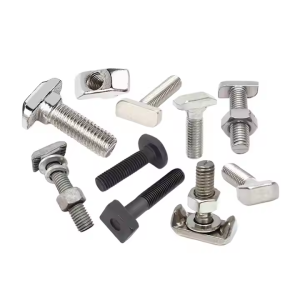
Industrial fasteners are mechanical components used to join, secure, or position parts within an assembly. Depending on their design, they can create removable connections, maintain the position of components, or anchor equipment and structures to a supporting base.
Common examples include bolts, nuts, screws, washers, threaded rods, studs, and anchors. Each type serves a different purpose, and the appropriate choice depends on the connection design and operating requirements.
Definition and Basic Functions of Industrial Fasteners
The primary function of an industrial fastener is to create or maintain a connection between components.
In a typical bolted joint, a bolt passes through aligned holes in connected parts and engages with a compatible nut. When tightened according to the applicable assembly requirements, the joint develops clamping force that helps hold the components together.
Other fasteners work differently. A screw may engage directly with a threaded hole, while a set screw may secure a component by applying pressure against another surface. An anchor is designed to connect a component to a supporting base material under specified installation conditions.
Industrial fasteners commonly serve several purposes:
- Joining components: Connecting separate parts within an assembly.
- Securing components: Helping maintain the intended relationship between connected parts.
- Supporting maintenance: Allowing components to be removed and replaced when the connection is designed for disassembly.
- Positioning parts: Maintaining the relative position of components in certain mechanical assemblies.
- Anchoring equipment: Connecting equipment or structural elements to a suitable supporting material.
Not every fastener performs all these functions. The intended connection and its design requirements determine which type is appropriate.
Common Characteristics of Industrial Fasteners
Although fasteners differ in shape and function, several characteristics commonly influence their selection:
- Product type: Bolts, screws, nuts, washers, studs, and anchors have different functions and installation methods.
- Material: Material selection depends on mechanical requirements, corrosion exposure, temperature, and compatibility with connected components.
- Dimensions and threads: Diameter, length, thread pitch, and tolerances determine whether a fastener fits the intended connection.
- Mechanical properties: Strength grades and other performance specifications help establish whether a product meets the requirements of its intended application.
- Surface finish: Coatings and other surface treatments may influence corrosion resistance, friction, and assembly behavior.
- Applicable standards: Product standards and technical specifications establish relevant requirements for dimensions, materials, performance, and other characteristics.
Two fasteners that look similar may not be interchangeable if their dimensions, materials, thread specifications, or mechanical properties differ.
Common Types of Industrial Fasteners and Their Functions
Understanding the main types of industrial fasteners helps buyers identify the appropriate product category before comparing individual specifications.
Bolts and Nuts
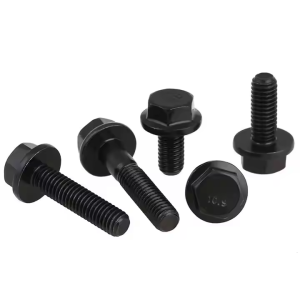
Bolts and nuts are commonly used to create mechanical connections between components.
A bolt typically has a head and an externally threaded shank. It may pass through aligned holes and engage with a nut, or be used in another configuration specified by the connection design.
A nut contains internal threads that engage with the corresponding external threads of a bolt or other threaded component.
When selecting bolts and nuts, buyers should consider:
- Nominal diameter and length.
- Thread series, pitch, and tolerance.
- Head style and installation space.
- Material and surface finish.
- Specified mechanical properties.
- Compatibility between mating components.
For example, a connection between two metal plates may use a bolt passing through aligned holes and secured with a nut. The selected components must have compatible dimensions and threads and satisfy the connection’s performance requirements.
Bolts and nuts should not be selected solely because their nominal diameters appear compatible. Thread specifications and applicable performance requirements must also be verified.
Screws and Set Screws
Screws are threaded fasteners used to secure components through different connection arrangements. Depending on their design, they may engage with a pre-threaded hole, form or cut threads in a suitable material, or use another intended installation method.
Set screws are a specific type of screw commonly used to secure one component relative to another. They may apply pressure against a shaft or another surface, depending on the design.
Important selection factors include:
- Screw type and head configuration.
- Diameter and length.
- Thread form and pitch.
- Material and surface treatment.
- Characteristics of the receiving material.
- Installation access and tool requirements.
For example, a set screw may be used to help secure a component on a shaft. This function differs from that of a screw intended to clamp two components together.
The correct screw should be selected according to its intended function and connection design rather than appearance alone.
Washers
Washers are components installed between fasteners and adjoining surfaces when required by the connection design.
A flat washer can help distribute contact pressure over a larger area and protect the adjoining surface in suitable applications. Other washer designs serve more specialized purposes.
When selecting washers, consider:
- Inner and outer diameters.
- Thickness.
- Material compatibility.
- Surface finish.
- Contact-surface requirements.
- Any specified locking or load-distribution function.
For example, a flat washer may be installed beneath a bolt head or nut when the connection design requires a larger bearing area.
However, washers do not all perform the same function. A flat washer should not automatically be treated as a locking device, and the use of a particular washer does not eliminate the need to evaluate the connection’s resistance to loosening.
Threaded Rods, Studs, and Anchors
Threaded rods, studs, and anchors serve different connection requirements and should be evaluated according to their specific designs.
Threaded rods have external threads along all or part of their length. They can be used in assemblies requiring extended threaded connections or specified cut lengths.
Studs are threaded components used in particular mounting and assembly arrangements. Depending on the design, a stud may engage with a threaded hole at one end and accept a nut at the other.
Anchors are designed to secure components to a supporting base material. Different anchor types are intended for different substrates and installation conditions.
Selection factors may include:
- Required thread length and overall dimensions.
- Compatibility with mating components.
- Base material and substrate condition.
- Installation method.
- Mechanical performance requirements.
- Exposure to moisture, corrosion, or other environmental factors.
For example, a threaded rod may be suitable for an assembly requiring a longer threaded connection, while an anchor must be selected according to the supporting material and intended loading conditions.
Anchors require particular care because their performance depends on factors such as anchor design, base material, installation method, and applicable design requirements. Product-specific technical documentation should be consulted before specifying an anchor for a load-bearing application.
Industrial Fastener Applications and Connection Requirements
Industrial fasteners are used in many types of mechanical and structural connections. Their selection depends on the physical connection, the materials involved, and the conditions under which the assembly will operate.
Mechanical Assemblies and Equipment Connections
Mechanical assemblies often contain multiple components that must remain correctly positioned during operation.
When evaluating fasteners for these assemblies, engineers and buyers should consider:
- Whether the connection must be removable for maintenance.
- Whether the components have through-holes or threaded holes.
- The available space for fastener installation.
- The accessibility of installation tools.
- Expected static or dynamic loading conditions.
- Potential vibration and maintenance requirements.
For example, a removable equipment cover may require a different fastening arrangement from a component designed for a particular permanent assembly. If routine maintenance is expected, access to the fasteners and the practicality of disassembly become important considerations.
Vibration also deserves attention. A connection exposed to vibration may require an appropriate joint design and specified locking measures. The solution should be selected according to the actual operating conditions rather than assuming that a particular fastener type will prevent loosening in every situation.
Structural Connections and Base Material Considerations
The material being connected influences how a fastener should be selected and installed.
Common connection arrangements include:
- Fasteners passing through aligned holes in multiple components.
- Screws engaging with threaded holes.
- Fasteners installed in materials suitable for the intended thread engagement.
- Anchors connecting components to a supporting base material.
Each arrangement has different design considerations.
For example, a bolt passing through two plates and secured with a nut differs from a screw installed directly into a threaded hole. The required dimensions, thread engagement, installation method, and connection design may therefore differ.
The properties of the base material also matter. Material strength, thickness, hole geometry, and the risk of local deformation can affect the performance of the assembled connection.
Selecting a high-strength fastener alone does not guarantee that the complete connection will perform as intended. The connected components and their interfaces must also satisfy the relevant design requirements.
For load-bearing or safety-critical connections, selection should be based on the applicable engineering calculations, design documentation, and standards.
Environmental and Operating Conditions
The operating environment can significantly influence industrial fastener selection.
Moisture and corrosion: Exposure to water, humidity, salts, chemicals, or other corrosive substances may require specific material and surface-finish considerations.
Temperature: High or low temperatures can affect material properties, dimensional behavior, and the suitability of certain coatings or lubricants.
Vibration: Repeated movement and dynamic loading may affect connection stability and require appropriate joint design and locking measures.
Outdoor exposure: Fasteners used outdoors may require different corrosion protection from those used in controlled indoor environments.
Material compatibility: The fastener and connected materials should be evaluated together, particularly when dissimilar metals or aggressive environmental conditions are involved.
For example, a fastener suitable for a dry indoor assembly may not provide adequate corrosion resistance in a coastal or chemically exposed environment.
Stainless steel may be appropriate for some corrosion-sensitive applications, but performance depends on the specific grade, exposure conditions, and material compatibility. Stainless steel should not automatically be considered suitable for every corrosive environment.
The selection process should begin with the actual operating conditions and any documented environmental requirements.
Key Criteria for Selecting Industrial Fasteners
Selecting industrial fasteners involves balancing connection requirements, product specifications, operating conditions, and purchasing considerations.
Define the Connection Type and Functional Requirements
Before comparing products, establish how the components will be connected and what the connection must accomplish.
Start by identifying:
- The components being joined.
- The connection arrangement, such as a through-bolted joint, threaded connection, or anchored connection.
- Whether the connection must be removable.
- The expected loading conditions.
- Installation-space and tool-access limitations.
- Maintenance requirements and environmental exposure.
These details help determine which fastener categories are appropriate.
For example, a connection that must be disassembled regularly may require a different arrangement from one designed around a specific anchoring system.
Similarly, a connection subject to dynamic loading requires consideration of the joint design and operating conditions, not merely the selection of a fastener with a particular nominal diameter.
For applications involving significant loads or safety requirements, the connection should be evaluated against the relevant engineering design criteria.
Choose the Right Fastener Material and Surface Finish
Material selection should reflect the required mechanical properties, environmental exposure, compatibility with connected components, and application requirements.
Carbon steel: Carbon steel fasteners are commonly used in mechanical and structural assemblies. Their suitability depends on the specified grade, mechanical properties, surface finish, and operating environment.
Stainless steel: Stainless steel fasteners may be considered when corrosion resistance is important. The appropriate grade depends on the exposure conditions and required performance.
Other materials: Depending on the application and available product range, other metallic or nonmetallic fasteners may be considered when their properties meet the design requirements.
Surface treatment should be evaluated separately from the underlying material.
Coatings and other treatments may improve corrosion protection or influence friction and assembly behavior. Their suitability depends on the environment, required performance, and compatibility with the connection design.
When selecting a material and finish, consider:
- Expected exposure to moisture and corrosive substances.
- Required mechanical properties.
- Compatibility with the base material.
- Operating temperature.
- Friction and installation requirements.
- Applicable standards and specified finish requirements.
For example, a fastener intended for a humid environment may require a different corrosion-protection strategy from one used in a dry indoor assembly.
The final choice should be based on documented material and finish specifications rather than a general assumption that one material is always superior.
Determine Dimensions, Thread Type, and Fit
Dimensional compatibility is essential when selecting industrial fasteners.
The most important specifications depend on the product type but commonly include diameter, length, thread geometry, and relevant tolerances.
Diameter and length: These dimensions must match the connection design and available installation space.
Thread type: The thread series and pitch must be compatible with the mating component.
Metric and inch-based dimensions: Industrial fasteners may use different measurement systems. Buyers should identify the required system and avoid assuming that similar nominal dimensions are interchangeable.
Thread pitch: Fasteners with similar diameters can have different thread pitches. A mismatch can prevent proper engagement or damage the mating threads.
Tolerance and fit: Specified tolerances may affect whether components assemble correctly and meet the required design conditions.
Engagement length: The required thread engagement depends on the connection design, materials, loading conditions, and applicable requirements.
Consider a bolt and nut with similar nominal diameters but different thread pitches. They may not engage correctly, even if their external dimensions appear similar.
For this reason, procurement documents should specify the complete thread designation where applicable rather than providing only a nominal diameter.
Drawings, product specifications, and relevant standards should be used to confirm dimensions and compatibility before ordering.
Check Strength Grades and Mechanical Performance
Fastener strength grades and other mechanical performance specifications help establish whether a product meets the requirements of its intended application.
The relevant designation depends on the fastener type, material system, and applicable standard. Different product categories may use different performance classifications, so the same designation should not automatically be interpreted in the same way across all fasteners.
When reviewing mechanical performance requirements, consider:
- The specified strength grade or material property designation.
- The applicable product and performance standards.
- The intended loading conditions.
- Compatibility between mating components.
- Operating temperature and environmental exposure.
- Any special inspection or documentation requirements.
For example, two bolts may have identical diameters and lengths but different specified mechanical properties. They should not be treated as interchangeable unless the proposed substitution has been verified against the connection requirements.
Similarly, the performance designation of a nut must be compatible with the corresponding bolt and the intended joint design. Compatibility should be established using the applicable standard and product specifications rather than comparing labels alone.
Mechanical performance should not be assessed in isolation. The complete connection, including the fastener, mating components, installation method, and base materials, must satisfy the relevant requirements.
Where a particular strength grade or performance value is required, verify its designation and meaning against the applicable standard rather than relying on an informal product description.
Consider Installation, Maintenance, and Total Cost
Purchase price is only one factor in evaluating industrial fasteners.
A product that meets the initial specification may still be unsuitable if it creates installation difficulties, complicates maintenance, or introduces unnecessary inventory complexity.
Buyers should consider:
- Installation tools and assembly procedures.
- Accessibility and ease of installation.
- Maintenance and replacement requirements.
- Material and surface-treatment costs.
- Packaging and handling requirements.
- Consistency of specifications across repeat orders.
- Availability of the required technical documentation.
For example, two fastening options may both satisfy the basic connection requirements, but one may be easier to install or more convenient to maintain within the available assembly space.
Standardizing fastener specifications where technically appropriate may also simplify inventory management and reduce the risk of ordering incompatible replacements.
However, standardization should not override engineering requirements. A common product should only be substituted for another when dimensional, material, mechanical, and application requirements have been verified.
The objective is to identify a suitable fastener solution that meets technical requirements while supporting practical purchasing, installation, and maintenance needs.
How to Verify Fastener Standards and Technical Documents
Product standards and technical documents help buyers translate engineering requirements into clear purchasing specifications.
Before placing an order, verify the applicable standard, dimensions, materials, mechanical properties, and other specified characteristics.
Identify the Applicable Product Standard
Fastener standards establish requirements for particular product categories and characteristics. Depending on the standard, these may include dimensions, thread specifications, materials, mechanical properties, tolerances, or testing requirements.
Common standards organizations and systems include ISO, ASME, ASTM, and DIN. Their standards cover different products and technical requirements, so the relevant document must be identified for the specific application.
When reviewing a fastener specification, check the following:
- Standard designation: Confirm the complete standard number and its intended scope.
- Product type: Ensure the standard applies to the required fastener.
- Dimensions and threads: Verify that the specified geometry matches the design.
- Material requirements: Check the applicable material designation and requirements.
- Mechanical properties: Confirm the relevant performance requirements.
- Edition or revision: Determine whether a particular version is specified or required.
- Additional requirements: Review requirements stated in drawings, contracts, or technical specifications.
Do not assume that products manufactured under different standards are automatically interchangeable because their nominal dimensions appear similar. Differences may exist in dimensional tolerances, materials, mechanical properties, or other requirements.
For example, if a drawing specifies a particular fastener standard, a supplier’s proposed alternative should be reviewed against the complete specification before approval.
Specific standard numbers, editions, and technical clauses should be verified against the relevant published documents. If purchasing documentation specifies a particular standard or revision, follow that requirement unless an authorized change is approved.
Review Drawings, Specifications, and Material Documents
A product quotation or catalog description may not contain enough information to establish whether a fastener meets all purchasing requirements.
Technical documents help clarify the required specifications and provide a basis for verification.
Depending on the product and order, relevant documents may include:
- Engineering drawings.
- Product specifications or datasheets.
- Material designations and material documentation.
- Mechanical performance specifications.
- Surface-treatment requirements.
- Inspection or test reports.
- Material certificates or other agreed compliance documents.
- Packaging and identification requirements.
The documents required for a particular order depend on the applicable standards, contractual obligations, product risk, and buyer requirements. Not every purchase requires every document listed above.
For example, if a drawing specifies a material, thread size, strength grade, and surface finish but a quotation identifies only the general product type, the missing details should be clarified before the order is confirmed.
A practical verification process is to compare the quotation, drawing, product specification, and purchase order.
Pay particular attention to:
- Differences in dimensions or thread designations.
- Missing material or mechanical property information.
- Unspecified surface treatments.
- Alternative standards or proposed substitutions.
- Unclear inspection and documentation requirements.
Any unresolved discrepancy should be clarified before production or shipment according to the agreed purchasing process.
Industrial Fastener Purchasing Checklist
Once the technical requirements have been established, buyers can organize them into a purchasing specification.
A clear request helps suppliers understand the required product, prepare a more accurate quotation, and identify missing information before an order is placed.
Information to Prepare Before Requesting a Quote
The following checklist can help organize an industrial fastener inquiry.
| Information category | Details to provide | Why it matters |
| Product type | Bolt, nut, screw, washer, stud, threaded rod, anchor, or another specified product | Identifies the required component |
| Dimensions | Diameter, length, head dimensions, and other applicable measurements | Establishes dimensional requirements |
| Thread specifications | Thread series, pitch, tolerance, and other relevant details | Confirms compatibility with mating components |
| Material | Required material or grade | Defines material requirements |
| Surface finish | Required coating or treatment, where applicable | Clarifies corrosion protection and finish requirements |
| Mechanical properties | Strength grade or other specified performance requirements | Establishes the required mechanical characteristics |
| Standards | Applicable standard numbers and required editions, where specified | Provides a common technical reference |
| Application | Connection type, base material, and relevant operating conditions | Helps clarify the intended use |
| Quantity | Required quantity and anticipated order frequency, if known | Supports quotation and supply planning |
| Inspection and documents | Required reports, certificates, or other agreed documentation | Establishes verification requirements |
| Packaging | Packaging, labeling, and identification requirements | Clarifies handling and delivery expectations |
| Delivery | Required delivery date and agreed delivery conditions | Supports order planning |
Not every field applies to every fastener. Buyers should provide the information relevant to their products and applications.
Where drawings or technical specifications already contain the required details, referencing the correct document and revision can help avoid inconsistencies.
What to Confirm Before Placing an Order
Before confirming a purchase, buyers should verify that the quotation and order documents reflect the intended requirements.
Does the quotation identify the complete product specification?
Confirm the product type, dimensions, thread details, material, surface finish, and mechanical performance requirements as applicable.
Are the dimensions and threads compatible with the design?
Check the specifications against the drawing or approved technical document.
Are the material and performance requirements clearly stated?
Avoid relying on general descriptions such as “steel fastener” when a specific material or mechanical property designation is required.
Does the product comply with the specified standard?
Confirm the applicable standard and clarify any proposed alternatives before accepting them.
Are substitutions or deviations involved?
If a supplier proposes a different material, standard, finish, or dimension, assess the change against the original requirements and obtain the necessary approval.
Are inspection and documentation requirements agreed upon?
Confirm which documents must accompany the order and what inspection or acceptance criteria apply.
Are quantity, packaging, and delivery requirements clear?
Make sure the commercial terms correspond to the actual purchasing needs.
These checks help reduce ambiguity between the buyer’s technical requirements and the supplier’s quotation, particularly when purchasing multiple fastener types or sourcing products against detailed engineering drawings.
Frequently Asked Questions About Industrial Fasteners
What Are the Most Common Types of Industrial Fasteners?
Common types include bolts, nuts, screws, washers, threaded rods, studs, and anchors. Each category serves different connection requirements, and the appropriate choice depends on the assembly design, installation method, materials, and operating conditions.
How Do I Choose the Right Industrial Fastener?
Start by identifying the connection type, connected materials, loading conditions, and environmental exposure. Then determine the required dimensions, thread specifications, material, mechanical properties, and applicable standards. Verify the complete specification against the engineering drawings and technical requirements before purchasing.
What Is the Difference Between Fastener Material and Strength Grade?
Fastener material identifies the material system or specified material grade used to manufacture the component. A strength grade or other mechanical performance designation describes properties defined by the applicable standard. These characteristics are related but not interchangeable, and both must meet the requirements of the intended application.
Why Are Fastener Standards Important When Purchasing?
Fastener standards help define requirements such as dimensions, threads, materials, mechanical properties, and testing, depending on the standard. Referencing the applicable standard clarifies purchasing specifications and helps reduce the risk of incompatible products or unapproved substitutions.
What Information Should I Provide When Requesting a Fastener Quote?
Provide the product type, dimensions, thread specifications, material, surface finish, mechanical performance requirements, applicable standards, quantity, and delivery requirements as relevant. Drawings, technical specifications, and agreed inspection or documentation requirements can help clarify the request.
Conclusion: Choosing Industrial Fasteners with Confidence
Choosing industrial fasteners requires a systematic evaluation of connection design, product type, material, dimensions, thread specifications, mechanical properties, and operating conditions.
Bolts, nuts, screws, washers, threaded rods, studs, and anchors serve different purposes. Identifying the correct product category is an important first step, but the final selection must also satisfy the technical requirements of the complete connection.
For industrial buyers, checking applicable standards, reviewing technical documents, and preparing a clear purchasing specification are equally important. These steps help reduce specification errors, clarify supplier quotations, and support consistent purchasing decisions.
Before requesting a quote or placing an order, make sure the required dimensions, materials, performance specifications, and documentation are clearly defined. A complete and accurate specification provides a stronger basis for evaluating industrial fasteners and confirming that the selected products meet the intended requirements.












