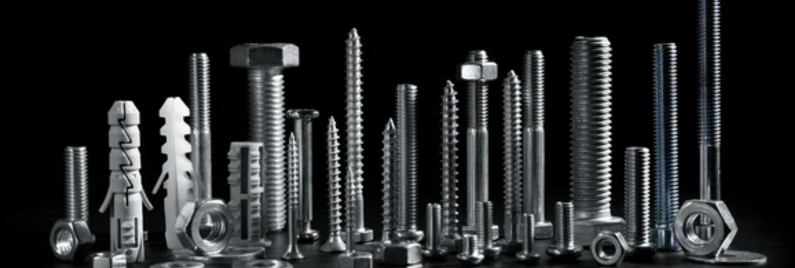
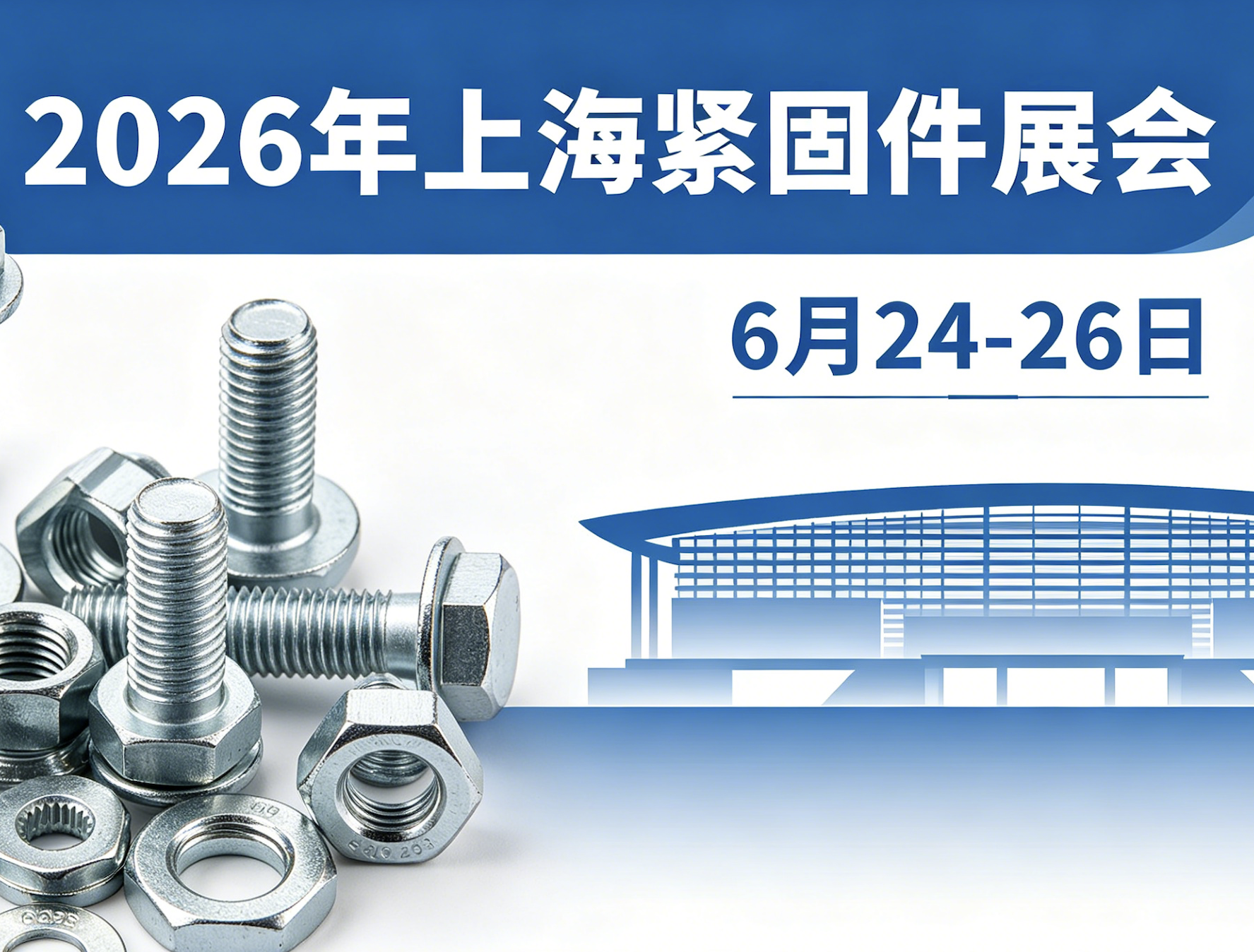
A nut is a fastener with a threaded hole, designed to mate with a bolt or screw to clamp parts together. When paired with a bolt, the friction between threads and slight deformation create a secure lock, preventing loosening under vibration. Nuts come in various shapes, sizes, and materials, serving critical roles in construction, automotive, aerospace, and machinery industries where structural integrity is paramount.
What Is a Nut and How Does It Function?
The fundamental purpose of a nut is to provide a movable anchor point for a bolt. Unlike welded joints or adhesives, a nut-and-bolt assembly allows for disassembly and reassembly without damaging the components. This reversibility makes it the preferred choice for maintenance-heavy industries.
Functionally, the nut converts rotational torque into axial tension. As the nut is tightened, it pulls the bolt shank, creating a clamping force that holds the joined materials firmly. This tension is crucial; if too low, the joint may loosen; if too high, the bolt may stretch or break.
Modern engineering relies on precise thread standards. The most common are metric (ISO) and imperial (UNC/UNF) threads. Compatibility between the nut and bolt thread pitch and diameter is essential for a safe connection. Mismatched threads can strip easily, leading to catastrophic failure.
Industry professionals emphasize that the strength of a joint often depends more on the installation technique than the hardware itself. Proper torque application ensures the nut performs as intended throughout its lifecycle.
The Mechanics of Thread Engagement
Thread engagement refers to the length of contact between the internal threads of the nut and the external threads of the bolt. Sufficient engagement distributes the load across multiple threads, preventing shear failure.
- Load Distribution: The first few threads carry the majority of the load. High-quality nuts are designed to deform slightly to equalize this stress.
- Shear Strength: If engagement is too short, the threads can strip off under tension, causing the joint to fail instantly.
- Standard Rules: A general rule of thumb is that the engagement length should equal the nominal diameter of the bolt for steel assemblies.
Understanding these mechanics helps engineers select the right nut height and material for specific load requirements.
Comprehensive Types of Nuts
The variety of nut types available reflects the diverse demands of modern engineering. From simple hexagonal shapes to complex locking mechanisms, each type serves a unique function. Selecting the correct type is vital for safety and performance.
Below is a detailed breakdown of the most prevalent nut categories used in professional applications today.
Hex Nuts: The Industry Standard
The hex nut is the most recognizable and widely used fastener globally. Its six-sided shape allows for easy gripping with standard wrenches and sockets from multiple angles.
These nuts are categorized by thickness and strength grades. Heavy hex nuts offer a larger bearing surface, reducing pressure on the mating material. They are commonly found in structural steel connections and heavy machinery.
Standard hex nuts are often used with separate washers to prevent damage to the surface and distribute load evenly. Their simplicity makes them cost-effective for general-purpose applications where vibration is minimal.
Lock Nuts: Securing Against Vibration
In dynamic environments like automotive engines or rotating equipment, standard nuts can loosen due to vibration. Lock nuts are engineered specifically to resist this self-loosening phenomenon.
Nylon insert lock nuts (Nyloc) feature a plastic collar that deforms against the bolt threads, creating significant friction. This design is reusable only a limited number of times before the nylon wears out.
All-metal lock nuts use distorted threads or serrated faces to bite into the mating surface. These are preferred in high-temperature applications where nylon would melt or degrade. The industry considers these essential for safety-critical assemblies.
Flange Nuts: Integrated Washers
A flange nut incorporates a wide circular base, or flange, at one end. This design acts as an integrated non-spinning washer, distributing the clamping load over a larger area.
The flange often includes serrations on the bottom surface. These teeth dig into the mounting material, providing a locking action that resists rotation. This eliminates the need for a separate lock washer, speeding up assembly time.
Flange nuts are extensively used in automotive exhaust systems and sheet metal applications where space is limited and a broad bearing surface is necessary to prevent pull-through.
Coupling Nuts and Specialty Designs
Coupling nuts are elongated cylinders used to join two male-threaded rods or bolts end-to-end. They are essential in plumbing, electrical conduit runs, and extending threaded shafts.
Other specialty types include cap nuts (acorn nuts), which cover the exposed bolt end for safety and aesthetics, and wing nuts, designed for hand-tightening without tools. Each variant addresses a specific constraint in the assembly process.
Choosing the right specialty nut can simplify maintenance procedures and enhance the overall durability of the system.
Nut Materials and Coatings Explained
The longevity and reliability of a nut depend heavily on its material composition and surface treatment. Environmental factors such as moisture, chemicals, and temperature dictate the appropriate selection.
Using the wrong material can lead to rapid corrosion, galvanic reactions, or thermal failure. Professionals must evaluate the operating environment before specifying hardware.
Carbon Steel: Strength and Versatility
Carbon steel is the most common material for nuts due to its high tensile strength and affordability. It is suitable for general industrial and construction applications where extreme corrosion resistance is not required.
These nuts are often graded (e.g., Grade 5, Grade 8) to indicate their mechanical properties. Higher grades offer greater strength but may be more brittle. Heat treatment processes further enhance their performance characteristics.
Without protective coatings, carbon steel is susceptible to rust. Therefore, they are almost always plated or coated when used outdoors or in humid conditions.
Stainless Steel: Corrosion Resistance
For environments exposed to water, salt, or chemicals, stainless steel nuts are the industry standard. Grades 304 and 316 are the most prevalent, with 316 offering superior resistance to chlorides and marine environments.
Stainless steel maintains its integrity without additional plating, making it ideal for food processing, medical devices, and architectural applications. However, it generally has lower tensile strength compared to hardened carbon steel.
Care must be taken to avoid galling, a form of wear caused by adhesion between sliding surfaces. Using lubricants or anti-seize compounds is recommended during installation.
Brass and Aluminum: Specialized Applications
Brass nuts are chosen for their excellent corrosion resistance in marine settings and their non-magnetic properties. They are also softer, reducing the risk of damaging mating threads during assembly.
Aluminum nuts provide a lightweight alternative for aerospace and automotive racing applications where weight reduction is critical. While strong for their weight, they have lower shear strength than steel and require careful torque management.
These materials highlight the importance of matching the nut properties to the specific physical and chemical demands of the project.
Protective Coatings and Platings
Coatings extend the life of carbon steel nuts. Zinc plating offers basic protection and a bright finish, while hot-dip galvanizing provides a thick, rugged layer suitable for outdoor structures.
Advanced coatings like Dacromet or Geomet offer superior corrosion resistance without the hydrogen embrittlement risks associated with some electroplating processes. These are increasingly popular in automotive and infrastructure sectors.
Selecting the correct coating ensures the nut survives the intended service life without compromising the joint’s integrity.
| Material Type | Key Advantage | Common Applications | Limitations |
| Carbon Steel | High Strength, Low Cost | Construction, Machinery | Prone to Rust without Coating |
| Stainless Steel | Corrosion Resistance | Marine, Food Processing | Lower Strength, Galling Risk |
| Brass | Non-Magnetic, Decorative | Electrical, Plumbing | Softer, Lower Load Capacity |
| Aluminum | Lightweight | Aerospace, Racing | Lower Shear Strength |
How to Choose the Right Nut for Your Application
Selecting the appropriate nut involves a systematic evaluation of several factors. A hasty choice can lead to joint failure, safety hazards, and costly repairs. Engineers follow a logical decision-making process to ensure optimal performance.
Step-by-Step Selection Guide
Follow this structured approach to identify the best fastener solution for your specific needs.
- Assess Load Requirements: Determine the tensile and shear forces the joint will endure. Choose a grade that exceeds these maximum expected loads with a safety margin.
- Evaluate Environmental Conditions: Consider exposure to moisture, salt, chemicals, or extreme temperatures. Select materials and coatings that withstand these elements.
- Analyze Vibration Levels: If the application involves movement or vibration, prioritize lock nuts or prevailing torque designs to prevent loosening.
- Check Compatibility: Ensure the nut thread pitch, diameter, and class match the bolt exactly. Verify that the material pairing avoids galvanic corrosion.
- Consider Installation Constraints: Account for tool access, torque limitations, and whether the joint needs to be frequently disassembled.
This methodical approach minimizes risks and ensures the longevity of the assembly.
Common Mistakes to Avoid
One frequent error is mixing incompatible materials, such as pairing a stainless steel bolt with a carbon steel nut, which accelerates corrosion. Another mistake is over-torquing, which can stretch the bolt or strip the nut threads.
Ignoring the need for a washer under a standard hex nut can damage the substrate and lead to uneven load distribution. Additionally, reusing single-use lock nuts (like Nyloc) beyond their recommended limit compromises safety.
Awareness of these pitfalls is a hallmark of professional installation practices.
Installation Best Practices and Torque Specifications
Proper installation is just as critical as selecting the right nut. Even the highest-grade hardware will fail if installed incorrectly. Adhering to industry best practices ensures joint reliability.
The Importance of Correct Torque
Torque is the rotational force applied to tighten the nut. It directly correlates to the clamping force generated in the joint. Insufficient torque leads to loose joints, while excessive torque causes bolt yielding or thread stripping.
Professionals use calibrated torque wrenches to achieve precise values specified by manufacturers. These values vary based on nut size, material, thread pitch, and lubrication status.
Lubrication significantly affects torque readings. A lubricated thread requires less torque to achieve the same clamping force compared to a dry thread. Always follow the torque specifications provided for the specific condition (dry vs. lubricated).
Tightening Patterns for Multiple Nuts
When securing a component with multiple nuts, such as a flange or wheel, the tightening sequence matters. Random tightening can warp the component or create uneven pressure.
The star pattern (or crisscross pattern) is the standard method. Tighten nuts in a diagonal sequence, gradually increasing the torque in multiple passes until the final value is reached. This ensures uniform compression and alignment.
This technique is mandatory in critical applications like engine cylinder heads and pipeline flanges to prevent leaks and structural distortion.
Applications Across Major Industries
The versatility of the nut makes it indispensable across virtually every sector of the economy. From microscopic electronics to massive skyscrapers, these fasteners hold the world together.
Automotive and Transportation
In vehicles, nuts secure everything from engine blocks to suspension systems. The harsh environment of heat, oil, and road vibration demands high-performance lock nuts and corrosion-resistant coatings.
Safety is paramount here. Failure of a single wheel nut can have devastating consequences. Consequently, strict quality control and regular inspection protocols are enforced throughout the industry.
Construction and Infrastructure
Structural steel buildings and bridges rely on heavy hex nuts and high-strength bolts. These connections must withstand wind loads, seismic activity, and decades of weather exposure.
Galvanized and weathering steel nuts are standard in outdoor construction. The scale of these projects means that millions of nuts are used, requiring consistent quality and reliability.
Aerospace and Defense
The aerospace sector pushes the limits of fastener technology. Nuts here must be incredibly strong yet lightweight, capable of surviving extreme temperature fluctuations and high-frequency vibrations.
Self-locking nuts with precise torque-prevailing characteristics are common. Traceability is also critical; every nut used in an aircraft can often be traced back to its manufacturing batch.
Frequently Asked Questions (FAQ)
Addressing common queries helps clarify misconceptions and provides quick answers for professionals and DIY enthusiasts alike.
What is the difference between a nut and a bolt?
A bolt is a male-threaded fastener with a head, designed to pass through holes in materials. A nut is a female-threaded fastener that screws onto the bolt to secure the assembly. They work together to create a clamped joint.
Can I reuse a lock nut?
It depends on the type. Nylon insert lock nuts should generally not be reused, as the plastic deformation loses effectiveness after removal. All-metal lock nuts may be reusable if the locking mechanism remains intact, but inspection is crucial.
Why do some nuts have a colored stripe?
The colored stripe on certain lock nuts indicates the direction of the prevailing torque or serves as a visual indicator for quality assurance. It helps installers verify that the nut has been properly seated and tightened.
How do I remove a rusted nut?
Apply a penetrating oil and let it soak. Use heat carefully to expand the nut and break the rust bond. If necessary, use a nut splitter tool to cut the nut off without damaging the bolt threads.
Are metric and imperial nuts interchangeable?
No. Metric and imperial (SAE) threads have different pitches and diameters. Forcing them together will damage the threads and compromise the joint’s strength. Always match the measurement system exactly.
Partnering with Global Fastener Experts
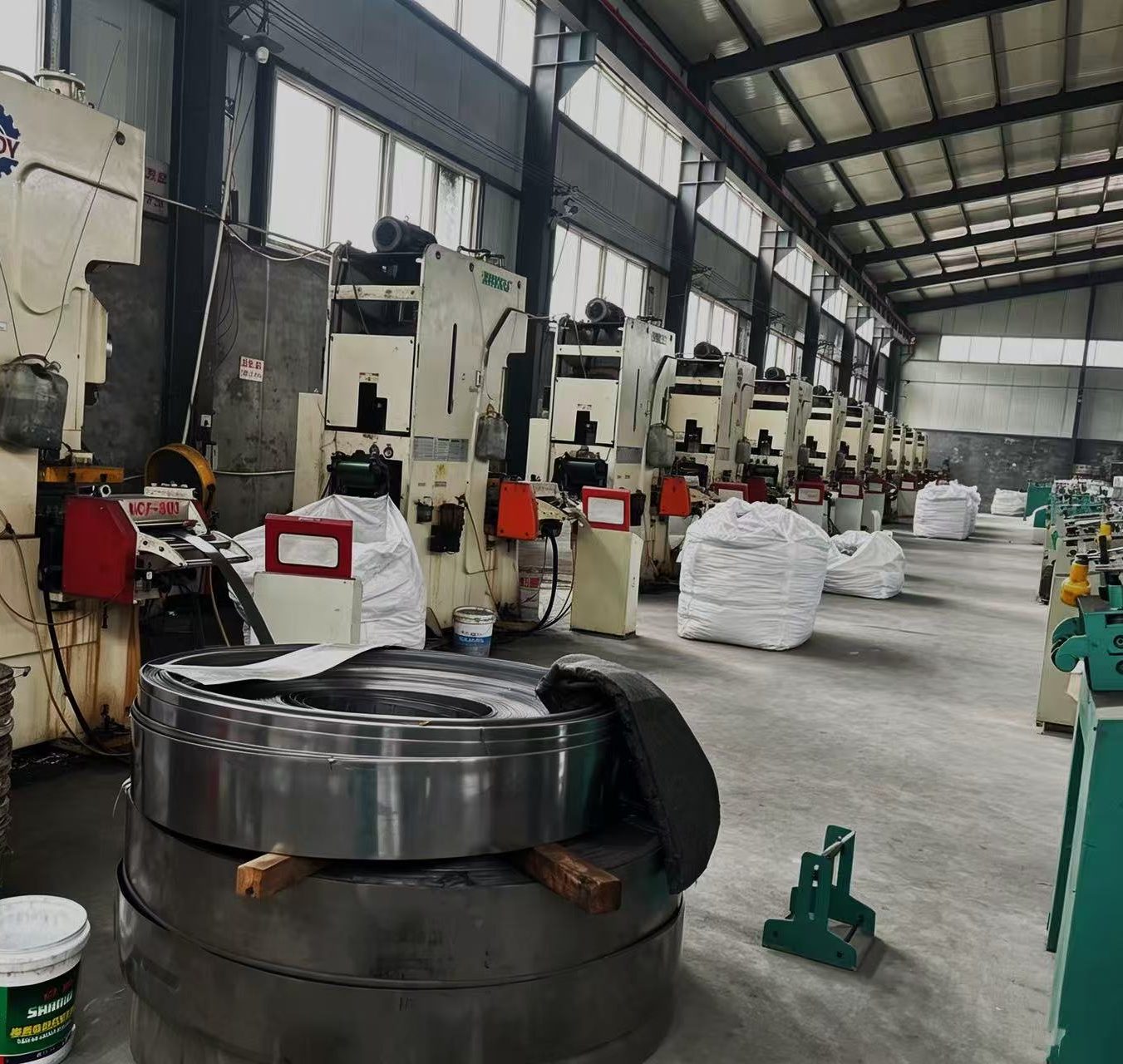
While understanding the technical aspects of nuts is crucial, sourcing them from a reliable manufacturer is equally important for ensuring project success. In the heart of Handan, Hebei—China’s renowned hub for fastener manufacturing—stands a global industry and trade combination company dedicated to excellence in hardware solutions.
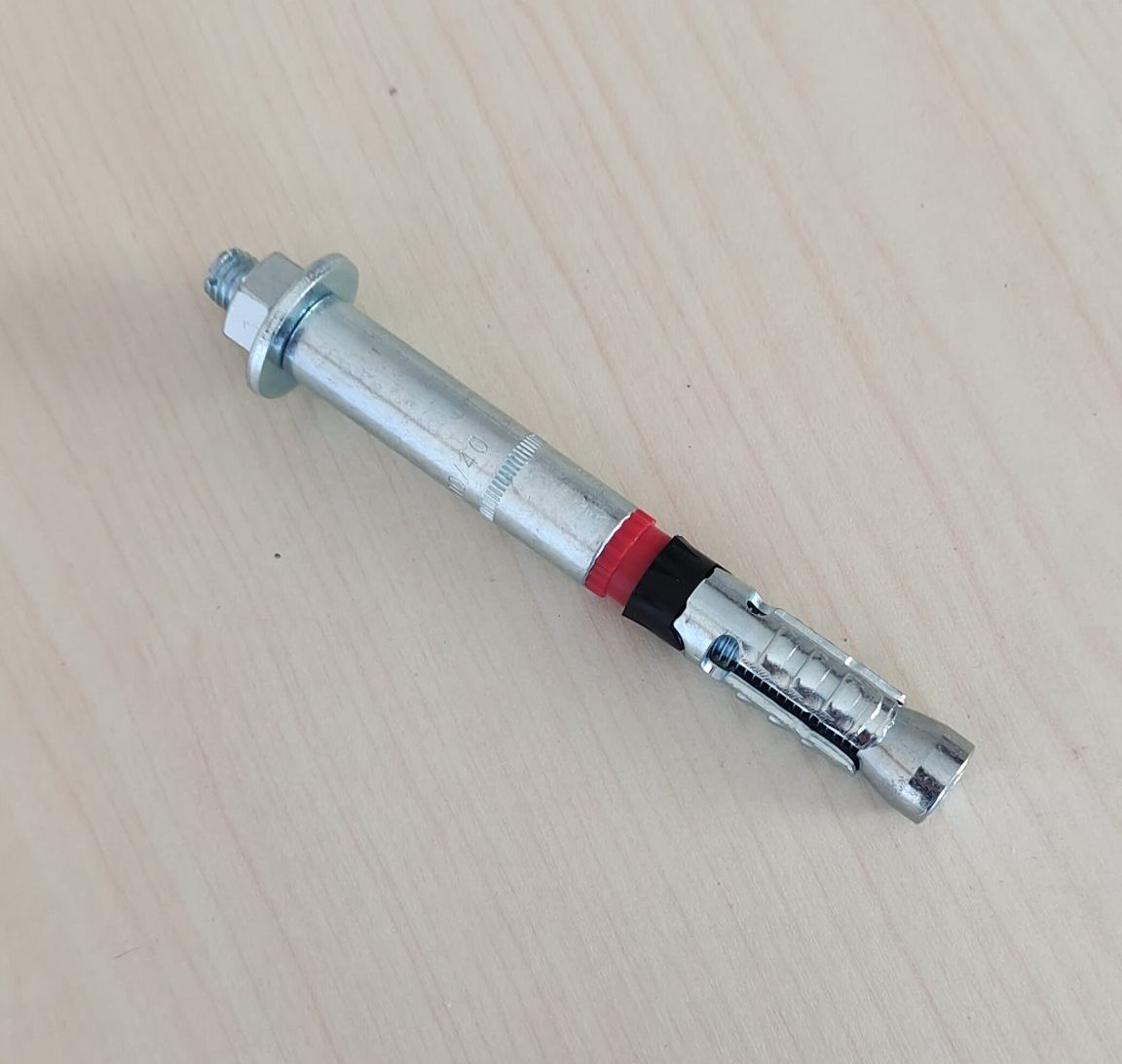
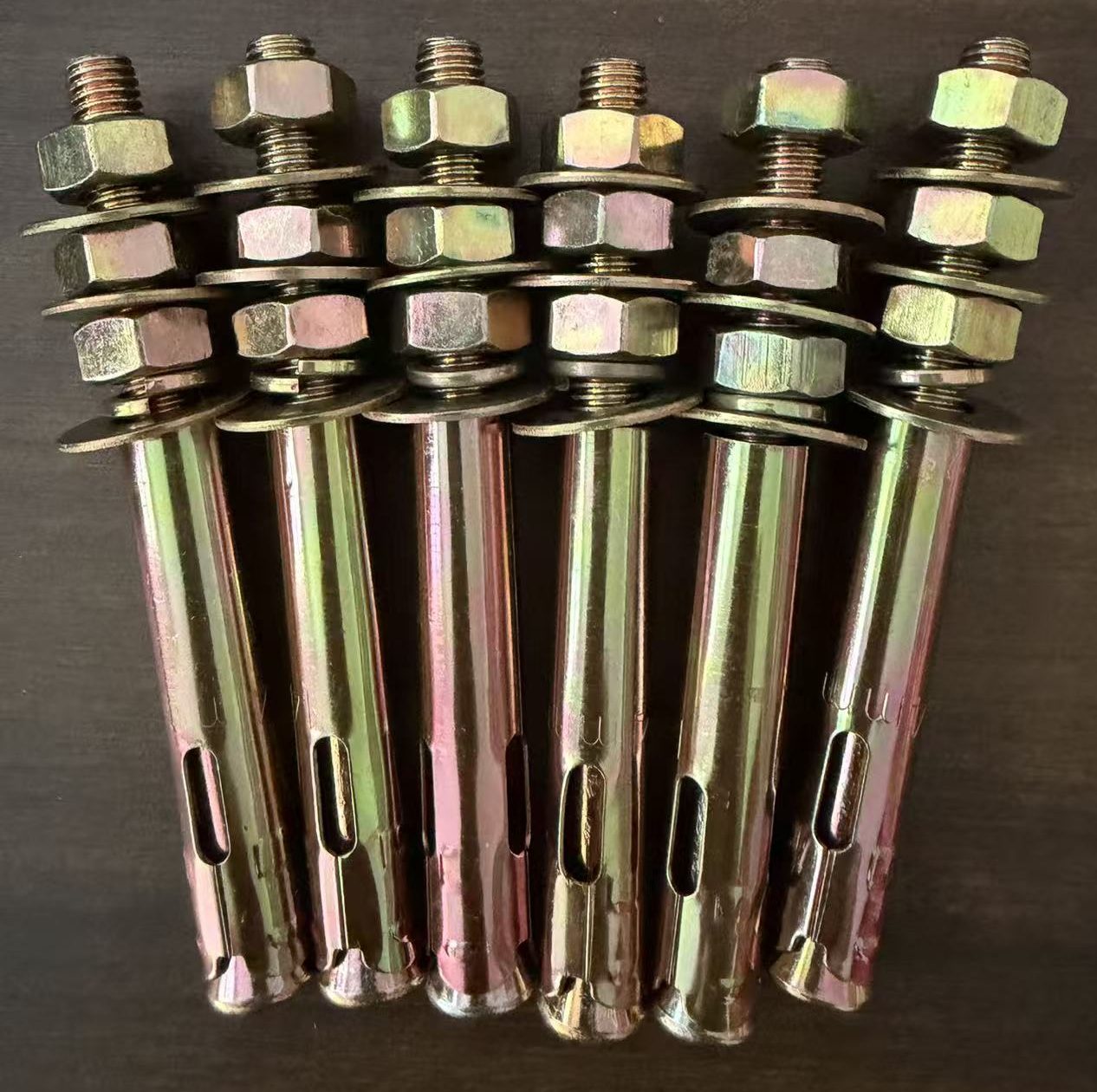
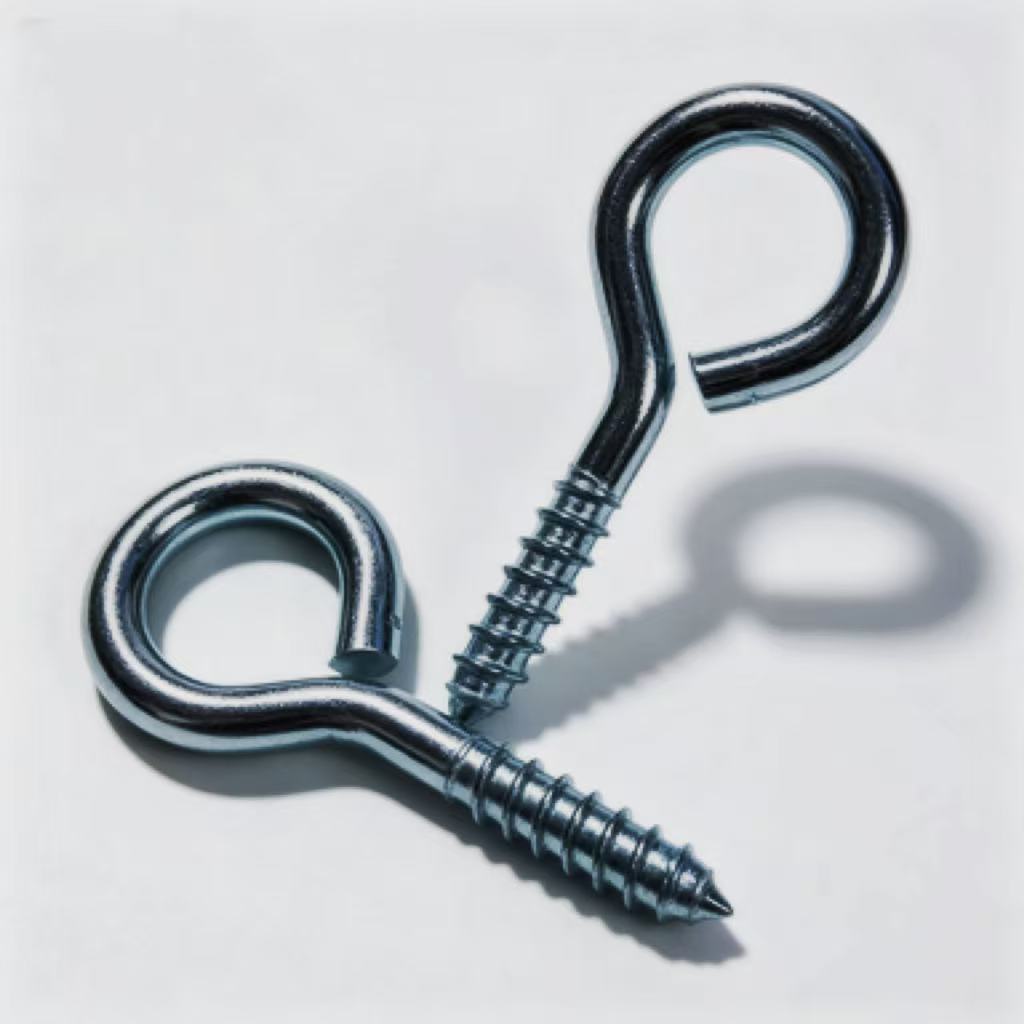
With over a decade of industry experience, this company specializes in the development, manufacturing, and trade of a comprehensive range of fasteners and hardware tools. Their product line extends beyond standard nuts to include specialized items such as casing geckos, wooden teeth welded sheep’s eye screws/bolts, and custom-engineered components tailored to specific client needs.
Commitment to quality is the cornerstone of their operation. By integrating high-tech talent with advanced production technology and rigorous testing methods, they ensure every product meets international standards including GB, DIN, JIS, and ANSI. This dedication has enabled them to export successfully to more than 26 countries, building a reputation for integrity and reliability.
Whether you require off-the-shelf solutions or custom specifications in terms of quality and quantity, their professional technical team and state-of-the-art machinery are equipped to deliver. Adhering to the principle of “quality first, customer first,” they strive to provide not just products, but thoughtful service that meets the evolving demands of the global market. For engineers and procurement specialists seeking competitive prices without compromising on structural integrity, partnering with such an experienced manufacturer ensures peace of mind and long-term durability for any assembly.
Conclusion and Expert Recommendations
The nut is a deceptively simple component that plays a foundational role in global engineering. Understanding its types, materials, and proper installation techniques is essential for anyone involved in construction, manufacturing, or maintenance.
From the robust carbon steel hex nut to the specialized aerospace locking mechanisms, each variant serves a distinct purpose. The key to success lies in matching the fastener to the application’s specific demands regarding load, environment, and vibration.
Who should use this guide? This information is vital for engineers, procurement specialists, mechanics, and serious DIY practitioners who prioritize safety and durability in their projects.
When selecting your next fastener, prioritize quality over cost. Invest in reputable products that meet industry standards, adhere to torque specifications rigorously, and never compromise on compatibility. By doing so, you ensure the structural integrity and longevity of your assemblies.