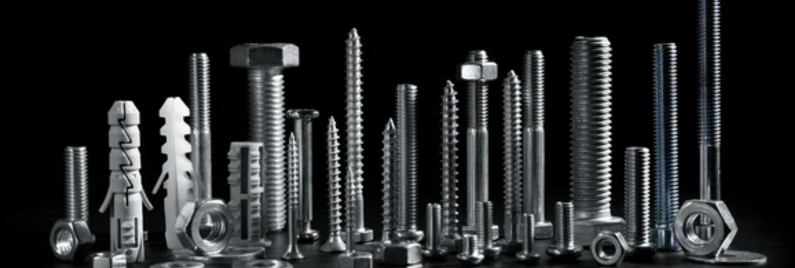
Looking for a reliable construction fasteners supplier with factory direct pricing? We specialize in manufacturing high-quality bolts, nuts, screws, and anchors essential for structural integrity. By eliminating intermediaries, we deliver premium industrial fastening solutions directly to job sites, ensuring cost-efficiency without compromising on safety standards or material certification.
What Are Construction Fasteners and Why Do They Matter?
Construction fasteners are the fundamental mechanical components used to join, secure, or attach building materials together. From skyscrapers to residential homes, these small but critical parts ensure structural stability under immense stress, vibration, and environmental exposure.
The industry relies on a vast array of fastening types, each engineered for specific load-bearing capacities and material compatibility. Choosing the wrong type can lead to catastrophic structural failures, making the selection process vital for engineers and contractors alike.
Modern construction demands fasteners that resist corrosion, maintain tension over decades, and comply with rigorous international standards. Understanding the nuances between different grades and coatings is essential for project longevity.
The Role of Fasteners in Structural Integrity
Fasteners do more than just hold pieces together; they transfer loads between structural members. In steel framing, for instance, high-strength bolts distribute shear and tensile forces across connections.
Proper installation ensures that the building behaves as a unified system during seismic events or high winds. A single failed connection point can compromise an entire section of a structure.
Industry experts emphasize that the quality of the fastener is just as important as the design of the beam or column it secures. This is why sourcing from a dedicated manufacturer matters.
Comprehensive Types of Construction Fasteners
The market offers a diverse range of fastening solutions tailored to concrete, steel, wood, and masonry applications. Categorizing them correctly helps in selecting the right product for your specific engineering requirements.
Our factory produces a complete spectrum of these components, adhering to strict dimensional tolerances and material specifications. Below is a breakdown of the primary categories utilized in modern infrastructure projects.
Bolts and Nuts for Heavy-Duty Applications
Structural bolts, such as ASTM A325 and A490 grades, are designed for high-tension connections in steel structures. These are often used in bridges, warehouses, and high-rise buildings where load capacity is paramount.
Hex nuts and lock nuts accompany these bolts to prevent loosening due to vibration. Our manufacturing process includes heat treatment to achieve the necessary hardness and tensile strength.
We offer various finishes, including hot-dip galvanized and geometric coatings, to enhance durability in harsh outdoor environments. Selecting the correct grade ensures compliance with local building codes.
Screws and Self-Drilling Solutions
Self-drilling screws, also known as Tek screws, streamline the assembly process by drilling their own pilot holes. This reduces labor time and eliminates the need for pre-drilling in metal-to-metal connections.
Wood screws remain a staple in residential framing, offering excellent holding power in timber. Modern variants feature optimized thread patterns to prevent splitting and improve withdrawal resistance.
For masonry work, concrete screws provide a robust anchoring solution without the need for expansion shields. These are ideal for attaching fixtures to cured concrete surfaces efficiently.
Anchors and Specialized Fixings
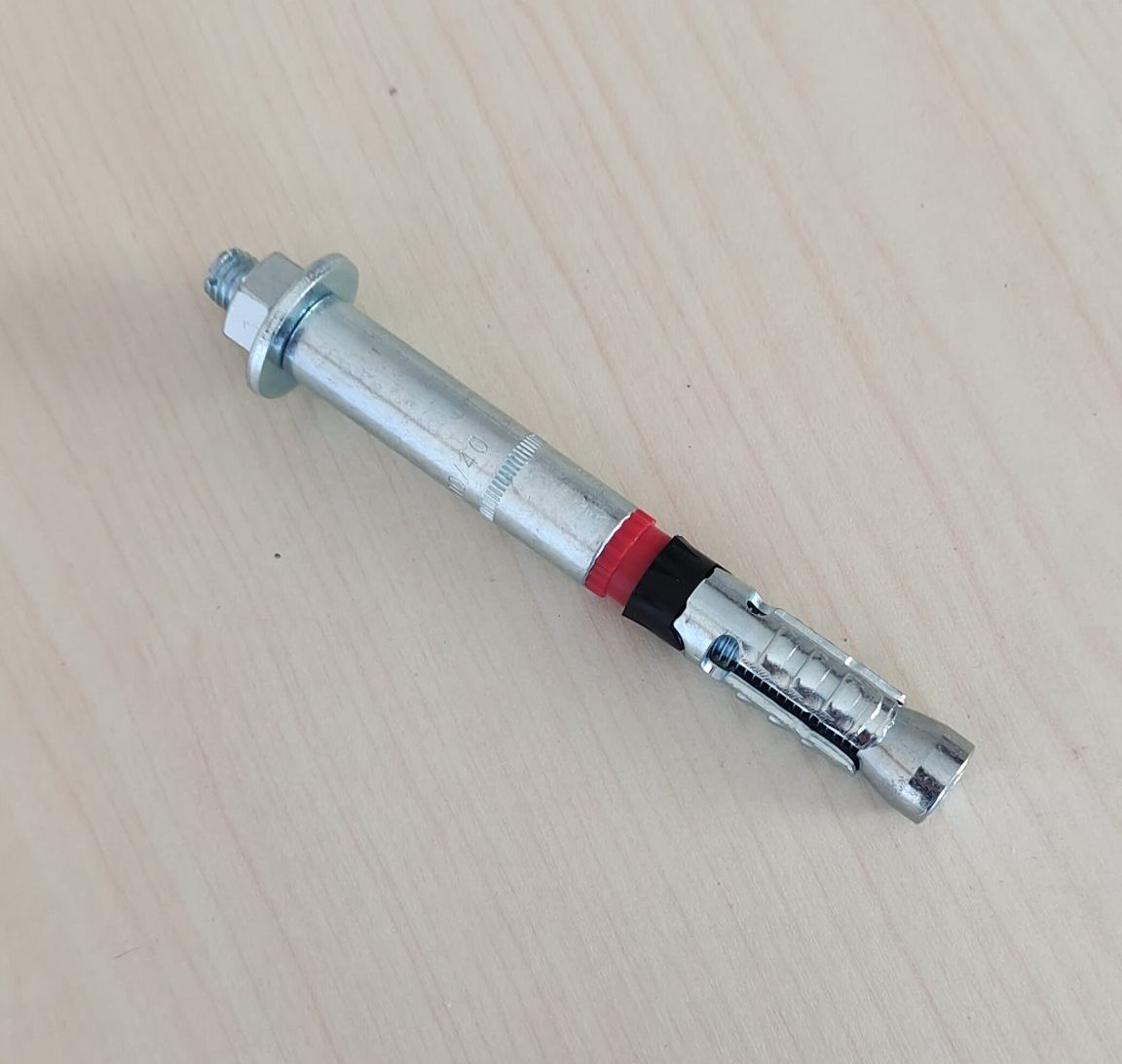
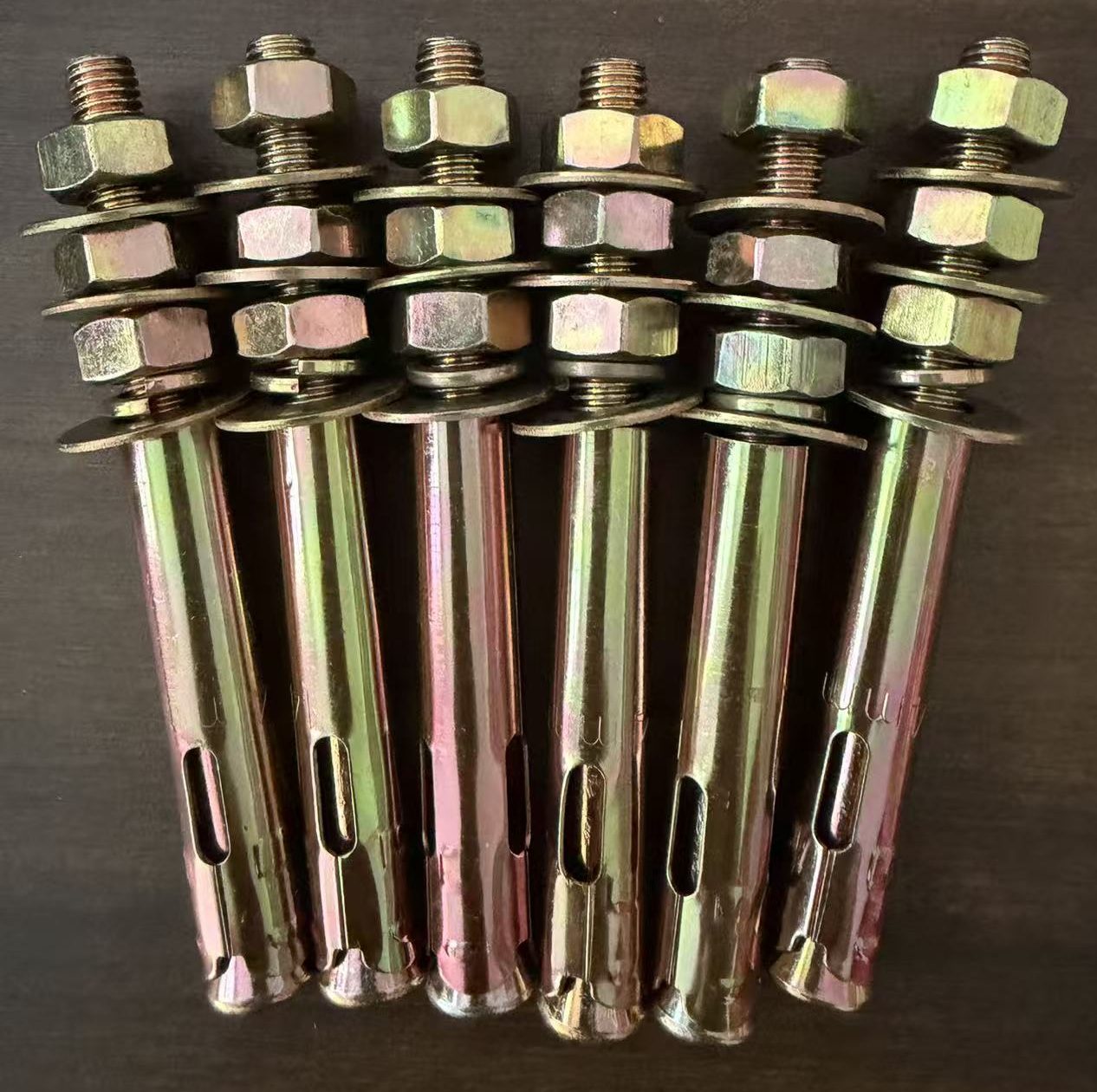
Concrete anchors are critical for securing heavy machinery, railings, and façade elements to foundation slabs. Wedge anchors and sleeve anchors expand within the drilled hole to create a tight mechanical lock.
Chemical anchors utilize epoxy resins to bond threaded rods into concrete, offering superior performance in cracked concrete zones. This technology is increasingly popular in seismic retrofitting projects.
Specialized fixings include toggle bolts for hollow walls and drive pins for quick attachment tasks. Each type serves a unique function, requiring precise selection based on substrate conditions.
Factory Direct Pricing: The Economic Advantage
Sourcing construction fasteners directly from the manufacturer offers significant economic benefits compared to purchasing through distributors or retail channels. This model removes multiple layers of markup, passing savings directly to the buyer.
Beyond cost reduction, factory direct engagement allows for greater customization and tighter quality control. Buyers can specify exact dimensions, coatings, and packaging requirements to suit large-scale project needs.
Direct communication with the production team ensures that technical queries are resolved quickly, minimizing delays in the supply chain. This responsiveness is crucial for maintaining tight construction schedules.
Cost Breakdown: Distributor vs. Factory
Understanding the cost structure reveals why factory direct is the preferred choice for large procurement volumes. Distributors add margins for storage, logistics, and sales overheads, which inflate the final price.
By cutting out the middleman, projects can allocate budget to other critical areas such as labor or advanced materials. The savings become substantial when ordering thousands or millions of units.
Furthermore, factories often offer volume-based tiered pricing that distributors cannot match. This scalability supports both small renovations and massive infrastructure developments equally well.
| Factor | Distributor Channel | Factory Direct |
| Unit Cost | Higher due to added margins | Lowest possible market rate |
| Customization | Limited to stock items | Fully customizable specs |
| Lead Time | Dependent on stock availability | Predictable production schedule |
| Technical Support | General sales assistance | Direct engineering consultation |
| Quality Traceability | Often limited documentation | Full mill test reports provided |
About Our Manufacturing Heritage
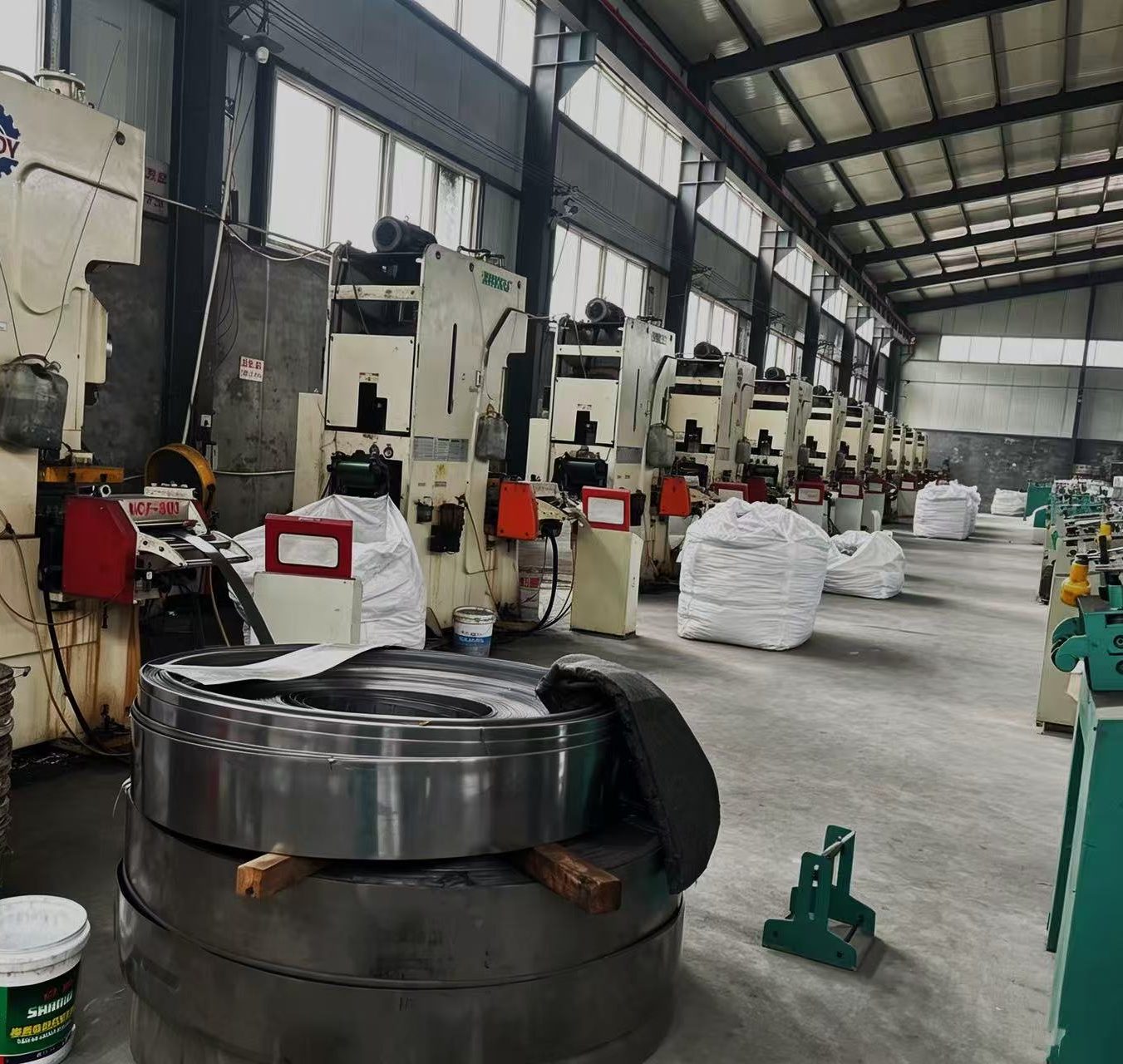
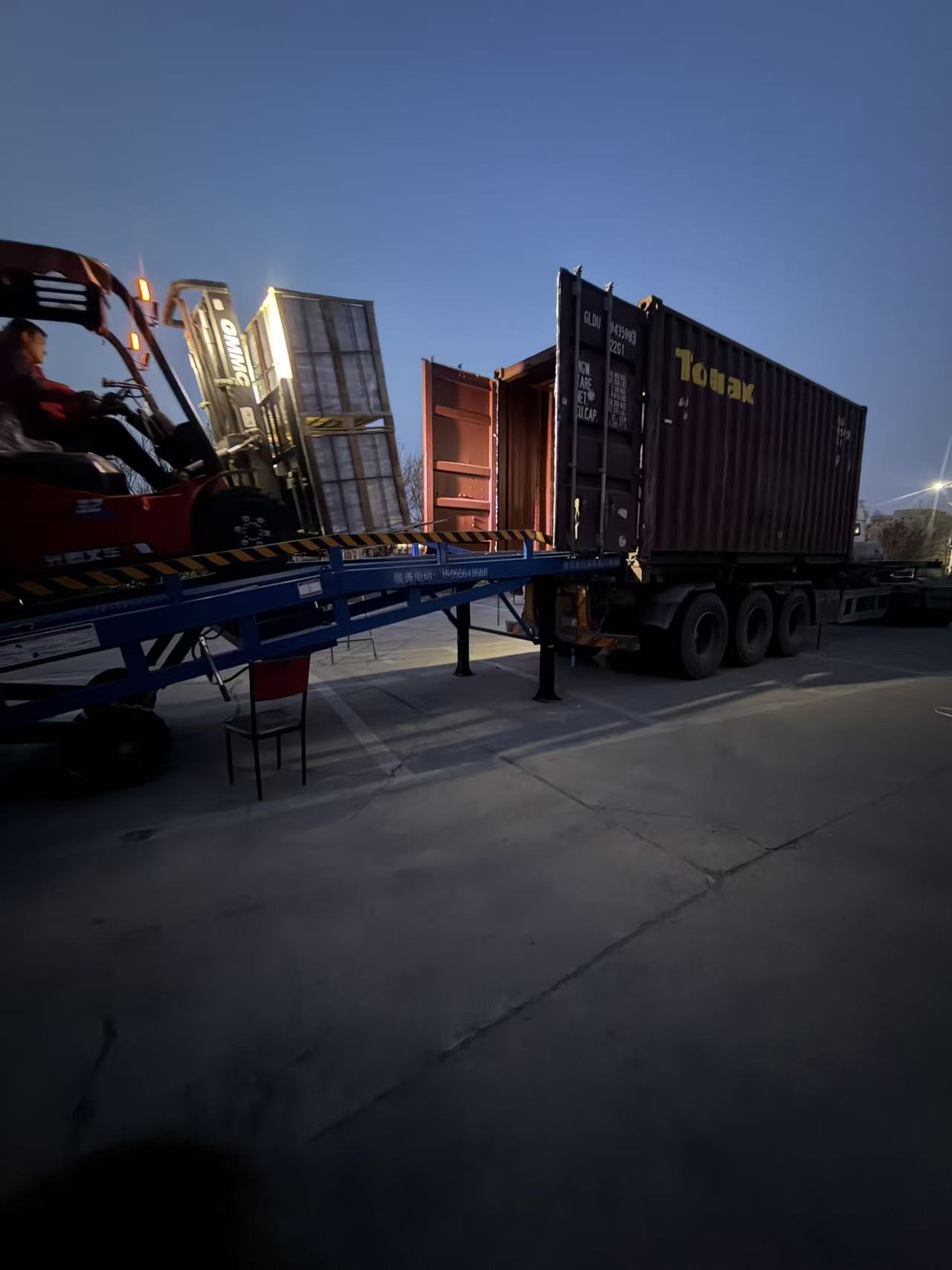
Located in Handan, Hebei—China’s renowned hub for fastener manufacturing—our company stands as a premier global industry and trade integration enterprise. With over a decade of specialized experience, we have evolved from a local producer into a trusted international supplier, exporting our products to more than 26 countries worldwide.
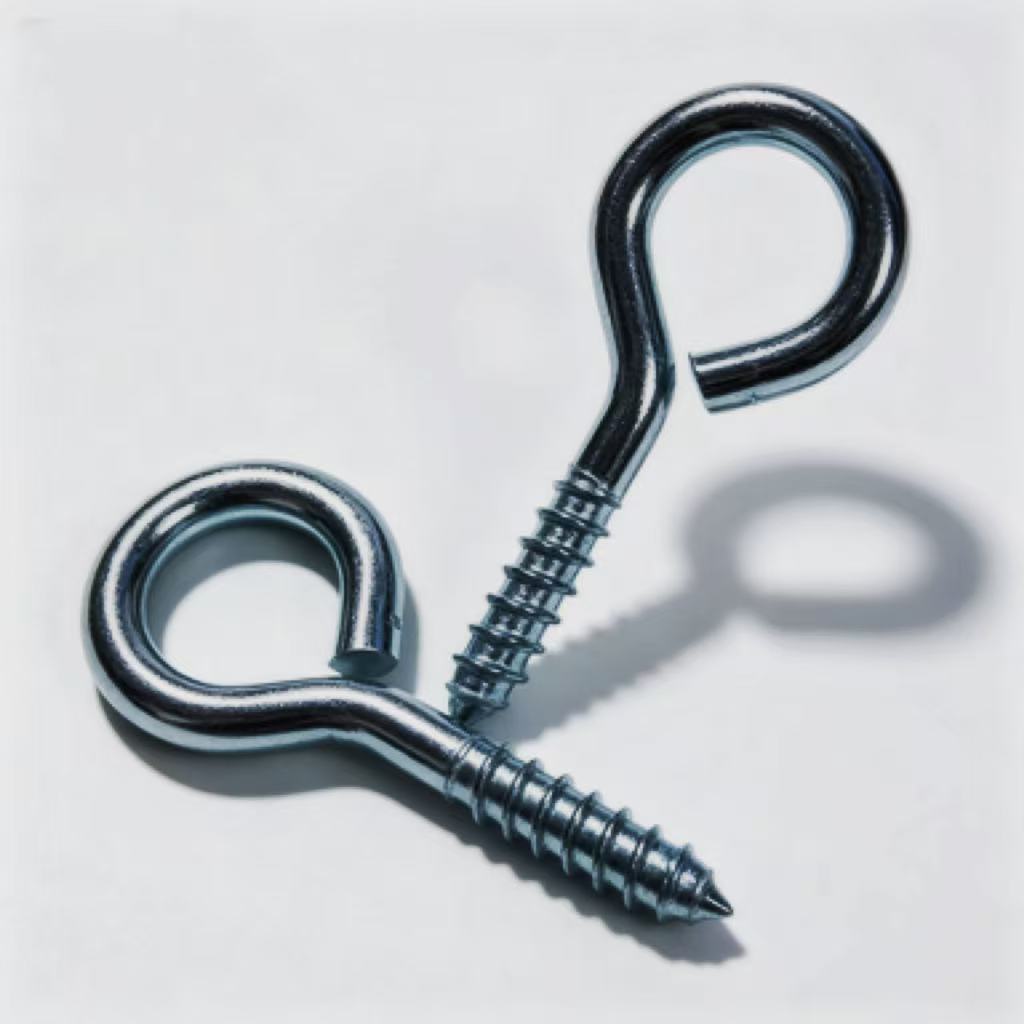
We operate as a comprehensive entity specializing in the development, manufacturing, trade, and service of fasteners and hardware tools. While we cover the full spectrum of construction fasteners, we possess unique expertise in producing specialized items such as casing geckos and wooden teeth welded sheep’s eye screws/bolts. These niche products highlight our commitment to innovation and our ability to solve complex fastening challenges that standard suppliers cannot address.
Our philosophy is built on integrity and continuous improvement. We actively invest in scientific research and recruit high-tech talent to drive product development. By utilizing advanced production technology and perfecting our testing methods, we ensure every item meets rigorous international standards, including GB, DIN, JIS, and ANSI. Whether you require standard components or custom specifications tailored to unique project needs, our professional technical team and advanced machinery are ready to deliver high-quality solutions at competitive prices. Adhering to the principle of “quality first, customer first,” we strive to provide thoughtful service that protects our reputation and exceeds your expectations.
Material Selection and Corrosion Resistance
The longevity of any structure depends heavily on the material composition of its fasteners. Environmental factors like humidity, salt spray, and chemical exposure dictate the required level of corrosion resistance.
Carbon steel is the most common material due to its high strength and affordability. However, it requires protective coatings to prevent rusting in exposed applications. Without protection, carbon steel can degrade rapidly.
Stainless steel options, particularly grades 304 and 316, offer inherent corrosion resistance. These are indispensable for coastal constructions, food processing plants, and architectural features where aesthetics matter.
Coating Technologies for Durability
Zinc plating provides a basic level of protection suitable for indoor environments. It offers a shiny finish and moderate resistance to atmospheric corrosion but may not suffice for exterior use.
Hot-dip galvanizing involves dipping the fastener in molten zinc, creating a thick, rugged barrier. This method is the industry standard for outdoor steel structures and utility poles.
Advanced polymer coatings and ceramic-based treatments are emerging as superior alternatives for extreme conditions. These technologies provide enhanced chemical resistance and longer service life than traditional methods.
- Zinc Plating: Ideal for dry, indoor applications with minimal exposure.
- Hot-Dip Galvanized: Best for outdoor structures and high-moisture zones.
- Stainless Steel: Required for marine environments and chemical plants.
- Epoxy Coated: Used in aggressive soil conditions and wastewater facilities.
Quality Assurance and Industry Standards
Adherence to international standards is non-negotiable in the construction fastener industry. Certifications like ISO 9001 ensure that manufacturing processes are consistent and reliable.
Products must meet specific ASTM, DIN, or BS specifications depending on the region of application. These standards define mechanical properties, chemical composition, and testing protocols.
Our facility implements rigorous quality control checks at every stage of production. From raw material inspection to final load testing, each batch is verified against strict criteria before shipment.
Testing Protocols for Safety
Tensile strength testing verifies that bolts can withstand pulling forces without breaking. This is a fundamental requirement for structural connections subjected to heavy loads.
Hardness tests ensure the fastener has been heat-treated correctly. Improper hardness can lead to brittleness or stripping of threads during installation.
Salt spray testing simulates years of corrosion exposure in a controlled environment. This validates the effectiveness of protective coatings and ensures long-term performance.
Dimensional inspections guarantee that threads and head sizes conform to tolerance limits. Proper fitment is crucial for achieving the specified clamp load and preventing joint failure.
Step-by-Step Guide to Selecting the Right Fastener
Choosing the appropriate construction fasteners involves a systematic evaluation of project requirements. Following a structured approach minimizes the risk of selection errors and ensures optimal performance.
Engineers and procurement managers should consider the substrate material, load requirements, and environmental conditions. Ignoring any of these factors can compromise the safety and durability of the assembly.
Consulting with technical experts early in the design phase can identify potential issues before they become costly problems on-site. Our team assists clients in navigating these complex decisions.
Selection Process Workflow
- Identify Substrate Material: Determine if you are fastening into steel, concrete, wood, or masonry. Each material requires a specific fastener type.
- Calculate Load Requirements: Assess the shear and tensile loads the connection must support. Include safety factors as per local building codes.
- Evaluate Environmental Conditions: Consider exposure to moisture, chemicals, or temperature extremes to select the right material and coating.
- Check Regulatory Compliance: Ensure the chosen fastener meets all relevant ASTM, ISO, or regional standards for the project location.
- Determine Installation Method: Decide between manual, pneumatic, or automated installation to choose the appropriate head style and drive type.
Common Applications Across Industries
The versatility of construction fasteners allows them to be deployed across a wide spectrum of industries. Each sector has unique demands that influence the choice of fastening technology.
In commercial real estate, speed of erection is critical. Self-drilling screws and prefabricated connection systems help accelerate timelines while maintaining structural integrity.
Infrastructure projects like bridges and tunnels require fasteners with exceptional fatigue resistance. These components must endure constant vibration and dynamic loading over decades.
Sector-Specific Fastening Needs
The energy sector, including wind turbines and solar farms, utilizes specialized high-strength bolts. These fasteners must withstand extreme weather and continuous operational stress.
Residential construction focuses on cost-effective solutions that are easy to install. Wood screws and nail guns dominate this space, though metal framing is gaining traction.
Industrial facilities often demand chemically resistant fasteners for piping and machinery. Stainless steel and exotic alloys are frequently specified to handle corrosive substances.
- Commercial Buildings: Focus on speed, fire resistance, and aesthetic concealment.
- Infrastructure: Prioritizes high load capacity, fatigue resistance, and longevity.
- Energy Sector: Requires extreme durability against weather and vibration.
- Residential: Emphasizes ease of installation and cost efficiency.
Installation Best Practices for Maximum Performance
Even the highest quality fastener can fail if installed incorrectly. Proper installation techniques are essential to achieve the designed clamp load and joint stability.
Using calibrated torque wrenches ensures that bolts are tightened to the specified tension. Over-tightening can strip threads, while under-tightening leads to joint loosening.
Preparation of the hole is equally important. Drilled holes should be clean and free of debris to allow full engagement of the fastener threads or expansion mechanism.
Torque Control and Tensioning
Torque control is the most common method for installing structural bolts. It relies on the relationship between applied torque and achieved tension, though friction variables can affect accuracy.
Direct tension indicators (DTIs) provide a visual confirmation of proper preload. These washers compress as the bolt is tightened, offering a reliable check for critical connections.
Hydraulic tensioning is used for very large diameter bolts where torque application is impractical. This method stretches the bolt directly to achieve precise tension levels.
Regular training for installation crews is recommended to keep up with evolving best practices. Misunderstanding torque specs is a leading cause of premature joint failure in the field.
Future Trends in Construction Fastening Technology
The fastener industry is evolving with advancements in materials science and digital manufacturing. Smart fasteners equipped with sensors are beginning to monitor structural health in real-time.
Sustainability is driving the development of eco-friendly coatings and recycling programs. Manufacturers are reducing carbon footprints by optimizing production energy and minimizing waste.
Automation in assembly lines is increasing the demand for fasteners designed for robotic installation. Consistency in geometry and drive performance is becoming more critical than ever.
Innovation in Materials and Design
New alloy compositions are offering higher strength-to-weight ratios, allowing for lighter structures without sacrificing safety. This is particularly relevant for sustainable building designs.
Anti-loosening technologies are improving, with integrated patches and deformed threads providing better vibration resistance. These innovations reduce maintenance needs over the lifecycle of a building.
Digital inventory management systems are streamlining supply chains, ensuring that the right fasteners are available exactly when needed. This reduces onsite delays and storage costs.
Frequently Asked Questions (FAQ)
Buyers and engineers often have specific questions regarding the sourcing and specification of construction fasteners. Addressing these common inquiries helps clarify the decision-making process.
Below are answers to frequent questions about our factory direct offerings, technical specifications, and logistical capabilities. This section aims to provide immediate clarity on key concerns.
What is the minimum order quantity for factory direct pricing?
Our factory accommodates various project scales, from moderate renovations to massive infrastructure builds. While larger volumes yield better unit prices, we offer flexible MOQs to support diverse needs.
Contact our sales team to discuss your specific volume requirements. We strive to provide competitive pricing regardless of order size, ensuring accessibility for all contractors.
Do you provide Mill Test Reports (MTRs)?
Yes, full traceability is a core part of our quality assurance protocol. Every batch of structural fasteners ships with comprehensive Mill Test Reports detailing chemical and physical properties.
These documents verify compliance with ASTM, ISO, or other requested standards. They are essential for project handover and regulatory inspections.
Can you customize fasteners for non-standard applications?
Absolutely. Our engineering team specializes in developing custom solutions for unique challenges. We can modify dimensions, threads, heads, and coatings to meet specific design criteria.
Custom tooling allows us to produce bespoke fasteners that off-the-shelf suppliers cannot offer. This capability is invaluable for specialized architectural or industrial projects.
What is the typical lead time for production?
Lead times vary based on order volume and customization levels. Standard stock items can often be shipped within days, while custom runs may require a few weeks for production.
We prioritize transparent communication regarding timelines. Our logistics team works closely with clients to align delivery schedules with construction milestones.
How do you ensure packaging prevents damage during transit?
We utilize robust packaging solutions designed to protect fasteners from moisture and physical impact. Options include vacuum sealing, desiccants, and reinforced palletizing.
Proper packaging ensures that products arrive in pristine condition, ready for immediate use. This attention to detail reflects our commitment to quality throughout the supply chain.
Conclusion: Making the Right Choice for Your Project
Selecting the right construction fasteners is a decision that impacts the safety, cost, and longevity of your build. Partnering with a factory direct supplier eliminates unnecessary markups while guaranteeing access to premium materials.
This approach is ideal for general contractors, structural engineers, and procurement officers managing large-scale projects. It offers the perfect balance of economic efficiency and technical reliability.
To optimize your next project, evaluate your specific load and environmental needs, then reach out for a tailored quote. Leveraging factory direct expertise ensures your structure stands strong for generations.