Looking for a reliable DIN standard fasteners supplier? Our factory delivers certified DIN bolts, nuts, and screws directly to global industries. We specialize in OEM manufacturing, ensuring strict adherence to Deutsches Institut für Normung specifications with competitive pricing and rapid lead times for custom orders.
Why Choose a Specialized DIN Standard Fasteners Supplier?
The global industrial landscape demands precision. Unlike generic hardware, components built to DIN standards offer predictable performance metrics essential for automotive, aerospace, and heavy machinery sectors. Selecting the right DIN standard fasteners supplier is not merely about purchasing parts; it is about securing supply chain integrity.
Many buyers struggle with inconsistent quality when sourcing from general traders. A dedicated manufacturer provides direct oversight of the production line. This ensures that every thread pitch, head dimension, and material grade aligns perfectly with the specific DIN regulation required for your application.
Direct factory engagement eliminates middleman markups. It also facilitates clearer communication regarding technical modifications. When you partner with a specialized source, you gain access to engineering support that generic distributors cannot provide.
The Critical Role of German Industrial Standards
DIN standards represent some of the most rigorous testing protocols in the world. Originally developed in Germany, these norms have become the benchmark for quality across Europe and increasingly in Asia and the Americas. They define everything from tensile strength to corrosion resistance.
Using non-compliant fasteners can lead to catastrophic structural failures. Therefore, industry leaders prioritize suppliers who maintain certified quality management systems. These systems ensure traceability from raw steel coils to the final packaged product.
Furthermore, DIN specifications often exceed ISO requirements in specific dimensional tolerances. This extra layer of precision is vital for high-vibration environments where loosening is a critical risk factor for operational safety.
Comprehensive Range of DIN Fastener Products
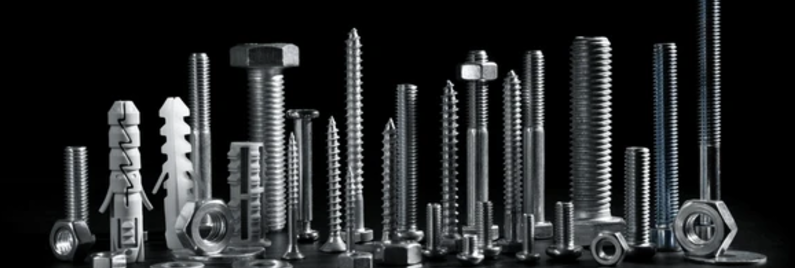
A top-tier DIN standard fasteners supplier must offer an extensive catalog covering various head styles, drive types, and thread configurations. Our manufacturing capabilities span thousands of part numbers, catering to both stock requirements and bespoke engineering needs.
We focus on high-volume production of critical components. Our inventory includes hexagon head bolts, socket cap screws, and specialized locking elements. Each category adheres to specific document references within the DIN library.
- Hexagon Head Bolts: Including DIN 931 (partial thread) and DIN 933 (full thread), widely used in structural assembly.
- Socket Screws: Such as DIN 912, offering high clamping force in compact spaces with Allen drives.
- Nuts and Washers: Matching grades like DIN 934 hex nuts and DIN 125 washers to ensure proper load distribution.
- Set Screws: DIN 913 through 916 series for securing components without protruding heads.
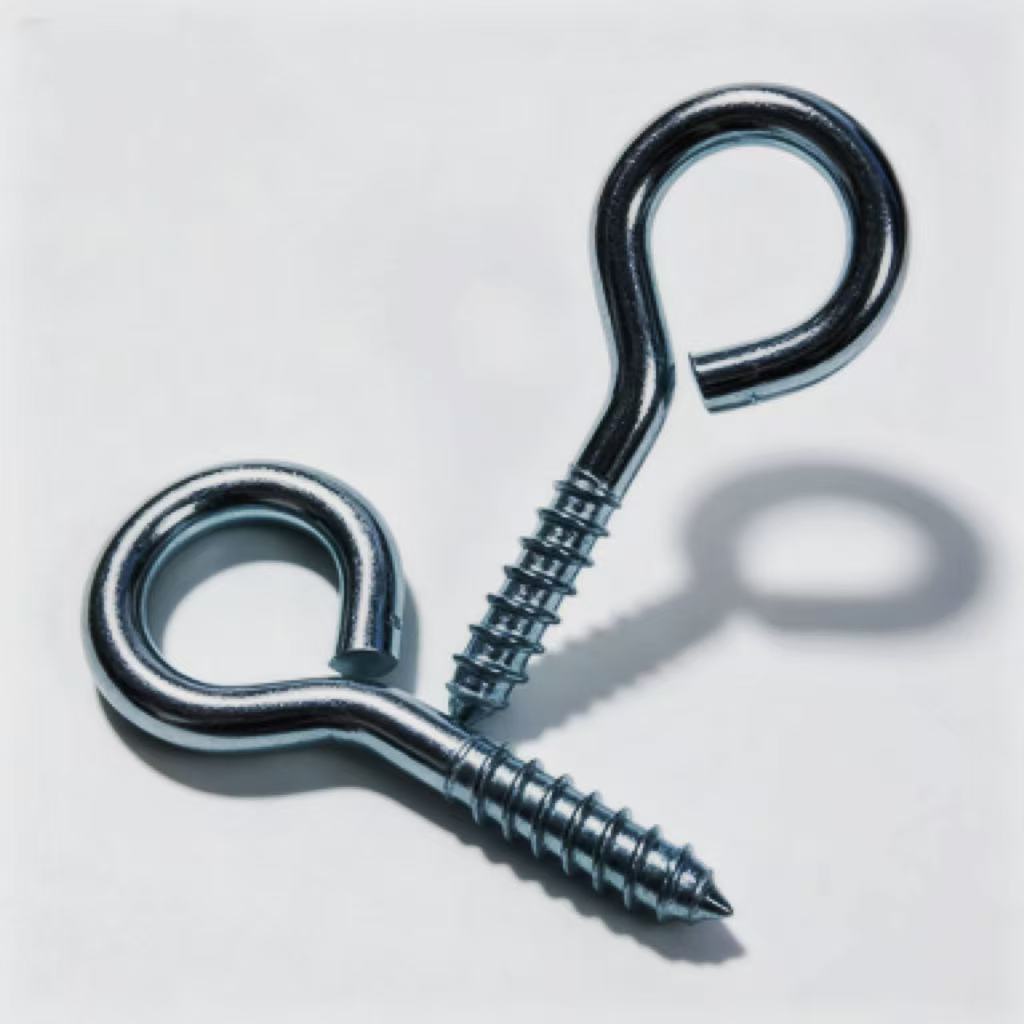
- Specialty Fasteners: Custom eye bolts, lifting points, and flange screws designed for unique load cases.
Beyond standard offerings, we excel in producing variants with unique coatings or materials. Whether you require stainless steel for marine environments or alloy steel for high-temperature applications, our production lines are adaptable.
Material Grades and Mechanical Properties
Understanding material grades is fundamental to selecting the correct fastener. We manufacture using carbon steel, alloy steel, and stainless steel families. Each material choice dictates the mechanical properties of the final component.
Carbon steel fasteners are typically classified by property classes such as 8.8, 10.9, and 12.9. The first number indicates one-hundredth of the nominal tensile strength, while the second relates to the yield strength ratio. Higher classes are reserved for critical structural joints.
Stainless steel options include A2 (304) and A4 (316) grades. These are essential for applications exposed to moisture or chemicals. Our metallurgical team ensures that the austenitic structure remains stable after cold forming processes.
For extreme conditions, we utilize alloy steels treated with quenching and tempering. These processes enhance toughness and fatigue resistance. Proper heat treatment is verified through hardness testing and microstructure analysis in our internal laboratories.
Factory Direct Manufacturing and OEM Capabilities
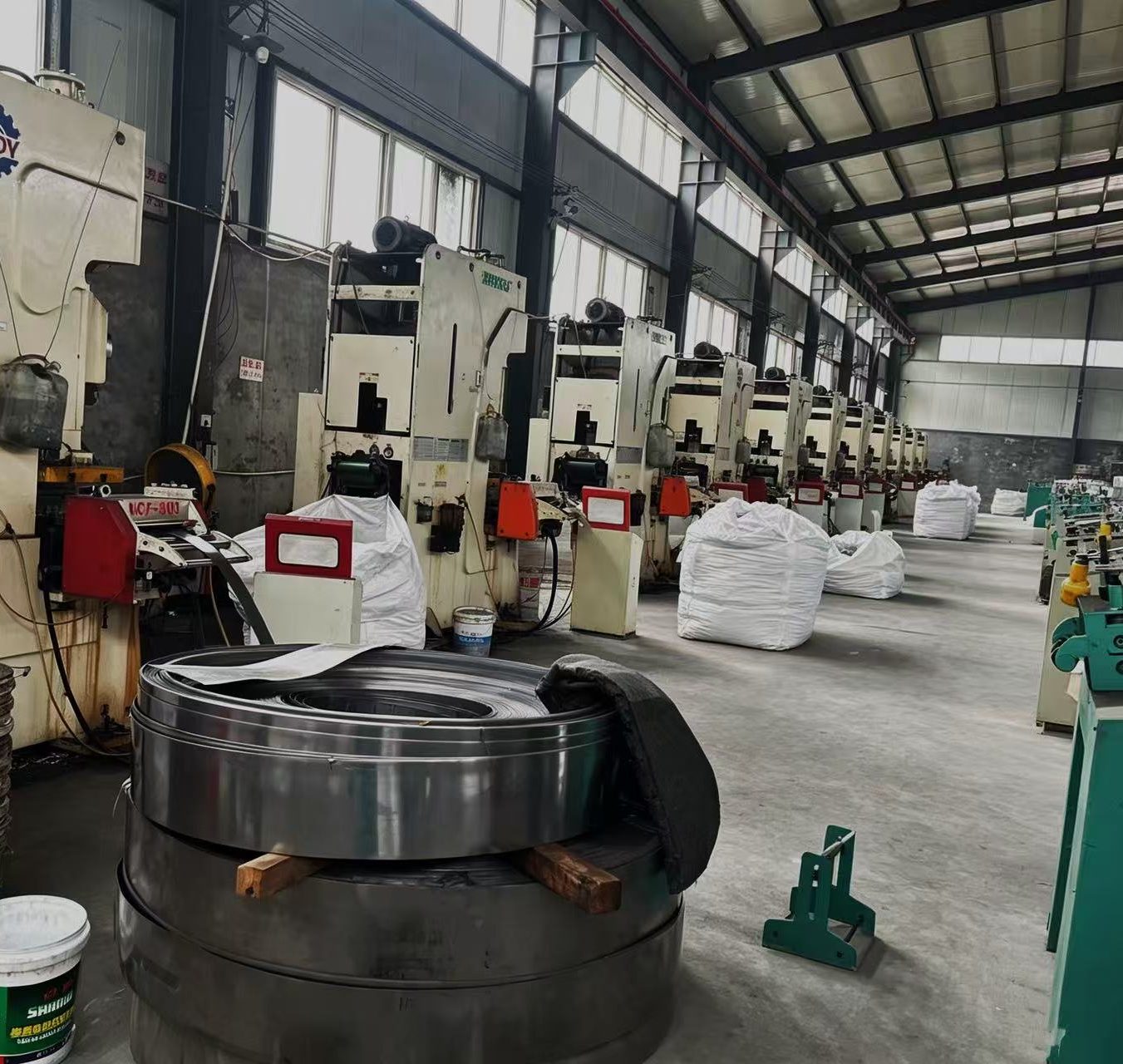
Operating as a factory-direct DIN standard fasteners supplier allows us to control every stage of the value chain. From wire drawing to heading, threading, and heat treatment, all processes occur under one roof. This vertical integration is key to maintaining consistent quality.
Our OEM services enable clients to develop proprietary fastener solutions. If your project requires a non-standard length, a unique head geometry, or a specific logo marking, our engineering team can translate your CAD drawings into production-ready tooling.
Customization extends beyond dimensions. We offer tailored surface treatments to meet specific environmental challenges. This flexibility is crucial for industries where off-the-shelf solutions do not meet exact performance criteria.
Advanced Production Technologies
Modern fastener manufacturing relies on high-speed cold forging machines. These units form metal at room temperature, which improves grain flow and increases strength compared to machining. Our facility utilizes multi-station headers capable of complex geometries.
Thread rolling is performed using precision dies that create stronger threads than cut threads. This process work-hardens the surface, enhancing fatigue life. We employ automated optical inspection systems to verify thread profile accuracy in real-time.
Heat treatment furnaces are computer-controlled to ensure uniform temperature distribution. This prevents soft spots or brittleness in the batch. Atmosphere control during carburizing or hardening ensures clean surfaces ready for plating.
Quality assurance is embedded in the workflow. Statistical Process Control (SPC) charts monitor critical dimensions continuously. Any deviation triggers an immediate machine adjustment, preventing the production of non-conforming parts.
Surface Treatments and Corrosion Protection
Corrosion is the primary enemy of fastener longevity. As a leading DIN standard fasteners supplier, we provide a wide array of surface finishes designed to extend service life. The choice of coating depends on the operating environment and aesthetic requirements.
Zinc plating remains the most common protection method for indoor applications. We offer both blue passivate and yellow chromate finishes. These provide a sacrificial layer that protects the underlying steel from oxidation.
For harsher environments, hot-dip galvanizing offers superior thickness and durability. This process coats the fastener in a thick layer of zinc, suitable for outdoor structures and marine applications. However, dimensional adjustments are necessary to account for coating thickness.
High-Performance Coating Solutions
Industries facing severe chemical exposure or salt spray conditions often require advanced coatings. Geomet® and Dacromet® are water-based inorganic coatings that provide exceptional corrosion resistance without hydrogen embrittlement risks.
These coatings are ideal for high-strength fasteners above 10.9 grade. Traditional electroplating can introduce hydrogen into the steel lattice, leading to delayed failure. Our non-electrolytic options eliminate this risk entirely.
- Phosphate and Oil: Provides temporary protection and improves friction characteristics for threaded assembly.
- Nickel Plating: Offers excellent chemical resistance and a bright, decorative finish for visible components.
- Xylan® and PTFE: Low-friction coatings that facilitate precise torque-tension relationships in critical bolting.
- Epoxy Coatings: Thick film barriers for underground or submerged installations where abrasion resistance is needed.
Selecting the right finish involves balancing cost, performance, and environmental regulations. Our technical team assists in identifying the optimal solution based on salt spray test hours required for your specific project lifecycle.
Quality Assurance and Certification Protocols
Trust is built on verification. A reputable DIN standard fasteners supplier must operate within a robust Quality Management System. Our facility is certified to international standards, ensuring that every shipment meets documented specifications.
We issue Material Test Reports (MTR) or EN 10204 Type 3.1 certificates with every batch. These documents trace the chemical composition and mechanical properties back to the original steel melt. This level of transparency is mandatory for regulated industries.
Internal testing labs conduct routine tensile strength, hardness, and wedge tension tests. We also perform salt spray testing to validate coating performance. Third-party audits are welcomed to further validate our compliance capabilities.
Traceability and Batch Control
Traceability is critical when investigating field failures or conducting maintenance. Our system assigns unique batch numbers to every production run. These codes link the finished fastener to the raw material lot, heat treatment cycle, and plating batch.
This data retention allows for rapid root cause analysis if issues arise. It also supports recall procedures, ensuring that only affected lots are targeted rather than entire inventories. Such precision minimizes downtime for our clients.
Packaging is also standardized to prevent mix-ups. Labels clearly display the DIN number, size, grade, material, heat lot, and quantity. Barcode scanning integrates with client inventory systems for seamless receiving processes.
DIN vs. ISO vs. ANSI: Understanding the Differences
Global procurement often involves navigating multiple standardization bodies. While DIN, ISO, and ANSI standards share similarities, subtle differences can impact interchangeability. Understanding these nuances is vital for engineers specifying components.
In many cases, DIN standards have been harmonized with ISO. For example, DIN 931 is largely equivalent to ISO 4014. However, historical DIN parts may have slightly different head heights or wrench sizes compared to their ISO counterparts.
ANSI/ASME standards, prevalent in North America, use inch-based measurements and different grading systems (e.g., Grade 5, Grade 8). Converting between metric DIN and imperial ANSI requires careful calculation of thread pitch and tensile strengths.
| Feature | DIN Standard | ISO Standard | ANSI/ASME Standard |
| Measurement System | Metric (mm) | Metric (mm) | Imperial (Inches) |
| Common Bolt Grades | 8.8, 10.9, 12.9 | 8.8, 10.9, 12.9 | Grade 2, 5, 8 |
| Hex Head Dimensions | Specific wrench sizes (e.g., 13mm for M8) | Harmonized with DIN in most cases | Different across-flats dimensions |
| Thread Pitch | Coarse and Fine defined strictly | Identical to DIN for harmonized parts | Threads per inch (TPI) |
| Regional Preference | Europe, Asia, Global Machinery | Global Trade | North America |
When replacing legacy equipment, it is crucial to verify whether the original design specified strict DIN dimensions or a harmonized ISO version. Our engineering team can cross-reference these standards to ensure perfect fitment.
Interchangeability Considerations
While many DIN and ISO fasteners are interchangeable, caution is advised for high-load applications. Slight variations in bearing surface area can affect clamp load calculations. Engineers should re-evaluate torque values when switching standards.
For export-oriented manufacturing, adopting ISO-harmonized DIN parts is often the safest strategy. This ensures compatibility with global supply chains while maintaining the high-quality reputation associated with German engineering norms.
Our inventory includes both legacy DIN-specific parts and fully harmonized ISO versions. We guide customers in selecting the appropriate specification based on their target market and regulatory requirements.
Applications Across Key Industries
The versatility of DIN fasteners makes them indispensable across diverse sectors. From microscopic electronics to massive wind turbines, the reliability of these components underpins modern infrastructure. Our products serve as the backbone for critical assemblies.
In the automotive sector, vibration resistance is paramount. DIN 6921 flange bolts and prevailing torque nuts are extensively used in engine mounts and chassis systems. These parts undergo rigorous testing to withstand dynamic loads.
The renewable energy industry relies heavily on high-strength DIN 10.9 and 12.9 fasteners for wind turbine towers. These components must endure extreme weather conditions and constant cyclic loading over decades of operation.
Specialized Sector Requirements
Railway applications demand fasteners with specific anti-loosening features and fire resistance. DIN standards for rail fixtures include strict guidelines on material toughness at low temperatures to prevent brittle fracture in winter conditions.
Construction and civil engineering projects utilize hot-dip galvanized DIN fasteners for steel structures. Bridges, stadiums, and high-rise buildings depend on the predictable yield strength of these components to ensure public safety.
- Aerospace: Requires lightweight titanium or high-nickel alloys with tight tolerance controls.
- Marine: Demands A4 stainless steel or super-duplex materials to resist saltwater corrosion.
- Oil & Gas: Needs sour service resistant materials compliant with NACE standards alongside DIN specs.
- Electronics: Utilizes miniature DIN screws for casing and internal component mounting.
Each industry presents unique challenges. Our experience allows us to tailor recommendations that balance performance requirements with cost efficiency. We understand the specific failure modes relevant to each sector.
How to Select the Right DIN Fastener Supplier
Choosing a partner for your fastener needs involves more than comparing unit prices. Long-term reliability depends on the supplier’s capacity, quality culture, and logistical capabilities. A strategic partnership reduces total cost of ownership.
Evaluate the supplier’s manufacturing depth. Do they own their heat treatment and plating lines, or do they outsource? In-house control significantly reduces lead time variability and quality risks. Direct factories offer better accountability.
Assess their technical support infrastructure. Can they provide finite element analysis for joint design? Do they offer on-site auditing? A true partner acts as an extension of your engineering department, solving problems before they reach production.
Evaluating Lead Times and Logistics
Supply chain disruptions are a reality of modern business. A resilient DIN standard fasteners supplier maintains strategic raw material stocks to buffer against market fluctuations. Ask about their safety stock policies for common grades and sizes.
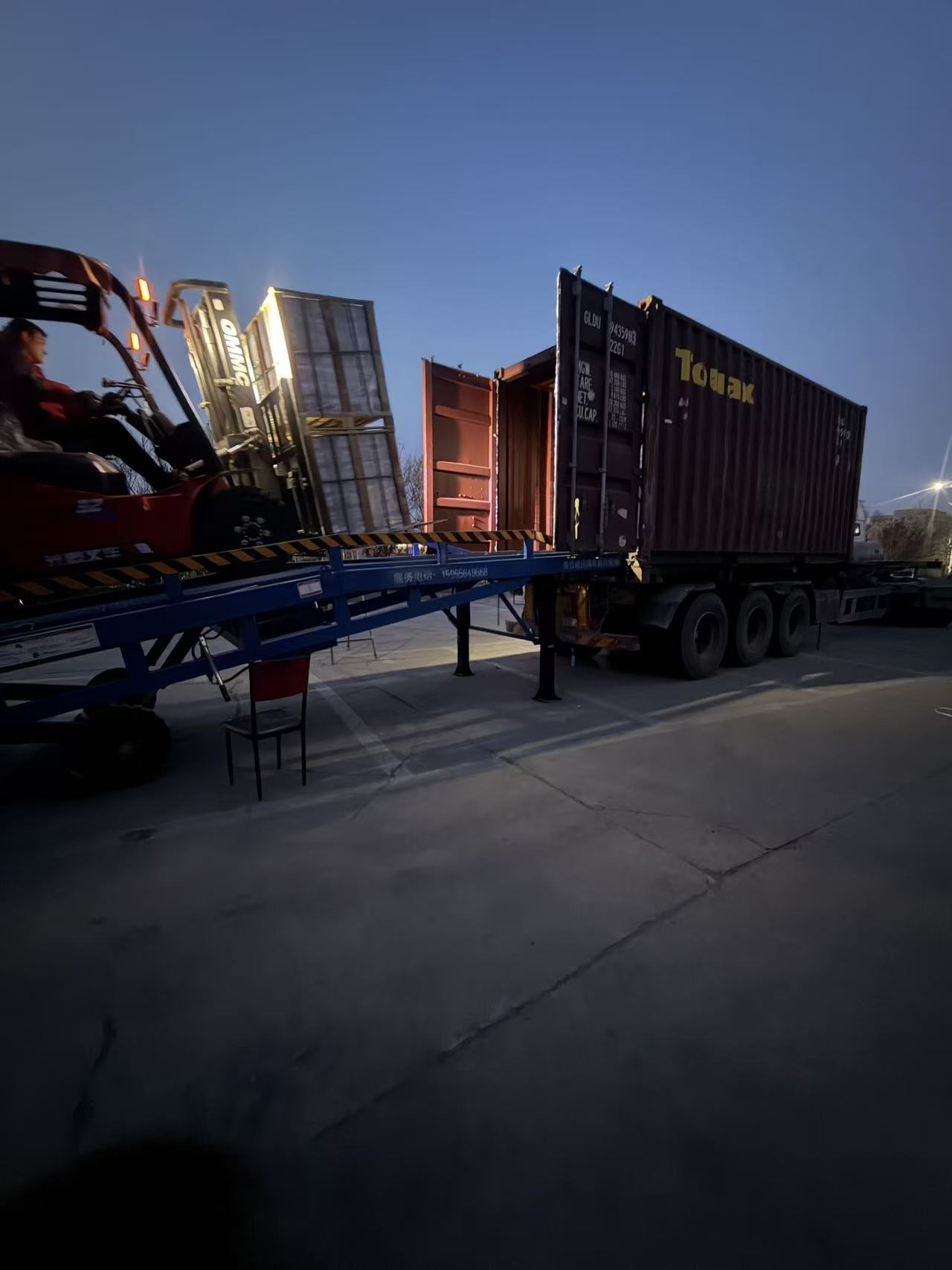
Logistical efficiency is equally important. Look for suppliers with experience in export documentation, customs clearance, and consolidated shipping. Efficient packaging reduces freight costs and prevents damage during transit.
Flexibility in order quantities is another key factor. While large volumes yield lower prices, the ability to handle small batch runs for prototyping or maintenance spares adds significant value. Our facility accommodates both mass production and niche orders.
About Our Company: A Legacy of Precision in Handan
Located in Handan, Hebei—China’s renowned hub for fastener manufacturing—our company stands as a premier industry and trade combination enterprise. With over a decade of specialized experience, we have evolved into a global supplier, exporting high-quality fasteners and hardware tools to more than 26 countries worldwide.
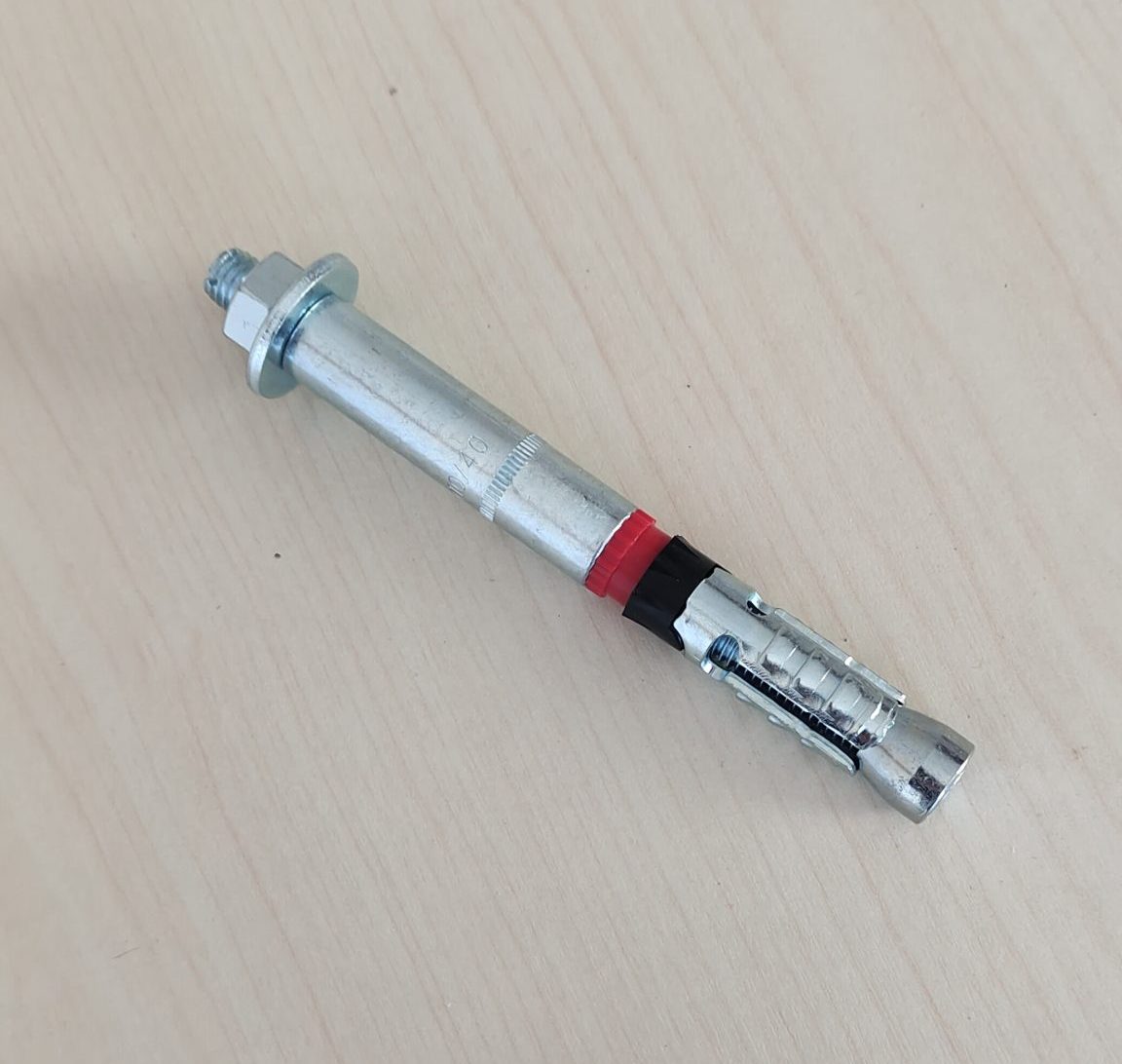
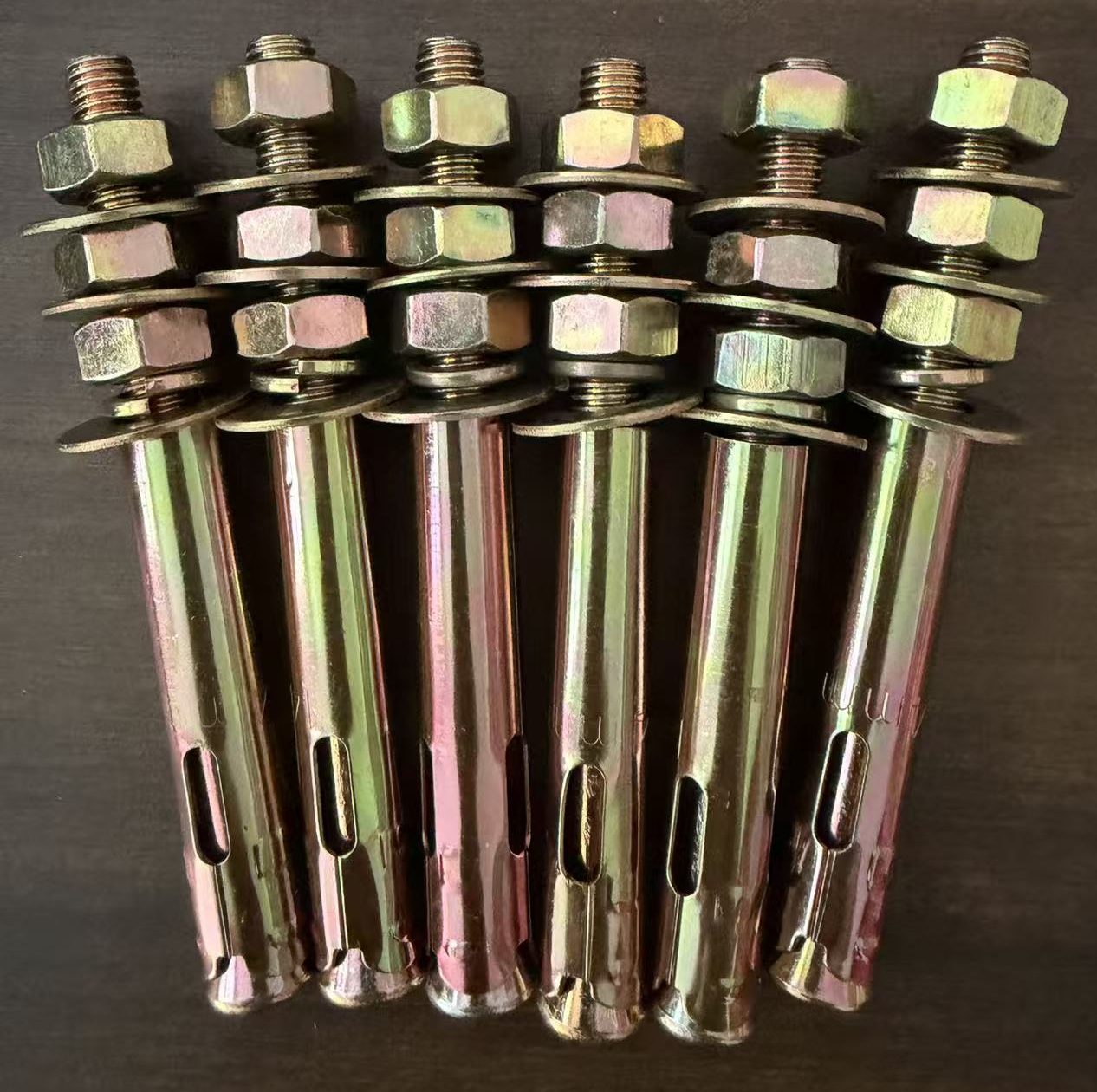
While we possess comprehensive capabilities to produce components meeting GB, DIN, JIS, and ANSI standards, we hold particular expertise in specialized product lines. Our portfolio includes unique items such as casing geckos and wooden teeth welded sheep’s eye screws/bolts, demonstrating our ability to handle complex, non-standard engineering challenges alongside traditional DIN fasteners.
We adhere to a philosophy of “quality first, customer first,” driven by continuous investment in scientific research and high-tech talent. By integrating advanced production technology with perfect testing methods, we ensure that every product leaving our facility meets rigorous international benchmarks. Our professional technical team works closely with clients to customize specifications, quality levels, and quantities, ensuring that we not only meet but exceed the evolving needs of the global market.
Frequently Asked Questions (FAQ)
Buyers often have specific queries regarding standards, customization, and logistics. Addressing these common concerns helps streamline the procurement process and ensures clarity on technical expectations.
What is the difference between DIN 931 and DIN 933?
DIN 931 specifies hexagon head bolts with a partial thread, leaving an unthreaded shank under the head. DIN 933 refers to fully threaded hexagon head bolts. The choice depends on whether shear strength or tensile grip is prioritized in the joint design.
Can you produce fasteners with custom logos or markings?
Yes, as an OEM specialist, we can stamp custom logos, grade marks, or identification codes onto bolt heads. This requires custom tooling, which we can fabricate in-house. Minimum order quantities may apply for unique marking requests.
Do you provide samples for testing before bulk orders?
We encourage clients to validate our quality before committing to large volumes. Sample kits of standard DIN fasteners are available upon request. For custom items, we produce pilot runs to confirm dimensional accuracy and performance.
What certifications do your fasteners carry?
Our products comply with relevant DIN, ISO, and customer-specific standards. We provide EN 10204 Type 3.1 mill certificates detailing chemical and mechanical properties. Additional third-party certifications like TUV or ABS can be arranged upon request.
How do you handle rush orders or urgent delivery needs?
Our production planning system includes capacity buffers for urgent requirements. By leveraging our direct manufacturing model, we can expedite certain standard items within days. Communication of urgency at the quotation stage allows us to prioritize accordingly.
Conclusion and Next Steps
Securing a reliable source for DIN standard fasteners is a strategic decision that impacts product quality and operational safety. Partnering with a factory-direct supplier ensures you receive components that strictly adhere to German industrial norms without unnecessary markups.
Our commitment to OEM excellence, rigorous quality control, and technical expertise positions us as a preferred partner for global industries. Whether you need standard stock items or complex custom solutions, we have the capacity and knowledge to deliver.
Who is this for? This solution is ideal for procurement managers, mechanical engineers, and project leads in automotive, construction, and heavy machinery sectors seeking long-term supply stability.
To optimize your supply chain, we recommend initiating a technical review of your current fastener specifications. Contact our engineering team today to discuss your specific DIN requirements, request a quote, or schedule a factory audit. Let us build a stronger foundation for your projects together.