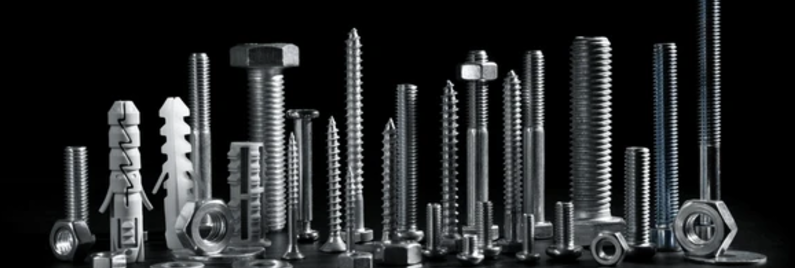
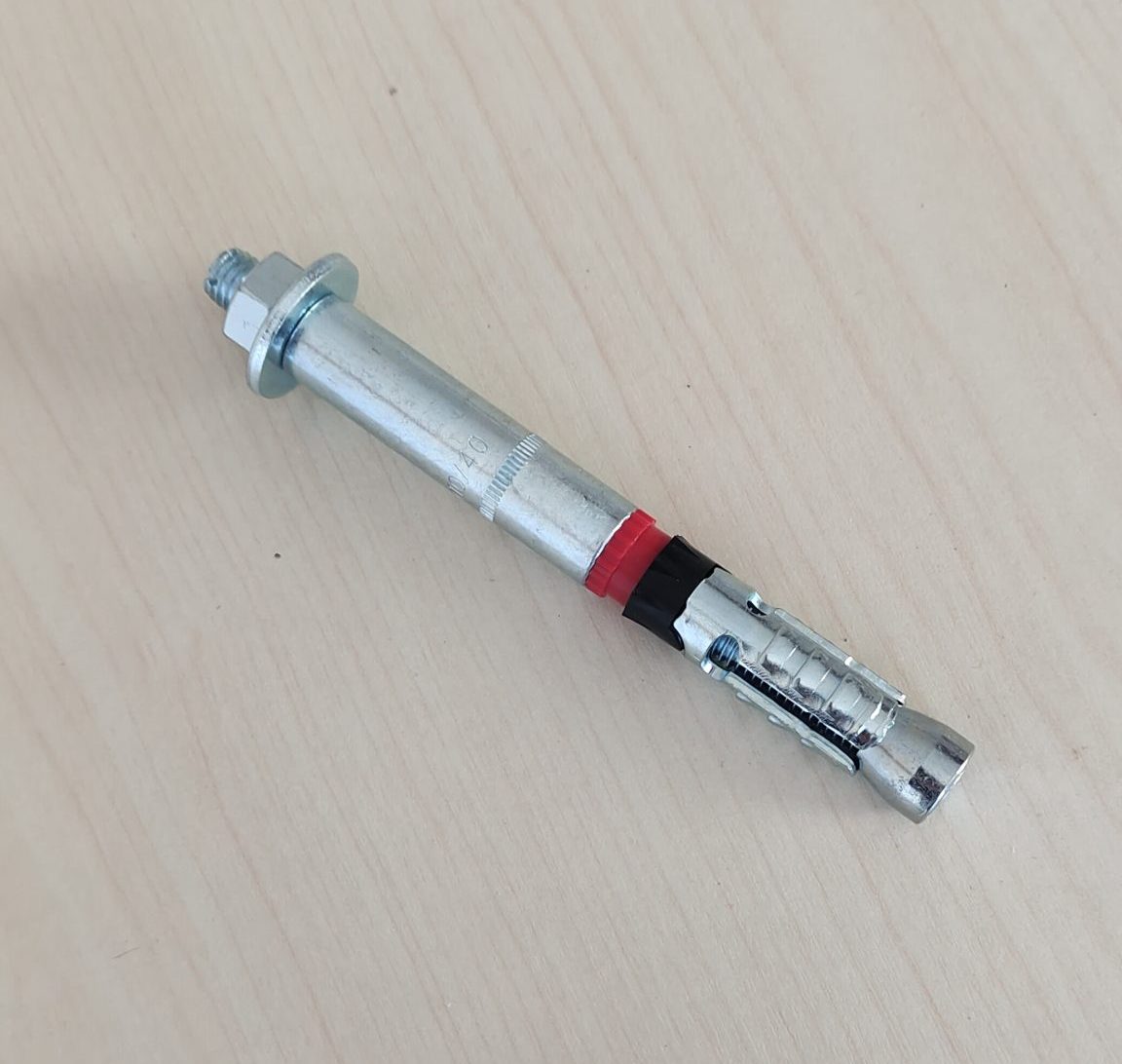
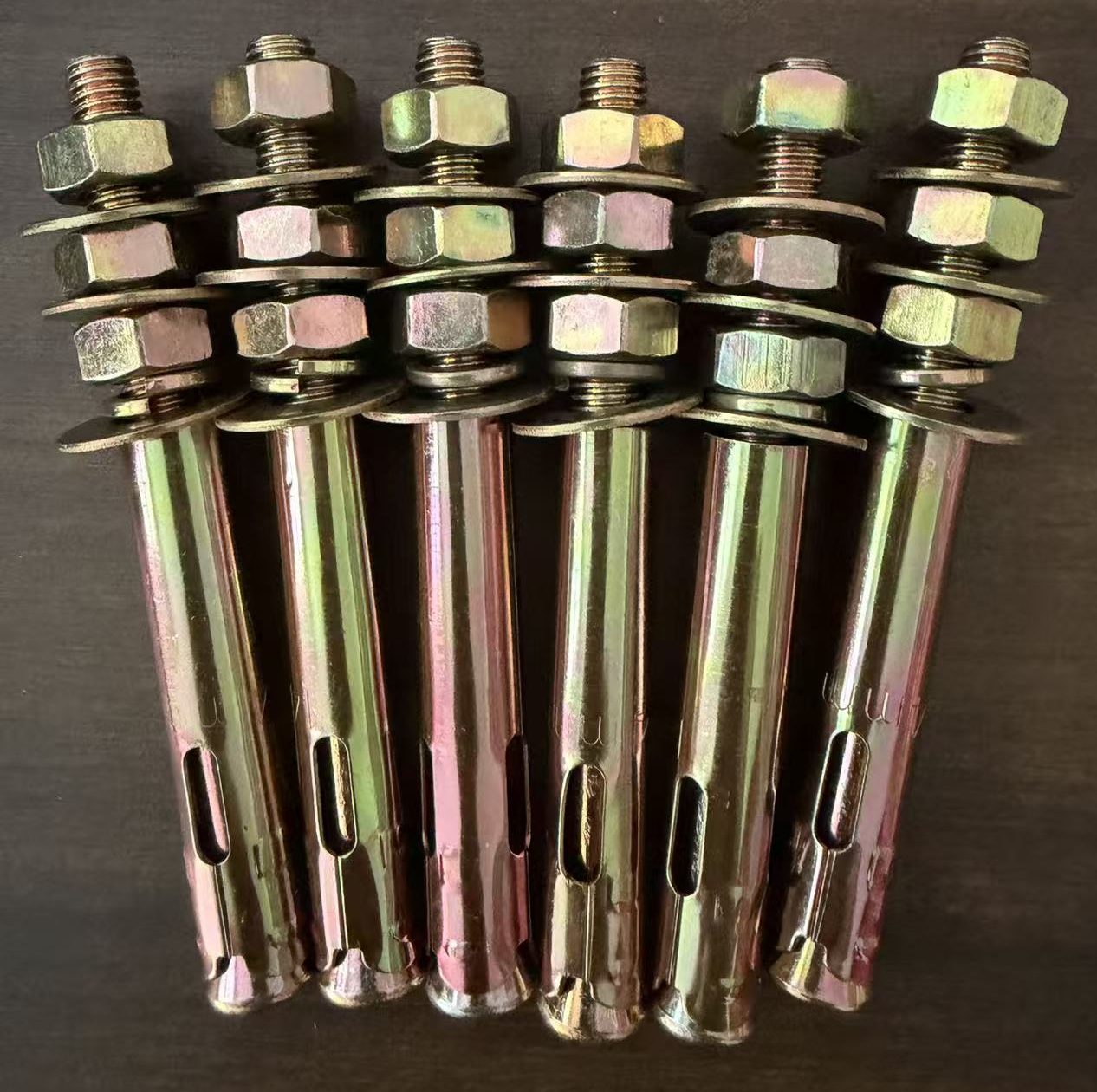
A Drop in Anchor is a heavy-duty, internal-threaded concrete fastener designed for permanent installations in solid masonry and cured concrete. Also known as a hammer-set anchor or sleeve anchor, it consists of a zinc-plated steel body, an expander plug, and a setting tool. When installed, the plug is driven into the body, forcing the walls to expand against the hole, creating a secure mechanical lock. This guide details specifications, installation procedures, and sourcing strategies for buying high-quality drop-in anchors directly from experienced manufacturers.
What Is a Drop in Anchor and How Does It Work?
Understanding the mechanical principle behind a drop in anchor is crucial for ensuring structural integrity in construction projects. Unlike wedge anchors that expand at the bottom, or sleeve anchors that expand along the entire length, a drop in anchor expands at the top of the hole. This design makes it ideal for applications where a flush finish is required or where the base material thickness is limited.
The Mechanical Expansion Principle
The core functionality relies on friction and mechanical interference. The anchor body features pre-cut slots or “legs” at the bottom. Inside the hollow body sits a conical expander plug. When the setting tool strikes the plug, it drives downward into the tapered interior of the anchor body. This action forces the slotted legs outward, pressing them firmly against the walls of the drilled hole. The result is a vibration-resistant hold that distributes load evenly across the expansion zone.
Key Components of the Assembly
- Anchor Body: Typically made from carbon steel with zinc plating for corrosion resistance, or stainless steel (304/316) for harsh environments. It contains the internal threads and expansion slots.
- Expander Plug: A hardened steel cone that sits inside the body. It is the primary driver of the expansion mechanism.
- Setting Tool: A specialized metal rod with a stepped diameter. The step matches the depth of the anchor, ensuring the plug is driven to the exact correct position without over-driving or under-driving.
Technical Specifications and Standards Compliance
When sourcing drop in anchors, adherence to international standards is non-negotiable for safety and liability reasons. High-quality manufacturing ensures that every batch meets rigorous dimensional and tensile strength requirements. As a manufacturer based in Handan, Hebei—a hub for fastener production—we strictly follow GB, DIN, JIS, and ANSI standards. Our products are engineered to meet the specific load-bearing requirements defined by these global benchmarks.
Common Sizes and Dimensions
Drop in anchors are categorized by their nominal diameter and length. The most common sizes range from M6 to M20 (metric) or 1/4″ to 3/4″ (imperial). The length of the anchor determines the embedment depth, which directly correlates to holding power.
| Nominal Diameter | Drill Bit Size (mm) | Min. Embedment Depth (mm) | Min. Hole Depth (mm) | Typical Material Thickness |
| M6 (1/4″) | 8 mm | 40 mm | 55 mm | ≥ 60 mm |
| M8 (5/16″) | 10 mm | 50 mm | 65 mm | ≥ 75 mm |
| M10 (3/8″) | 12 mm | 60 mm | 75 mm | ≥ 90 mm |
| M12 (1/2″) | 14 mm | 70 mm | 85 mm | ≥ 100 mm |
| M16 (5/8″) | 18 mm | 85 mm | 100 mm | ≥ 120 mm |
Note: Always consult the specific engineering data sheet for your project. Minimum base material thickness must exceed the embedment depth to prevent blowout.
Material Grades and Finishes
Selecting the right material is critical for longevity. For indoor, dry environments, zinc-plated carbon steel offers a cost-effective solution with adequate corrosion protection. However, for outdoor structures, marine environments, or chemical processing plants, stainless steel is mandatory.
- Carbon Steel (Zinc Plated): Suitable for general construction, indoor HVAC, and drywall support. Provides good tensile strength but limited rust resistance.
- Stainless Steel 304 (A2): Offers superior corrosion resistance for outdoor applications exposed to rain and humidity. Ideal for architectural facades and exterior signage.
- Stainless Steel 316 (A4): The highest grade for extreme environments, including coastal areas with salt spray and industrial zones with acidic exposure.
Step-by-Step Installation Guide for Drop in Anchors
Proper installation is just as important as the quality of the anchor itself. Incorrect drilling or setting techniques can reduce holding capacity by up to 50%. Follow this professional workflow to ensure optimal performance.
1. Drilling the Hole
Use a hammer drill with a carbide-tipped bit that matches the anchor’s specified diameter. It is vital to drill perpendicular to the surface. If the hole is angled, the anchor may not expand evenly, leading to failure. Drill to the required depth, which is typically the anchor length plus the space for dust accumulation.
2. Cleaning the Hole
This step is often overlooked but is critical for EEAT-compliant best practices. Concrete dust acts as a lubricant, preventing the anchor from gripping the hole walls. Use a wire brush, compressed air, or a vacuum pump to remove all debris. A clean hole ensures maximum friction and mechanical lock.
3. Inserting the Anchor
Place the drop in anchor into the cleaned hole. Ensure it sits flush with or slightly below the surface of the concrete. If the anchor protrudes, the fixture will not sit flat. Do not hammer the anchor body directly; it should slide in easily if the hole size is correct.
4. Setting the Anchor
Insert the setting tool into the anchor body. The tool should rest on the expander plug. Using a hammer, strike the top of the setting tool firmly. You will feel a distinct “stop” when the plug is fully seated. Most setting tools have a visual indicator or a shoulder that prevents over-driving. Remove the tool and inspect the internal threads to ensure they are clear and undamaged.
5. Installing the Fixture
Once set, the anchor is ready for use. Screw the bolt or stud into the anchor. Tighten to the recommended torque specification. Avoid over-tightening, which can strip the internal threads or cause micro-cracking in the surrounding concrete.
Common Mistakes to Avoid During Installation
Even with high-quality products from a reputable supplier, user error can compromise safety. Based on our ten years of industry experience supplying over 26 countries, these are the most frequent errors we observe:
- Using the Wrong Drill Bit: Worn-out bits create oversized holes. If the hole is even 0.5mm too large, the anchor cannot expand sufficiently to grip the walls. Always use new, sharp carbide bits.
- Inadequate Hole Cleaning: Leaving dust in the hole creates a void between the anchor and the concrete. This significantly reduces pull-out strength.
- Over-Driving the Plug: Hitting the setting tool too hard can drive the plug too deep, damaging the internal threads or causing the anchor body to deform unpredictably.
- Under-Driving the Plug: If the plug is not driven deep enough, the anchor will spin when you try to tighten the bolt, rendering it useless.
- Installing in Cracked Concrete: Standard drop in anchors are not rated for cracked concrete zones. Use specialized seismic or undercut anchors for such applications.
Drop in Anchor vs. Other Concrete Fasteners
Choosing the right anchor depends on the specific application. While drop in anchors are versatile, they are not always the best choice. Understanding the differences helps in making informed procurement decisions.
| Feature | Drop in Anchor | Wedge Anchor | Sleeve Anchor | Chemical Anchor |
| Expansion Location | Top of hole | Bottom of hole | Along entire length | Bonded via resin |
| Finish | Flush or recessed | Stud protrudes | Head protrudes | Flush (with rod) |
| Removability | Permanent | Permanent | Removable (sometimes) | Permanent |
| Base Material | Solid concrete/brick | Solid concrete only | Concrete, brick, block | All masonry types |
| Vibration Resistance | High | Very High | Moderate | Highest |
| Installation Speed | Fast (requires tool) | Fast (hammer only) | Fast (hammer only) | Slow (curing time) |
Drop in anchors are preferred when a clean, flush appearance is needed, such as in architectural cladding or when installing machinery bases where protruding studs might be hazardous. Wedge anchors offer higher ultimate load capacities but require more clearance at the bottom of the hole.
Applications and Industry Use Cases
Drop in anchors are a staple in modern construction and industrial maintenance. Their ability to provide high tensile and shear strength makes them suitable for a wide range of sectors.
Construction and Civil Engineering
In commercial building projects, drop in anchors are extensively used for securing steel beams, column bases, and facade systems. Their flush installation allows for seamless integration with decorative panels and insulation layers. They are also critical for fixing handrails, balustrades, and safety barriers to concrete floors and stairs.
Mechanical, Electrical, and Plumbing (MEP)
HVAC systems, heavy ductwork, and piping supports rely on drop in anchors for secure ceiling and wall mounting. The vibration-resistant nature of the mechanical expansion ensures that dynamic loads from airflow or fluid movement do not loosen the fixtures over time. In electrical installations, they secure cable trays and conduit supports safely.
Industrial Manufacturing and Warehousing
Factories and warehouses utilize these anchors for racking systems, conveyor belts, and heavy machinery anchoring. The high shear strength protects equipment from shifting during operation. In logistics centers, they are used to install safety barriers and loading dock equipment, where durability and reliability are paramount.
Why Choose Our Drop in Anchors?
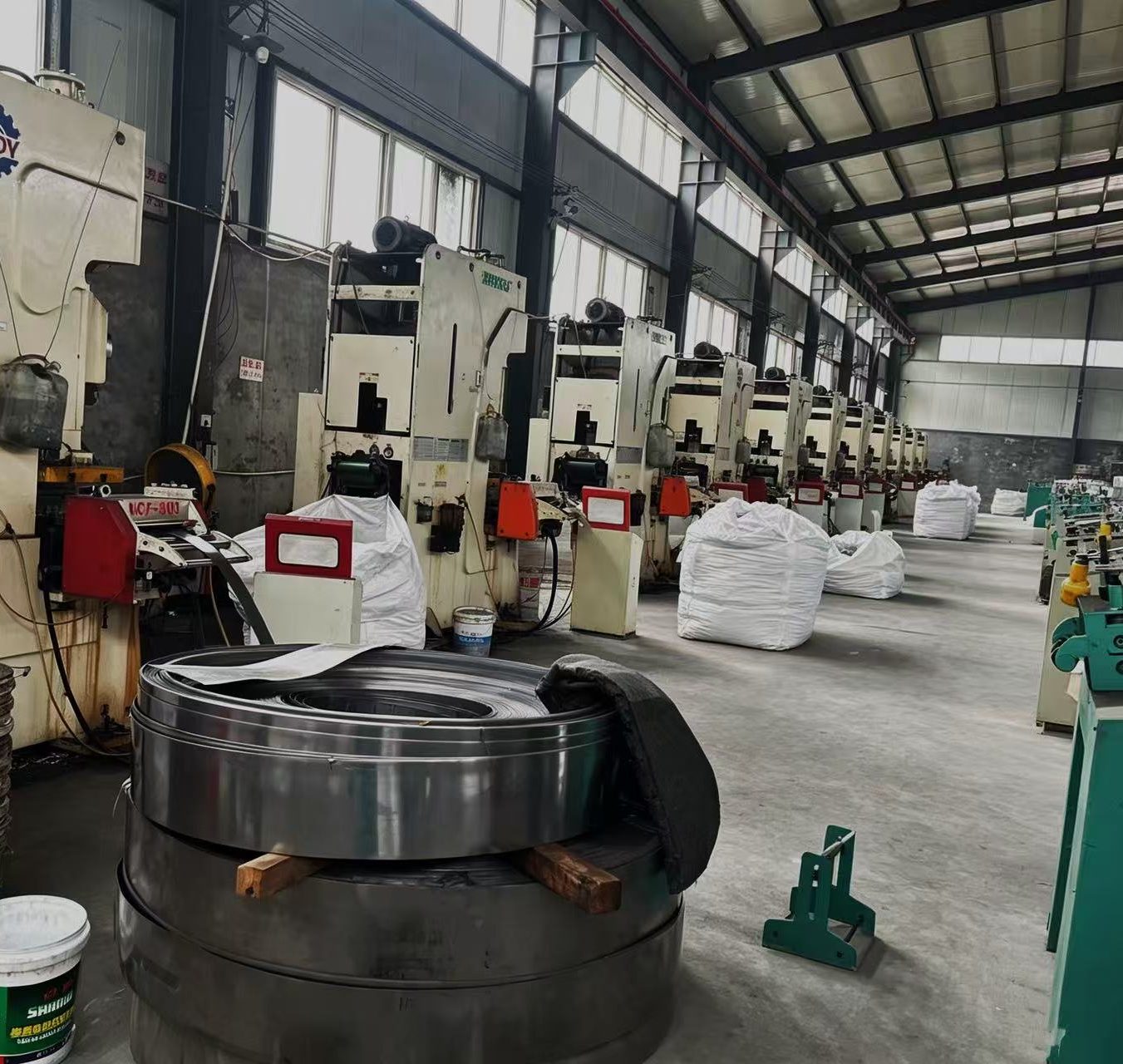
As a global industry and trade combination company located in Handan, Hebei, we specialize in the development, manufacturing, and service of high-performance fasteners. With over ten years of industry experience, we have established a reputation for integrity and quality, exporting our products to more than 26 countries worldwide.
Advanced Manufacturing and Quality Control
We adhere to a “quality first, customer first” philosophy. Our facility employs advanced production technology and rigorous testing methods to ensure every drop in anchor meets GB, DIN, JIS, and ANSI standards. We invest heavily in scientific research and have introduced high-tech talents to our technical team, allowing us to innovate and improve product performance continuously.
Customization and Flexibility
We understand that every project has unique requirements. Unlike standard traders, we offer customization for special specifications, quantities, and packaging. Whether you need non-standard lengths, specific material grades like 316 stainless steel, or custom plating thicknesses, our professional technical team can deliver solutions tailored to your needs.
Competitive Pricing and Global Logistics
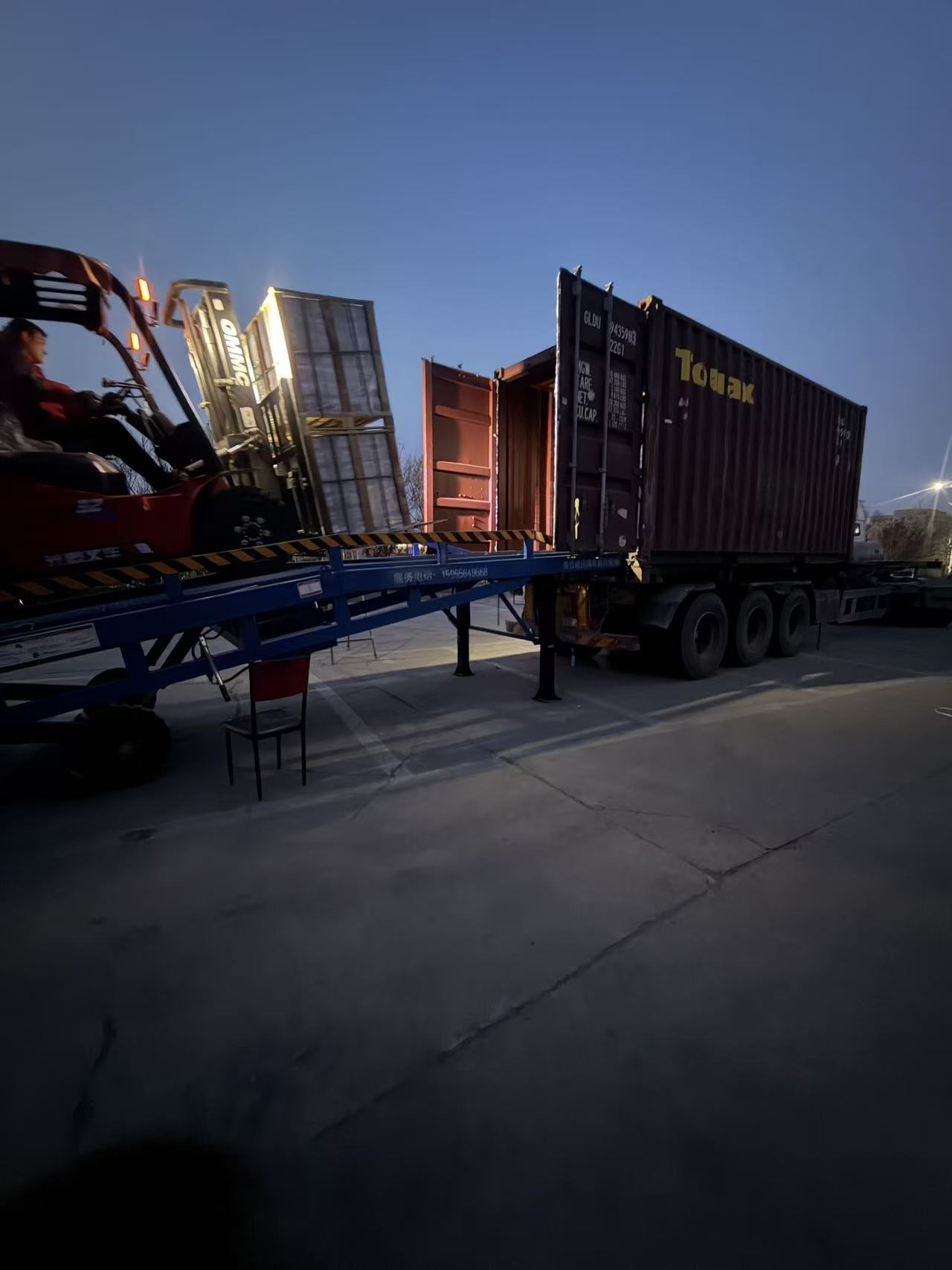
By integrating manufacturing and trade, we eliminate middlemen, offering competitive prices without compromising quality. Our location in Handan, a city specializing in fastener manufacture, provides us with a robust supply chain advantage. We ensure timely delivery and reliable logistics support for international buyers.
Frequently Asked Questions (FAQ)
Can drop in anchors be removed after installation?
No, drop in anchors are designed for permanent installation. Once the expander plug is driven in, the anchor cannot be removed without destroying the surrounding concrete. If temporary fixation is needed, consider using sleeve anchors or wedge anchors with removable studs, though even these are generally considered permanent in structural contexts.
What is the difference between a drop in anchor and a hammer set?
The terms are often used interchangeably. Both refer to the same type of internal-threaded, mechanically expanding anchor. “Hammer set” typically emphasizes the installation method, while “drop in” describes the placement process. In our catalog, they refer to the same product line.
Can I use a drop in anchor in hollow block or brick?
It is not recommended. Drop in anchors require solid material to expand against. In hollow blocks, the expansion force can crack or crush the thin walls of the block, leading to failure. For hollow masonry, use toggle bolts, butterfly anchors, or chemical anchors specifically designed for brittle or hollow substrates.
How do I choose the correct drill bit size?
Always match the drill bit size to the anchor diameter specified by the manufacturer. For example, an M10 drop in anchor typically requires a 12mm drill bit. Using a smaller bit will prevent insertion, while a larger bit will result in a loose fit. Check the product packaging or technical data sheet for the exact requirement.
Are your anchors certified for seismic applications?
Standard drop in anchors are generally not rated for seismic (cracked concrete) zones unless specifically tested and certified. For seismic applications, please contact our technical team. We can provide specialized anchors or chemical solutions that meet ICC-ES AC308 or ETAG 001 standards for cracked concrete.
Selection Guide: How to Buy the Right Drop in Anchor
When preparing your purchase order, consider the following factors to ensure you get the right product for your project:
- Load Requirements: Determine the tensile (pull-out) and shear (side-to-side) loads the anchor must withstand. Consult structural engineers for critical loads.
- Base Material: Confirm the concrete strength (PSI or MPa). Higher strength concrete allows for higher load capacities. Ensure the material is solid and uncracked.
- Environmental Conditions: Choose zinc-plated steel for dry indoor use. Select Stainless Steel 304 for outdoor exposure and 316 for marine or chemical environments.
- Fixture Thickness: Ensure the anchor length allows for sufficient embedment depth after accounting for the thickness of the item being fixed.
- Quantity and Packaging: We offer bulk packaging for large construction projects and retail-ready boxes for distribution. Specify your packaging preference when requesting a quote.
Conclusion and Next Steps
Drop in anchors are an essential component for secure, permanent fastening in concrete and masonry. Their reliability, ease of installation, and flush finish make them a preferred choice for construction, industrial, and MEP applications. However, the safety of your structure depends on using high-quality anchors that meet international standards and are installed correctly.
With over a decade of experience and a commitment to integrity-based business, we provide drop in anchors that meet GB, DIN, JIS, and ANSI standards. Our products are trusted by clients in more than 26 countries for their consistency, strength, and value. Whether you need standard sizes or custom specifications, our technical team is ready to support your project.
For detailed technical data sheets, pricing, or custom quotes, please contact our sales team today. Let us help you secure your next project with confidence.
View Full Product Catalog and Technical Specifications