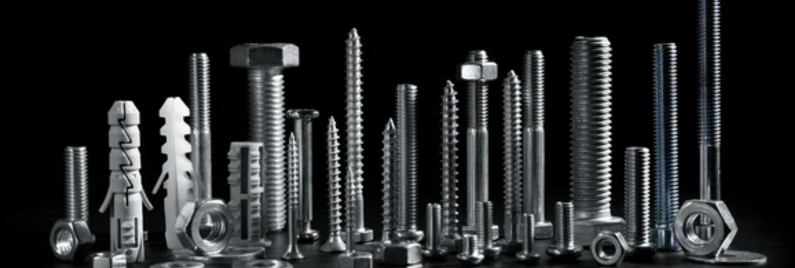
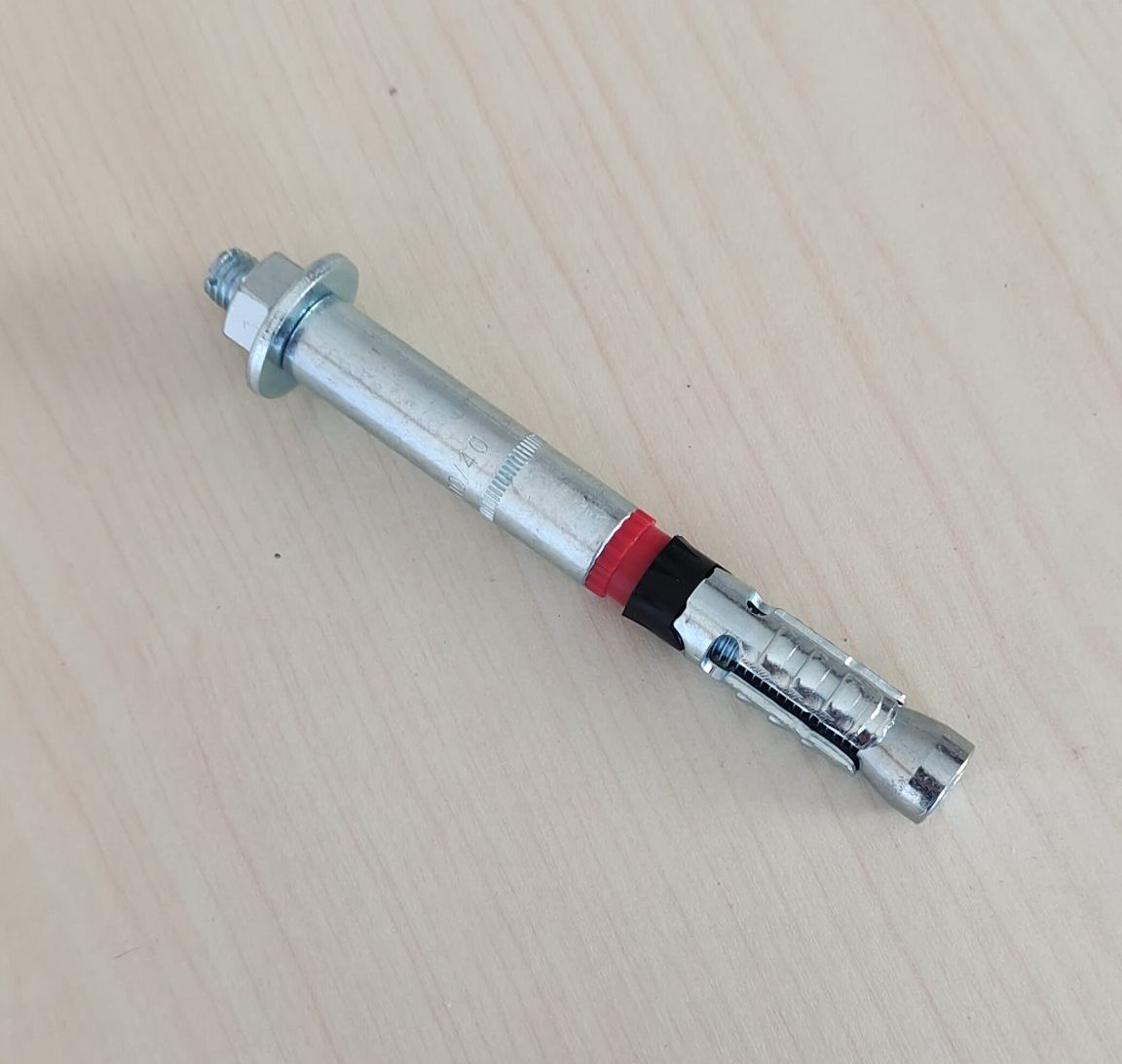
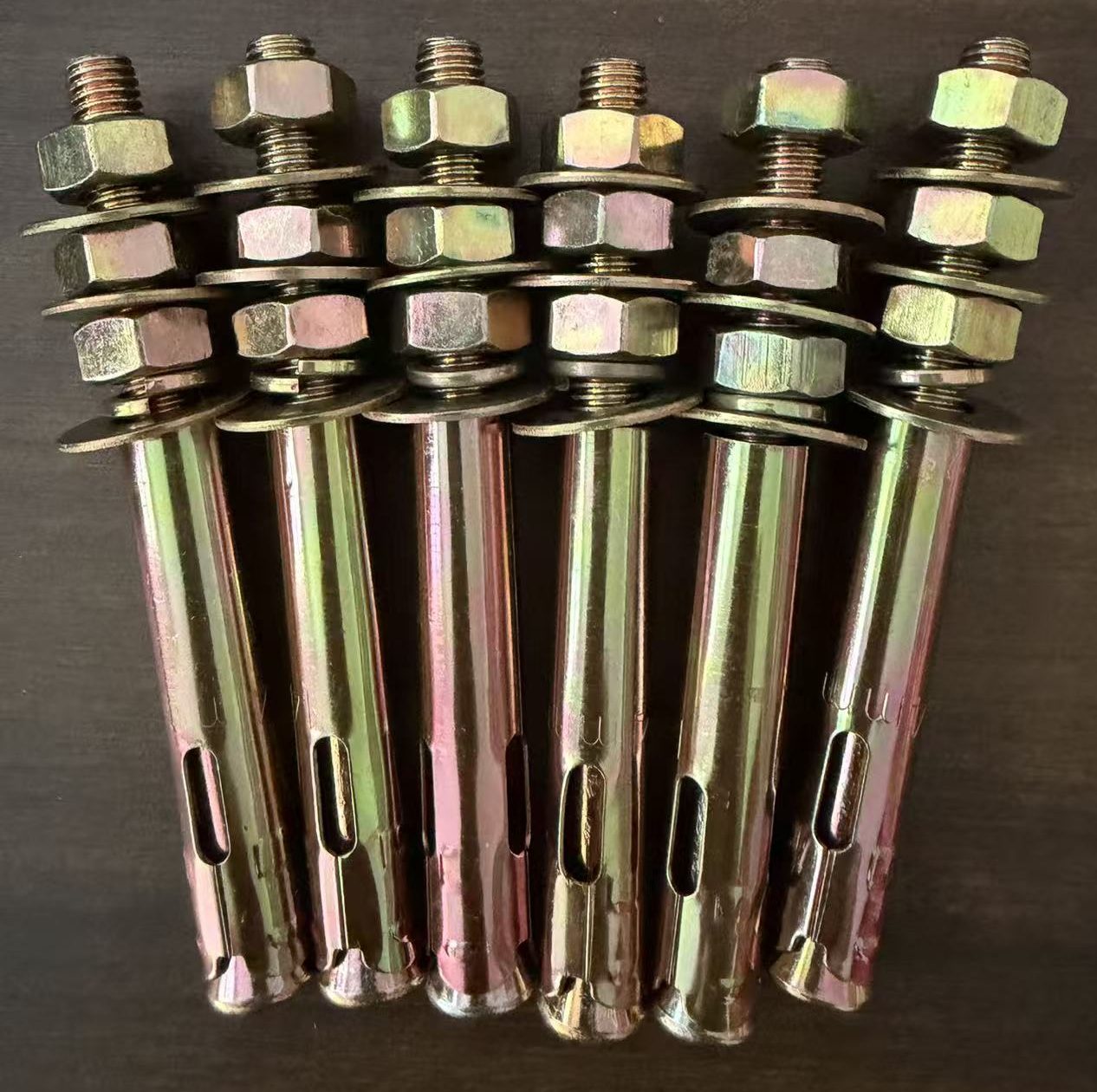
Looking for the best self drilling screws for construction? These specialized fasteners combine drilling, tapping, and fastening into a single operation, eliminating the need for pre-drilled holes. Ideal for steel-to-steel and steel-to-wood applications, they significantly reduce labor costs and installation time while ensuring robust structural integrity in modern building projects.
What Are Self Drilling Screws for Construction?
Self drilling screws for construction are engineered fasteners designed to penetrate materials without the need for a pilot hole. Unlike traditional screws that require a separate drilling step, these units feature a drill point at the tip that acts like a miniature drill bit. As the screw rotates, the point cuts through the substrate, creating a hole while the threads simultaneously tap and secure the material.
This dual functionality makes them indispensable in the construction industry, particularly for metal framing, roofing, and cladding systems. The efficiency gained by removing the pre-drilling step translates directly into cost savings and faster project completion times. Industry professionals rely on them for their ability to maintain consistent torque and pull-out strength across various material thicknesses.
The design typically includes a hardened drill point capable of penetrating steel up to specific gauges. Once the point breaches the material, the threaded section engages, pulling the layers together tightly. This mechanism ensures a weather-tight seal, which is critical for exterior building envelopes exposed to harsh environmental conditions.
Key Components and Technical Design
Understanding the anatomy of these fasteners is crucial for selecting the right product for your specific application. The performance of self drilling screws for construction depends on several integrated components working in harmony.
The Drill Point Geometry
The tip of the screw is the most critical element. It is heat-treated to a higher hardness than the rest of the shank to ensure it can cut through steel without dulling prematurely. The geometry of the point, often referred to as the “point length,” determines the maximum thickness of the material the screw can penetrate effectively.
- Point #1: Designed for light gauge steel up to 3mm.
- Point #2: Suitable for medium thickness steel up to 6mm.
- Point #3: Engineered for heavy structural steel up to 10mm.
- Point #4: Used for very thick plates exceeding 12mm.
Selecting the correct point number is essential. Using a Point #1 on thick steel will cause the tip to burn out before penetration, while using a Point #4 on thin sheet metal may result in the screw spinning without engaging the threads properly.
Thread Design and Pitch
The thread profile dictates how the screw holds the material. For metal-to-metal applications, a finer pitch is generally preferred to maximize thread engagement within the limited thickness of the sheets. Conversely, when connecting steel to wood or thicker composite materials, a coarser pitch provides better grip and reduces the risk of stripping.
Modern manufacturing techniques ensure that the threads are rolled rather than cut, which increases the tensile strength of the screw. This rolling process aligns the grain structure of the metal, making the fastener more resistant to shear forces and vibration loosening over time.
Head Styles and Drive Types
The head style influences both the aesthetic finish and the functional application. Common heads include hex washers, pan heads, and flat heads. Hex washer heads are predominant in construction because they allow for high torque application using socket drivers, ensuring the screw seats firmly against the material.
Integrated washers, often made of EPDM rubber, are a standard feature for exterior applications. These washers compress upon tightening to form a watertight seal, preventing moisture ingress that could lead to corrosion or structural damage. The drive type, usually hex or square, is designed to prevent cam-out, ensuring efficient power transfer from the tool to the fastener.
Applications of Self Drilling Screws in Modern Construction
The versatility of self drilling screws for construction has led to their widespread adoption across various sectors of the building industry. Their ability to handle diverse material combinations makes them a go-to solution for contractors and engineers alike.
Steel Framing and Structural Connections
In commercial and industrial buildings, light gauge steel framing is the backbone of the structure. Self-drilling screws are used extensively to connect studs to tracks, braces to columns, and various structural components. The speed of installation allows crews to erect frames rapidly, adhering to tight project schedules.
These fasteners provide the necessary shear strength to withstand wind loads and seismic activity. When used in structural applications, it is vital to adhere to engineering specifications regarding spacing and edge distances to ensure the overall stability of the framework.
Roofing and Cladding Systems
One of the most visible uses of these screws is in roofing and wall cladding. Here, the primary concern is not just structural hold but also weatherproofing. Screws equipped with EPDM washers are driven through metal panels into purlins or girts.
The compression of the washer creates a gasket effect that seals the penetration point against rain, snow, and dust. Proper installation torque is critical in this application; under-tightening fails to compress the washer, leading to leaks, while over-tightening can damage the washer or distort the metal panel.
HVAC and Mechanical Installations
Beyond the building envelope, self-drilling screws are vital for installing HVAC ductwork, piping supports, and electrical conduits. In these scenarios, the ability to fasten into existing steel structures without stopping to drill holes streamlines the workflow for mechanical contractors.
The precision of the drill point allows for clean entries into hollow sections of steel beams, facilitating the attachment of hangers and brackets. This reduces the noise and debris associated with traditional drilling methods, contributing to a safer and cleaner job site.
Material Selection and Coating Technologies
The longevity of a construction project often hinges on the durability of its fasteners. Since self drilling screws for construction are frequently exposed to the elements, material selection and surface coatings play a pivotal role in preventing corrosion.
Base Material Grades
Most high-quality self-drilling screws are manufactured from carbon steel, specifically grades like C1022 or SWCH18A. These materials offer an excellent balance of hardness for the drill point and toughness for the shank. For environments requiring higher corrosion resistance, stainless steel variants such as 304 or 410 are available, though they come at a higher cost.
The heat treatment process is equally important. The screw must undergo carburizing or induction hardening to achieve the differential hardness required between the point and the body. This ensures the point remains sharp enough to drill while the body remains flexible enough to resist snapping under load.
Protective Coatings
To combat rust and oxidation, manufacturers apply various protective coatings. The choice of coating depends on the environmental severity of the installation site.
- Zinc Plating: A basic coating suitable for indoor applications or dry environments. It offers minimal protection against prolonged moisture exposure.
- Zinc-Aluminum (Zn-Al): Provides superior corrosion resistance compared to standard zinc. Often recognized by its silver-gray appearance, it is ideal for coastal areas or industrial zones.
- Phosphate and Oil: Frequently used as a base for paint or for applications where the screw will be embedded in concrete or masonry.
- Mechanically Galvanized: Offers a thick, durable layer of zinc that provides long-term protection for exterior structures.
Factory direct suppliers often provide customized coating solutions based on specific project requirements, ensuring that the fasteners meet local building codes and environmental standards.
Comparison: Self Drilling vs. Self Tapping Screws
A common source of confusion in the industry is the distinction between self-drilling and self-tapping screws. While they share similarities, their capabilities differ significantly, impacting their suitability for various construction tasks.
| Feature | Self Drilling Screws | Self Tapping Screws |
| Drill Point | Yes, integrated drill bit tip | No, requires pre-drilled hole |
| Installation Steps | Single step (drill and fasten) | Two steps (drill hole, then fasten) |
| Labor Efficiency | High; reduces manpower needs | Moderate; requires additional tooling |
| Application Speed | Fast; continuous operation | Slower; intermittent process |
| Cost Factor | Higher unit cost, lower labor cost | Lower unit cost, higher labor cost |
| Best Use Case | Steel-to-steel, high-volume production | Wood, plastic, or thin soft metals |
The table above highlights why self drilling screws for construction are preferred for large-scale steel projects. Although the individual unit price may be slightly higher, the elimination of the pre-drilling phase results in substantial overall savings in labor and equipment rental costs.
Self-tapping screws are still relevant for softer materials like wood or plastic where a pilot hole is easily created or unnecessary. However, for hard metals, attempting to use a self-tapping screw without a pilot hole will likely result in broken bits, stripped screws, and frustrated workers.
Installation Best Practices and Guidelines
To maximize the performance and lifespan of self drilling screws for construction, proper installation techniques must be followed. Even the highest quality fastener can fail if installed incorrectly.
Tool Selection and Settings
Using the correct power tool is paramount. Cordless impact drivers or magnetic drill presses are commonly used. The tool should have adjustable torque settings to prevent over-driving the screw. A clutch setting that disengages once the washer is compressed ensures a consistent seal without damaging the material.
The rotational speed (RPM) also matters. For thinner materials, higher speeds are acceptable, but for thicker steel, a slower speed with higher torque prevents excessive heat generation, which can soften the drill point and reduce its effectiveness.
Step-by-Step Installation Guide
Following a systematic approach ensures reliability and safety during the fastening process.
- Step 1: Inspect the screw for any damage to the drill point or threads before loading.
- Step 2: Position the screw perpendicular to the work surface to ensure straight entry.
- Step 3: Apply firm axial pressure to engage the drill point with the material surface.
- Step 4: Activate the tool at a moderate speed, allowing the point to penetrate without forcing it.
- Step 5: Once the threads engage, maintain steady pressure until the head seats firmly.
- Step 6: Stop immediately when the washer is compressed to about 75% of its original height.
Visual inspection after installation is recommended. The screw should be straight, the washer should be sealed evenly around the perimeter, and there should be no signs of metal distortion or cracking around the hole.
Common Installation Errors to Avoid
Several pitfalls can compromise the integrity of the connection. One frequent error is “walking,” where the screw skids across the surface before biting in. This can be mitigated by using screws with a sharper point geometry or by starting at a slight angle before straightening.
Another issue is overheating. If the screw turns blue or black, it indicates excessive friction heat, which anneals the steel and weakens the fastener. This often happens when the RPM is too high or the feed pressure is insufficient. Adjusting the tool settings usually resolves this problem.
Advantages and Limitations Analysis
Like any construction component, self drilling screws for construction come with distinct advantages and certain limitations that project managers must consider during the planning phase.
Core Advantages
The primary benefit is efficiency. By combining three operations into one, these screws drastically reduce cycle times. In high-volume assembly lines or large commercial builds, this time saving translates to significant financial gains.
Consistency is another major advantage. Factory-controlled manufacturing ensures that every screw has identical dimensions and hardness levels. This uniformity leads to predictable performance, reducing the risk of structural failures due to fastener variance.
Furthermore, the reduced tooling requirement simplifies logistics. Workers do not need to carry separate drill bits or change tools frequently, which minimizes downtime and the potential for lost or broken accessories on the job site.
Limitations and Considerations
Despite their benefits, these screws are not a universal solution. They have a maximum penetration capacity dictated by their point length. Attempting to drill through material thicker than the rated capacity will destroy the screw tip and potentially damage the workpiece.
Cost sensitivity can also be a factor. For small-scale residential repairs where only a few fasteners are needed, the premium price of self-drilling screws might not be justified compared to cheaper alternatives. Additionally, in extremely hard alloys or tempered steels, specialized carbide-tipped drills may still be required before using standard self-drilling screws.
Finally, proper disposal of worn-out screws is necessary. The hardened steel points can be hazardous if not handled correctly, and recycling programs should be utilized to manage metal waste responsibly.
How to Choose the Right Self Drilling Screws
Selecting the appropriate fastener involves analyzing several project-specific variables. Making the right choice ensures structural safety and cost-effectiveness.
Evaluating Material Thickness
The first step is to measure the total thickness of the materials being joined. Add the thickness of the top sheet to the bottom member. Choose a screw with a point number that exceeds this total thickness by a small margin to ensure full penetration without bottoming out.
For example, if joining two 2mm steel sheets, the total thickness is 4mm. A Point #2 screw, rated for up to 6mm, would be the ideal choice. Using a Point #1 might struggle, while a Point #3 could be unnecessarily expensive and harder to drive.
Environmental Conditions
Assess the exposure level of the installation. Is it indoors, outdoors, near the ocean, or in an industrial zone with chemical pollutants? Match the coating type to the environment. Coastal projects almost always demand Zinc-Aluminum or stainless steel options to prevent rapid corrosion.
Consider the temperature fluctuations as well. Extreme cold can make some coatings brittle, while intense heat can affect the elasticity of EPDM washers. Consulting with the manufacturer about temperature ratings is advisable for extreme climates.
Load Requirements
Determine the structural loads the connection must bear. Shear strength and tensile strength vary by screw diameter and material grade. Engineering drawings usually specify the minimum requirements. Never substitute a specified screw with a smaller diameter or lower grade without professional approval.
For dynamic loads, such as those caused by machinery vibration or wind sway, locking features or prevailing torque designs might be necessary to prevent loosening over time.
Industry Trends and Future Developments
The landscape of fastening technology is evolving, driven by demands for sustainability, smarter construction methods, and enhanced performance.
Sustainable Manufacturing
There is a growing trend towards eco-friendly production processes. Manufacturers are increasingly adopting water-based coatings and reducing the use of hazardous chemicals in the plating process. Recycled steel content is also becoming more common in the production of self drilling screws for construction, aligning with green building certifications like LEED.
Smart Fastening Solutions
Integration with digital construction tools is on the rise. Some advanced screw guns now feature connectivity that logs the torque and depth of every screw installed. This data can be uploaded to cloud platforms for quality assurance records, providing verifiable proof of compliance for critical infrastructure projects.
Enhanced Corrosion Resistance
Research into new alloy compositions and nano-coatings is yielding fasteners with unprecedented lifespans. These next-generation screws aim to last as long as the structure itself, even in the most aggressive environments, reducing maintenance costs and the need for replacements.
Partnering with a Trusted Manufacturer
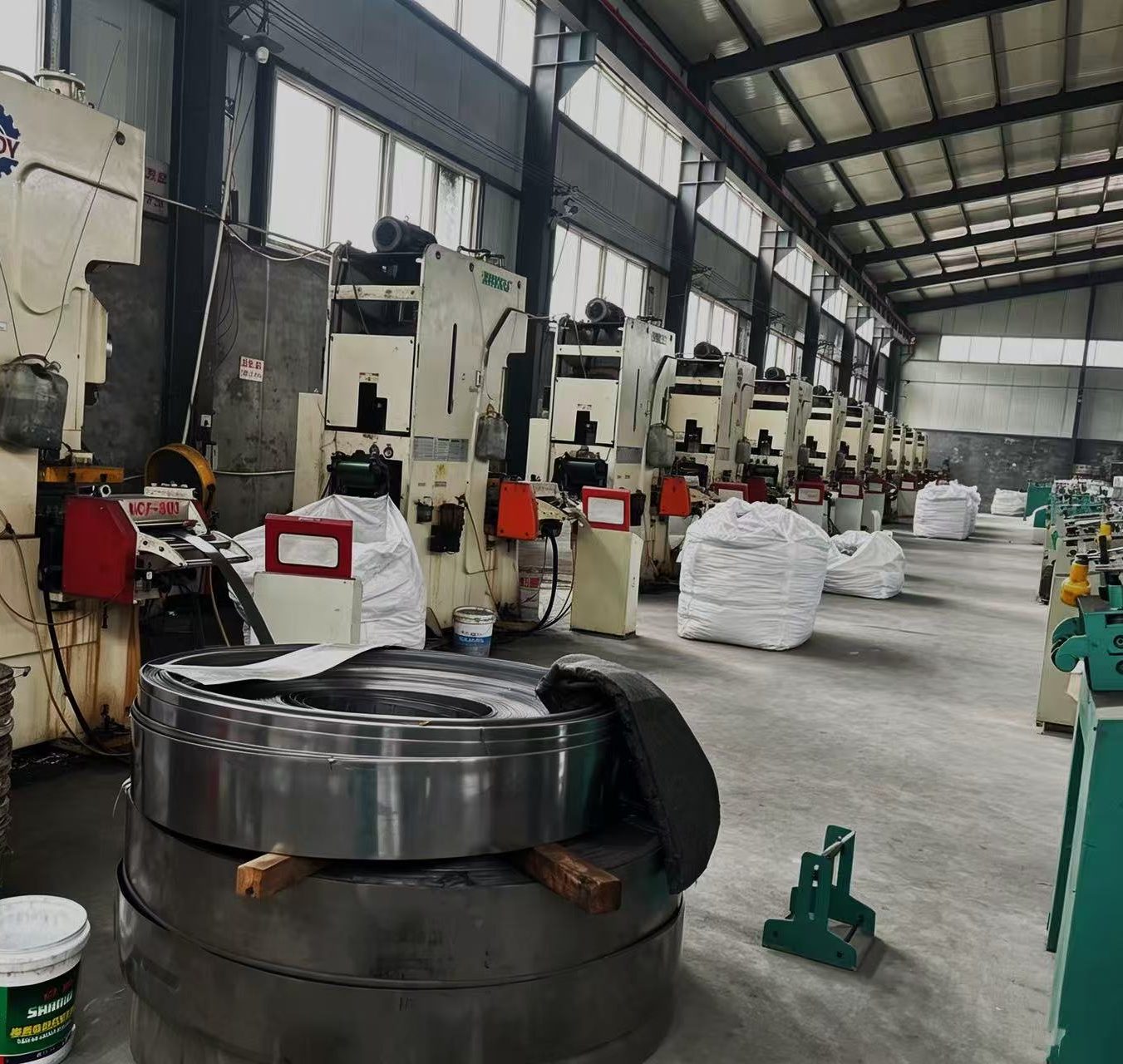
Selecting the right technical specifications is only half the battle; sourcing from a reliable manufacturer is equally critical to project success. As a global industry and trade combination company based in Handan, Hebei—China’s renowned hub for fastener manufacturing—we specialize in the development, production, and distribution of high-performance fasteners and hardware tools.
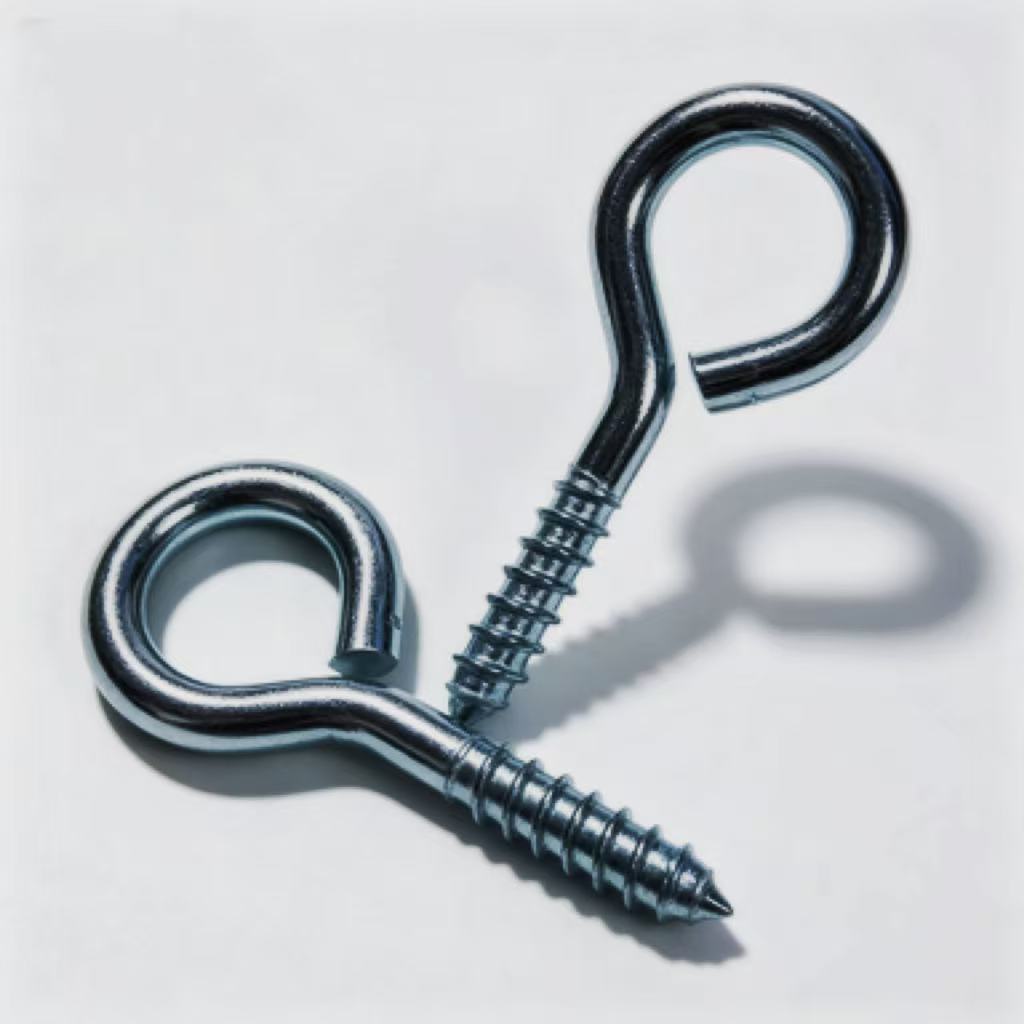
With over a decade of industry experience, our company has established a strong presence in more than 26 countries worldwide. While we are experts in a wide range of products including casing geckos and specialized wooden teeth welded sheep’s eye screws/bolts, our core commitment lies in delivering superior self drilling screws for construction that meet rigorous international standards such as GB, DIN, JIS, and ANSI.
We believe that innovation drives quality. Our dedicated technical team utilizes advanced production technology and comprehensive testing methods to ensure every fastener performs flawlessly under pressure. We adhere to a philosophy of integrity and customer-centricity, investing heavily in scientific research and high-tech talent to develop new products that address evolving market needs.
Whether you require standard specifications or custom solutions tailored to unique project requirements, our state-of-the-art machinery allows us to customize quality, quantity, and dimensions with precision. Guided by the principle of “quality first, customer first,” we strive to provide not just competitive pricing, but also thoughtful service that builds lasting partnerships. By choosing us as your supplier, you gain access to factory-direct advantages, ensuring consistent quality control and the reliability needed for large-scale construction endeavors.
Frequently Asked Questions (FAQ)
Addressing common queries helps clarify uncertainties and guides users toward the best decisions for their projects.
Can self drilling screws be used on wood?
While technically possible, it is not recommended. The drill point is designed for metal and may split wood or fail to create a clean hole. For wood applications, self-tapping screws with a auger point or standard wood screws are more appropriate and cost-effective.
How do I remove a self drilling screw?
Removal requires a reverse-setting on your power drill. If the head is accessible, simply engage the driver and reverse the rotation. If the head is stripped, you may need to use a screw extractor kit or carefully drill out the head, taking care not to damage the surrounding material.
What causes a self drilling screw to break during installation?
Breakage usually occurs due to excessive torque, hitting a hard spot in the metal, or using a screw that is too hard for the application. Ensuring the tool is set to the correct torque limit and verifying the material compatibility can prevent this issue.
Are factory direct prices significantly lower?
Purchasing self drilling screws for construction directly from the factory often eliminates middleman markups, resulting in better pricing, especially for bulk orders. It also allows for customizations in packaging, coating, and branding that distributors may not offer.
Do I need to lubricate the screws?
Most high-quality self-drilling screws come with a built-in wax or oil coating on the threads to reduce friction and heat. Additional lubrication is generally unnecessary and can attract dirt or interfere with the bonding of paints and sealants.
Conclusion and Next Steps
In summary, self drilling screws for construction represent a critical innovation in building technology, offering unparalleled efficiency, strength, and reliability. By integrating drilling and fastening into a single component, they streamline workflows and reduce overall project costs. Whether for steel framing, roofing, or mechanical installations, choosing the right specification—considering point type, coating, and material compatibility—is essential for success.
These fasteners are ideally suited for contractors, engineers, and project managers looking to optimize construction timelines without compromising on structural integrity. For large-scale developments, sourcing directly from reputable manufacturers ensures consistent quality and competitive pricing.
To proceed, evaluate your specific project requirements regarding material thickness and environmental exposure. Reach out to trusted suppliers to request samples or technical datasheets. Ensuring you have the correct fastener for the job is the first step toward a durable and successful construction outcome.