A washer is an essential home appliance designed to clean laundry automatically using water, detergent, and mechanical agitation. In 2026, modern washers integrate smart sensors, energy-efficient motors, and specialized cycles to handle diverse fabric types while minimizing utility consumption. This comprehensive guide explores the latest washer technologies, types, features, and expert insights to help you make an informed decision for your household needs.
What Is a Washer and How Does It Work?
At its core, a washer automates the labor-intensive process of cleaning clothes. Unlike manual washing, contemporary machines utilize a complex interplay of hydraulics, mechanics, and electronics. The fundamental operation involves filling a drum with water, introducing detergent, agitating the load to dislodge dirt, rinsing away residues, and spinning at high speeds to extract excess moisture.
The evolution of washer technology has shifted focus from simple mechanical rotation to intelligent fabric care. Current mainstream models employ variable speed drives and adaptive load sensing. These systems analyze the weight and texture of the laundry, adjusting water levels and cycle duration dynamically. This ensures optimal cleaning performance without wasting resources, a standard expectation in the industry today.
The Core Mechanics of Modern Washing
Understanding the internal workings helps consumers appreciate the value of different models. The process generally follows these critical stages:
- Fill Phase: Solenoid valves open to allow hot, cold, or mixed water into the tub based on the selected cycle settings.
- Wash Phase: An impeller or agitator moves clothes through the water, creating friction that lifts stains from fibers.
- Drain Phase: A pump removes soapy water, preparing the drum for the rinse cycle.
- Rinse Phase: Fresh water enters to flush out remaining detergent and loosened soil.
- Spin Phase: The drum rotates at high velocity, using centrifugal force to extract water, significantly reducing drying time.
Recent advancements have refined each stage. For instance, precision dispensers now release detergent at the exact moment it is most effective, preventing premature dilution. Furthermore, noise-reduction technologies have become standard, allowing for quieter operation even during high-speed spins.
Main Types of Washers Available in 2026
Choosing the right washer begins with understanding the primary configurations available in the market. The two dominant designs are top-load and front-load machines, each offering distinct advantages depending on user habits, space constraints, and budget considerations.
Top-Load Washers: Traditional Convenience
Top-load washers remain popular due to their ergonomic design and ease of use. Users can add forgotten items mid-cycle without interrupting the process significantly. Within this category, there are two sub-types: those with traditional agitators and high-efficiency (HE) models with impellers.
Agitator models use a central post to twist and turn clothes, providing robust cleaning action suitable for heavily soiled workwear. However, they may be harsher on delicate fabrics. Conversely, impeller models use a low-profile cone or disc at the bottom of the drum to create a turbulent water flow. This approach is gentler on clothes and allows for larger load capacities within the same external footprint.
Front-Load Washers: Efficiency and Care
Front-load washers have gained significant traction in recent years, driven by their superior water and energy efficiency. These machines tumble clothes through a small pool of water rather than submerging them completely. This mechanism reduces water usage substantially while maintaining excellent cleaning results.
The horizontal axis design also enables higher spin speeds. Faster extraction means clothes retain less water, leading to shorter drying times and lower energy bills if using an electric dryer. Additionally, the absence of an agitator provides more room for bulky items like comforters. Many experts consider front-loaders the premium choice for fabric longevity and operational cost savings.
Compact and Stackable Solutions
For urban living or smaller households, compact washers offer a viable solution. These units are often designed to be stackable with a matching dryer, maximizing vertical space. Despite their smaller dimensions, modern compact washers do not compromise on feature sets, often including steam cycles and smart connectivity found in full-sized counterparts.
Key Features Defining the 2026 Washer Market
The landscape of laundry appliances has transformed dramatically. Today’s washer is not just a cleaning tool but a connected hub for home management. Several key features distinguish current models from previous generations, focusing on convenience, sustainability, and fabric preservation.
Smart Connectivity and IoT Integration
Internet of Things (IoT) capability is now a standard expectation rather than a luxury. Smart washers allow users to monitor cycle progress, receive notifications when laundry is done, and even diagnose issues remotely via smartphone applications. Some advanced models support voice control integration, enabling hands-free operation.
Beyond remote monitoring, artificial intelligence plays a role in cycle optimization. Sensors detect soil levels and fabric types, automatically selecting the ideal wash parameters. This reduces the guesswork for users and prevents over-washing, which can degrade fabric quality over time.
Steam Technology and Sanitization
Steam cycles have become a cornerstone of modern hygiene-focused washing. By injecting steam into the drum, these cycles penetrate fibers deeply to loosen tough stains and reduce wrinkles. More importantly, steam sanitization effectively eliminates allergens, bacteria, and dust mites without the need for harsh chemicals or extremely hot water.
This feature is particularly beneficial for families with young children or individuals with sensitive skin. Industry consensus suggests that steam-enhanced cycles provide a level of cleanliness that traditional water-only cycles struggle to achieve, especially for synthetic blends that cannot withstand high temperatures.
Energy and Water Efficiency Standards
Sustainability is a driving force in appliance manufacturing. Current mainstream washers adhere to rigorous efficiency standards, utilizing brushless direct drive (BLDC) motors that consume less electricity and generate less heat. Advanced water recirculation systems further minimize consumption by reusing rinse water for subsequent loads where appropriate.
Consumers should look for certifications that validate these claims. While specific percentages vary by model, the general trend shows a consistent reduction in resource usage year over year. This shift not only benefits the environment but also translates to tangible savings on monthly utility bills.
Comparative Analysis: Top-Load vs. Front-Load
Selecting between top-load and front-load configurations often depends on specific household requirements. The following table outlines the primary differences to assist in the decision-making process.
| Feature | Top-Load Washer | Front-Load Washer |
| Water Usage | Higher; typically fills the entire tub | Lower; tumbles clothes through a shallow pool |
| Energy Efficiency | Moderate; heats more water | High; less water to heat, faster spin speeds |
| Fabric Care | Good; agitators can be rough on delicates | Excellent; gentle tumbling action preserves fibers |
| Load Capacity | Varies; impeller models offer high capacity | Generally higher; no central agitator obstruction |
| Ergonomics | High; no bending required to load/unload | Moderate; requires bending unless raised on a pedestal |
| Cycle Time | Shorter; typically 30-45 minutes | Longer; often 60-90 minutes due to tumbling |
| Maintenance | Low; less prone to mold issues | Moderate; requires door seal cleaning to prevent mold |
This comparison highlights that while top-loaders offer speed and ease of access, front-loaders excel in efficiency and garment care. The “best” choice is subjective and relies on prioritizing either convenience or long-term operational savings.
Expert Insights on Washer Maintenance and Longevity
Owning a high-quality washer is an investment that pays off over many years, provided it receives proper care. Industry professionals emphasize that regular maintenance is crucial for preventing common issues and extending the appliance’s lifespan. Neglecting simple upkeep tasks can lead to costly repairs or premature replacement.
Preventing Mold and Odors
One of the most frequent complaints, particularly with front-loading models, is the development of musty odors. This is usually caused by moisture trapped in the door gasket or detergent drawer. Experts recommend leaving the door slightly ajar between cycles to allow air circulation and drying.
Additionally, running a monthly cleaning cycle with a specialized washer cleaner or a mixture of vinegar and baking soda can remove soap scum and mineral buildup. Wiping down the rubber seal regularly ensures that debris does not accumulate, which can compromise the seal’s integrity and lead to leaks.
Optimizing Detergent Usage
Using the correct type and amount of detergent is vital for modern high-efficiency machines. Excessive suds can interfere with the tumbling action and strain the motor. It is essential to use HE-certified detergents, which produce low-sudsing formulas designed for low-water environments.
Overdosing detergent not only wastes money but also leaves residues on clothes, potentially causing skin irritation. Many new models feature automatic dispensing systems that measure the precise amount needed per load, eliminating human error and ensuring consistent results.
Leveling and Vibration Control
Proper installation is the first step toward longevity. An unlevel washer can vibrate excessively during the spin cycle, causing wear on internal components and damaging flooring. Users should ensure the appliance is perfectly level using adjustable feet and a spirit level.
If vibration persists, checking the load distribution is advisable. Washing single heavy items, like a rug, can cause imbalance. Modern washers often have auto-balance features that adjust the spin speed if an uneven load is detected, but distributing weight evenly remains a best practice.
The Importance of Quality Hardware in Appliance Manufacturing
While consumers focus on cycles and capacity, the durability and reliability of a washer often depend on the unseen components holding it together. High-performance appliances require fasteners and hardware tools that can withstand constant vibration, moisture, and mechanical stress. This is where global industry leaders specializing in precision manufacturing play a critical role.
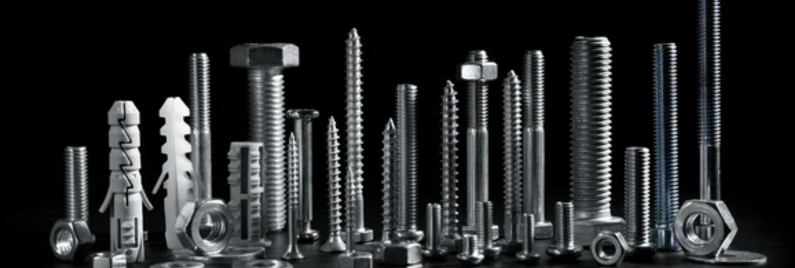
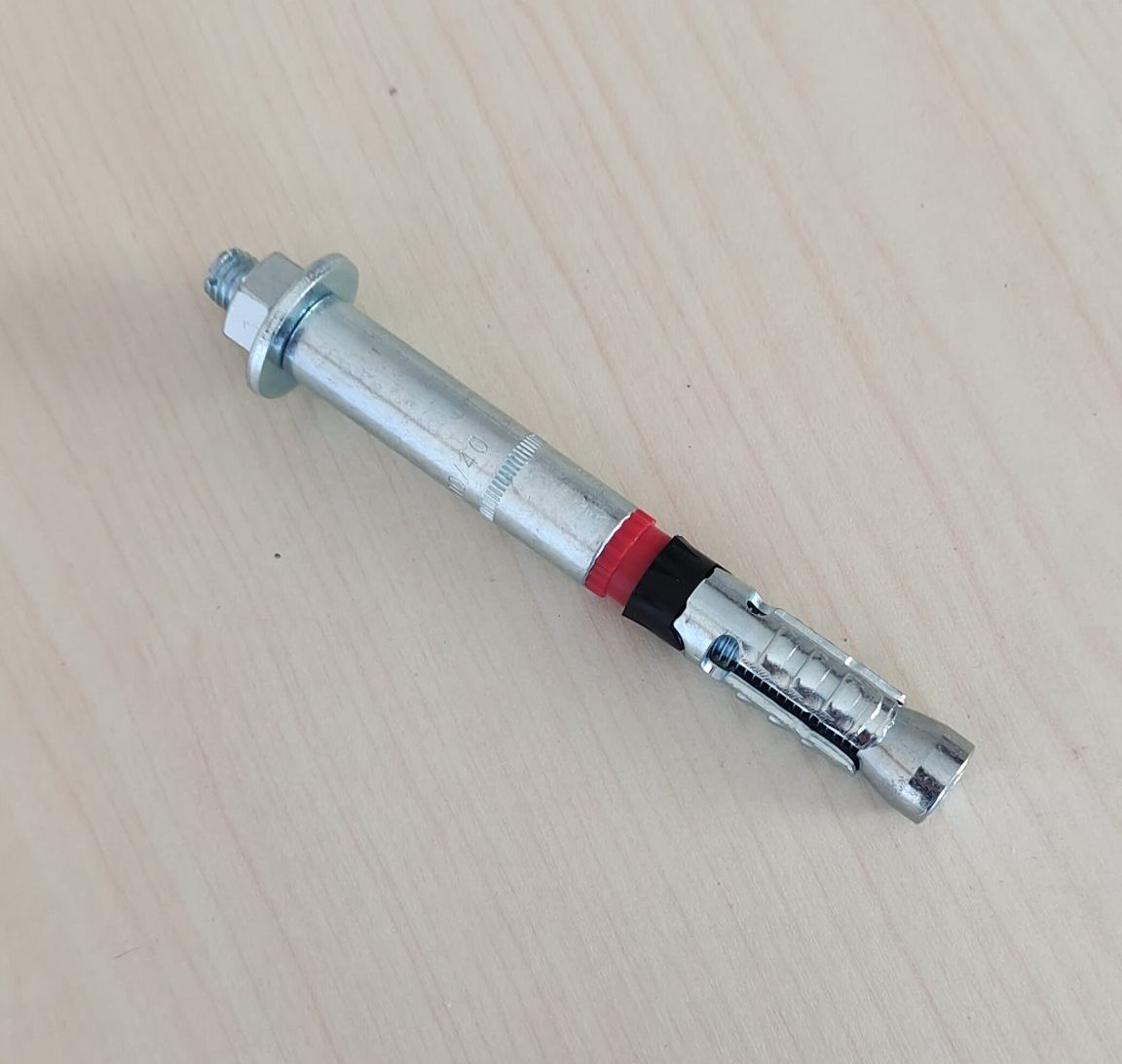
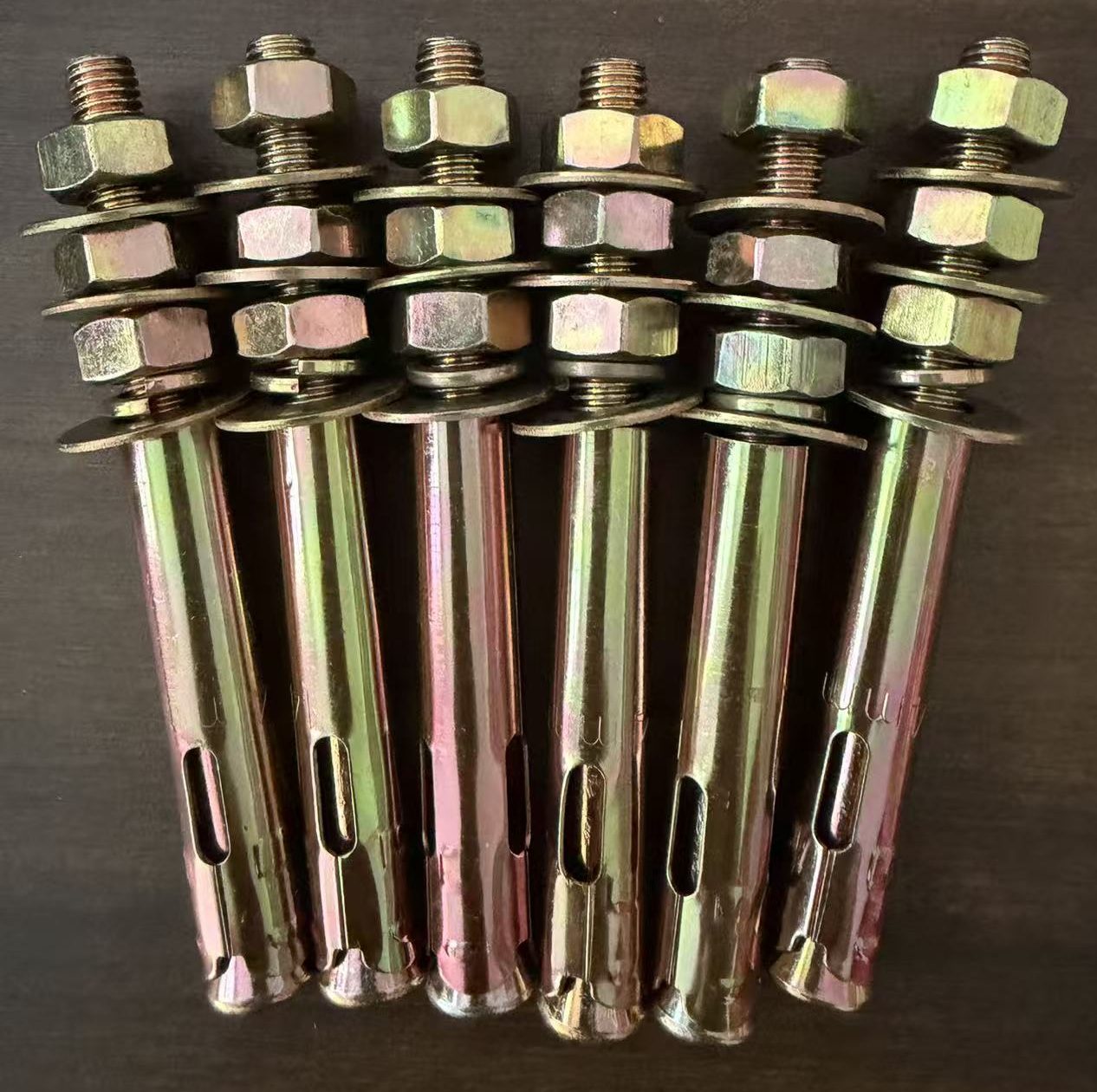
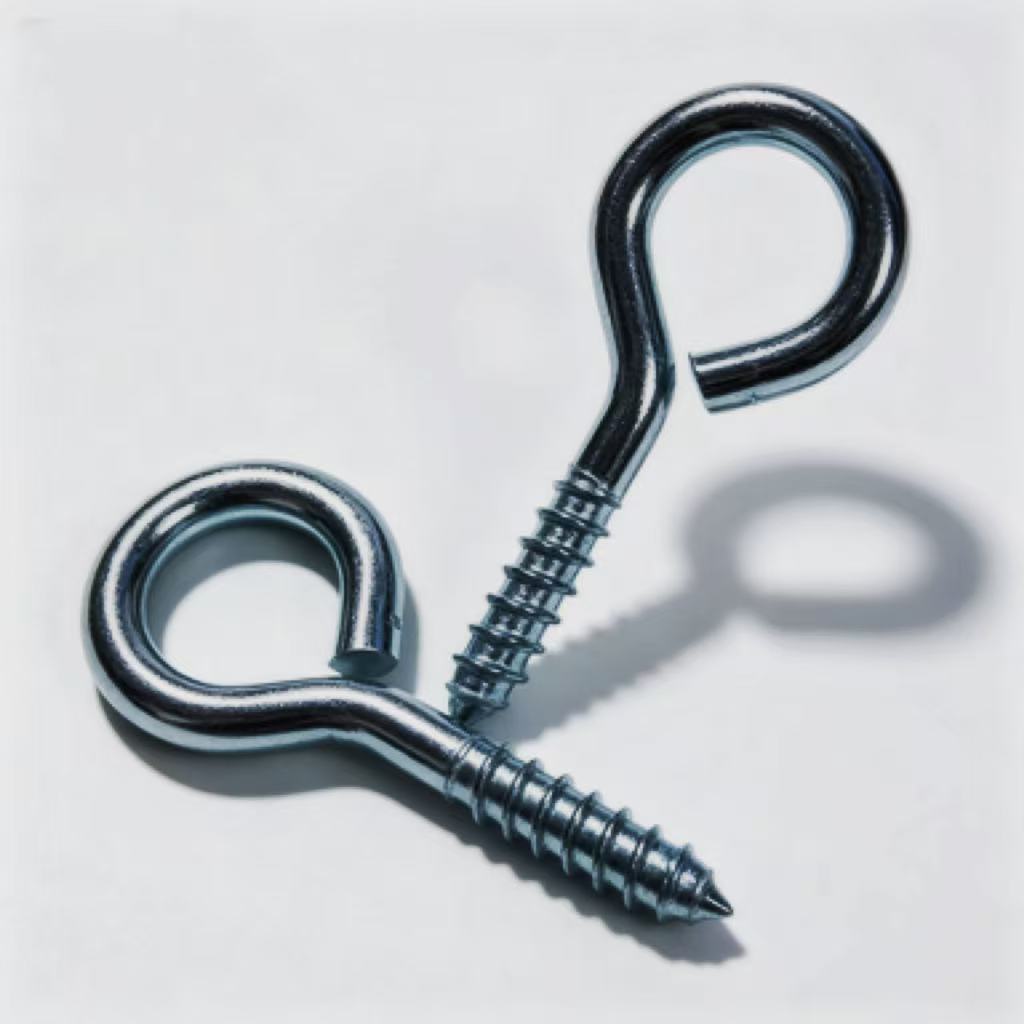
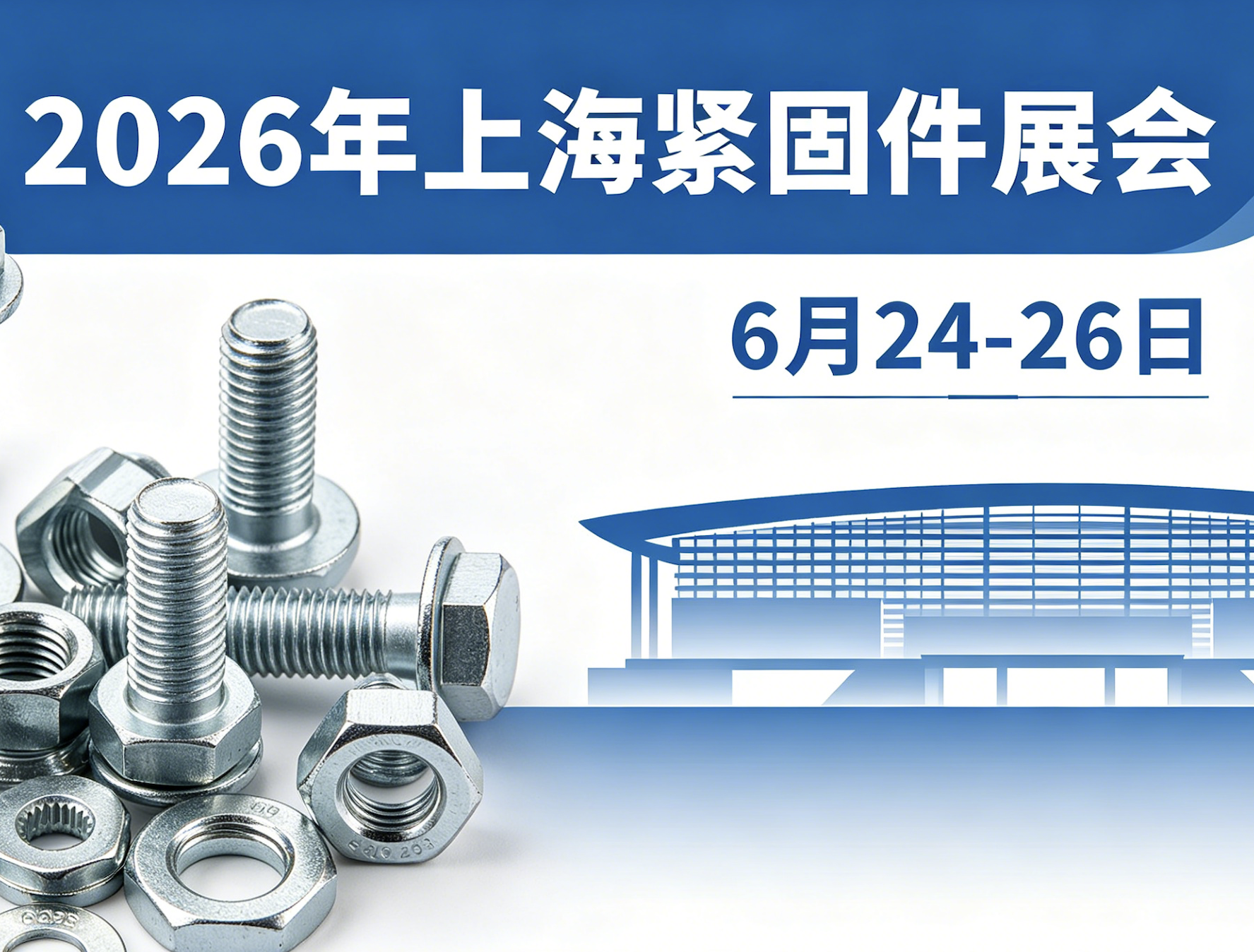
Based in Handan, Hebei, China—a city renowned as a hub for fastener manufacturing—our company operates as a global industry and trade combination entity with over a decade of experience. We specialize in the development, manufacturing, and service of high-grade fasteners and hardware tools, including various types of casing geckos, wooden teeth welded sheep’s eye screws/bolts, and other specialized products. Our commitment to “quality first, customer first” drives our investment in scientific research and the introduction of high-tech talent.
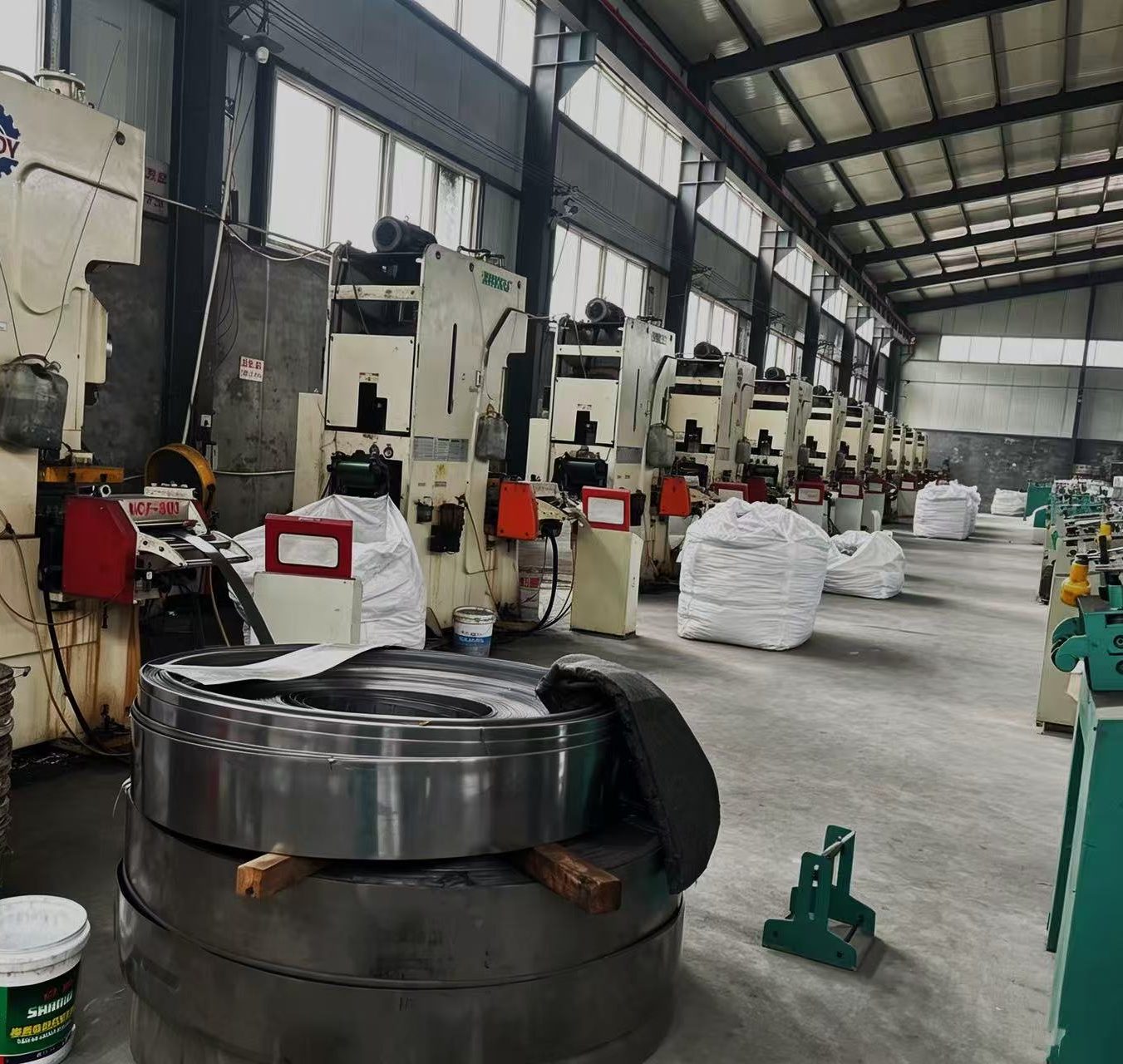
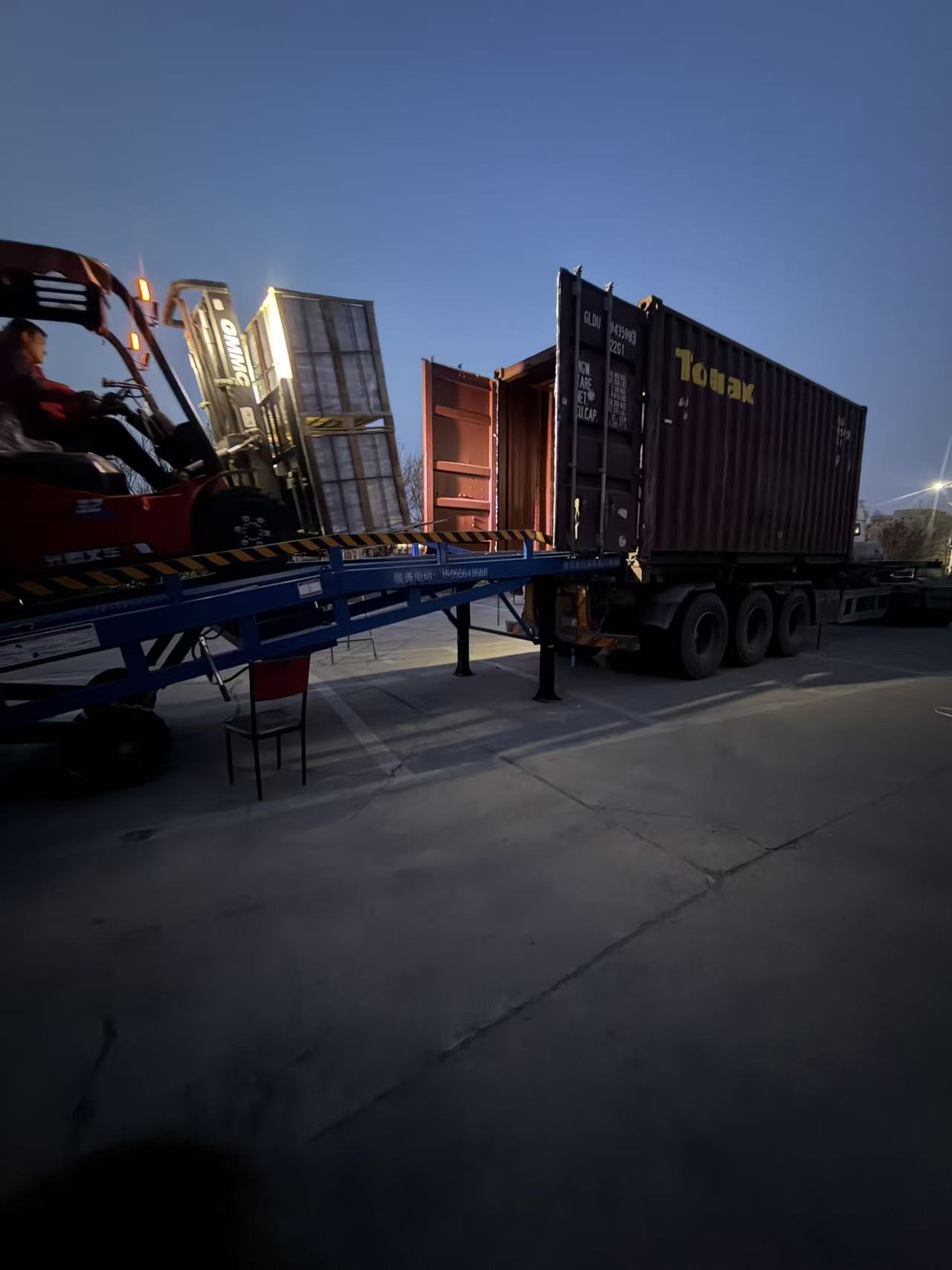
By utilizing advanced production technology and rigorous testing methods, we ensure our products meet international standards such as GB, DIN, JIS, and ANSI. With a professional technical team and state-of-the-art machinery, we provide customized solutions tailored to specific specifications, quality, and quantity needs. Our products are exported to more than 26 countries, supporting manufacturers who demand reliability. Just as a washer needs robust internal mechanics to function for 10 to 12 years, the integrity of its assembly relies on the superior quality of the fasteners supplied by dedicated partners like us.
Step-by-Step Guide: How to Choose the Right Washer
Navigating the myriad of options can be overwhelming. Following a structured approach ensures that the selected washer aligns perfectly with household needs and constraints. This step-by-step guide simplifies the selection process.
- Assess Space Constraints: Measure the available width, depth, and height accurately. Consider door swing clearance for front-loaders and lid lift height for top-loaders. Determine if a stackable unit is necessary.
- Calculate Household Size: Estimate the average weekly laundry volume. Larger families benefit from high-capacity drums (4.5 cu. ft. or more), while singles or couples may find compact or standard sizes sufficient.
- Identify Fabric Needs: Analyze the types of clothing washed most frequently. Households with many delicates or athletic wear should prioritize steam cycles and gentle wash options. Those with heavy workwear may need robust agitation.
- Set a Budget and Evaluate ROI: Determine the upfront budget but consider long-term savings. Higher-efficiency models may cost more initially but reduce utility bills significantly over their lifespan.
- Review Feature Priorities: List must-have features versus nice-to-haves. Smart connectivity might be essential for some, while others may prefer simple mechanical dials. Focus on reliability and core performance.
- Check Warranty and Support: Verify the manufacturer’s warranty coverage, particularly for the motor and drum. Reliable customer support and availability of spare parts are indicators of a trustworthy brand.
By systematically addressing these factors, consumers can narrow down the choices to a few ideal candidates. This methodical approach prevents impulse buying and ensures satisfaction with the purchase for years to come.
Common Applications and Specialized Cycles
Modern washers are engineered to handle a wide array of laundry scenarios beyond standard cotton loads. Understanding specialized cycles allows users to maximize the utility of their appliance and protect valuable garments.
Delicate and Hand-Wash Simulations
Cycles labeled as “Delicate” or “Hand Wash” mimic the gentle motion of manual cleaning. They utilize slower agitation and reduced spin speeds to prevent stretching or tearing fragile fabrics like silk, lace, and wool. This capability reduces the need for professional dry cleaning, offering significant cost savings over time.
Heavy-Duty and Bedding Cycles
For bulky items such as blankets, comforters, and heavily soiled sports uniforms, heavy-duty cycles provide extended wash times and vigorous agitation. These programs ensure that water and detergent penetrate thick layers effectively. Some models include a specific “Bedding” mode that optimizes the drum movement to prevent large items from balling up.
Quick Wash and Express Options
In fast-paced lifestyles, the ability to refresh lightly soiled clothes quickly is invaluable. Quick wash cycles complete the entire process in under 30 minutes. While not suitable for stained or heavy loads, they are perfect for refreshing gym clothes or outfits worn briefly, promoting a culture of frequent, small loads rather than infrequent massive ones.
Frequently Asked Questions (FAQ)
Addressing common queries helps clarify uncertainties regarding washer ownership and operation. Below are answers to frequently asked questions based on current industry standards.
How long does a typical washer last?
On average, a well-maintained washer lasts between 10 to 12 years. Lifespan varies based on usage frequency, load sizes, and adherence to maintenance schedules. High-quality components and regular cleaning can extend this duration significantly.
Is it worth buying a smart washer?
Smart washers offer genuine convenience through remote monitoring and diagnostic capabilities. For tech-savvy users or those who value proactive maintenance alerts, the investment is worthwhile. However, if basic washing functionality is the only requirement, non-connected models remain highly effective and often more affordable.
Can I stack any washer and dryer together?
No, stacking is generally only safe and stable when pairing matching models from the same manufacturer designed for stacking. Using a proper stacking kit is mandatory to secure the units. Attempting to stack incompatible models poses a safety risk and may void warranties.
Why do front-load washers take longer?
Front-loaders rely on tumbling actions and lower water levels, which require more time to achieve the same cleaning efficacy as top-loaders that submerge clothes. The extended cycle allows for thorough soaking and mechanical action, resulting in better stain removal and water efficiency.
Do I need to use special detergent for HE washers?
Yes, High-Efficiency (HE) washers require low-sudsing HE detergent. Regular detergent creates excessive foam in low-water environments, which can reduce cleaning performance, cause overflow errors, and potentially damage the machine’s pump system.
Conclusion: Making the Final Decision
Selecting the right washer in 2026 involves balancing performance, efficiency, and specific household needs. Whether opting for the ergonomic convenience of a top-loader or the superior efficiency of a front-loader, the key lies in understanding the features that matter most to your lifestyle. Advances in smart technology, steam sanitation, and energy conservation have raised the bar for what consumers can expect from this essential appliance.
This guide is ideal for homeowners upgrading outdated units, new residents furnishing their first apartment, or anyone seeking to optimize their laundry routine. By prioritizing durability, appropriate capacity, and relevant features, you can ensure a seamless laundry experience for years to come.
As you move forward, evaluate your current pain points with laundry day. Are you looking to save time, reduce utility costs, or protect delicate fabrics? Use these insights to narrow your search, compare specific models within your preferred category, and consult detailed specifications before making your final purchase. Investing time in research now will yield dividends in convenience and reliability for your household.