A DIN125 flat washer is a standardized plain washer defined by the German Institute for Standardization, designed to distribute the load of a threaded fastener and protect mating surfaces. Characterized by its specific inner and outer diameter ratios and uniform thickness, this component is essential in mechanical assemblies requiring precise clearance and reliable load distribution across metric bolt sizes.
What Is a DIN125 Flat Washer?
The DIN125 flat washer represents one of the most ubiquitous components in global mechanical engineering and construction industries. As a standard form A plain washer, it serves a critical function in bolted joints by increasing the bearing surface area. This action reduces contact pressure on the material being fastened, preventing damage during tightening and ensuring long-term structural integrity.
Unlike generic washers that may vary in dimensions, a component adhering to the DIN125 specification guarantees strict dimensional consistency. This standardization allows engineers and procurement specialists to rely on predictable performance metrics regardless of the manufacturer, provided the part meets the official tolerance requirements.
The design philosophy behind this standard focuses on simplicity and reliability. It provides a smooth, flat interface between the nut or bolt head and the substrate. This is particularly vital when working with soft materials like aluminum, wood, or certain plastics where concentrated stress could lead to deformation or failure.
Historical Context and Global Adoption
Originally established by the Deutsches Institut für Normung, the DIN125 standard has transcended its German origins to become a de facto global benchmark. While newer ISO standards (such as ISO 7089) have harmonized many specifications, the term “DIN125” remains the primary search query and industry identifier for this specific geometry.
Industry professionals prefer this designation because it immediately conveys specific dimensional expectations. When a blueprint specifies a DIN125 washer, there is no ambiguity regarding the outer diameter relative to the bolt size, ensuring that the selected component fits within the allocated space without interference.
Key Technical Specifications and Dimensions
Understanding the precise dimensions of a DIN125 flat washer is crucial for proper selection. The standard defines the nominal size based on the thread diameter of the associated bolt. However, the actual inner diameter (ID) is slightly larger than the nominal bolt size to allow for easy insertion and minor misalignment.
The outer diameter (OD) and thickness are mathematically correlated to the nominal size to ensure adequate load distribution without adding unnecessary bulk. These dimensions are not arbitrary; they are calculated to optimize the balance between material usage and mechanical performance.
Tolerances play a significant role in the quality of these washers. High-precision applications require washers manufactured within tight tolerance classes, often referred to as Class C or higher precision grades depending on the specific production batch requirements. Deviations beyond these limits can compromise the joint’s stability.
Dimensional Data Table
The following table outlines the standard dimensions for common metric sizes. Note that these values represent the typical specifications found in current mainstream manufacturing.
| Nominal Size (d) | Inner Diameter (d1) min | Outer Diameter (d2) max | Thickness (h) nominal | Typical Bolt Compatibility |
| M3 | 3.2 mm | 7.0 mm | 0.5 mm | M3 Bolts |
| M4 | 4.3 mm | 9.0 mm | 0.8 mm | M4 Bolts |
| M5 | 5.3 mm | 10.0 mm | 1.0 mm | M5 Bolts |
| M6 | 6.4 mm | 12.0 mm | 1.6 mm | M6 Bolts |
| M8 | 8.4 mm | 17.0 mm | 1.6 mm | M8 Bolts |
| M10 | 10.5 mm | 20.0 mm | 2.0 mm | M10 Bolts |
| M12 | 13.0 mm | 24.0 mm | 2.5 mm | M12 Bolts |
| M16 | 17.0 mm | 30.0 mm | 3.0 mm | M16 Bolts |
It is important to note that slight variations may exist depending on the specific manufacturing process and the year of the standard revision referenced. Always consult the latest technical datasheets for mission-critical applications where micron-level precision is required.
Material Grades and Surface Finishes
The performance of a DIN125 flat washer is heavily influenced by its material composition. While the geometry remains constant, the choice of material dictates the washer’s resistance to corrosion, temperature extremes, and tensile stress. Selecting the wrong material can lead to premature failure even if the dimensions are perfect.
Carbon Steel is the most common material used for general-purpose applications. Often plated with zinc or phosphate, these washers offer a good balance of strength and cost-effectiveness. They are suitable for indoor machinery and automotive components where exposure to harsh elements is minimal.
Stainless Steel, particularly grades A2 (304) and A4 (316), is the preferred choice for environments prone to moisture or chemical exposure. A2 is standard for most outdoor applications, while A4 provides superior resistance against chlorides, making it ideal for marine environments and chemical processing plants.
Brass and Copper variants are utilized primarily for their electrical conductivity and non-magnetic properties. These are frequently found in electrical grounding systems and specialized instrumentation where magnetic interference must be avoided. Additionally, their natural corrosion resistance makes them suitable for plumbing fixtures.
Surface Treatment Options
Surface finishes are not merely aesthetic; they serve as the first line of defense against environmental degradation. The type of plating applied to a carbon steel washer significantly extends its service life.
- Zinc Plating: Provides a bright, silver appearance and moderate corrosion resistance. Ideal for indoor use and dry environments.
- Hot Dip Galvanizing: Offers a thicker coating with a spangled finish, providing robust protection for outdoor structures and heavy-duty infrastructure.
- Phosphate Coating: Creates a dark gray matte finish that retains oil well, offering excellent friction control and moderate rust prevention.
- Geomet® or Dacromet: Advanced thin-film coatings that provide high corrosion resistance without the risk of hydrogen embrittlement, often used in automotive safety components.
Primary Functions and Mechanical Advantages
The integration of a DIN125 flat washer into a fastening assembly delivers several distinct mechanical advantages. Understanding these functions helps engineers justify their inclusion in designs where space or weight might otherwise be constrained.
Load Distribution: The primary role is to spread the clamping force of the nut or bolt head over a wider area. Without a washer, the concentrated pressure could crush soft substrates or deform the hole, leading to a loss of preload and joint loosening over time.
Surface Protection: During the tightening process, the rotating nut or bolt head can scratch or gouge the mating surface. The washer acts as a sacrificial buffer, preserving the finish and structural integrity of the assembled parts. This is crucial for painted surfaces or polished components.
Compensation for Irregularities: No manufactured surface is perfectly flat. Washers help bridge minor gaps or unevenness around the bolt hole, ensuring that the clamping force is applied perpendicular to the axis of the bolt. This alignment reduces bending stresses on the fastener itself.
Friction Management
In dynamic applications, managing friction is vital for maintaining consistent torque values. A smooth, hardened washer provides a consistent coefficient of friction between the rotating fastener and the static joint. This consistency ensures that the applied torque translates accurately into clamp load, reducing the risk of under-tightening or over-tightening.
Furthermore, in vibrating environments, the presence of a washer can alter the friction dynamics enough to delay the onset of self-loosening, although it is not a locking device in itself. It works in tandem with other locking mechanisms to maintain joint security.
DIN125 vs. Other Washer Standards
While the DIN125 flat washer is a global staple, it is often compared to other forms and standards. Distinguishing these differences is essential for selecting the correct component for specific engineering challenges. Confusing these types can lead to assembly failures or non-compliance with design specifications.
The most common comparison is between DIN125 (Form A) and DIN9021 (Form B). Form A washers have a larger outer diameter relative to their thickness, making them suitable for general purposes. Form B washers are smaller in outer diameter and are typically used where space is limited or when paired with specific socket head cap screws.
Another frequent point of confusion involves the distinction between plain washers and spring washers. Unlike DIN125, which is flat and rigid, spring washers (such as DIN127) are designed to exert axial force to prevent loosening. They serve different functions and are often used together in high-vibration assemblies.
Comparison Table: DIN125 Form A vs. DIN9021 Form B
| Feature | DIN125 (Form A) | DIN9021 (Form B) |
| Outer Diameter | Larger (Standard) | Smaller (Compact) |
| Primary Application | General purpose, soft materials | Space-constrained areas, hex socket bolts |
| Load Distribution Area | High | Moderate |
| Compatibility | Hex bolts, standard nuts | Socket head cap screws |
| Thickness Ratio | Thinner relative to OD | Thicker relative to OD |
Choosing between these forms depends entirely on the design constraints. If the goal is maximum surface protection on a soft material, DIN125 is the superior choice. If the assembly involves a counterbored hole or limited radial space, DIN9021 becomes the necessary alternative.
Step-by-Step Guide: Proper Installation Practices
To maximize the effectiveness of a DIN125 flat washer, correct installation is paramount. Even the highest quality washer cannot perform its function if installed incorrectly. Following a systematic approach ensures optimal joint performance and longevity.
Step 1: Surface Preparation
Before installation, inspect the mating surfaces for debris, burrs, or paint buildup around the bolt hole. Clean the area to ensure the washer sits perfectly flat. Any obstruction beneath the washer will create uneven loading.
Step 2: Orientation Check
While DIN125 washers are generally symmetrical, some manufactured versions may have slight burrs from the punching process. Place the washer so that the smoother side faces the rotating element (nut or bolt head) to minimize friction variance.
Step 3: Placement
Slide the washer onto the bolt shank until it rests against the substrate. Ensure it is centered over the hole. If using a combination of washers (e.g., a spring washer and a flat washer), the flat DIN125 washer should always be placed against the stationary surface, with the spring washer between the flat washer and the nut.
Step 4: Tightening
Begin threading the nut by hand to avoid cross-threading. Use a calibrated torque wrench to tighten the fastener to the specified value. The washer will begin to compress slightly, distributing the load evenly. Avoid exceeding the yield strength of the washer material.
Step 5: Final Inspection
After tightening, verify that the washer has not shifted or rotated excessively. In critical applications, mark the position of the nut and washer to monitor any potential loosening during subsequent maintenance checks.
Common Applications Across Industries
The versatility of the DIN125 flat washer makes it indispensable across a vast array of sectors. Its ability to adapt to different materials and environmental conditions ensures its continued relevance in modern manufacturing.
In the Automotive Industry, these washers are found in engine assemblies, chassis connections, and interior trim fittings. They protect lightweight aluminum castings from the high clamping forces of steel bolts and help manage vibration-induced stress in moving parts.
The Construction Sector relies heavily on galvanized DIN125 washers for steel frameworks, roofing systems, and façade attachments. Here, the focus is on weather resistance and the ability to maintain joint integrity over decades of exposure to wind, rain, and temperature fluctuations.
Electronics and Electrical Engineering utilize brass or stainless steel variants for grounding connections and component mounting. The precise dimensions ensure reliable electrical contact while preventing damage to delicate circuit boards or enclosure walls.
Specialized Use Cases
Beyond standard industrial uses, specialized applications demand specific attributes of the DIN125 design. In aerospace prototypes, high-strength alloy washers meeting DIN125 dimensions are used where weight savings and reliability are critical. Similarly, in food processing machinery, polished stainless steel washers prevent bacterial accumulation and withstand frequent sanitization cycles.
Frequently Asked Questions (FAQ)
Addressing common queries helps clarify misconceptions and guides users toward the right product choices. Below are expert answers to frequently asked questions regarding DIN125 flat washers.
Can I substitute a DIN125 washer with a standard SAE washer?
Generally, no. SAE (Society of Automotive Engineers) washers follow imperial dimensions that differ significantly from metric DIN125 specifications. An SAE washer may have an incorrect inner diameter that is too loose for a metric bolt, or an outer diameter that does not fit the intended space. Substitution can compromise joint safety and should only be done after rigorous engineering verification.
What is the hardness rating of a standard DIN125 washer?
Standard carbon steel DIN125 washers typically have a hardness ranging from 140 to 200 HV (Vickers Hardness). Stainless steel variants usually fall between 150 and 250 HV depending on the grade (A2 vs A4). For high-stress applications, hardened washers with ratings up to 350 HV or higher are available but must be specified explicitly.
How do I identify if a washer is truly DIN125 compliant?
Visual inspection alone is insufficient. True compliance requires dimensional verification using calipers against the standard tolerance tables. Reputable suppliers provide material certificates and test reports confirming that the batch meets DIN125 requirements. Look for markings on the packaging or certification documents rather than relying solely on the physical appearance.
Is it necessary to use a washer with every bolt?
While not legally mandatory in all contexts, it is highly recommended engineering practice. Exceptions exist where the bolt head or nut is designed with an integrated flange to serve the same purpose. However, for standard hex bolts and nuts, omitting the washer increases the risk of surface damage and inconsistent preload, potentially leading to joint failure.
Does the thickness of the washer affect the torque value?
Yes, indirectly. Thicker washers can alter the effective grip length of the bolt and change the friction dynamics during tightening. While the impact is often negligible in general applications, precision assemblies may require torque adjustments when switching between standard and thick-series washers to achieve the target clamp load.
Expert Insights: Selection and Quality Assurance
Selecting the right DIN125 flat washer goes beyond matching the bolt size. Experienced engineers consider the total system environment. Factors such as galvanic corrosion potential between the washer and the substrate, thermal expansion coefficients, and dynamic load profiles must be evaluated.
Quality assurance is another critical pillar. In recent years, the market has seen an influx of sub-standard components that claim compliance but fail to meet tolerance requirements. Procurement teams are advised to source from established suppliers who adhere to strict quality management systems. Requesting sample testing for critical batches is a prudent step to mitigate risk.
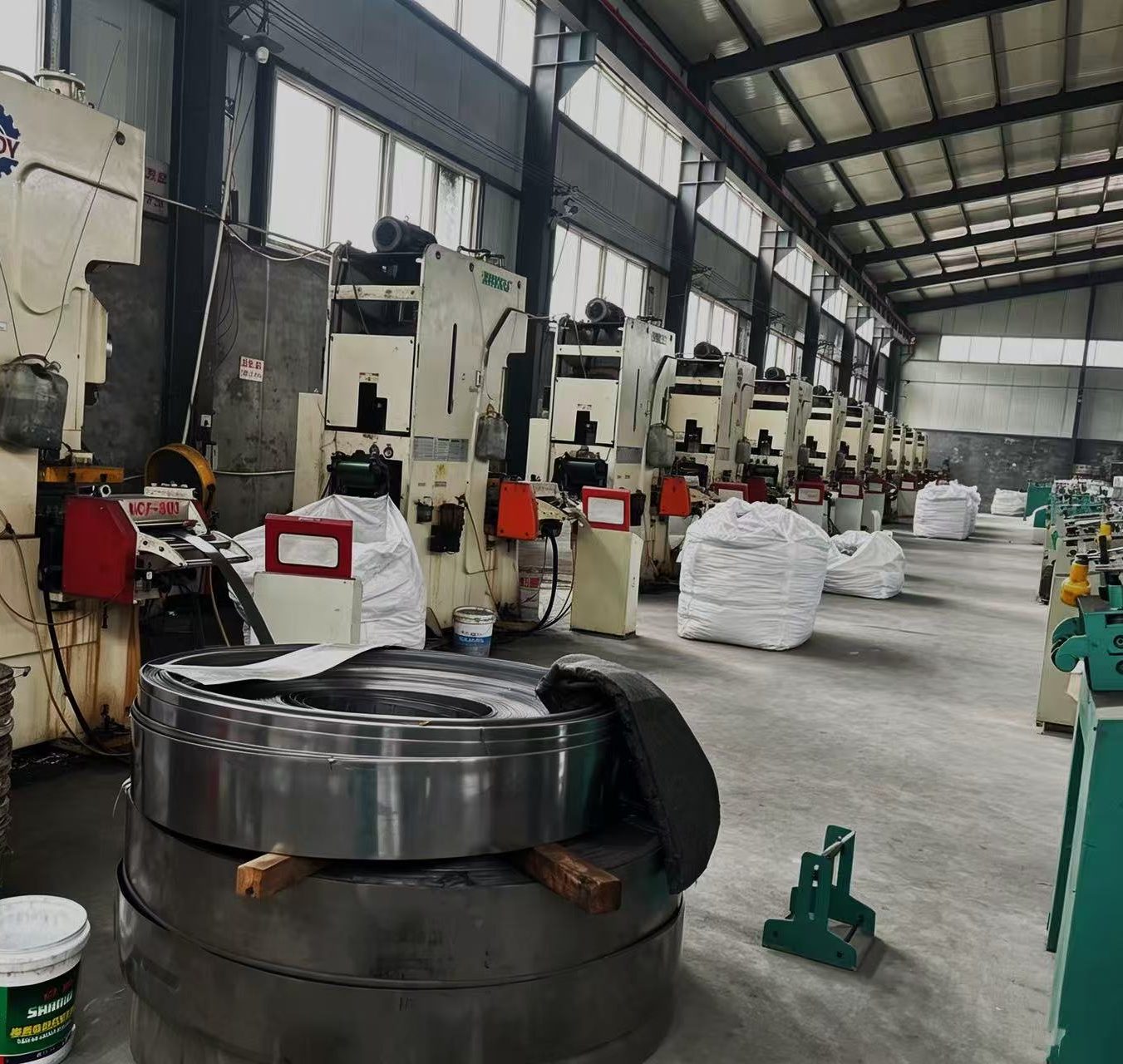
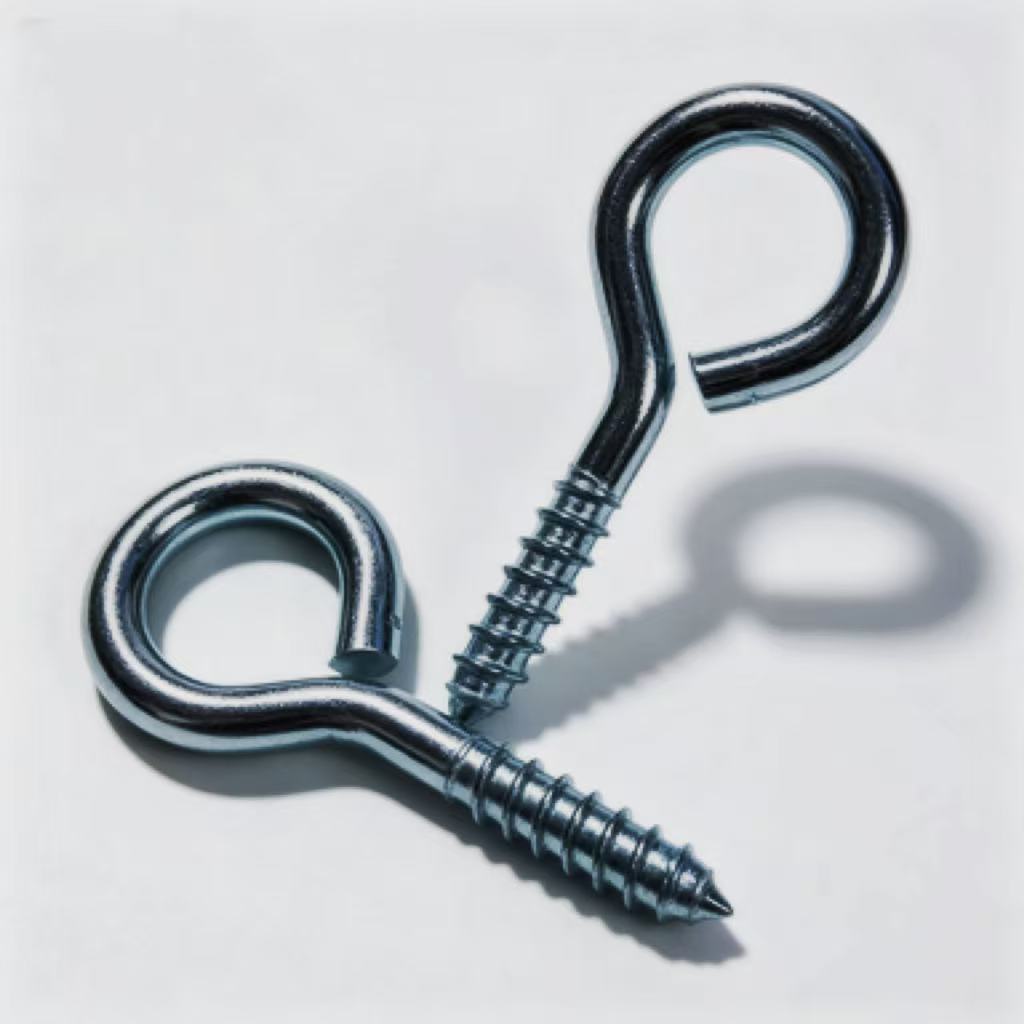
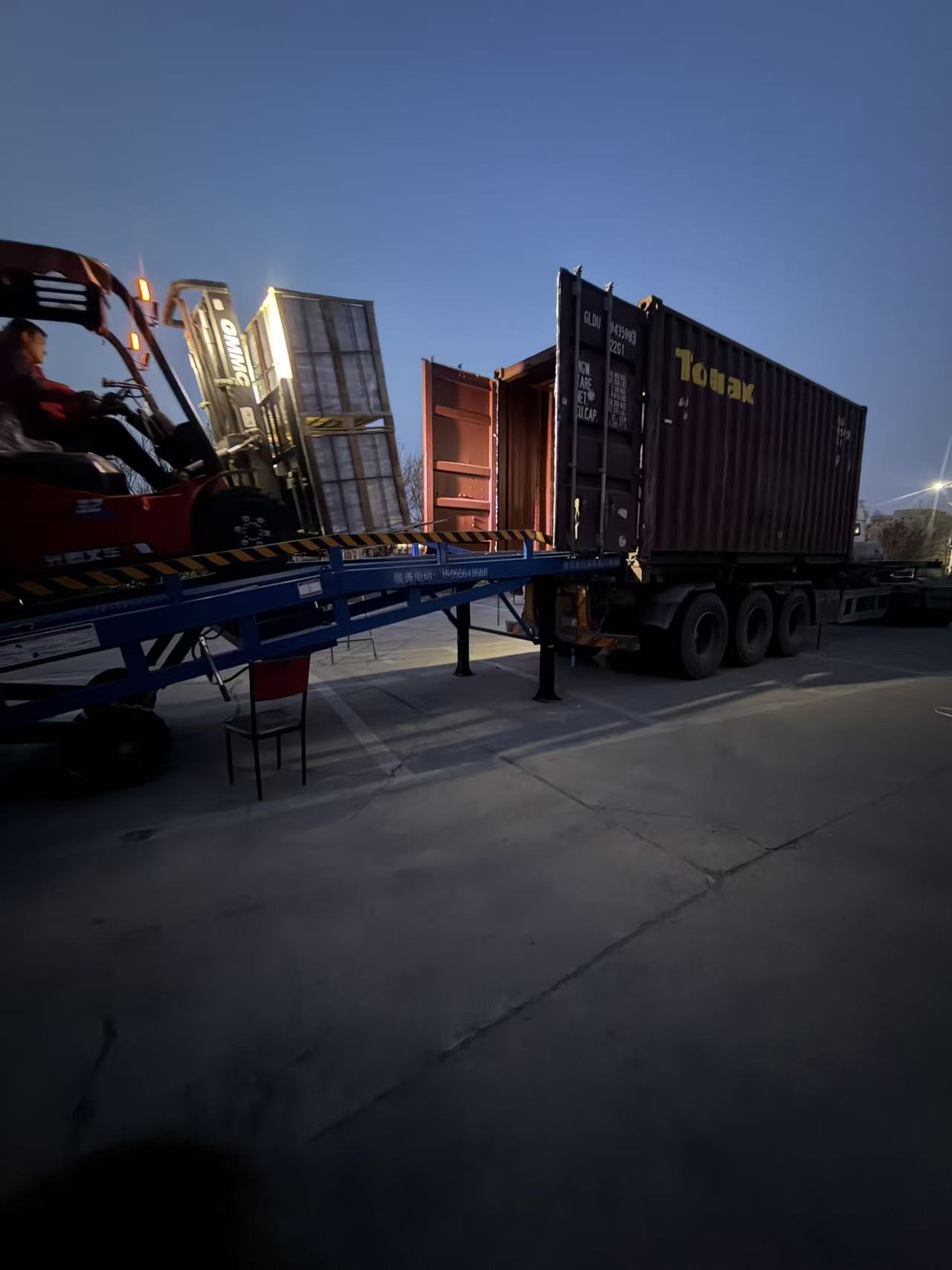
For organizations seeking a reliable partner in this domain, our company stands out as a global industry and trade combination entity specializing in the development, manufacturing, and service of fasteners and hardware tools. Located in Handan, Hebei—China’s premier fastener manufacturing hub—we bring over a decade of industry experience to the table. Our portfolio extends beyond standard washers to include specialized products like casing geckos and wooden teeth welded sheep’s eye screws, serving clients in more than 26 countries.
We are deeply committed to innovation and integrity, investing heavily in scientific research and high-tech talent to utilize advanced production technologies. Our rigorous testing methods ensure that every product we deliver meets international standards including GB, DIN, JIS, and ANSI. Whether you require off-the-shelf DIN125 washers or custom specifications tailored to unique project needs, our professional technical team and advanced machinery enable us to provide high-quality solutions at competitive prices. Adhering to the principle of “quality first, customer first,” we strive to maintain our reputation by delivering thoughtful service that meets and exceeds customer expectations.
Furthermore, the trend towards lightweighting in automotive and aerospace sectors has increased the demand for high-strength, thin-profile washers that still meet DIN125 footprint requirements. This drives innovation in material science, leading to new alloys that offer superior strength-to-weight ratios.
Conclusion and Next Steps
The DIN125 flat washer remains a cornerstone of reliable mechanical assembly, offering a proven solution for load distribution, surface protection, and joint stability. Its standardized dimensions ensure interoperability across global supply chains, while its simple design belies its critical importance in maintaining structural integrity.
This guide is ideal for engineers, procurement specialists, and maintenance technicians seeking to understand the nuances of washer selection and application. Whether you are designing a new machine or maintaining existing infrastructure, choosing the correct specification is vital for safety and performance.
To ensure optimal results, always verify the material compatibility with your specific environment and adhere to recommended installation torque values. For critical projects, consult with technical experts to review your bill of materials and confirm that all fastening components, including the DIN125 flat washer, meet the necessary industry standards for your application.