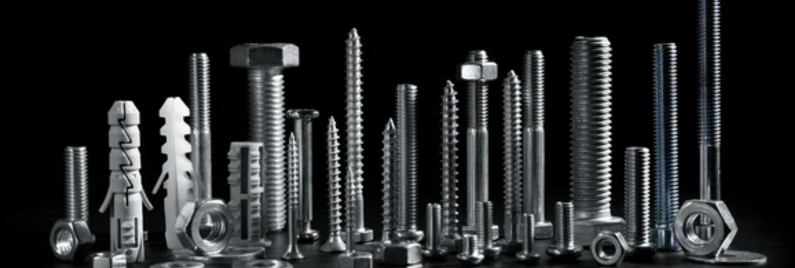
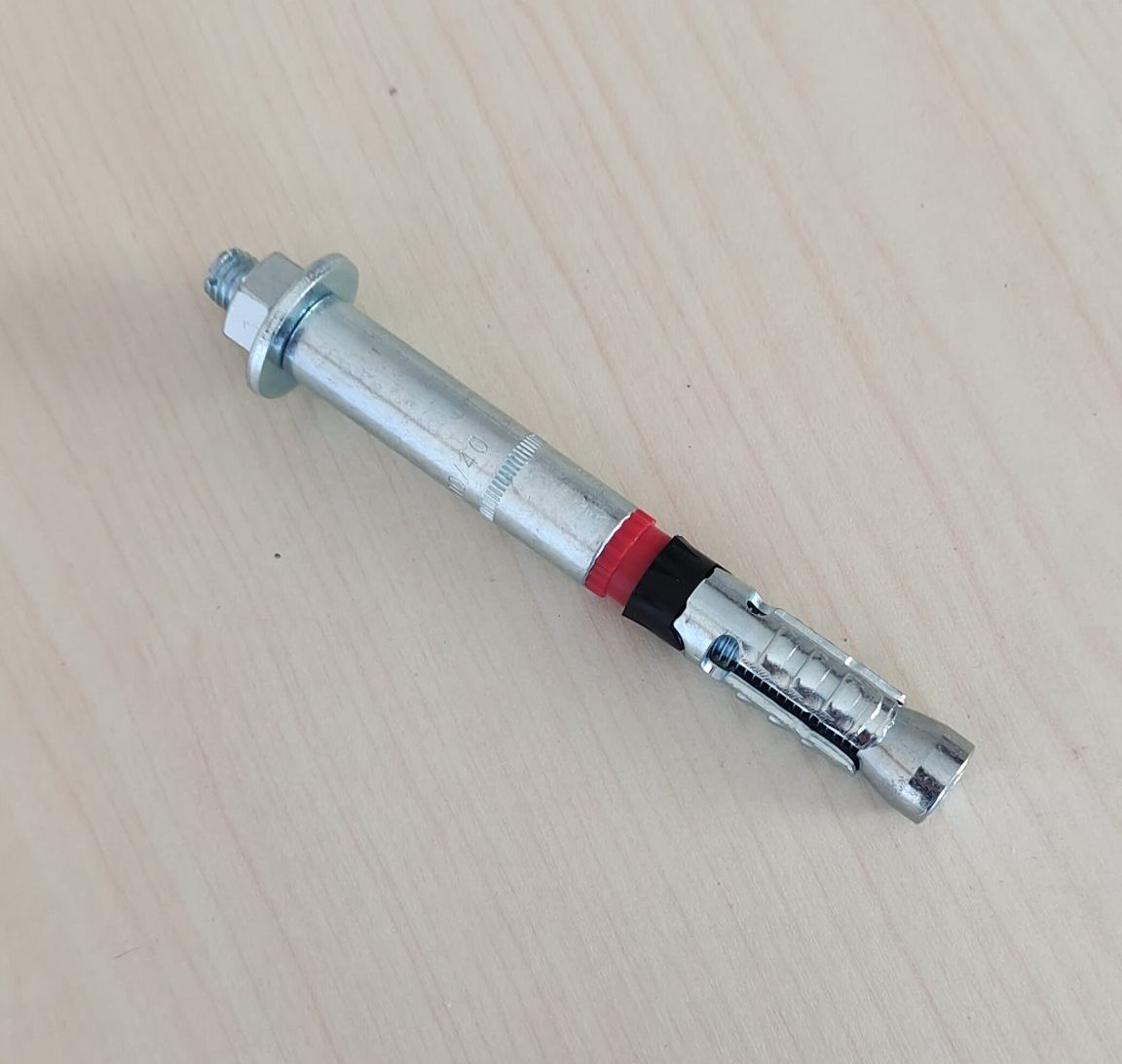
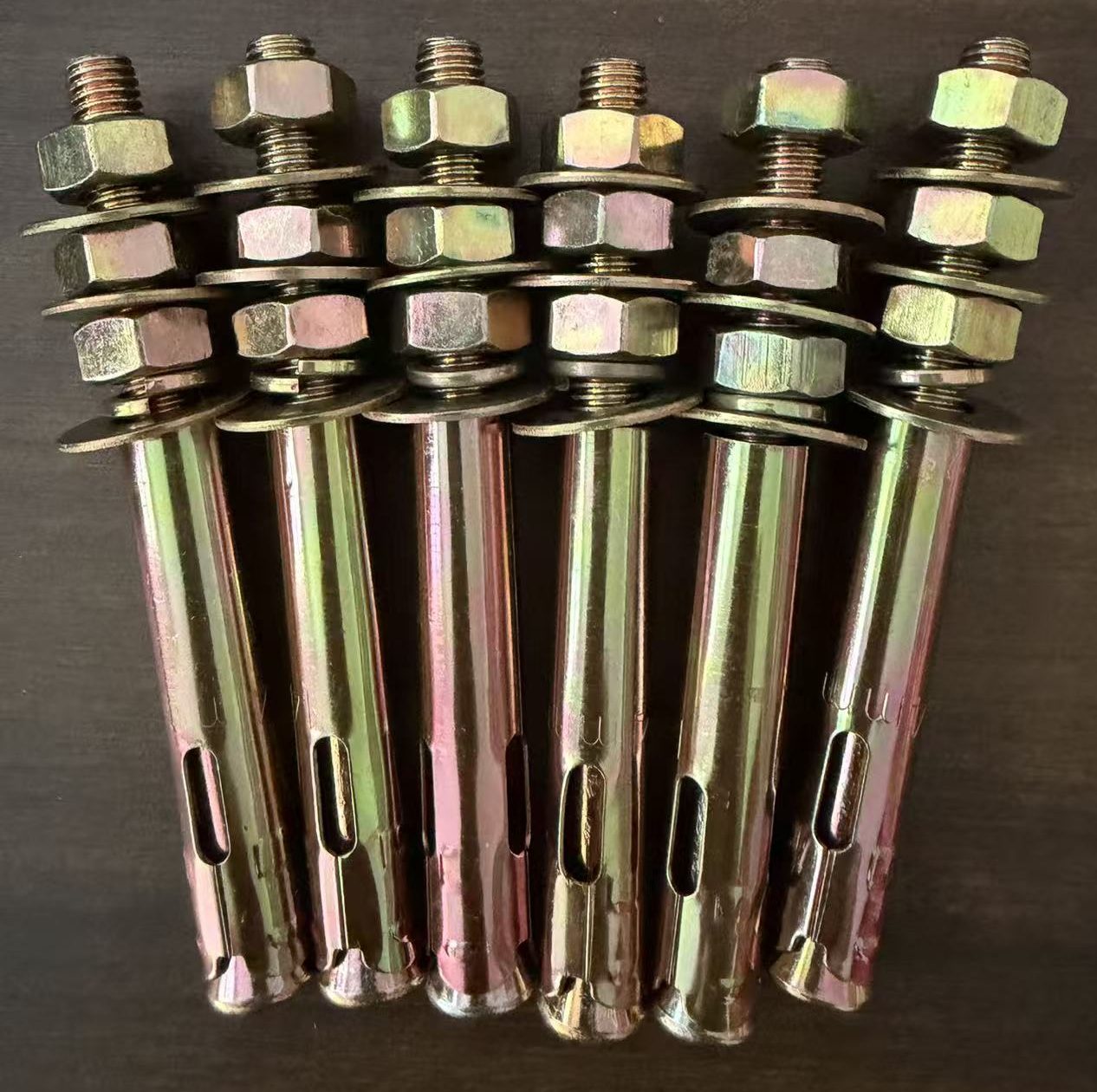
A DIN127 spring washer is a standardized locking component designed to prevent fasteners from loosening under vibration and dynamic loads. Defined by the German Institute for Standardization, this split ring washer utilizes elastic tension and sharp edges to maintain preload in bolted joints. This guide details the types, technical specifications, material grades, and expert installation insights required for reliable industrial applications.
What Is a DIN127 Spring Washer?
The DIN127 spring washer, often referred to as a Belleville-type or split lock washer depending on the specific form, serves a critical function in mechanical assemblies. Its primary purpose is to provide axial flexibility to maintain tension in a bolted joint. When a nut or bolt head is tightened, the washer compresses, acting as a spring that compensates for settlement, thermal expansion, or vibration-induced loosening.
Unlike flat washers which distribute load, the DIN127 standard specifically addresses the need for locking capability. The design typically features a split configuration or a conical shape that generates a continuous restoring force. This force keeps the threads engaged tightly, preventing rotational movement that could lead to catastrophic failure in machinery, automotive systems, or structural frameworks.
Industry professionals recognize DIN127 as a benchmark for reliability. The standard ensures that every washer produced meets rigorous dimensional and mechanical property requirements. This consistency is vital for engineers who must guarantee the safety and longevity of their designs without resorting to unpredictable aftermarket alternatives.
Core Types and Classifications Under DIN127
While the term “DIN127” is often used generically, the standard encompasses specific forms tailored to different loading conditions. Understanding these distinctions is essential for selecting the correct component for your application.
Type A: The Standard Split Lock Washer
The most common variant found in general engineering is the split ring design. This type features a helical coil with ends offset in the axial direction. When compressed, the offset ends dig slightly into the mating surfaces of the nut and the substrate.
- Mechanism: Combines spring action with a biting effect to resist rotation.
- Application: Ideal for general-purpose fastening where moderate vibration is present.
- Material: Typically manufactured from carbon steel or stainless steel.
This configuration is widely regarded as the industry workhorse. It offers a balance between cost-effectiveness and performance, making it suitable for everything from household appliances to heavy manufacturing equipment.
Type B: Heavy Duty and Conical Variants
In scenarios involving higher loads or more severe vibration environments, heavier variants are employed. These may feature a thicker cross-section or a conical (Belleville) geometry. The conical shape allows for greater deflection and higher load-bearing capacity compared to the standard split ring.
Engineers often specify these types when the joint is subject to significant thermal cycling. The enhanced spring rate ensures that the clamp load remains stable even as materials expand and contract. This prevents the gradual loss of preload that can occur with standard washers over time.
Specialized Finishes and Coatings
Beyond geometric differences, DIN127 washers are available with various surface treatments to enhance corrosion resistance. The choice of coating depends entirely on the operating environment.
- Zinc Plated: Provides basic protection for indoor or dry environments.
- Hot-Dip Galvanized: Offers robust defense against rust in outdoor or marine settings.
- Stainless Steel (A2/A4): Used in chemical processing or food industry applications where hygiene and corrosion resistance are paramount.
Selecting the appropriate finish is just as critical as choosing the right size. A mismatch here can lead to premature failure due to corrosion, rendering the mechanical locking properties useless.
Technical Specifications and Dimensional Standards
Adherence to dimensional accuracy is the cornerstone of the DIN127 standard. Deviations in thickness, width, or diameter can compromise the washer’s ability to function as an effective spring. The following table outlines the typical dimensional parameters for common metric sizes.
| Nominal Size (d) | Inner Diameter (min) | Outer Diameter (max) | Thickness (s) approx. | Free Height (h) approx. |
| M3 | 3.2 mm | 6.0 mm | 0.8 mm | 1.0 mm |
| M5 | 5.2 mm | 9.2 mm | 1.3 mm | 1.6 mm |
| M8 | 8.2 mm | 14.5 mm | 2.0 mm | 2.5 mm |
| M10 | 10.2 mm | 17.5 mm | 2.5 mm | 3.1 mm |
| M12 | 12.2 mm | 20.5 mm | 3.0 mm | 3.7 mm |
| M16 | 16.2 mm | 27.0 mm | 4.0 mm | 5.0 mm |
These dimensions are not arbitrary; they are calculated to ensure optimal stress distribution. For instance, the ratio between the thickness and the free height determines the spring constant. If a washer is too thin, it may flatten completely without generating sufficient restoring force. Conversely, if it is too thick, it might not compress enough during installation, failing to engage the locking mechanism.
Tolerance levels are strictly controlled under the DIN framework. Manufacturers must ensure that the inner diameter allows for easy passage of the bolt while maintaining enough contact area to prevent slippage. The outer diameter is equally important to ensure the washer does not interfere with surrounding components.
Material Grades and Mechanical Properties
The performance of a DIN127 spring washer is heavily dependent on the material quality. The standard specifies several steel grades, each offering distinct mechanical characteristics suited for different operational demands.
Carbon Steel (Class 100HV and Above)
Carbon steel remains the most prevalent material for general industrial use. Washers made from this material are typically hardened and tempered to achieve a hardness range suitable for spring action. The “100HV” designation refers to the Vickers hardness scale, indicating a minimum hardness level required to maintain elasticity.
These washers offer high tensile strength and excellent fatigue resistance. They are capable of undergoing repeated compression cycles without permanent deformation. However, without proper surface treatment, carbon steel is susceptible to oxidation and rust.
Stainless Steel Solutions
For environments where corrosion is a primary concern, stainless steel variants are the preferred choice. Grade A2 (304) is commonly used for general corrosive environments, while Grade A4 (316) provides superior resistance to chlorides and acids.
- Advantage: Inherent corrosion resistance eliminates the need for plating.
- Consideration: Stainless steel generally has lower yield strength compared to hardened carbon steel.
- Usage: Critical in marine, pharmaceutical, and food processing industries.
Engineers must account for the slightly different spring rates of stainless steel when designing critical joints. While they excel in durability against elements, their mechanical limits under extreme load should be evaluated carefully.
High-Temperature Alloys
In specialized sectors like aerospace or power generation, standard steels may fail due to heat-induced softening. In such cases, alloy steels or nickel-based superalloys are utilized. These materials retain their elastic properties at elevated temperatures, ensuring the joint remains secure even under thermal stress.
The selection of material is a decision that balances cost, environmental exposure, and mechanical load. There is no single “best” material; the optimal choice is always context-dependent.
Installation Best Practices and Expert Insights
Even the highest quality DIN127 spring washer will fail if installed incorrectly. Proper installation technique is crucial to activate the locking mechanism and ensure long-term joint integrity. Industry experts recommend adhering to the following procedural guidelines.
Step-by-Step Installation Guide
- Surface Preparation: Ensure the contact surfaces of the bolt head/nut and the substrate are clean and free of debris, oil, or rust. Contaminants can act as lubricants, reducing friction and compromising the locking effect.
- Orientation Check: For split lock washers, orient the washer so that the sharp edge faces the rotating component (usually the nut or bolt head). This maximizes the biting action against rotation.
- Sequential Assembly: Place the washer directly under the head of the bolt or the nut. Do not place it between two flat washers unless specifically designed for such a configuration, as this may dampen the spring effect.
- Torque Application: Tighten the fastener to the specified torque value. The washer should flatten significantly but not completely. Complete flattening indicates over-compression, which can lead to material fatigue.
- Final Inspection: Verify that the washer has maintained a slight curvature or tension. If it appears fully crushed or damaged, replace it immediately.
One common mistake observed in field applications is the reuse of spring washers. Once a spring washer has been compressed and subjected to load, its microstructure changes. Reusing them often results in reduced springback and diminished locking capability. Best practice dictates single-use only for critical applications.
Torque and Preload Considerations
The interaction between torque and preload is complex. The spring washer introduces an additional variable into the torque-tension relationship. Because the washer acts as a cushion, some of the applied torque is absorbed by the deformation of the washer rather than translating directly into clamp load.
Experienced engineers often adjust torque specifications slightly to account for this absorption. It is essential to consult technical data sheets provided by the manufacturer to determine the precise torque values required for specific washer-material combinations. Over-tightening can cause the washer to fracture, while under-tightening fails to engage the locking mechanism effectively.
Comparative Analysis: DIN127 vs. Other Locking Methods
To understand the unique value proposition of the DIN127 spring washer, it is helpful to compare it with other common locking solutions. This analysis focuses on functional differences rather than brand comparisons.
| Feature | DIN127 Spring Washer | Nylon Insert Nut (Nyloc) | Thread-Locking Fluid | Double Nut System |
| Mechanism | Spring tension + Friction | Polymer friction | Chemical adhesion | Mechanical jamming |
| Reusability | Low (Single use recommended) | Limited (2-3 uses) | Single use | High |
| Vibration Resistance | High | Very High | Very High | Moderate to High |
| Temperature Limit | High (Depends on material) | Low (Nylon melts) | Moderate | High |
| Installation Speed | Fast | Fast | Slow (Curing time) | Slow |
The DIN127 washer excels in scenarios requiring rapid assembly and disassembly where temperature extremes rule out polymer-based solutions. While thread-locking fluids offer superior sealing and locking, they require curing time and cleanup, which can slow down production lines. The double nut system adds significant weight and bulk, making it unsuitable for compact designs.
However, in extremely high-vibration environments where absolute security is needed, a combination approach is sometimes adopted. For example, using a DIN127 washer in conjunction with a prevailing torque nut can provide redundant safety measures. Such decisions should be based on a thorough risk assessment of the specific application.
Common Applications Across Industries
The versatility of the DIN127 spring washer has led to its adoption across a vast array of sectors. Its ability to maintain joint integrity under stress makes it indispensable in modern engineering.
Automotive and Transportation
In the automotive sector, vehicles are constantly subjected to road vibrations and thermal fluctuations. DIN127 washers are extensively used in engine mounts, suspension systems, and chassis assemblies. Their role is critical in preventing bolts from loosening, which could otherwise lead to noise, rattling, or even structural failure.
The lightweight nature of these washers also aligns with the industry’s push for weight reduction. Unlike heavier locking mechanisms, a simple spring washer provides effective security without adding significant mass to the vehicle.
Heavy Machinery and Construction
Construction equipment operates in some of the harshest environments imaginable. Dust, mud, water, and intense vibration are daily challenges. Here, hot-dip galvanized DIN127 washers are frequently specified to combat both mechanical loosening and corrosion.
From excavators to cranes, the reliability of bolted joints is non-negotiable. The failure of a single critical bolt can halt operations and pose severe safety risks. The robust design of DIN127 washers provides the necessary confidence for operators and maintenance teams.
Electronics and Precision Instruments
Even in delicate electronics, vibration damping is essential. Smaller metric sizes of DIN127 washers are used to secure components within servers, communication towers, and precision measurement devices. In these applications, stainless steel variants are often chosen to prevent any risk of conductive corrosion products interfering with circuitry.
The precision manufacturing of these small washers ensures that they do not introduce unwanted play or misalignment in sensitive assemblies. This highlights the scalability of the DIN127 standard, serving both massive industrial machines and microscopic electronic setups.
Frequently Asked Questions (FAQ)
Addressing common queries helps clarify misconceptions and provides quick answers for professionals seeking specific information about DIN127 spring washers.
Can DIN127 spring washers be reused?
Generally, no. Once a spring washer has been compressed to its working height, it undergoes plastic deformation that reduces its springback capability. Reusing them increases the risk of joint loosening. For critical applications, always install new washers.
What is the difference between DIN127 and DIN128?
While both are locking washers, DIN128 typically refers to a wedge-locking washer or a specific toothed variant, whereas DIN127 is the standard split or conical spring washer. The locking mechanisms differ, with DIN128 often relying on teeth biting into surfaces more aggressively than the spring action of DIN127.
How do I choose the right material for my environment?
For indoor, dry environments, zinc-plated carbon steel is cost-effective. For outdoor or humid conditions, choose hot-dip galvanized steel. In chemical, marine, or food-grade environments, stainless steel (A2 or A4) is mandatory to prevent corrosion.
Does the orientation of the washer matter?
Yes. For split lock washers, the sharp edge should face the rotating part (the nut or bolt head). This ensures that any attempt to rotate the fastener causes the edge to dig in, increasing resistance. Installing it backwards reduces this locking effectiveness.
Are DIN127 washers compatible with all bolt grades?
They are compatible with most standard bolt grades. However, the hardness of the washer should be compatible with the bolt and nut. Using a washer that is too hard relative to the fastener can damage the bearing surface, while one that is too soft may flatten prematurely.
Advantages and Limitations
A balanced view of the DIN127 spring washer requires acknowledging both its strengths and its constraints. This transparency aids engineers in making informed design choices.
Key Advantages
- Cost-Efficiency: Mass-produced to tight tolerances, offering an economical locking solution.
- Simplicity: No special tools or curing times required; installation is intuitive.
- Visual Inspection: It is easy to visually verify if a washer is installed and whether it has flattened excessively.
- Standardization: Global availability and interchangeability due to strict DIN standards.
Potential Limitations
- Single-Use Nature: The inability to reuse increases maintenance material costs over time.
- Surface Damage: The biting action can mar soft surfaces, which may be undesirable in aesthetic or precision applications.
- Relaxation: In some high-temperature or long-term static load scenarios, spring relaxation can occur, necessitating periodic retightening.
Understanding these factors allows for better lifecycle management of mechanical assets. While not a panacea for every locking challenge, the DIN127 washer remains a fundamental component in the engineer’s toolkit.
Conclusion and Selection Recommendations
The DIN127 spring washer stands as a testament to the power of simple, standardized engineering. By providing reliable vibration resistance and maintaining preload through elastic tension, it safeguards the integrity of countless mechanical systems worldwide. From automotive engines to heavy construction gear, its role in preventing fastener failure is indispensable.
Success in utilizing these components lies in careful selection. Engineers must consider the operating environment, load requirements, and material compatibility. Choosing the correct type (split vs. conical), material (carbon vs. stainless), and finish ensures that the joint performs as intended throughout its service life.
Who should use this product? This solution is ideal for maintenance teams, mechanical designers, and procurement specialists looking for a proven, standardized locking mechanism for dynamic loads. If your application involves vibration, thermal cycling, or critical safety factors, integrating DIN127 washers is a prudent step.
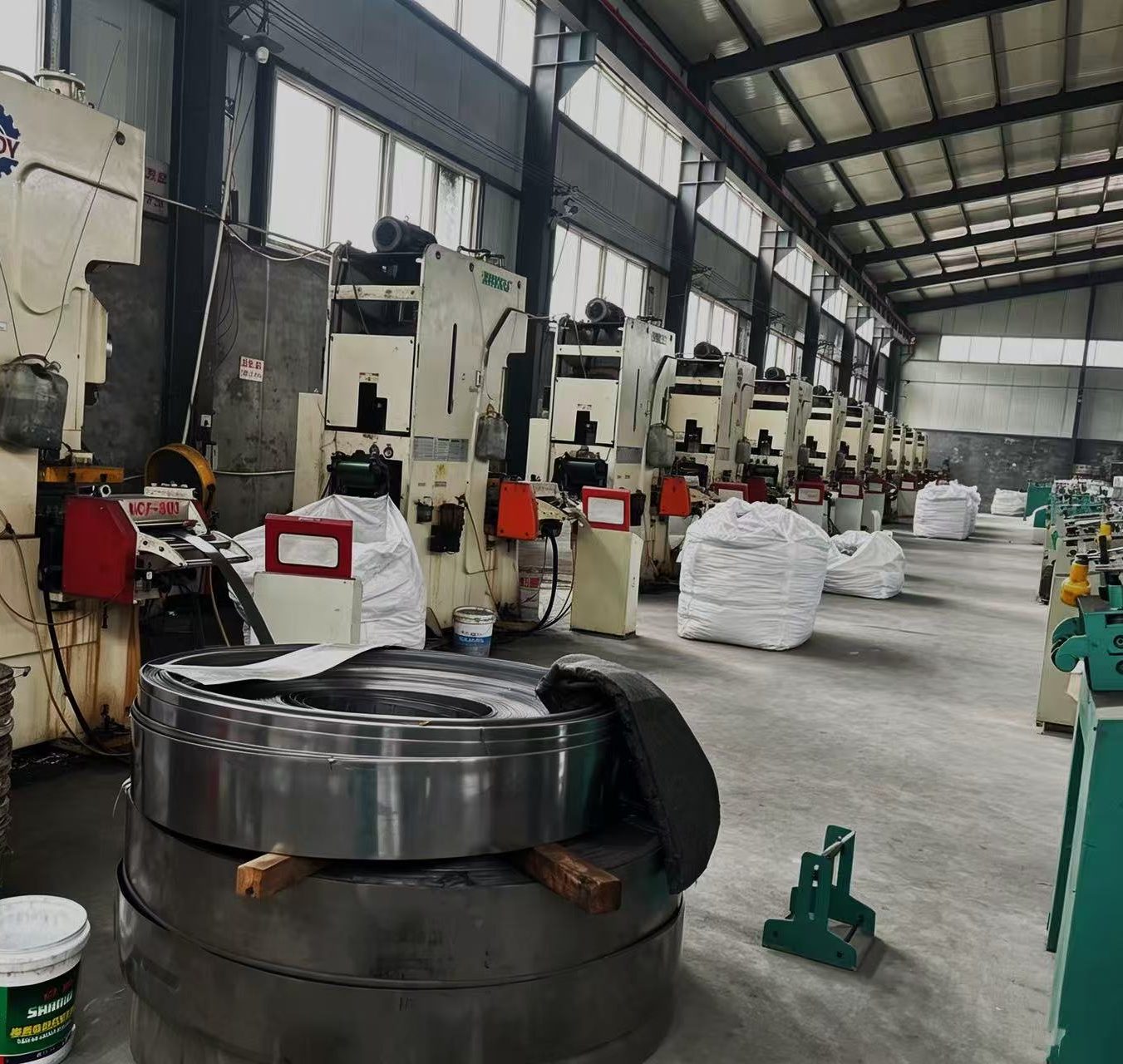
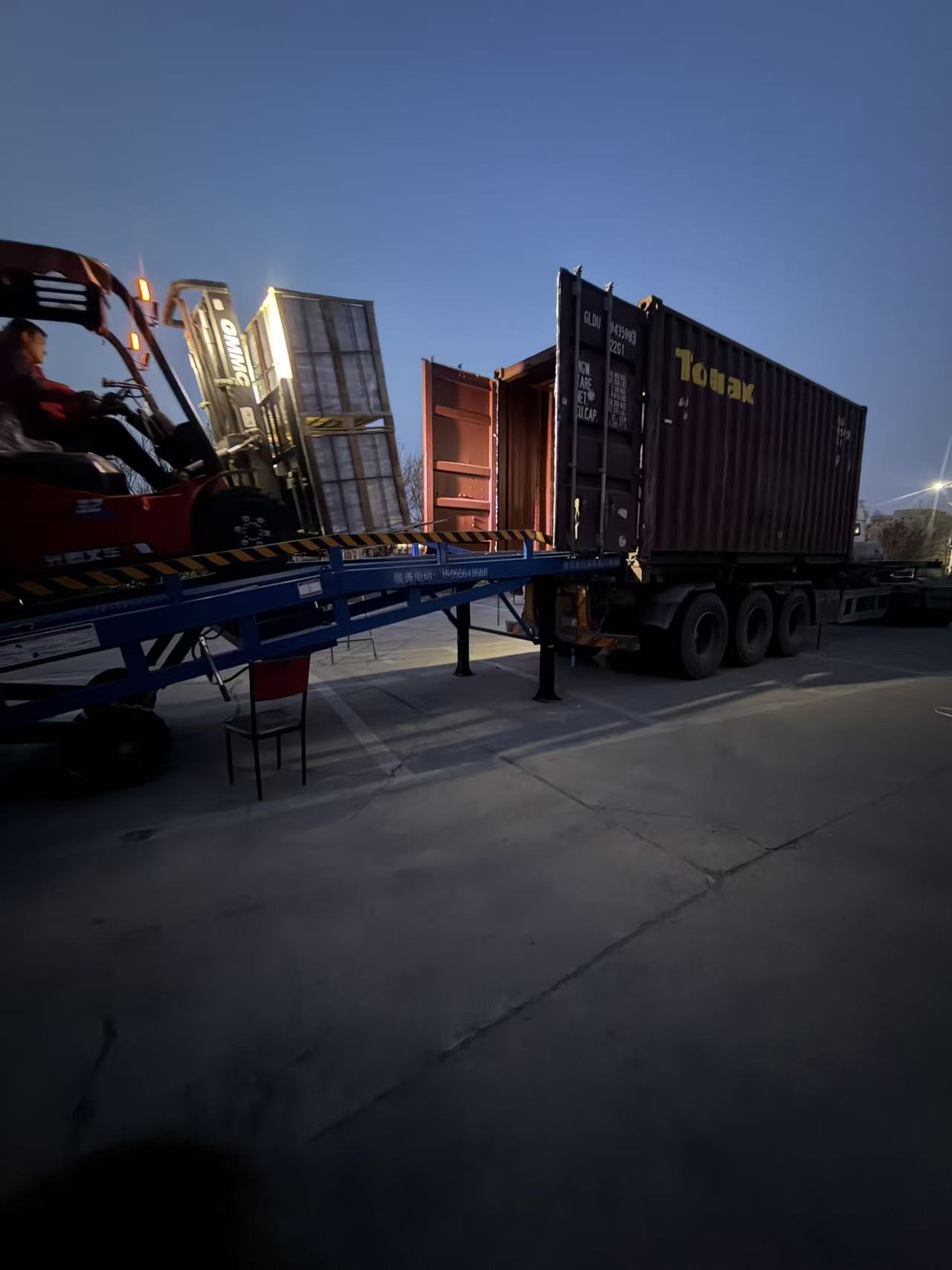
For your next project, evaluate your specific load cases and environmental conditions. Consulting with certified suppliers is crucial to ensure you receive genuine DIN-compliant products. As a global industry and trade integration company based in Handan, Hebei—the heart of China’s fastener manufacturing hub—we specialize in the development, production, and service of high-quality fasteners and hardware tools. With over a decade of experience and exports to more than 26 countries, our team combines advanced production technology with rigorous testing methods to deliver products that meet GB, DIN, JIS, ANSI, and other international standards.
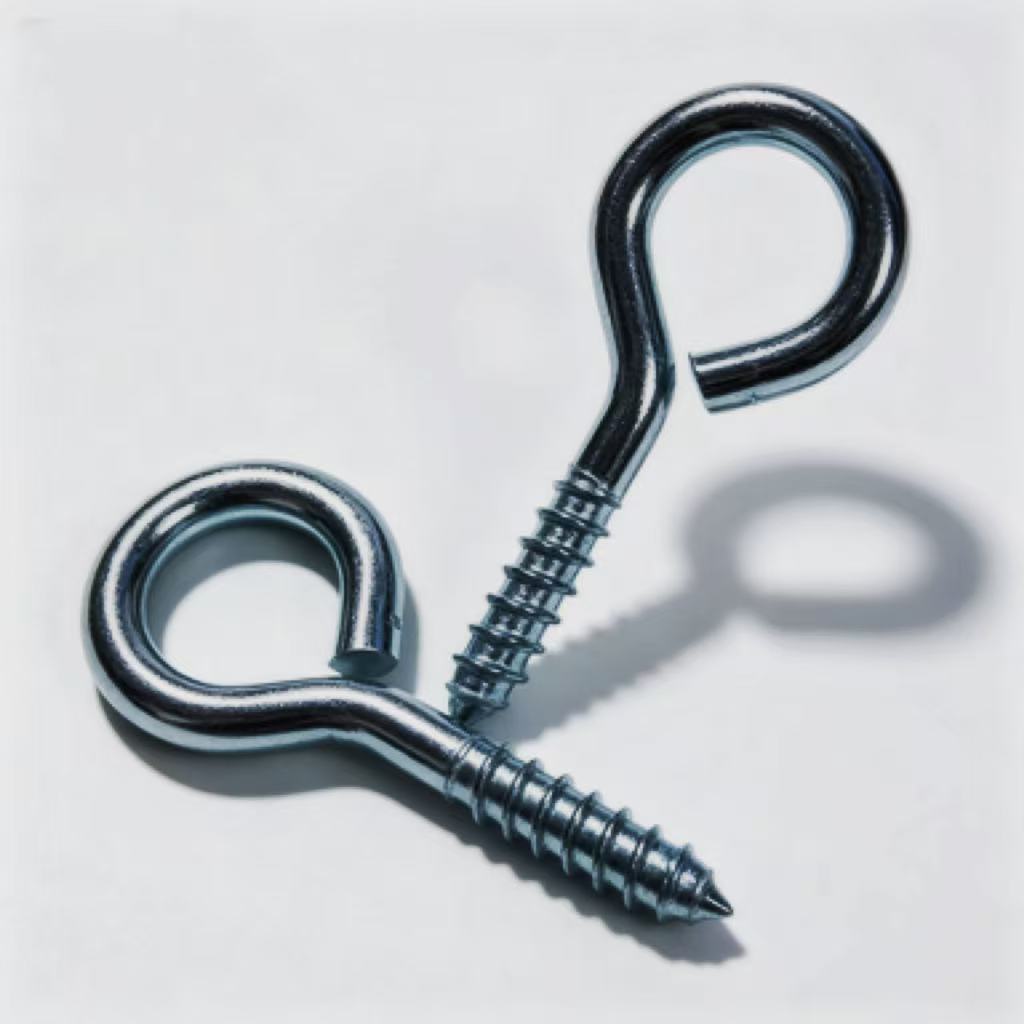
Beyond standard DIN127 washers, our portfolio includes specialized casing geckos, wooden teeth welded sheep’s eye screws/bolts, and custom-engineered solutions tailored to your unique specifications. Guided by a philosophy of integrity and a commitment to “quality first, customer first,” we invest heavily in R&D and high-tech talent to provide competitive pricing without compromising on performance. Whether you require standard components or bespoke modifications, our professional technical team is ready to support your projects with reliable products and thoughtful service, ensuring the peace of mind that modern industry demands.