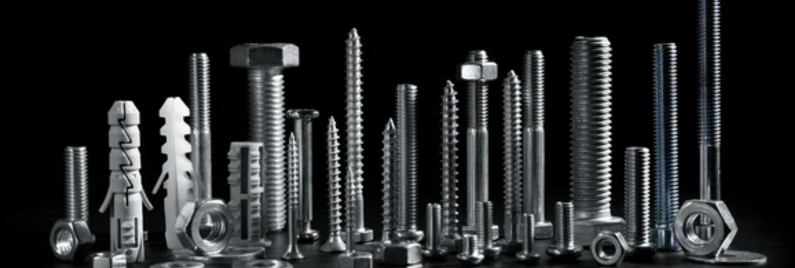
Anchor bolts are specialized fasteners designed to securely attach structural or non-structural elements to concrete. As a premier China anchor bolts manufacturer & supplier based in Handan, Hebei, we engineer high-performance anchoring solutions compliant with GB, DIN, JIS, and ANSI standards. Our decade of expertise ensures reliable load-bearing capacity for construction, machinery installation, and infrastructure projects across 26+ countries. We combine advanced manufacturing technology with rigorous quality control to deliver customized, durable fastening systems that meet complex engineering requirements.
What Are Anchor Bolts and How Do They Work?
Anchor bolts serve as the critical link between steel structures and concrete foundations. Unlike standard screws or nails, these fasteners are engineered to withstand significant tensile (pull-out) and shear (lateral) forces. The fundamental mechanism involves embedding one end of the bolt into the concrete cast-in-place or post-installed, while the other end attaches to the object being secured.
In industrial applications, the integrity of an anchor bolt determines the stability of entire structures. Whether securing heavy machinery in a factory or holding up steel columns in a skyscraper, the failure of an anchor can lead to catastrophic results. Therefore, understanding the material composition, threading standards, and installation methods is essential for engineers and procurement specialists.
The Mechanics of Load Transfer
When a load is applied to a structure anchored to concrete, the force is transferred through the bolt into the surrounding concrete matrix. This process relies on three primary mechanisms:
- Mechanical Interlock: The head or expansion element of the bolt locks against the concrete, preventing pull-out.
- Bond Strength: In adhesive anchors, chemical resins bond the bolt to the concrete hole walls.
- Friction: Compression generated by the expansion of the bolt creates friction against the concrete.
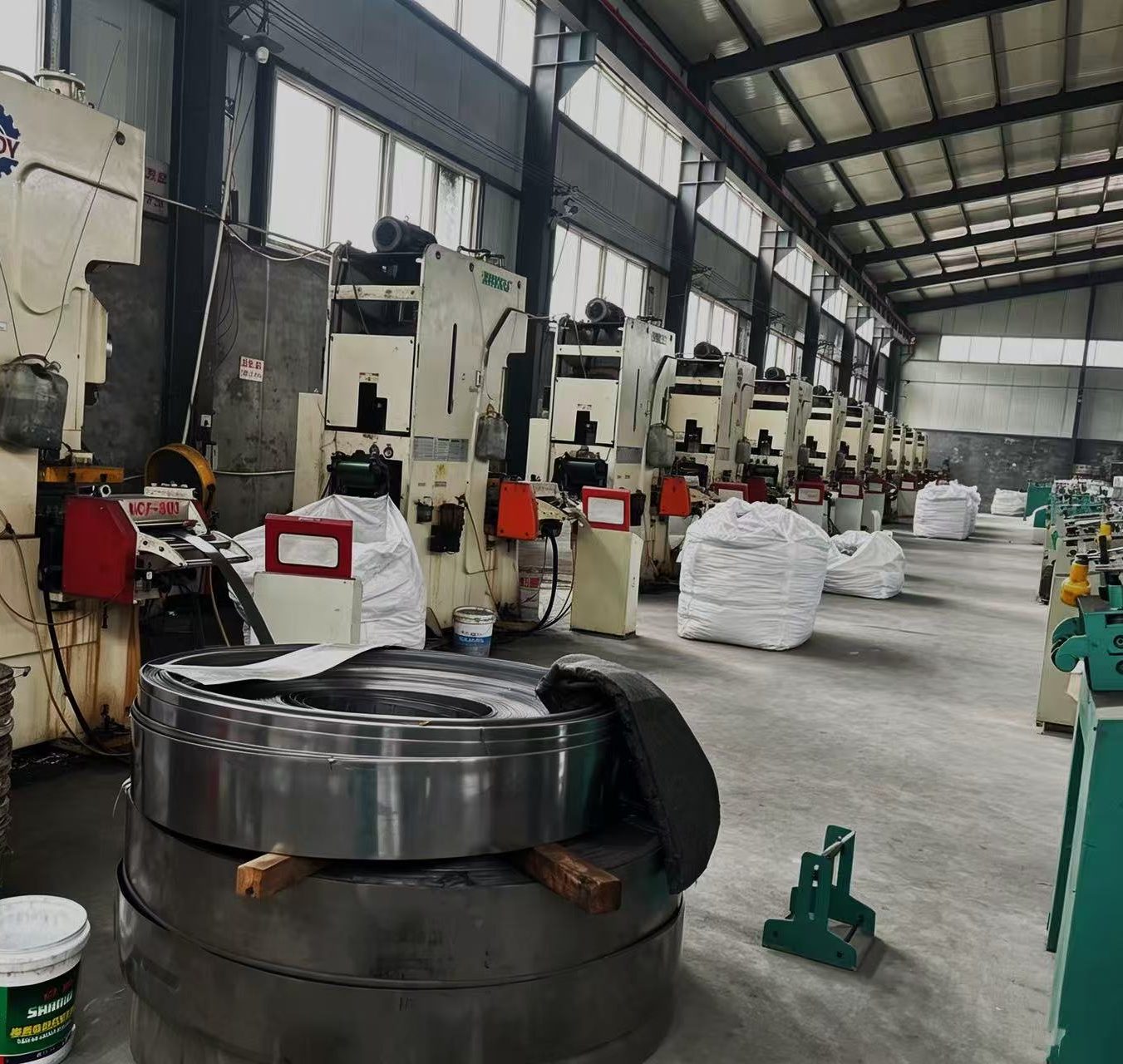
Our production facility in Handan utilizes precision forging and threading technologies to ensure that every bolt maintains consistent dimensional accuracy. This consistency is vital for predictable load distribution and safety compliance.
Types of Anchor Bolts: A Comprehensive Guide
Selecting the right type of anchor bolt depends on the application, load requirements, and whether the concrete is already cured (post-installed) or still wet (cast-in-place). As a specialized manufacturer, we produce a diverse range of anchoring solutions tailored to global standards.
1. Cast-In-Place Anchor Bolts
These bolts are installed before the concrete is poured. They offer the highest load capacities because they are fully embedded in the hardened concrete.
- L-Type Anchors: Featuring a 90-degree bend at the embedded end, L-bolts rely on the mechanical hook to resist pull-out forces. They are commonly used for light to medium-duty applications.
- J-Type Anchors: Similar to L-bolts but with a J-shaped hook, providing greater embedment depth and higher tensile strength. These are ideal for heavy structural columns.
- Headed Anchors: These feature a forged hexagonal or square head at the embedded end. The large bearing surface area distributes loads effectively, making them suitable for high-stress industrial environments.
2. Post-Installed Anchor Bolts
Post-installed anchors are inserted into pre-drilled holes in cured concrete. They are essential for retrofitting, renovations, and equipment installation where cast-in options were not planned.
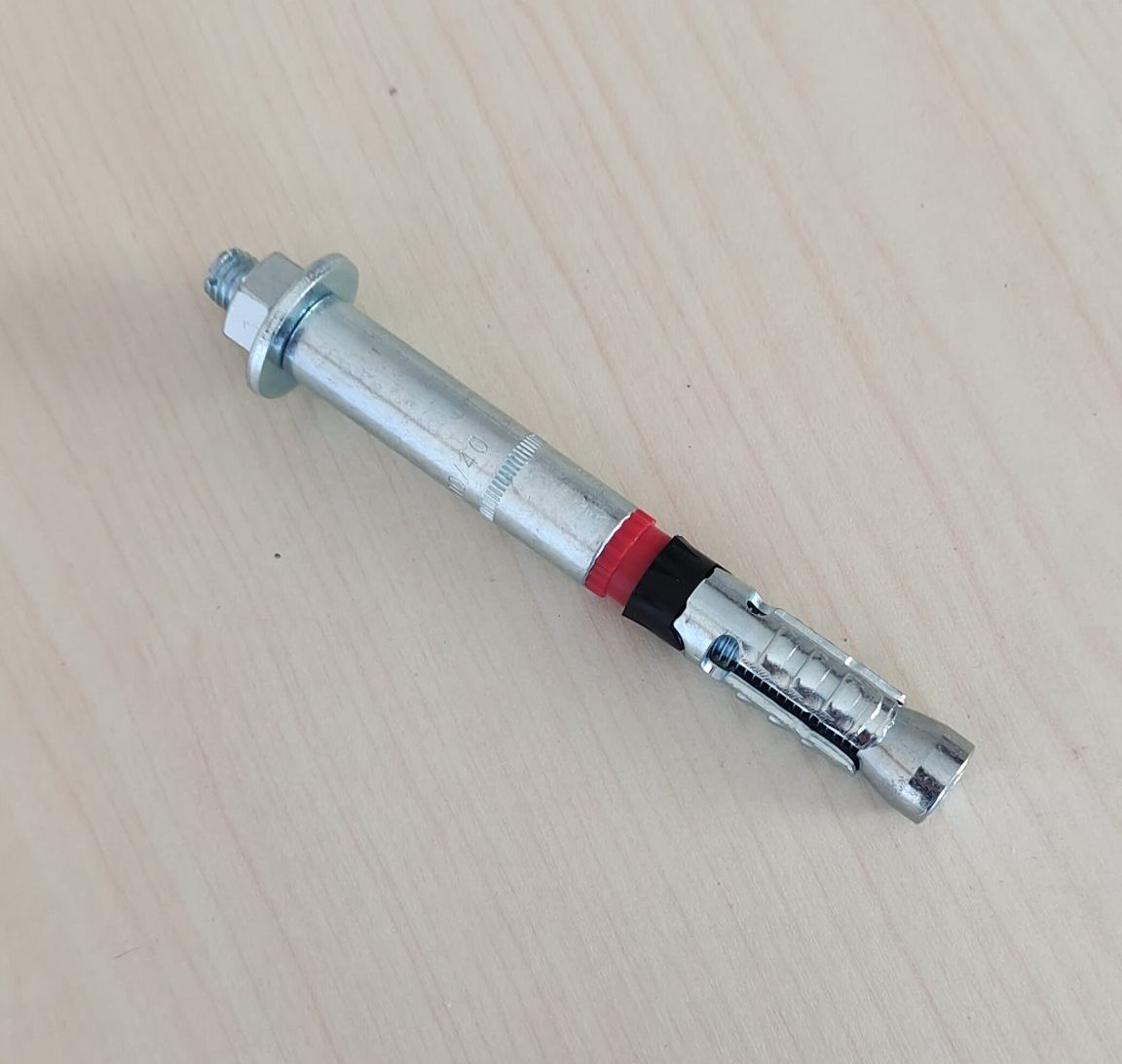
- Wedge Anchors: These use a clip mechanism that expands against the concrete when tightened. They provide immediate load-bearing capacity and are widely used for fixing steel channels and brackets.
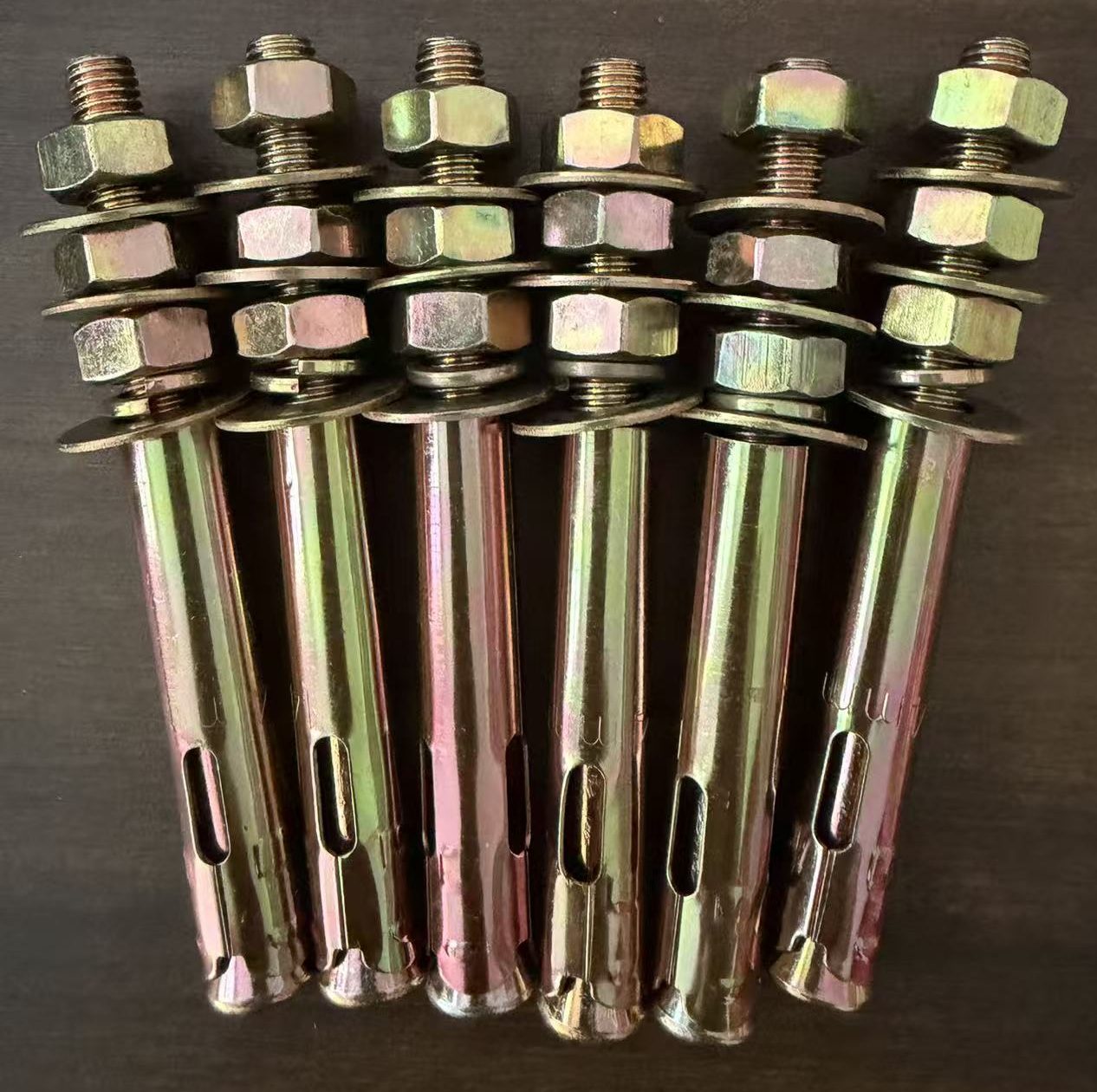
- Sleeve Anchors: A versatile option where the sleeve expands against the hole walls. They are effective in both tension and shear applications and are known for ease of installation.
- Chemical/Adhesive Anchors: Using epoxy or vinyl ester resins, these bonds create a monolithic connection between the steel rod and concrete. They are preferred for seismic zones and cracked concrete applications due to their superior vibration resistance.
3. Specialty Fasteners: Wooden Teeth and Sheep’s Eye Bolts
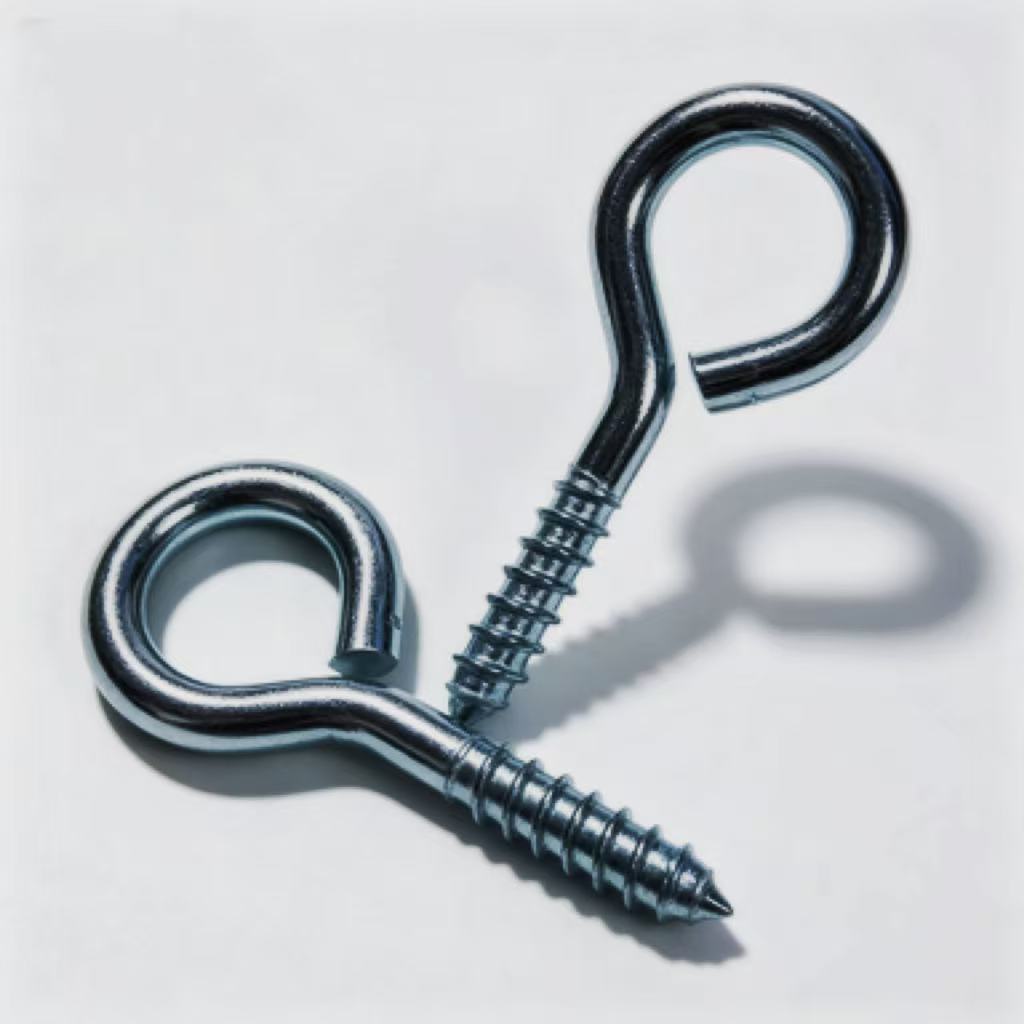
Beyond standard construction anchors, our company specializes in unique fastening solutions such as wooden teeth welded sheep’s eye screws/bolts. These specialized products are crucial in industries requiring secure attachment to timber or composite materials. The “sheep’s eye” loop provides a robust point for cable or rope attachment, while the welded wooden teeth ensure a non-slip grip in wood-based structures. This demonstrates our commitment to developing niche products that solve specific industrial challenges.
Material Standards and Quality Control
The performance of an anchor bolt is directly linked to its material properties. Substandard steel can lead to brittle failure under stress. As a trusted supplier, we adhere to strict material sourcing and testing protocols.
Common Material Grades
| Material Grade | Characteristics | Typical Applications |
| Carbon Steel (Q235/Q345) | High strength, cost-effective, requires coating for corrosion resistance. | General construction, indoor machinery. |
| Stainless Steel (304/316) | Excellent corrosion resistance, moderate strength. | Marine environments, chemical plants, outdoor facades. |
| Alloy Steel (40Cr/42CrMo) | Very high tensile strength, heat-treated. | Heavy industry, bridge construction, high-vibration areas. |
Corrosion Protection Methods
For carbon steel anchors, surface treatment is critical for longevity. We offer various finishes based on environmental exposure:
- Hot-Dip Galvanizing (HDG): Provides a thick zinc layer, offering decades of protection in harsh outdoor conditions.
- Zinc Plating: A thinner coating suitable for indoor or dry environments where aesthetics matter.
- Dacromet/Geomet Coating: High-performance inorganic coatings that provide superior salt-spray resistance without hydrogen embrittlement risks.
Our quality control team employs spectroscopy to verify material composition and tensile testing machines to ensure each batch meets the specified yield and ultimate strength requirements. This rigorous approach aligns with our philosophy of “quality first, customer first.”
How to Choose the Right Anchor Bolt for Your Project
Choosing the wrong anchor can compromise safety and increase project costs. Engineers and buyers must consider several key factors before specification.
1. Load Requirements: Tension vs. Shear
Determine the direction of the force. Tension loads pull the bolt out of the concrete, requiring deep embedment or mechanical expansion. Shear loads push the bolt sideways, relying on the bolt’s diameter and the concrete’s compressive strength. Many applications involve combined loading, necessitating a safety factor analysis.
2. Concrete Condition
Is the concrete cracked or uncracked? Seismic zones often require anchors certified for use in cracked concrete. Additionally, the thickness of the concrete slab limits the embedment depth. Using an anchor that is too long can cause blowout on the opposite side of the slab.
3. Environmental Factors
Exposure to moisture, chemicals, or salt spray dictates the material choice. For coastal projects or wastewater treatment plants, stainless steel 316 or heavily galvanized carbon steel is mandatory to prevent rust-induced failure.
4. Installation Constraints
Consider the available tools and access. Wedge anchors require simple hammering and tightening, while chemical anchors need mixing nozzles and curing time. In tight spaces, low-profile heads may be necessary.
Installation Best Practices and Common Mistakes
Even the highest quality anchor bolt will fail if installed incorrectly. Proper installation is as important as product quality. Here are critical steps and pitfalls to avoid.
Step-by-Step Installation Guide for Mechanical Anchors
- Drilling: Use a hammer drill with a carbide-tipped bit matching the anchor diameter. Ensure the hole depth exceeds the embedment length to allow for dust accumulation.
- Cleaning: This is the most overlooked step. Use compressed air or a vacuum to remove all concrete dust from the hole. Dust prevents proper expansion and reduces holding power significantly.
- Insertion: Insert the anchor into the hole. For wedge anchors, ensure the clip is properly seated.
- Setting: Hammer the anchor until the washer sits flush against the surface. This expands the mechanism into the concrete.
- Tightening: Use a torque wrench to tighten the nut to the manufacturer’s recommended torque value. Over-tightening can strip threads or crack the concrete; under-tightening fails to engage the expansion mechanism.
Common Installation Errors
- Oversized Holes: Drilling a hole larger than the anchor diameter eliminates expansion pressure, leading to immediate pull-out.
- Insufficient Embedment: Not drilling deep enough reduces the surface area contact, drastically lowering load capacity.
- Ignoring Curing Time: For chemical anchors, loading the bolt before the resin has fully cured results in bond failure.
- Reusing Anchors: Mechanical anchors are single-use devices. Removing and reusing them compromises the expansion mechanism.
Why Partner with Our China Anchor Bolts Manufacturer?
Located in Handan, Hebei—the heart of China’s fastener industry—our company leverages regional supply chain advantages to deliver superior value. We are not just a trading company; we are a global industry and trade combination entity with over ten years of hands-on manufacturing experience.
Customization and Flexibility
Standard sizes do not fit every project. We specialize in customizing special specifications according to customer needs. Whether you require non-standard lengths, unique thread pitches, or specific head shapes for OEM projects, our technical team can develop solutions rapidly. Our flexibility extends to small batch orders for prototypes and large-scale production for infrastructure projects.
Global Compliance and Certification
We understand that international projects require adherence to diverse standards. Our products are manufactured to meet GB (Chinese National Standard), DIN (German Institute for Standardization), JIS (Japanese Industrial Standards), and ANSI (American National Standards Institute) requirements. This multi-standard capability allows us to serve clients in more than 26 different countries, ensuring seamless integration into global supply chains.
R&D and Technological Investment
We adhere to an integrity-based business philosophy and continuously invest in scientific research. By introducing high-tech talents and advanced production technology, we have enhanced our ability to produce complex fasteners like casing geckos and wooden teeth welded bolts. Our perfect testing methods ensure that every shipment meets the promised quality metrics, reducing risk for our partners.
Frequently Asked Questions (FAQ)
What is the difference between a wedge anchor and a sleeve anchor?
Wedge anchors generally offer higher holding values in solid concrete and are easier to install in overhead applications. Sleeve anchors are more versatile, working well in brick, block, and concrete, and are less sensitive to hole tolerance variations.
Can anchor bolts be used in cracked concrete?
Standard mechanical anchors should not be used in cracked concrete unless specifically tested and approved for such conditions. Chemical adhesive anchors or undercut anchors are typically recommended for cracked concrete zones due to their ability to distribute stress more evenly.
How do I determine the correct embedment depth?
Embedment depth is determined by the bolt diameter and the required load capacity. As a general rule, deeper embedment increases pull-out strength. However, always refer to the manufacturer’s technical data sheets or consult with a structural engineer for critical load calculations.
Do you provide test reports for your anchor bolts?
Yes, we provide comprehensive quality documentation, including material certificates, tensile test reports, and dimensional inspection records. For large projects, third-party inspection services can be arranged upon request.
What is the lead time for custom anchor bolt orders?
Lead times vary based on complexity and quantity. Standard items are often available for quick shipment. Custom specifications typically require 15-30 days for production, depending on mold requirements and raw material availability. We prioritize efficient communication to meet your project deadlines.
Conclusion: Securing Your Projects with Reliable Anchoring Solutions
Anchor bolts are the unseen heroes of structural integrity. Choosing a reliable China anchor bolts manufacturer & supplier means partnering with a team that understands the physics of fastening, the nuances of material science, and the importance of timely delivery. With our base in Handan, Hebei, and a decade of export experience, we bring together advanced manufacturing, rigorous quality control, and customer-centric service.
Whether you need standard DIN-compliant wedge anchors for a European construction site or custom wooden teeth welded bolts for specialized timber framing, we have the technical expertise and production capacity to deliver. Our commitment to “quality first” ensures that every bolt we ship contributes to the safety and longevity of your project.
Don’t compromise on the foundation of your structure. Contact our technical team today to discuss your specific anchoring requirements, request a quote, or explore our full range of fasteners and hardware tools.
Explore Our Full Range of Anchor Bolts and Fasteners