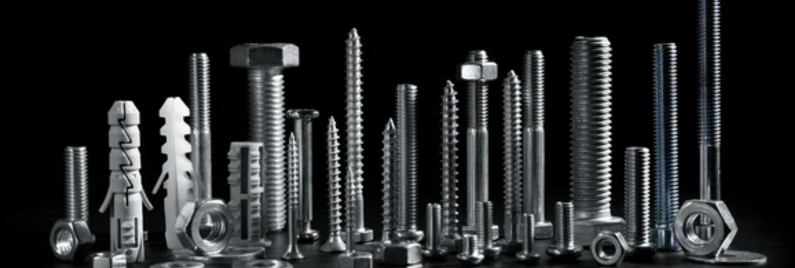
High strength bolts are precision-engineered fasteners designed to withstand significant tensile and shear forces in critical structural applications. Unlike standard hardware, these bolts undergo specific heat treatment processes to achieve superior mechanical properties, ensuring joint integrity under extreme loads. As a specialized manufacturer based in Handan, Hebei—the heart of China’s fastener industry—we provide certified high strength bolts compliant with GB, DIN, JIS, and ANSI standards. Our decade-long expertise ensures reliable performance for construction, heavy machinery, and infrastructure projects across 26+ countries.
What Are High Strength Bolts and Why Do They Matter?
High strength bolts are not merely larger versions of standard screws; they represent a distinct category of engineered fasteners defined by their material composition and mechanical processing. In structural engineering, the failure of a single bolt can compromise an entire assembly. Therefore, understanding the technical definition and operational logic of these components is essential for procurement engineers and project managers.
These fasteners are typically manufactured from medium carbon steel or alloy steel. The defining characteristic is the heat treatment process, specifically quenching and tempering. This process alters the microstructure of the steel, significantly increasing its yield strength and tensile strength. While a standard Grade 4.8 bolt might suffice for light framing, high strength variants such as Grade 8.8, 10.9, or 12.9 are mandatory for connections subject to dynamic loading, vibration, or heavy static weights.
From an engineering perspective, the primary function is to create a clamping force that holds connected parts together through friction. In slip-critical connections, the bolt does not bear the shear load directly; instead, the friction between the clamped plates resists the movement. This requires precise control over the bolt’s preload, which is directly related to its strength grade and installation method.
Key Mechanical Properties
- Tensile Strength: The maximum stress the bolt can withstand while being stretched or pulled before breaking.
- Yield Strength: The point at which the bolt begins to deform plastically. High strength bolts have a high yield-to-tensile ratio, ensuring they return to shape after load removal up to a certain limit.
- Hardness: Resistance to indentation and wear, crucial for maintaining thread integrity during tightening.
- Ductility: The ability to deform under tensile stress without fracturing, providing a safety margin against sudden brittle failure.
Manufacturing Excellence: From Raw Material to Finished Product
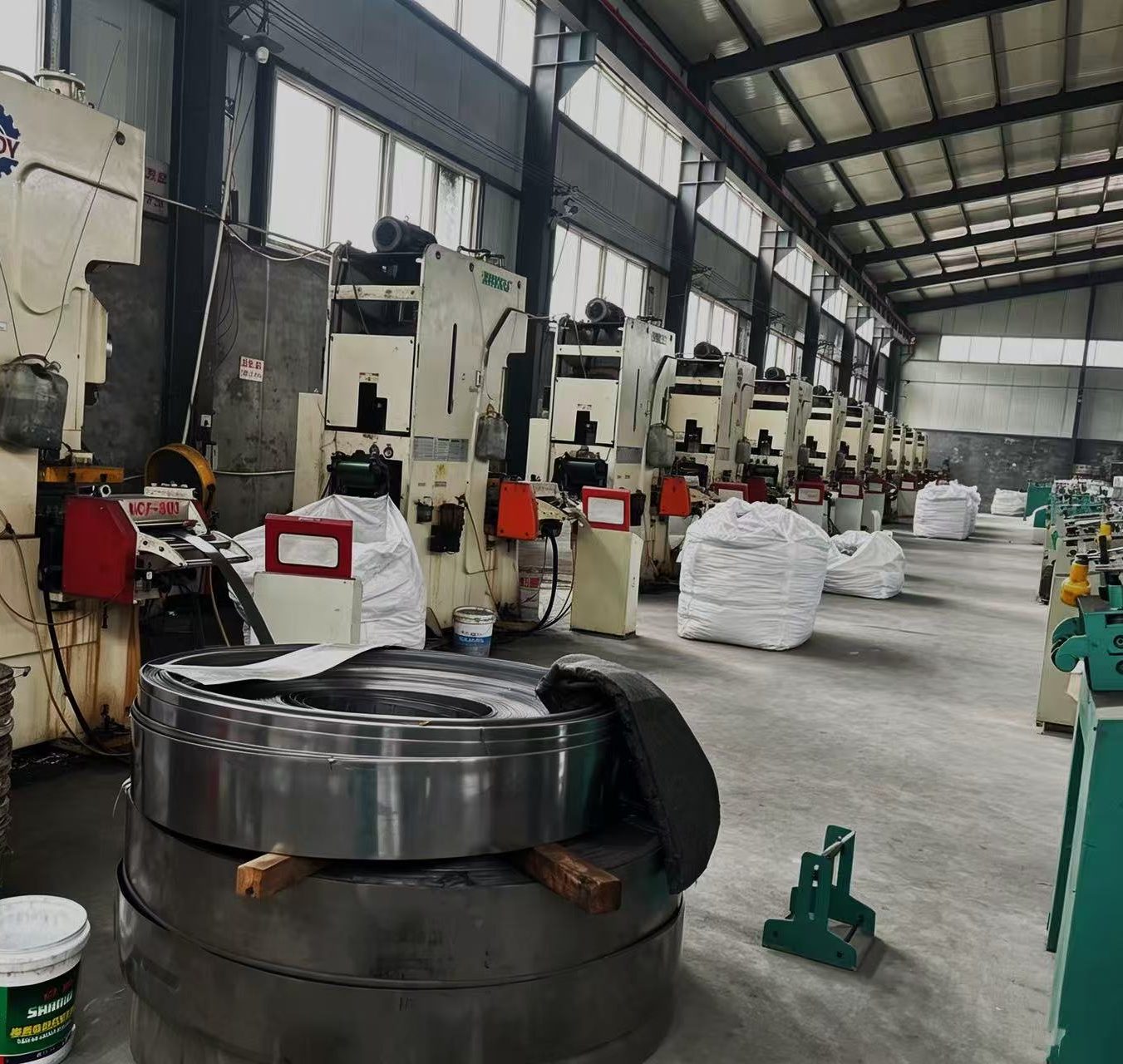
Located in Handan, Hebei, our facility leverages the region’s robust industrial ecosystem to produce fasteners that meet global quality expectations. With over ten years of industry experience, we have refined a manufacturing workflow that balances high-volume production with strict quality control. Our approach integrates advanced production technology with rigorous testing methods to ensure every batch meets international standards.
The production of high strength bolts involves several critical stages. It begins with the selection of high-quality wire rod or bar stock, typically medium carbon steel or alloy steel. The material is then cold forged or hot forged into the rough bolt shape. Forging aligns the grain structure of the metal, enhancing its mechanical properties compared to simple machining.
Following forging, the threads are rolled or cut. Thread rolling is often preferred for high strength applications as it work-hardens the surface and creates a smoother finish, reducing stress concentrations. The most critical step is heat treatment. The bolts are heated to a specific temperature, quenched in oil or water, and then tempered. This process must be precisely controlled; incorrect temperatures can lead to brittleness or insufficient hardness.
Our company attaches great importance to the development of new products and adheres to an integrity-based business philosophy. We have introduced high-tech talents and invested in scientific research to optimize these thermal processes. This ensures that our products consistently meet the stringent requirements of GB, DIN, JIS, and ANSI standards. Furthermore, our perfect testing methods include spectral analysis, tensile testing, and hardness checks, guaranteeing that only compliant products reach our customers.
Quality Control and Certification Standards
Trustworthiness in the B2B fastener sector is built on verifiable quality. Our professional technical team utilizes advanced machinery to perform real-time monitoring during production. We adhere to the “quality first, customer first” principle, ensuring that each bolt is traceable and tested.
- GB (Guobiao): Chinese national standards, widely used in domestic infrastructure and increasingly recognized globally.
- DIN (Deutsches Institut für Normung): German standards known for their rigorous tolerances and high reliability, common in European markets.
- JIS (Japanese Industrial Standards): Japanese standards that emphasize precision and consistency, preferred in Asian manufacturing hubs.
- ANSI/ASME (American National Standards Institute): US standards, particularly ASTM A325 and A490, which are critical for North American construction projects.
By maintaining compliance with these diverse standards, we facilitate seamless trade for clients in more than 26 different countries. Whether you require metric threads for a European project or imperial sizes for US infrastructure, our flexible production lines can customize special specifications according to your needs.
Classification and Grades of High Strength Bolts
Selecting the correct bolt grade is a fundamental engineering decision. Using a bolt with insufficient strength can lead to catastrophic failure, while over-specifying can increase costs unnecessarily. Understanding the grading systems helps in making informed procurement decisions.
Grades are generally indicated by numbers on the bolt head. These numbers correspond to the minimum tensile strength in megapascals (MPa) or kilopounds per square inch (ksi). For instance, a Grade 8.8 bolt has a minimum tensile strength of 800 MPa and a yield ratio of 0.8. Similarly, Grade 10.9 indicates 1000 MPa tensile strength with a 0.9 yield ratio.
| Grade/Class | Min. Tensile Strength (MPa) | Min. Yield Strength (MPa) | Common Applications | Standard Reference |
| 8.8 | 800 | 640 | General structural steel, machinery, automotive | ISO 898-1, DIN 931/933 |
| 10.9 | 1000 | 900 | Heavy machinery, bridges, high-rise buildings | ISO 898-1, ASTM A490 (equiv.) |
| 12.9 | 1200 | 1080 | Extreme load applications, mining equipment | ISO 898-1 |
| A325 | 830 (Type 1) | 660 (Type 1) | Structural steel joints in the US | ASTM A325 |
| A490 | 1035 | 900 | Heavy structural connections, bridges | ASTM A490 |
Our company provides high-quality products across these grades. We understand that different industries have unique requirements. For example, the automotive sector may prioritize fatigue resistance, while construction focuses on static load capacity. Our technical team works closely with clients to determine the optimal grade for their specific application, ensuring both safety and cost-effectiveness.
Applications Across Industries
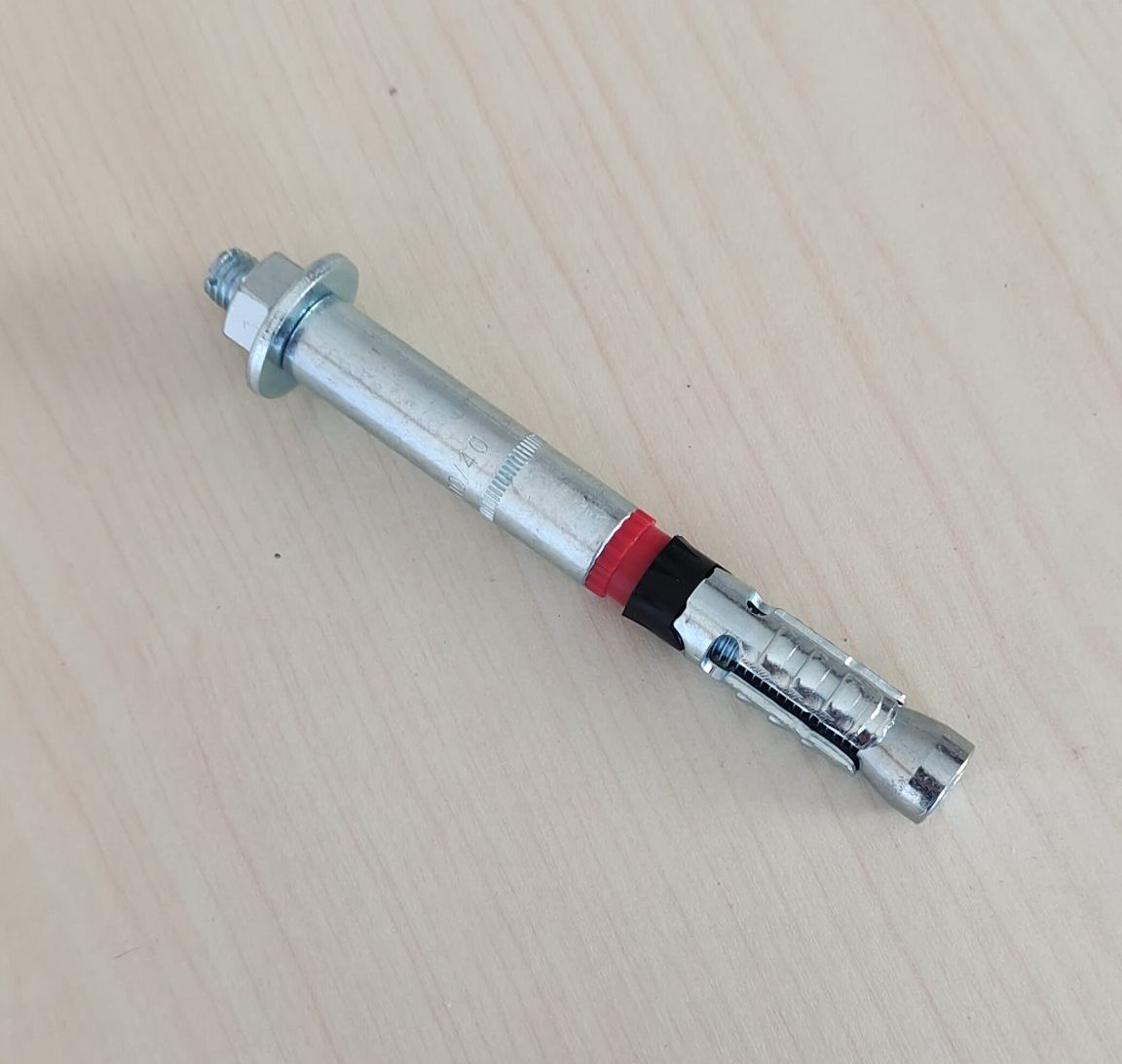
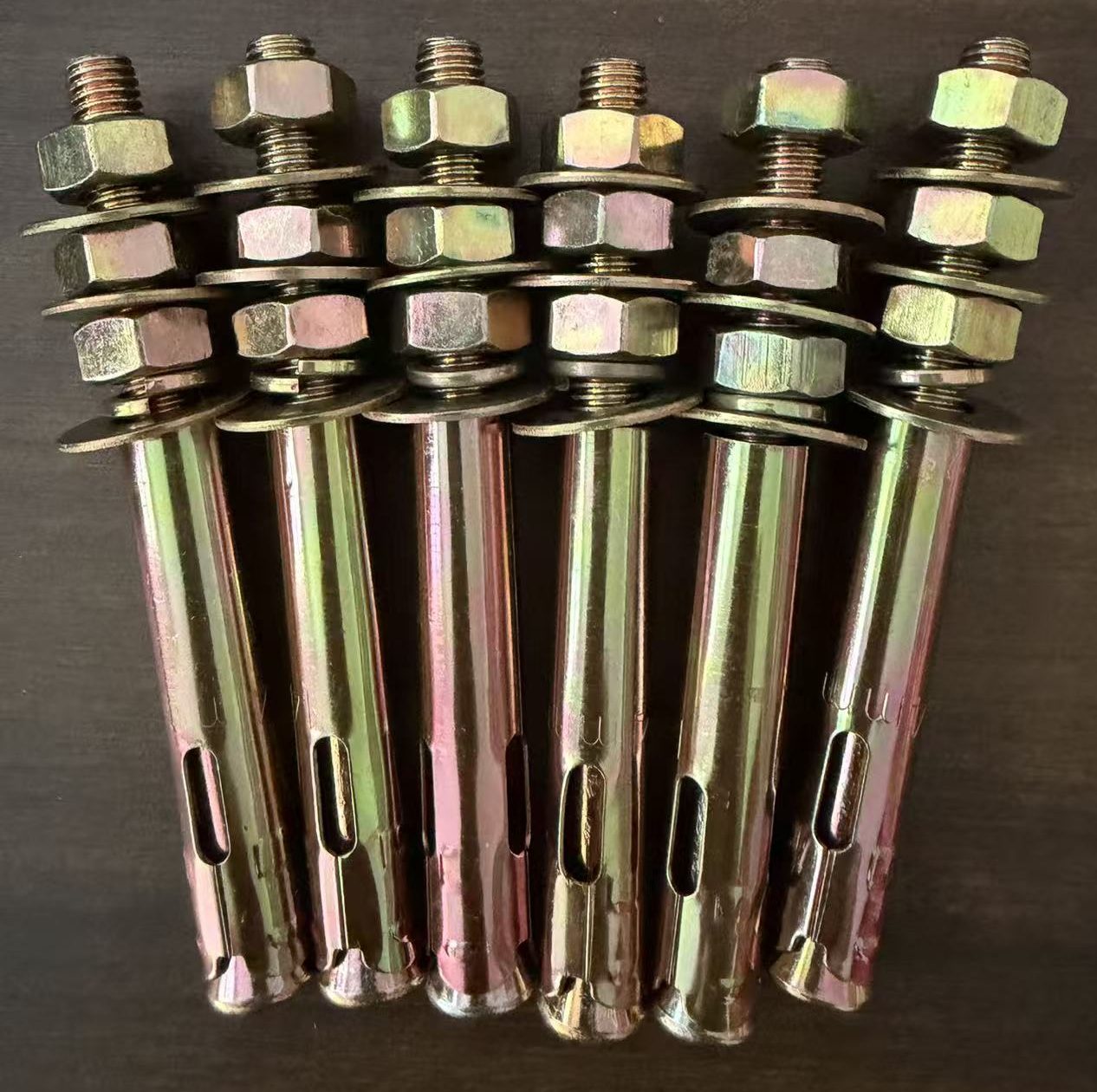
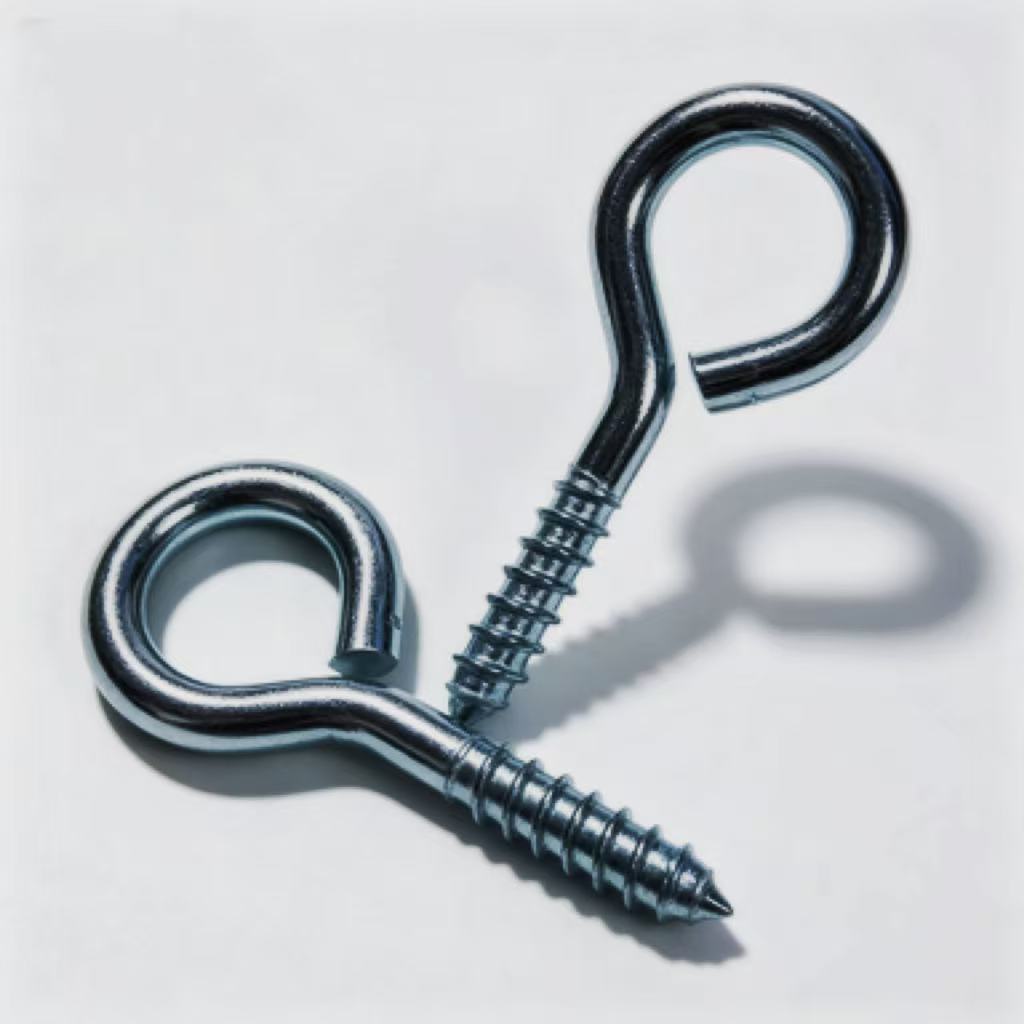
High strength bolts are ubiquitous in modern engineering. Their ability to maintain clamping force under varying conditions makes them indispensable in several key sectors. Our products, including various types of casing geckos and wooden teeth welded sheep’s eye screws/bolts, serve diverse industrial needs beyond standard hex bolts.
Construction and Infrastructure
In the construction of skyscrapers, bridges, and stadiums, high strength bolts are used to connect steel beams and columns. These connections must withstand wind loads, seismic activity, and the weight of the structure itself. Slip-critical connections, where friction prevents movement, rely heavily on the precise tensioning of Grade 10.9 or A490 bolts. Our experience in supplying to global markets means we understand the rigorous certification required for such public safety projects.
Heavy Machinery and Equipment
Excavators, cranes, and mining equipment operate under extreme vibration and shock loads. Standard bolts would loosen or fail under these conditions. High strength bolts with proper locking mechanisms ensure that critical components remain secure. Our specialized products, such as wooden teeth welded sheep’s eye screws, offer unique solutions for specific mounting and lifting applications in rugged environments.
Energy and Power Generation
Wind turbines, oil rigs, and power plants require fasteners that can resist corrosion and fatigue over decades of service. High strength bolts used in these sectors often feature additional coatings like hot-dip galvanizing or Dacromet to enhance durability. We adhere to strict quality control measures to ensure that our bolts meet the longevity requirements of the energy sector.
Automotive and Transportation
From chassis assemblies to engine mounts, vehicles rely on high strength fasteners for safety. The trend towards lightweight materials in electric vehicles increases the demand for high-performance bolts that can join dissimilar materials without causing galvanic corrosion or stress cracking. Our investment in scientific research allows us to develop products that meet these evolving automotive standards.
How to Choose the Right High Strength Bolt
Choosing the right bolt involves more than just picking a grade. Engineers and procurement specialists must consider environmental factors, load types, and installation constraints. Here is a structured approach to selection:
1. Determine Load Requirements
Calculate the maximum tensile and shear loads the connection will face. Include safety factors for dynamic loads or vibrations. For static loads, a lower grade like 8.8 might suffice. For dynamic or shock loads, higher grades like 10.9 or 12.9 are recommended.
2. Assess Environmental Conditions
Exposure to moisture, chemicals, or extreme temperatures affects bolt performance. In corrosive environments, stainless steel high strength bolts or coated carbon steel bolts are necessary. Our company offers various surface treatments to enhance corrosion resistance, ensuring product longevity.
3. Consider Installation Method
The method of tightening impacts the bolt’s performance. Torque control, turn-of-nut, or direct tension indicators each have different requirements for bolt geometry and lubrication. Ensure the selected bolt is compatible with the installation tools and procedures available on-site.
4. Verify Standard Compliance
Ensure the bolt meets the specific standards required by the project specifications. International projects may require dual certification (e.g., both DIN and ASTM). Our products meet GB, DIN, JIS, ANSI, and other different standards, providing flexibility for global projects.
Installation Best Practices and Common Mistakes
Even the highest quality bolt can fail if installed incorrectly. Proper installation is crucial to achieving the desired preload and ensuring joint integrity. Based on our ten years of industry experience, we have identified common pitfalls and best practices.
Best Practices
- Use Calibrated Tools: Always use torque wrenches or tensioning devices that are regularly calibrated. Inaccurate tools lead to under- or over-tightening.
- Lubrication: Apply appropriate lubricant to reduce friction coefficient variability. This ensures that the applied torque translates accurately into clamping force.
- Correct Sequence: Tighten bolts in a specified pattern, usually starting from the center and moving outward. This ensures even distribution of clamping force and prevents warping.
- Inspect Threads: Check threads for damage before installation. Damaged threads can strip or fail to achieve proper tension.
Common Mistakes to Avoid
- Over-tightening: Exceeding the yield strength causes permanent deformation, reducing the bolt’s ability to clamp. In severe cases, it leads to immediate fracture.
- Under-tightening: Insufficient preload allows the joint to slip, leading to fatigue failure due to vibration.
- Reusing Bolts: High strength bolts are generally designed for single-use. Reusing them can result in unpredictable failure due to prior stretching or thread damage.
- Ignoring Washer Requirements: Hardened washers are often required with high strength bolts to distribute the load and prevent embedding into the connected material.
Our professional technical team provides guidance on installation protocols to help customers avoid these errors. We believe that providing high-quality products is only half the equation; ensuring they are used correctly is equally important.
Why Partner with Us? A Commitment to Integrity and Innovation
In a market flooded with generic suppliers, our company stands out through a combination of manufacturing capability, trade expertise, and unwavering commitment to quality. As a global industry and trade combination company, we bridge the gap between production efficiency and international service standards.
Our location in Handan, Hebei, places us at the epicenter of China’s fastener manufacturing cluster. This strategic advantage allows us to source raw materials efficiently and leverage a skilled workforce. However, we do not rely solely on location. We actively increase investment in scientific research and introduce high-tech talents to drive innovation. This focus on R&D enables us to develop new products, such as our specialized casing geckos and wooden teeth welded sheep’s eye screws, which address niche market needs.
We adhere to an integrity-based business philosophy. This means transparent pricing, honest lead times, and full disclosure of material certifications. Our products are sold to more than 26 different countries, a testament to our ability to meet diverse international requirements. Whether you need standard high strength bolts or custom-designed fasteners, we have the capacity and expertise to deliver.
Our “quality first, customer first” principle is not just a slogan; it is embedded in our operational DNA. From the initial inquiry to final delivery, we seek to provide excellent and thoughtful service. Maintaining the company’s reputation and meeting the needs of our customers is our ultimate goal. We offer competitive prices without compromising on quality, thanks to our advanced machinery and efficient production processes.
Frequently Asked Questions (FAQ)
What is the difference between high strength bolts and ordinary bolts?
High strength bolts are made from higher grade materials and undergo heat treatment (quenching and tempering) to achieve superior tensile and yield strengths. Ordinary bolts are typically made from low carbon steel and do not undergo heat treatment, making them suitable only for low-load applications.
Can high strength bolts be reused?
Generally, no. High strength bolts are designed for single-use applications. Once tightened, they undergo plastic deformation that changes their mechanical properties. Reusing them can lead to unpredictable clamping forces and potential failure.
What standards do your high strength bolts meet?
Our bolts meet a wide range of international standards, including GB (China), DIN (Germany), JIS (Japan), and ANSI/ASTM (USA). We can provide material certificates and test reports corresponding to the specific standard required by your project.
Do you offer custom specifications?
Yes, according to customer needs, we can customize special specifications, quality, and quantity. Our professional technical team can work with you to design fasteners that meet unique application requirements.
How do you ensure quality control?
We use advanced production technology and perfect testing methods. Our quality control process includes spectral analysis of raw materials, dimensional inspection, hardness testing, and tensile strength testing. We adhere to strict ISO-quality management principles to ensure consistency.
Conclusion: Secure Your Supply Chain with Reliable Fasteners
High strength bolts are critical components that ensure the safety and longevity of structural and mechanical assemblies. Choosing the right manufacturer involves evaluating technical expertise, quality control capabilities, and adherence to international standards. With over ten years of experience, a strategic location in Handan, and a commitment to innovation, we are well-positioned to be your trusted partner in fastener supply.
Our comprehensive product range, including high strength bolts, casing geckos, and specialized screws, caters to diverse industrial needs. We combine manufacturing prowess with trade flexibility to serve clients in over 26 countries. By prioritizing quality, integrity, and customer satisfaction, we deliver solutions that meet the rigorous demands of modern engineering.
Whether you are managing a large-scale construction project or sourcing components for heavy machinery, our team is ready to provide tailored solutions. Contact us today to discuss your specific requirements, request a quote, or learn more about our custom manufacturing capabilities.
→ Explore our full range of high strength bolts and fastener solutions