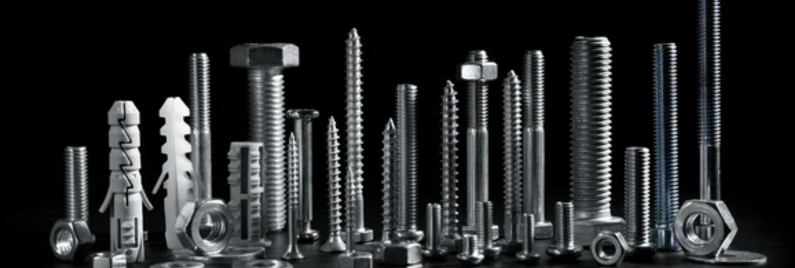
A metal frame anchor is a specialized fastening device designed to secure structural metal framing systems to concrete, masonry, or steel substrates. Unlike standard anchors, these components are engineered to withstand high shear and tensile loads while accommodating the unique thermal expansion properties of metal studs and tracks. Selecting the correct type ensures structural integrity, code compliance, and long-term durability in commercial and residential construction projects.
What Is a Metal Frame Anchor and How Does It Work?
The fundamental purpose of a metal frame anchor is to create a rigid yet adaptable connection between non-structural metal framing and the building’s primary structure. In modern construction, cold-formed steel (CFS) framing is ubiquitous for interior walls, exterior facades, and ceiling grids. However, metal expands and contracts with temperature fluctuations more significantly than concrete or masonry.
Therefore, a high-quality anchor system must do more than just hold weight; it must manage movement. The mechanism typically involves a base plate secured to the substrate via mechanical expansion or chemical bonding, paired with a slotted or adjustable connector that attaches to the metal track. This design allows for vertical or horizontal adjustment during installation and accommodates minor structural shifts without compromising the wall assembly.
Industry professionals recognize that failure to use appropriate anchoring solutions can lead to drywall cracking, misaligned facades, and in severe cases, structural detachment. The engineering logic behind these anchors prioritizes load distribution, ensuring that forces are transferred efficiently from the lightweight gauge steel framing into the heavy-duty base material.
Core Types of Metal Frame Anchors
Understanding the specific categories of anchors is critical for specifying the right product for a given application. The market offers several distinct designs, each tailored to different substrate conditions and load requirements.
Mechanical Expansion Anchors
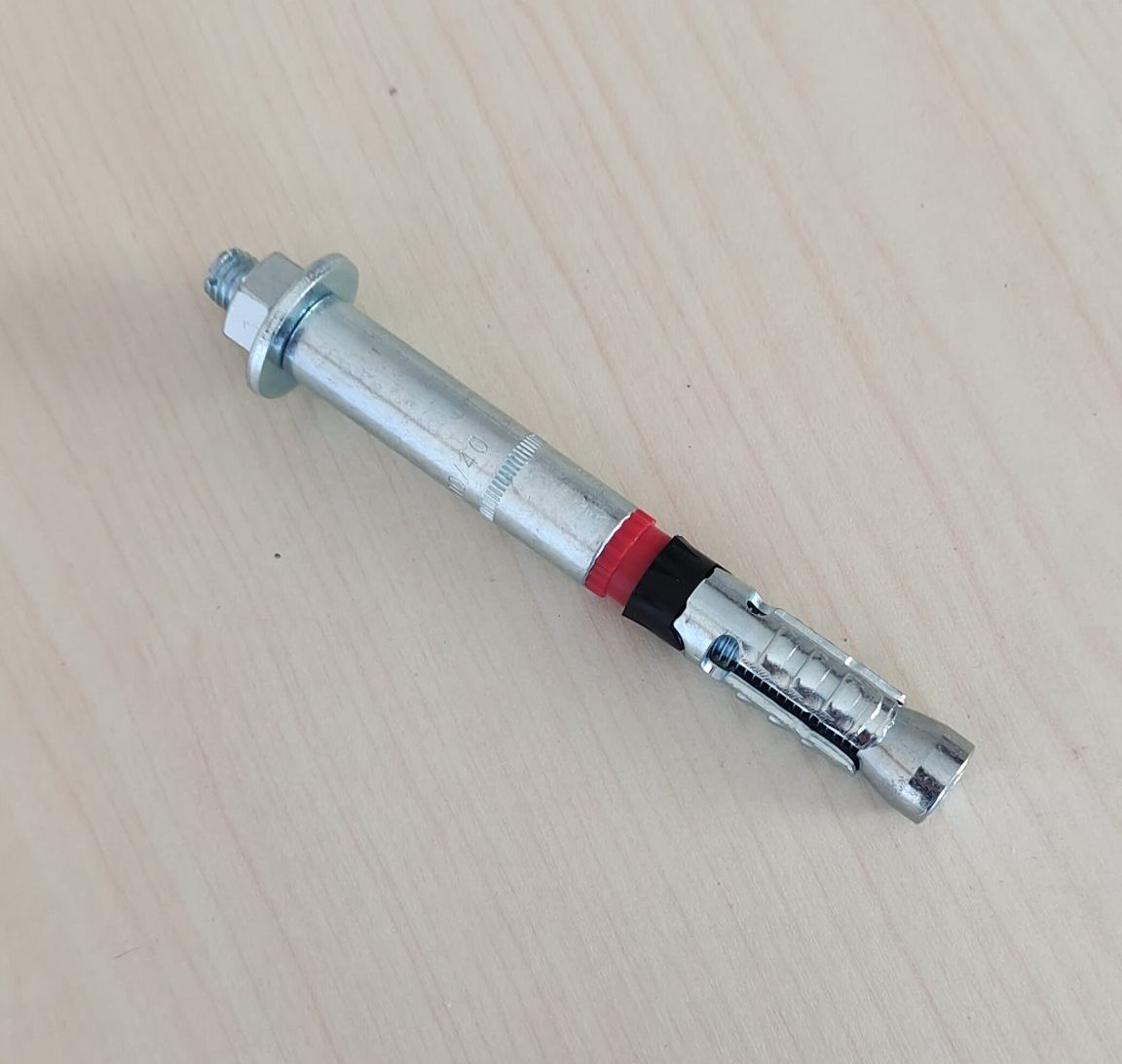
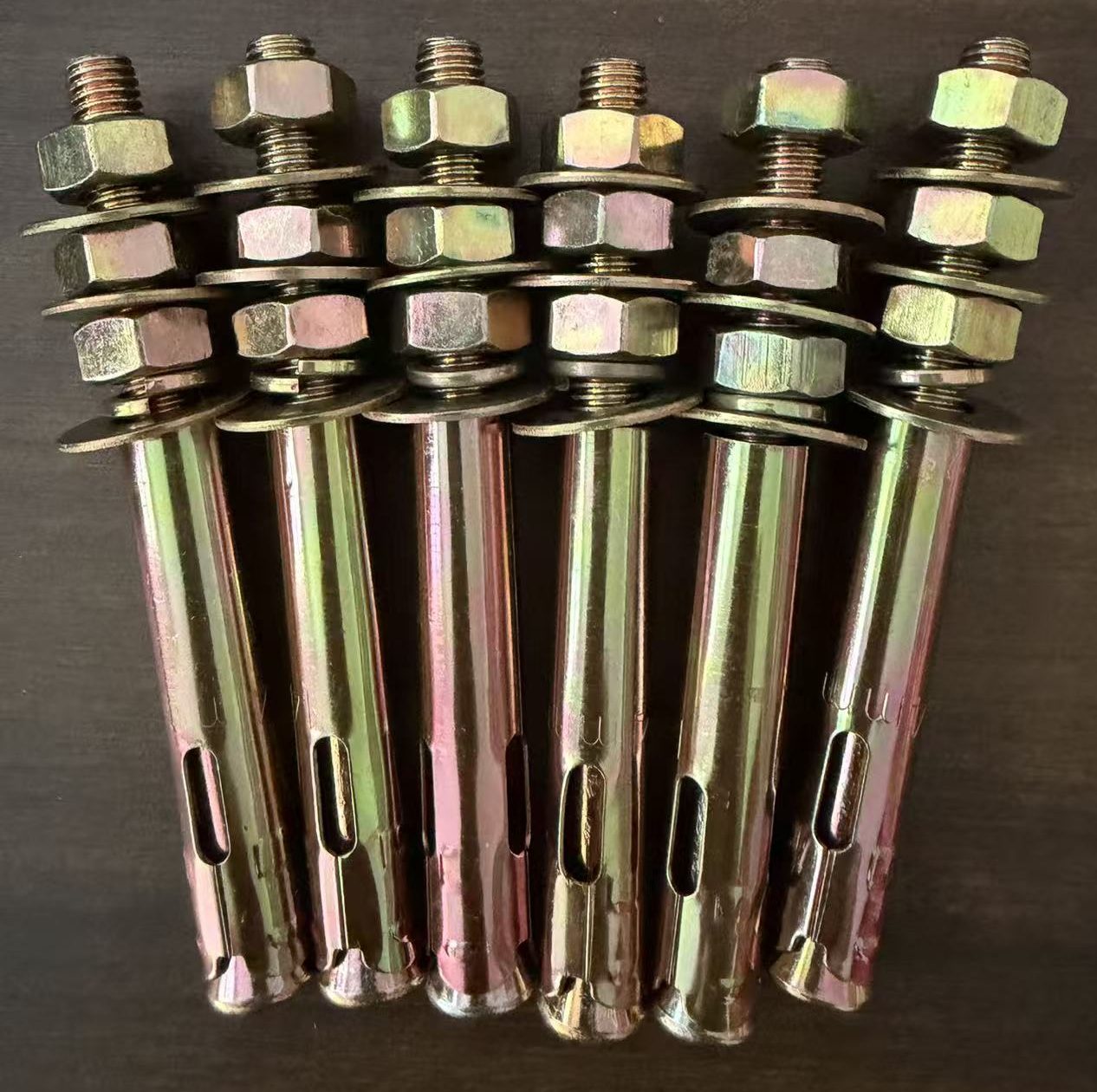
These are among the most common solutions for solid concrete applications. They function by expanding against the walls of a pre-drilled hole when a bolt is tightened. For metal framing, wedge anchors and sleeve anchors are frequently utilized.
- Wedge Anchors: Ideal for heavy-load applications where the metal frame supports significant weight, such as exterior cladding systems.
- Sleeve Anchors: Provide reliable holding values in both concrete and solid brick, offering a balance between ease of installation and strength.
- Hammer Sets: Designed for rapid installation in high-volume projects, though they generally offer lower load capacities compared to torque-controlled variants.
The primary advantage of mechanical anchors is their immediate load-bearing capacity. Once installed and torqued, they can often support the frame immediately, which accelerates construction schedules.
Undercut Anchors
For scenarios requiring the highest possible tensile strength, undercut anchors represent the premium choice. These devices lock into a specially shaped recess at the bottom of the drill hole rather than relying solely on friction against the sides.
This mechanical interlock makes them highly resistant to vibration and shock loads, which is essential in seismic zones or for framing supporting heavy mechanical equipment. While the installation process requires a specific drill bit to create the undercut profile, the resulting connection is often stronger than the base material itself.
Chemical Anchors for Metal Framing
When dealing with cracked concrete, hollow block, or edges where mechanical expansion might cause spalling, chemical anchors provide a superior alternative. This system involves injecting a resin cartridge into the drilled hole before inserting a threaded rod or rebar.
The resin cures to form a bond that distributes stress evenly along the entire embedment depth. This is particularly beneficial for metal frame anchor applications near the edge of a slab or in older masonry where the material integrity is inconsistent. Chemical solutions also eliminate expansion stresses, reducing the risk of cracking sensitive substrates.
Adjustable and Slotted Connectors
A unique subset of hardware focuses specifically on the interface between the anchor base and the metal track. These components feature elongated slots or telescoping mechanisms.
- Vertical Adjustment: Allows installers to compensate for floor levelness variations, ensuring the top of the wall remains plumb.
- Thermal Movement: Accommodates the expansion and contraction of long runs of metal studs without inducing buckling.
- Tolerance Absorption: Helps align framing with architectural features that may not be perfectly square.
Comparison of Anchor Technologies
Selecting the optimal solution requires weighing factors such as substrate type, load requirements, and installation speed. The following table outlines the key differences between mainstream anchor technologies used in metal framing.
| Anchor Type | Ideal Substrate | Load Capacity | Installation Speed | Key Advantage |
| Mechanical Wedge | Solid Concrete | High | Fast | Immediate load bearing |
| Undercut | Solid Concrete/Stone | Very High | Moderate | Vibration resistance & seismic performance |
| Chemical Resin | Cracked Concrete/Masonry | High | Slow (Cure time) | No expansion stress; edge distance flexibility |
| Sleeve Anchor | Concrete/Brick/Block | Medium | Fast | Versatility across materials |
| Slotted Connector | All (as interface) | N/A (Interface) | Fast | Accommodates movement and tolerance |
This comparison highlights that no single anchor fits every scenario. A robust project specification will often utilize a combination of these types depending on the specific zone of the building.
Step-by-Step Installation Guide
Proper installation is just as critical as product selection. Even the highest-grade metal frame anchor will fail if installed incorrectly. Follow this industry-standard procedure to ensure optimal performance.
Step 1: Site Assessment and Layout
Before drilling, verify the substrate condition and locate any embedded utilities using a scanning device. Mark the anchor points according to the engineering drawings, ensuring spacing complies with local building codes. Typically, anchors are placed at regular intervals along the track, with additional reinforcement at corners and door openings.
Step 2: Drilling the Hole
Select a carbide-tipped drill bit matching the diameter specified by the anchor manufacturer. Drill perpendicular to the surface to the required depth. It is crucial to drill slightly deeper than the anchor length to accommodate dust and ensure full seating.
- Clean the hole thoroughly using a wire brush, compressed air, or vacuum. Dust removal is vital for chemical anchors and improves friction for mechanical ones.
- Inspect the hole for cracks or crumbling edges. If the substrate is compromised, consider relocating the point or switching to a chemical solution.
Step 3: Anchor Insertion
For mechanical anchors, insert the unit into the clean hole. Ensure the washer and nut are loosely assembled to allow the anchor to expand properly. For chemical anchors, inject the resin from the bottom up to avoid air pockets, then insert the threaded rod with a twisting motion.
Step 4: Setting and Torquing
Tighten the nut to the manufacturer’s recommended torque value. Use a calibrated torque wrench to achieve consistency. Over-torquing can strip threads or crack the substrate, while under-torquing prevents proper expansion.
Step 5: Attaching the Metal Frame
Position the metal track over the installed anchors. If using slotted connectors, adjust the position to align with the layout lines before final tightening. Secure the track using the appropriate nuts and washers, ensuring a tight fit without distorting the thin-gauge steel.
Critical Applications and Use Cases
The versatility of metal framing means anchors are used in diverse scenarios. Understanding the specific demands of each application helps in choosing the right hardware.
Exterior Curtain Walls and Facades
In commercial buildings, metal studs often support heavy exterior cladding like stone, terra cotta, or metal panels. These systems impose significant wind loads and dead loads on the anchors. Here, metal frame anchor systems must often include galvanization or stainless steel components to resist corrosion from weather exposure. Undercut anchors are frequently specified here due to their superior pull-out strength.
Interior Partition Walls
For office partitions and residential dividers, the loads are primarily vertical (supporting the wall weight) and lateral (impact resistance). Sleeve anchors or standard drop-in anchors are commonly sufficient. However, in areas requiring soundproofing or fire ratings, the density of anchors may increase to ensure the track remains tightly sealed against the floor and ceiling.
Seismic and High-Vibration Zones
In regions prone to earthquakes or near heavy machinery, dynamic loads become the primary concern. Standard friction-based anchors may loosen over time under constant vibration. Industry best practices dictate the use of undercut anchors or specialized seismic-rated chemical anchors that maintain grip even when the concrete micro-cracks during an event.
Suspended Ceiling Grids
While often lighter duty, ceiling grids require precise alignment. Anchors here must support the grid wires or direct attachments without sagging. Drop-in anchors are popular for overhead concrete decks because they sit flush with the surface, preventing interference with other services.
Advantages and Limitations Analysis
Evaluating the pros and cons of different anchoring strategies provides clarity for decision-makers and engineers.
Advantages of Specialized Metal Frame Anchors
- Structural Reliability: Engineered specifically for the thin-walled nature of metal studs, preventing pull-through failures.
- Movement Accommodation: Slotted designs prevent thermal buckling, a common issue in long corridor walls.
- Code Compliance: Reputable products come with ICC-ES evaluation reports, simplifying the permitting process.
- Installation Efficiency: Designed for quick alignment, reducing labor hours on large-scale projects.
Potential Limitations
- Substrate Dependency: Mechanical anchors perform poorly in hollow or low-density masonry without special sleeves.
- Corrosion Risk: Standard zinc-plated anchors may rust in humid environments; stainless steel options are costlier but necessary for longevity.
- Edge Distance Sensitivity: Placing anchors too close to the edge of a concrete slab can cause blowouts, requiring careful planning.
Expert Insights on Selection and Maintenance
With years of industry observation, several key trends have emerged regarding the selection and lifecycle management of framing anchors. Experts emphasize that the “cheapest” option is rarely the most cost-effective when factoring in rework and liability.
Material Compatibility: One of the most overlooked aspects is galvanic corrosion. When connecting dissimilar metals, such as aluminum tracks to steel anchors in a moist environment, electrolytic reactions can degrade the connection rapidly. Using insulated washers or selecting compatible alloys is a simple yet critical step often missed in generic specifications.
Load Testing: For critical infrastructure, on-site pull testing is becoming standard practice. Rather than relying solely on theoretical data, contractors verify the actual holding power in the specific concrete batch used on the job site. This empirical approach significantly enhances trustworthiness and safety margins.
Future-Proofing: As buildings become smarter and heavier with integrated technology, the load demands on interior framing are increasing. Specifying anchors with a higher safety factor than currently required allows for future renovations or equipment upgrades without reinforcing the entire structure.
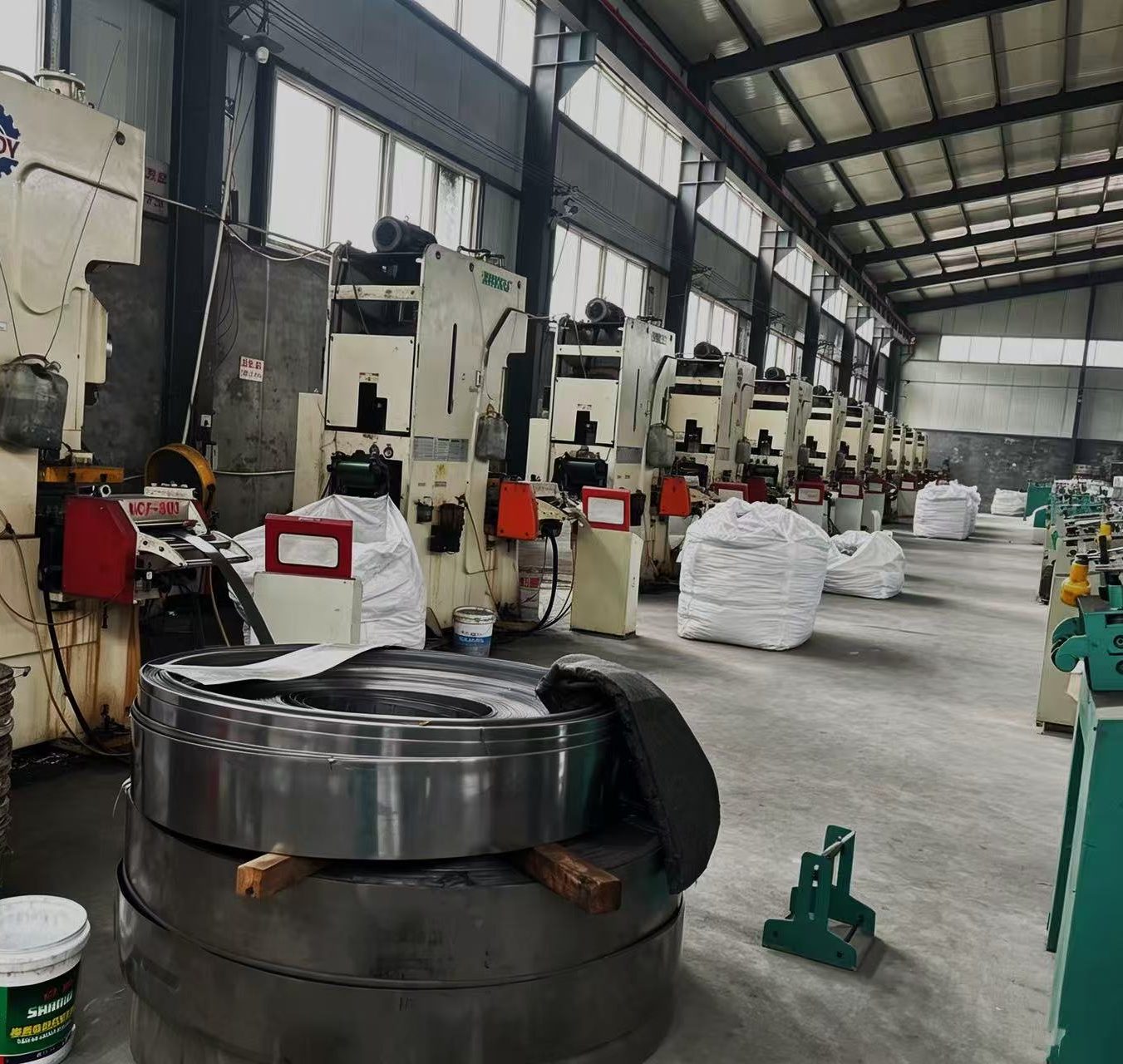
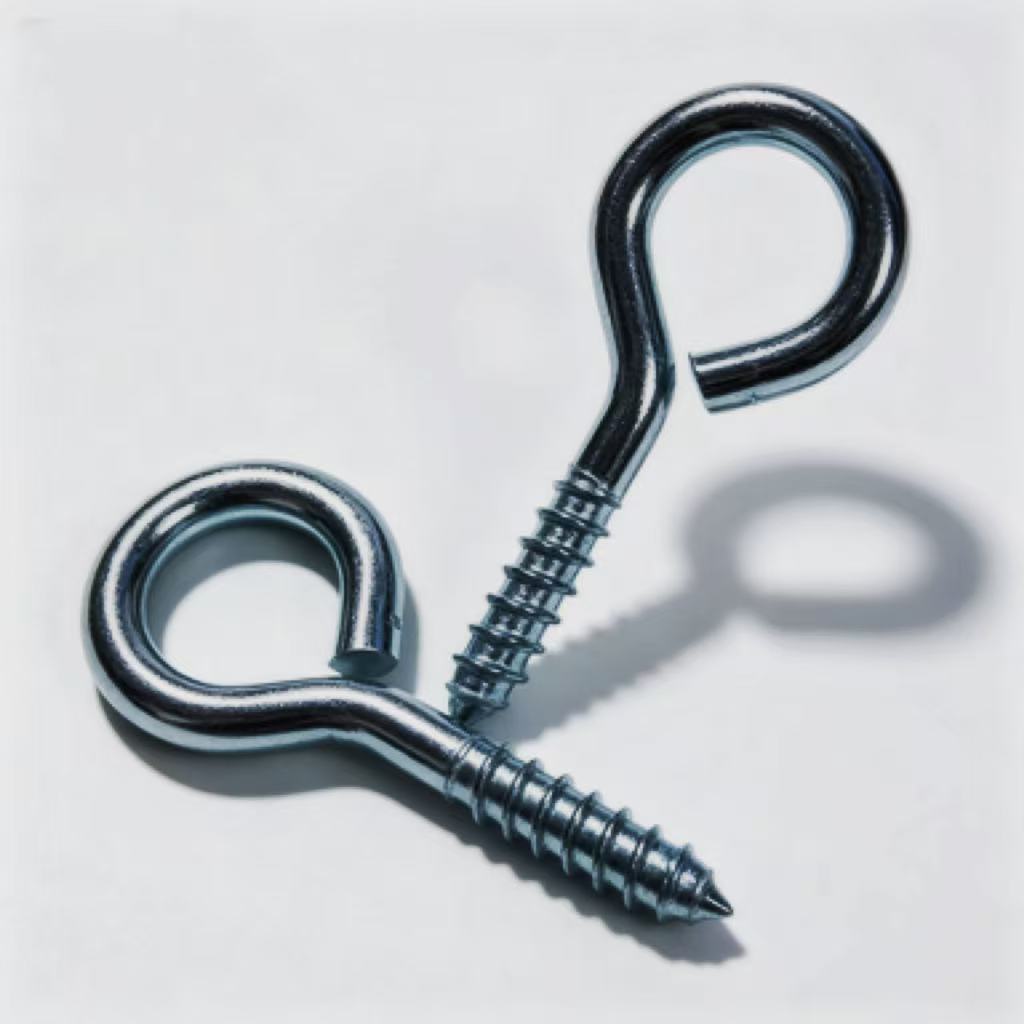
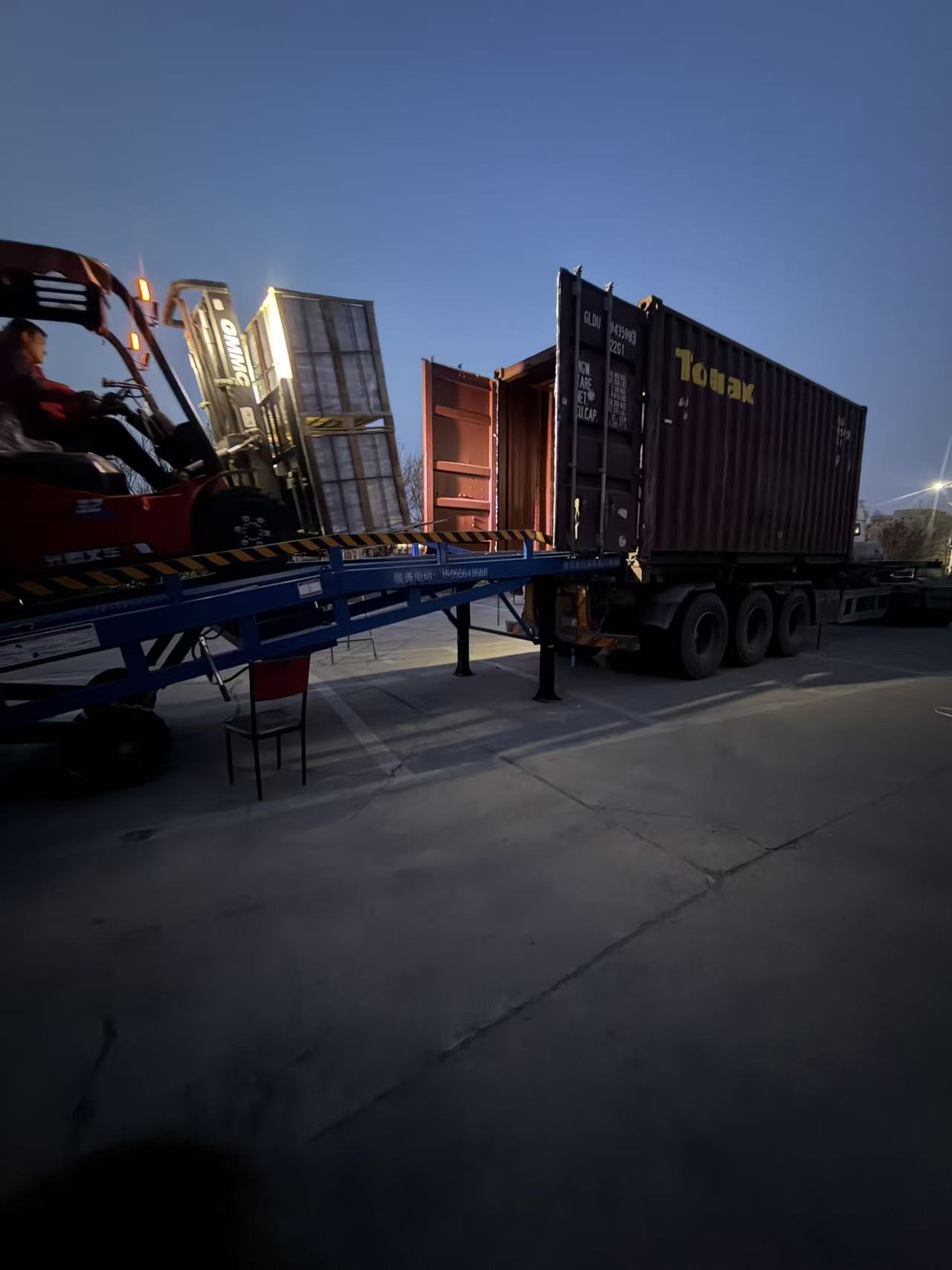
The Role of Experienced Manufacturers: Navigating these complex requirements demands a partner with deep technical expertise. Based in Handan, Hebei—the heart of China’s fastener manufacturing industry—our company combines over a decade of experience with advanced R&D capabilities to deliver precision anchoring solutions. We specialize in producing a wide range of high-performance fasteners, including casing geckos, wooden teeth welded sheep’s eye screws/bolts, and custom metal frame anchors tailored to global standards (GB, DIN, JIS, ANSI). By integrating scientific research with rigorous quality control, we ensure every product meets the strict demands of seismic zones, corrosive environments, and heavy-load applications. Our commitment to “quality first, customer first” has enabled us to serve clients in over 26 countries, providing not just products, but comprehensive technical support and customized specifications to solve unique construction challenges.
Frequently Asked Questions (FAQ)
What is the difference between a wood screw anchor and a metal frame anchor?
Wood screw anchors rely on threading into fibrous material, whereas a metal frame anchor is designed to clamp onto or bolt through thin-gauge steel tracks and secure into hard substrates like concrete. They differ fundamentally in load mechanics and material interaction.
Can I use a metal frame anchor in hollow brick?
Standard mechanical expansion anchors are not suitable for hollow brick as they cannot generate sufficient friction. For hollow masonry, you should use specialized toggle bolts, nylon sleeve anchors designed for cavities, or chemical anchors with mesh sleeves to contain the resin.
How do I prevent corrosion in outdoor metal framing?
To prevent corrosion, specify anchors made from 304 or 316 stainless steel, especially in coastal or high-humidity areas. Additionally, ensure that any cut ends of galvanized tracks are treated with a zinc-rich paint to maintain the protective coating continuity.
Is torque control necessary for all metal frame anchors?
Yes, for mechanical expansion anchors, torque control is essential. The expansion force is directly proportional to the applied torque. Without a torque wrench, there is a high risk of under-expansion (loose fit) or over-expansion (substrate damage).
What spacing is recommended for metal track anchors?
Spacing depends on the load and local codes, but a common industry standard is 24 inches on center for interior partitions and 16 inches on center for exterior walls or high-load applications. Always consult the project’s structural engineer for specific requirements.
Conclusion and Next Steps
Securing metal framing systems requires more than generic fasteners; it demands a purpose-built metal frame anchor solution that addresses load dynamics, substrate variability, and environmental factors. From high-strength undercut anchors for seismic zones to adjustable connectors for thermal movement, the right choice ensures the longevity and safety of the built environment.
This guide is ideal for contractors, structural engineers, and project managers seeking to optimize their framing specifications. By understanding the distinctions between mechanical, chemical, and adjustable systems, professionals can mitigate risks and enhance build quality. Partnering with an experienced manufacturer who adheres to international standards and offers customized solutions further guarantees project success.
Ready to specify the right solution? Evaluate your project’s specific substrate conditions and load requirements against the criteria outlined above. Prioritize products with verified testing data and ensure your installation teams are equipped with the proper tools for torque control and hole preparation. Making an informed choice today prevents costly remediation tomorrow.