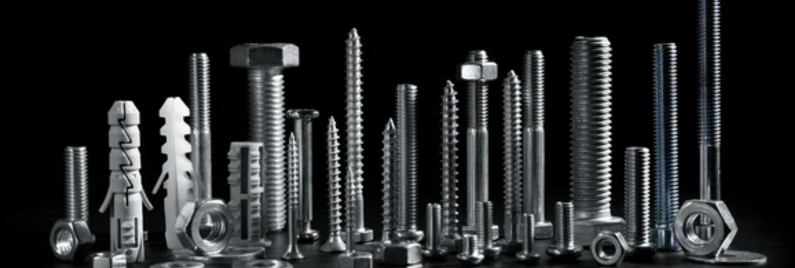
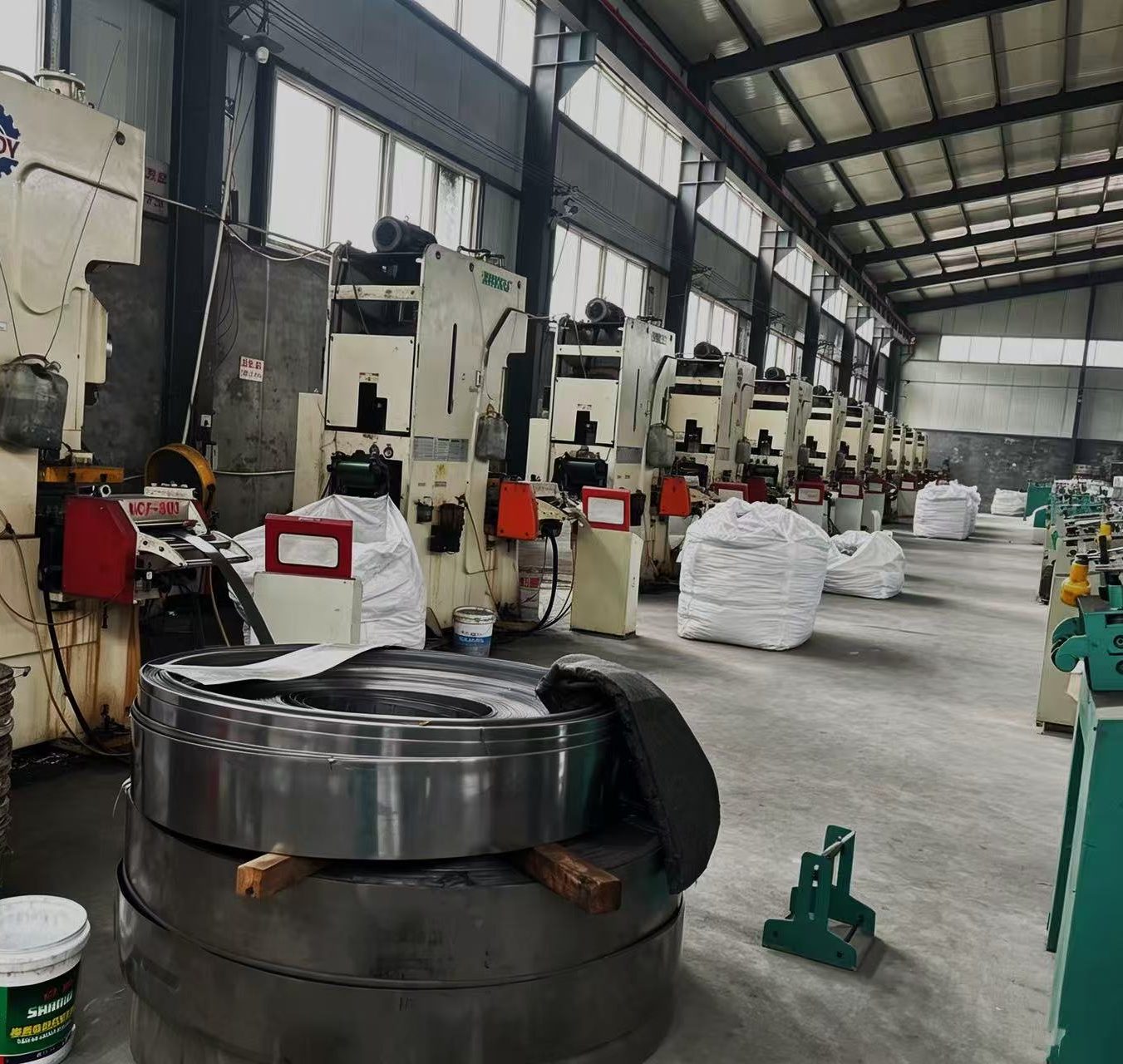
Stainless steel hex bolts are high-strength fasteners featuring a six-sided head, engineered from corrosion-resistant alloys to withstand harsh environments. These components are essential for structural integrity in marine, chemical, and architectural applications where rust prevention is critical. Sourced directly from our factory in Handan, China—the heart of the global fastener industry—our OEM solutions offer competitive pricing without compromising on material grade or mechanical performance. With over a decade of experience exporting to more than 26 countries, we ensure reliable connections for industrial projects globally.
What Are Stainless Steel Hex Bolts and Why Do They Matter?
Stainless steel hex bolts represent a fundamental category of threaded fasteners designed for heavy-duty assembly. Unlike standard carbon steel variants, these bolts incorporate chromium, which forms a passive oxide layer on the surface. This layer acts as an impenetrable shield against oxidation, making them indispensable in corrosive settings.
The hexagonal head design allows for maximum torque application using common wrenches or sockets. This geometry ensures efficient tightening and loosening, even when space is limited. The combination of durable material and practical design makes them the preferred choice for engineers prioritizing longevity.
Key characteristics include high tensile strength, resistance to extreme temperatures, and minimal maintenance requirements. Industries ranging from food processing to offshore drilling rely on these fasteners to maintain safety standards and operational continuity over decades of use.
The Science Behind Corrosion Resistance
The primary advantage of stainless steel lies in its metallurgical composition. When exposed to oxygen, the chromium content reacts to form a thin, invisible film known as the passive layer. If this layer is scratched or damaged, it self-heals in the presence of oxygen, restoring protection immediately.
This self-repairing mechanism distinguishes stainless steel from coated alternatives, where damage to the coating leads to rapid rust propagation. In environments with high humidity, salt spray, or acidic chemicals, this intrinsic property prevents catastrophic failure of bolted joints.
Manufacturers control the specific alloy ratios to tailor performance. For instance, increasing molybdenum content enhances resistance to pitting corrosion in chloride-rich environments like seawater. Understanding these nuances helps buyers select the right grade for their specific operational challenges.
Grades and Material Specifications: Choosing the Right Alloy
Selecting the appropriate grade is the most critical decision when procuring stainless steel hex bolts. The industry primarily utilizes austenitic grades, known for their excellent formability and corrosion resistance. The two most prevalent specifications are Grade 304 and Grade 316.
Grade 304, often referred to as A2 in ISO standards, contains approximately 18% chromium and 8% nickel. It offers robust protection against most organic chemicals and atmospheric conditions. This makes it the standard choice for general manufacturing, architectural fixtures, and indoor machinery.
Grade 316, or A4, includes an additional 2-3% molybdenum. This addition significantly boosts resistance to chlorides and industrial solvents. Consequently, Grade 316 is the mandatory specification for marine hardware, pharmaceutical equipment, and coastal construction projects where salt exposure is constant.
Mechanical Property Classes
Beyond chemical composition, mechanical strength defines the bolt’s load-bearing capacity. Stainless steel hex bolts are categorized into strength classes such as A2-70 or A4-80. The number indicates the minimum tensile strength in hundreds of MPa.
- A2-70: Cold worked to achieve a tensile strength of 700 MPa. Suitable for most general-purpose applications requiring moderate strength.
- A4-80: Offers higher strength (800 MPa) while maintaining superior corrosion resistance. Ideal for critical structural connections.
- A2-50 / A4-50: Annealed condition with lower strength but maximum ductility, used where forming or bending is required post-manufacture.
Engineers must match the strength class to the design loads of the assembly. Over-specifying can lead to unnecessary costs, while under-specifying risks joint failure. As a manufacturer adhering to strict quality control, we provide certification documents verifying these mechanical properties for every batch produced, ensuring compliance with GB, DIN, JIS, ANSI, and other international standards.
Factory Direct Pricing vs. Distributor Markups
Procuring stainless steel hex bolts directly from the manufacturer offers significant economic advantages compared to buying through multi-tier distribution networks. Each intermediary in the supply chain adds a margin to cover logistics, storage, and profit, inflating the final cost to the end-user.
By eliminating these middlemen, buyers access factory direct pricing. Located in Handan, Hebei—a city renowned for its fastener manufacturing ecosystem—our facility combines industry and trade to streamline operations. This model not only reduces unit costs but also shortens lead times. Direct communication with our production team allows for real-time updates on order status and immediate resolution of technical queries.
Furthermore, factory-direct relationships facilitate better inventory management. Large-scale projects often require just-in-time delivery to reduce on-site storage costs. We coordinate production schedules to align precisely with project milestones, a flexibility rarely offered by stock-holding distributors.
The Economics of Bulk Purchasing
Volume plays a pivotal role in cost optimization. Manufacturing lines operate most efficiently when running continuous batches of specific sizes and grades. Ordering in bulk allows the factory to minimize machine setup times and material waste.
These efficiencies are passed down to the buyer in the form of tiered pricing structures. For OEMs and large contractors, securing a long-term supply agreement with us can lock in favorable rates, shielding the project from volatile raw material market fluctuations.
Additionally, direct sourcing removes the risk of counterfeit products. The market sometimes suffers from substandard fasteners mislabeled as high-grade stainless. Buying straight from our source guarantees traceability and adherence to international quality standards like ISO 9001, backed by our “quality first, customer first” philosophy.
OEM Capabilities and Customization Options
Original Equipment Manufacturer (OEM) services allow businesses to tailor stainless steel hex bolts to their unique design requirements. Standard off-the-shelf items may not suffice for specialized machinery or proprietary assemblies where specific dimensions or finishes are necessary.
Customization begins with dimensional adjustments. While standard bolts follow DIN, ANSI, or ISO norms, our professional technical team can produce non-standard lengths, thread pitches, and head heights. This precision ensures a perfect fit for custom-engineered components, reducing assembly time and errors.
Surface finishing is another area of extensive customization. Beyond the standard plain finish, manufacturers can apply passivation treatments to enhance corrosion resistance further. Special coatings or electro-polishing can be requested to meet hygiene standards in food and beverage processing or to achieve specific aesthetic goals in architectural visible fixtures.
Prototyping and Low-Volume Runs
Innovation often requires testing new designs before full-scale production. Reputable factories support prototyping phases by accommodating low-volume runs. This capability enables R&D teams to validate the performance of custom bolt designs under real-world stress conditions.
During the prototyping stage, engineers collaborate closely with our technical experts. We analyze stress points, thread engagement, and material behavior. Feedback loops are established to refine the design iteratively, ensuring the final product meets all functional criteria before mass production commences.
This collaborative approach fosters innovation. Whether it is a unique drive style, a modified shank diameter, or a specialized locking feature, our advanced production lines can adapt to bring conceptual designs into tangible, high-performance reality. Our commitment to new product development ensures we stay ahead of industry trends.
Comparison of Stainless Steel Grades for Hex Bolts
Understanding the differences between available grades is vital for making an informed purchasing decision. The following table contrasts the most common stainless steel specifications used in hex bolt manufacturing, highlighting their distinct advantages and ideal applications.
| Feature |
Grade 304 (A2) |
Grade 316 (A4) |
Grade 310 (High Temp) |
| Primary Alloy |
18% Cr, 8% Ni |
16% Cr, 10% Ni, 2% Mo |
25% Cr, 20% Ni |
| Corrosion Resistance |
Excellent in mild environments |
Superior in chloride/salt water |
Good oxidation resistance |
| Max Continuous Temp |
Up to 870°C (intermittent) |
Up to 870°C (intermittent) |
Up to 1150°C |
| Cost Factor |
Standard / Economical |
Premium (due to Molybdenum) |
High |
| Ideal Application |
Indoor machinery, architecture |
Marine, chemical plants, coastal |
Furnaces, exhaust systems |
| Magnetic Properties |
Non-magnetic (slightly magnetic if cold worked) |
Non-magnetic (slightly magnetic if cold worked) |
Non-magnetic |
This comparison illustrates that while Grade 304 serves the majority of general industrial needs, the addition of molybdenum in Grade 316 justifies the higher cost for aggressive environments. Grade 310 remains a niche solution specifically for extreme thermal applications where standard austenitic steels might lose strength.
Installation Best Practices and Torque Guidelines
Proper installation is crucial to realizing the full potential of stainless steel hex bolts. Unlike carbon steel, stainless steel has a tendency to gall or seize during tightening. Galling occurs when friction causes the protective oxide layers to break down, leading to metal-to-metal contact and welding of the threads.
To prevent this, it is essential to use lubricants or anti-seize compounds on the threads and under the bolt head before assembly. These substances reduce the coefficient of friction, allowing for accurate torque application without damaging the fastener or the mating component.
Torque control is another critical factor. Stainless steel generally has a lower yield strength than high-tensile carbon steel. Applying excessive torque can stretch the bolt beyond its elastic limit, causing permanent deformation or thread stripping. Always refer to the manufacturer’s torque charts based on the specific grade and diameter.
Step-by-Step Installation Guide
Following a systematic approach ensures a secure and durable connection. The following steps outline the professional method for installing stainless steel hex bolts:
- Step 1: Inspection. Examine the bolt and nut for any visible defects, debris, or damaged threads. Ensure the holes are aligned correctly to avoid cross-threading.
- Step 2: Lubrication. Apply a suitable anti-seize compound to the male threads and the bearing surface of the bolt head. Avoid getting lubricant on the clamped surfaces if friction is required for joint stability.
- Step 3: Hand Tightening. Insert the bolt and thread the nut by hand until it seats firmly. This ensures proper thread engagement before applying tools.
- Step 4: Initial Torque. Use a calibrated torque wrench to tighten the bolt to approximately 30-50% of the final target torque. This seats the joint evenly.
- Step 5: Final Torque. Increase the torque in a star pattern (for multiple bolts) to the specified value. Do not exceed the recommended limit to prevent galling or yielding.
- Step 6: Verification. After a brief settling period, re-check the torque values to ensure no relaxation has occurred, especially in critical structural applications.
Adhering to these procedures minimizes the risk of installation failures. It extends the service life of the fastener and maintains the integrity of the entire assembly, particularly in dynamic loading conditions where vibration is present.
Common Applications Across Industries
The versatility of stainless steel hex bolts makes them ubiquitous across diverse sectors. Their ability to maintain structural integrity under stress and environmental attack drives their adoption in critical infrastructure and specialized machinery.
In the marine industry, these bolts are used for hull assembly, deck fittings, and propulsion systems. The constant exposure to saltwater demands the superior pitting resistance of Grade 316. Failure here could lead to severe safety hazards and costly repairs.
The food and beverage sector relies heavily on these fasteners for processing equipment. Hygiene regulations mandate materials that do not corrode or contaminate products during cleaning cycles involving hot water and harsh detergents. The smooth surface of polished stainless steel prevents bacterial buildup.
Architectural and Construction Uses
Modern architecture often features exposed steel elements for aesthetic appeal. Stainless steel hex bolts provide both structural support and visual consistency. They resist atmospheric pollution and weathering, maintaining their appearance without the need for painting or regular maintenance.
In chemical processing plants, equipment is subjected to aggressive acids and alkalis. Stainless steel fasteners ensure that flanges, valves, and reactor vessels remain sealed securely. The choice of grade depends on the specific chemical media being handled, with high-alloy variants used for the most corrosive processes.
Renewable energy installations, such as wind turbines and solar panel mounts, also utilize these bolts extensively. Located in remote and often harsh environments, these structures require fasteners that can endure decades of wind, rain, and temperature cycling without degradation.
Maintenance and Long-Term Performance
One of the defining benefits of stainless steel hex bolts is their low maintenance profile. However, “low maintenance” does not mean “no maintenance.” Periodic inspections are recommended to ensure ongoing performance, especially in extreme environments.
Visual checks should look for signs of crevice corrosion or deposit accumulation. While the material itself resists rust, trapped dirt or biological growth can create localized oxygen-depleted zones, potentially initiating corrosion. Regular cleaning with mild soap and water usually suffices to restore the passive layer.
In high-vibration applications, it is prudent to check bolt preload periodically. Although stainless steel has good fatigue resistance, dynamic loads can cause loosening over time. Using prevailing torque nuts or mechanical locking devices can mitigate this risk, ensuring the joint remains tight throughout its service life.
Troubleshooting Common Issues
Even with high-quality materials, issues can arise if the application parameters are misunderstood. Rust staining, for example, is sometimes mistaken for bolt corrosion. Often, this stain comes from carbon steel particles embedded on the surface during installation or from nearby grinding operations.
If rust spots appear, they can usually be removed with a specialized stainless steel cleaner or a diluted acid solution, followed by thorough rinsing. This restores the surface and allows the passive layer to reform. Identifying the source of iron contamination is key to preventing recurrence.
Thread seizure during disassembly is another common challenge. If a bolt was installed without lubrication or over-torqued, it may be difficult to remove. Penetrating oils and careful application of heat can help break the bond, but prevention through correct installation practices is far more effective.
Frequently Asked Questions (FAQ)
Addressing common queries helps clarify doubts regarding the selection, usage, and procurement of stainless steel hex bolts. Below are answers to frequently encountered questions from industry professionals.
Can stainless steel hex bolts be used with aluminum parts?
Yes, but caution is required due to galvanic corrosion. Stainless steel is more noble than aluminum on the galvanic series. In the presence of an electrolyte like water, the aluminum may corrode rapidly. To prevent this, use insulating washers or sleeves to separate the two metals electrically.
What is the difference between A2 and A4 stainless steel bolts?
A2 corresponds to Grade 304, offering good general corrosion resistance. A4 corresponds to Grade 316, which includes molybdenum for enhanced resistance to chlorides and acids. A4 is the preferred choice for marine and chemical environments, while A2 is sufficient for most indoor and atmospheric applications.
Do you offer custom lengths for OEM orders?
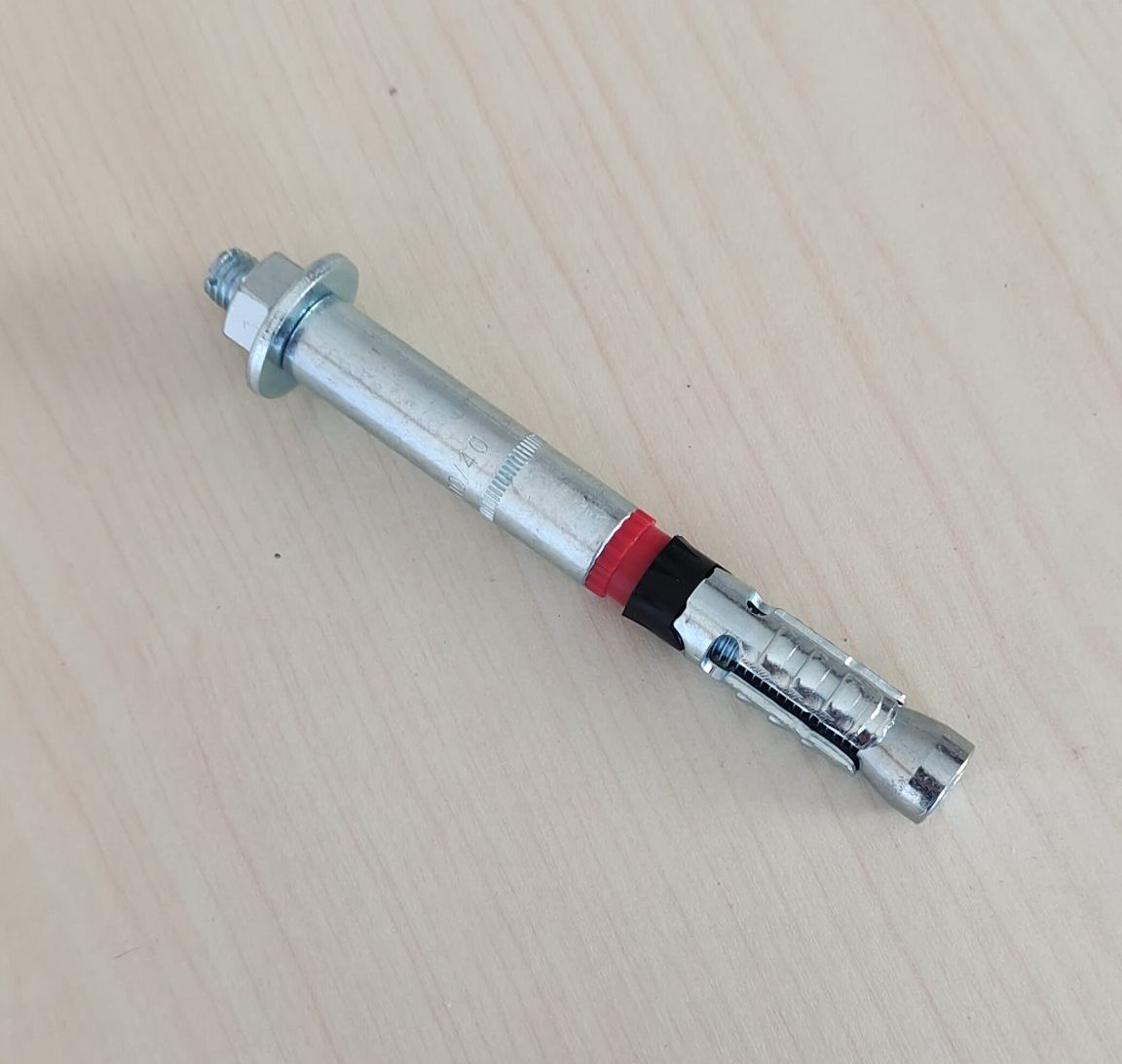
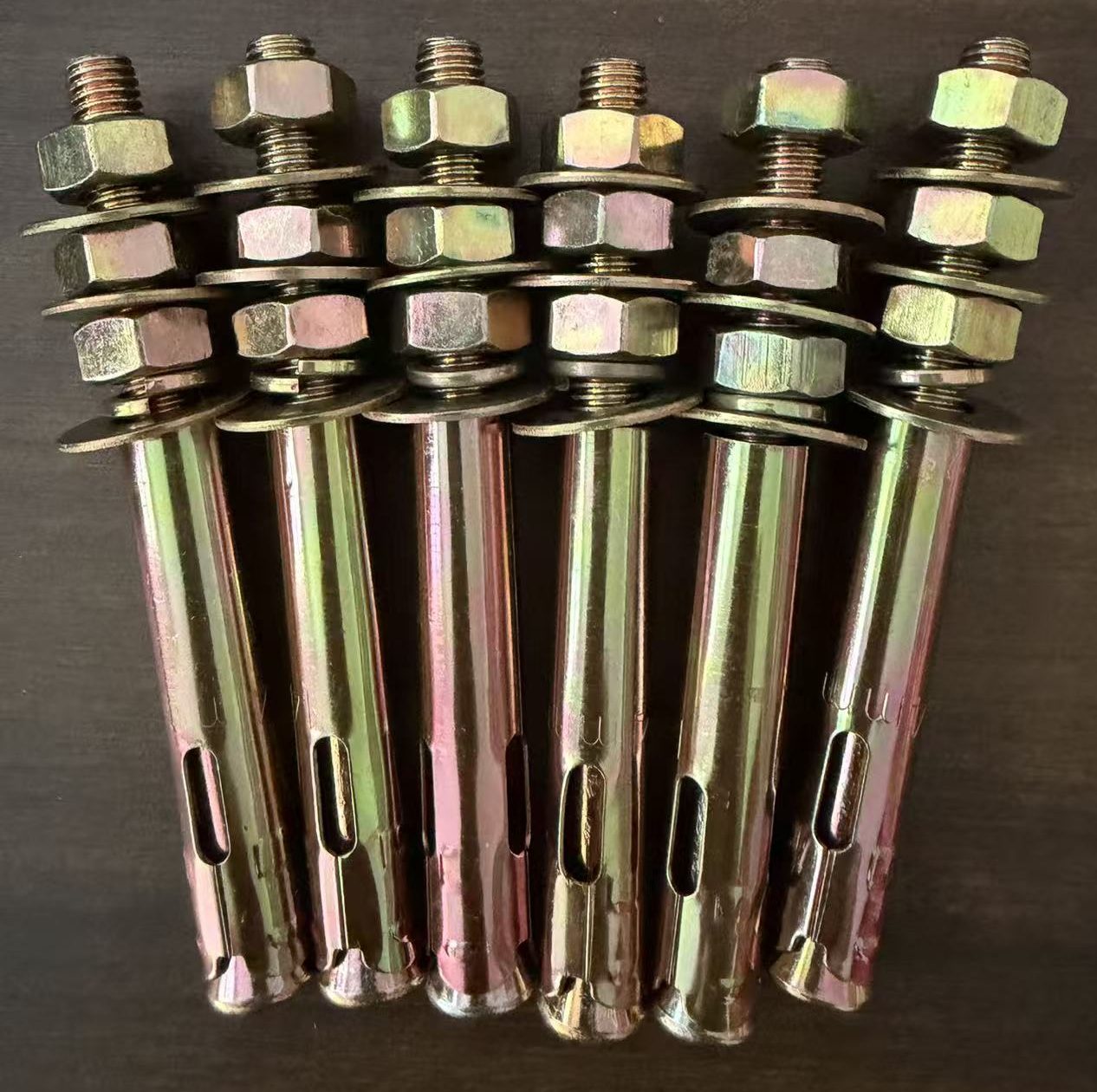
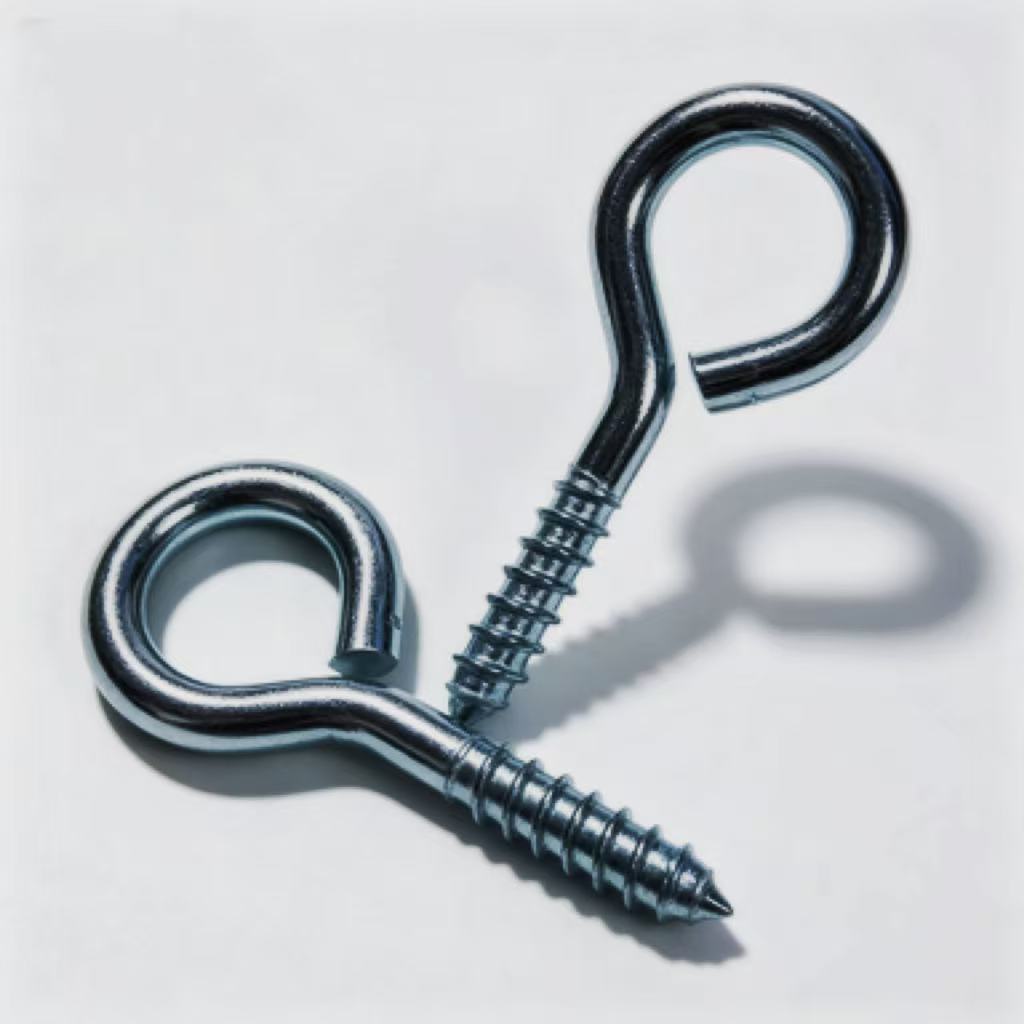
Yes, our factory direct services include full customization capabilities. Based in Handan with over ten years of industry experience, we can manufacture stainless steel hex bolts in non-standard lengths, diameters, and thread pitches to meet specific OEM design requirements. We also produce a wide range of other fasteners, including casing geckos and wooden teeth welded sheep’s eye screws, catering to diverse global needs.
How do I prevent galling when tightening stainless steel bolts?
Galling can be prevented by reducing friction. Always apply an anti-seize compound or lubricant to the threads before assembly. Additionally, avoid overtightening and use slower tightening speeds to reduce heat generation, which exacerbates the galling process.
Are these bolts suitable for high-temperature applications?
Standard A2 and A4 grades perform well up to certain temperatures (around 800°C intermittently). For continuous operation at higher temperatures, specialized grades like 310 or precipitation-hardening alloys are recommended. Consult with our technical team for specific thermal requirements.
Conclusion and Selection Guide
Selecting the best stainless steel hex bolts involves balancing environmental demands, mechanical load requirements, and budget constraints. For general purposes, Grade 304 (A2) provides a cost-effective and reliable solution. However, for marine, chemical, or highly corrosive environments, the investment in Grade 316 (A4) is essential to ensure long-term safety and durability.
This guide is ideal for procurement managers, mechanical engineers, and construction contractors seeking reliable fastening solutions. By opting for factory direct sourcing from our integrated industry and trade company, organizations can secure high-quality OEM products at competitive prices. Our commitment to integrity, advanced production technology, and perfect testing methods ensures that every product meets your exact specifications.
Next Steps: Evaluate your specific environmental conditions and load requirements. Contact our factory team today to discuss your OEM needs, request samples for testing, or obtain a detailed quote for bulk orders. Whether you need standard hex bolts or specialized hardware, our goal is to maintain our reputation by meeting your needs with excellent and thoughtful service. Ensuring you have the right fasteners from the start saves time, money, and resources in the long run.