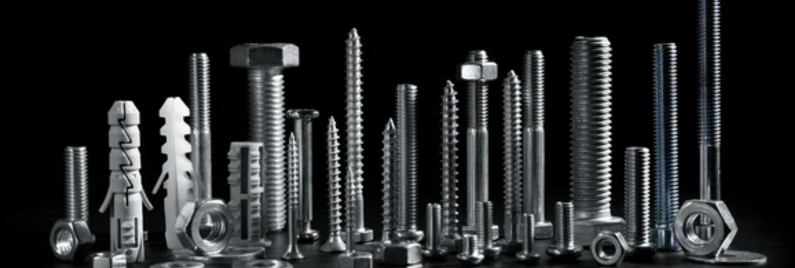
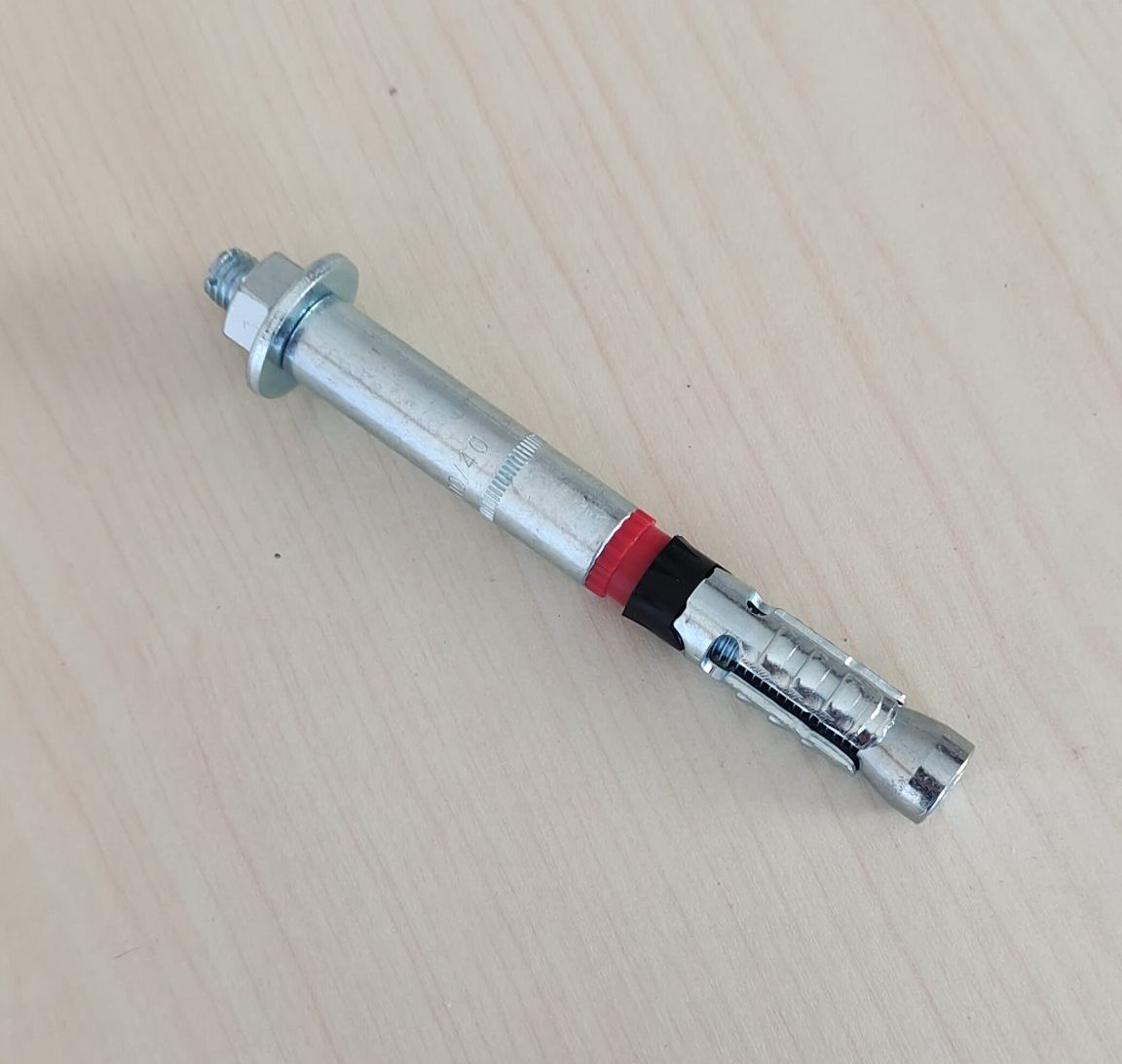
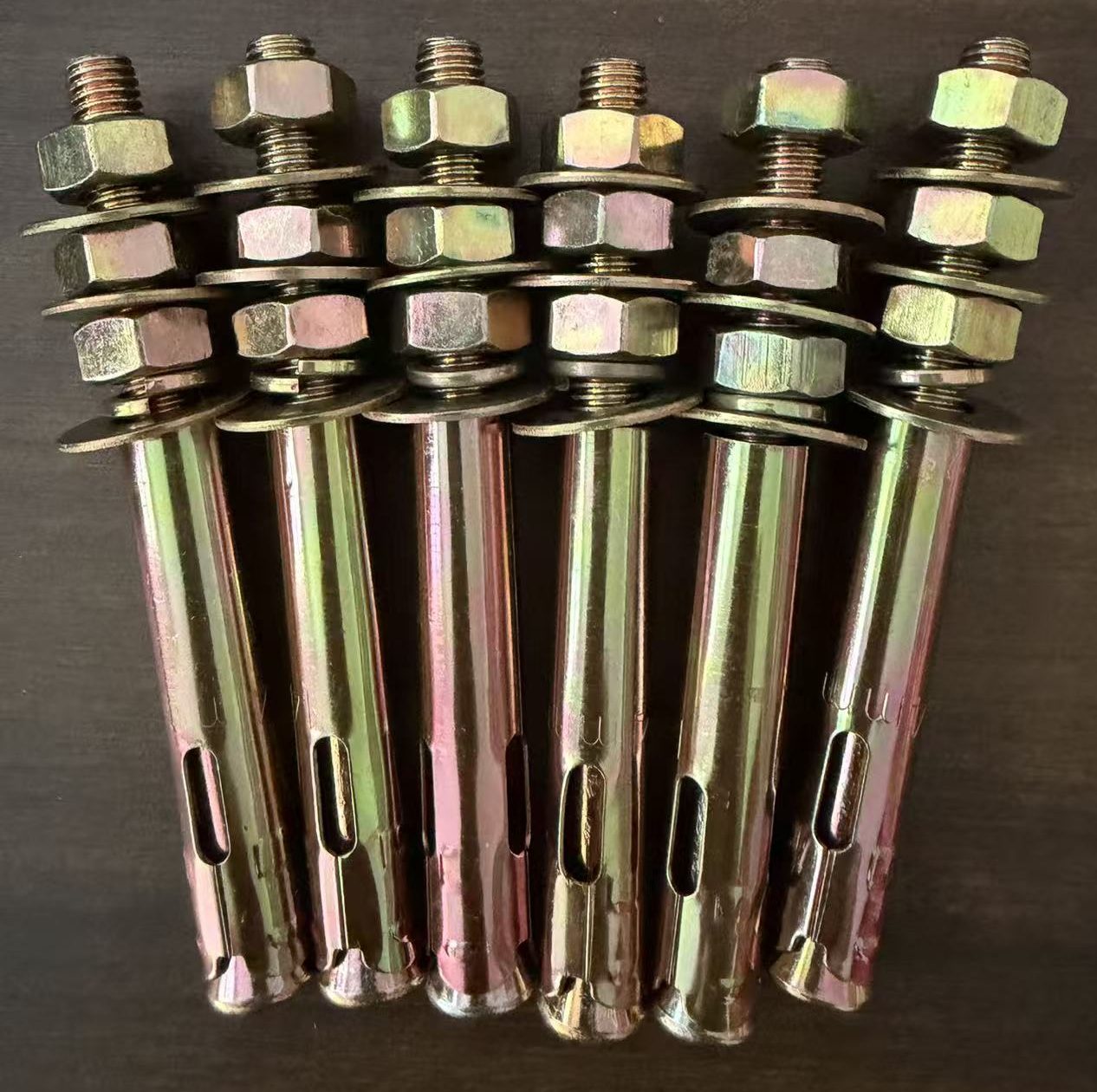
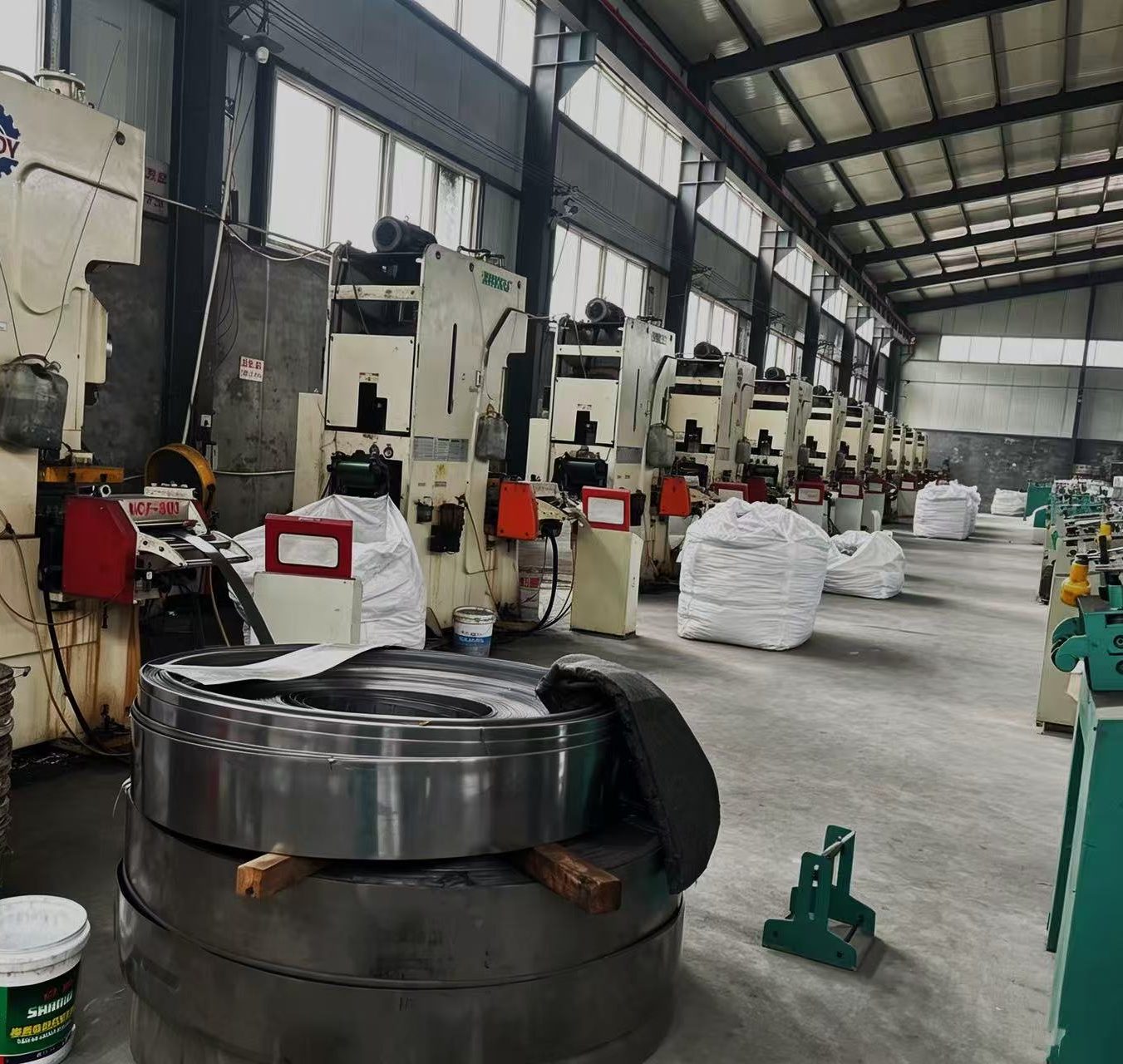
Looking for a reliable high strength bolts manufacturer offering factory direct prices? Our facility, located in Handan, Hebei—the heart of China’s fastener manufacturing hub—specializes in producing premium-grade fasteners designed for critical structural applications. With over a decade of industry experience and a global reach spanning more than 26 countries, we combine advanced production technology with rigorous testing to deliver certified high tensile solutions directly from the production line. By eliminating intermediaries, we ensure cost efficiency without compromising on quality or safety standards.
What Defines High Strength Bolts in Modern Engineering?
High strength bolts are specialized fasteners engineered to withstand extreme tensile and shear forces that standard hardware cannot endure. Unlike common Grade 2 or Grade 5 fasteners, these components undergo rigorous heat treatment processes to achieve superior mechanical properties. They are essential in sectors where structural failure is not an option, such as heavy machinery, bridge construction, and high-rise buildings.
The defining characteristic lies in their material composition and manufacturing precision. Manufacturers utilize medium carbon alloy steels, which are quenched and tempered to reach specific hardness levels. This process ensures the bolt can maintain clamping force under dynamic loads and vibration. The result is a fastener with a minimum tensile strength often exceeding 1000 MPa, depending on the specific grade required by international standards.
Industry professionals recognize these bolts by their distinct head markings and strict dimensional tolerances. Every batch produced in our factory undergoes spectral analysis to verify chemical composition before heat treatment begins. This commitment to raw material integrity, backed by our team of high-tech talents and advanced inspection methods, forms the foundation of our reputation as a trusted high strength bolts manufacturer capable of meeting GB, DIN, JIS, ANSI, and ISO standards.
The Critical Role of Heat Treatment
Heat treatment is the cornerstone of creating true high-strength capabilities. The process involves heating the steel to a precise temperature, followed by rapid quenching and subsequent tempering. This thermal cycle transforms the microstructure of the steel, balancing hardness with toughness. Without this step, the material would be too brittle for practical use or too soft to handle heavy loads.
Our factory employs controlled atmosphere furnaces to prevent decarburization during heating. Decarburization can weaken the surface layer of the bolt, leading to premature fatigue failure. By maintaining strict atmospheric controls, we ensure the core and surface properties remain consistent throughout the entire fastener. This level of processing detail distinguishes our factory-direct premium products from generic market alternatives.
Key Grades and Standards for Industrial Fasteners
Navigating the landscape of industrial fasteners requires understanding the various grading systems used globally. Different regions and industries adhere to specific standards that dictate the mechanical requirements for high strength bolts. Our production lines are calibrated to meet these diverse specifications, ensuring compatibility with projects worldwide.
In the United States, the ASTM (American Society for Testing and Materials) and SAE (Society of Automotive Engineers) standards are predominant. ASTM A325 and A490 are widely recognized for structural steel connections in building construction. These grades specify not only tensile strength but also yield strength and elongation requirements. Similarly, ISO standards dominate international infrastructure projects, with Class 8.8, 10.9, and 12.9 being the most common designations.
Understanding these grades helps engineers select the right component for their specific load conditions. While Class 8.8 offers a good balance of strength and ductility for general engineering, Class 10.9 and 12.9 are reserved for highly stressed applications like automotive powertrains and heavy equipment. Our professional technical team assists clients in mapping their project requirements to the appropriate standard, leveraging our decade of expertise to ensure optimal selection.
Comparison of Common High Strength Grades
To clarify the differences between popular grades, we have compiled a technical comparison based on current mainstream industry data. This table highlights the mechanical properties that define each category.
| Grade/Class |
Standard |
Min Tensile Strength (MPa) |
Min Yield Strength (MPa) |
Typical Application |
| Grade 8.8 |
ISO 898-1 |
800 |
640 |
General Machinery, Railways |
| Grade 10.9 |
ISO 898-1 |
1040 |
940 |
Automotive Engines, Heavy Trucks |
| Grade 12.9 |
ISO 898-1 |
1220 |
1100 |
Critical Hydraulic Systems, Molds |
| ASTM A325 |
ASTM F3125 |
725-895* |
585-655* |
Structural Steel Buildings |
| ASTM A490 |
ASTM F3125 |
1035-1210* |
895-1040* |
Bridges, Heavy Load Structures |
*Values vary slightly based on diameter and specific sub-type within the standard.
This data illustrates why selecting the correct grade is vital. Using a Grade 8.8 bolt in an application requiring Grade 12.9 could lead to catastrophic failure under load. Conversely, over-specifying can increase costs unnecessarily. As a dedicated high strength bolts manufacturer committed to “quality first,” we guide clients toward the most efficient specification for their needs.
Why Choose Factory Direct Pricing?
Purchasing directly from the source offers significant advantages beyond just cost savings. When you engage with a high strength bolts manufacturer directly, you eliminate the markups added by distributors, wholesalers, and retail intermediaries. This supply chain optimization allows for competitive pricing while maintaining healthy margins for quality control investments.
Beyond economics, factory-direct relationships foster better communication. Engineers can discuss custom modifications, special coatings, or unique packaging requirements directly with our production team. Whether you need non-standard lengths, unique head configurations, or specific certification packages, our facility in Handan is equipped to adapt. There is no information loss through third-party channels. This direct line ensures that technical nuances are understood and implemented correctly from the initial order to final delivery.
Quality traceability is another critical benefit. In the event of an audit or quality inquiry, factory-direct buyers receive immediate access to mill test reports, heat treatment logs, and inspection certificates. Intermediaries often struggle to provide this depth of documentation quickly. Our facility maintains comprehensive digital records for every batch, ensuring full transparency for our partners across the 26 countries we serve.
Cost Efficiency Without Compromise
A common misconception is that lower prices imply lower quality. However, factory direct pricing reduces overhead costs associated with warehousing multiple brands and managing complex distribution networks. These savings are passed to the customer. The production process remains identical whether the bolts are sold domestically or exported internationally.
We invest heavily in automated inspection systems that reduce human error and waste. By optimizing production flows and minimizing defective rates, we keep unit costs low. This operational efficiency means clients receive top-tier high strength bolts at prices that reflect actual manufacturing costs rather than inflated market rates. Our philosophy of integrity-based business ensures that cost reductions never come at the expense of product reliability.
Manufacturing Process and Quality Control
The journey of a high-strength bolt from raw steel to finished product involves several precise stages. Each step is monitored to ensure compliance with stringent international standards. Our factory utilizes state-of-the-art cold forging and threading technologies to enhance the grain structure of the metal, improving overall fatigue resistance.
The process begins with wire drawing, where steel rods are reduced to the exact diameter required. Cold heading then forms the bolt head without cutting the metal fibers, preserving the material’s integrity. Thread rolling follows, a cold-forming process that creates stronger threads compared to cut threads. This method work-hardens the surface, increasing resistance to stripping and wear.
After forming, the bolts enter the heat treatment phase. As previously mentioned, this is where the mechanical properties are established. Following heat treatment, parts undergo surface finishing. This may include zinc plating, hot-dip galvanizing, or geometric coating, depending on the environmental exposure expected in the application. Finally, every batch passes through our quality assurance lab, utilizing perfect testing methods to validate performance against GB, DIN, JIS, and ANSI standards.
Advanced Inspection Protocols
Quality control is not a single step but a continuous loop throughout production. We employ non-destructive testing methods such as magnetic particle inspection to detect surface cracks that are invisible to the naked eye. Dimensional accuracy is verified using coordinate measuring machines (CMM) to ensure thread fit and head geometry meet tolerance limits.
Mechanical testing includes tensile strength tests, wedge tension tests, and hardness profiling. Samples from each heat lot are subjected to these destructive tests to validate performance. Only when all parameters align with the specified standard is the batch approved for shipment. This rigorous approach reinforces our status as a trustworthy high strength bolts manufacturer.
Traceability is maintained through unique batch numbering. Each package leaving the factory carries a code linking it to its specific production run, raw material source, and inspection report. This system allows for rapid response should any field issues arise, although our defect rates remain consistently below industry averages.
Applications Across Critical Industries
The versatility of high strength bolts makes them indispensable across a wide spectrum of industries. Their ability to secure heavy components under dynamic stress conditions drives their adoption in sectors where reliability is paramount. From the energy sector to transportation, these fasteners play a silent but crucial role in global infrastructure.
In the construction industry, they are the backbone of steel frameworks. Skyscrapers, stadiums, and industrial warehouses rely on structural bolts to connect beams and columns. The seismic performance of these structures often depends on the ductility and strength of the connections. Our bolts are frequently specified for projects in earthquake-prone regions due to their proven performance under cyclic loading.
The automotive and heavy equipment sectors utilize high-tensile fasteners for engine assemblies, suspension systems, and chassis components. Here, weight reduction is often a goal, allowing engineers to use fewer or smaller bolts without sacrificing safety. The high strength-to-weight ratio of Grade 10.9 and 12.9 fasteners enables these design optimizations.
Energy and Infrastructure Projects
Wind energy turbines represent one of the most demanding applications for high-strength fasteners. Tower flanges and blade roots experience constant vibration and varying wind loads. Bolts used in these assemblies must resist fatigue failure over decades of operation. Our factory produces specialized large-diameter bolts tailored for renewable energy installations.
Similarly, the oil and gas industry relies on these components for drilling rigs and pipeline flanges. In offshore environments, corrosion resistance combined with high mechanical strength is essential. We offer customized coating solutions, such as DACROMET or heavy-duty galvanization, to protect against saltwater exposure while maintaining the underlying tensile properties.
Railway infrastructure also depends heavily on reliable fastening systems. Track fastenings, bridge expansions, and rolling stock assembly require bolts that can withstand shock loads and thermal expansion. The consistency provided by our advanced machinery ensures that every bolt performs predictably, reducing maintenance intervals and enhancing passenger safety.
Selecting the Right Bolt for Your Project
Choosing the appropriate fastener involves more than just matching a thread size. Engineers must consider the load type, environmental conditions, and installation method. Selecting the wrong grade or coating can lead to premature failure, costly downtime, or safety hazards. Our technical team supports clients in making informed decisions based on specific project parameters.
First, evaluate the load requirements. Determine whether the joint will experience static loads, dynamic vibrations, or impact forces. For static loads, standard high-strength grades may suffice. However, dynamic applications often require bolts with higher fatigue limits and specific pre-load calculations. Understanding the stress profile is the first step in specification.
Next, assess the environmental exposure. Will the fastener be indoors, outdoors, submerged, or exposed to chemicals? Corrosion can significantly reduce the effective cross-sectional area of a bolt, weakening it over time. In aggressive environments, selecting the right material alloy and surface treatment is just as important as the tensile strength itself.
Installation Best Practices
Even the highest quality bolt can fail if installed incorrectly. Proper torque application is critical to achieving the desired clamp load. Under-torquing leads to loose joints and vibration-induced loosening, while over-torquing can stretch the bolt beyond its yield point, causing immediate or delayed fracture. We recommend following standardized torque tables provided with our products.
- Surface Preparation: Ensure mating surfaces are clean and free of debris to guarantee accurate friction coefficients.
- Lubrication: Use recommended lubricants to reduce friction variance and achieve consistent preload.
- Torque Sequence: Follow a star pattern when tightening multiple bolts to ensure even distribution of clamping force.
- Verification: Utilize calibrated torque wrenches and periodically verify settings to maintain accuracy.
For critical structural connections, the turn-of-nut method or direct tension indicators may be preferred over simple torque control. These methods provide a more direct measurement of bolt elongation and tension. Our experts can provide guidance on the most suitable installation technique for your specific application.
Advantages of Partnering with a Specialized Manufacturer
Working with a specialized high strength bolts manufacturer offers distinct advantages over sourcing from general hardware suppliers. Specialization brings depth of knowledge, focused R&D, and a commitment to excellence in a specific niche. This focus translates into better product performance and more reliable supply chains for our clients.
Our dedicated production lines allow for greater flexibility in handling custom orders. Whether you need non-standard lengths, unique head configurations, or specific certification packages, our facility is equipped to adapt. Generalists often lack the tooling or expertise to manage these specialized requests efficiently, leading to delays or compromised quality. Our company attaches great importance to the development of new products, constantly seeking to meet evolving customer needs with thoughtful service.
Furthermore, specialized manufacturers stay ahead of regulatory changes. Standards evolve, and new materials emerge. By focusing solely on high-strength fasteners, we maintain up-to-date knowledge of global codes and testing methodologies. This ensures that every product we ship meets the latest safety and performance criteria, future-proofing your projects.
Long-Term Reliability and Support
The relationship with a manufacturer extends beyond the initial sale. We provide ongoing technical support, helping clients troubleshoot installation issues or analyze field failures. This collaborative approach helps improve overall system reliability. Our goal is to be a long-term partner in your supply chain, not just a transactional vendor.
Consistency is key in industrial manufacturing. Our processes are designed to produce identical results batch after batch. This repeatability gives engineers confidence that the bolts purchased today will perform exactly like those purchased five years ago. Such stability is difficult to achieve with fragmented supply sources. Maintaining our reputation and meeting the needs of our customers remains our primary goal.
Frequently Asked Questions (FAQ)
To address common inquiries regarding our products and services, we have compiled a list of frequently asked questions. These answers reflect our commitment to transparency and technical accuracy.
What is the difference between Grade 8.8 and Grade 10.9?
The primary difference lies in their mechanical strength. Grade 10.9 has a higher minimum tensile strength (1040 MPa) and yield strength (940 MPa) compared to Grade 8.8 (800 MPa and 640 MPa respectively). Grade 10.9 is suitable for more highly stressed applications, such as automotive engines, while Grade 8.8 is often used for general machinery and structural connections where extreme loads are not present.
Can you provide custom lengths and diameters?
Yes, as a factory-direct high strength bolts manufacturer with over ten years of experience, we offer extensive customization options. We can produce bolts in non-standard lengths, diameters, and thread pitches to meet specific engineering drawings. Custom head styles and drive types are also available upon request, subject to minimum order quantities that ensure production efficiency.
What certifications do your bolts carry?
Our products are manufactured in compliance with major international standards including ISO, ASTM, DIN, JIS, ANSI, and GB. We provide full Material Test Reports (MTR) with every shipment, detailing chemical composition and mechanical test results. Our facility is regularly audited to maintain quality management system certifications, ensuring consistent adherence to global best practices.
How do you handle corrosion protection for outdoor use?
We offer a variety of surface treatments tailored to environmental conditions. Options include electroplated zinc for indoor use, hot-dip galvanizing for outdoor exposure, and advanced geometric coatings like DACROMET for high-corrosion environments such as coastal areas or chemical plants. Our team can recommend the optimal coating based on your specific project location and lifespan requirements.
What is the typical lead time for factory direct orders?
Lead times vary depending on the complexity of the order and current production schedules. Standard grades and sizes are often available for immediate shipment from our inventory. Custom orders typically require a few weeks for production and quality testing. We prioritize clear communication and provide realistic timelines upon order confirmation to help you plan your project effectively.
Conclusion and Next Steps
Selecting the right fastening solution is a critical decision that impacts the safety, durability, and cost-efficiency of any engineering project. High strength bolts are not commodity items; they are precision-engineered components that demand rigorous manufacturing standards and strict quality control. By partnering directly with a specialized manufacturer in Handan, China, you gain access to superior products, technical expertise, and competitive factory-direct pricing.
Our facility is dedicated to delivering excellence in every bolt we produce. Whether you are constructing a skyscraper, assembling heavy machinery, or developing renewable energy infrastructure, our high-tensile solutions provide the reliability you need. We invite engineers, procurement managers, and contractors from around the world to experience the difference of working directly with the source.
If you are ready to optimize your supply chain and secure high-quality fasteners for your upcoming projects, we encourage you to reach out. Contact our technical sales team today to discuss your specific requirements, request samples, or obtain a detailed quote. Let us demonstrate how our factory-direct model, driven by a “quality first, customer first” principle, can add value to your operations while ensuring the highest standards of structural integrity.