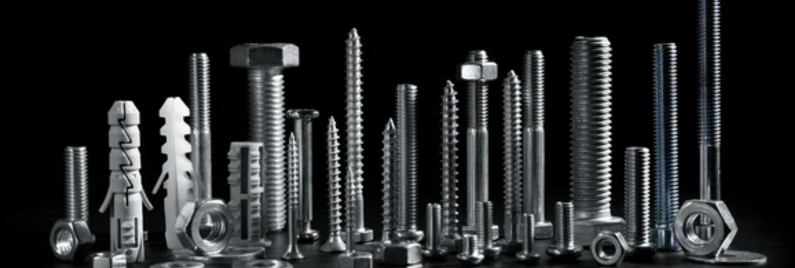
Looking for a reliable stainless steel screws supplier? Our factory provides direct, high-quality stainless steel fasteners with full OEM capabilities. We eliminate middlemen to ensure competitive pricing, strict quality control, and customized solutions for industrial, marine, and construction applications. As a dedicated manufacturer, we deliver precision-engineered screws that meet global standards, ensuring durability and corrosion resistance for your most demanding projects.
Why Choose a Direct Factory Stainless Steel Screws Supplier?
Selecting the right partner is critical for project success. A direct stainless steel screws supplier offers distinct advantages over trading companies or general hardware distributors. The primary benefit is cost efficiency. By removing intermediaries, factories can offer more competitive pricing structures without compromising on material integrity.
Beyond cost, direct manufacturers provide superior quality control. In-house production allows for real-time monitoring of every manufacturing stage, from raw material selection to final threading. This ensures consistency across large batches, a common pain point when sourcing from multiple third-party vendors.
Furthermore, direct suppliers excel in OEM customization. Whether you require specific head styles, drive types, or unique alloy compositions, a factory can adapt its production lines to meet precise specifications. This flexibility is essential for industries with specialized fastening requirements.
- Cost Efficiency: Eliminate markup fees associated with middlemen.
- Quality Assurance: Direct oversight of metallurgy and threading processes.
- Customization: Tailored solutions for non-standard dimensions and finishes.
- Lead Time Control: Streamlined logistics and production scheduling.
The Importance of Supply Chain Transparency
Transparency in the supply chain is a hallmark of a trustworthy stainless steel screws supplier. Clients need to know the origin of their materials and the conditions under which they were produced. Factories often provide mill test certificates (MTC) directly, verifying the chemical composition and mechanical properties of the steel used.
This level of documentation is vital for regulated industries such as aerospace, medical devices, and food processing. It builds trust and ensures compliance with international standards. When you work directly with a manufacturer, communication channels are shorter, reducing the risk of miscommunication regarding technical specifications.
Understanding Stainless Steel Grades for Fasteners
Not all stainless steel is created equal. A professional stainless steel screws supplier must offer a range of grades to suit different environmental conditions. Understanding these grades is crucial for selecting the right fastener to prevent failure due to corrosion or stress.
The two most common families of stainless steel used in screw manufacturing are Austenitic and Martensitic. Each has distinct properties regarding magnetic response, strength, and corrosion resistance. Choosing the wrong grade can lead to premature rusting or structural weakness.
Austenitic Stainless Steel: The Industry Standard
Austenitic steels are the most widely used materials for stainless screws. They are known for excellent corrosion resistance and good formability. This family includes the popular 300 series, specifically Grade 304 and Grade 316.
Grade 304 is the standard choice for general-purpose applications. It offers robust resistance to oxidizing acids and is suitable for most indoor and mild outdoor environments. However, it may suffer from pitting in highly chlorinated environments.
Grade 316 contains molybdenum, which significantly enhances resistance to chlorides and industrial solvents. This makes it the preferred choice for marine applications, chemical processing plants, and coastal construction projects where salt spray is a constant threat.
Martensitic and Precipitation-Hardening Grades
For applications requiring higher tensile strength, Martensitic grades like 410 and 420 are often utilized. These steels can be heat-treated to achieve greater hardness, making them ideal for high-stress mechanical assemblies.
However, their corrosion resistance is generally lower than that of austenitic grades. They are best suited for dry environments or applications where strength is the primary concern over rust prevention. A knowledgeable supplier will guide clients on balancing these trade-offs.
Precipitation-hardening grades, such as 17-4 PH, offer a unique combination of high strength and moderate corrosion resistance. These are frequently used in aerospace and high-performance automotive sectors where weight and load-bearing capacity are critical factors.
Key Features of Premium Stainless Steel Screws
High-quality fasteners distinguish themselves through precise engineering and superior finish. When evaluating a stainless steel screws supplier, inspect the specific features of their product line. These features determine the longevity and reliability of the connection.
Precision threading is paramount. Poorly formed threads can strip easily or fail to achieve the required clamp load. Top-tier manufacturers use advanced rolling techniques to ensure smooth, consistent threads that engage perfectly with nuts and tapped holes.
Surface finish also plays a significant role. A smooth, uniform surface not only looks better but also reduces the accumulation of contaminants that can initiate corrosion. Passivation treatments are often applied to enhance the natural oxide layer of the steel.
Corrosion Resistance Mechanisms
The core advantage of stainless steel lies in its passive layer. This invisible film of chromium oxide forms naturally on the surface, protecting the underlying metal from oxidation. A reputable supplier ensures that the manufacturing process does not compromise this layer.
Processes like pickling and passivation remove free iron particles from the surface, which could otherwise act as initiation sites for rust. This step is critical after machining or threading operations that might embed carbon steel particles into the stainless surface.
In aggressive environments, additional coatings or electro-polishing may be recommended. Electro-polishing removes microscopic peaks on the surface, creating a smoother finish that is easier to clean and more resistant to bacterial growth, a key requirement for the food and beverage industry.
Mechanical Strength and Durability
Strength classifications, such as A2-70 or A4-80, indicate the tensile strength and yield strength of the fastener. The number following the dash represents one-tenth of the minimum tensile strength in MPa. For instance, A2-70 indicates a tensile strength of 700 MPa.
Understanding these markings is essential for engineers specifying fasteners for structural applications. A reliable stainless steel screws supplier will clearly label their products and provide technical data sheets detailing these mechanical properties.
Durability also involves resistance to galling, a form of wear caused by adhesion between sliding metallic surfaces. Stainless steel is prone to galling, especially in larger diameters. Manufacturers often apply anti-seize lubricants or use specialized thread designs to mitigate this risk.
Comprehensive OEM and Customization Services
Standard off-the-shelf screws do not fit every application. Many industries require bespoke solutions to address unique design challenges. This is where the OEM capabilities of a factory-direct supplier become invaluable.
Customization extends beyond simple length adjustments. It encompasses head styles, drive types, thread pitches, and even material alloys. A flexible manufacturer can produce small batches for prototyping as well as massive volumes for mass production.
Collaborating with an OEM partner early in the design phase can optimize assembly processes and reduce overall costs. Engineers can provide input on tolerances and material selection to ensure the final product performs optimally in its intended environment.
Tailored Head Styles and Drive Types
The head style of a screw determines how it sits within an assembly and what tools are required for installation. Common options include pan head, flat head, hex head, and button head. Each serves a specific aesthetic or functional purpose.
Drive types are equally important. From Phillips and slotted to Torx and Allen drives, the choice affects torque transmission and the likelihood of cam-out. Torx drives, for example, allow for higher torque application without damaging the screw head, making them popular in automotive and electronics manufacturing.
Custom head configurations, such as washer heads or specialized security drives, can be manufactured to meet specific safety or assembly line requirements. A capable supplier will have the tooling and expertise to produce these variations efficiently.
Material and Finish Customization
Beyond standard 304 and 316 grades, suppliers can source exotic alloys like Duplex stainless steel or super-austenitic grades for extreme environments. These materials offer enhanced resistance to stress corrosion cracking and higher strength-to-weight ratios.
Finish options are vast. Clients can request plain finishes, polished surfaces, or specific color codes for identification. Thermal treatments like annealing or hardening can be applied to alter the mechanical properties of the fastener to suit dynamic loading conditions.
Packaging is another area for customization. Bulk packaging, blister packs, or labeled boxes tailored to just-in-time delivery schedules help streamline the client’s inventory management. This attention to detail reflects a true partnership approach.
Applications Across Diverse Industries
The versatility of stainless steel screws makes them indispensable across a wide spectrum of industries. A versatile stainless steel screws supplier understands the nuanced requirements of each sector and delivers products that comply with relevant industry standards.
From the harsh conditions of offshore oil rigs to the sterile environments of surgical theaters, the demands on fasteners vary significantly. Recognizing these differences ensures that the correct product is selected for optimal performance and safety.
Marine and Offshore Engineering
In marine environments, fasteners face constant exposure to saltwater, humidity, and UV radiation. Corrosion is the enemy here. Grade 316 stainless steel is the minimum requirement, with super-duplex grades often specified for critical underwater components.
Applications include boat fittings, deck hardware, propeller shafts, and offshore platform structures. The failure of a single screw in these settings can lead to catastrophic consequences. Therefore, rigorous testing and certification are non-negotiable.
Suppliers serving this sector must understand the nuances of crevice corrosion and pitting. They often recommend specific installation practices, such as the use of dielectric unions to prevent galvanic corrosion when connecting to dissimilar metals.
Food Processing and Pharmaceutical Sectors
Hygiene is paramount in food and pharmaceutical manufacturing. Fasteners used in these environments must be easy to clean, resistant to harsh cleaning agents, and incapable of harboring bacteria. Electropolished stainless steel screws are the industry norm.
Regulatory bodies like the FDA and EHEDG have strict guidelines regarding materials in contact with food. A compliant stainless steel screws supplier ensures their products meet these standards, providing necessary documentation for audits.
Applications range from conveyor systems and mixing tanks to packaging machinery. The ability to withstand frequent washdowns with caustic cleaners without degrading is a key performance indicator for fasteners in this sector.
Construction and Architectural Hardware
In architecture, aesthetics are as important as function. Stainless steel screws are used for cladding, roofing, and structural connections where visibility is a factor. The sleek, modern look of stainless steel complements contemporary design trends.
These fasteners must endure decades of weather exposure without staining or rusting. Grade 316 is often preferred for exterior facades, especially in urban areas with pollution or coastal regions with salt air. Structural integrity over the building’s lifespan is critical.
Architects and contractors rely on suppliers who can provide consistent color matching and finish quality across large projects. Variations in finish can be visually distracting and detract from the overall design intent.
Comparison: Factory Direct vs. Trading Companies
When sourcing fasteners, buyers often debate between purchasing directly from a factory or going through a trading company. Understanding the differences helps in making an informed decision that aligns with business goals and project requirements.
The following table outlines the key distinctions between a direct stainless steel screws supplier and a typical trading intermediary.
| Feature |
Factory Direct Supplier |
Trading Company |
| Pricing Structure |
Lower costs due to no middleman markup. |
Higher costs including service fees and margins. |
| Quality Control |
Direct oversight of production and testing. |
Reliant on third-party factory reports; less control. |
| Customization (OEM) |
High flexibility; direct engineering support. |
Limited by factory willingness; slower communication. |
| Lead Time |
More predictable; direct scheduling control. |
Potential delays due to coordination layers. |
| Technical Expertise |
Deep knowledge of metallurgy and manufacturing. |
General sales knowledge; limited technical depth. |
| Minimum Order Quantity |
Can be flexible for established partners. |
Often higher to consolidate shipments. |
As shown, factory direct engagement offers superior control over quality and cost. While trading companies may offer convenience for small, mixed orders, serious industrial buyers benefit significantly from establishing a direct relationship with a manufacturer.
Direct interaction facilitates faster problem resolution. If a technical issue arises, engineers at the factory can immediately investigate and implement solutions, whereas a trader must relay information back and forth, delaying resolution.
How to Evaluate a Reliable Supplier
Not all manufacturers are equal. Evaluating a potential stainless steel screws supplier requires a systematic approach to ensure they can meet your long-term needs. Several key criteria should guide your selection process.
First, verify their certifications. Look for ISO 9001 accreditation, which indicates a commitment to quality management systems. Industry-specific certifications, such as PED for pressure equipment or CE marking, are also strong indicators of competence.
Second, assess their production capacity and technology. Modern CNC machinery and automated inspection systems suggest a capability for high precision and consistency. Request a virtual or physical tour of the facility if possible.
Checking Certifications and Compliance
Certifications are more than just badges; they represent a framework for continuous improvement. An ISO-certified factory adheres to documented procedures for every step of production, reducing the risk of human error.
Material traceability is another critical aspect. Ensure the supplier can provide Mill Test Certificates (MTC) EN 10204 3.1 for every batch. This document verifies the chemical and mechanical properties of the steel, linking it back to the original melt.
Compliance with international standards like DIN, ANSI, ISO, and JIS is essential for global compatibility. A proficient supplier will be familiar with these standards and able to manufacture fasteners that interchange seamlessly with existing systems.
Assessing Technical Support and After-Sales Service
Great products are backed by great service. Evaluate the responsiveness and technical acumen of the supplier’s support team. Can they answer complex questions about thread tolerances or material compatibility quickly?
After-sales support includes handling claims, managing returns, and providing ongoing technical advice. A partner who stands behind their product demonstrates confidence in their quality and a commitment to customer satisfaction.
Long-term relationships are built on trust and reliability. Choose a supplier who views themselves as a strategic partner rather than just a vendor. They should proactively suggest improvements and keep you informed about industry trends.
About Our Manufacturing Excellence
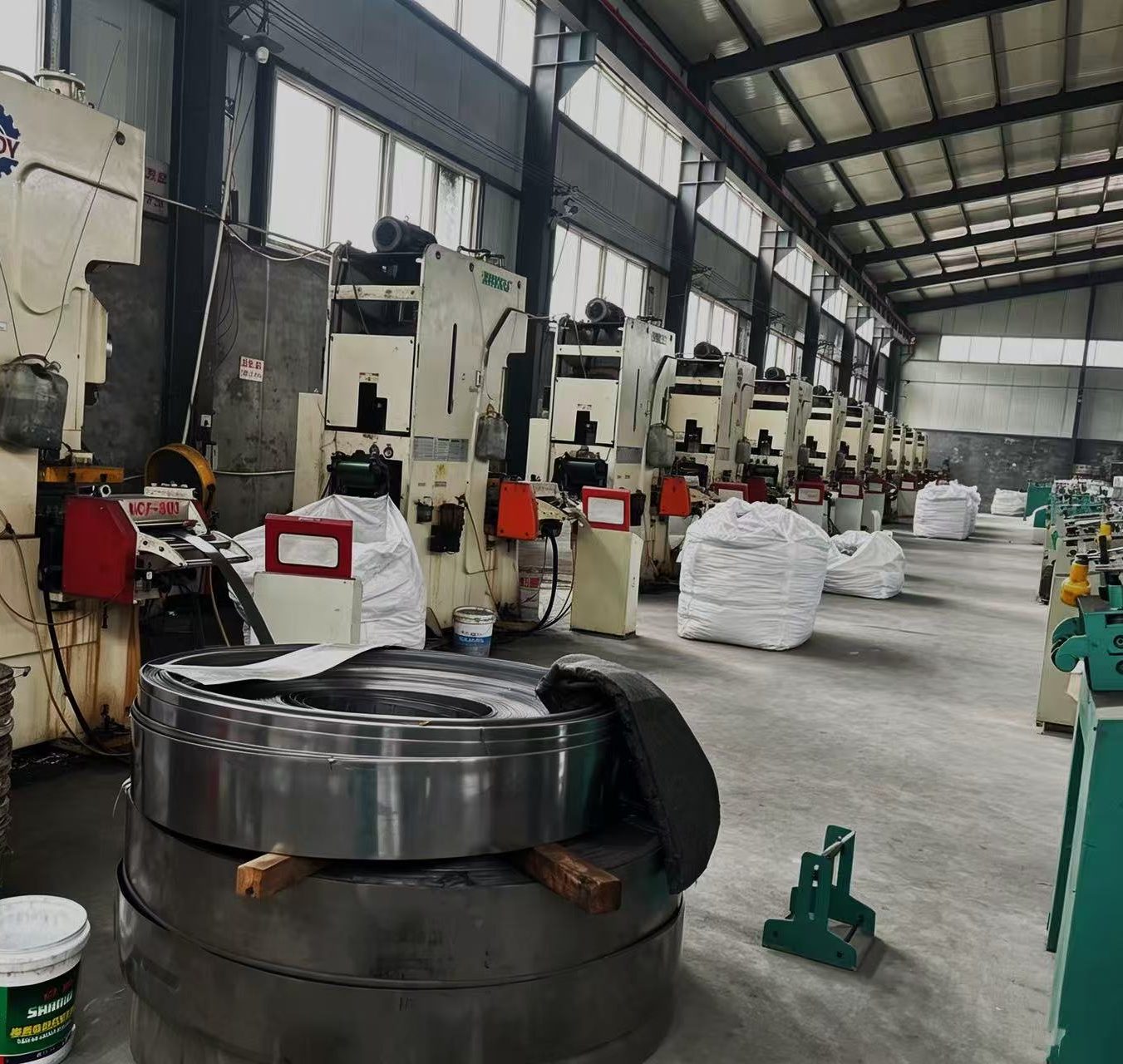
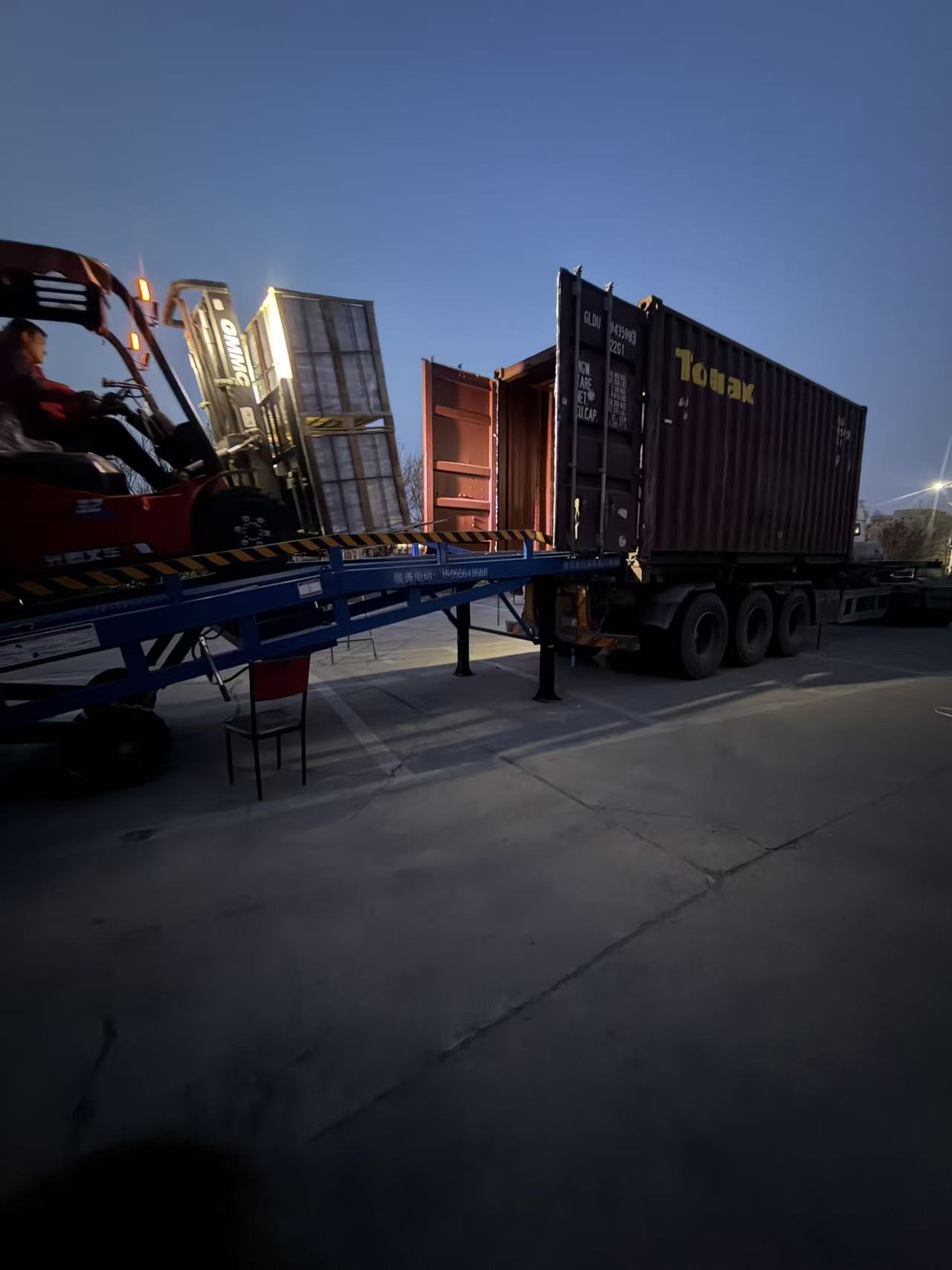
Finding a partner that combines deep industry experience with advanced technological capabilities is rare. Located in Handan, Hebei—China’s renowned hub for fastener manufacturing—our company stands as a prime example of a global industry and trade integration enterprise. With over a decade of specialized experience, we have successfully exported our products to more than 26 countries, building a reputation for reliability and innovation.
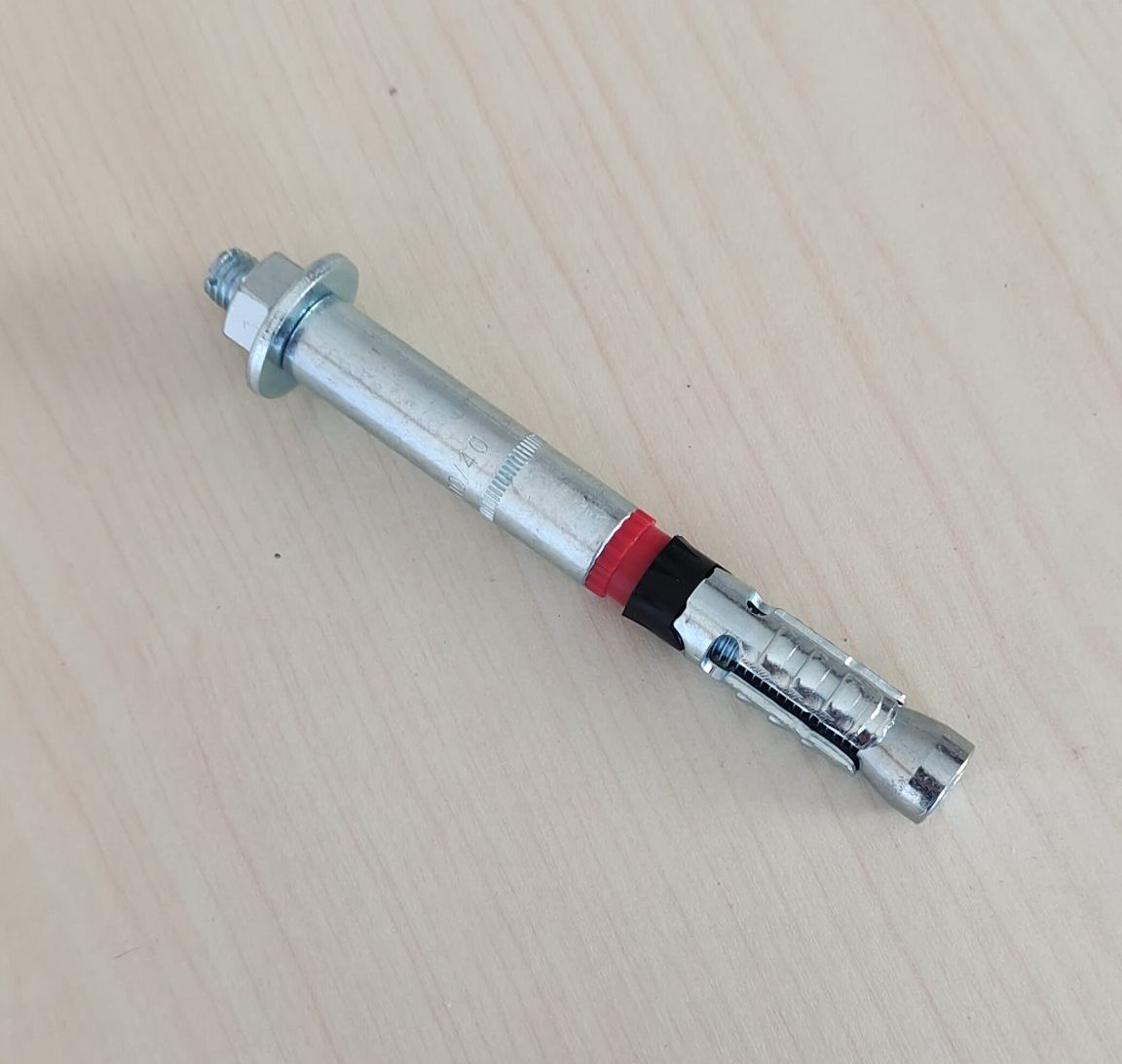
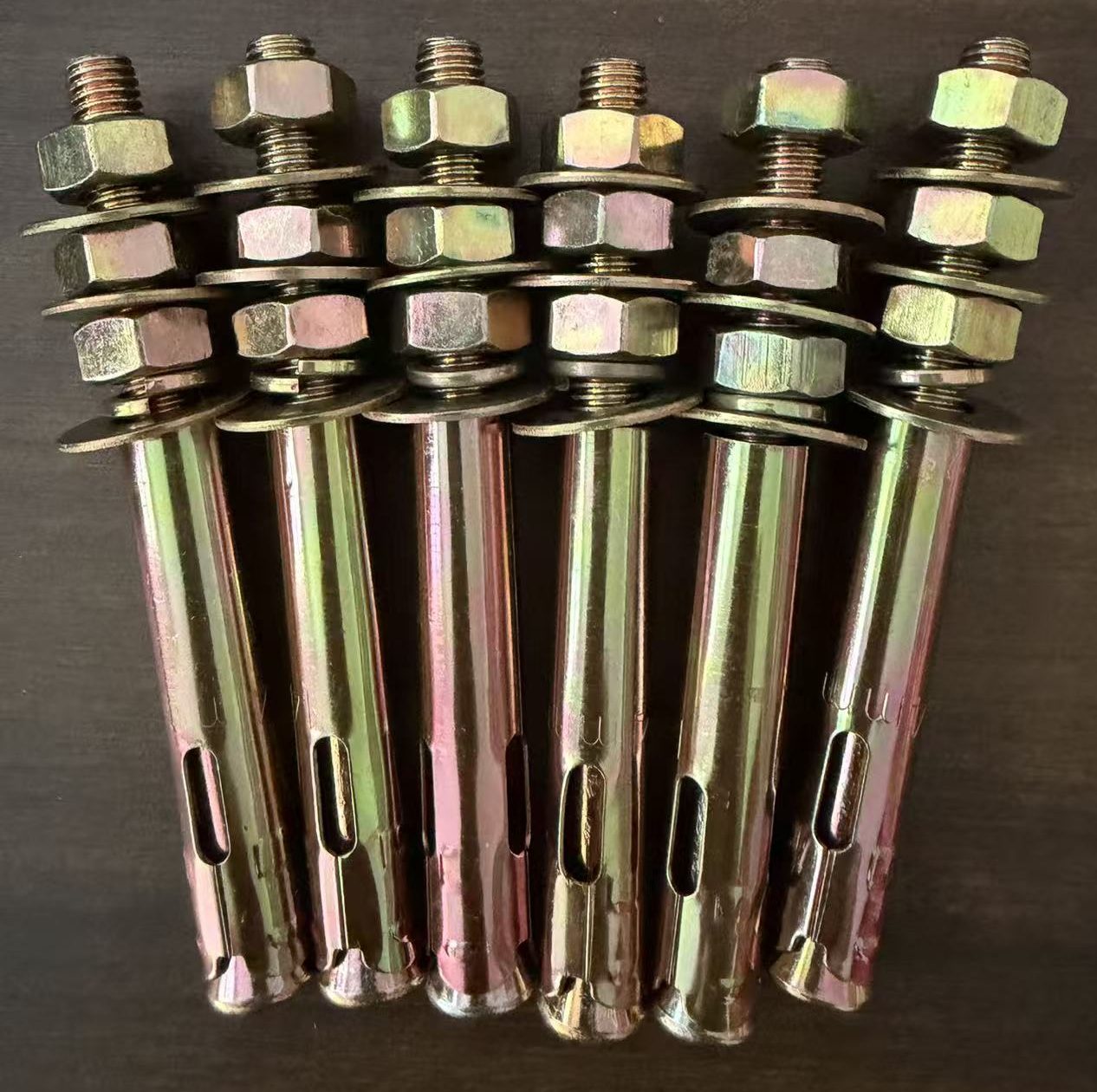
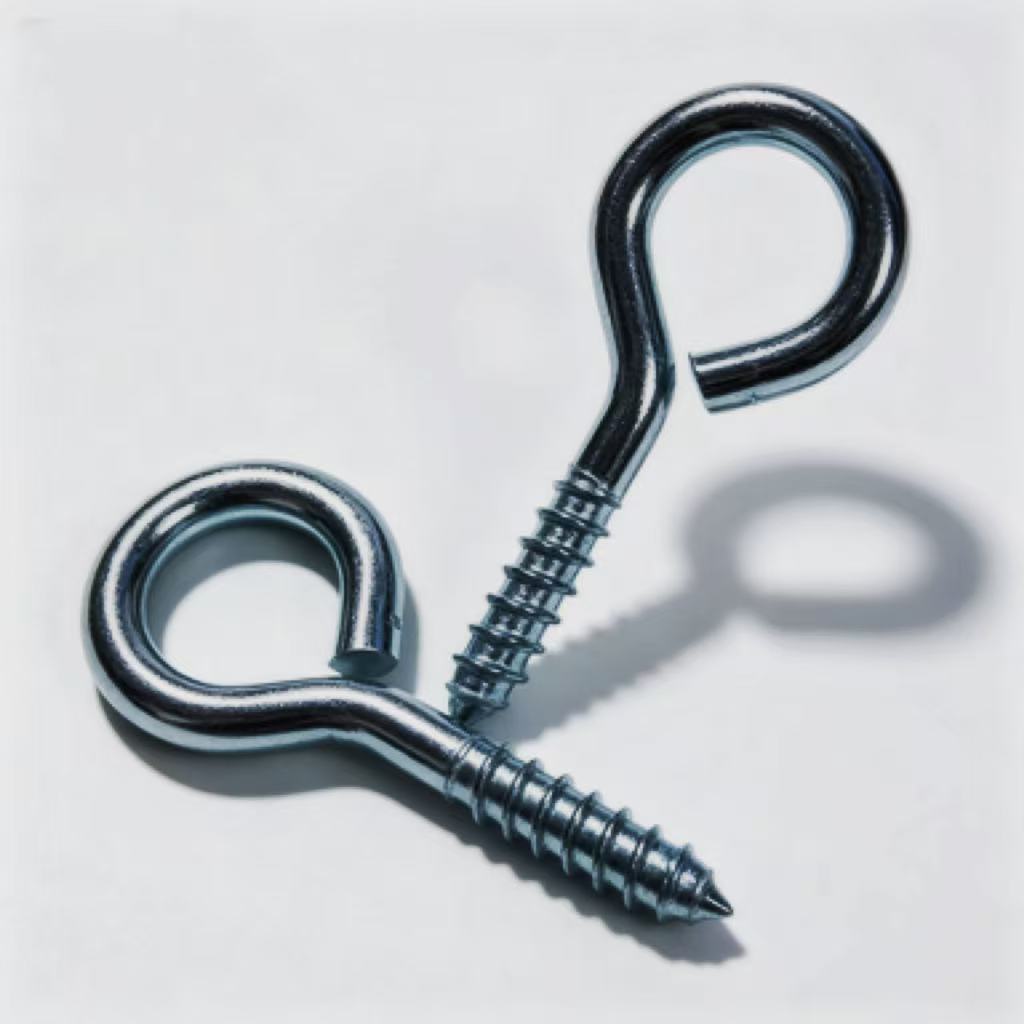
While we specialize in a diverse range of fasteners, including unique products like casing geckos and wooden teeth welded sheep’s eye screws/bolts, our core competency lies in the development, manufacturing, and servicing of high-precision stainless steel fasteners and hardware tools. We adhere to an integrity-based business philosophy, continuously investing in scientific research and introducing high-tech talent to stay ahead of industry curves.
Our facility is equipped with advanced production machinery and perfect testing methods, ensuring that every product meets rigorous international standards including GB, DIN, JIS, and ANSI. Our professional technical team works closely with clients to customize special specifications, quality levels, and quantities according to specific needs. Guided by the principle of “quality first, customer first,” we strive to provide thoughtful service that maintains our reputation and exceeds customer expectations. Whether you need standard components or bespoke engineering solutions, our goal is to be your trusted long-term manufacturing partner.
Frequently Asked Questions (FAQ)
Addressing common queries helps clarify doubts and streamlines the decision-making process for buyers seeking a stainless steel screws supplier.
What is the difference between A2 and A4 stainless steel screws?
A2 corresponds to Grade 304 stainless steel, offering good general corrosion resistance. A4 corresponds to Grade 316, which includes molybdenum for superior resistance to chlorides and acids. A4 is recommended for marine and chemical environments.
Can you produce non-standard screw sizes?
Yes, as a factory-direct supplier, we specialize in OEM services. We can manufacture non-standard diameters, lengths, thread pitches, and head configurations based on your specific drawings or samples.
Do you provide material certification?
Absolutely. We provide EN 10204 3.1 Mill Test Certificates for all our stainless steel products, ensuring full traceability of chemical composition and mechanical properties for every batch shipped.
What is the typical lead time for custom orders?
Lead times vary based on complexity and volume. Standard customizations typically take 2-4 weeks, while complex bespoke projects may require 4-6 weeks. We prioritize efficient production to meet your deadlines.
Are your screws suitable for high-temperature applications?
Standard 304 and 316 grades perform well up to certain temperatures. For extreme heat, we recommend specialized alloys like 310 or precipitation-hardening grades. Our engineering team can advise on the best material for your thermal requirements.
Conclusion: Partnering for Success
Choosing the right stainless steel screws supplier is a strategic decision that impacts the quality, cost, and longevity of your projects. By opting for a factory-direct partner, you gain access to superior quality control, competitive pricing, and unparalleled customization capabilities.
Whether you are in the marine, construction, food processing, or general manufacturing sector, the demand for reliable, corrosion-resistant fasteners is universal. Our commitment to excellence ensures that every screw meets the highest industry standards.
Who is this for? This solution is ideal for procurement managers, engineers, and business owners who value transparency, require consistent quality, and seek a long-term manufacturing partner.
Next Steps: Evaluate your current supply chain. If you face issues with inconsistency, high costs, or lack of technical support, consider transitioning to a direct factory model. Contact us today to discuss your specific requirements and request a sample kit to verify our quality firsthand.