Aerospace fasteners are specialized mechanical components engineered to join aircraft structures under extreme conditions, including high vibration, rapid temperature fluctuations, and significant stress loads. Unlike standard commercial hardware, these fasteners must comply with rigorous industry standards such as AS9100, NAS (National Aerospace Standard), and MS (Military Standard specifications). As a certified manufacturer, we provide precision-engineered bolts, nuts, rivets, and pins that ensure structural integrity, weight optimization, and safety compliance for commercial aviation, defense, and space exploration sectors.
Why Precision Matters in Aerospace Fastener Manufacturing
In the aerospace industry, the margin for error is virtually non-existent. A single fastener failure can compromise the structural integrity of an entire aircraft. Therefore, the manufacturing process for aerospace fasteners differs fundamentally from general industrial hardware production. It is not merely about holding two pieces of metal together; it is about maintaining connection integrity across thousands of flight cycles, pressurization events, and thermal expansions.
Our manufacturing philosophy centers on three core pillars: material science mastery, micron-level precision machining, and uncompromising quality assurance. Every component leaving our facility undergoes strict traceability protocols. This ensures that from raw material ingestion to final shipment, every batch meets the specific metallurgical and dimensional requirements dictated by OEMs (Original Equipment Manufacturers) and regulatory bodies like the FAA and EASA.
The Critical Role of Weight Reduction
Weight is the enemy of efficiency in aviation. Every gram saved contributes directly to fuel economy and payload capacity. Aerospace fasteners are designed with this constraint in mind. We utilize high-strength-to-weight ratio materials such as titanium alloys and advanced aluminum series. By optimizing the geometry of threads and heads without sacrificing shear or tensile strength, we help engineers reduce overall airframe weight.
- Titanium Alloys: Offer exceptional strength while being 45% lighter than steel, ideal for primary structural connections.
- Aluminum Alloys: Used extensively in non-critical structural areas where weight savings are paramount and load requirements are moderate.
- Composite-Compatible Designs: Specialized fasteners designed to prevent galvanic corrosion and delamination when used with carbon fiber reinforced polymers (CFRP).
Vibration and Fatigue Resistance
Aircraft engines and aerodynamic forces generate constant, high-frequency vibrations. Standard fasteners may loosen or suffer from fatigue failure under these conditions. Our aerospace fasteners incorporate advanced locking features, such as self-locking nuts with nylon inserts or all-metal prevailing torque designs. These features ensure that clamping force remains consistent throughout the lifecycle of the aircraft, preventing catastrophic loosening.
Core Materials and Metallurgy for Aviation Components
Selecting the right material is the first step in ensuring fastener performance. The choice depends on the operating environment, required strength, and compatibility with surrounding structures. As an AS9100 certified manufacturer, we source only certified raw materials with full mill certificates.
Titanium: The Industry Standard for High-Performance
Titanium, particularly Grade 5 (Ti-6Al-4V), is the most widely used material in modern aerospace fastening. It offers an optimal balance of strength, corrosion resistance, and low density. Titanium fasteners are resistant to seawater and chlorine environments, making them suitable for both commercial airliners and naval aircraft. However, titanium requires careful handling during manufacturing to prevent galling and must be coated or lubricated appropriately during installation.
High-Strength Steel Alloys
For applications requiring ultimate tensile strength exceeding that of titanium, such as landing gear components or engine mounts, we utilize high-strength alloy steels like A286 Inconel or 4130 Chromoly. These materials maintain their mechanical properties at elevated temperatures. To combat corrosion, these steel fasteners often undergo cadmium plating, zinc-nickel coating, or passivation processes, depending on environmental regulations and performance needs.
Superalloys for Extreme Environments
In jet engine compartments, temperatures can exceed 1000°C. Standard metals would lose their structural integrity in such heat. We manufacture fasteners using nickel-based superalloys like Inconel 718 and Waspaloy. These materials retain their strength and resist oxidation and creep deformation at extreme temperatures, ensuring engine components remain securely fastened during high-thrust operations.
| Material Type |
Key Advantages |
Typical Applications |
Temperature Resistance |
| Titanium (Ti-6Al-4V) |
High strength-to-weight ratio, corrosion resistant |
Fuselage, wing structures, landing gear |
Up to 400°C |
| A286 Stainless Steel |
High strength, good oxidation resistance |
Engine mounts, exhaust systems |
Up to 700°C |
| Inconel 718 |
Extreme heat resistance, high creep strength |
Turbine blades, combustion chambers |
Up to 1000°C+ |
| Aluminum (7075-T6) |
Lightweight, cost-effective, easy to machine |
Interior panels, non-structural brackets |
Up to 120°C |
Types of Aerospace Fasteners We Manufacture
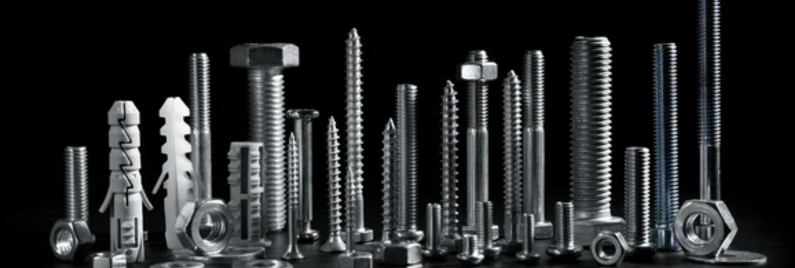
The term “aerospace fasteners” encompasses a wide variety of components, each designed for specific loading conditions and assembly methods. Our product line covers the full spectrum of aviation hardware, adhering to NAS, MS, and AS specifications.
Aerospace Bolts and Screws
Bolts are the primary load-bearing fasteners in aircraft structures. We produce close-tolerance bolts that fit precisely into reamed holes to handle shear loads. Common types include:
- Hex Head Bolts: General-purpose fasteners for accessible areas.
- Internal Wrenching Bolts: Designed for tight spaces where external wrench access is limited.
- Hi-Lok Pins: Precision interference-fit pins used in wing and fuselage assemblies for high shear strength.
Each bolt is manufactured with precise thread rolling techniques to enhance fatigue life. The root radius of the thread is optimized to reduce stress concentration points, which are common initiation sites for cracks.
Nuts and Locking Mechanisms
A bolt is only as effective as the nut securing it. Aerospace nuts are engineered to resist loosening due to vibration. We manufacture:
- Self-Locking Nuts: Featuring elliptical offsets or nylon inserts that create friction against the bolt threads.
- Castle Nuts: Used with cotter pins for critical safety applications where visual inspection of security is required.
- Plate Nuts: Thin, lightweight nuts designed for sheet metal applications where space is constrained.
Rivets: Permanent Structural Joining
Rivets provide permanent, vibration-proof joints. They are extensively used in the skin of aircraft fuselages and wings. Our range includes:
- Solid Rivets: The gold standard for structural integrity, requiring bucking bars for installation.
- Blind Rivets: Installed from one side, ideal for closed structures where back-access is impossible.
- Cherrymax and Huck Rivets: High-performance blind rivets with positive locking mechanisms.
Pins and Collars
Clevis pins, cotter pins, and roll pins are essential for control surfaces and hinge mechanisms. These components allow for rotational movement while maintaining secure alignment. We ensure tight tolerances on pin diameters to prevent wobble and excessive wear in dynamic joints.
About Us: Global Expertise Rooted in Handan’s Manufacturing Heritage
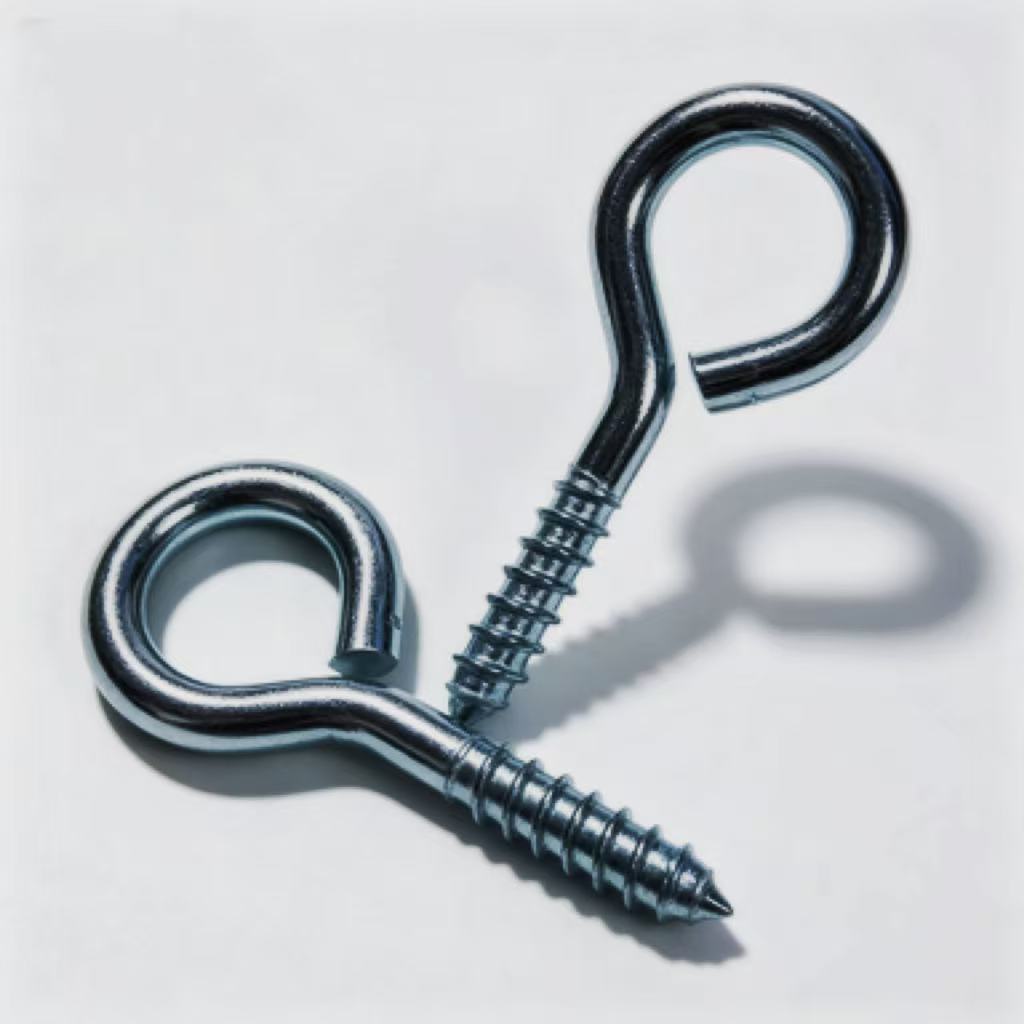
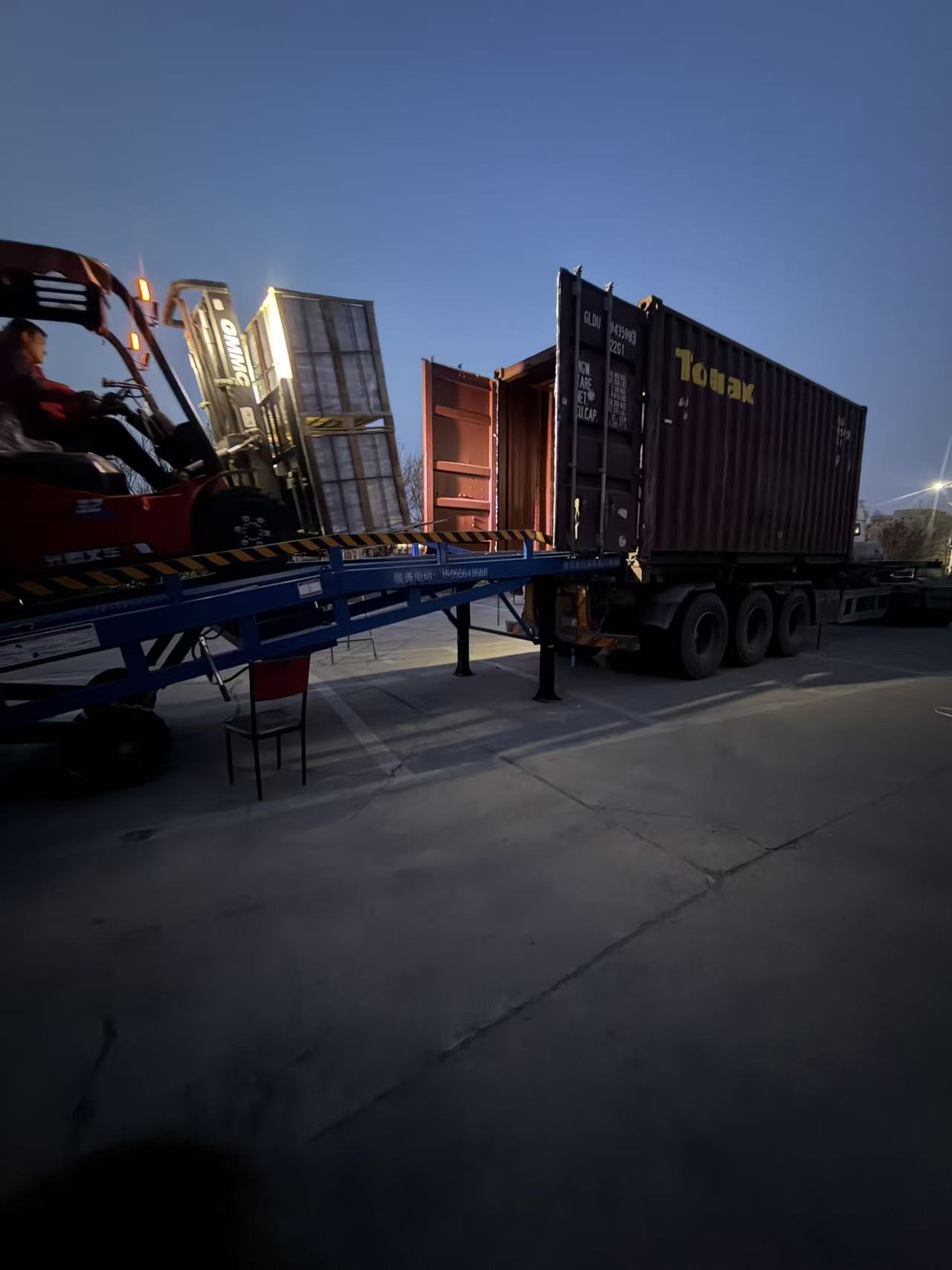
Located in Handan, Hebei—China’s premier hub for fastener manufacturing—we operate as a global industry and trade integration company with over a decade of specialized experience. While our roots are deeply embedded in the production of diverse hardware, including casing geckos, wooden teeth, welded sheep’s eye screws, and bolts, our evolution has been driven by a commitment to high-precision engineering. Today, we specialize in the development, manufacturing, and global trade of advanced fasteners and hardware tools, serving clients in more than 26 countries.
Our transition into high-specification markets is supported by significant investment in scientific research and the introduction of high-tech talent. We adhere to an integrity-based business philosophy, utilizing advanced production technology and rigorous testing methods to provide products that meet international standards such as GB, DIN, JIS, ANSI, and aerospace-specific requirements. Our professional technical team and state-of-the-art machinery allow us to offer not only competitive pricing but also customized solutions tailored to unique customer specifications. Guided by the principle of “quality first, customer first,” we continuously refine our processes to maintain our reputation and exceed client expectations.
AS9100 Certification: The Benchmark for Quality Assurance
Choosing a manufacturer with AS9100 certification is not just a preference; it is a necessity for any serious aerospace supply chain. AS9100 is the global quality management standard for the aviation, space, and defense industries. It builds upon ISO 9001 but adds stringent requirements specific to aerospace.
What AS9100 Means for Your Supply Chain
When you partner with an AS9100 certified manufacturer, you gain assurance in several critical areas:
- Risk Management: We proactively identify and mitigate risks in the manufacturing process, preventing defects before they occur.
- Product Safety: Strict controls ensure that no counterfeit or substandard materials enter the production line.
- Traceability: Every fastener can be traced back to its raw material batch, processing history, and inspection records. This is crucial for accident investigations and maintenance audits.
- Continuous Improvement: Our systems mandate regular reviews and improvements in efficiency and quality, ensuring we stay ahead of industry demands.
Counterfeit Part Prevention
The aerospace industry faces a persistent threat from counterfeit parts. Our AS9100 framework includes robust supplier verification and incoming inspection protocols. We verify the chemical composition and mechanical properties of incoming raw materials through independent laboratory testing. This zero-tolerance approach ensures that every fastener we produce is genuine and compliant with specified standards.
Custom Aerospace Fastener Solutions
While standard NAS and MS parts cover many applications, modern aircraft design often requires unique solutions. Off-the-shelf components may not meet specific weight, space, or environmental constraints. Our engineering team specializes in developing custom aerospace fasteners tailored to your exact specifications.
From Concept to Production
Our custom development process is collaborative and transparent:
- Requirement Analysis: We work with your engineering team to understand load cases, environmental conditions, and assembly constraints.
- Design Optimization: Using CAD and FEA (Finite Element Analysis), we simulate stress distributions to optimize the fastener geometry. This helps in reducing weight while maintaining safety factors.
- Prototyping: Rapid prototyping allows for physical testing and validation. We produce small batches for fit-checks and mechanical testing.
- Validation Testing: Prototypes undergo rigorous testing, including tensile, shear, fatigue, and salt-spray corrosion tests.
- Mass Production: Once validated, we scale up production using automated CNC machining and cold forming processes, ensuring consistency across millions of units.
Special Coatings and Surface Treatments
Customization often extends to surface finishes. Depending on the application, we apply various coatings to enhance performance:
- Dry Film Lubricants: Reduce friction during installation and prevent galling, especially for titanium fasteners.
- Cadmium Plating: Provides excellent corrosion resistance and lubricity, though environmental restrictions are driving alternatives.
- Zinc-Nickel Plating: A high-performance, eco-friendly alternative to cadmium with superior corrosion protection.
- Anodizing: Commonly used for aluminum fasteners to increase surface hardness and corrosion resistance.
Manufacturing Capabilities and Technology
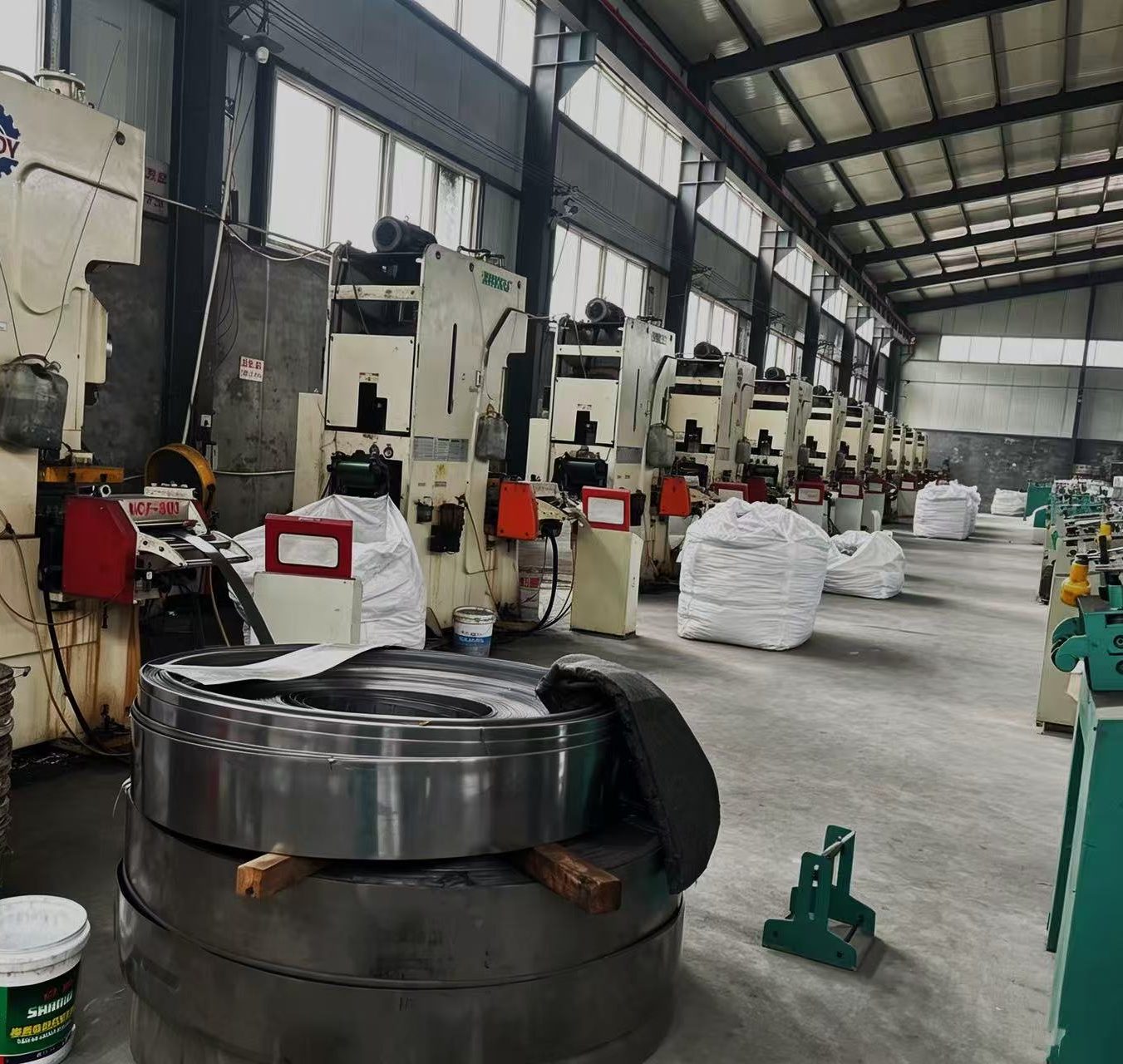
Producing high-precision aerospace fasteners requires state-of-the-art machinery and skilled craftsmanship. Our facility is equipped with advanced manufacturing technologies designed to meet the tight tolerances demanded by the industry.
CNC Machining and Cold Forming
For complex geometries and high-strength materials, we utilize multi-axis CNC turning and milling centers. These machines allow for the precise creation of thread profiles, head shapes, and drive features. For high-volume standard parts, we employ cold forming techniques. Cold forming aligns the grain structure of the metal, resulting in fasteners that are stronger and more fatigue-resistant than those produced by cutting.
Thread Rolling vs. Thread Cutting
We prioritize thread rolling over thread cutting for critical applications. Thread rolling compresses the material to form the thread, creating a smoother surface finish and work-hardening the material. This process significantly improves the fatigue life of the fastener, a critical factor in aerospace applications where cyclic loading is common.
Automated Optical Inspection (AOI)
Quality control is integrated into every stage of production. We use Automated Optical Inspection systems to check dimensions, thread integrity, and surface defects in real-time. This reduces human error and ensures that only compliant parts proceed to packaging. Any deviation from the specified tolerance triggers an immediate alert, allowing for instant corrective action.
Common Challenges in Aerospace Fastener Selection
Selecting the right fastener involves balancing multiple conflicting requirements. Engineers often face challenges related to galvanic corrosion, installation torque, and accessibility. Understanding these challenges helps in making informed decisions.
Galvanic Corrosion
When two dissimilar metals are in contact in the presence of an electrolyte (such as humidity), galvanic corrosion can occur. For example, using steel fasteners in an aluminum structure can lead to rapid corrosion of the aluminum. To prevent this, we recommend using fasteners made from compatible materials or applying insulating coatings and sealants. Titanium fasteners are often preferred in composite structures due to their noble electrochemical potential.
Torque and Preload Control
Achieving the correct preload is vital. Under-tightening can lead to joint loosening, while over-tightening can cause bolt stretching or thread stripping. We provide detailed torque specifications and installation guidelines for our fasteners. For critical joints, we recommend using torque-monitoring tools and training installation personnel on proper techniques.
Accessibility and Blind Installations
Many aircraft structures are closed boxes, making back-access impossible. In these cases, blind rivets or blind bolts are necessary. However, blind fasteners generally have lower shear strength than solid rivets. Engineers must account for this reduction in strength when designing joints. Our technical team can help calculate the required number and spacing of blind fasteners to achieve the desired structural integrity.
Applications Across the Aerospace Sector
Our fasteners are deployed in various segments of the aerospace industry, each with unique demands.
Commercial Aviation
In commercial airliners, reliability and maintenance ease are key. Fasteners must withstand thousands of pressurization cycles. We supply high-volume titanium and aluminum fasteners for fuselage skins, wing ribs, and interior cabin structures. The focus here is on weight savings and long-term durability to minimize maintenance downtime.
Defense and Military Aircraft
Military jets operate in more extreme conditions, including high-G maneuvers and harsh environments. Fasteners for these applications require higher strength margins and often need to meet specific military standards (MIL-SPEC). We provide high-strength steel and superalloy fasteners for fighter jets, helicopters, and unmanned aerial vehicles (UAVs).
Space Exploration
Spacecraft face vacuum conditions, extreme thermal cycling, and radiation. Fasteners for space applications must not outgas (release trapped gases) in a vacuum, as this can contaminate sensitive instruments. We manufacture specialized fasteners with low-outgassing coatings and materials certified for space use. These components are critical for satellite assemblies, rocket structures, and planetary rovers.
How to Choose the Right Aerospace Fastener Manufacturer
Partnering with the right supplier is a strategic decision. Here are key factors to consider when evaluating potential manufacturers:
- Certifications: Ensure the manufacturer holds current AS9100 certification and relevant NADCAP accreditations for special processes like heat treating and plating.
- Technical Support: Look for a supplier with an in-house engineering team capable of assisting with design optimization and failure analysis.
- Supply Chain Transparency: The manufacturer should provide full traceability documentation, including material certs and inspection reports, with every shipment.
- Production Capacity: Assess their ability to scale production to meet your demand spikes without compromising quality.
- Lead Times: In the aerospace industry, delays can be costly. Choose a manufacturer with a proven track record of on-time delivery.
Frequently Asked Questions (FAQ)
What is the difference between NAS and MS fasteners?
NAS (National Aerospace Standard) and MS (Military Standard) are both specification systems for aerospace hardware. NAS standards are typically developed by the National Aerospace Standards Committee and are widely used in commercial aviation. MS standards are established by the US Department of Defense. While there is overlap, specific part numbers and tolerances may differ. Many modern fasteners meet both specifications, but it is crucial to verify the exact requirement of your blueprint.
Why are titanium fasteners so expensive?
Titanium fasteners are more expensive due to the high cost of raw material and the difficulty in machining. Titanium has poor thermal conductivity, causing heat to build up during cutting, which wears out tools quickly. Additionally, titanium requires inert atmosphere processing to prevent contamination. However, the weight savings and corrosion resistance often justify the higher initial cost in aerospace applications.
Can aerospace fasteners be reused?
Generally, aerospace fasteners are designed for single-use, especially locknuts and rivets. Self-locking nuts lose their locking effectiveness after being removed and reinstalled. Solid rivets are permanent and must be drilled out for removal. Some bolts may be reused if they pass strict dimensional and magnetic particle inspection, but this is subject to specific maintenance manual guidelines. It is best practice to replace fasteners during major overhauls to ensure safety.
What is the significance of the head markings on fasteners?
Head markings identify the manufacturer, material grade, and specification compliance of the fastener. For example, specific dash patterns or symbols indicate whether a bolt is made from titanium, steel, or Inconel. These markings are crucial for maintenance personnel to verify that the correct part is installed during repairs. Misidentification can lead to severe structural failures.
How do you prevent galling in titanium fasteners?
Galling is a form of wear caused by adhesion between sliding surfaces. Titanium is prone to galling. To prevent this, we apply dry film lubricants or anti-seize compounds during manufacturing. Installation procedures also recommend slower tightening speeds and the use of waxed or lubricated threads. Proper tool calibration is also essential to avoid excessive friction heat.
Conclusion: Securing Your Supply Chain with Trusted Expertise
In the high-stakes world of aerospace, the integrity of every connection matters. Aerospace fasteners are not just commodities; they are critical safety components that demand precision, reliability, and traceability. By choosing an AS9100 certified manufacturer, you ensure that your supply chain is backed by rigorous quality standards, advanced material science, and engineering expertise.
Whether you require standard NAS/MS parts or custom-engineered solutions for next-generation aircraft, our commitment to excellence remains unwavering. We combine decades of manufacturing experience with cutting-edge technology to deliver fasteners that meet the most demanding aerospace requirements. From weight-optimized titanium alloys to heat-resistant superalloys, our products are designed to perform under pressure.
Don’t compromise on quality. Partner with a manufacturer that understands the critical nature of your applications. Contact our engineering team today to discuss your specific fastener needs, request a quote, or learn more about our custom capabilities.
Explore Our Full Range of Aerospace Fastener Solutions