Metal fasteners are essential mechanical components used to join, secure, or affix two or more objects together. As a leading China metal fasteners manufacturer and supplier, we specialize in producing high-precision bolts, nuts, screws, rivets, and washers designed for demanding industrial applications. Our product line adheres to international standards including ISO, DIN, ANSI, and JIS, ensuring compatibility and reliability across automotive, construction, aerospace, and heavy machinery sectors. By leveraging advanced cold-heading and CNC machining technologies, we deliver fasteners with superior tensile strength, corrosion resistance, and dimensional accuracy. This comprehensive guide details our manufacturing capabilities, material specifications, quality control protocols, and selection criteria to help engineering professionals and procurement managers make informed sourcing decisions.
Understanding Metal Fasteners: Core Definitions and Industrial Importance
Metal fasteners serve as the backbone of modern assembly processes. Unlike permanent joining methods such as welding or adhesive bonding, metal fasteners allow for non-destructive disassembly, facilitating maintenance, repair, and modular design. In the context of global supply chains, sourcing from a reliable China metal fasteners manufacturer ensures cost-efficiency without compromising on structural integrity.
The primary function of a metal fastener is to withstand various mechanical loads, including tension, shear, and vibration. The performance of these components directly impacts the safety and longevity of the final product. For instance, in automotive assemblies, a single failed bolt can lead to catastrophic system failures. Therefore, understanding the metallurgical properties and manufacturing nuances is critical for engineers specifying these parts.
Key Characteristics of High-Quality Metal Fasteners
- Tensile Strength: The maximum stress a fastener can withstand while being stretched or pulled before breaking. High-grade steel fasteners often exceed 1000 MPa.
- Yield Strength: The point at which a material begins to deform plastically. Reliable fasteners maintain elastic behavior under standard operating loads.
- Corrosion Resistance: Essential for outdoor or marine applications. Achieved through material selection (e.g., stainless steel) or surface coatings like zinc plating.
- Thread Precision: Accurate thread forming ensures proper engagement and load distribution, preventing stripping or loosening due to vibration.
- Dimensional Consistency: Tight tolerances ensure interchangeability and ease of automated assembly in high-volume manufacturing environments.
About Us: Your Trusted Partner in Handan, China
Located in Handan, Hebei—widely recognized as a premier hub for fastener manufacturing in China—our company operates as a integrated industry and trade enterprise with over ten years of specialized experience. We are dedicated to the development, manufacturing, trading, and service of high-quality fasteners and hardware tools. Our global footprint extends to more than 26 countries, driven by a commitment to integrity-based business practices and continuous innovation.
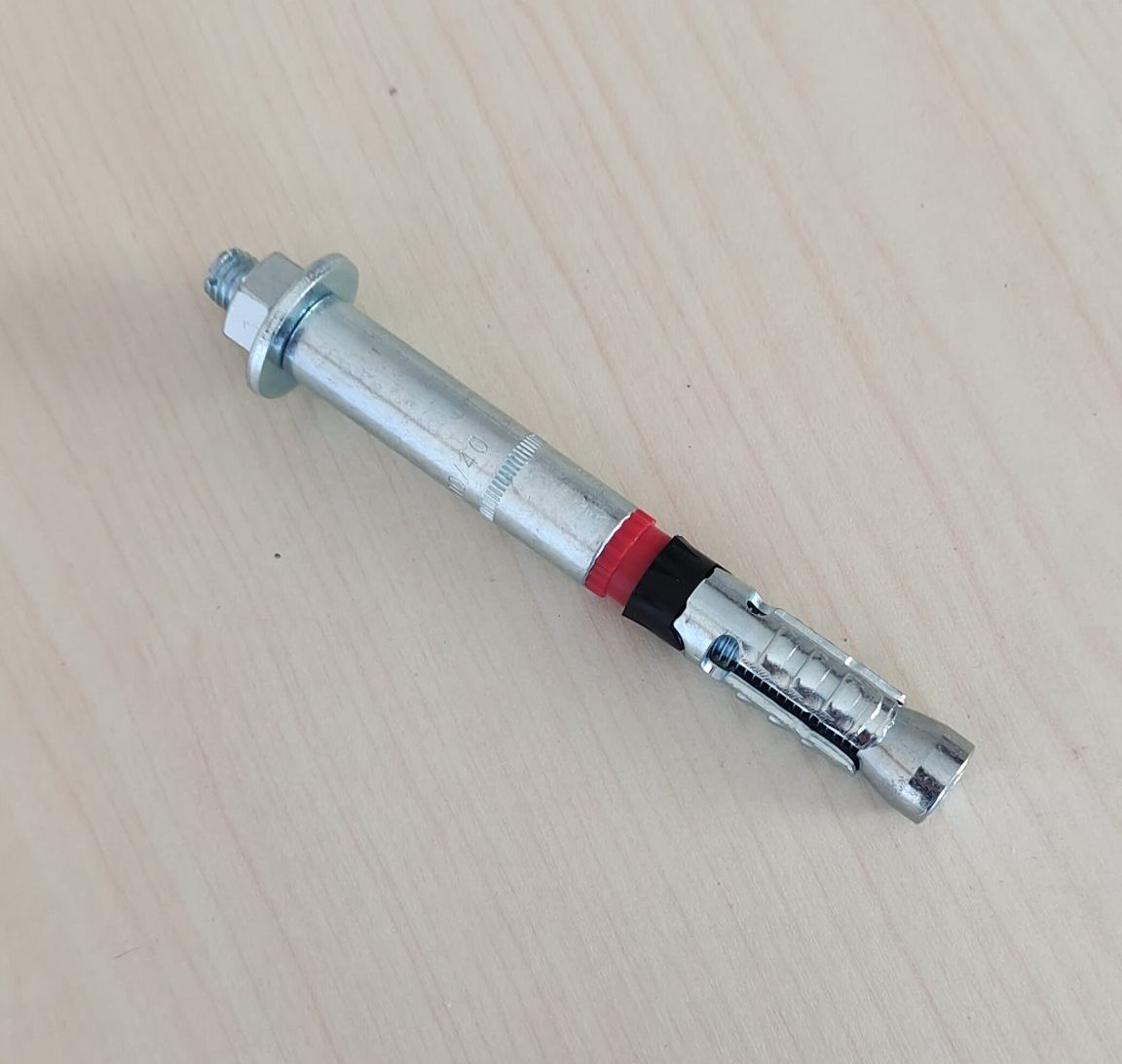
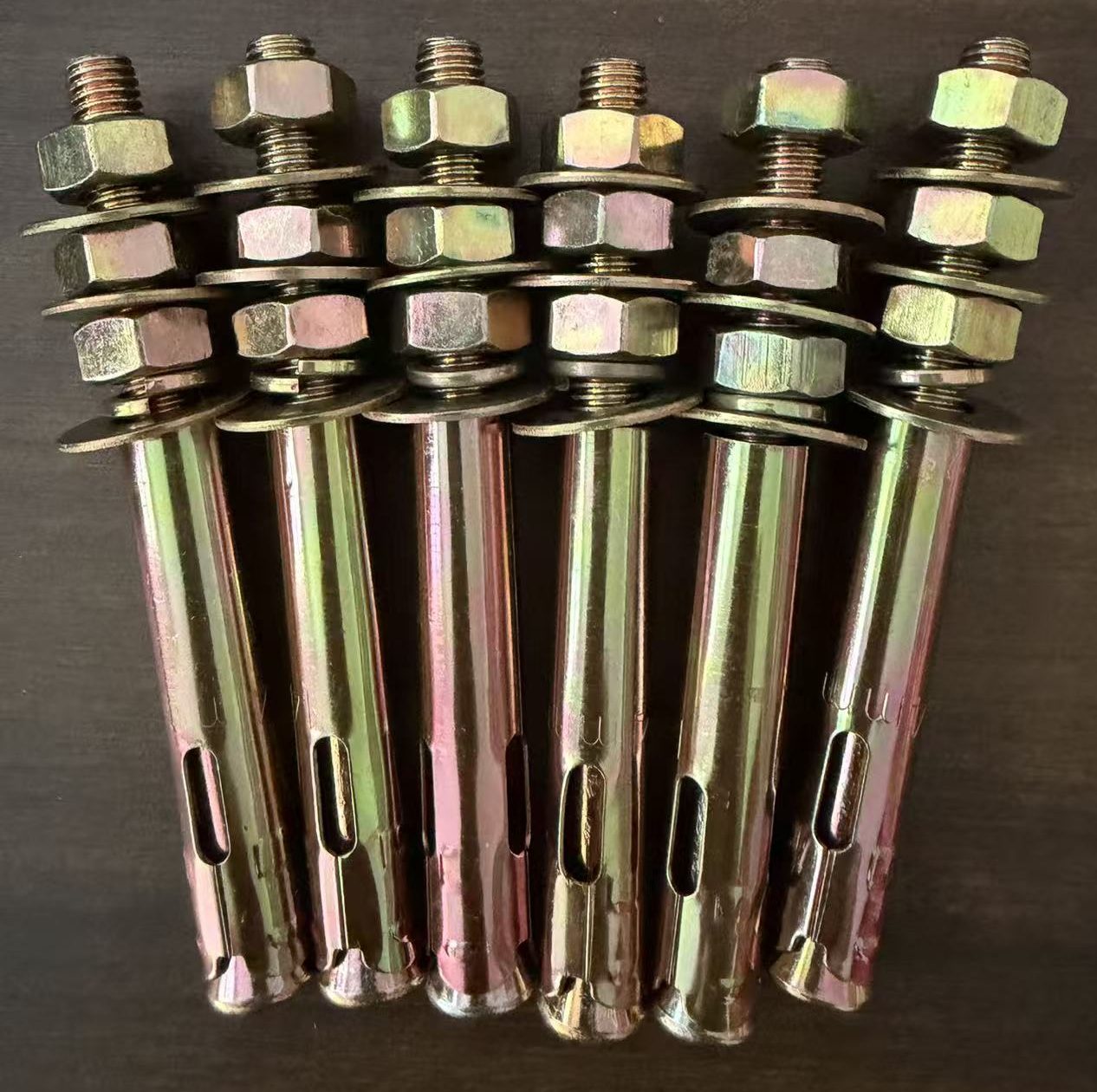
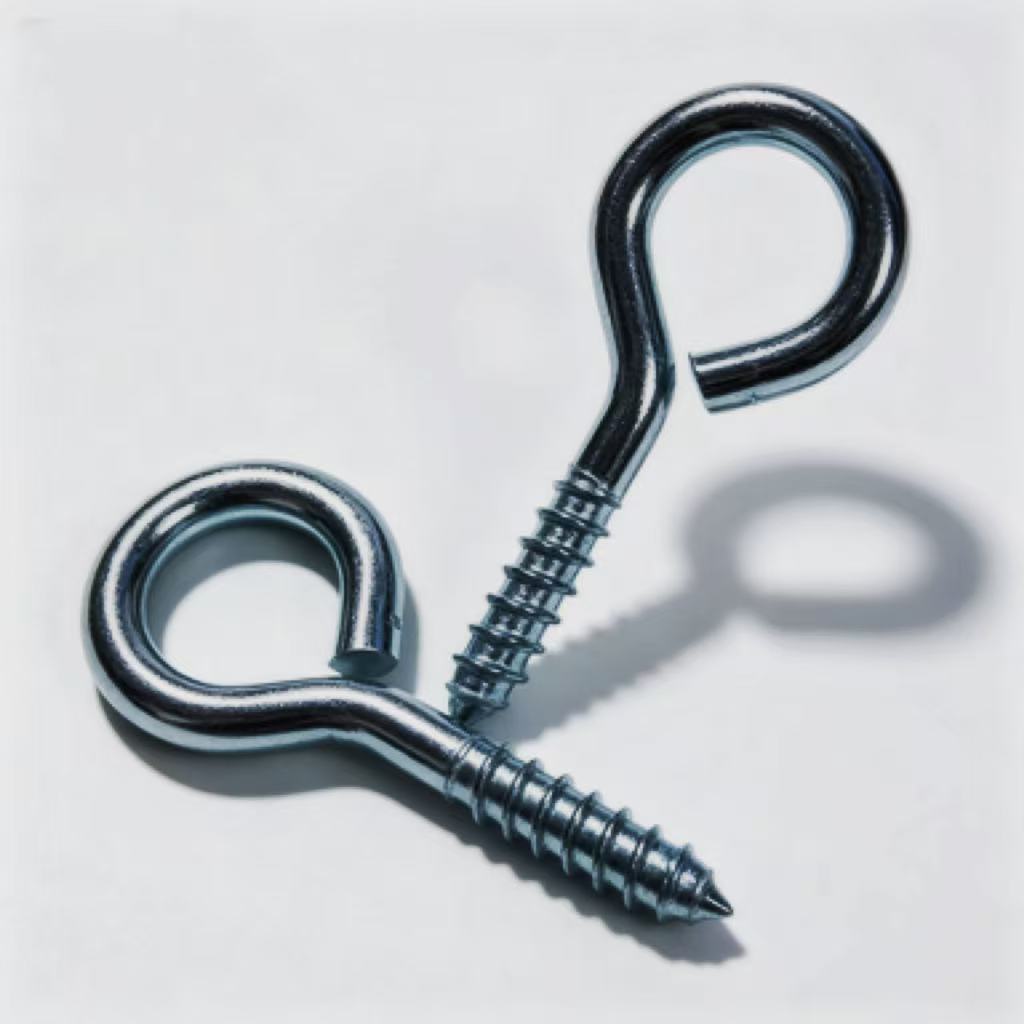
We pride ourselves on our robust R&D capabilities, having introduced high-tech talent and advanced production technologies to meet diverse international standards, including GB, DIN, JIS, and ANSI. Beyond standard offerings, we specialize in unique products such as casing geckos and wooden teeth welded sheep’s eye screws/bolts, showcasing our versatility in solving complex engineering challenges. Guided by the principle of “quality first, customer first,” we utilize perfect testing methods and professional technical teams to provide customized solutions that balance competitive pricing with uncompromising quality.
Comprehensive Product Range from a China Metal Fasteners Manufacturer
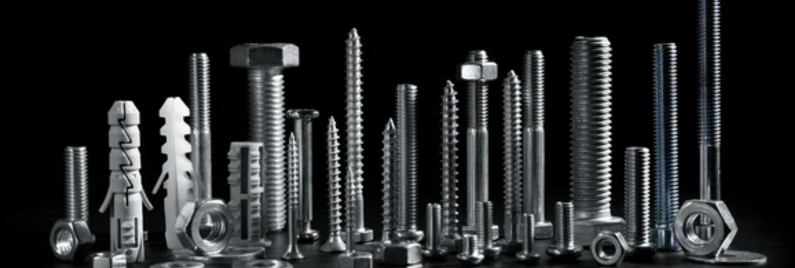
As a specialized supplier, our catalog covers a vast array of fastener types, each engineered for specific mechanical requirements. We do not merely produce generic items; we engineer solutions tailored to the unique stress profiles of different industries.
Bolts and Screws: The Primary Holding Elements
Bolts and screws are externally threaded fasteners designed to mate with a nut or a tapped hole. The distinction often lies in their application: bolts are typically used with nuts for high-load structural connections, while screws often tap directly into the material.
- Hex Head Bolts: Widely used in construction and machinery. Available in partial or full thread configurations.
- Socket Head Cap Screws: Preferred for applications requiring a clean finish and high torque capability, common in precision equipment.
- Carriage Bolts: Featuring a smooth, rounded head, ideal for wood-to-metal connections where a snag-free surface is required.
- Self-Tapping Screws: Designed to create their own threads in softer materials like plastic or thin metal sheets, reducing assembly time.
Nuts: Securing the Connection
Nuts work in tandem with bolts to create clamping force. The choice of nut determines the vibration resistance and ease of installation.
- Hex Nuts: The standard choice for general-purpose applications.
- Lock Nuts (Nyloc): Incorporate a nylon insert to prevent loosening under vibration, crucial for automotive and aerospace sectors.
- Flange Nuts: Feature an integrated wide flange that acts as a washer, distributing pressure over a larger area.
- Weld Nuts: Designed to be welded to a metal part, providing a threaded hole in locations where drilling is impractical.
Washers and Rivets: Support and Permanent Joining
Washers distribute the load of a threaded fastener, while rivets provide permanent joints. Our production lines handle both standard and custom-engineered variants.
- Flat Washers: Prevent damage to the surface being fastened and distribute load evenly.
- Spring Washers: Provide axial flexibility to compensate for thermal expansion or vibration.
- Solid Rivets: Used in structural steelwork and aircraft fuselages for permanent, high-strength joints.
- Blind Rivets: Allow for installation from one side of the workpiece, ideal for hollow structures.
Material Selection: Engineering Durability and Performance
The choice of material is the most critical factor in fastener performance. As an experienced China metal fasteners supplier, we guide clients in selecting the right alloy based on environmental conditions, load requirements, and budget constraints.
Carbon Steel: The Industry Standard
Carbon steel is the most commonly used material due to its excellent balance of strength, ductility, and cost. It is categorized by carbon content:
- Low Carbon Steel: Offers good ductility and weldability, suitable for general-purpose fasteners.
- Medium Carbon Steel: Heat-treated to increase strength, used in higher-grade bolts (e.g., Grade 8.8, 10.9).
- High Carbon Steel: Provides maximum hardness and strength but reduced ductility, often used in high-tension applications.
Stainless Steel: Corrosion Resistance
For environments exposed to moisture, chemicals, or extreme temperatures, stainless steel is the preferred choice. Our inventory includes:
- Austenitic (304/316): Non-magnetic, highly corrosion-resistant. Grade 316 offers superior resistance to chlorides, making it ideal for marine applications.
- Ferritic (410/430): Magnetic and less corrosion-resistant than austenitic grades but offers higher strength and heat resistance.
- Martensitic (410): Can be heat-treated to achieve high hardness, suitable for cutlery and valve components.
Alloy Steel and Exotic Metals
For extreme conditions, we supply fasteners made from alloy steels and exotic metals:
- Chrome-Molybdenum (Cr-Mo): Known for high strength and toughness, used in high-pressure valves and automotive drivetrains.
- Titanium: Offers an exceptional strength-to-weight ratio and corrosion resistance, critical for aerospace and medical devices.
- Inconel and Hastelloy: Nickel-based superalloys resistant to extreme heat and corrosive chemicals, used in oil and gas exploration.
| Material Type | Key Advantage | Typical Application | Cost Factor |
| Uamea Carbon | High Strength, Low Cost | Construction, Machinery | Low |
| Stainless Steel 304 | Corrosion Resistance | Food Processing, Outdoor | Medium |
| Stainless Steel 316 | Chemical/Marine Resistance | Marine, Chemical Plants | High |
| Alloy Steel | High Temperature/Toughness | Automotive, Energy | Medium-High |
| Titanium | Lightweight, Strong | Aerospace, Medical | Very High |
Manufacturing Processes: Precision and Scale
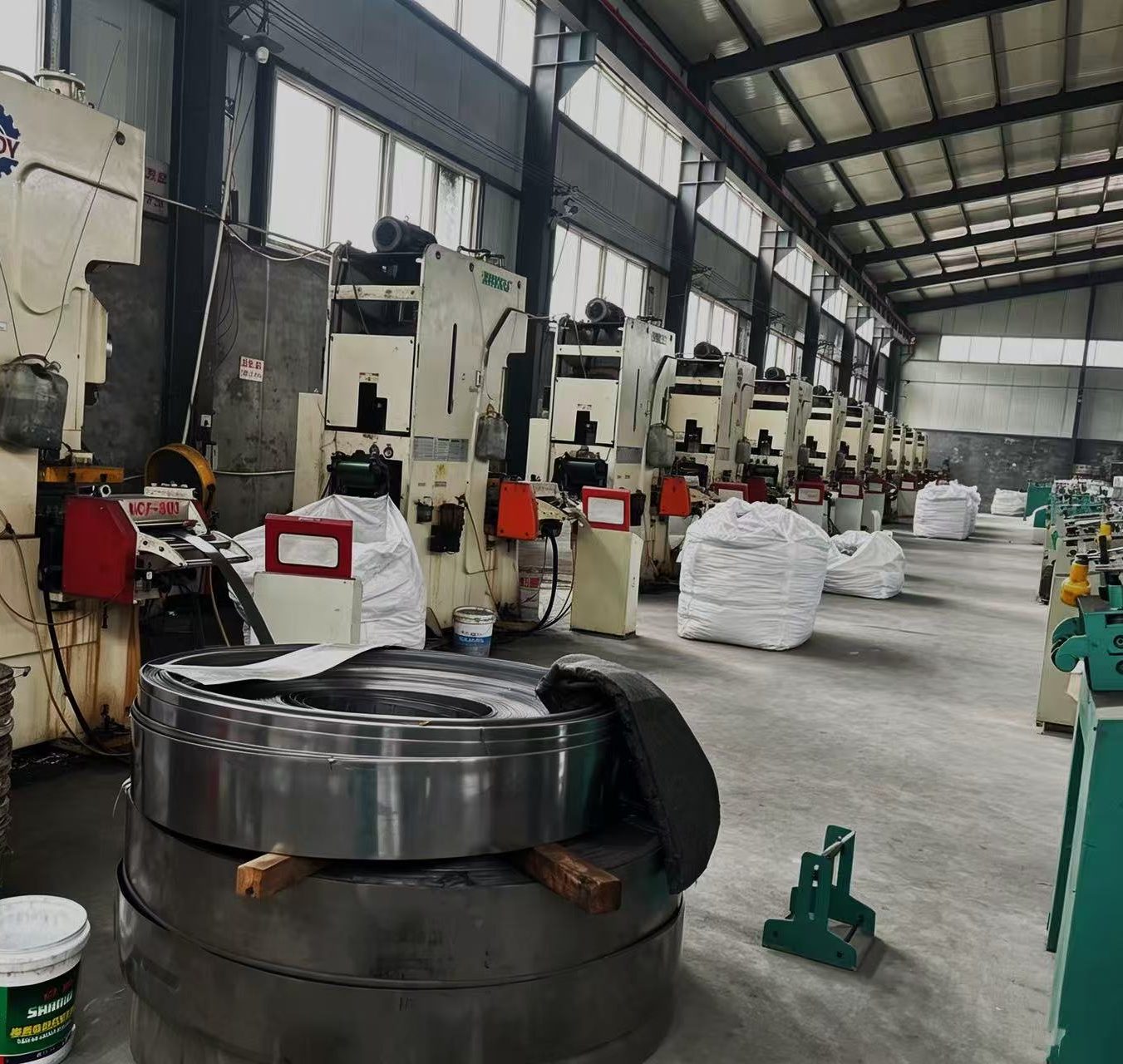
Our status as a premier China metal fasteners manufacturer is built on state-of-the-art manufacturing infrastructure. We employ a hybrid approach combining high-speed cold forming for volume and CNC machining for precision.
Cold Heading and Forming
Cold heading is the primary process for mass-producing bolts and screws. Metal wire is fed into a machine where dies shape the head and threads without heating the material. This process work-hardens the metal, resulting in a grain structure that follows the shape of the fastener, thereby enhancing strength.
- Efficiency: Capable of producing hundreds of parts per minute.
- Material Savings: Minimal waste compared to machining.
- Strength Enhancement: Cold working increases yield strength.
CNC Machining for Complex Geometries
For non-standard sizes, large diameters, or complex head shapes, we utilize multi-axis CNC lathes and milling centers. This method allows for tight tolerances (±0.01mm) and the creation of custom features such as special drive types or unusual thread pitches.
Thread Rolling vs. Thread Cutting
We predominantly use thread rolling for standard fasteners. This process displaces material to form threads, creating a smoother surface finish and stronger thread roots compared to thread cutting, which removes material and can create stress concentration points.
Surface Treatments and Coatings: Enhancing Longevity
Raw metal fasteners are susceptible to oxidation and wear. Our facility offers a comprehensive range of surface treatments to extend service life and improve aesthetic appeal.
Zinc Plating
Zinc plating is the most common coating for carbon steel fasteners. It provides sacrificial protection, meaning the zinc corrodes before the underlying steel. We offer:
- Electro-Zinc Plating: Thin, uniform coating suitable for indoor use.
- Hot-Dip Galvanizing: Thicker coating for harsh outdoor environments, though it may affect thread fit.
Dacromet and Geomet Coatings
These zinc-flake coatings provide superior corrosion resistance (up to 1000 hours in salt spray tests) without the hydrogen embrittlement risks associated with electroplating. They are increasingly preferred in the automotive industry for high-strength bolts.
Phosphating and Black Oxide
Phosphate coatings provide a base for paint or oil retention, offering moderate corrosion resistance. Black oxide provides a matte black finish with minimal dimensional change, ideal for aesthetic applications where slight corrosion resistance is needed.
PTFE and Xylan Coatings
For applications requiring low friction and high chemical resistance, we apply PTFE-based coatings. These are essential in food processing and chemical industries where contamination must be minimized.
Quality Assurance and Certifications
Trustworthiness is the cornerstone of our business. As a verified China metal fasteners supplier, we adhere to rigorous quality control protocols at every stage of production.
In-Process Quality Control
- First Article Inspection (FAI): Every production run begins with a detailed inspection of the first few parts to ensure setup accuracy.
- Statistical Process Control (SPC): Real-time monitoring of critical dimensions during mass production to detect trends and prevent defects.
- Automated Optical Inspection: High-speed cameras check for surface defects, missing threads, or head imperfections.
Final Testing and Certification
Before shipment, batches undergo comprehensive testing:
- Tensile Testing: Verifies that the fastener meets the specified grade strength (e.g., ISO 898-1).
- Hardness Testing: Ensures proper heat treatment and material consistency.
- Salt Spray Testing: Validates the effectiveness of corrosion-resistant coatings.
- Dimensional Inspection: Uses coordinate measuring machines (CMM) to verify thread pitch, diameter, and length.
We hold ISO 9001:2015 certification and can provide material traceability reports (Mill Certificates) for every batch, ensuring full compliance with automotive (IATF 16949) and aerospace (AS9100) standards where applicable.
How to Choose the Right Metal Fasteners: A Buyer’s Guide
Selecting the correct fastener involves balancing technical requirements with commercial considerations. Here is a structured approach to making the right choice.
Step 1: Define the Load Requirements
Determine whether the joint will experience static loads, dynamic loads, or shock loads. High-vibration environments require lock nuts or prevailing torque fasteners. Structural connections demand high-tensile grades.
Step 2: Assess Environmental Conditions
Consider exposure to moisture, chemicals, temperature extremes, and UV radiation. Marine environments necessitate stainless steel 316 or hot-dip galvanized steel. High-temperature applications may require alloy steel or titanium.
Step 3: Determine Material Compatibility
Avoid galvanic corrosion by ensuring the fastener material is compatible with the materials being joined. For example, using aluminum fasteners on stainless steel can lead to rapid corrosion of the aluminum.
Step 4: Specify Standards and Dimensions
Clearly define the required standard (ISO, DIN, ANSI, JIS) to ensure compatibility with existing tools and components. Specify thread pitch, length, and head type precisely to avoid assembly issues.
Step 5: Evaluate Supplier Capabilities
Choose a China metal fasteners manufacturer with proven expertise in your specific industry. Verify their quality certifications, production capacity, and ability to provide technical support.
| Selection Criteria | Key Consideration | Recommendation |
| Load Type | Static vs. Dynamic | Use lock nuts for vibration; high-grade bolts for structural loads. |
| Environment | Corrosive vs. Dry | Stainless steel or coated carbon steel for corrosive environments. |
| Temperature | High vs. Ambient | Alloy steel or Inconel for high heat; standard steel for ambient. |
| Assembly | Manual vs. Automated | Tight tolerance screws for automated feeding; standard hex for manual. |
Common Mistakes in Fastener Selection and Usage
Even with high-quality products, improper selection or installation can lead to failure. Awareness of these common pitfalls is essential for engineering teams.
- Over-tightening: Exceeding the yield strength of the bolt can cause stretching or breaking. Always use torque wrenches calibrated to the specific fastener grade.
- Under-tightening: Insufficient clamp load allows movement, leading to fretting corrosion and eventual fatigue failure.
- Mixing Grades: Using a high-strength bolt with a low-strength nut can cause the nut to strip before the bolt reaches its full potential.
- Ignoring Lubrication: Friction coefficients vary significantly with lubrication. Torque specifications often assume a specific lubrication state.
- Reusing Critical Fasteners: Bolts subjected to high tension should generally not be reused as they may have undergone plastic deformation.
Why Partner with Us as Your China Metal Fasteners Supplier?
In a crowded market, our value proposition is clear: technical expertise, manufacturing precision, and unwavering commitment to quality.
Technical Expertise and Customization
We do not just sell off-the-shelf items. Our engineering team works closely with clients to develop custom solutions for challenging applications. Whether it is a non-standard thread profile or a unique head configuration, we have the tooling and expertise to deliver.
Scalable Production Capacity
Our facility is equipped to handle orders ranging from small prototype batches to millions of units per month. This scalability ensures that we can support your growth from R&D to full-scale production without supply chain disruptions.
Global Logistics and Compliance
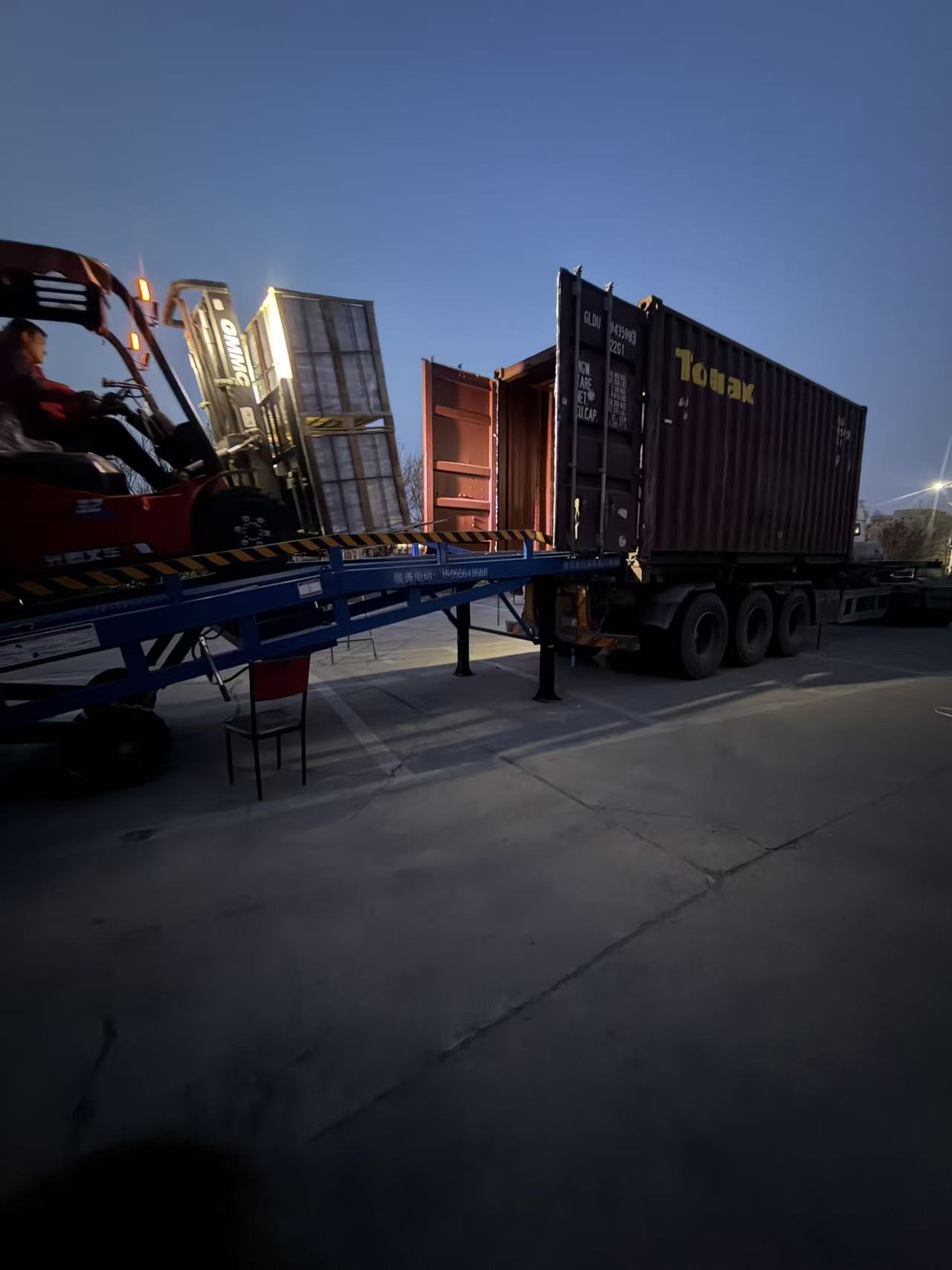
With extensive experience in export logistics, we ensure timely delivery to destinations worldwide. Our documentation practices comply with international trade regulations, simplifying customs clearance for our clients.
Frequently Asked Questions (FAQ)
What is the difference between a bolt and a screw?
Technically, a bolt is designed to pass through unthreaded holes and be secured with a nut, while a screw is designed to mate with a pre-formed internal thread or create its own thread. However, in common usage, the terms are often interchangeable.
How do I determine the correct torque for a metal fastener?
Torque values depend on the fastener’s diameter, grade, material, and lubrication condition. Refer to standard torque charts provided by the manufacturer or relevant industry standards (e.g., ISO 898). Always perform validation tests for critical applications.
Can you provide custom packaging for bulk orders?
Yes, we offer customized packaging solutions including bulk bins, cardboard boxes, and palletized shipments. We can also label packages according to your specific inventory management requirements.
What is the lead time for standard vs. custom metal fasteners?
Standard items typically have a lead time of 2-4 weeks depending on stock levels. Custom fasteners require tooling development and sampling, usually taking 6-8 weeks for the first production run.
Do you offer sample services for testing?
Yes, we provide free samples of standard products for quality verification. For custom items, sample fees may apply, which are usually refundable upon placing a bulk order.
How do you ensure traceability of materials?
We maintain strict batch tracking. Each production lot is linked to its raw material certificate, heat treatment records, and quality inspection reports. This ensures full traceability from raw wire to finished product.
Conclusion: Securing Your Supply Chain with Reliable Metal Fasteners
In the intricate web of industrial manufacturing, metal fasteners are small components with massive implications. Their reliability dictates the safety, durability, and performance of the final product. Partnering with a knowledgeable China metal fasteners manufacturer and supplier is not just a procurement decision; it is a strategic move to enhance product quality and operational efficiency.
Our commitment to precision engineering, rigorous quality control, and customer-centric service positions us as a trusted partner for businesses worldwide. Whether you require standard ISO-compliant bolts or bespoke engineered solutions, we possess the technical capability and production capacity to meet your needs.
Ready to optimize your fastener supply chain?
Contact our engineering team today to discuss your specific requirements. Request a quote, schedule a factory audit, or obtain technical specifications for our latest product lines. Let us help you secure your assemblies with confidence.
Explore Our Full Product Catalog and Technical Resources