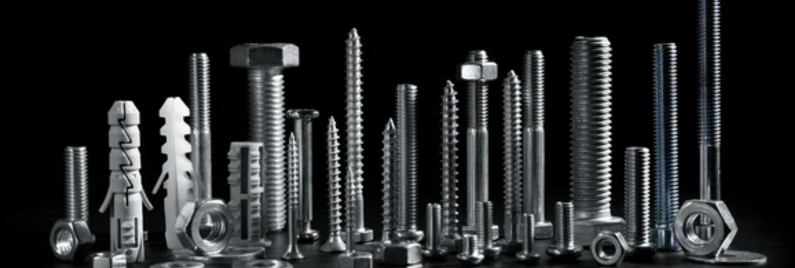
Looking for a reliable carbon steel fasteners supplier? We offer factory-direct pricing on high-quality bolts, nuts, and screws manufactured to meet rigorous international standards. As a direct manufacturer based in Handan, Hebei—the heart of China’s fastener industry—we eliminate middlemen to provide cost-effective solutions for construction, automotive, and industrial applications without compromising on tensile strength or durability.
What Are Carbon Steel Fasteners and Why Choose Them?
Carbon steel fasteners are mechanical devices made primarily from iron and carbon, designed to join or affix two or more objects together. They represent the most widely used category of fastening components in global infrastructure due to their exceptional balance of strength, affordability, and versatility.
Unlike stainless steel or alloy alternatives, carbon steel offers superior tensile strength at a significantly lower cost point. This makes them the industry standard for applications where extreme corrosion resistance is not the primary requirement, but structural integrity is paramount.
The composition of these fasteners typically includes a carbon content ranging from 0.05% to 1.0%. This variation allows manufacturers to tailor the material properties, creating grades that range from low-carbon (mild) steel for general use to high-carbon variants for heavy-duty load-bearing scenarios.
Industries rely on these components because they can be heat-treated to enhance hardness and yield strength. The ability to undergo processes like quenching and tempering ensures that the final product meets specific grade requirements, such as Grade 5 or Grade 8 in imperial measurements.
The Economic Advantage of Direct Factory Sourcing
Sourcing directly from a manufacturing facility provides distinct advantages over purchasing through distributors or retail channels. The primary benefit is the elimination of markup layers, resulting in competitive factory-direct pricing.
When you engage with a dedicated carbon steel fasteners supplier, you gain access to custom production capabilities. Factories can adjust production lines to meet specific dimensional tolerances, head styles, or thread pitches that off-the-shelf inventory cannot accommodate.
Furthermore, direct sourcing ensures better quality control traceability. Manufacturers maintain oversight from raw material selection to the final packaging stage, reducing the risk of counterfeit or sub-standard products entering your supply chain.
- Cost Efficiency: Reduced overhead costs translate to lower unit prices for bulk orders.
- Customization: Ability to produce non-standard sizes and specialized coatings.
- Lead Time Control: Direct communication with production managers accelerates order fulfillment.
- Quality Assurance: Immediate access to mill test reports and certification documents.
Grades and Classifications of Carbon Steel Fasteners
Understanding the grading system is crucial for selecting the right component for your project. The mechanical properties of carbon steel fasteners vary significantly based on their chemical composition and heat treatment history.
In the United States, the Society of Automotive Engineers (SAE) and the American Society for Testing and Materials (ASTM) define the most common standards. Internationally, the International Organization for Standardization (ISO) provides equivalent classifications.
Low Carbon Steel (Mild Steel)
Low carbon steel contains less than 0.30% carbon. These fasteners are known as “mild steel” and are the most common type found in general hardware stores. They are easy to manufacture and machine but have lower tensile strength compared to higher grades.
These are typically identified as Grade 2 in the SAE system or Class 4.6 in the ISO metric system. They are ideal for applications where high strength is not critical, such as light framing, furniture assembly, and non-structural machinery guards.
Because they are not heat-treated, low carbon fasteners are softer and more ductile. This characteristic makes them suitable for situations where some flexibility is required to absorb vibration without snapping.
Medium Carbon Steel
Medium carbon steel contains between 0.30% and 0.60% carbon. This grade offers a significant increase in strength and hardness while retaining reasonable ductility. These fasteners are often heat-treated to achieve specific mechanical properties.
The most recognizable medium carbon fastener is SAE Grade 5. These are widely used in automotive applications, including wheel bolts and suspension components. In the metric system, this corresponds roughly to Class 8.8.
Medium carbon fasteners strike a balance that makes them versatile for dynamic loads. They are strong enough to hold heavy components together but tough enough to resist shock loading better than high-carbon variants.
High Carbon Steel
High carbon steel contains between 0.60% and 1.0% carbon. These materials are capable of being hardened to very high levels through rigorous heat treatment processes. They offer the highest tensile and yield strengths among carbon steel options.
SAE Grade 8 is the quintessential high carbon fastener, easily identified by six radial lines on the bolt head. These are reserved for critical structural applications, heavy machinery, and high-stress automotive connections.
While incredibly strong, high carbon fasteners are more brittle than their lower-grade counterparts. Care must be taken during installation to avoid over-torquing, which could lead to sudden fracture rather than stretching.
Manufacturing Process and Quality Control
The production of high-quality carbon steel fasteners involves a precise sequence of manufacturing steps. Each stage is critical to ensuring the final product meets the required specifications for strength and dimensional accuracy.
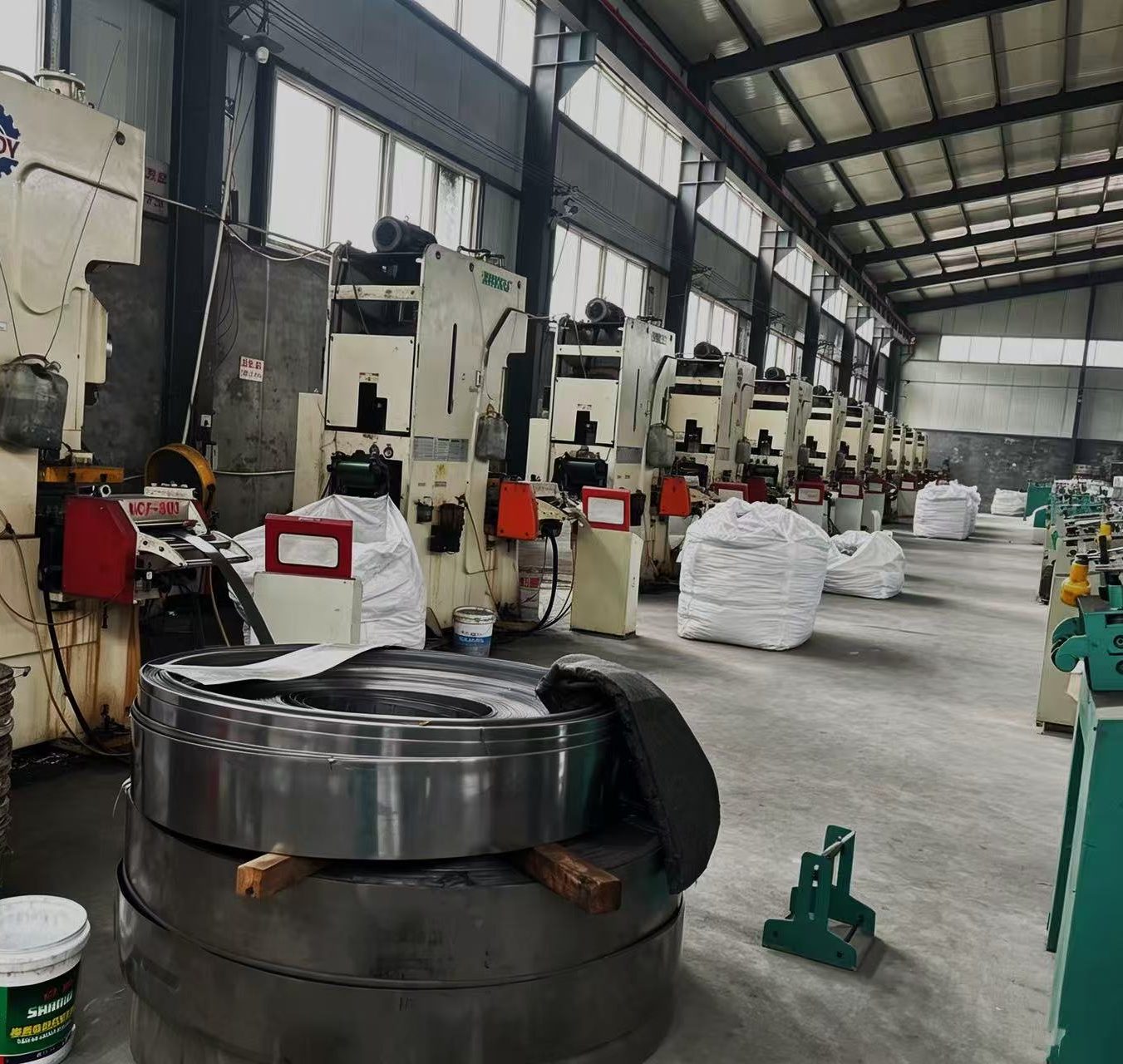
Our factory employs advanced cold heading and hot forging techniques depending on the size and grade of the fastener. Cold heading is preferred for smaller diameters as it work-hardens the material, increasing its strength without additional heat treatment.
Step-by-Step Production Workflow
The journey from raw wire rod to a finished bolt involves several distinct phases. Understanding this process highlights the technical expertise required to produce reliable fastening solutions.
- Wire Drawing: Raw steel coils are drawn through dies to reduce their diameter to the exact size needed for the specific fastener.
- Cold Heading: The wire is cut into slugs and formed into the basic shape of the bolt head using high-speed presses.
- Thread Rolling: Threads are formed by rolling the shank between die plates, which preserves the grain structure and enhances fatigue resistance.
- Heat Treatment: For medium and high-grade fasteners, parts are heated and quenched to alter the microstructure, followed by tempering to reduce brittleness.
- Surface Finishing: Components undergo cleaning and coating processes, such as zinc plating or black oxide, to provide corrosion resistance.
- Quality Inspection: Final products are tested for hardness, tensile strength, and dimensional compliance before packaging.
Advanced Heat Treatment Techniques
Heat treatment is the defining factor that separates commodity fasteners from high-performance engineering components. The process involves heating the steel to a specific temperature, holding it there, and then cooling it at a controlled rate.
Quenching rapidly cools the steel, locking the carbon atoms in place to create a martensitic structure. This results in extreme hardness but also high brittleness. Tempering follows immediately to relieve internal stresses and restore toughness.
Precise control of furnace temperatures and atmosphere is essential. Our facility utilizes computer-controlled furnaces to ensure uniform heating across every batch, guaranteeing consistent mechanical properties throughout the entire production run.
Surface Treatments and Corrosion Protection
One of the inherent limitations of carbon steel fasteners is their susceptibility to oxidation and rust when exposed to moisture. To mitigate this, various surface treatments are applied to extend the service life of the components.
Selecting the appropriate coating depends on the operating environment. Indoor applications may require minimal protection, while outdoor or marine-adjacent environments demand robust barrier systems.
Zinc Plating and Galvanization
Zinc plating is the most common finish for carbon steel fasteners. It involves electrodepositing a thin layer of zinc onto the surface. This provides a sacrificial layer that corrodes before the underlying steel does.
For heavier duty requirements, hot-dip galvanizing is employed. This process coats the fastener in a thicker layer of molten zinc, offering superior protection against harsh weather conditions and chemical exposure.
It is important to note that hot-dip galvanizing adds significant thickness to the threads. Therefore, nuts must be over-tapped to accommodate the coated bolts, ensuring proper fit and torque engagement.
Black Oxide and Phosphate Coatings
Black oxide is a conversion coating that provides mild corrosion resistance and reduces light reflection. It is often used for aesthetic purposes or in applications where dimensional tolerance is critical, as it adds negligible thickness.
Phosphate coatings, often combined with oil, are excellent for retaining lubricants. This makes them ideal for fasteners that need to be tightened and loosened repeatedly or for those used in break-in periods of new machinery.
These finishes do not offer the same level of salt-spray resistance as zinc but are sufficient for indoor machinery, automotive engines, and tools where appearance and friction coefficients are priorities.
Comparison: Carbon Steel vs. Stainless Steel vs. Alloy Steel
Choosing the right material is often a trade-off between cost, strength, and environmental resistance. While this guide focuses on carbon steel fasteners, understanding how they compare to alternatives helps in making informed procurement decisions.
Carbon steel remains the dominant choice for general construction and manufacturing due to its cost-effectiveness. However, specific environments may necessitate alternative materials.
| Feature | Uamea Carbon | Uamea uamea | Alloy Steel |
| Primary Benefit | High Strength & Low Cost | Corrosion Resistance | Extreme Temperature Performance |
| Tensile Strength | High (especially Grades 5 & 8) | Moderate to High | Very High |
| Corrosion Resistance | Low (requires coating) | Excellent | Moderate (requires coating) |
| Cost Factor | Most Economical | Higher Cost | Premium Cost |
| Typical Applications | Construction, Automotive Frames | Marine, Food Processing | Aerospace, High-Pressure Systems |
When to Stick with Carbon Steel
Despite the availability of exotic alloys, carbon steel is the preferred choice for the vast majority of industrial applications. If the environment is controlled or if a protective coating can be maintained, carbon steel offers unmatched value.
The higher strength-to-weight ratio of heat-treated carbon steel often allows engineers to use smaller diameter fasteners compared to stainless steel, potentially reducing the overall weight and footprint of the assembly.
Moreover, the predictability of carbon steel behavior under load makes it a favorite for structural engineers. Its failure modes are well-understood, allowing for safer design margins in critical infrastructure projects.
Key Applications Across Industries
The versatility of carbon steel fasteners enables their use across a diverse spectrum of industries. From the foundations of skyscrapers to the engines of vehicles, these components play a silent but vital role.
Construction and Infrastructure
In the construction sector, high-strength structural bolts are essential for connecting steel beams and columns. ASTM A325 and A490 bolts are standard specifications for structural steel joints in buildings and bridges.
These fasteners must withstand immense static and dynamic loads, including wind forces and seismic activity. The reliability of the connection points directly influences the safety and longevity of the structure.
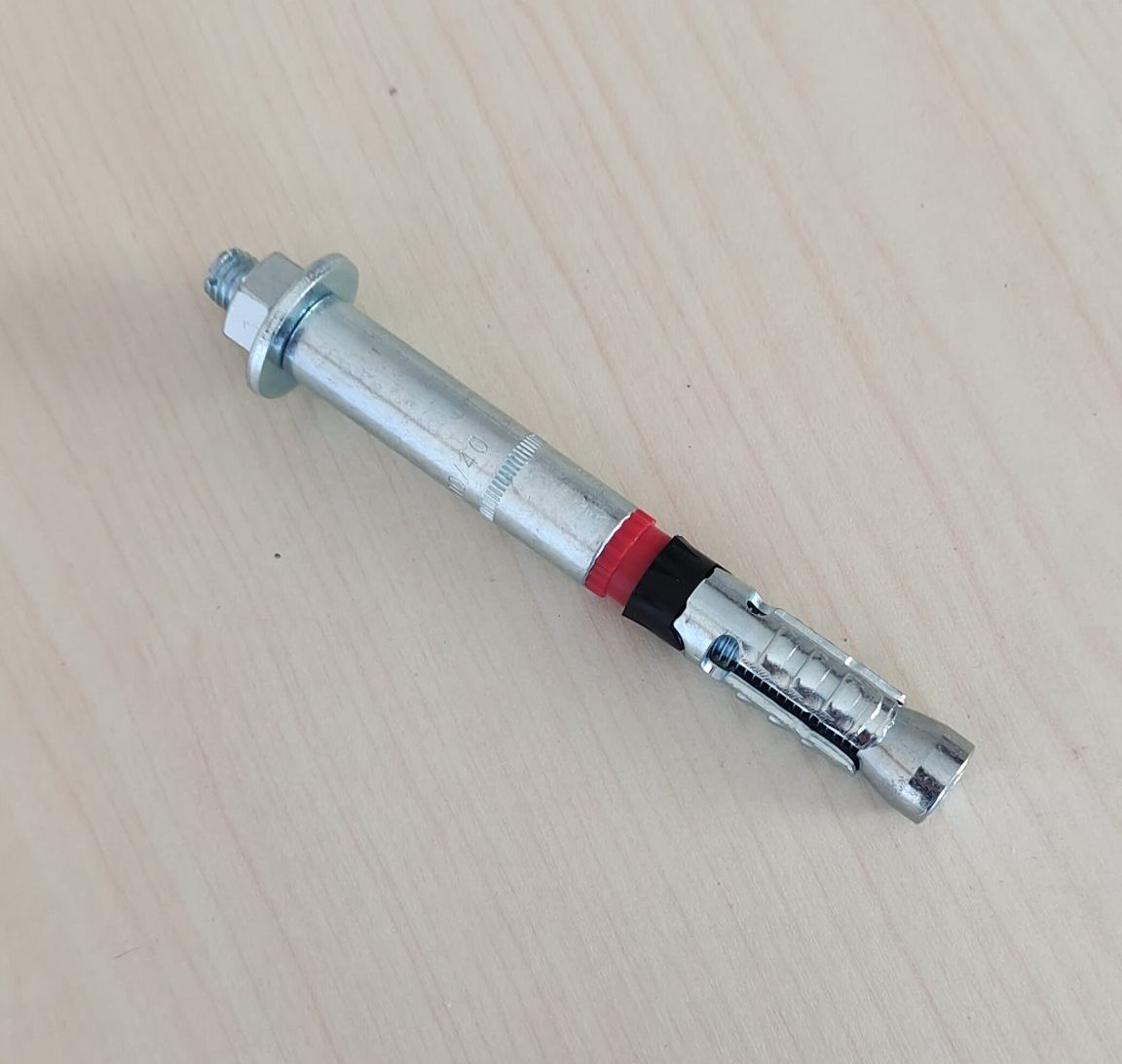
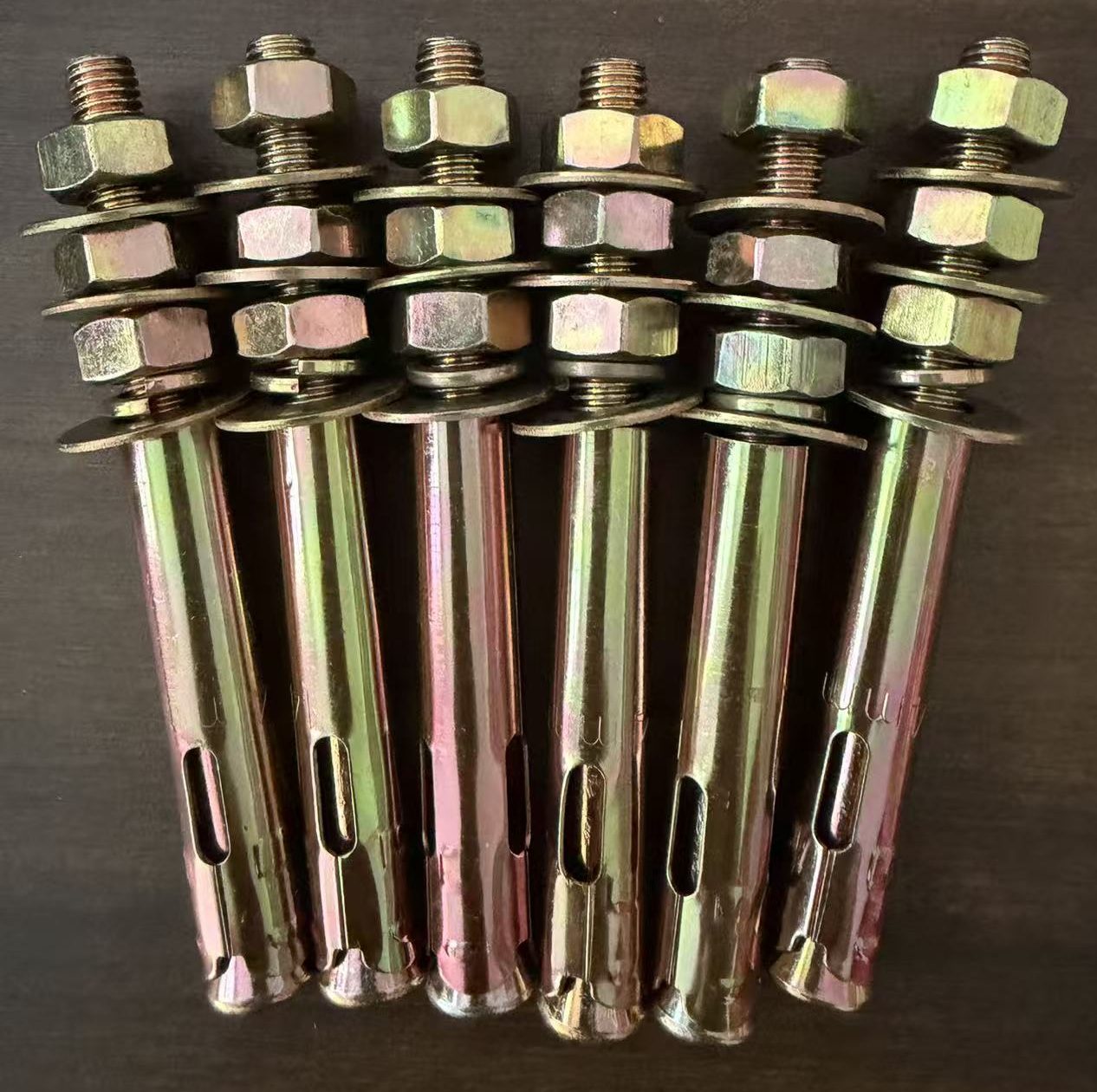
Anchor bolts embedded in concrete foundations also rely on carbon steel for their tensile capacity. They secure the entire superstructure to the ground, preventing uplift and lateral movement.
Automotive and Transportation
The automotive industry consumes billions of fasteners annually. Engine blocks, transmission cases, and suspension systems rely heavily on Grade 5 and Grade 8 carbon steel bolts.
Vibration resistance is a key concern in vehicles. Carbon steel fasteners are often paired with locking washers or prevailing torque nuts to prevent loosening due to constant engine and road vibrations.
Weight reduction initiatives in modern vehicle design also benefit from the high strength of carbon steel, allowing for optimized component designs that maintain safety standards while improving fuel efficiency.
Machinery and Equipment Manufacturing
Heavy machinery used in mining, agriculture, and manufacturing depends on durable fastening solutions. The abrasive and high-stress environments of these sectors demand the toughness of medium to high-carbon steel.
Conveyor systems, hydraulic presses, and rotating equipment utilize carbon steel fasteners for their ability to handle shear forces and impact loads without deforming.
Maintenance teams prefer carbon steel components because they are readily available and easy to replace. The standardization of sizes and grades simplifies inventory management for large industrial facilities.
How to Select the Right Carbon Steel Fastener
Selecting the correct fastener involves analyzing several factors beyond just size and thread pitch. Making the wrong choice can lead to equipment failure, safety hazards, and costly downtime.
Start by evaluating the load requirements. Determine whether the joint will experience shear stress, tensile stress, or a combination of both. This analysis dictates the necessary grade of the fastener.
Factors Influencing Selection
Several technical parameters must be considered to ensure optimal performance. Ignoring these factors can compromise the integrity of the entire assembly.
- Load Type: Identify if the application involves static loads, dynamic loads, or shock loads.
- Environmental Conditions: Assess exposure to moisture, chemicals, or extreme temperatures to determine coating needs.
- Material Compatibility: Ensure the fastener material does not cause galvanic corrosion when in contact with the base material.
- Torque Requirements: Verify that the installation tool can achieve the required preload without stripping the threads.
- Regulatory Compliance: Check if the project requires specific certifications like ASTM, ISO, or DIN standards.
Understanding Thread Standards
Threads must match perfectly between the bolt and the nut or tapped hole. Mismatched threads can strip easily or fail to clamp properly. The two primary systems are Unified National (UNC/UNF) and Metric (coarse/fine).
Coarse threads are generally preferred for carbon steel applications as they are less prone to cross-threading and offer better performance in softer materials. Fine threads provide greater adjustment precision and higher tensile stress areas.
Always verify the thread pitch and diameter using calipers or thread gauges before installation. Even minor deviations can lead to significant issues in high-load applications.
Common Challenges and Solutions
Even with high-quality carbon steel fasteners, challenges can arise during installation and service life. Being aware of these potential issues allows for proactive mitigation strategies.
Hydrogen Embrittlement
High-strength carbon steel fasteners are susceptible to hydrogen embrittlement, particularly after electroplating. This phenomenon causes sudden, brittle failure under stress.
To prevent this, reputable manufacturers implement a baking process immediately after plating. This drives out absorbed hydrogen from the steel lattice, restoring the material’s ductility and preventing catastrophic failure.
Specifying fasteners from suppliers who adhere to strict plating and baking protocols is essential for Grade 8 and higher components used in critical safety applications.
Galling and Seizing
Although more common in stainless steel, galling can occur in carbon steel fasteners under high pressure and friction. This results in the threads welding together, making removal impossible without destruction.
Applying appropriate lubricants or anti-seize compounds during installation reduces friction and prevents seizing. This is particularly important for fasteners that may need to be removed for future maintenance.
Ensuring proper alignment during assembly also minimizes the risk of galling. Cross-threading should be avoided at all costs, as it damages the thread profile and compromises the clamping force.
Frequently Asked Questions (FAQ)
Below are answers to common questions regarding carbon steel fasteners, addressing concerns about performance, compatibility, and sourcing.
Are carbon steel fasteners suitable for outdoor use?
Yes, provided they have the appropriate surface treatment. Bare carbon steel will rust quickly outdoors. However, hot-dip galvanized or heavily zinc-plated carbon steel fasteners offer excellent durability in outdoor environments, including exposure to rain and humidity.
What is the difference between Grade 5 and Grade 8 bolts?
Grade 5 bolts are made from medium carbon steel and are heat-treated to a moderate strength level, suitable for general automotive and machinery use. Grade 8 bolts are made from high carbon steel, quenched and tempered to achieve much higher tensile and yield strengths, intended for heavy-duty and critical structural applications.
Can I weld carbon steel fasteners?
Welding is generally not recommended for heat-treated carbon steel fasteners (Grade 5 and above). The heat from welding can alter the microstructure, destroying the heat treatment and significantly reducing the strength of the fastener. If welding is required, low-carbon (Grade 2) fasteners are a better option, though consultation with an engineer is advised.
How do I identify the grade of a carbon steel bolt?
Imperial carbon steel bolts have markings on the head. Grade 2 has no marks, Grade 5 has three radial lines, and Grade 8 has six radial lines. Metric bolts use a numbering system stamped on the head, such as 8.8, 10.9, or 12.9, indicating their property class.
Why choose factory-direct pricing for fasteners?
Factory-direct pricing eliminates distributor markups, offering significant cost savings, especially for bulk orders. It also ensures direct communication with the manufacturer regarding custom specifications, quality control, and lead times, providing a more transparent and efficient supply chain.
About Our Company: Your Trusted Global Partner
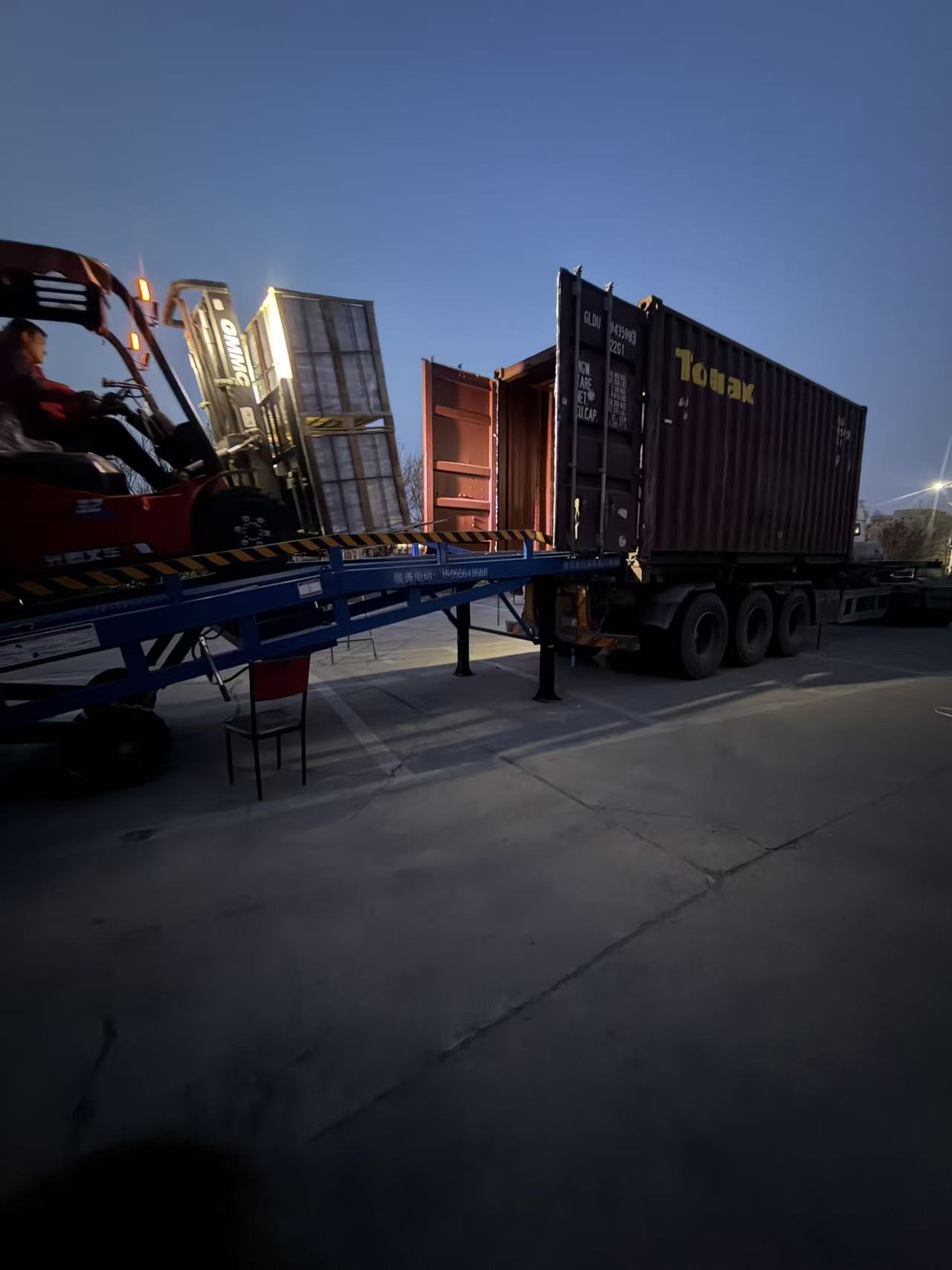
Located in Handan, Hebei—China’s renowned hub for fastener manufacturing—our company stands as a premier industry and trade integration enterprise. With over a decade of specialized experience, we have evolved into a global supplier, exporting our products to more than 26 countries worldwide.
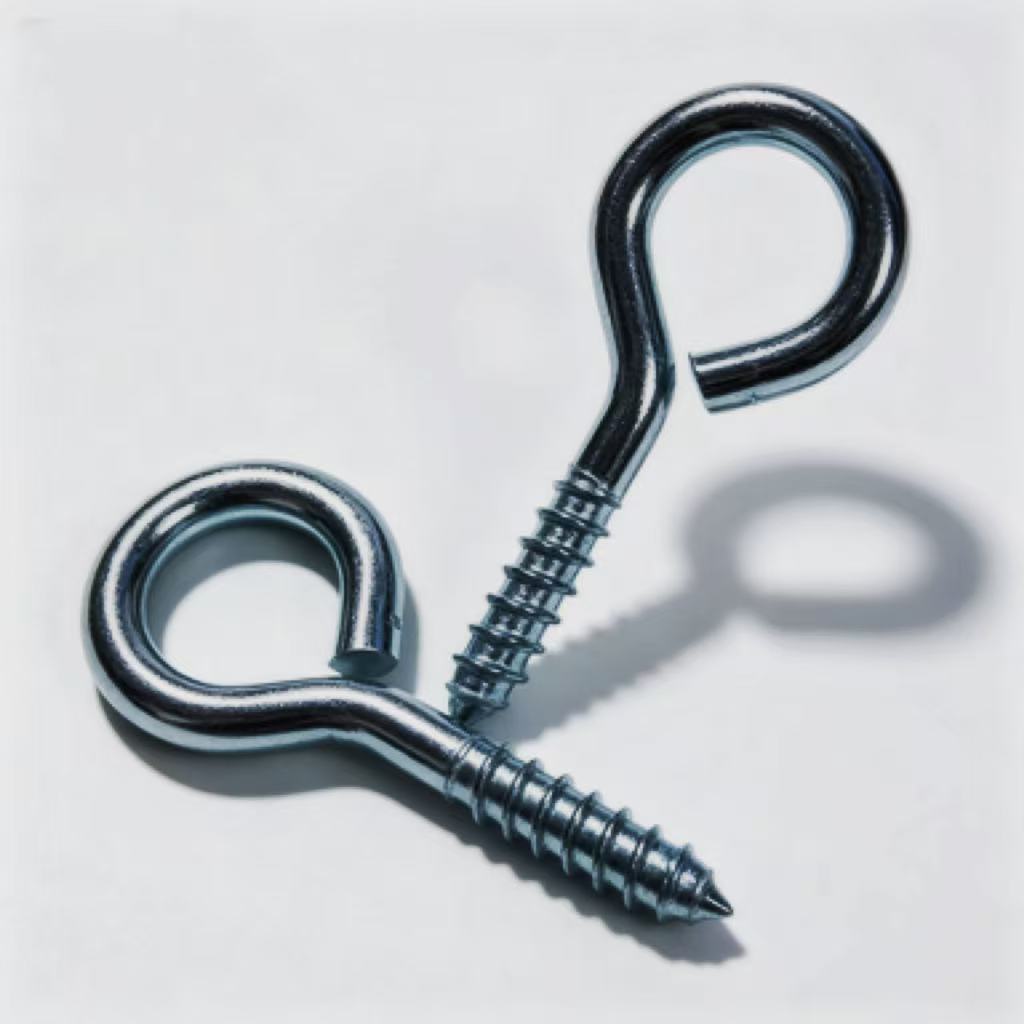
We specialize in the development, manufacturing, and trading of a comprehensive range of fasteners and hardware tools. Our product line extends beyond standard carbon steel bolts and nuts to include specialized items such as casing geckos, wooden teeth welded sheep’s eye screws, and custom-engineered solutions tailored to unique project needs.
Adhering to a philosophy of “integrity first,” we continuously invest in scientific research and high-tech talent acquisition. By utilizing advanced production technologies and rigorous testing methods, we ensure that every product meets stringent international standards, including GB, DIN, JIS, and ANSI. Our professional technical team and state-of-the-art machinery allow us to offer not only competitive factory-direct pricing but also full customization capabilities regarding specifications, quality, and quantity.
Driven by the principle of “quality first, customer first,” we are committed to maintaining our reputation by delivering thoughtful service and reliable products. Whether you require standard components or complex customizations, our goal is to meet your specific demands and optimize your supply chain efficiency.
Conclusion: Securing Your Projects with Quality
Selecting the right carbon steel fasteners is a decision that impacts the safety, durability, and cost-efficiency of your projects. By understanding the nuances of grades, coatings, and manufacturing processes, you can make informed choices that align with your engineering requirements.
Our commitment as a direct supplier is to provide high-integrity fastening solutions at competitive factory-direct prices. Whether you need standard off-the-shelf components or custom-engineered parts, our production capabilities are designed to meet your specific demands.
Who should partner with us? Construction firms, automotive manufacturers, machinery builders, and industrial distributors looking for reliable supply chains and cost-effective pricing models will find immense value in our direct manufacturing approach.
Take the next step in optimizing your supply chain. Evaluate your current fastener specifications and consider the benefits of switching to a direct factory source. Contact our technical team today to discuss your requirements and request a quote tailored to your volume and specification needs.