A drop-in anchor is a heavy-duty, internal-threaded concrete fastener designed for high-load applications in solid concrete. Installed into a pre-drilled hole, it expands via a setting tool to create a secure, flush-mounted connection point. Ideal for structural steel, machinery mounting, and seismic bracing, our drop-in anchors offer superior pull-out strength and reliability. As a direct manufacturer with over a decade of industry experience, we provide wholesale pricing, custom specifications (material, finish, thread size), and full compliance with international construction standards for B2B projects in 2026.
What Is a Drop-In Anchor? Definition and Core Functionality
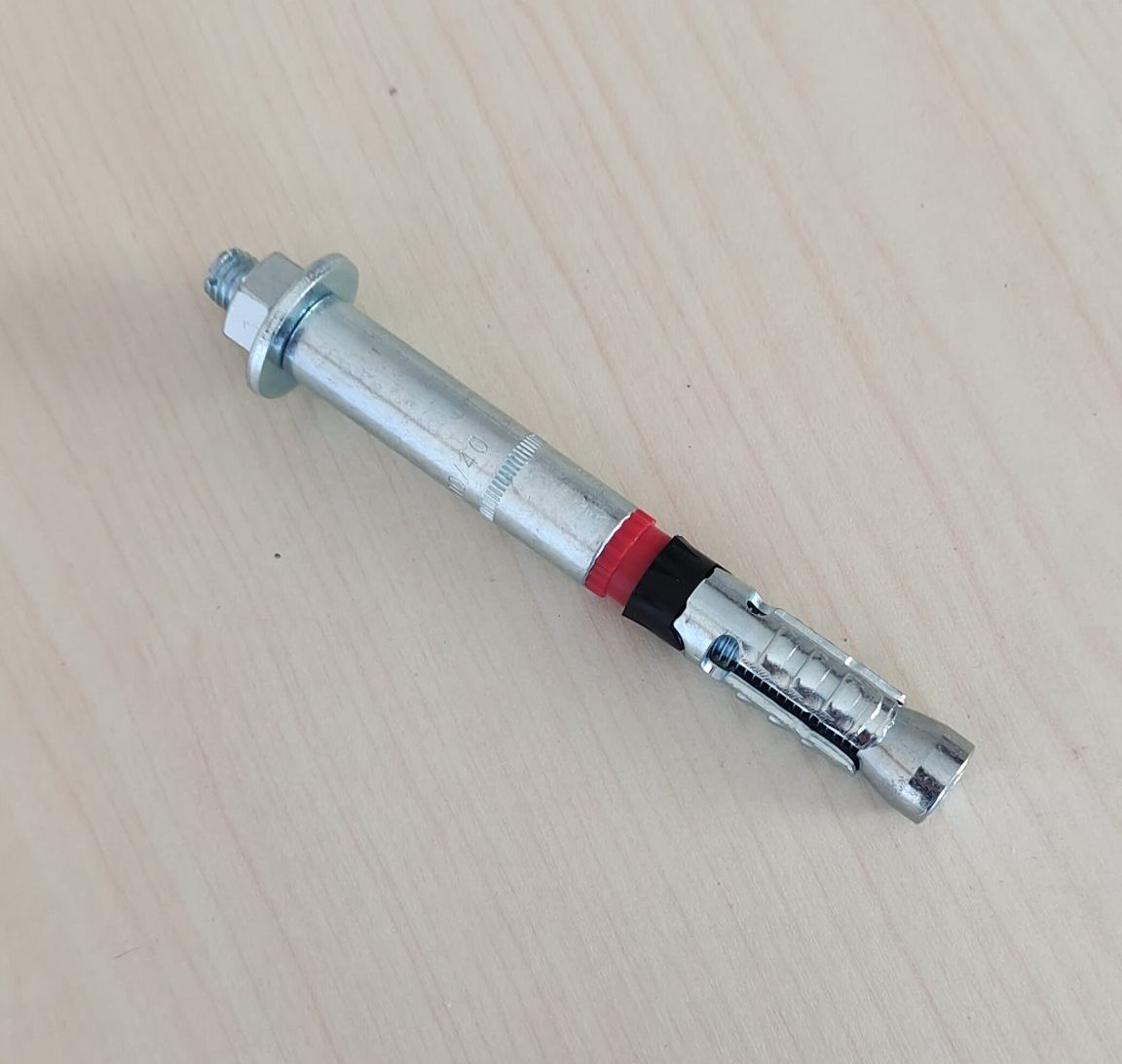
A drop-in anchor, often referred to as a hammer-set anchor or concrete insert, is a specialized mechanical anchoring system used primarily in solid concrete. Unlike wedge anchors or sleeve anchors that expand against the hole walls through external force, a drop-in anchor utilizes an internal expansion mechanism. The core component is a slotted, cylindrical body with internal threads and a separate setting plug.
When installed, the anchor is placed into a drilled hole of precise diameter and depth. A dedicated setting tool drives the plug into the anchor body. This action forces the slotted bottom section of the anchor to expand outward, locking it firmly against the concrete substrate. The result is a robust, vibration-resistant connection with a clean, flush finish that does not protrude from the surface.
In industrial and commercial construction, the primary advantage of this design is its ability to handle significant tensile (pull-out) and shear loads. The internal threading allows for the direct attachment of threaded rods, bolts, or fixtures without the need for additional nuts or washers on the visible side. This makes it indispensable for applications where aesthetics, space constraints, or heavy structural integrity are paramount.
Key Components of a Drop-In Anchor System
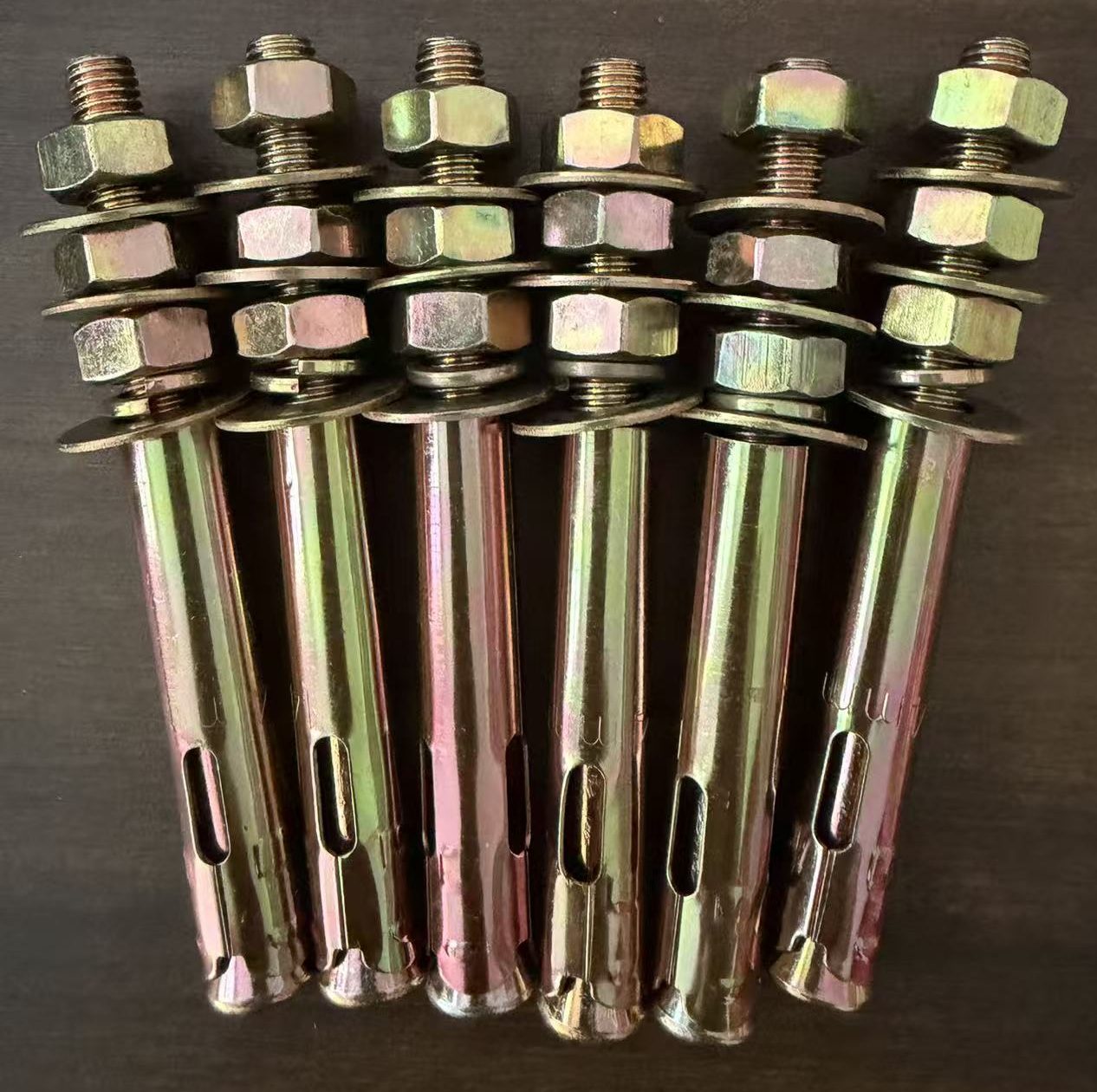
- Anchor Body: Typically made from carbon steel, stainless steel, or hot-dip galvanized steel. It features internal threads (UNC, UNF, or Metric) and longitudinal slots at the base for expansion.
- Setting Plug: A hardened steel cone or plug that is driven into the anchor body. Its tapered shape creates the radial expansion force required to lock the anchor.
- Setting Tool: A specialized installation tool specific to the anchor diameter. It ensures the plug is driven to the correct depth, guaranteeing consistent holding values.
How Drop-In Anchors Work: The Engineering Mechanics
Understanding the mechanical operation of a drop-in anchor is crucial for proper specification and installation. The reliability of the anchor depends entirely on the friction and mechanical interlock created between the expanded anchor body and the surrounding concrete.
The process begins with drilling a hole using a hammer drill and a carbide-tipped bit. The hole diameter must match the anchor’s specified outer diameter precisely. If the hole is too large, the anchor cannot generate sufficient expansion force. If too small, the anchor may not fit or could crack the concrete during installation.
Once the hole is cleaned of dust and debris—a critical step often overlooked—the anchor is inserted. The setting tool is then placed over the anchor and struck with a hammer. The impact drives the setting plug down into the anchor body. As the plug moves deeper, it pushes against the slotted legs of the anchor, forcing them outward. This expansion creates a high-friction interface with the concrete hole walls.
After setting, the tool is removed, leaving the internal threads exposed and ready for use. The anchor is now mechanically locked in place. The load transfer mechanism relies on both the friction generated by the expansion and the bearing pressure against the concrete. In high-vibration environments, this mechanical lock provides superior resistance to loosening compared to adhesive-based solutions.
Load Transfer Mechanisms
The performance of a drop-in anchor is defined by two primary load types:
- Tensile Load (Pull-Out): The force attempting to pull the anchor out of the concrete. The expanded base resists this by engaging a larger volume of concrete.
- Shear Load: The force applied perpendicular to the anchor axis. The anchor body’s material strength and the concrete’s compressive strength determine resistance to shear failure.
Proper installation ensures that the load is distributed evenly across the expanded section. Incorrect installation, such as under-driving the plug, results in reduced expansion and significantly lower load-bearing capacity.
Drop-In Anchor vs. Other Concrete Fasteners: A Comparative Analysis
Selecting the right anchor for a project requires understanding how drop-in anchors compare to other common concrete fastening solutions. Each type has distinct advantages and limitations based on application requirements, load needs, and installation conditions.
| Feature | Drop-In Anchor | Wedge Anchor | Sleeve Anchor | Chemical Anchor |
| Installation Method | Hammer-set with special tool | Hammer-set (self-setting) | Hammer-set (expands sleeve) | Inject resin + insert rod |
| Finish | Flush with surface | Protrudes slightly | Protrudes slightly | Flush or protruding |
| Load Capacity | Very High | High | Medium | Highest (bond-dependent) |
| Vibration Resistance | Excellent | Good | Moderate | Excellent |
| Removability | Difficult (permanent) | Difficult | Moderate | Permanent |
| Best Application | Heavy machinery, structural steel | General purpose, shelving | Light duty, masonry | Cracked concrete, edge distances |
| Cost Efficiency | Moderate (requires tool) | Low | Low | High |
Why Choose Drop-In Anchors? For B2B industrial applications, drop-in anchors are preferred when a clean, flush finish is required and when high dynamic loads are present. Unlike wedge anchors, which can loosen under severe vibration, the mechanical expansion of a drop-in anchor provides a more stable long-term connection. Compared to chemical anchors, they offer immediate load-bearing capacity without curing time, accelerating project timelines.
Material Specifications and Corrosion Resistance Standards
In 2026, material selection for concrete anchors is driven by environmental conditions and regulatory compliance. Using the wrong material can lead to premature failure, especially in corrosive environments. Our manufacturing process adheres to strict metallurgical standards to ensure durability and performance.
Carbon Steel (Zinc Plated)
Standard carbon steel drop-in anchors are cost-effective and suitable for indoor, dry environments. They are typically zinc-plated to provide basic corrosion resistance. However, they are not recommended for outdoor use, high-humidity areas, or environments exposed to chemicals. These anchors are ideal for internal structural steel connections, warehouse racking, and dry mechanical installations.
Stainless Steel (A4/316 and A2/304)
For demanding environments, stainless steel is the industry standard. We offer two primary grades:
- A2 (304) Stainless Steel: Offers good corrosion resistance for general outdoor applications. Suitable for urban environments and moderate humidity.
- A4 (316) Stainless Steel: Provides superior resistance to chlorides and acids. Essential for coastal regions, swimming pools, wastewater treatment plants, and chemical processing facilities. In 2026, A4 stainless is increasingly specified for infrastructure projects due to stricter longevity requirements.
Hot-Dip Galvanized (HDG)
Hot-dip galvanizing involves coating the steel in molten zinc, creating a thick, durable layer of protection. HDG drop-in anchors are ideal for outdoor structures, utility poles, and bridges. The thicker zinc coating offers better sacrificial protection than electroplating, making it a preferred choice for infrastructure projects exposed to weathering.
Custom Material Options
For specialized industrial applications, we can manufacture anchors from alloy steels or duplex stainless steels upon request. These materials offer higher tensile strength or enhanced resistance to specific chemical agents. Custom material specifications allow engineers to tailor the anchor to unique project constraints, ensuring optimal performance and safety margins.
Technical Parameters and Sizing Guide
Correct sizing is critical for the structural integrity of any anchoring system. Drop-in anchors are categorized by their nominal diameter and length. The diameter determines the load capacity, while the length affects the embedment depth and overall stability.
| Nominal Diameter | Drill Bit Size (mm) | Min. Embedment Depth (mm) | Typical Thread Size | Recommended Torque (Nm) |
| M6 (1/4″) | 8 mm | 40 mm | M6 / 1/4″-20 | 5-8 Nm |
| M8 (5/16″) | 10 mm | 50 mm | M8 / 5/16″-18 | 10-15 Nm |
| M10 (3/8″) | 12 mm | 60 mm | M10 / 3/8″-16 | 20-25 Nm |
| M12 (1/2″) | 16 mm | 70 mm | M12 / 1/2″-13 | 35-45 Nm |
| M16 (5/8″) | 20 mm | 90 mm | M16 / 5/8″-11 | 60-80 Nm |
| M20 (3/4″) | 25 mm | 110 mm | M20 / 3/4″-10 | 100-120 Nm |
Note: Always refer to the specific technical data sheet for exact load values. The above table provides general industry guidelines. Embedment depth must never be less than the minimum specified, as this directly impacts pull-out strength. In cracked concrete, larger diameters and deeper embedments are typically required to maintain safety factors.
Thread Types and Compatibility
Drop-in anchors are available with various thread types to match regional and industrial standards:
- Metric Threads (M6, M8, M10, etc.): Standard in Europe, Asia, and most international projects.
- UNC/UNF Threads (Imperial): Common in North America and legacy industrial systems.
- Custom Threads: For specialized machinery, we can produce anchors with non-standard pitches or left-hand threads.
Ensuring thread compatibility between the anchor and the fixing bolt is essential. Mismatched threads can lead to stripping, reduced clamping force, or installation failure.
Step-by-Step Installation Guide for Drop-In Anchors
Proper installation is the single most important factor in achieving the rated load capacity of a drop-in anchor. Even the highest quality anchor will fail if installed incorrectly. Follow these steps to ensure a secure and reliable connection.
Step 1: Drilling the Hole
Use a hammer drill with a carbide-tipped bit matching the anchor’s specified diameter. Drill perpendicular to the concrete surface to ensure even load distribution. The hole depth should exceed the anchor’s embedment depth by at least 10-15 mm to accommodate dust and debris.
Common Mistake: Using a worn-out drill bit can result in an oversized hole, reducing the anchor’s holding power. Regularly inspect and replace drill bits.
Step 2: Cleaning the Hole
Remove all dust, debris, and loose concrete particles from the hole. Use a wire brush, compressed air, or a vacuum cleaner. A clean hole ensures maximum friction between the anchor and the concrete.
Why It Matters: Dust acts as a lubricant, preventing the anchor from expanding properly against the concrete walls. This can reduce load capacity by up to 50%.
Step 3: Inserting the Anchor
Place the drop-in anchor into the cleaned hole. Ensure it sits at the bottom. If the anchor does not fit easily, do not force it. Re-check the hole diameter and cleanliness.
Step 4: Setting the Anchor
Insert the appropriate setting tool into the anchor. Strike the tool firmly with a hammer until the tool bottoms out or reaches the predetermined stop. You should feel a solid impact, indicating the plug has fully expanded the anchor.
Verification: After removing the tool, check that the internal threads are clean and undamaged. The anchor should feel solid and not rotate in the hole.
Step 5: Installing the Fixture
Insert the threaded rod or bolt into the anchor. Tighten to the recommended torque value using a torque wrench. Avoid over-tightening, which can strip the threads or damage the concrete.
Common Installation Errors and How to Avoid Them
Even experienced installers can make mistakes. Understanding common pitfalls helps ensure project success and safety compliance.
- Undersized Holes: Forcing an anchor into a hole that is too small can crack the concrete or damage the anchor. Always use the correct drill bit size.
- Oversized Holes: Using a worn drill bit or incorrect size results in poor expansion and low load capacity. Measure hole diameter regularly.
- Incomplete Setting: Failing to drive the plug fully results in insufficient expansion. Use a setting tool with a depth stop to ensure consistency.
- Dirty Holes: Neglecting to clean the hole reduces friction and holding power. Make cleaning a mandatory step in the installation protocol.
- Edge Distance Violations: Installing anchors too close to the edge of the concrete can cause spalling or breakout. Maintain minimum edge distances as specified in technical guidelines (typically ≥ 5x anchor diameter).
- Incorrect Concrete Type: Drop-in anchors are designed for solid concrete. They are not suitable for brick, block, or aerated concrete unless specifically tested and approved.
Applications and Industry Use Cases
Drop-in anchors are versatile and used across various industries. Their high load capacity and flush finish make them suitable for demanding applications.
Structural Steel Connection
In steel erection, drop-in anchors are used to connect column base plates to concrete foundations. The flush finish allows the base plate to sit flat against the concrete, ensuring proper load transfer. High-strength steel anchors are preferred for these critical structural connections.
Machinery Mounting
Heavy industrial machinery, such as CNC machines, generators, and presses, generates significant vibration. Drop-in anchors provide the necessary stability to prevent movement and misalignment. Stainless steel options are used in food processing and pharmaceutical industries where hygiene and corrosion resistance are critical.
Seismic Bracing
In earthquake-prone regions, seismic bracing systems require anchors that can withstand dynamic loads. Drop-in anchors, when installed correctly, offer excellent performance in seismic applications. They are often used to secure HVAC ducts, piping, and electrical conduits.
Facade and Cladding Systems
For building facades, drop-in anchors provide a discreet connection point for brackets and supports. The flush finish ensures that no hardware protrudes, maintaining the aesthetic integrity of the building envelope. Stainless steel is typically specified to prevent rust staining on the facade.
Infrastructure and Utilities
Bridges, tunnels, and utility structures rely on drop-in anchors for securing barriers, lighting fixtures, and signage. Hot-dip galvanized or stainless steel anchors are used to withstand harsh outdoor conditions and ensure long-term durability.
Quality Control and Manufacturing Standards
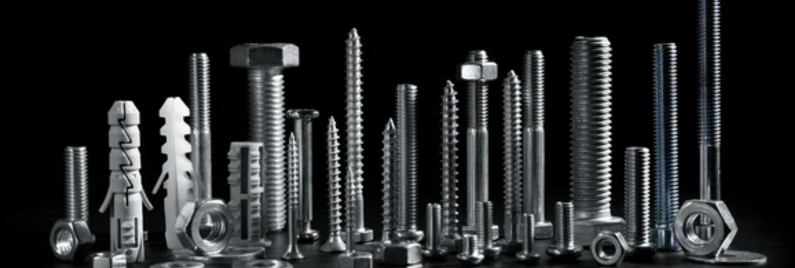
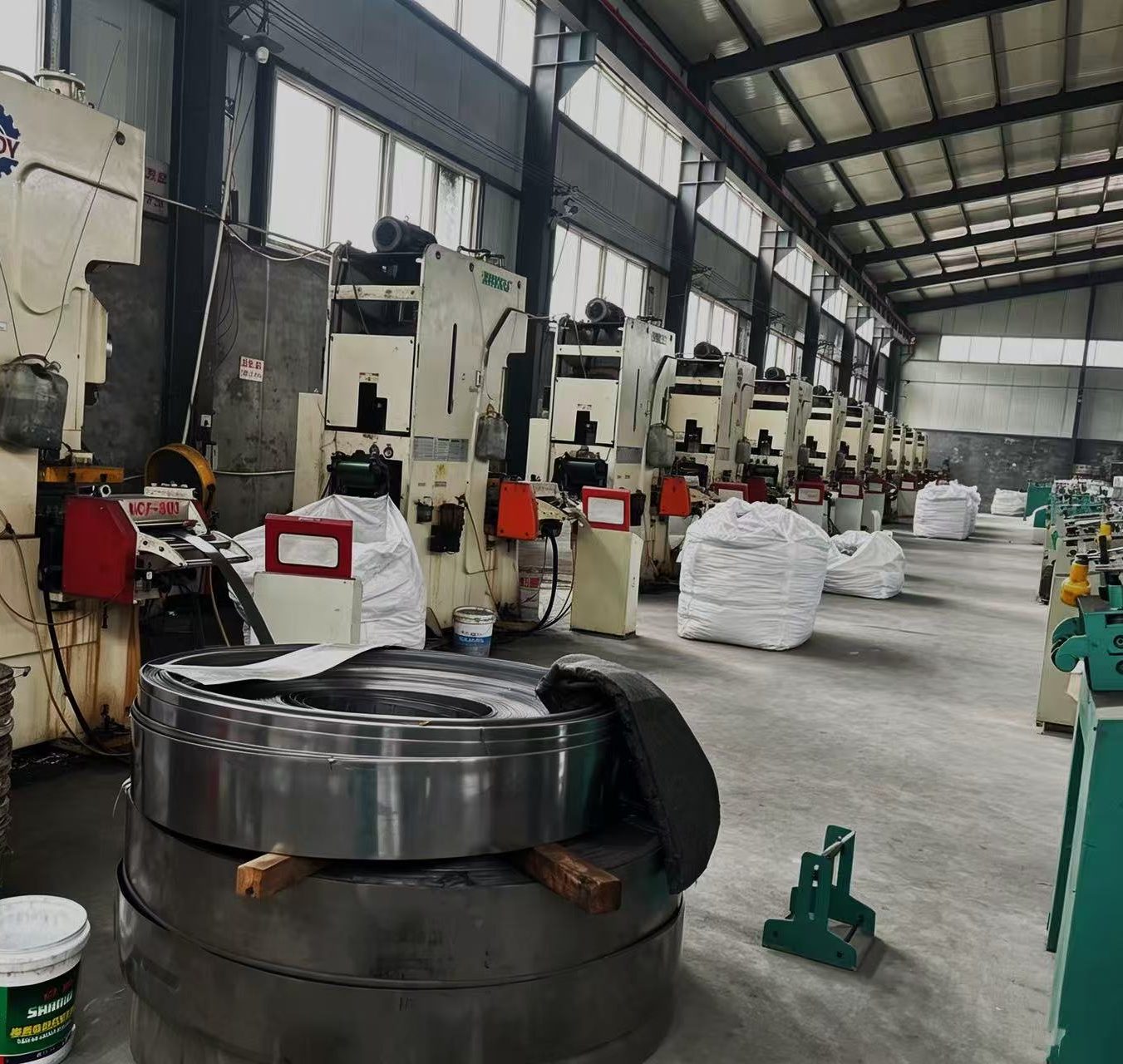
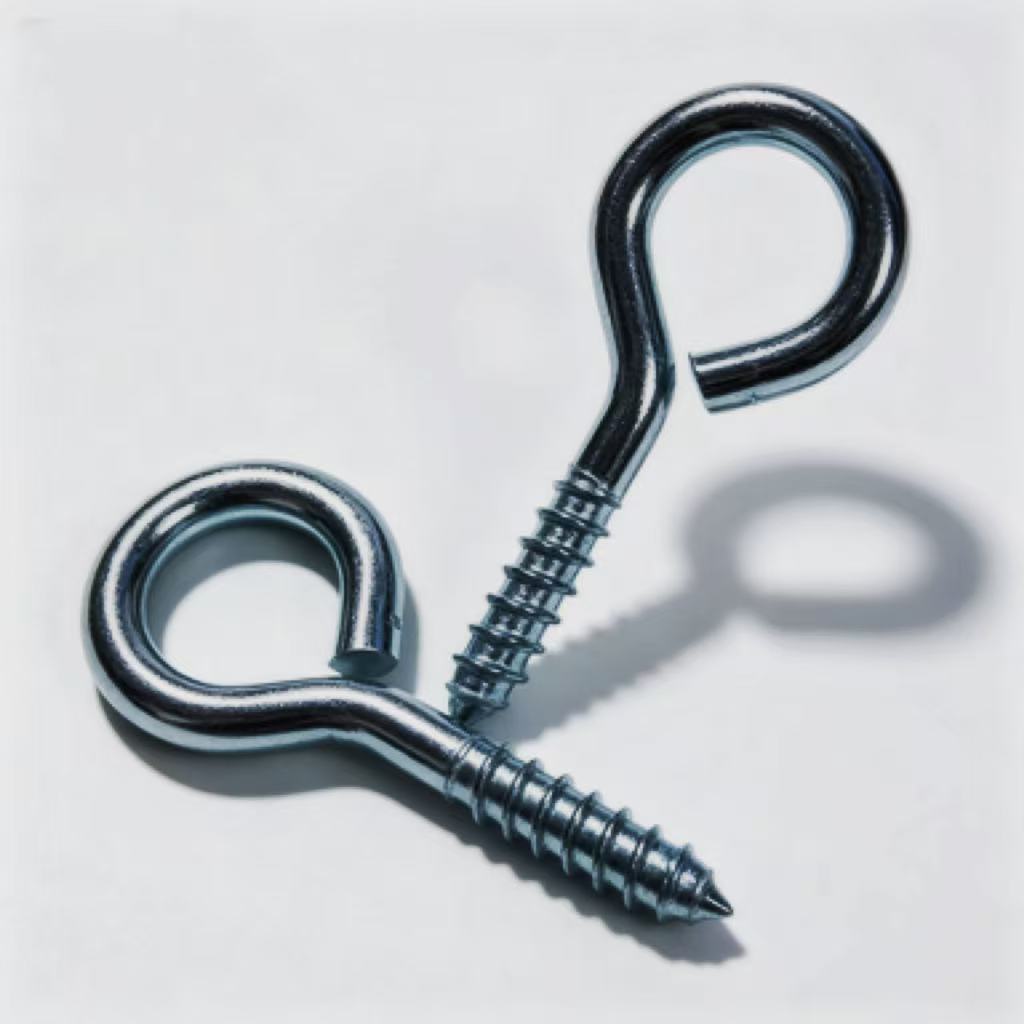
Located in Handan, Hebei—China’s premier hub for fastener manufacturing—we leverage over ten years of industry expertise to deliver products that meet rigorous global standards. As a global industry and trade combination company, we specialize in the development, manufacturing, and service of a wide range of fasteners and hardware tools, including casing geckos, wooden teeth welded sheep’s eye screws/bolts, and precision concrete anchors.
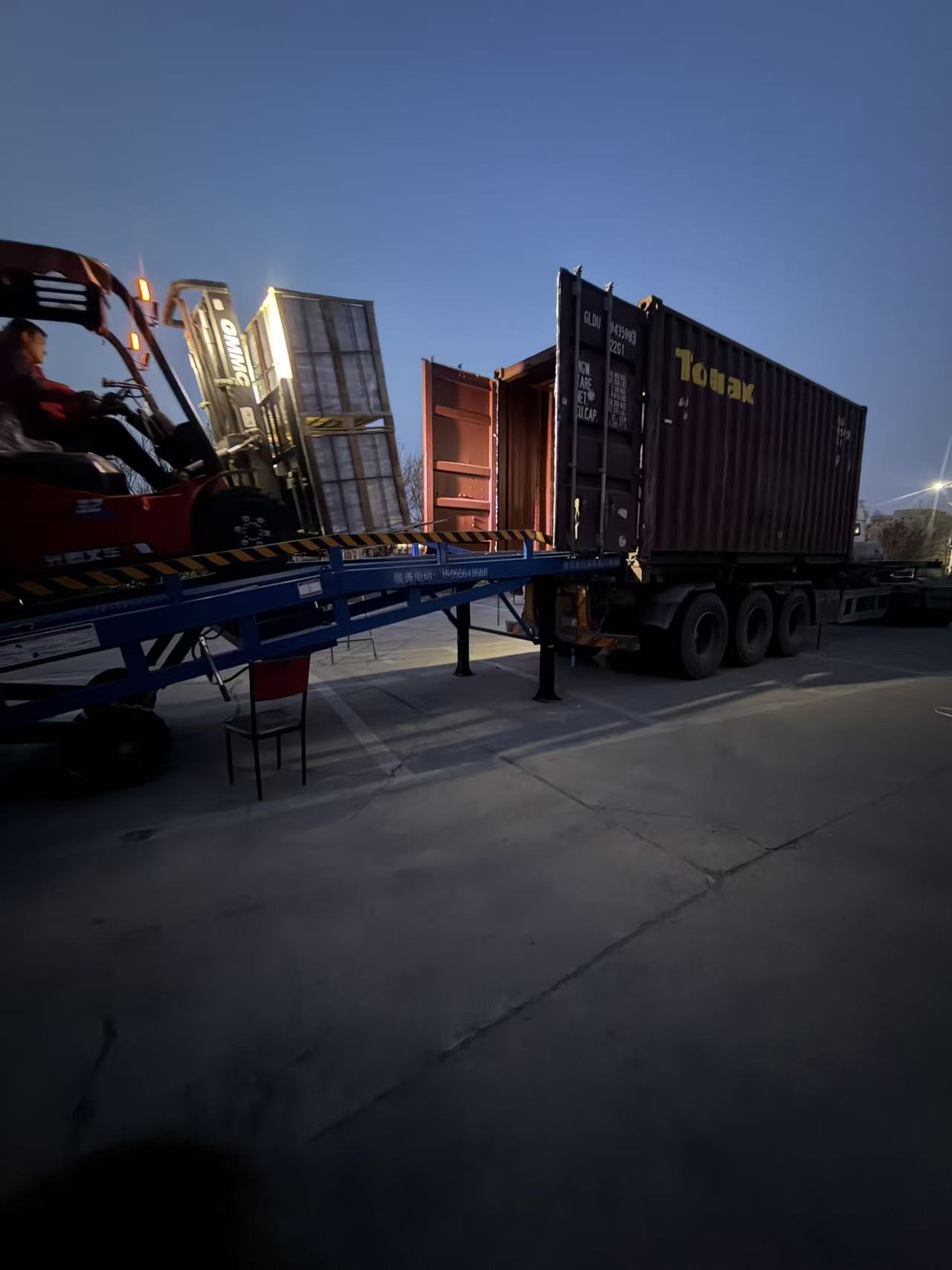
Our commitment to “quality first, customer first” is backed by advanced production technology and comprehensive testing methods. We adhere to integrity-based business practices and continuously invest in scientific research and high-tech talent to innovate our product lines. Every batch of our drop-in anchors undergoes strict quality control to ensure compliance with GB, DIN, JIS, ANSI, and other international standards. With products exported to more than 26 countries, we have established a reputation for reliability and excellence in the global market.
Material Testing
Each batch of raw material undergoes spectral analysis to verify chemical composition. Tensile strength tests are conducted to ensure the steel meets the required grade specifications. For stainless steel, passivation tests are performed to confirm corrosion resistance.
Dimensional Inspection
Precision CNC machining ensures consistent thread quality and dimensional accuracy. Automated optical inspection systems check each anchor for defects, such as burrs, cracks, or thread damage. Only anchors passing strict tolerance checks are packaged for shipment.
Load Testing
Random samples from each production run undergo pull-out and shear load testing in certified concrete blocks. These tests verify that the anchors meet or exceed published load values. Test records are maintained for traceability and quality assurance.
Certifications and Compliance
Our manufacturing processes comply with ISO 9001 quality management standards. Products are tested according to ETAG 001, EAD 330087, and ASTM standards. We provide comprehensive documentation, including test reports and certificates of conformity, to support project approvals and inspections.
Wholesale Pricing and Customization Services
We understand that B2B clients have unique procurement needs. Our direct-to-manufacturer model allows us to offer competitive wholesale pricing without compromising on quality. We eliminate middlemen, passing savings directly to our customers.
Custom Specifications
Standard sizes may not fit every application. We offer customization services to meet specific project requirements:
- Custom Lengths: Longer or shorter anchors for specialized embedment depths.
- Special Finishes: Black oxide, PTFE coating, or custom galvanizing thickness.
- Non-Standard Threads: Metric, Imperial, or proprietary thread profiles.
- Material Grades: Duplex stainless, alloy steel, or other specialized alloys.
Bulk Order Benefits
For large-scale projects, we offer volume discounts and flexible payment terms. Our production capacity allows us to fulfill large orders quickly, ensuring your project stays on schedule. We also provide kitting services, packaging anchors with setting tools and accessories for convenient on-site distribution.
Technical Support
Our professional technical team is available to assist with product selection, load calculations, and installation guidance. We provide detailed technical data sheets, CAD drawings, and BIM objects to streamline the design and specification process.
Frequently Asked Questions (FAQ)
What is the minimum concrete thickness for drop-in anchors?
The minimum concrete thickness should be at least twice the embedment depth of the anchor to prevent breakout. For example, if the embedment depth is 60 mm, the concrete slab should be at least 120 mm thick. Always consult structural engineering guidelines for specific projects.
Can drop-in anchors be used in cracked concrete?
Standard drop-in anchors are generally not recommended for cracked concrete unless specifically tested and approved for such conditions. In cracked concrete, specialized anchors with higher deformation capacity or chemical anchors are often preferred. Consult our technical team for solutions tailored to cracked substrates.
How do I remove a drop-in anchor?
Drop-in anchors are designed for permanent installation and are difficult to remove. If removal is necessary, the anchor can be drilled out using a carbide-tipped bit slightly larger than the anchor’s internal thread. Care must be taken not to damage the surrounding concrete. Alternatively, the anchor can be cut off flush with the surface if the internal thread is no longer needed.
What is the shelf life of drop-in anchors?
Carbon steel anchors have an indefinite shelf life if stored in a dry environment. Stainless steel anchors are resistant to corrosion and can be stored outdoors for extended periods, although keeping them covered is recommended to maintain appearance. Avoid storing anchors in humid or corrosive environments to prevent surface degradation.
Do I need a special tool for every anchor size?
Yes, each anchor diameter requires a specific setting tool. Using the wrong tool can result in improper setting and reduced load capacity. We recommend purchasing a complete set of setting tools for projects involving multiple anchor sizes. Some universal setting tools are available for a range of smaller diameters, but dedicated tools ensure optimal performance.
Are drop-in anchors suitable for overhead applications?
Yes, drop-in anchors are suitable for overhead applications, provided they are installed correctly and the load does not exceed the rated capacity. Proper hole cleaning is even more critical in overhead installations to prevent debris from interfering with the anchor’s expansion. Always follow safety guidelines for overhead work.
Conclusion: Secure Your Project with Premium Drop-In Anchors
Drop-in anchors remain a cornerstone of reliable concrete fastening in 2026. Their combination of high load capacity, vibration resistance, and flush finish makes them ideal for demanding industrial, commercial, and infrastructure applications. By choosing a direct manufacturer with a proven track record in Handan, China, you gain access to superior quality, custom specifications, and competitive wholesale pricing.
Whether you are securing heavy machinery, connecting structural steel, or installing seismic bracing, our drop-in anchors deliver the performance and reliability your project demands. We commit to strict quality control, international compliance, and thoughtful service to ensure your success.
Ready to optimize your procurement? Contact our engineering sales team today for a customized quote, technical data sheets, or sample requests. Let us help you select the right anchor specifications for your specific application needs.
View Full Product Catalog & Technical Specifications