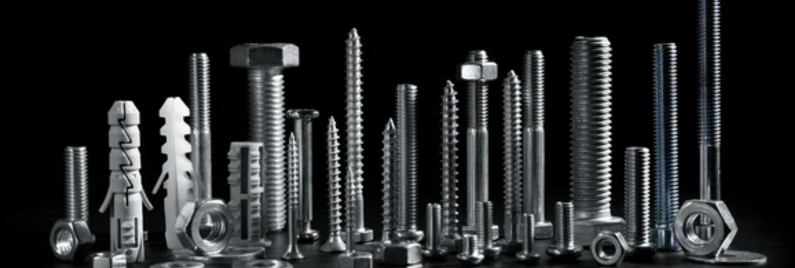
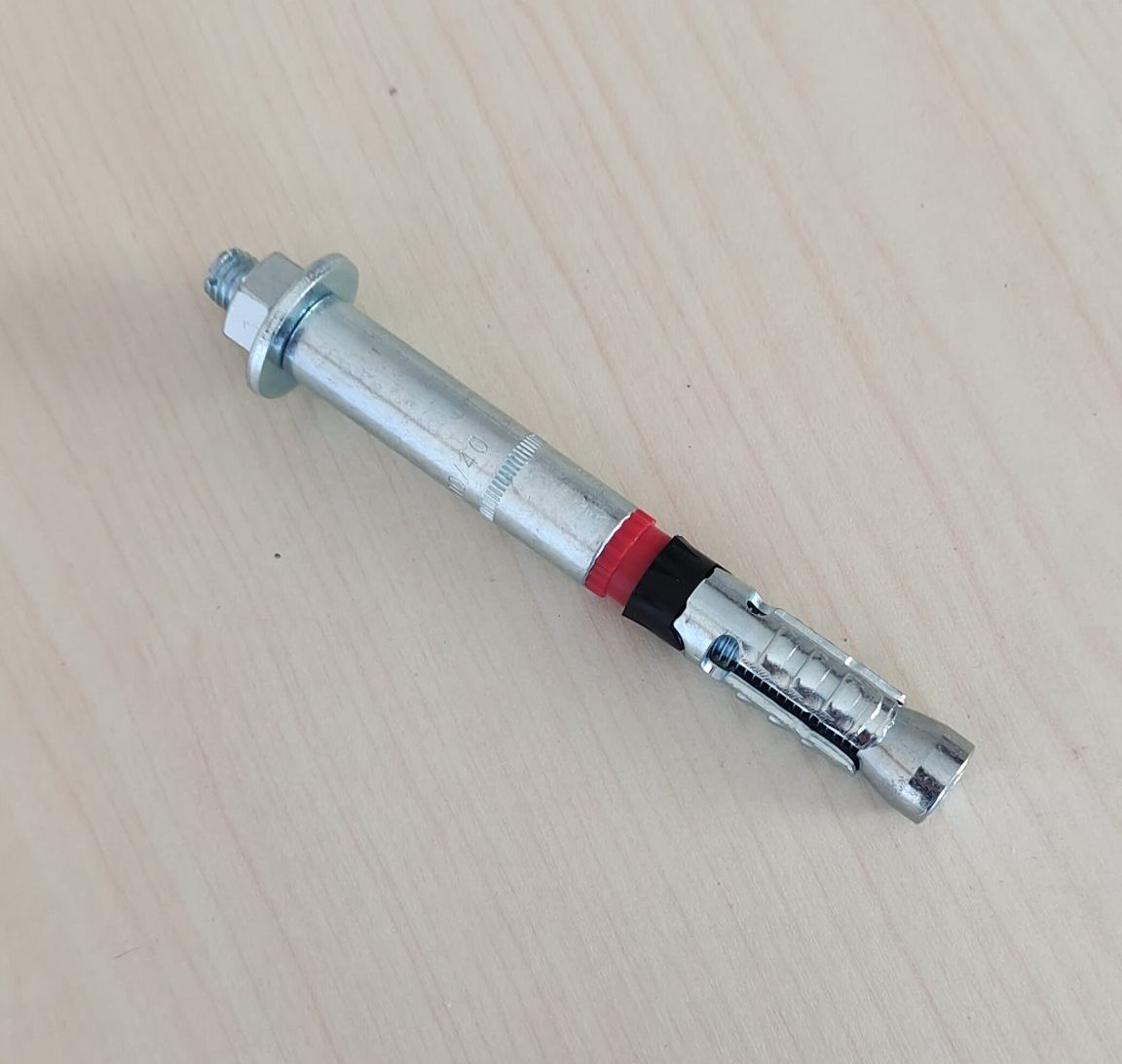
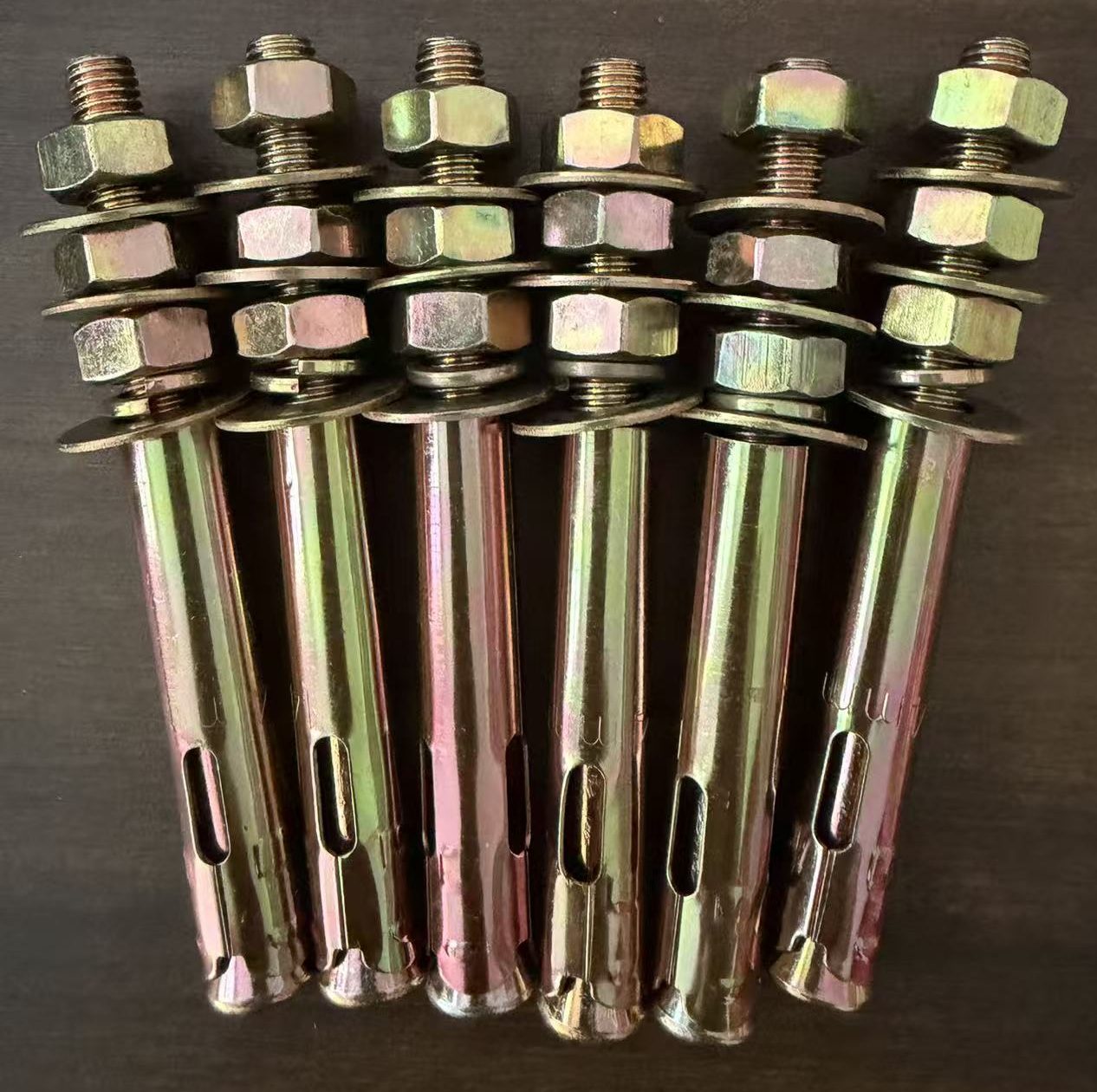
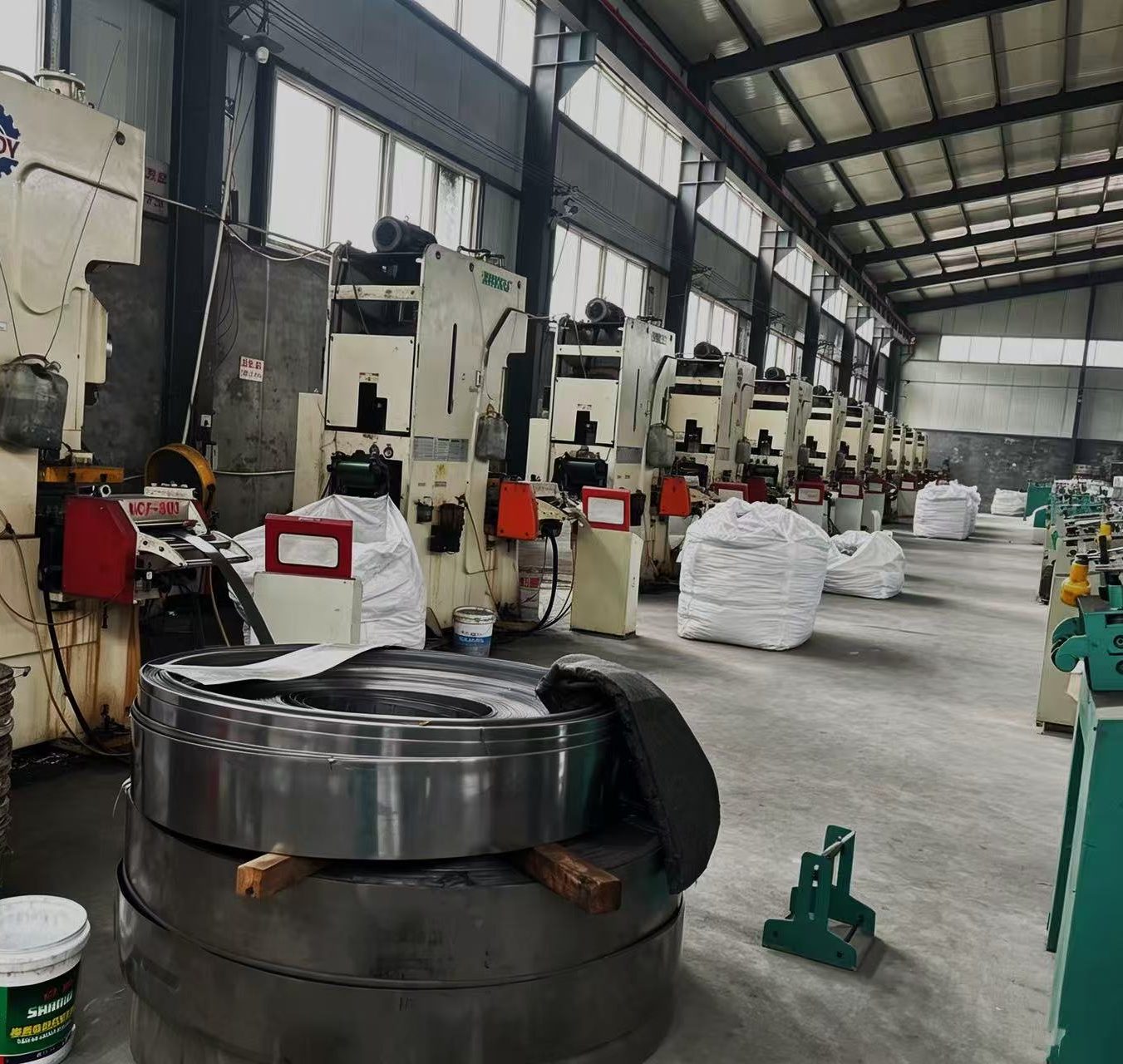
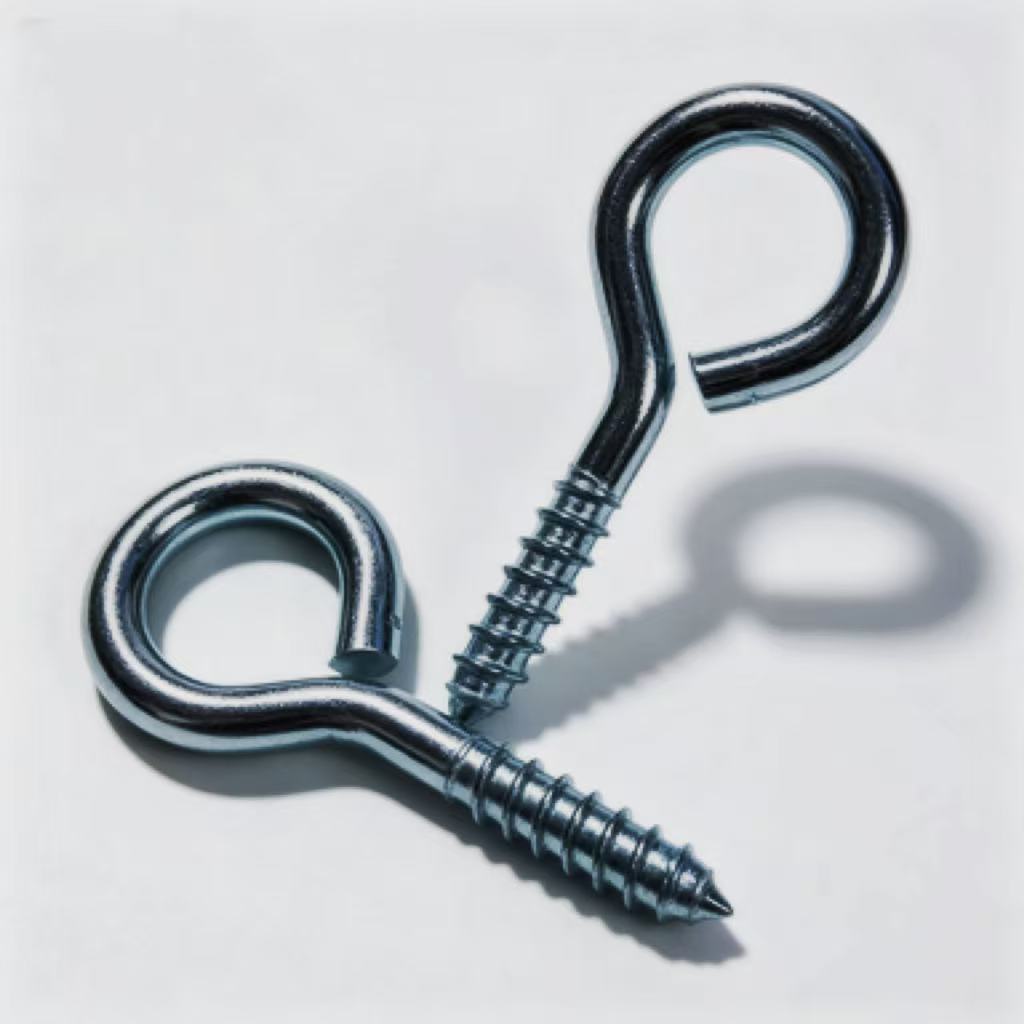
Looking for a reliable furniture fasteners supplier? We provide factory-direct pricing on high-quality connectors, screws, and cam locks designed for durable furniture assembly. As a leading manufacturer based in Handan, Hebei—China’s premier hub for fastener production—we eliminate middlemen to offer competitive rates without compromising on strength or precision. With over a decade of industry experience, our global industry and trade integrated company specializes in the development, manufacturing, and service of advanced hardware solutions. Our extensive catalog, which includes specialized products like casing geckos and wooden teeth welded sheep’s eye screws, serves OEMs and retailers in more than 26 countries who seek consistent supply chains and technical expertise in joinery solutions.
What Defines High-Quality Furniture Fasteners?
The integrity of any piece of furniture relies heavily on the hidden components holding it together. Furniture fasteners are specialized hardware elements engineered to join wood, metal, plastic, and composite materials securely. Unlike standard construction screws, these components are designed to withstand specific shear forces, tension, and repeated assembly cycles common in flat-pack and ready-to-assemble (RTA) furniture.
In the current manufacturing landscape, quality is defined by material consistency and dimensional precision. Premium fasteners utilize cold-headed steel or zinc-alloy die-casting to ensure threads do not strip under torque. The surface treatment, often involving electroplating or powder coating, provides essential corrosion resistance, extending the lifespan of the final product.
Industry professionals recognize that the right connector simplifies the assembly process while maximizing structural rigidity. From invisible cam locks to decorative bolts, each type serves a distinct mechanical function. Understanding these nuances is critical for manufacturers aiming to reduce return rates and enhance customer satisfaction.
Core Material Standards and Durability
The longevity of furniture connections depends primarily on the base material. Most high-grade fasteners are manufactured from low-carbon steel, which offers an excellent balance of flexibility and tensile strength. This prevents brittle fracture during installation, a common issue with cheaper alternatives.
- Carbon Steel: Widely used for screws and bolts due to its high torque tolerance.
- Zinc Alloy: Preferred for die-cast components like cam locks and connector bodies.
- Stainless Steel: Utilized in outdoor or high-humidity environments to prevent rust.
- Nylon/Plastic: Employed for glides, caps, and non-structural alignment pins.
Surface finishes play an equally vital role. Common treatments include zinc plating, nickel plating, and black oxide coatings. These layers not only improve aesthetics but also act as a barrier against oxidation. In recent years, environmental regulations have pushed the industry toward RoHS-compliant trivalent chrome plating, replacing hazardous hexavalent chromium.
Comprehensive Catalog of Factory-Direct Fasteners
As a direct factory supplier located in China’s fastener capital, our production lines cover a vast array of connection solutions tailored to diverse furniture styles. We categorize our offerings based on application scenarios, ensuring that every component meets specific load-bearing requirements. Our inventory supports everything from lightweight shelving units to heavy-duty office desks, leveraging our expertise in producing unique items such as casing geckos and welded sheep’s eye bolts.
The advantage of sourcing directly from a manufacturer with over ten years of experience lies in customization capabilities. Guided by a philosophy of “quality first, customer first,” we can adjust thread pitches, head styles, and finish colors to match specific design protocols. This flexibility allows brands to maintain a cohesive look while ensuring internal components remain robust and reliable. Whether you require compliance with GB, DIN, JIS, or ANSI standards, our advanced testing methods guarantee conformity.
Cam Locks and Connector Systems
The cam lock system remains the industry standard for RTA furniture. This two-part mechanism consists of a cam (the locking device) and a bolt (the connecting rod). When rotated, the cam pulls the bolt head tightly against the panel, creating a strong joint without visible screws on the exterior surface.
Our factory produces cams in various diameters, typically ranging from 15mm to 25mm. The internal geometry is precision-machined using advanced machinery to ensure smooth rotation and a secure lock position. We offer both metal and plastic housing options, catering to different cost structures and strength needs.
- Standard Cam Locks: Ideal for general cabinetry and wardrobes.
- One-Way Cams: Designed for irreversible assembly, enhancing security in public fixtures.
- Adjustable Connectors: Allow for fine-tuning alignment after initial assembly.
- Corner Brackets with Cams: Provide reinforced support for frame constructions.
Screws, Bolts, and Specialized Drivers
Beyond cam systems, traditional screwing methods remain essential for structural reinforcement. We supply a wide range of self-tapping screws, machine screws, and confirmat bolts specifically designed for particle board and MDF. These fasteners feature optimized thread patterns that maximize grip in composite materials. Our unique product line also includes wooden teeth welded sheep’s eye screws, offering superior holding power for specialized applications.
Confirmat screws, in particular, require pre-drilling but offer superior holding power compared to standard wood screws. Their large diameter and coarse threads distribute stress evenly across the board, preventing splitting. Our factory ensures strict tolerance controls on shank diameter and thread depth to guarantee compatibility with automated drilling machines.
Why Choose Factory-Direct Pricing for Your Supply Chain?
Sourcing furniture fasteners directly from our facility in Handan offers significant economic and operational advantages. By removing intermediaries, buyers gain access to wholesale pricing that improves profit margins. However, the benefits extend far beyond cost savings, encompassing quality control, lead time reduction, and technical support backed by a professional technical team.
In a volatile global market, supply chain stability is paramount. As a company that has successfully exported to over 26 countries, we maintain raw material stockpiles and flexible production schedules, allowing us to adapt quickly to surge demands. This responsiveness minimizes the risk of production halts due to missing components.
Cost Efficiency and Margin Optimization
The primary driver for switching to factory-direct sourcing is cost reduction. Distributors and trading companies add layers of markup to cover their overheads. By engaging directly with our production facility, businesses can negotiate prices based on volume and long-term partnership potential.
Furthermore, direct communication eliminates misunderstandings regarding specifications. Custom orders, such as unique head logos, special specifications, or specific packaging requirements, are executed more accurately when handled by the source. This reduces waste and rework costs associated with incorrect shipments.
Quality Assurance and Technical Expertise
Our company attaches great importance to the development of new products, constantly increasing investment in scientific research and introducing high-tech talents. This deep technical knowledge allows our engineering team to advise on the optimal fastener choice for specific material densities and load conditions. This consultative approach helps prevent design flaws before they reach the production floor.
Quality control processes are integrated directly into the manufacturing line. Automated optical inspection systems verify dimensions, while salt spray tests validate corrosion resistance. Buyers receive certified test reports, ensuring every batch meets international standards. This level of transparency builds trust and reduces liability risks.
Comparative Analysis: Fastener Types and Applications
Selecting the appropriate fastener requires understanding the trade-offs between ease of assembly, strength, and aesthetics. Different projects demand different solutions. The following table compares common fastener types to guide decision-making for various furniture categories.
| Fastener Type | Primary Application | Strength Level | Assembly Difficulty | Visibility |
| Cam Lock System | RTA Cabinets, Wardrobes | High | Moderate | Hidden |
| Confirmat Screw | Kitchen Frames, Heavy Desks | Very High | High (Pre-drill needed) | Visible/Plugged |
| Dowel Pin | Alignment, Light Joinery | Moderate | Low | Hidden |
| Minifix Connector | Modern Flat-Pack Furniture | High | Low | Hidden |
| Corner Bracket | Shelving, Frame Reinforcement | High | Low | Visible/Hidden |
This comparison highlights that no single fastener fits all scenarios. For instance, while dowel pins offer excellent alignment, they lack the tensile strength required for hanging cabinets. Conversely, confirmat screws provide immense holding power but require precise machinery for installation.
Scenario-Based Selection Guide
For bedroom furniture like wardrobes and dressers, the cam lock system is predominantly used due to its ability to be disassembled and reassembled multiple times without losing grip. This feature is crucial for consumers who move frequently.
In kitchen environments, where humidity and weight loads are higher, stainless steel screws and reinforced brackets are recommended. The corrosive nature of kitchen cleaners demands superior surface protection. Office furniture, subject to dynamic loads from movement, often utilizes a combination of cam locks and metal cross-bars for stability.
Installation Best Practices for Maximum Durability
Even the highest quality furniture fasteners can fail if installed incorrectly. Proper installation techniques ensure that the theoretical strength of the hardware translates into real-world performance. Manufacturers and assemblers must adhere to specific guidelines regarding hole sizing, torque application, and sequence.
One of the most common errors is mismatched drill bit sizes. If the pilot hole is too large, the threads cannot grip the material effectively. If too small, the insertion force may crack the board or strip the screw head. Precision in preparation is the foundation of a sturdy build.
Step-by-Step Assembly Protocol
To achieve optimal results, follow this structured approach when installing standard connector systems. These steps reflect industry best practices observed in high-volume manufacturing facilities.
- Step 1: Verification: Check that all panels are cut to exact dimensions and edges are smooth. Verify that the fastener kit matches the panel thickness.
- Step 2: Drilling: Use sharp, calibrated drill bits to create pilot holes. Ensure the depth matches the length of the bolt or screw to avoid protrusion.
- Step 3: Insertion: Insert the bolt or screw into the designated hole. For cam locks, place the cam into its recess, ensuring the arrow points toward the incoming bolt.
- Step 4: Alignment: Join the panels carefully, guiding the bolt into the cam mechanism. Avoid forcing parts together, which can misalign the threads.
- Step 5: Locking: Rotate the cam clockwise using a screwdriver or Allen key until it clicks or reaches the stop position. Do not overtighten, as this may strip the housing.
- Step 6: Inspection: Gently test the joint for stability. Ensure there is no gap between the connected panels.
Adhering to this protocol minimizes assembly errors and reduces the likelihood of customer complaints. Training assembly staff on these specific nuances can significantly lower return rates and improve brand reputation.
Common Challenges and Troubleshooting Solutions
Despite rigorous quality controls, issues can arise during the furniture lifecycle. Understanding the root causes of fastener failure enables quicker resolutions and better product design. Most problems stem from material incompatibility, improper installation, or environmental factors.
Stripped threads are a frequent complaint, often resulting from using the wrong driver tool or excessive torque. Similarly, loose joints over time usually indicate that the material around the fastener has degraded, rather than the fastener itself failing.
Addressing Stripped Threads and Loose Joints
When a screw spins freely without tightening, the internal threads of the substrate are damaged. In particle board, this is often irreversible without intervention. Solutions include using larger diameter screws, inserting wooden dowels coated in glue to fill the hole, or utilizing specialized repair anchors designed for stripped holes.
For cam locks that fail to tighten, check the orientation of the cam. If the arrow is not aligned with the bolt entry point, the mechanism will not engage. Additionally, verify that the bolt head is not bent, which can prevent it from seating correctly within the cam groove.
Corrosion and Environmental Protection
In coastal regions or high-humidity areas, standard zinc-plated fasteners may corrode prematurely. Signs include reddish-brown staining on the furniture surface or difficulty in disassembly. Upgrading to stainless steel or applying additional protective wax coatings can mitigate these effects.
Manufacturers should consider the end-user environment during the design phase. Specifying higher-grade materials for outdoor or bathroom furniture is a proactive measure that enhances product longevity and customer trust.
Future Trends in Furniture Joinery Technology
The furniture hardware industry is evolving rapidly, driven by automation, sustainability concerns, and changing consumer preferences. Innovations in fastener design are focusing on faster assembly times, reduced material usage, and enhanced recyclability.
Automation in furniture factories demands fasteners that are compatible with robotic arms and vision systems. Components with uniform geometry and magnetic properties facilitate automated feeding and insertion, streamlining the production line.
Sustainability and Eco-Friendly Materials
Environmental consciousness is reshaping material choices. There is a growing shift toward fasteners made from recycled metals and bio-based plastics. Coatings are increasingly formulated to be free of heavy metals and volatile organic compounds (VOCs).
Design for disassembly is another key trend. Fasteners that allow for easy separation of materials at the end of a product’s life support circular economy initiatives. This approach simplifies recycling processes and reduces landfill waste, aligning with global sustainability goals.
Smart and Invisible Connectivity
Aesthetic minimalism continues to drive demand for invisible connection systems. New generations of hidden connectors offer high load-bearing capacity without visible hardware heads. Furthermore, “smart” fasteners with integrated sensors are emerging in high-end commercial furniture, monitoring structural health and load distribution in real-time.
These advancements require close collaboration between designers and hardware suppliers. Staying updated with these trends ensures that manufacturers remain competitive in a rapidly changing market landscape.
Frequently Asked Questions (FAQ)
Below are answers to common questions regarding furniture fasteners, addressing procurement, technical specifications, and application concerns.
What is the minimum order quantity (MOQ) for factory-direct orders?
MOQs vary depending on the specific product and customization requirements. For standard items like common cam locks or screws, we offer flexible quantities to accommodate trial orders. Custom finishes or proprietary designs typically require higher volumes to justify setup costs. Contact our sales team for a tailored quote based on your project needs.
Can you provide custom packaging for retail distribution?
Yes, we specialize in custom packaging solutions. Whether you need blister packs, color boxes, or bulk cartons with specific labeling, our factory can accommodate your branding requirements. We ensure that packaging protects the hardware during transit while enhancing shelf appeal for retail environments.
How do I determine the correct screw length for my panels?
The ideal screw length should penetrate the receiving panel by at least two-thirds of its thickness without breaking through the opposite side. A general rule is to add the thickness of the first panel to two-thirds of the second panel’s thickness. Our technical team can assist in calculating exact dimensions for complex assemblies.
Are your fasteners compliant with international safety standards?
Absolutely. Our production processes adhere to strict international standards, including ISO certifications. We ensure compliance with RoHS and REACH regulations regarding chemical substances. Our products meet GB, DIN, JIS, ANSI, and other global standards, with test reports and certificates of analysis available upon request.
What is the typical lead time for production and shipping?
Lead times depend on order volume and current production schedules. Standard items are often available for immediate shipment from stock. Custom orders typically require a few weeks for manufacturing and quality inspection. We prioritize efficient logistics to ensure timely delivery to your destination anywhere in the world.
Conclusion: Elevate Your Furniture Quality Today
Selecting the right furniture fasteners is a strategic decision that impacts product durability, assembly efficiency, and overall customer satisfaction. By partnering with our factory-direct supplier in Handan, you gain access to premium materials, competitive pricing, and expert technical support that distributors cannot match. Our commitment to integrity-based business and continuous innovation ensures we constantly seek more excellent and thoughtful service for every client.
Our comprehensive range of connectors, screws, locking systems, and specialized hardware like casing geckos is designed to meet the rigorous demands of modern furniture manufacturing. Whether you are producing high-volume RTA units or bespoke custom pieces, our solutions provide the reliability and precision necessary for success.
Who is this for? This supply solution is ideal for furniture manufacturers, OEMs, retailers, and design firms seeking to optimize their supply chain and enhance product quality. If you are tired of inconsistent hardware and inflated costs, it is time to switch to a direct manufacturing partner with over a decade of global experience.
Take the next step towards superior furniture construction. Evaluate your current fastener needs and consider how our factory-direct models can streamline your operations. Reach out to our team today to request samples, discuss custom specifications, and secure a supply partnership built on trust and excellence.