A Sleeve Anchor with Hex Bolt is a heavy-duty mechanical fastening system designed to secure structural elements, machinery, and fixtures into solid base materials such as concrete, stone, and masonry. This anchor type features an expander sleeve that expands against the walls of a pre-drilled hole when the hex bolt or hex nut is tightened, creating high friction and mechanical interlock for superior load-bearing capacity. As a specialized manufacturer based in Handan, Hebei—the heart of China’s fastener industry—we engineer these anchors to meet rigorous international standards, ensuring reliability in critical construction and industrial applications where vibration resistance and tensile strength are paramount.
What Is a Sleeve Anchor with Hex Bolt?
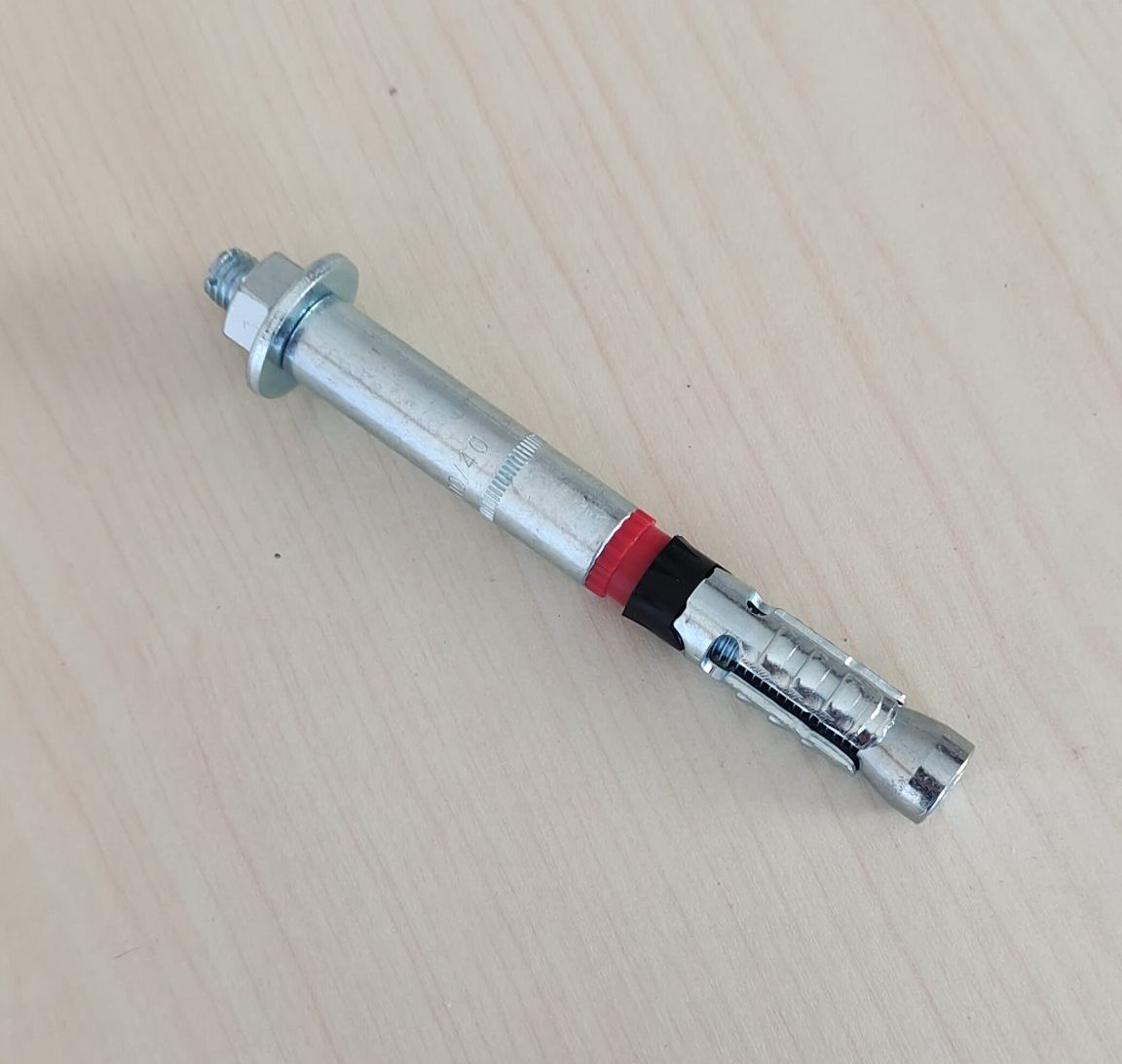
A sleeve anchor, often referred to as a hammer-set or drop-in anchor variant depending on the specific installation mechanism, utilizes a slotted metal sleeve surrounding a central conical stud. When paired with a hex bolt or secured via a hex nut, the assembly provides a robust connection point for attaching steel plates, beams, columns, and heavy equipment to substrate materials.
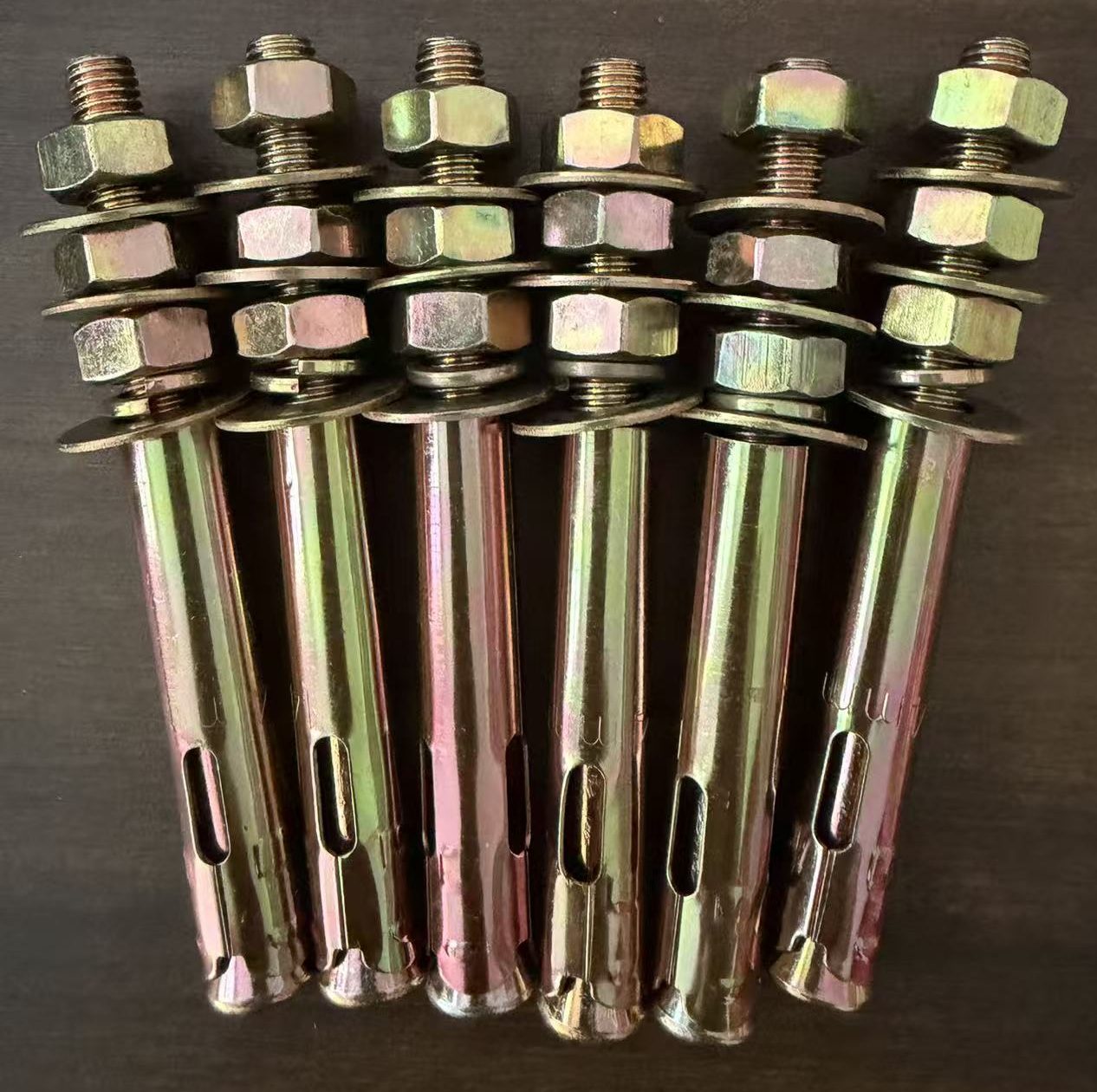
The term “Sleeve Anchor with Hex Bolt” specifically denotes configurations where the protruding threaded end accepts a hexagonal head bolt or is tightened using a hex nut and washer assembly. This design allows for high-torque application during installation, ensuring the sleeve expands fully and uniformly against the hole walls. Unlike chemical anchors that rely on curing time, mechanical sleeve anchors provide immediate load-bearing capacity, making them ideal for fast-paced construction schedules and dynamic loading environments.
Core Components and Engineering Design
Understanding the anatomy of this fastener is essential for proper selection and installation. The system comprises four primary entities that work in unison:
- The Sleeve: Typically made from zinc-plated carbon steel, stainless steel (A2/A4), or hot-dip galvanized steel. It features longitudinal slots that allow it to expand radially.
- The Cone/Expander Plug: A tapered internal component that moves upward or downward (depending on design) when the bolt is tightened, forcing the sleeve outward.
- The Hex Bolt or Stud: The central threaded rod. In hex bolt variants, the head sits flush or countersunk, while the nut tightens against the fixture. In stud variants, a hex nut is threaded onto the exposed end.
- The Washer and Nut: High-grade hex nuts and hardened washers distribute the clamping force evenly, preventing damage to the attached fixture and ensuring consistent preload.
This mechanical synergy ensures that the anchor resists both tension (pull-out) and shear (sideways) forces. The hex interface allows installers to use standard wrenches or impact drivers, facilitating rapid installation even in confined spaces.
How Does a Sleeve Anchor with Hex Nut Work?
The working principle of a sleeve anchor is based on mechanical expansion and friction fit. Unlike adhesive anchors that bond chemically to the substrate, sleeve anchors rely on physical pressure. Here is the step-by-step mechanical logic:
- Hole Preparation: A hole is drilled into the concrete or masonry with a diameter matching the anchor’s specified size. The depth must exceed the anchor length to accommodate dust and full expansion.
- Insertion: The sleeve anchor assembly is inserted into the clean hole. The sleeve remains in a collapsed state during insertion.
- Tightening the Hex Nut/Bolt: As the hex nut is tightened onto the stud (or the hex bolt is driven in), the cone is pulled into the sleeve.
- Radial Expansion: The conical shape forces the slotted sleeve to expand outward against the walls of the drilled hole.
- Friction and Interlock: The expanded sleeve creates significant radial pressure against the base material. Simultaneously, the knurling or ridges on the outer surface of the sleeve bite into the concrete, creating a mechanical interlock.
This process generates immediate holding power. The integrity of the connection depends heavily on the quality of the base material and the precision of the hole diameter. Over-expansion can crack weak concrete, while under-expansion results in slippage. Therefore, adherence to manufacturer torque specifications is critical.
Material Specifications and Corrosion Resistance
Selecting the right material for your sleeve anchor is crucial for long-term durability, especially in environments prone to moisture, chemicals, or temperature fluctuations. With over ten years of industry experience, our company leverages advanced production technology and strict quality control to offer various material grades that meet GB, DIN, JIS, ANSI, and other international standards.
Carbon Steel (Zinc Plated)
Zinc-plated carbon steel is the most common material for indoor applications. It offers a good balance between cost and performance. The zinc coating provides a sacrificial layer that protects the underlying steel from oxidation. However, it is not recommended for outdoor use or high-humidity environments without additional protection.
Stainless Steel (A2/AISI 304 and A4/AISI 316)
For projects requiring high corrosion resistance, stainless steel is the preferred choice.
- A2 (AISI 304): Suitable for general outdoor applications and environments with mild exposure to weather. It offers excellent resistance to atmospheric corrosion.
- A4 (AISI 316): Contains molybdenum, providing superior resistance to chlorides and acids. This grade is essential for marine environments, swimming pools, chemical plants, and coastal structures.
Hot-Dip Galvanized Steel
Hot-dip galvanizing involves coating the steel in molten zinc, creating a thicker, more durable barrier than electroplating. This option is ideal for structural steel connections and outdoor infrastructure where long-term exposure to the elements is expected.
| Material Type | Corrosion Resistance | Typical Application | Cost Factor |
| Carbon Steel (Zinc Plated) | Low to Moderate | Indoor dry environments, general construction | Low |
| Stainless Steel A2 (304) | High | Outdoor facades, food processing, mild chemical exposure | Medium |
| Stainless Steel A4 (316) | Very High | Marine, coastal, chemical industries, swimming pools | High |
| Hot-Dip Galvanized | Moderate to High | Structural steel, outdoor infrastructure | Medium-High |
Technical Parameters and Load Capacity
Engineers and procurement specialists require precise data to ensure structural safety. The load capacity of a sleeve anchor with hex bolt is influenced by the anchor diameter, embedment depth, and the compressive strength of the base concrete.
Below is a representative technical specification table for standard metric sizes. Note that actual values may vary based on specific manufacturing tolerances and testing standards (such as ETAG 001 or ASTM E488).
| Anchor Size (M) | Drill Bit Diameter (mm) | Min. Hole Depth (mm) | Min. Embedment Depth (mm) | Recommended Torque (Nm) | Tensile Load (kN)* | Shear Load (kN)* |
| M6 | 8 | 50 | 35 | 5-7 | 6.5 | 7.2 |
| M8 | 10 | 65 | 45 | 10-12 | 11.0 | 12.5 |
| M10 | 12 | 80 | 55 | 20-25 | 18.5 | 21.0 |
| M12 | 14 | 95 | 65 | 35-40 | 26.0 | 30.5 |
| M16 | 18 | 125 | 85 | 60-70 | 45.0 | 52.0 |
| M20 | 22 | 150 | 105 | 100-110 | 70.0 | 82.0 |
*Load values are indicative for cracked concrete C20/25. Always consult structural engineers for critical load-bearing applications and apply appropriate safety factors.
Key Technical Considerations
- Edge Distance: Anchors must be installed at a minimum distance from the edge of the concrete slab to prevent spalling. Typically, this distance is at least 5 times the anchor diameter.
- Spacing: Adjacent anchors should be spaced adequately to avoid overlapping stress cones in the concrete, which can reduce overall holding power.
- Concrete Strength: Higher strength concrete (e.g., C30/37 vs. C20/25) significantly increases the pull-out resistance of mechanical anchors.
Step-by-Step Installation Guide for Sleeve Anchors
Proper installation is as critical as product quality. Incorrect installation is the leading cause of anchor failure. Follow this professional guide to ensure optimal performance of your sleeve anchor with hex nut/bolt.
1. Drilling the Hole
Use a hammer drill with a carbide-tipped bit that matches the specified diameter for the anchor size. Drill perpendicular to the surface unless angled installation is explicitly designed. Ensure the hole depth exceeds the anchor length by at least 10mm to allow for dust accumulation.
2. Cleaning the Hole
This step is often overlooked but is vital. Use compressed air, a vacuum, or a wire brush to remove all drilling dust and debris from the hole. Dust acts as a lubricant, reducing friction and preventing the sleeve from gripping the concrete effectively. A clean hole ensures maximum expansion contact.
3. Inserting the Anchor
Place the washer and hex nut onto the stud (if not pre-assembled). Insert the sleeve anchor into the hole. If necessary, tap it gently with a hammer until the washer sits flush against the surface of the base material or the fixture being attached. Do not hammer directly on the threads; protect them if needed.
4. Tightening the Hex Nut
Using a calibrated torque wrench, tighten the hex nut. As you turn the nut, the stud pulls the cone into the sleeve. You will feel increased resistance as the sleeve expands. Continue tightening until the specified torque value is reached. Avoid over-tightening, which can strip threads or crush weak concrete.
5. Final Inspection
Check that the anchor is secure and does not rotate. Ensure the fixture is tightly clamped. If the anchor spins freely, it may indicate an oversized hole or insufficient expansion, requiring removal and re-installation in a new location.
Common Applications for Sleeve Anchors with Hex Bolts
The versatility of sleeve anchors makes them a staple in various industries. Their ability to handle dynamic loads and vibration distinguishes them from simpler plastic plugs or light-duty fasteners.
Construction and Civil Engineering
In commercial and residential construction, these anchors are used to secure steel columns, beam connections, and facade systems to concrete foundations. Their high shear strength makes them ideal for resisting wind loads and seismic forces in structural frameworks.
Industrial Machinery Mounting
Factories and manufacturing plants utilize sleeve anchors to bolt down heavy machinery, conveyor systems, and robotic arms. The vibration resistance provided by the mechanical expansion ensures that equipment remains stable during operation, reducing wear and tear on both the machine and the floor.
HVAC and Electrical Installations
For large-scale HVAC ductwork, cable trays, and pipe supports, sleeve anchors provide reliable overhead suspension. The hex bolt configuration allows for easy adjustment and secure locking of support brackets, ensuring safety in critical utility systems.
Infrastructure and Transportation
Bridges, tunnels, and railway stations employ high-grade stainless steel sleeve anchors for installing safety barriers, lighting fixtures, and signage. The durability of A4 stainless steel variants ensures longevity in harsh outdoor environments exposed to de-icing salts and exhaust fumes.
Sleeve Anchor vs. Wedge Anchor: Choosing the Right Solution
When selecting a mechanical anchor, professionals often compare sleeve anchors with wedge anchors. While both are expansion anchors, their design differences dictate their best-use scenarios.
| Feature | Sleeve Anchor with Hex Bolt | Wedge Anchor |
| Expansion Mechanism | Full sleeve expands along the length | Clip/wedge expands at the bottom only |
| Vibration Resistance | Excellent (large contact area) | Good (localized contact) |
| Hole Tolerance | More forgiving of slight hole irregularities | Requires precise hole diameter |
| Removability | Difficult to remove once set | Stud can sometimes be removed, leaving clip |
| Best For | Dynamic loads, vibration, varied substrates | Static loads, high-tension applications |
| Installation Speed | Fast, simple torque application | Fast, but requires careful seating |
Selection Advice: Choose a Sleeve Anchor with Hex Bolt when dealing with vibrations, older concrete, or when a larger surface area for friction is beneficial. Opt for wedge anchors when maximum tensile strength in pristine, high-strength concrete is the primary requirement and vibration is minimal.
Quality Control and Manufacturing Standards
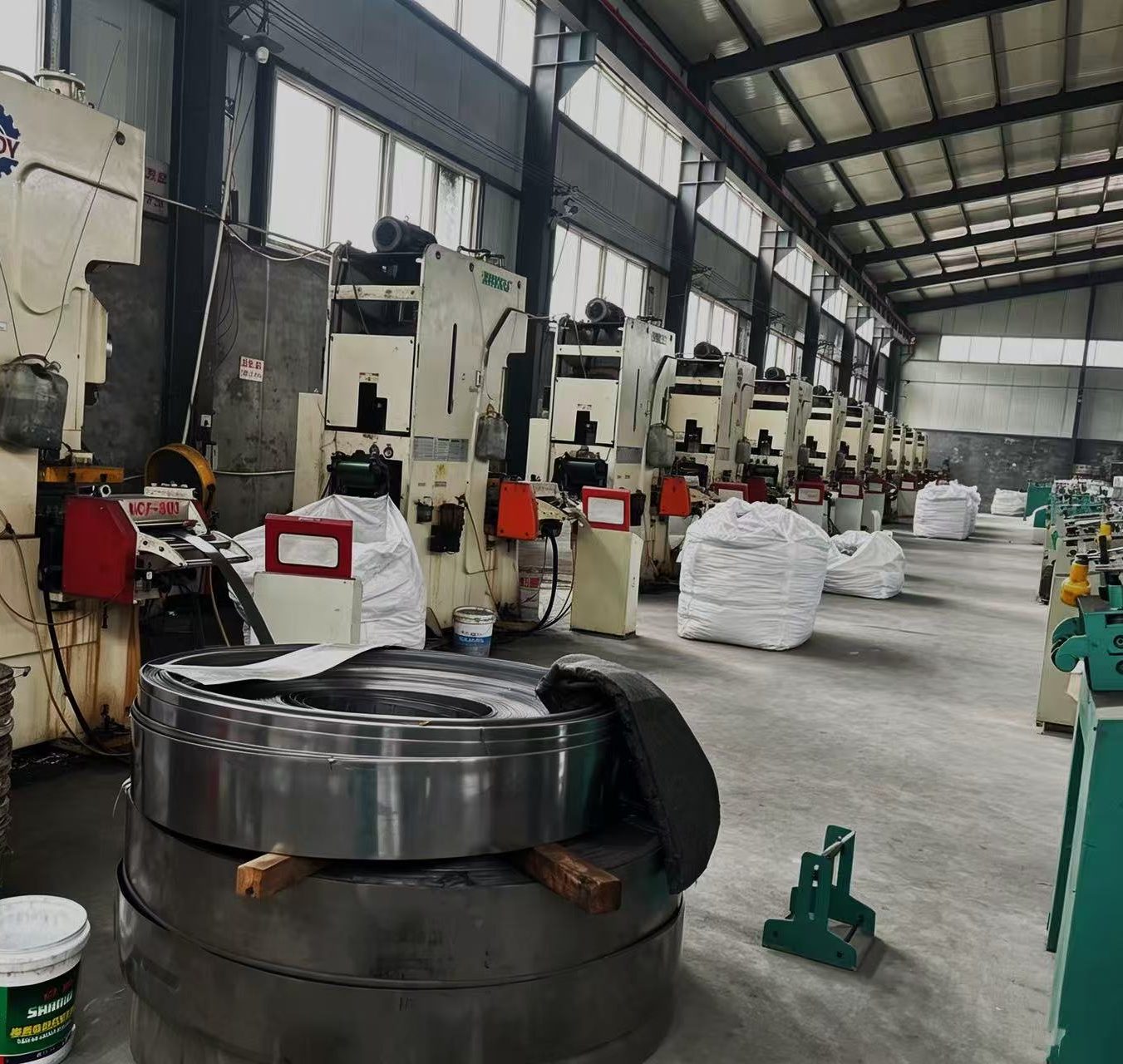
As a global industry and trade combination company, we recognize that in the B2B industrial sector, consistency is non-negotiable. Located in Handan, Hebei, a city renowned for fastener manufacturing, we have spent over a decade refining our processes. We adhere to an integrity-based business philosophy, investing heavily in scientific research and introducing high-tech talents to ensure every sleeve anchor meets global safety standards.
Material Traceability
All raw materials, whether carbon steel or stainless steel, are sourced from certified mills. We maintain full traceability, ensuring that each batch of anchors can be linked back to its material certification. This is crucial for projects requiring documentation for compliance with building codes across the more than 26 countries we serve.
Precision Machining
The dimensional accuracy of the sleeve slots, cone angle, and thread pitch is maintained within tight tolerances using advanced CNC machinery. Consistent geometry ensures predictable expansion behavior and uniform load distribution, reflecting our commitment to “quality first.”
Surface Treatment Quality
For zinc-plated anchors, we monitor coating thickness to ensure adequate corrosion protection without compromising thread fit. For stainless steel, we perform passivation treatments to enhance the natural oxide layer, boosting corrosion resistance further. Our perfect testing methods guarantee that surface treatments withstand rigorous environmental challenges.
Testing and Certification
Our products undergo rigorous testing, including:
- Pull-out Tests: Verifying tensile strength in various concrete grades.
- Shear Tests: Assessing resistance to lateral forces.
- Salt Spray Tests: Evaluating corrosion resistance for coated and stainless variants.
- Vibration Tests: Simulating dynamic loads to ensure long-term stability.
We align our manufacturing processes with ISO 9001 quality management standards, providing our clients with confidence in product reliability.
Common Mistakes to Avoid During Installation
Even the highest quality sleeve anchor can fail if installed incorrectly. Based on industry experience, here are the most frequent errors and how to avoid them.
1. Using the Wrong Drill Bit Size
Using a worn-out or incorrect size drill bit results in an oversized hole. This prevents the sleeve from expanding sufficiently against the concrete walls, leading to a loose anchor. Always use sharp, carbide-tipped bits of the exact specified diameter.
2. Ignoring Hole Cleaning
Leaving dust in the hole creates a barrier between the anchor and the concrete. This drastically reduces friction and holding power. Always blow out or vacuum the hole before insertion.
3. Insufficient Embedment Depth
Installing the anchor too shallowly reduces the surface area available for friction and interlock. Ensure the hole depth allows the full length of the sleeve to be embedded in the base material.
4. Over-Tightening
Applying excessive torque can strip the threads of the hex bolt or nut, or worse, crush the concrete around the anchor, causing micro-cracks that compromise integrity. Use a torque wrench and adhere to manufacturer recommendations.
5. Installing in Cracked Concrete Without Approval
Standard sleeve anchors are generally not approved for use in cracked concrete zones unless specifically tested and certified for such conditions. In cracked zones, specialized anchors with higher deformation capacity should be used.
FAQ: Frequently Asked Questions About Sleeve Anchors
Can sleeve anchors be removed and reused?
No, sleeve anchors are designed for permanent installation. Once expanded, the sleeve deforms plastically to grip the concrete. Attempting to remove them usually damages the anchor and the surrounding concrete. If removal is necessary, the anchor must be cut off flush with the surface.
What is the difference between a hex bolt sleeve anchor and a hex nut sleeve anchor?
The primary difference lies in the head configuration. A hex bolt sleeve anchor has a hexagonal head integrated into the stud, allowing it to be driven in or tightened from the top. A hex nut sleeve anchor typically has a threaded stud end where a separate hex nut is applied. Both function similarly regarding expansion, but the choice depends on whether you need a flush head or a protruding stud for attaching fixtures.
Are sleeve anchors suitable for hollow blocks?
Standard sleeve anchors are designed for solid base materials like concrete and stone. They are generally not suitable for hollow blocks or thin-wall materials because the expansion force can crack or collapse the hollow structure. For hollow blocks, specialized hollow-wall anchors or chemical anchors with screen tubes are recommended.
How do I choose the right size sleeve anchor?
Selection depends on the load requirements (tension and shear), the thickness of the fixture being attached, and the depth of the concrete. Consult the technical load tables provided by the manufacturer. Always apply a safety factor (typically 4:1 or 5:1) to account for unexpected loads and material variations.
Do I need to use a washer with the hex nut?
Yes, always use a washer. The washer distributes the clamping force over a larger area, preventing the hex nut from digging into the fixture or the concrete surface. It also helps maintain the preload and reduces the risk of loosening due to vibration.
Why Choose Our Sleeve Anchor Manufacturing Services?
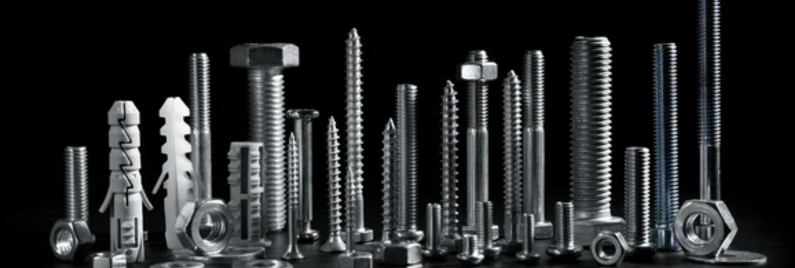
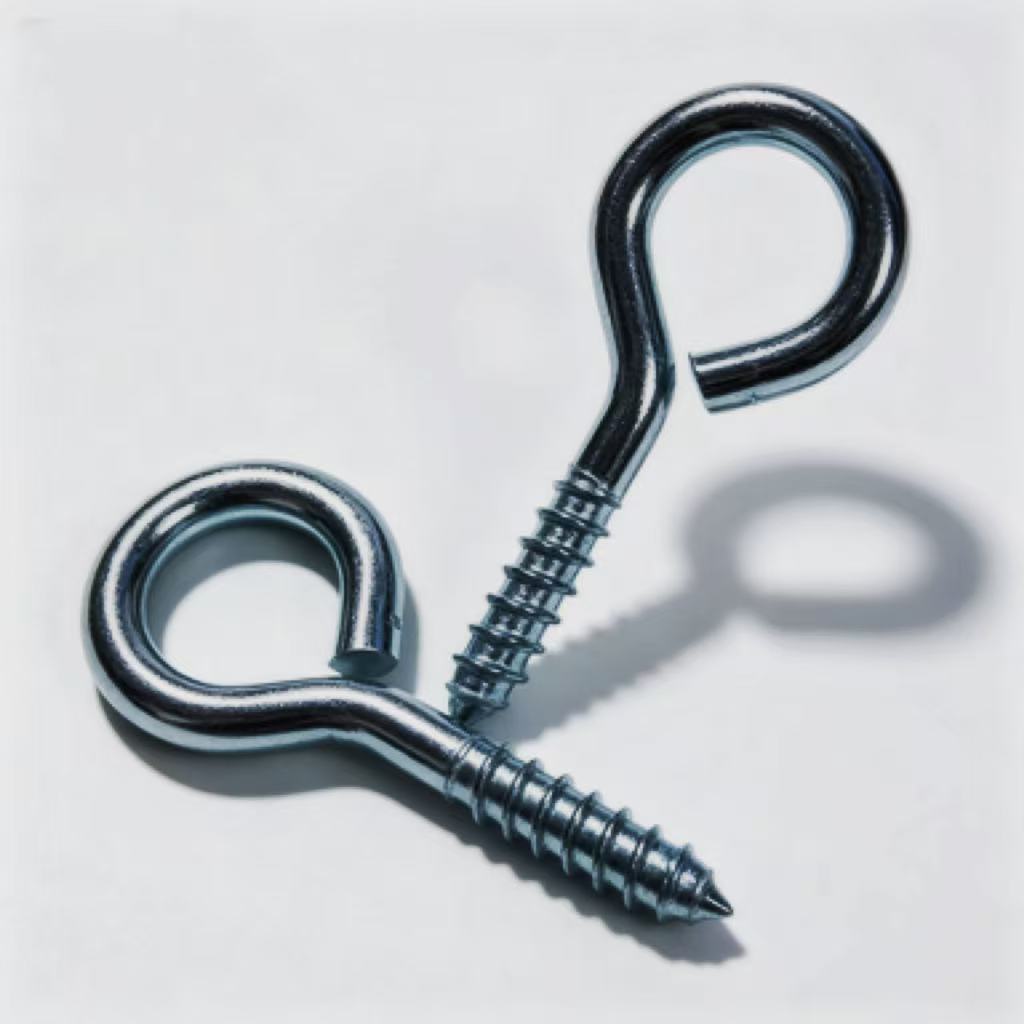
In the competitive landscape of industrial fasteners, we distinguish ourselves through a commitment to engineering excellence, supply chain reliability, and customer-centric solutions. While we specialize in a wide range of products—including casing geckos and wooden teeth welded sheep’s eye screws—our expertise in sleeve anchors is backed by a professional technical team and advanced machinery.
Customization Capabilities
We understand that standard sizes do not fit every project. We offer customization services for non-standard lengths, diameters, and material grades. Whether you require special coatings for extreme environments or unique thread configurations, our engineering team can develop tailored solutions to meet your specific quantity and quality needs.
Global Compliance and Certification
Our products are manufactured to meet international standards, including ISO, DIN, ANSI, and ASTM. We provide comprehensive documentation, including test reports and material certificates, to facilitate smooth approval processes for global construction projects. Our products are currently sold to more than 26 different countries, a testament to our global compliance capabilities.
Scalable Production and Logistics
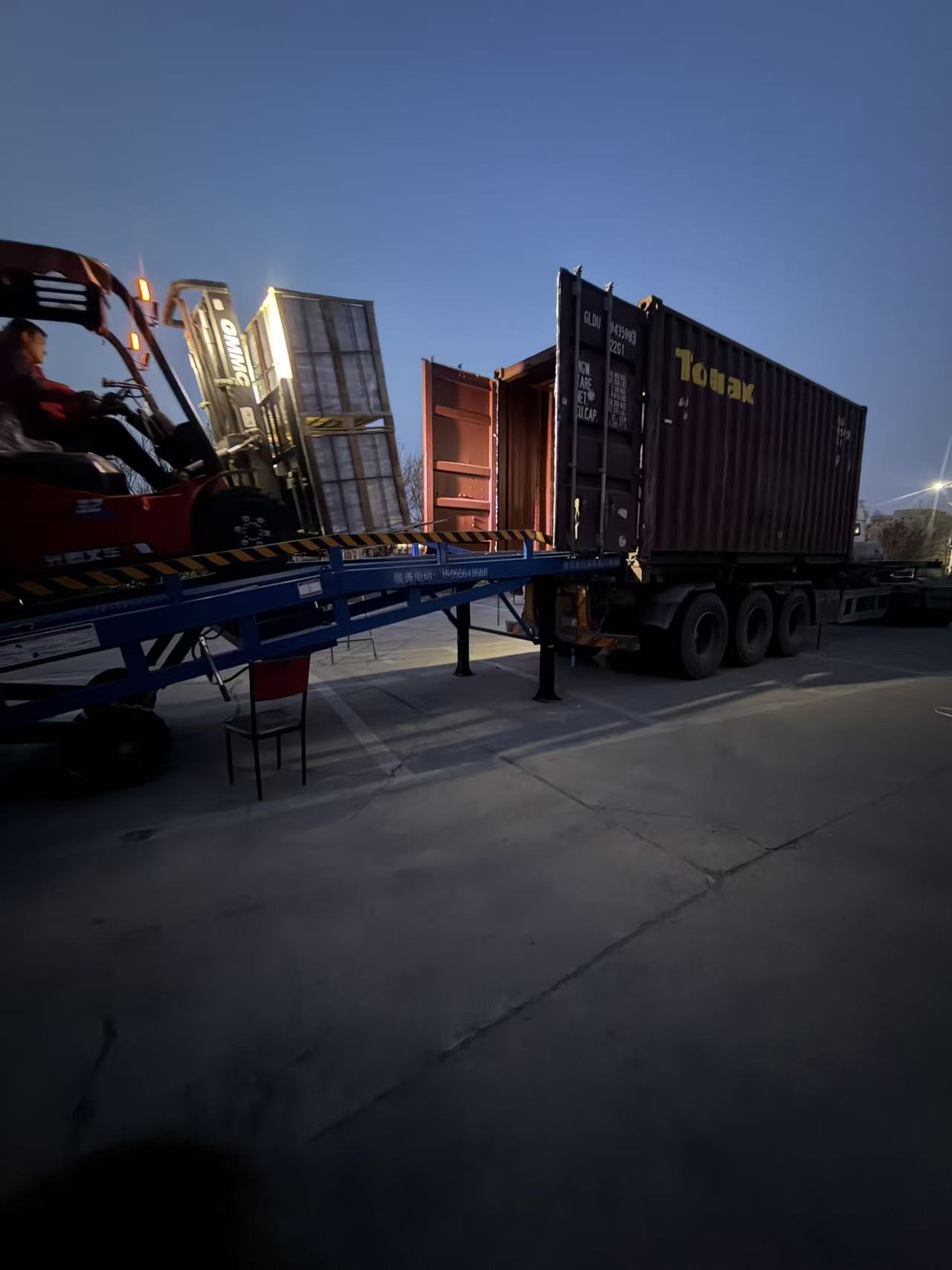
With advanced manufacturing facilities and a robust supply chain, we can handle orders ranging from small specialized batches to large-scale bulk procurements. Our logistics network ensures timely delivery to job sites worldwide, minimizing project delays.
Technical Support and Consultation
We do not just sell products; we provide solutions. Our technical support team is available to assist with load calculations, installation guidance, and problem-solving. Adhering to the principle of “customer first,” we partner with our clients to ensure the success and safety of their projects.
Conclusion: Securing Your Projects with Reliability
The Sleeve Anchor with Hex Bolt / Hex Nut represents a critical component in modern construction and industrial assembly. Its ability to deliver immediate, high-strength holding power in solid base materials makes it indispensable for securing structural elements, machinery, and infrastructure. By understanding the mechanical principles, material options, and proper installation techniques, engineers and contractors can ensure the longevity and safety of their installations.
Choosing the right manufacturer is equally important. Partnering with a supplier who prioritizes quality control, technical expertise, and reliable service ensures that your fastening solutions perform as intended under real-world conditions. Whether you are working on a high-rise building, a manufacturing plant, or a marine facility, our range of sleeve anchors offers the durability and performance you need.
Ready to specify or procure sleeve anchors for your next project?
Contact our technical sales team today for detailed product catalogs, custom quotes, and engineering support. Let us help you select the optimal fastening solution for your specific application requirements.
View Related Products and Technical Solutions