Summary: Learn about fastener types, functions, materials, specifications, and selection factors to help buyers choose suitable products.
Fasteners are essential components in mechanical assemblies, equipment, and many types of structures.
Common examples include bolts, nuts, screws, washers, anchors, and threaded rods.
Although these products all help secure components, they differ in design, connection method, and intended function.
Choosing the right fasteners involves more than matching dimensions.
Material specifications, thread compatibility, mechanical requirements, surface finish, and installation conditions can all affect whether a product is suitable for a particular application.
For industrial buyers, distributors, and product developers, understanding these differences helps narrow down product options, prepare accurate purchasing specifications, and reduce the risk of ordering incompatible components.
This guide explains the main types of fasteners, common material considerations, key product specifications, and the steps involved in selecting and purchasing suitable fasteners.
What Are Fasteners and What Do They Do?
Fasteners are mechanical components used to join, secure, or retain two or more parts.
Depending on their design, they can create removable connections, hold components in position, or anchor an item to a base material.
Fasteners serve different purposes according to their structure and the way they interact with the connected components.
A bolt-and-nut assembly, for example, works differently from a screw designed for a particular substrate or an anchor intended for installation in concrete.
Understanding the intended connection is therefore the first step in selecting a suitable fastener.
The Basic Functions of Fasteners
Fasteners help maintain connections between components and keep assemblies in their intended configuration.
Their specific functions depend on the product design:
- Bolts and nuts are commonly used together to create mechanical connections between compatible components.
- Screws secure components through a threaded connection appropriate to the screw design and the materials involved.
- Washers may distribute contact pressure, protect a bearing surface, provide spacing, or perform another specified function.
- Anchors connect components to a suitable base material through a mechanism appropriate to the anchor type.
- Threaded rods provide threaded sections for assemblies that require compatible nuts or other mating components.
These products should not automatically be treated as interchangeable.
Components that look similar may have different dimensions, thread specifications, mechanical properties, or intended applications.
Common Types of Fasteners
The following table summarizes common fastener categories and their main selection considerations.
| Fastener type | General function | Key selection considerations |
| Bolts | Commonly used to form mechanical connections with compatible components | Diameter, length, thread specifications, head design, material, and required performance |
| Nuts | Provide threaded engagement with compatible bolts or threaded rods | Thread compatibility, dimensions, material, and applicable specifications |
| Screws | Secure components through a threaded connection suited to the product design | Screw type, length, thread design, head style, and substrate |
| Washers | Perform specified functions within a fastened assembly | Inner diameter, outer diameter, thickness, material, and washer type |
| Anchors | Connect components to an appropriate base material | Base material, anchor design, installation conditions, and load requirements |
| Threaded rods | Provide threaded lengths for assemblies using compatible components | Diameter, length, thread specifications, material, and intended use |
This overview helps buyers identify the relevant product category before comparing detailed specifications.
What Are the Main Types of Fasteners?
Each fastener type has characteristics that influence its suitability for a particular connection.
Buyers should evaluate the product’s intended function and technical requirements rather than relying on its general name alone.
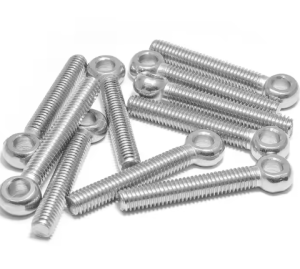
Bolts and Hex Bolts
Bolts are commonly used in mechanical assemblies where components need to be joined securely.
Many bolt connections use a compatible nut, although the appropriate arrangement depends on the joint design and product specification.
Hex bolts have a hexagonal head that allows a suitable tool to apply turning force during installation or removal.
When selecting bolts, consider the following factors:
- Diameter and length: These dimensions must match the connection design and the requirements of the connected components.
- Thread specifications: The thread system, diameter, pitch, and other relevant details must be compatible with the mating component.
- Head design: Head dimensions and shape must suit the available space, tool access, and assembly requirements.
- Material and mechanical requirements: These should be defined according to the intended application.
- Surface finish: The specified finish should be appropriate for the operating environment and other product requirements.
For example, a bolt intended to work with a nut must have compatible thread specifications.
Matching only the nominal diameter may not be sufficient if the thread systems differ.
Buyers should confirm the complete product specification before ordering, particularly when bolts must fit existing components or meet defined mechanical requirements.
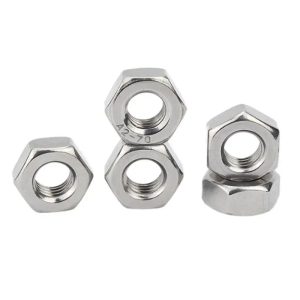
Nuts and Hex Nuts
Nuts are threaded fasteners commonly used with compatible bolts or threaded rods.
Hex nuts have a six-sided external shape that allows them to be tightened or loosened using an appropriate tool.
A suitable nut must match the relevant specifications of its mating component.
Similar-looking nuts may differ in thread system, dimensions, material, or other design requirements.
Before purchasing nuts, confirm:
- Thread specifications and compatibility with the mating component.
- Relevant dimensions and product design.
- Material and required mechanical properties.
- Surface finish and environmental requirements.
- Applicable product standards or technical specifications.
Compatibility matters when nuts and bolts are purchased separately.
Even when two components appear to have the correct nominal size, differences in thread specifications or other requirements can make them unsuitable for the intended assembly.
Where possible, identify the nut and its mating component together in the purchasing specification or technical drawing.
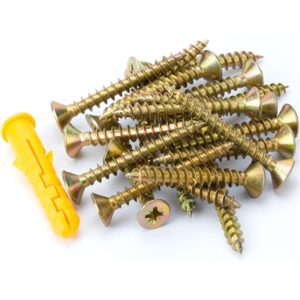
Screws
Screws are threaded fasteners used to secure components in a wide range of assemblies.
Their designs vary according to the connection method, the materials being joined, and the intended installation conditions.
Some screws engage with existing threads, while others are designed for particular substrates or connection methods.
The appropriate type depends on the product design and application requirements.
Important selection factors include:
- Screw type and intended function.
- Diameter and length.
- Thread design and compatibility with the substrate or mating component.
- Head shape and drive type.
- Material and surface finish.
- Installation and operating conditions.
The terminology used to distinguish bolts from screws can vary by product design and industry.
Rather than relying on a single universal definition, buyers should confirm the intended connection method and the exact product specification.
A screw suitable for one substrate or assembly may not be appropriate for another, even if the dimensions appear similar.
Washers
Washers are components used in fastened assemblies for functions determined by their design.
Depending on the type, a washer may distribute contact pressure, protect a bearing surface, provide spacing, or perform another specified function.
Washers should be selected as part of the overall assembly rather than as isolated components.
Important considerations include:
- Inner diameter: Must accommodate the relevant bolt, screw, or other component.
- Outer diameter: Must suit the required contact area and available space.
- Thickness: Should meet the dimensional requirements of the assembly.
- Material: Must be appropriate for the intended operating conditions.
- Washer type: Different designs serve different purposes and should not automatically be substituted for one another.
- Surface finish: May matter when environmental or assembly requirements specify it.
For example, a washer used with a bolt must fit the relevant component and perform its intended function in the joint.
Selecting a washer based only on appearance may overlook important dimensional or functional differences.
Anchors and Anchor Bolts
Anchors connect components to a base material rather than simply joining two components through a conventional bolt-and-nut arrangement.
Depending on the design, anchors may be intended for concrete, masonry, or other specified base materials.
Different anchor types use different installation and load-transfer mechanisms, so their suitability must be evaluated individually.
When selecting anchors, consider:
- Base material and its relevant properties.
- Anchor type and product design.
- Installation method and required conditions.
- Applied loads and intended connection.
- Required dimensions and installation clearances.
- Applicable technical documentation and design requirements.
An anchor suitable for one base material or installation condition should not automatically be assumed suitable for another.
For example, selecting an anchor for a concrete connection may require consideration of the concrete conditions, applied loads, installation requirements, and documented product specifications.
Where structural safety or load-bearing performance is involved, selection should follow applicable engineering requirements and reliable technical documentation.
A general product description alone cannot establish whether an anchor is suitable for a specific project.
Threaded Rods
Threaded rods are rod-shaped components with threads along some or all of their length, depending on the product design.
They are used in assemblies that require threaded connections at specified positions or lengths.
A threaded rod generally does not rely on a conventional bolt head to perform its connection function.
It may be used with compatible nuts or other components according to the assembly design.
When selecting threaded rods, confirm:
- Rod diameter and required length.
- Thread specifications and compatibility.
- Material and mechanical requirements.
- Surface finish and operating environment.
- Compatibility with nuts and other mating components.
- Applicable product specifications.
Threaded rods can support a range of assembly configurations, but their suitability still depends on the intended connection and the relevant technical requirements.
What Materials Are Commonly Used for Fasteners?
Material selection is an important part of choosing metal fasteners.
Different materials and material conditions can affect mechanical performance, corrosion behavior, manufacturing characteristics, and overall suitability.
However, a material name alone does not establish the performance of a finished fastener.
Buyers should consider the complete product specification, including the applicable material grade, heat treatment where relevant, mechanical requirements, and surface finish.
Carbon Steel Fasteners
Carbon steel is used in many fastener applications.
Its suitability depends on the specified material grade and the requirements of the finished product.
When evaluating carbon steel fasteners, consider:
- The specified material grade.
- Required mechanical properties.
- Applicable heat-treatment requirements.
- Surface finish and corrosion-related requirements.
- Intended operating environment.
- Relevant product standards or technical documentation.
Carbon steel fasteners should not all be assumed to have the same strength or corrosion resistance.
These characteristics depend on the material specification, manufacturing condition, product design, and any specified surface treatment.
For purchasing purposes, a clearly defined material specification is more useful than a general description such as “carbon steel” when the application requires particular performance characteristics.
Alloy Steel Fasteners
Alloy steel fasteners are made from steel compositions containing specified alloying elements.
The properties of the finished product depend on its material grade, manufacturing condition, heat treatment where applicable, and other relevant requirements.
When considering alloy steel fasteners, buyers should confirm:
- The exact material specification.
- Required mechanical properties.
- Relevant heat-treatment conditions, if specified.
- Applicable product grade or standard.
- Compatibility with the intended operating environment.
- Required technical or inspection documentation.
It is important not to assume that all alloy steel fasteners have identical properties.
Two products described as alloy steel may differ substantially in their specifications and intended uses.
Material selection should therefore be based on the defined requirements of the application rather than the material category alone.
How to Match Fastener Materials to Application Conditions
The right material depends on the connection requirements and the environment in which the fastener will operate.
Consider these factors when evaluating material options.
Mechanical requirements
Identify the performance requirements of the connection and the relevant material and product specifications.
A general material description should not replace a defined mechanical requirement.
Operating environment
Consider exposure to moisture, chemicals, temperature changes, and other environmental conditions relevant to the application.
Corrosion requirements
Evaluate the base material, specified surface treatment, surrounding materials, and operating environment together.
Corrosion performance cannot be established by material name alone.
Compatibility with mating components
Consider the materials and specifications of the other components in the assembly.
Compatibility may affect performance and maintenance requirements.
Documentation and verification
Where particular material properties or performance levels are required, confirm that the product specification and supporting documentation address those requirements.
The objective is to select a material specification that meets the actual application requirements, not to identify one material as universally best.
What Specifications Should You Check When Selecting Fasteners?
After identifying the general fastener type and material, the next step is to confirm the detailed product specifications.
Clear specifications help buyers communicate requirements accurately and reduce the risk of receiving products that do not fit the intended assembly.
Dimensions and Thread Specifications
Dimensions determine whether a fastener fits the intended assembly, while thread specifications affect compatibility with mating components.
The relevant dimensions depend on the product type.
For example:
- Bolts: Diameter, length, head dimensions, and thread specifications.
- Nuts: Thread specifications, overall dimensions, and other design requirements.
- Screws: Diameter, length, head design, and thread characteristics.
- Washers: Inner diameter, outer diameter, and thickness.
- Threaded rods: Diameter, length, and thread specifications.
- Anchors: Product dimensions and the installation dimensions required by the applicable design.
These are general examples, not interchangeable checklists.
Each product should be evaluated according to its design and applicable requirements.
Thread compatibility deserves particular attention.
Similar nominal sizes do not necessarily mean that two components use compatible thread systems or pitches.
When placing an order, use clear drawings, product specifications, or other agreed technical references whenever possible.
If dimensions are presented in different measurement systems, ensure that the units and relevant tolerances are clearly stated.
Strength Grades and Mechanical Requirements
Some fasteners are specified according to mechanical property classes, strength grades, or other performance requirements.
The relevant system depends on the product type and applicable specification.
A material designation alone does not establish the mechanical properties of a finished fastener.
Before ordering, determine:
- Whether a specific mechanical property class or grade is required.
- Which product standard or technical specification applies.
- Whether any heat-treatment or manufacturing condition is specified.
- What documentation is needed to verify the agreed requirements.
- Whether the selected product is suitable for the intended connection.
Avoid using vague descriptions such as “high strength” when the application requires a defined grade or measurable performance requirement.
Where a connection is safety-critical or subject to engineering requirements, product selection should be based on the applicable design criteria and verified technical information.
Surface Finishes and Corrosion Considerations
Surface finishes can affect a fastener’s appearance, corrosion behavior, and suitability for particular assembly conditions.
The appropriate finish depends on the product specification and intended environment.
It should not be selected solely because a particular finish is commonly used in another application.
Consider the following questions:
- Will the fastener be exposed to moisture, chemicals, or other corrosive conditions?
- Is a particular surface finish required by the product specification?
- Are there compatibility considerations involving mating components?
- Are there dimensional or assembly requirements associated with the specified finish?
- Is supporting documentation needed to verify the required performance?
Buyers should distinguish between a general surface-finish description and verified corrosion performance.
Specific performance claims require appropriate product information or test evidence.
Standards, Drawings and Product Documentation
Standards and technical drawings help define the requirements a fastener must meet.
Depending on their scope, they may specify dimensions, materials, mechanical properties, testing requirements, or other product characteristics.
When a purchase requires compliance with a particular standard, buyers should confirm:
- The exact standard designation.
- The applicable edition or version, where relevant.
- Whether the standard covers the selected product type.
- Which requirements apply to the order.
- What documents are needed to demonstrate conformity.
A reference to a standard should not be treated as proof that a product complies with it.
Compliance must be supported by appropriate product information and evidence.
The same principle applies to certifications and other conformity claims.
Buyers should verify the applicable requirements and supporting documentation rather than assuming that every fastener needs the same certification or that a product meets a requirement simply because it belongs to a familiar category.
Clear specifications and consistent documentation help both parties understand the expected product before production or shipment.
How to Choose the Right Fasteners for Your Application
A practical fastener selection process starts with the connection requirements and moves toward the specific product and its documented specifications.
The following steps provide a general framework for preliminary selection.
Step 1: Identify the Connection Requirements
Begin by understanding the components being joined and the function of the connection.
Consider:
- What components need to be connected?
- What materials are involved?
- Is the connection intended to be removable?
- What installation and maintenance conditions apply?
- What environmental conditions will the fastener encounter?
- Are there specific mechanical or engineering requirements?
These questions help define the connection before a particular fastener is selected.
For applications involving significant loads or structural safety, the connection requirements should be established using appropriate engineering criteria rather than general product descriptions.
Step 2: Select the Appropriate Fastener Type
After defining the connection, identify the fastener category that matches the required connection method.
For example, a conventional bolted connection may require compatible bolts and nuts, while an assembly designed around a threaded rod may require suitable nuts and other mating components.
A connection to a base material may instead require an anchor designed for that material and installation method.
The objective is to narrow down the available product types before comparing detailed specifications.
Do not assume that one type of fastener can replace another simply because both can be used to secure components.
Step 3: Confirm Dimensions, Materials and Performance Requirements
Once the product type is established, confirm the details required for the specific application.
These may include:
- Required dimensions and tolerances.
- Thread specifications.
- Material grade.
- Mechanical property requirements.
- Surface finish.
- Relevant installation conditions.
- Applicable standards or technical requirements.
Keep the information consistent across drawings, specifications, quotations, and purchase orders, as applicable.
If any requirement remains uncertain, clarify it before treating the product selection as final.
Step 4: Verify Compatibility and Documentation
The selected fastener must work with the other components in the assembly and meet the agreed requirements.
Check that:
- Mating threads and dimensions are compatible.
- The selected product matches the intended connection design.
- Material and performance requirements are clearly specified.
- Relevant drawings and technical documents are consistent.
- Any required inspection or conformity documents have been identified.
This final verification helps reduce misunderstandings between product selection and order fulfillment.
What Information Should You Prepare Before Ordering Fasteners?
For B2B buyers, clear purchasing information is essential.
Precise product requirements make it easier to determine whether a proposed fastener matches the intended application.
Prepare a Clear Product Specification
Before requesting a quotation or placing an order, prepare the information relevant to the selected product.
| Information | What to confirm |
| Product type | Bolt, nut, screw, washer, anchor, threaded rod, or another defined type |
| Dimensions | Relevant dimensions and tolerances |
| Thread specifications | Thread type, diameter, pitch, and other applicable details |
| Mea | Required material grade or specification |
| Mechanical requirements | Applicable grade, property class, or other defined performance requirements |
| Surface finish | Required finish and relevant environmental considerations |
| Drawings or standards | Applicable drawings, specifications, and standard references |
| Intended application | Connection requirements and relevant operating conditions |
| Quantity | Required order quantity |
| Inspection and documentation | Agreed inspection criteria, reports, or supporting documents |
| Packaging and labeling | Requirements for handling, identification, or delivery |
Not every item applies to every fastener.
Adjust the checklist to suit the product and the requirements of the particular order.
If some technical details are unknown, provide the available drawings, samples, or application information and clearly identify the unresolved requirements.
Confirm Order and Inspection Requirements
Product specifications are only one part of an order.
Purchasing arrangements should also be agreed before the order is finalized.
Depending on the project, buyers may need to confirm:
- Order quantity.
- Packaging method and labeling requirements.
- Product identification and traceability requirements, where applicable.
- Inspection arrangements.
- Required technical or inspection documents.
- Special handling or delivery requirements.
These details should be agreed between the buyer and supplier rather than assumed from a general product description.
Where inspection reports or other documents are required, specify what is needed and which requirements the documents must address.
Clarify Unconfirmed Technical Requirements
Buyers sometimes know the general type of fastener they need but do not yet have a complete technical specification.
For example, a purchasing team may know the required dimensions but still need to confirm the material grade, thread specifications, or applicable standard.
Useful references may include:
- Technical drawings.
- Existing product samples.
- Product specification sheets.
- Applicable standards.
- Engineering requirements.
- Agreed inspection criteria.
These references help clarify expectations before an order is finalized.
For applications involving specific performance or safety requirements, the product should not be selected solely by appearance or a general description.
The relevant technical requirements must be established and verified.
Frequently Asked Questions About Fasteners
What Are the Most Common Types of Fasteners?
Common fastener types include bolts, nuts, screws, washers, anchors, and threaded rods.
Each type has different structural characteristics and functions.
The appropriate choice depends on the connection method, component compatibility, and application requirements.
What Is the Difference Between Bolts and Screws?
Bolts and screws are both threaded fasteners, but their designs and typical connection methods can differ.
Bolts are commonly used with compatible nuts or other specified mating components, while screws may engage with a threaded component or a suitable substrate, depending on their design.
Because terminology can vary by product and industry, the exact specification and intended connection should guide selection.
How Do I Choose the Right Fastener Size?
Start with the connection design and identify the required dimensions and thread specifications.
Check compatibility with mating components and confirm any relevant tolerances.
If the connection has defined mechanical or structural requirements, use the applicable technical specifications and engineering criteria rather than estimating suitability from appearance alone.
Why Do Fastener Materials and Finishes Matter?
Material and surface finish can affect a fastener’s mechanical performance, corrosion behavior, and suitability for particular operating conditions.
The correct combination depends on the material specification, product design, environment, and application requirements.
Specific performance claims should be supported by reliable technical information.
What Information Do I Need Before Ordering Fasteners?
Prepare the product type, dimensions, thread specifications, material requirements, applicable mechanical properties, surface finish, and relevant drawings or standards.
You should also clarify the order quantity, packaging requirements, inspection arrangements, and any necessary documentation.
The exact checklist depends on the selected product and the requirements of the order.
Explore Fasteners for Your Product Requirements
Choosing suitable fasteners starts with understanding the connection and confirming the product specifications.
Product type, dimensions, thread compatibility, material, mechanical requirements, and surface finish all contribute to an informed purchasing decision.
For buyers comparing different options, clear specifications and reliable technical documentation provide a practical basis for evaluating product suitability and communicating requirements.
Explore the relevant product categories to identify options that may match your requirements, and confirm the necessary specifications before finalizing an order.












