Summary: Learn about metal fastener types, materials, surface finishes, specifications, and selection factors for industrial purchasing.
Choosing the right metal fasteners involves more than identifying a bolt, nut, screw, or anchor. Material composition, mechanical requirements, surface finish, operating environment, and dimensional compatibility all affect whether a fastener is suitable for a particular connection.
For industrial buyers, distributors, and product designers, understanding these factors helps clarify product specifications, compare quotations, and reduce the risk of ordering incompatible components. This guide explains common metal fastener types, compares material selection considerations, and outlines what to verify before purchasing.
What Are Metal Fasteners?
Metal fasteners are components made primarily from metal that connect, secure, or hold parts together. They include bolts, nuts, screws, washers, anchors, and threaded rods, among other products.
Different fasteners serve different connection purposes. Some are designed to work with matching threaded components, while others are intended for installation in specific base materials or structures.
Selecting suitable metal fasteners requires considering the complete connection rather than the fastener alone. The product type, material, dimensions, mechanical requirements, and installation conditions should all be consistent with the intended application.
For example, a bolt may need to match a particular nut and washer assembly, while an anchor must be suitable for its intended base material and installation method. Products that look similar may not be interchangeable if their threads, dimensions, materials, or performance requirements differ.
What Are the Common Types of Metal Fasteners?
Metal fasteners are available in various designs to accommodate different connection structures and installation requirements. Understanding their basic differences helps buyers identify the product category that best fits their needs.
Bolts and Hex Bolts
Bolts are commonly used to form mechanical connections with compatible threaded components or structures. Hex bolts feature a hexagonal head that can be engaged with an appropriate tool.
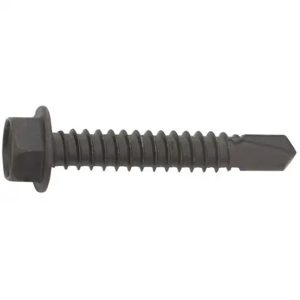
When selecting bolts, buyers should consider:
- Nominal diameter and length
- Thread type, pitch, and specification
- Head shape and dimensions
- Material and mechanical property requirements
- Surface finish and environmental conditions
- Compatibility with the intended nut or connection design
A hexagonal head identifies the general head style, but it does not establish the bolt’s material, strength, or suitability for a particular application. These details must be confirmed through the product specification.
Nuts
Nuts are threaded fasteners designed to engage with compatible external threads. They are commonly used with bolts or threaded rods, depending on the connection design.
Hex nuts, lock nuts, and flange nuts have different structural features and may serve different connection requirements.
When purchasing nuts, confirm the thread specification, dimensions, material, and required mechanical properties. Where nuts are used with bolts, their compatibility should be evaluated as part of the complete assembly.
A nut that appears to fit a bolt is not necessarily suitable for every application. Thread compatibility and the requirements of the assembled connection must be verified.
Screws
Screws are threaded fasteners used in a variety of mechanical and fastening applications. Their head styles, thread forms, and tip designs can differ according to the intended installation method and materials being joined.
When selecting metal screws, consider:
- The materials being connected
- The required thread and dimensional specifications
- The installation method and available access
- Material and surface finish requirements
- Any application-specific mechanical requirements
For example, a screw intended for a particular base material may not be appropriate for a different substrate or connection design. Product selection should therefore follow the intended application rather than appearance alone.
Washers
Washers are components placed between fasteners and adjacent surfaces in certain connections. Depending on their design, they may help distribute contact loads, protect surfaces, or serve a specific function within an assembly.
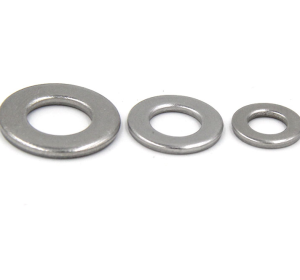
Common examples include flat washers and spring washers. These products should not automatically be treated as interchangeable because their structures and intended functions may differ.
Important selection factors include:
- Inner and outer diameters
- Thickness
- Mea
- Surface finish
- Compatibility with the fastener and connected surfaces
Washers should be selected as part of the complete connection. Their dimensions and properties need to suit the bolt, nut, and application requirements.
Anchors and Anchor Bolts
Anchors and anchor bolts are used in fastening applications that involve securing components to a base material or structure. Their designs and installation methods vary, so the appropriate choice depends on the specific connection conditions.
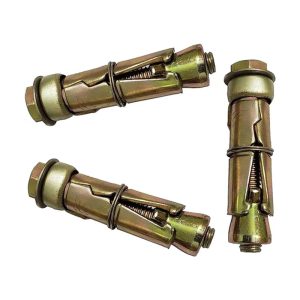
For anchor selection, buyers should confirm:
- The intended base material
- The anchor type and installation method
- Required dimensions and embedded or installation details, where applicable
- Material and surface finish requirements
- The relevant design and performance requirements
For example, an anchor intended for a concrete application should be evaluated against the requirements of the specific concrete connection. Its metal composition alone does not establish whether it is suitable.
The appropriate product should be selected using the relevant technical documentation and installation requirements, particularly where the connection has important structural or safety implications.
What Materials Are Used for Metal Fasteners?
Material selection is a central consideration when purchasing metal fasteners. Different materials and manufacturing conditions can affect mechanical properties, corrosion behavior, and suitability for particular environments.
However, a broad material name does not provide enough information to establish a fastener’s complete performance. Buyers should consider the specific material grade, product requirements, manufacturing condition, and applicable technical documentation.
Carbon Steel Fasteners
Carbon steel fasteners are used in many types of mechanical and industrial connections. Their properties depend on the material composition, manufacturing process, heat treatment where applicable, and the requirements of the finished product.
The term carbon steel alone does not identify a fastener’s strength or establish its suitability for a particular connection.
When selecting carbon steel fasteners, buyers should clarify:
- The required material specification or grade
- The required mechanical property class or grade, where applicable
- Whether heat treatment or other manufacturing requirements are specified
- The required surface finish
- The operating environment and corrosion-related requirements
- Any applicable inspection or documentation requirements
For example, a purchasing specification that identifies only carbon steel may leave important questions unresolved. If the application requires a particular mechanical property class or material grade, that requirement should be stated and verified separately.
Surface finish also matters. A carbon steel fastener intended for a particular environment may require a specified protective finish, but the suitability of that finish must be evaluated against the actual service conditions.
Alloy Steel Fasteners
Alloy steel fasteners contain alloying elements that influence the material’s characteristics. Their final properties depend on the specific composition, manufacturing process, heat treatment, and product requirements.
Alloy steel should not automatically be assumed to be stronger than every carbon steel product. A meaningful comparison requires information about the actual materials and fastener grades being evaluated.
Before ordering alloy steel fasteners, buyers should confirm:
- The required material grade or specification
- The required mechanical property class or grade
- Applicable heat-treatment requirements
- Dimensions and thread specifications
- Surface finish requirements
- Relevant product standards and documentation
Where a drawing or purchasing specification calls for a particular alloy steel grade, a general description such as “alloy steel” may be insufficient to identify the required product.
Material composition and mechanical performance are related, but they are not interchangeable descriptions. Buyers should verify the properties required for the intended application rather than relying on the material category alone.
Stainless Steel and Other Metal Materials
Stainless steel and other metal materials may be used for fasteners when their properties are appropriate for the intended application. However, the availability of a material in the wider fastener market does not establish that every supplier offers products made from it.
Stainless steel selection requires attention to the specific grade and service environment. Different grades can behave differently under particular conditions, and stainless steel should not be treated as universally corrosion-proof.
Relevant considerations include:
- The material grade
- Exposure to moisture, salts, or chemical substances
- Operating temperature
- Surface condition and finish
- Contact with other metals
- Mechanical and dimensional requirements
Other materials, such as aluminum alloys and copper alloys, may also be relevant in some fastening applications. Their suitability depends on the design and service requirements.
Before specifying any material, buyers should confirm that it meets the technical requirements of the application and that the required product is actually available from the intended supplier.
How Do Material Properties Affect Fastener Selection?
Choosing metal fasteners requires evaluating how material properties relate to the demands of the connection. Strength, corrosion resistance, temperature, and operating conditions should be considered together rather than independently.
Strength and Mechanical Requirements
The mechanical performance of a fastener depends on more than its general material category. Material grade, manufacturing condition, heat treatment where applicable, and the product’s specified mechanical property class can all be relevant.
When a connection has defined load or strength requirements, buyers should identify the required properties in the technical specification and verify them against appropriate product documentation.
For example, asking for a steel bolt does not establish whether it meets the mechanical requirements of a particular assembly. A more complete specification identifies the required dimensions, material, mechanical property class where applicable, and relevant standard.
Bolts and their mating components must also be considered together. The suitability of an assembled connection cannot be established by looking at one component in isolation.
Where mechanical performance is safety-critical, selection should follow the applicable engineering requirements and verified technical data rather than a general material description.
Corrosion Resistance and Service Environment
Corrosion resistance is an important consideration when selecting metal fasteners for environments involving moisture, salts, chemicals, or other potentially corrosive conditions.
The actual corrosion behavior depends on several factors, including the base material, surface finish, exposure conditions, and contact with other materials.
For example, a fastener used indoors under relatively mild conditions may face different environmental demands from one exposed to outdoor weather or salt-containing environments. The appropriate material and protective finish should be determined from the actual service requirements.
Buyers should consider:
- Whether the fastener will be used indoors or outdoors
- Expected exposure to moisture or corrosive substances
- Operating temperature and environmental changes
- The required service life and maintenance conditions
- Whether dissimilar metals will be in contact
- Any specified corrosion testing or acceptance criteria
Dissimilar metal contact can introduce additional corrosion considerations in some environments. Where this is relevant, the material combination and surrounding conditions should be evaluated.
Terms such as “corrosion-resistant” should not replace a clear technical requirement. If a project specifies a corrosion test, coating thickness, or other acceptance criterion, the applicable method and requirement should be identified and verified.
Temperature, Load, and Operating Conditions
The environment in which a fastener operates can influence its suitability. In addition to corrosion, buyers may need to consider mechanical loads, vibration, temperature variation, and installation conditions.
A fastener suitable for one connection may not be appropriate for another if the loads, operating environment, or design requirements differ.
Before selecting a product, clarify:
- The type of connection and expected loading conditions
- Whether vibration or repeated loading is relevant
- The operating temperature range
- The installation method and assembly requirements
- Any application-specific design or safety constraints
These factors may affect the required material, product grade, dimensions, and assembly design.
Where loads, elevated temperatures, or other demanding conditions are involved, the selection should be supported by appropriate engineering analysis and product documentation. General material descriptions alone are not sufficient to establish safe performance.
How Do Surface Finishes Affect Metal Fasteners?
Surface finish is another important consideration when selecting metal fasteners. Depending on the process and product, a finish may affect corrosion behavior, appearance, friction characteristics, or other properties relevant to installation and use.
The appropriate finish depends on the base material, manufacturing requirements, operating environment, and any specified performance criteria.
Common Surface Finish Considerations
Different surface treatments are available for metal fasteners. Zinc plating is one example, but the presence of a particular finish does not automatically establish the product’s corrosion performance.
When reviewing a surface finish, buyers should clarify:
- The required finish or treatment
- Any specified coating thickness or other dimensional consideration
- The intended operating environment
- Relevant corrosion or performance testing requirements
- Compatibility with the base material and fastener grade
- Any additional requirements stated in drawings or purchasing documents
The finish should be identified clearly enough for the supplier to understand the requirement. Color or general appearance alone may not reliably identify a treatment or establish its performance.
Some finishes may also influence friction or assembly behavior. Where this is important to the connection, the relevant requirements should be evaluated rather than assumed.
Matching Finishes to Environmental Requirements
The surface finish should be selected according to the conditions in which the fastener will be used.
A practical approach is to:
- Identify the environmental exposure and operating conditions.
- Establish the required corrosion performance or other finish-related criteria.
- Confirm that the proposed finish is suitable for the base material and fastener specification.
- Identify any required tests, coating measurements, or documentation.
- Verify that the supplied product matches the approved requirements.
For example, a purchasing document that simply requests a “rust-resistant bolt” may leave the expected performance unclear. A more useful specification identifies the operating environment and the applicable finish or performance requirements.
Specific coating thicknesses, test durations, and corrosion performance should be based on verified technical information. They should not be assumed from the finish name alone.
What Specifications Should You Check When Selecting Metal Fasteners?
A clear product specification helps buyers obtain comparable quotations and reduce the risk of receiving components that do not match the intended connection.
The exact information required depends on the product and application, but several specification categories are commonly worth checking.
Dimensions and Thread Specifications
Dimensional requirements determine whether a fastener can fit the intended connection. Buyers should identify the relevant measurements and thread specifications before placing an order.
Depending on the product, these may include:
- Nominal diameter
- Overall length or other relevant length measurement
- Thread type and pitch
- Threaded length, where applicable
- Head dimensions and style
- Other critical dimensions identified in a drawing
- Metric or inch-based specification
The meaning of a dimension can vary according to product design. For example, the relevant length measurement for one fastener type may differ from that used for another.
Thread specifications also need to be precise. Products that appear similar may use different thread systems or pitches and may not be compatible.
Where a standard or engineering drawing defines the dimensions, the purchase specification should identify the applicable requirements clearly. Any necessary tolerances should be confirmed from the relevant documentation.
Material Grade and Mechanical Requirements
Material grade and mechanical property class describe different aspects of a fastener’s specification. Buyers should not assume that naming a material automatically defines all required mechanical properties.
A purchasing specification may need to identify:
- Material grade or specification
- Required mechanical property class or grade
- Relevant manufacturing or heat-treatment requirements
- Applicable product standard
- Required inspection or material documentation
Not every fastener requires the same set of information. The appropriate level of detail depends on the product, application, design requirements, and purchasing agreement.
For example, “steel bolt” may be sufficient for an initial informal discussion but may not provide enough information for a controlled procurement process. A drawing or specification that defines the dimensions, material requirements, and applicable mechanical properties provides a clearer basis for quotation and verification.
Where a specific standard applies, its scope and relevant version should be checked rather than inferred from a product’s appearance or commercial name.
Compatibility of Bolts, Nuts, and Washers
Bolts, nuts, and washers may form part of the same assembly, so their specifications should be reviewed together.
Compatibility considerations include:
- Thread system, diameter, and pitch
- Relevant dimensions and tolerances
- Material and mechanical requirements
- Surface finish and assembly conditions
- The requirements of the complete connection
Correct thread engagement is important, but physical fit alone does not establish that an assembly meets its design requirements.
Material and finish combinations may also need consideration, particularly where environmental exposure, friction, or other assembly characteristics are important.
When purchasing several components for one connection, buyers should identify the intended combination and clarify any requirements that affect compatibility.
Standards, Drawings, and Product Documentation
Standards and technical documents help define the expected characteristics of metal fasteners. However, citing a standard is useful only when the correct document and requirements have been identified.
Before ordering, buyers should confirm:
- The applicable standard or drawing
- The relevant edition or revision, where specified
- Required dimensions and tolerances
- Material and mechanical property requirements
- Surface finish specifications
- Required inspection, testing, or material documents
If documentation is required, the purchasing agreement should state what must be supplied and which product or order it must cover.
A product name or reference to a standard does not by itself prove that the actual product complies with every relevant requirement. Verification should be based on the applicable specification and supporting evidence.
What Should Buyers Confirm Before Ordering Metal Fasteners?
Before requesting quotations or placing an order, buyers should organize the technical and commercial information needed to identify the correct product.
A clear specification reduces ambiguity and makes it easier to compare offers on a consistent basis.
Prepare a Complete Product Specification
The following checklist can help buyers prepare a request for quotation.
| Information item | What to confirm |
| Product type | Bolt, nut, screw, washer, anchor, or another specific fastener |
| Dimensions | Diameter, length, and other critical measurements |
| Thread | Thread type, size, pitch, and applicable specification |
| Mea | Required material grade or specification |
| Mechanical requirements | Required property class, grade, or other performance criteria |
| Surface finish | Required treatment and any specified performance criteria |
| Application | Intended use, base material, environment, and installation conditions where relevant |
| Standards | Applicable standard, drawing, and revision requirements |
| Inspection documents | Required material certificates, inspection records, or test reports |
| Quantity and packaging | Order quantity and relevant packaging requirements |
This checklist is a starting point, not a universal list of mandatory documents. Some items may not apply to a particular fastener, while demanding applications may require additional technical information.
The specification should reflect the actual requirements of the product and connection. Where a parameter is unknown, it should be clarified rather than replaced with an assumed value.
Verify Samples, Quality, and Documentation
Where a purchasing process includes sample approval, the sample should be checked against the agreed specification.
Depending on the product and requirements, verification may involve dimensions, thread characteristics, material identification, surface finish, or specified mechanical properties.
A sample that looks correct does not automatically establish that all critical characteristics have been verified. The inspection method should match the requirements that matter to the application.
For repeat or bulk orders, buyers should also clarify any applicable inspection criteria, product identification, packaging requirements, and documentation.
If a test report or material document is required, confirm the document type and its relationship to the supplied product. Do not assume that a document is available or applicable without checking the relevant purchasing terms.
Clarify Requirements Before Comparing Quotes
Price comparisons are more meaningful when the quotations cover equivalent products and requirements.
Before comparing offers, check whether they specify the same:
- Product type and dimensions
- Thread requirements
- Material and mechanical property requirements
- Surface finish
- Applicable standards and documentation
- Order quantity and packaging conditions
A lower quotation may reflect differences in the specified product or purchasing conditions. Buyers should clarify those differences before deciding which offer best meets their needs.
If the original specification is incomplete, resolving the uncertainty before ordering is generally more useful than relying on assumptions during quotation or production.
Frequently Asked Questions About Metal Fasteners
What Are the Most Common Types of Metal Fasteners?
Common metal fasteners include bolts, nuts, screws, washers, anchors, and threaded rods. Their designs and functions differ, so the appropriate product depends on the connection structure, installation method, and technical requirements.
Which Metal Is Best for Fasteners?
There is no single metal that is best for every fastener application. The appropriate choice depends on mechanical requirements, corrosion exposure, temperature, compatibility with other components, and cost considerations.
Buyers should identify the actual application requirements before selecting a material. Specific material grades and product properties should be verified through relevant technical documentation.
Are Carbon Steel Fasteners Stronger Than Stainless Steel Fasteners?
Not necessarily. Strength depends on the specific material, product grade, manufacturing condition, and applicable mechanical property requirements. A general comparison between carbon steel and stainless steel does not establish which individual fastener is stronger.
For a meaningful comparison, buyers should review the specifications and verified mechanical properties of the actual products being considered.
Does a Surface Finish Determine Corrosion Resistance?
Surface finish can influence corrosion behavior, but it is not the only factor. The base material, finish process, environmental exposure, and contact with other metals may also affect performance.
The required finish should therefore be selected against the actual service conditions and any applicable performance criteria. A finish name alone is not a guarantee of corrosion resistance.
What Information Should I Provide When Ordering Metal Fasteners?
Provide the product type, dimensions, thread specifications, material requirements, mechanical property requirements, surface finish, and intended application where relevant. You should also identify applicable standards, inspection documents, quantity, and packaging requirements.
The exact information required depends on the product and application. Clear specifications help suppliers understand the request and allow buyers to compare quotations more consistently.
Explore Metal Fasteners for Your Product Requirements
Selecting suitable metal fasteners requires a coordinated review of product type, material, mechanical requirements, surface finish, dimensions, and operating conditions. A material label or product appearance alone cannot establish whether a fastener meets the needs of a particular connection.
For industrial buyers and distributors, preparing a clear specification before requesting quotations helps reduce uncertainty and makes product comparison more meaningful. When a connection has demanding mechanical or environmental requirements, selection should be supported by the appropriate technical documentation.
Start by identifying the fastener type and the requirements of the intended application. Then confirm the material, dimensions, thread specifications, surface finish, and any applicable verification requirements before placing an order.












