High Nut refers to a premium-grade fastener engineered for extreme load-bearing applications, featuring an increased height-to-diameter ratio that enhances thread engagement and shear strength. Unlike standard fasteners, the High Nut design distributes stress more evenly across connected components, making it indispensable in heavy machinery, aerospace assemblies, and structural engineering projects where failure is not an option.
What Is a High Nut and How Does It Differ from Standard Fasteners?
A High Nut is a specialized mechanical component distinguished by its elongated profile compared to conventional hex nuts. This additional height allows for more threads to engage with the bolt, significantly improving resistance to vibration-induced loosening and dynamic loads.
In standard industrial settings, typical nuts may suffice for static loads. However, when equipment faces constant movement or high torque, the industry increasingly relies on High Nut solutions. The core difference lies in the geometry: the extra material provides a larger bearing surface and deeper thread interaction.
- Increased Thread Engagement: More contact area between bolt and nut reduces wear.
- Enhanced Load Distribution: Prevents localized stress concentrations that cause cracking.
- Vibration Resistance: The extended length acts as a natural lock against shaking forces.
Engineers often specify these components when safety factors must exceed standard regulatory minimums. The design philosophy prioritizes longevity and reliability over initial cost savings, aligning with modern maintenance-free operational goals.
The Engineering Logic Behind Increased Height
The primary advantage of the High Nut stems from basic mechanical principles regarding shear stress and tensile strength. When a bolt is tightened, the first few threads bear the majority of the load. In a standard nut, this can lead to premature stripping or deformation under extreme pressure.
By increasing the nut’s height, the load is distributed across a greater number of threads. This phenomenon, known as load sharing, ensures that no single thread carries a disproportionate amount of force. Consequently, the joint maintains integrity even under fluctuating thermal conditions or heavy cyclic loading.
Current mainstream engineering practices suggest that for critical joints, the engaged length should equal at least the diameter of the bolt. High Nuts often exceed this ratio, providing a safety margin that is crucial in sectors like energy production and transportation infrastructure.
Key Applications of High Nut Technology
The versatility of the High Nut makes it suitable for diverse industries where structural integrity is paramount. Its application is not limited to one sector but spans any environment requiring robust mechanical connections.
Heavy Machinery and Construction Equipment
In the realm of heavy machinery, such as excavators, cranes, and mining drills, vibrations are constant and severe. Standard fasteners tend to loosen over time, leading to costly downtime or catastrophic failure. High Nuts provide the necessary stability to keep critical assemblies intact.
These components are frequently found in pivot points, boom connections, and engine mounts. The ability to withstand high shock loads without deforming ensures that equipment remains operational in harsh environments, from dusty quarries to freezing arctic conditions.
Aerospace and Aviation Structures
The aerospace industry demands the highest level of reliability. Weight constraints often push engineers to use high-strength materials, but the connection points must remain secure. High Nuts are utilized in landing gear assemblies, wing attachments, and engine pylons.
Here, the focus is on fatigue resistance. Aircraft undergo thousands of pressurization cycles and vibration events during their lifespan. The enhanced thread engagement of a High Nut mitigates the risk of fatigue cracks initiating at the thread roots, thereby extending the service life of the airframe.
Renewable Energy Infrastructure
Wind turbines represent another critical application area. These structures face continuous dynamic loads from wind shear and gravitational forces as blades rotate. The tower sections and blade hubs require fastening solutions that can endure decades of operation without maintenance.
High Nuts are essential in securing the massive bolts that hold turbine components together. Their resistance to self-loosening ensures that the structural alignment remains precise, which is vital for efficient energy generation and preventing mechanical imbalance.
High Nut vs. Standard Hex Nut: A Detailed Comparison
Understanding the specific advantages of High Nuts requires a direct comparison with standard hex nuts. While both serve the fundamental purpose of securing a bolt, their performance characteristics diverge significantly under stress.
The following table outlines the key differences in design, performance, and application suitability between the two types of fasteners.
| Feature | Standard Hex Nut | High Nut |
| Height Profile | Standard height (approx. 0.8x diameter) | Extended height (1.2x to 1.5x diameter) |
| Thread Engagement | Limited to standard depth | Maximized for full load distribution |
| Vibration Resistance | Moderate; often requires lock washers | High; inherent resistance due to geometry |
| Load Bearing Capacity | Suitable for static and light dynamic loads | Optimized for heavy dynamic and shock loads |
| Failure Mode | Prone to thread stripping under overload | Fails via bolt tension rather than thread shear |
| Typical Cost | Lower initial cost | Higher initial cost, lower lifecycle cost |
This comparison highlights that while standard nuts are adequate for general purposes, the High Nut offers superior performance in demanding scenarios. The investment in a High Nut often pays off through reduced maintenance requirements and enhanced safety.
When to Choose a High Nut Over Alternatives
Selecting the right fastener depends on the specific operational environment. If an assembly is subject to frequent vibration, high temperatures, or heavy cyclic loading, the High Nut is the preferred choice. It eliminates the need for secondary locking mechanisms in many cases, simplifying the bill of materials.
Furthermore, in applications where disassembly is rare but reliability is critical, the High Nut provides peace of mind. Industries dealing with hazardous materials or high-speed rotating equipment cannot afford the risk of fastener failure, making the High Nut the logical engineering decision.
Material Selection and Manufacturing Standards
The performance of a High Nut is not solely defined by its geometry; the material composition plays an equally vital role. Manufacturers utilize various alloys to meet specific environmental and strength requirements.
Common Alloys and Treatments
Carbon steel remains a popular choice for general industrial applications due to its balance of strength and cost. However, for corrosive environments, stainless steel variants such as 304 or 316 are widely used. These materials offer excellent resistance to rust and chemical exposure.
In high-temperature settings, alloy steels treated with heat processes are employed. These treatments enhance the yield strength and toughness of the High Nut, ensuring it retains its mechanical properties even when exposed to extreme heat. Surface coatings like zinc plating or hot-dip galvanizing further protect against corrosion.
Industry standards generally dictate strict tolerances for thread pitch and diameter. Reputable manufacturers adhere to international specifications to ensure compatibility with standard bolts. This adherence guarantees that the High Nut performs as expected when integrated into existing systems.
Quality Control and Testing
To maintain trustworthiness, rigorous quality control measures are implemented during production. Each batch of High Nuts typically undergoes hardness testing, dimensional inspection, and load testing. These procedures verify that the components meet the declared specifications.
Non-destructive testing methods, such as magnetic particle inspection, are often used to detect surface defects that could compromise integrity. Such thorough testing regimes underscore the commitment to delivering reliable products for critical applications.
Installation Best Practices for High Nuts
Proper installation is crucial to realizing the full benefits of a High Nut. Even the highest quality fastener can fail if not installed correctly. Following established guidelines ensures optimal performance and longevity.
Step-by-Step Installation Guide
Installing a High Nut involves several critical steps to ensure a secure and durable connection. Adhering to this protocol minimizes the risk of human error and maximizes joint integrity.
- Preparation: Inspect the bolt threads and the internal threads of the High Nut for any debris, damage, or corrosion. Clean surfaces ensure smooth engagement.
- Lubrication: Apply appropriate lubricant to the threads. This reduces friction during tightening, allowing for more accurate torque application and preventing galling.
- Hand Tightening: Thread the High Nut onto the bolt by hand until it seats firmly against the workpiece. Ensure it is not cross-threaded, which can strip the threads immediately.
- Torque Application: Use a calibrated torque wrench to tighten the nut to the manufacturer’s specified value. Do not overtighten, as this can stretch the bolt beyond its yield point.
- Final Inspection: Verify that the High Nut is seated correctly and that the required number of threads are visible or engaged as per design specifications.
Following these steps ensures that the preload on the bolt is consistent and sufficient to hold the joint together under operational loads. Regular re-torquing may be necessary after an initial run-in period, depending on the application.
Common Installation Mistakes to Avoid
One common error is using mismatched grades of bolts and nuts. Pairing a high-strength High Nut with a low-grade bolt can lead to bolt failure before the nut reaches its capacity. Conversely, a weak nut may strip before the bolt is fully tensioned.
Another mistake is ignoring the condition of the mating surface. If the surface is uneven or soft, the High Nut may tilt or embed itself, reducing the effective clamping force. Using hardened washers can mitigate this issue by providing a uniform bearing surface.
Advantages and Limitations of High Nuts
While High Nuts offer significant benefits, it is important to understand their limitations to make informed engineering decisions. A balanced view helps in selecting the right component for the right job.
Core Advantages
The primary benefit is superior vibration resistance. The extended thread engagement creates a locking effect that resists rotational loosening caused by dynamic forces. This feature alone can prevent numerous maintenance issues in moving machinery.
Additionally, High Nuts provide enhanced durability. By distributing loads more evenly, they reduce the likelihood of thread stripping and fatigue failure. This leads to longer service intervals and reduced total cost of ownership over the lifecycle of the equipment.
They also offer design flexibility. In some cases, a High Nut can replace a more complex locking mechanism, simplifying the assembly process and reducing part count. This streamlining can lead to faster assembly times and fewer potential points of failure.
Potential Limitations
The main limitation is the increased space requirement. Due to their taller profile, High Nuts require more axial space on the bolt than standard nuts. In compact designs where space is at a premium, this can be a constraint that necessitates redesigning the assembly.
There is also a higher initial cost associated with the additional material and manufacturing precision required. For non-critical applications where loads are static and minimal, this extra expense may not be justified. Engineers must weigh the upfront cost against the long-term reliability benefits.
Frequently Asked Questions About High Nuts
Addressing common queries helps clarify misconceptions and provides quick answers for professionals seeking specific information about High Nuts.
Can a High Nut be reused?
Generally, High Nuts can be reused if they show no signs of deformation, thread damage, or corrosion. However, in critical safety applications, it is often recommended to replace them after disassembly to ensure maximum reliability. Always inspect thoroughly before reuse.
Does a High Nut replace the need for a lock washer?
In many high-vibration applications, the inherent design of a High Nut provides sufficient locking force to eliminate the need for a separate lock washer. However, specific industry standards or extreme conditions may still warrant the use of additional locking devices. Consult engineering guidelines for your specific case.
Are High Nuts compatible with all bolt grades?
High Nuts are designed to match specific bolt grades to ensure proper strength pairing. Using a High Nut with a bolt of a significantly lower grade may result in bolt failure, while a mismatched higher-grade bolt might strip the nut. Always ensure the grade markings correspond correctly.
How does temperature affect High Nut performance?
Temperature fluctuations can cause expansion and contraction, potentially altering the clamp load. High Nuts made from alloy steels or specialized stainless grades are engineered to maintain their properties across a wide temperature range. For extreme thermal cycles, specific material selection is crucial.
Is special tooling required for installation?
No special tooling is strictly required beyond standard torque wrenches and sockets that fit the nut’s drive size. However, due to the higher torque values often associated with high-strength applications, ensuring tools are calibrated and capable of reaching the required torque is essential.
Future Trends in High Nut Development
The evolution of fastener technology continues to drive improvements in High Nut designs. As industries push for lighter, stronger, and more durable solutions, manufacturers are innovating to meet these demands.
Research is focusing on advanced coatings that offer superior corrosion resistance without compromising thread fit. Nanotechnology-based treatments are emerging as a way to reduce friction coefficients, allowing for more precise torque control and higher preload consistency.
Additionally, the integration of smart sensors into fasteners is a growing trend. While currently niche, future High Nuts may include embedded sensors to monitor clamp load and vibration in real-time, enabling predictive maintenance strategies that prevent failures before they occur.
Conclusion and Expert Recommendations
The High Nut represents a critical advancement in fastening technology, offering unmatched reliability for demanding applications. Its ability to distribute loads effectively and resist vibration makes it a cornerstone of modern engineering in sectors ranging from construction to aerospace.
For professionals evaluating fastening solutions, the decision to use a High Nut should be driven by the operational environment. If the application involves dynamic loads, high vibration, or critical safety requirements, the High Nut is the superior choice despite the slightly higher initial cost.
Who should use High Nuts? They are ideal for engineers designing heavy machinery, infrastructure projects, and transportation systems where failure is not an option. Maintenance teams in these sectors will also benefit from the reduced need for frequent re-tightening and inspections.
Partnering with Experienced Manufacturers
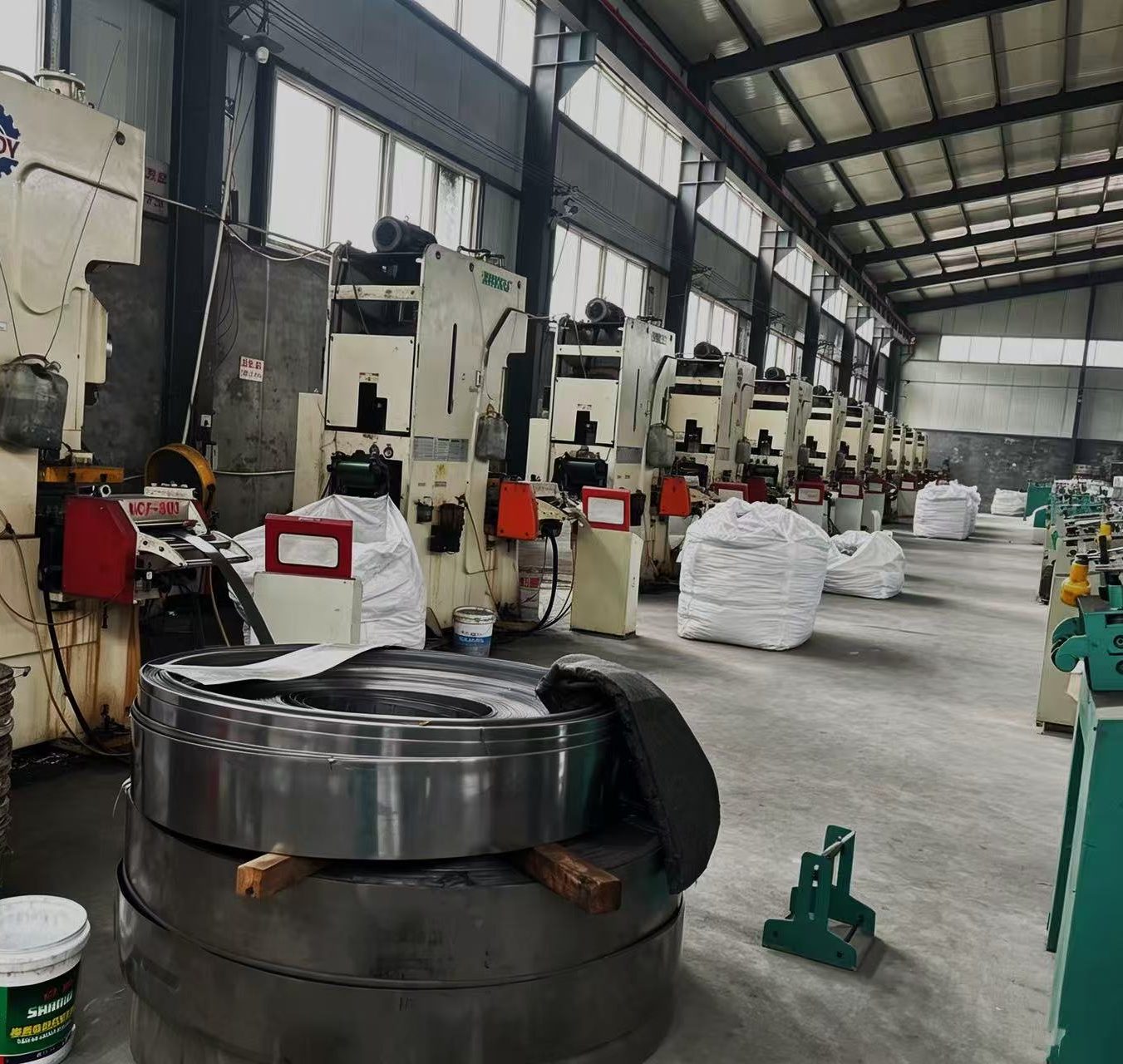
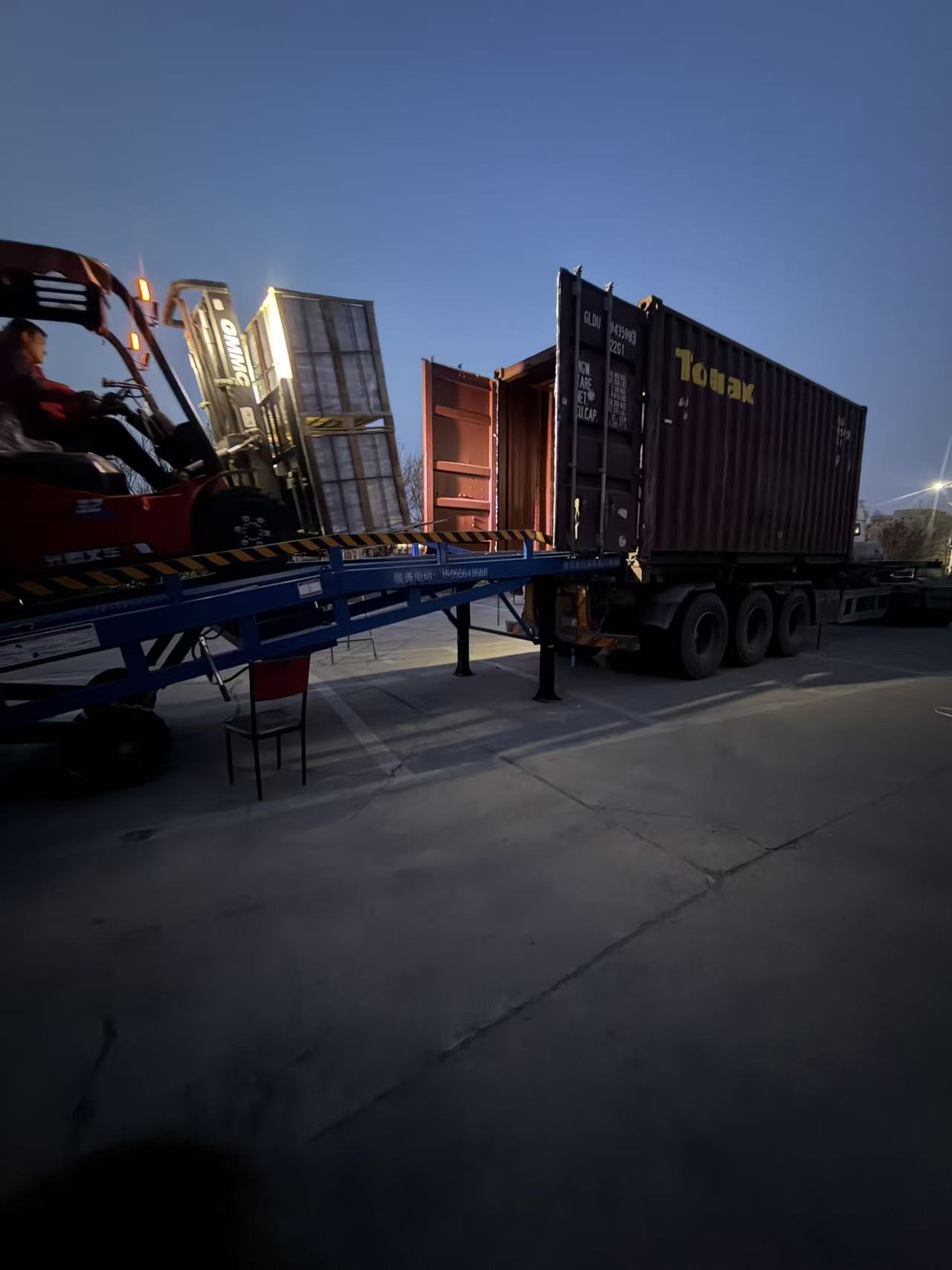
To fully realize the benefits of High Nut technology, sourcing from a reputable manufacturer with deep industry expertise is essential. Located in Handan, Hebei—China’s renowned hub for fastener manufacturing—our company combines over a decade of industry experience with a global trade network, serving clients in more than 26 countries.
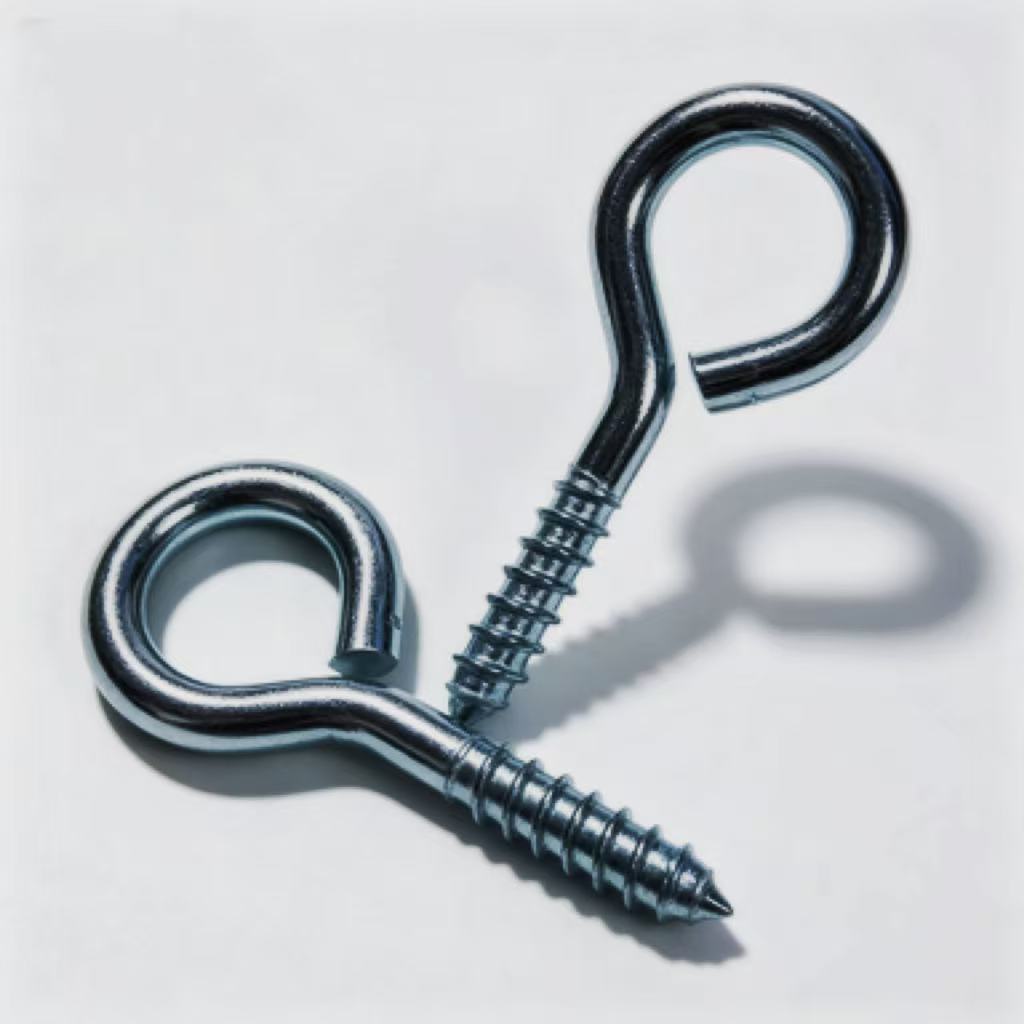
As an integrated industry and trade enterprise, we specialize in the development, manufacturing, and service of high-performance fasteners and hardware tools. Our product range extends beyond standard components to include specialized items such as casing geckos and wooden teeth welded sheep’s eye screws/bolts, catering to diverse and unique engineering needs. We are committed to “quality first, customer first,” investing heavily in scientific research and introducing high-tech talent to refine our production technologies.
Our professional technical team utilizes advanced machinery and perfect testing methods to ensure every product meets rigorous international standards, including GB, DIN, JIS, and ANSI. Whether you require off-the-shelf High Nuts or custom specifications tailored to unique project requirements, we provide competitive pricing without compromising on quality. By adhering to an integrity-based business philosophy, we aim to build long-term partnerships, ensuring that your critical assemblies are secured with the most reliable fastening solutions available.
To proceed, assess your current fastening challenges. If vibration loosening or thread stripping is a recurring issue, consider transitioning to High Nut solutions. Consult with certified suppliers like us to select the appropriate grade and material for your specific needs, ensuring a safer and more efficient operation.