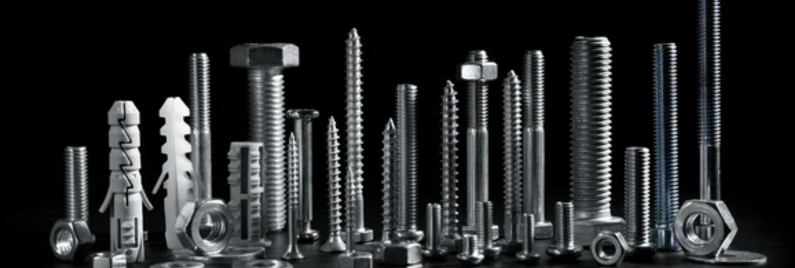
A self-locking nut is a specialized fastener designed to resist loosening under vibration and torque without the need for additional locking devices like washers or thread-locking fluids. These nuts utilize built-in mechanical features, such as nylon inserts, deformed threads, or integrated washers, to create persistent friction against the bolt threads. This guide explores the primary types, working principles, and critical applications of self-locking nuts, providing expert insights for engineers and procurement specialists seeking reliable fastening solutions in dynamic environments.
What Is a Self-Locking Nut and How Does It Work?
The fundamental purpose of a self-locking nut is to maintain clamp load in assemblies subjected to shock, vibration, or thermal cycling. Unlike standard hex nuts that rely solely on preload tension, self-locking variants introduce a secondary locking mechanism directly into the nut geometry. This design prevents rotational back-off, which is a common failure mode in machinery and automotive systems.
The locking action typically occurs through one of two physical principles: friction interference or mechanical deformation. In friction-based models, a non-metallic element or distorted metal thread creates radial pressure against the mating bolt. In mechanical models, flexible sections of the nut deflect upon installation, biting into the thread flanks to prevent reverse rotation. This inherent security eliminates the risk of human error associated with applying liquid adhesives or installing separate lock washers.
Industry professionals favor these components because they offer consistent performance over multiple reuse cycles, depending on the specific type. The reliability of a self-locking nut is quantified by its prevailing torque—the amount of torque required to run the nut down the bolt before it seats. This metric ensures that the fastener remains secure even if the initial preload diminishes slightly over time due to settlement or temperature changes.
The Physics of Prevailing Torque
Understanding prevailing torque is essential for selecting the correct fastener for high-stress applications. This value represents the resistance encountered when rotating the nut along the bolt threads prior to bearing surface contact. A properly engineered self-locking nut maintains a stable prevailing torque curve throughout its service life.
- Static Friction: The initial force required to break the nut loose from a stationary position.
- Dynamic Friction: The resistance maintained while the nut is being tightened or loosened.
- Breakaway Torque: The peak torque needed to initiate movement after the nut has been seated and settled.
If the prevailing torque is too low, the nut may loosen under vibration. Conversely, if it is too high, installation becomes difficult, and there is a risk of thread galling or bolt stretching. Manufacturers carefully calibrate this balance to meet international standards such as ISO and DIN, ensuring compatibility with various bolt grades and materials.
Primary Types of Self-Locking Nuts
The market offers several distinct categories of self-locking nuts, each tailored to specific environmental conditions and load requirements. Selecting the appropriate type depends on factors such as temperature exposure, corrosion risks, and the need for reusability. The following sections detail the most prevalent designs used in modern engineering.
Nylon Insert Lock Nuts (Nyloc)
The Nyloc nut is perhaps the most widely recognized type of self-locking fastener. It features a collar at the top containing a nylon ring insert. As the nut is threaded onto the bolt, the nylon element compresses radially inward, creating significant friction against the male threads. This design provides excellent vibration resistance and is cost-effective for general-purpose applications.
One key limitation of Nyloc nuts is their temperature sensitivity. The nylon insert typically begins to lose its elastic properties above 120°C (250°F), rendering the locking mechanism ineffective in high-heat environments. Additionally, while they can be reused a limited number of times, the nylon tends to wear down after several installation cycles, reducing the prevailing torque. For critical aerospace or automotive engine applications, engineers often specify single-use protocols for these nuts to guarantee safety.
Despite these constraints, Nyloc nuts remain a staple in construction, consumer electronics, and light industrial machinery due to their ease of installation and reliable performance in moderate conditions. They are available in various finishes, including zinc-plated steel and stainless steel, to match corrosion resistance requirements.
All-Metal Lock Nuts
For applications involving high temperatures or aggressive chemical environments, all-metal lock nuts provide a superior alternative. These fasteners do not rely on non-metallic inserts; instead, they utilize geometric distortions in the metal itself to generate locking friction. Common variations include top-lock, center-lock, and bottom-lock configurations, referring to the location of the distorted threads.
The distortion is achieved during manufacturing by squeezing specific sections of the nut, causing the threads to become slightly elliptical or offset. When threaded onto a straight bolt, these deformed sections exert constant radial pressure. Because the entire component is metallic, these nuts can withstand temperatures exceeding 500°C, making them ideal for exhaust systems, turbines, and industrial ovens.
- High Reusability: Many all-metal designs retain their locking ability over dozens of installation cycles.
- Corrosion Resistance: Available in high-grade stainless steels and exotic alloys like Inconel.
- Vibration Performance: Excellent resistance to extreme shock loads found in heavy machinery.
Engineers must note that all-metal nuts generally require higher installation torque compared to nylon-insert types. Proper tool calibration is necessary to ensure the bolt is not overstressed during tightening. Furthermore, care must be taken to avoid cross-threading, as the distorted threads can be less forgiving during initial engagement.
Flange Lock Nuts
A flange lock nut integrates a wide circular flange at the base, which acts as a built-in washer. This design serves two primary functions: it distributes the clamping load over a larger surface area to prevent damage to soft materials, and it increases rotational stability. Many flange nuts also incorporate serrations on the underside of the flange.
These serrations bite into the mating surface upon tightening, creating a mechanical lock that resists rotation. This feature is particularly useful in applications where the bolt head or nut might otherwise spin freely due to smooth surfaces. Flange lock nuts are commonly found in automotive suspension systems, conveyor belts, and agricultural equipment where space constraints make using a separate washer impractical.
The combination of the flange geometry and optional locking elements (such as a nylon patch or distorted threads) makes this a versatile hybrid solution. They simplify assembly by reducing part count, which lowers inventory costs and minimizes the risk of missing components during maintenance procedures.
Comparative Analysis of Locking Mechanisms
To assist in selecting the optimal fastener, the following table compares the key characteristics of the most common self-locking nut types. This overview highlights differences in temperature tolerance, reusability, and typical application scenarios.
| Feature | Nylon Insert (Nyloc) | All-Metal Distorted Thread | Flange with Serrations | Two-Way Lock Nut |
| Locking Principle | Friction via nylon compression | Metal deformation interference | Serrated flange bite + friction | Top and bottom locking zones |
| Max Temp Rating | ~120°C (250°F) | >500°C (932°F) | Depends on base material | Varies by insert type |
| Reusability | Limited (3-5 cycles) | High (10+ cycles) | Moderate (serrations wear) | Moderate to High |
| Corrosion Resistance | Good (depends on plating) | Excellent (alloy dependent) | Good | Good |
| Primary Use Case | General assembly, electronics | Engines, exhausts, high heat | Automotive, structural frames | Critical aerospace, rail |
| Installation Ease | Easy, low torque | Moderate, higher torque | Easy, requires flat surface | Moderate |
This comparison demonstrates that no single solution fits every scenario. While nylon inserts offer convenience for low-temperature assemblies, all-metal options are indispensable for thermal extremes. The choice ultimately hinges on the specific operational parameters of the machinery being assembled.
Specialized Variants for Critical Applications
Beyond the standard categories, specialized industries utilize advanced locking nut designs to meet rigorous safety standards. In the aerospace sector, for instance, two-way lock nuts are frequently employed. These feature locking elements at both the top and bottom of the nut, allowing them to function effectively regardless of orientation or if used as a jam nut.
Another notable variant is the prevailing torque lock nut with a polymer patch. Unlike the full-circle insert of a Nyloc nut, this design applies a localized strip of adhesive-like polymer to the threads. This allows for easier hand-starting while still providing robust locking once engaged. These are often preferred in automated assembly lines where speed and consistency are paramount.
For marine and offshore applications, self-locking nuts made from super-duplex stainless steels or titanium are standard. These materials resist saltwater corrosion while maintaining the mechanical integrity required for structural connections. The locking mechanism in these cases is often an all-metal design to prevent polymer degradation in harsh UV and saline environments.
Step-by-Step Installation Guide
Proper installation is critical to ensuring the effectiveness of any self-locking nut. Even the highest quality fastener will fail if installed incorrectly. The following procedure outlines the best practices for achieving optimal clamp load and locking performance.
Preparation and Inspection
Before beginning assembly, inspect both the bolt threads and the internal threads of the nut. Any debris, rust, or damaged threads can compromise the locking mechanism. Ensure the bolt length is sufficient to allow the nut to fully engage, ideally with the bolt end protruding slightly past the top of the nut for visual verification.
Verify that the nut type matches the application requirements regarding temperature and load. Do not use a nylon insert nut in an area where temperatures will exceed its rating. Similarly, check for any visible signs of previous use if reusability is a concern; worn nylon inserts or flattened serrations indicate the nut should be replaced.
Tightening Procedure
- Hand Tighten First: Always start the nut by hand to ensure proper thread alignment. Forcing a nut with a power tool can cause cross-threading, permanently damaging both components.
- Seat the Nut: Continue threading until the nut bears firmly against the work surface or washer. At this point, the locking mechanism begins to engage.
- Apply Torque: Use a calibrated torque wrench to tighten the nut to the manufacturer’s specified value. Do not overtighten, as this can strip threads or stretch the bolt beyond its yield point.
- Avoid Backing Off: Once tightened, never loosen a self-locking nut to adjust alignment. If adjustment is needed, remove the nut completely and install a new one to preserve the locking integrity.
It is crucial to adhere to the recommended torque specifications provided by the fastener manufacturer. These values account for the additional friction generated by the locking feature. Using standard torque charts for non-locking nuts may result in insufficient clamp load, leading to joint failure.
Post-Installation Verification
After tightening, visually inspect the assembly to confirm the nut is seated correctly. In critical applications, mark the nut and bolt with a torque stripe or paint pen. This visual aid allows maintenance personnel to quickly identify if the nut has rotated or loosened during subsequent inspections. Regular monitoring is especially important in high-vibration environments where fatigue failures can develop over time.
Common Applications Across Industries
The versatility of the self-locking nut has led to its adoption across a vast array of industries. From microscopic electronic assemblies to massive civil engineering structures, these fasteners play a vital role in maintaining structural integrity.
Automotive and Transportation
In the automotive sector, reliability is non-negotiable. Self-locking nuts are extensively used in engine mounts, suspension systems, and wheel assemblies. The constant vibration from road surfaces and engine operation makes standard nuts prone to loosening. Flange nuts with serrations are particularly common here, securing brake calipers and control arms where safety is paramount.
Railway infrastructure also relies heavily on all-metal locking nuts. Trains generate immense vibrational forces and thermal fluctuations. The inability of a single fastener to hold could lead to catastrophic derailments. Consequently, railway standards often mandate the use of high-grade, reusable all-metal lock nuts for track fastening and bogie assembly.
Aerospace and Defense
The aerospace industry demands the highest levels of performance and weight efficiency. Self-locking nuts used in aircraft must withstand extreme altitude pressures, rapid temperature changes, and intense vibration. Titanium and high-strength alloy steel lock nuts are standard, often featuring precise prevailing torque controls to ensure consistent performance across thousands of units.
In defense applications, equipment is subjected to shock loads from explosions and rough terrain handling. Here, the fail-safe nature of self-locking nuts prevents equipment malfunction. The trend is moving towards specialized coatings that provide both locking capability and enhanced corrosion resistance for naval and desert operations.
Industrial Machinery and Robotics
Modern manufacturing robots operate at high speeds with repetitive motion cycles. This continuous movement generates resonant frequencies that can shake loose conventional fasteners. Self-locking nuts secure motor mounts, gearboxes, and end-effectors, ensuring precision is maintained over millions of cycles. In food processing machinery, stainless steel lock nuts are essential to meet hygiene standards while preventing loosening during washdowns.
Advantages and Limitations
While self-locking nuts offer significant benefits, understanding their limitations is equally important for effective engineering design. A balanced view helps in making informed decisions about when to use them versus other locking methods like thread-locking fluids or safety wire.
Key Advantages
- Enhanced Safety: Drastically reduces the risk of fastener loosening, preventing accidental disassembly and potential accidents.
- Assembly Efficiency: Eliminates the need for separate lock washers or the application of liquid adhesives, speeding up production lines.
- Consistency: Provides uniform locking performance across large batches, reducing variability caused by manual application of thread lockers.
- Space Saving: Integrated designs like flange nuts reduce the overall height and footprint of the joint.
Potential Limitations
Despite their advantages, self-locking nuts are not a universal cure-all. The primary limitation of nylon-insert types is their temperature ceiling. In environments exceeding 120°C, the polymer degrades, and the locking effect vanishes. In such cases, switching to an all-metal solution is mandatory.
Another consideration is the cost. Self-locking nuts are generally more expensive than standard hex nuts due to the complex manufacturing processes involved in creating the locking features. For non-critical, static applications where vibration is minimal, this extra cost may not be justified. Additionally, some all-metal designs require higher installation torque, which may necessitate heavier-duty tools and increase worker fatigue during manual assembly.
Reusability is also a nuanced factor. While marketed as reusable, the locking performance degrades with each cycle. Industry best practices often recommend replacing self-locking nuts after a defined number of uses or whenever they are removed from critical safety systems. Ignoring these guidelines can lead to false confidence in the joint’s security.
Frequently Asked Questions (FAQ)
To address common queries regarding the selection and usage of self-locking nuts, the following FAQ section provides concise, expert-backed answers.
Can self-locking nuts be reused?
The reusability depends on the type. Nylon insert nuts generally have a limited reuse life, often recommended for only 3 to 5 cycles before the nylon wears out. All-metal lock nuts typically offer higher reusability, sometimes enduring 10 or more cycles, provided the threads are not damaged. However, for critical safety applications, it is standard practice to replace any self-locking nut upon removal to ensure maximum reliability.
What is the difference between a lock nut and a regular nut?
A regular nut relies entirely on the friction between the threads and the preload tension to stay in place. It lacks any inherent mechanism to resist rotation once the tension relaxes. A lock nut incorporates a specific design feature—such as a nylon ring, distorted threads, or serrated flange—that creates additional friction or mechanical interference, actively resisting loosening even under vibration.
Do I still need a washer with a self-locking nut?
In many cases, no. Flange lock nuts have a built-in wide base that acts as a washer. However, if using a standard hex-style lock nut on a soft material or a slotted hole, adding a separate hardened washer is advisable to distribute the load and prevent surface damage. Always consult the specific engineering drawings or manufacturer guidelines for the assembly in question.
How do I know if a self-locking nut is failing?
Signs of failure include visible wear on the nylon insert, stripped threads, or a noticeable lack of resistance when threading the nut by hand. If the nut spins freely without generating prevailing torque before seating, the locking mechanism is compromised. In service, loosening is often detected by misaligned torque marks or audible rattling in vibrating assemblies.
Are self-locking nuts suitable for high-temperature applications?
Only specific types are suitable. Nylon insert nuts should never be used above 120°C. For high-temperature environments, such as engine exhausts or industrial furnaces, all-metal lock nuts made from heat-resistant alloys are required. These maintain their locking properties at temperatures exceeding 500°C.
Expert Insights on Future Trends
The evolution of self-locking technology continues to drive improvements in fastener reliability. Current research focuses on developing advanced polymer composites that can withstand higher temperatures while retaining the ease of installation associated with nylon inserts. Nanotechnology coatings are also emerging, offering enhanced friction coefficients without altering the nut’s geometry.
Furthermore, the integration of smart fasteners is gaining traction in Industry 4.0. These “smart” self-locking nuts embed sensors capable of monitoring clamp load and detecting loosening in real-time. While currently niche due to cost, this technology promises to revolutionize predictive maintenance in aerospace and heavy infrastructure, shifting from scheduled replacements to condition-based interventions.
Sustainability is another driving force. Manufacturers are increasingly exploring eco-friendly plating processes to replace traditional hexavalent chrome treatments, reducing environmental impact without compromising corrosion resistance. The push for lighter vehicles in the EV sector is also spurring demand for high-strength, lightweight alloy lock nuts that maintain performance while reducing overall vehicle mass.
Conclusion and Selection Recommendations
The self-locking nut stands as a cornerstone of modern mechanical assembly, providing essential security against the pervasive threats of vibration and dynamic loading. By understanding the distinct differences between nylon-insert, all-metal, and flange varieties, engineers and technicians can select the precise component needed for their specific operational environment.
For general-purpose applications with moderate temperatures, nylon insert nuts offer an economical and efficient solution. In contrast, high-heat or highly corrosive environments demand the robustness of all-metal designs. Those seeking to streamline assembly and reduce part counts will find flange lock nuts to be an invaluable asset. Regardless of the type chosen, adherence to proper installation torque and replacement protocols is vital to maintaining system integrity.
Who should use these products? This guide is essential for automotive engineers, maintenance managers, industrial designers, and procurement specialists responsible for equipment reliability. If your application involves moving parts, exposure to vibration, or safety-critical joints, transitioning to or optimizing your use of self-locking nuts is a strategic imperative.
To ensure the highest level of performance, always source your fasteners from reputable suppliers who adhere to strict quality control standards. Evaluate your specific temperature, load, and reuse requirements before finalizing your selection. Taking these informed steps today will prevent costly downtime and safety incidents tomorrow, securing the longevity and reliability of your mechanical systems.
Partnering for Quality: Our Commitment to Global Standards
Selecting the right fastener is only half the battle; sourcing it from a manufacturer with proven expertise and rigorous quality control is equally critical. As a global industry and trade combination company based in Handan, Hebei—China’s premier hub for fastener manufacturing—we specialize in the development, production, and distribution of high-performance fasteners and hardware tools. With over a decade of industry experience, our products serve clients in more than 26 countries worldwide.
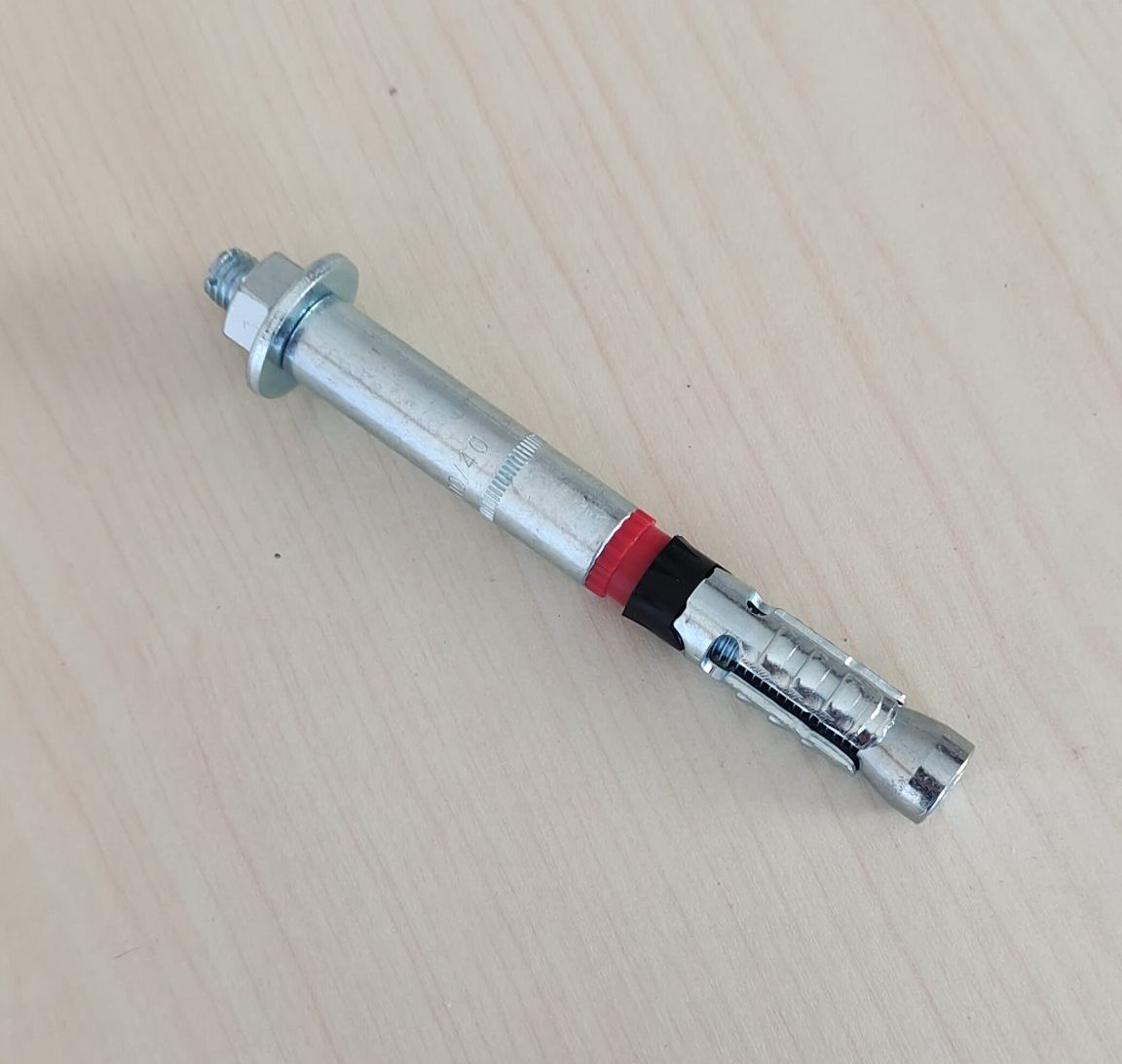
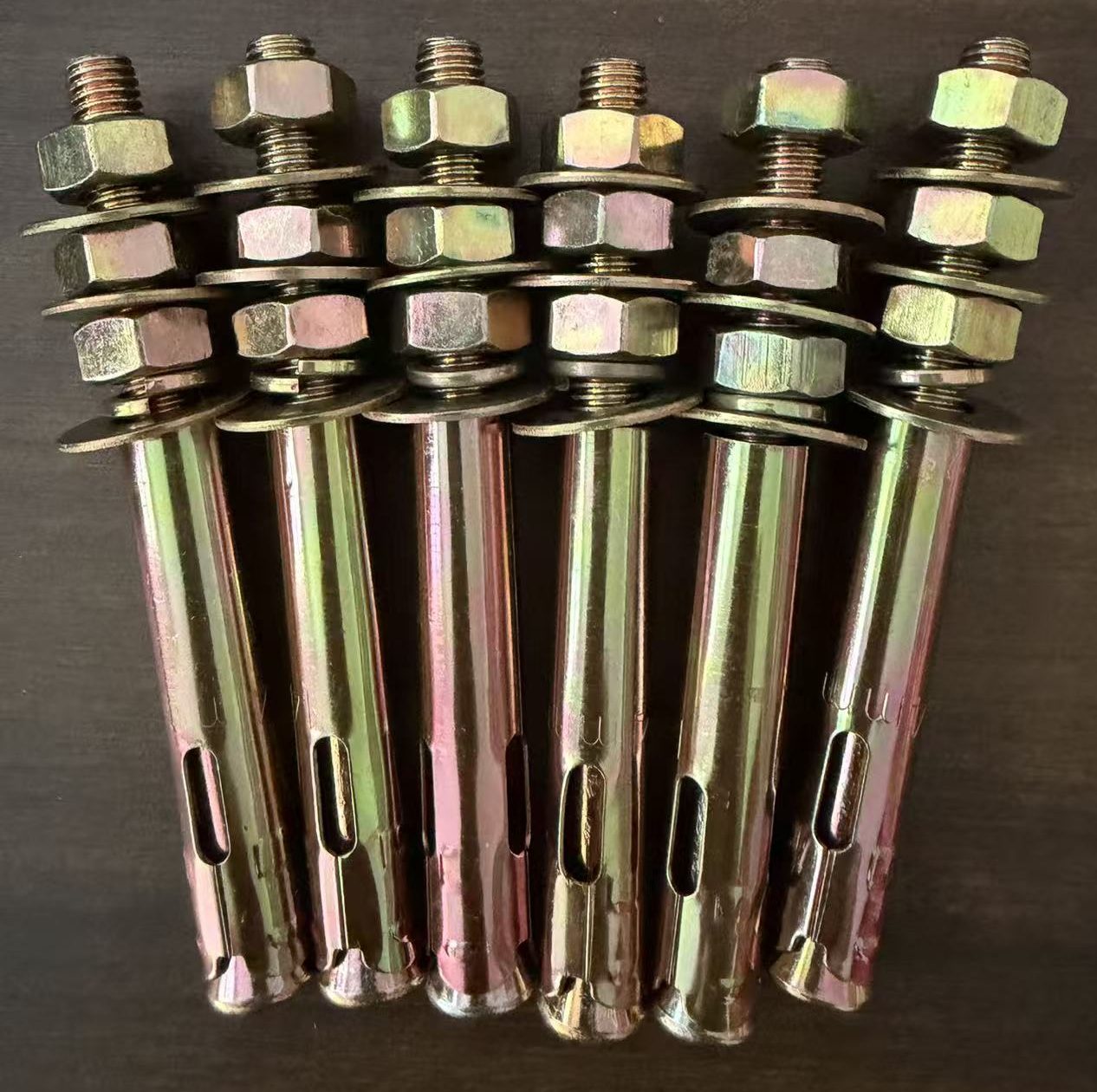
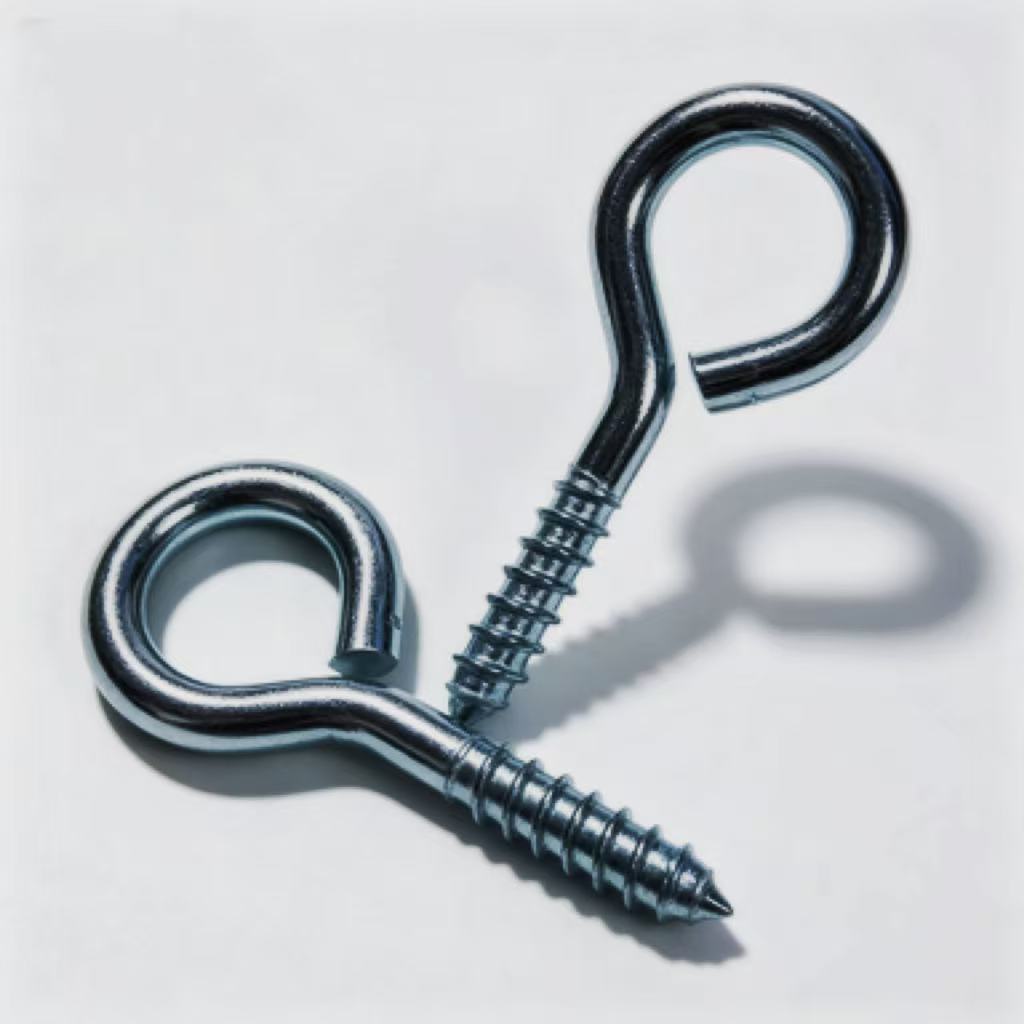
Our portfolio extends beyond standard self-locking nuts to include specialized components such as casing geckos, wooden teeth welded sheep’s eye screws/bolts, and custom-engineered solutions tailored to unique project needs. We are deeply committed to innovation, continuously investing in scientific research and recruiting high-tech talent to refine our production technologies. This dedication allows us to manufacture products that strictly comply with international standards, including GB, DIN, JIS, and ANSI, ensuring seamless compatibility with global engineering requirements.
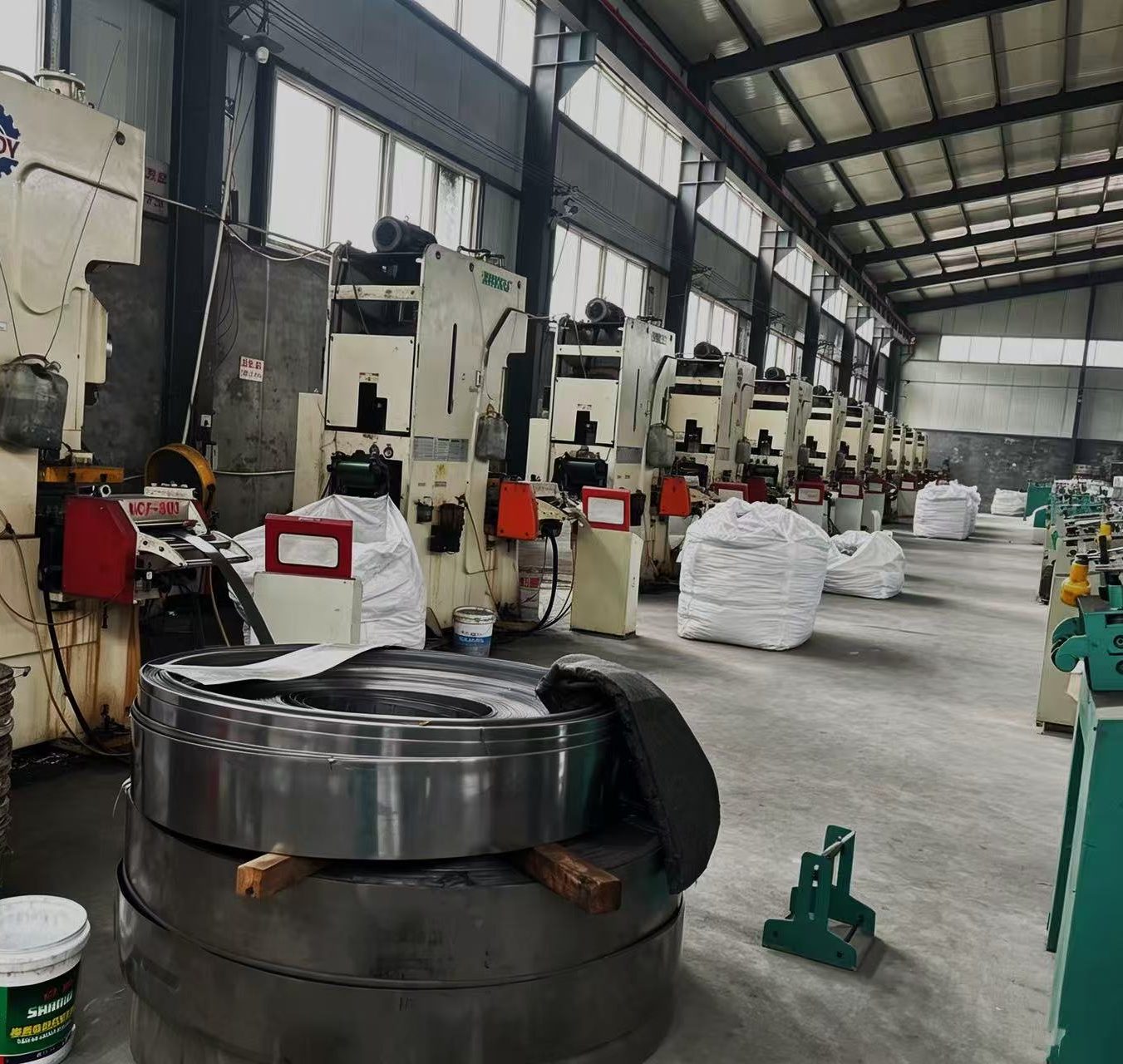
Equipped with advanced machinery and a professional technical team, we prioritize “quality first, customer first” in every interaction. Whether you require standard off-the-shelf items or custom specifications regarding size, material, and quantity, our flexible manufacturing capabilities allow us to adapt to your specific demands. We employ perfect testing methods to verify every batch, guaranteeing that the self-locking nuts and other fasteners you receive deliver the consistent prevailing torque and durability discussed in this guide. By choosing a partner dedicated to integrity and excellence, you secure not just a product, but a reliable foundation for your most critical assemblies.