Partnering with a reliable industrial fasteners supplier China offers manufacturers direct access to cost-effective, high-precision components without intermediary markups. By sourcing directly from certified factories, businesses secure ISO-compliant bolts, nuts, screws, and specialized anchors at competitive wholesale rates. This guide details how to verify supplier credibility, navigate quality standards like DIN and ASTM, and optimize your supply chain for maximum efficiency in 2026.
Why Source Industrial Fasteners Directly from Chinese Factories?
The global manufacturing landscape has shifted significantly. In 2026, procurement managers are no longer just looking for the lowest price; they are seeking value stability, supply chain resilience, and technical compliance. Sourcing industrial fasteners directly from a Chinese factory addresses these core needs by eliminating trading company margins and providing transparent production visibility.
Cost Efficiency Without Compromising Quality
Direct factory engagement removes the layers of intermediaries that typically inflate costs by 15% to 30%. When you work with a manufacturer rather than a trader, you pay for the material, labor, and overhead, plus a reasonable profit margin. This structure allows for better budget allocation towards higher-grade materials, such as switching from standard carbon steel to stainless steel 316 or alloy steel when project specifications demand it.
Furthermore, direct communication enables real-time negotiation on tooling costs for custom parts. For large-scale infrastructure or automotive projects, this transparency translates into significant savings over the lifecycle of the contract.
Access to Advanced Manufacturing Capabilities
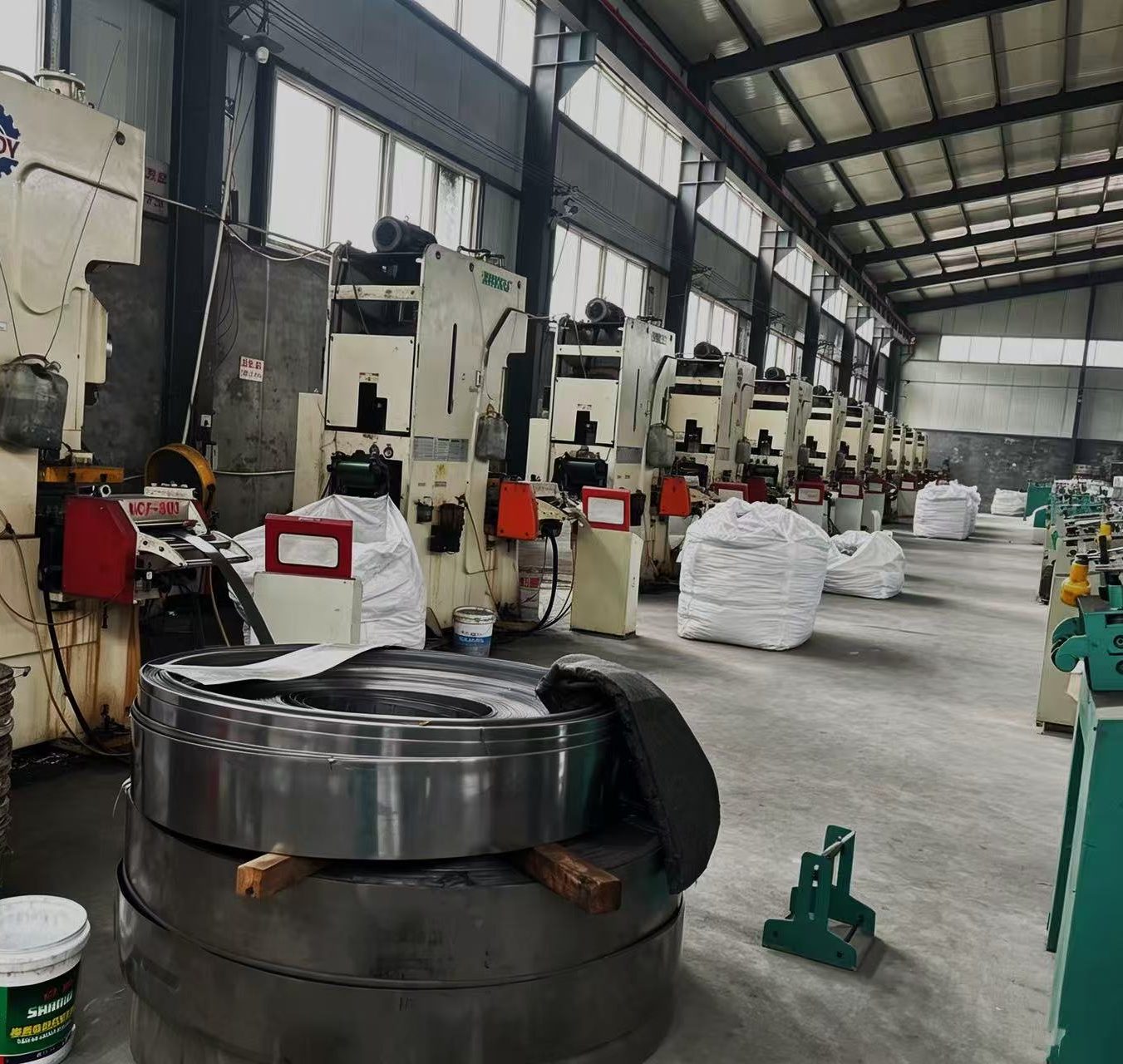
Modern Chinese fastener manufacturers have invested heavily in automation and precision engineering. It is common to find facilities equipped with:
- Multi-station Cold Forming Machines: For high-volume production of standard hex bolts and screws with tight tolerances.
- CNC Machining Centers: For complex, non-standard fasteners requiring intricate geometries.
- Automated Heat Treatment Lines: Ensuring consistent hardness and tensile strength across batches.
- Surface Treatment Plants: Including zinc plating, hot-dip galvanizing, and Dacromet coating facilities on-site.
This vertical integration means that quality control is managed internally at every stage, from wire drawing to final packaging, reducing the risk of external processing errors.
Scalability and Lead Time Optimization
A direct supplier relationship allows for better production planning. Factories can prioritize your orders based on agreed-upon schedules, offering more reliable lead times compared to traders who must coordinate with multiple unknown sub-suppliers. In 2026, where just-in-time manufacturing is critical, the ability to scale production up or down based on real-time demand is a decisive competitive advantage.
Key Types of Industrial Fasteners Available
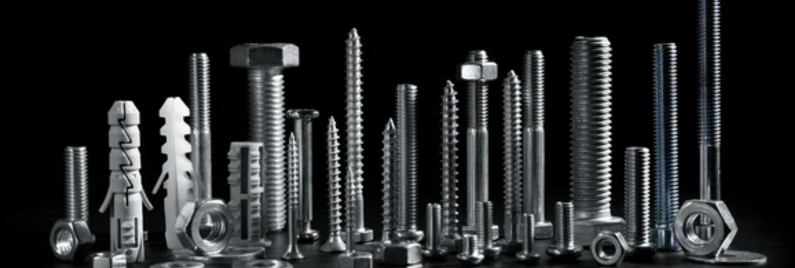
Understanding the specific product categories offered by an industrial fasteners supplier China helps in refining your search intent and technical requirements. The market is vast, covering everything from general construction to aerospace-grade applications.
Standard Bolts and Screws
These are the backbone of industrial assembly. Common types include:
- Hex Head Bolts: Available in DIN 933, ISO 4017, and ASTM A307 standards. Used widely in structural steel connections.
- Sockets Head Cap Screws: Precision-engineered for machinery where space is limited and high torque is required.
- Self-Tapping Screws: Essential for sheet metal and wood applications, featuring sharp threads that cut their own mating thread.
Nuts and Washers
Fastening systems are incomplete without proper securing elements. Suppliers typically offer:
- Hex Nuts: Standard DIN 934 and heavy hex nuts for high-load applications.
- Lock Nuts: Including nylon insert lock nuts and all-metal lock nuts to prevent loosening due to vibration.
- Flat and Spring Washers: Critical for distributing load and maintaining tension in dynamic environments.
Specialized and Custom Fasteners
For unique engineering challenges, direct factories provide customization services. This includes:
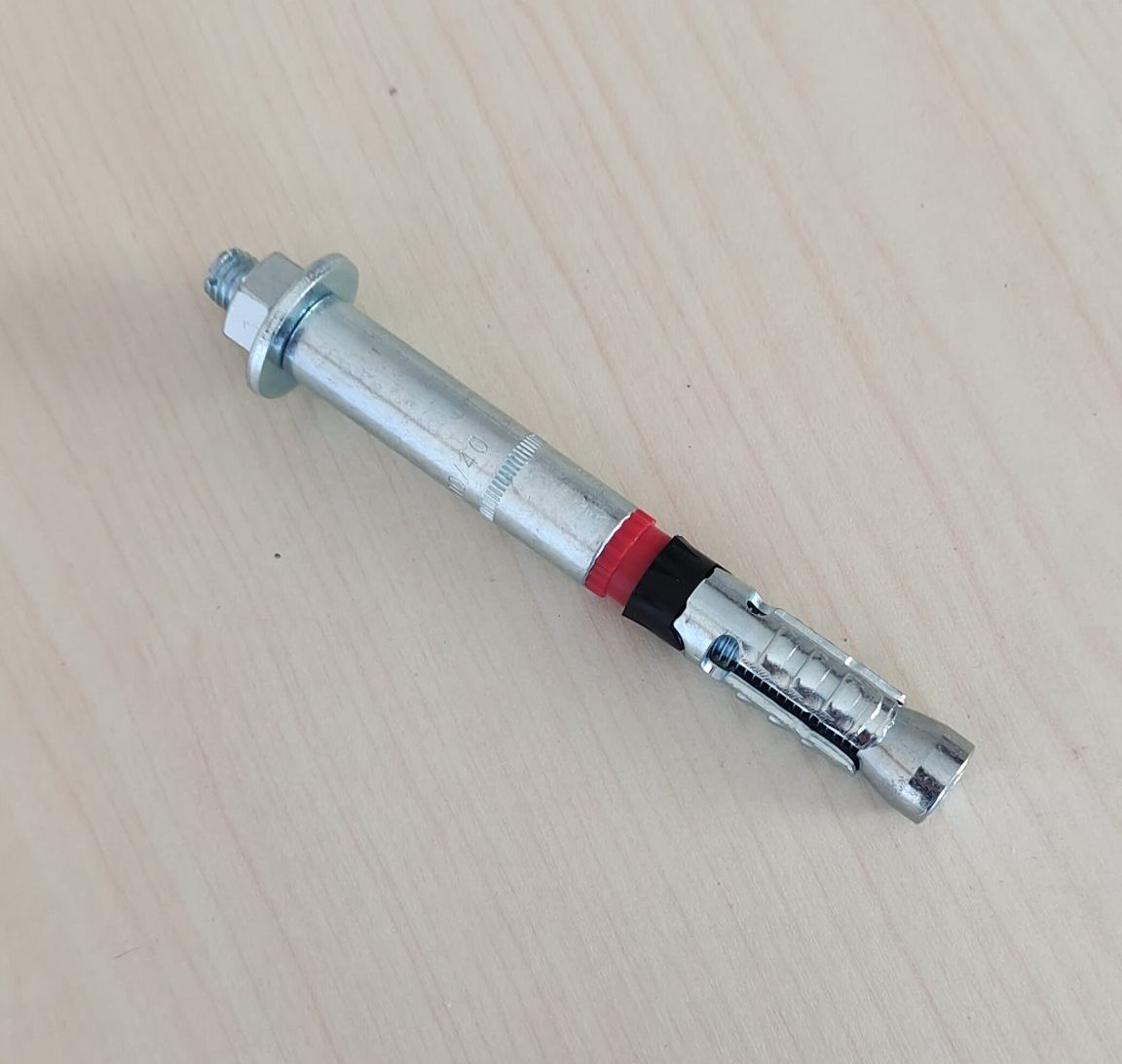
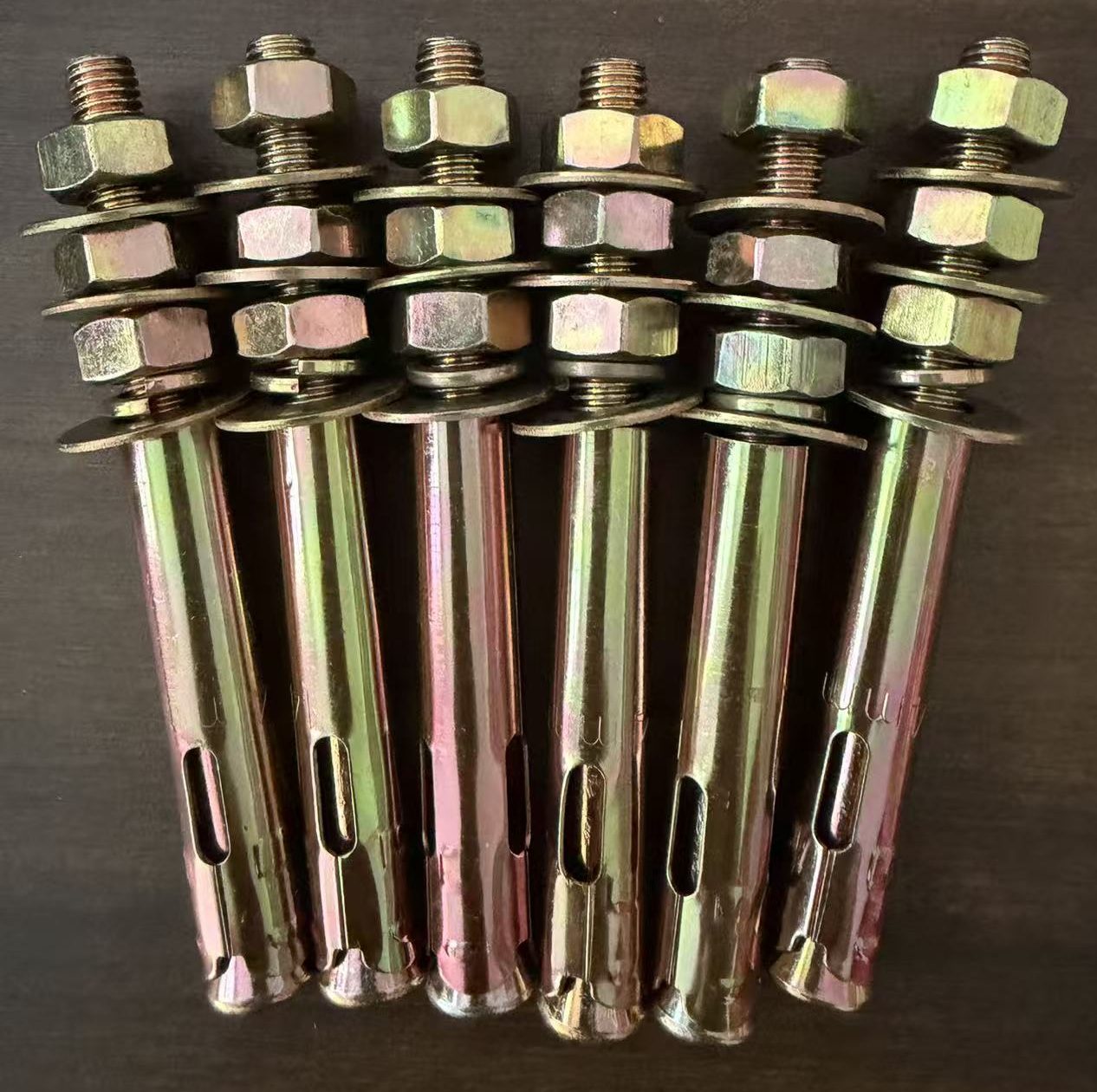
- Anchor Bolts: For concrete fixation in construction.
- Rivets: Blind rivets and solid rivets for permanent joints.
- Threaded Rods: Used in HVAC suspension and structural support.
Customization extends to materials, coatings, and thread profiles, allowing engineers to solve specific corrosion or strength issues.
Quality Standards and Certifications to Verify
When evaluating an industrial fasteners supplier China, technical compliance is non-negotiable. The absence of proper certifications can lead to catastrophic failures in end-products. In 2026, buyers must verify that suppliers adhere to international standards.
International Standard Compliance
Reputable manufacturers produce fasteners according to globally recognized specifications. Key standards include:
| Standard Body | Common Specifications | Application Context |
| DIN (German) | DIN 933, DIN 934, DIN 125 | European machinery and automotive sectors. |
| ISO (International) | ISO 4014, ISO 4032 | Global trade standard, widely accepted in all markets. |
| ASTM/ASME (American) | A325, A490, B8, B16 | Structural construction and high-pressure piping in the US. |
| JIS (Japanese) | JIS B 1180 | Electronics and precision machinery exports to Japan. |
Ensure the supplier can provide Mill Test Certificates (MTC) that trace the chemical composition and mechanical properties of each batch back to the raw material source.
Essential Factory Certifications
Beyond product standards, the manufacturing facility itself must hold specific certifications:
- ISO 9001:2015: Demonstrates a robust Quality Management System (QMS). It ensures consistent processes and continuous improvement.
- IATF 16949: Critical if you are supplying the automotive industry. This standard specifies requirements for quality management in automotive production.
- ISO 14001: Indicates environmental management compliance, increasingly important for ESG-conscious buyers in Europe and North America.
Material Traceability and Testing
Trustworthiness is built on data. A credible supplier will perform regular in-house testing, including:
- Tensile Strength Testing: To verify the fastener can withstand required loads without breaking.
- Hardness Testing: Rockwell or Vickers tests to ensure proper heat treatment.
- Salt Spray Testing: To validate corrosion resistance of coated fasteners (e.g., 72 hours for zinc plating).
- Dimensional Inspection: Using CMM (Coordinate Measuring Machine) to ensure thread pitch and head dimensions meet tolerances.
Request sample test reports before placing bulk orders to verify their testing capabilities.
How to Choose the Right Industrial Fasteners Supplier in China
Selecting the right partner involves more than comparing quotes. It requires a strategic assessment of capability, communication, and reliability. Here is a step-by-step approach to vetting potential suppliers.
Step 1: Define Your Technical Requirements Clearly
Ambiguity leads to errors. Before contacting suppliers, prepare a detailed Request for Quotation (RFQ) that includes:
- Exact drawings or standard references (e.g., “M12 x 50mm Hex Bolt, DIN 933, Class 8.8”).
- Material grade (e.g., Carbon Steel 10B21, Stainless Steel 304).
- Surface treatment specifications (e.g., Zinc Plated, Black Oxide).
- Packaging requirements (e.g., Bulk boxes, blister packs).
- Annual volume estimates.
Step 2: Verify Manufacturing vs. Trading Status
Many entities online claim to be factories but are actually trading companies. To distinguish them:
- Request a Virtual Factory Tour: Live video calls allow you to see production lines, inventory, and quality control labs in real-time.
- Check Business License Scope: Look for terms like “manufacturing,” “production,” or “processing” rather than just “trading” or “sales.”
- Ask Technical Questions: Factories can answer specific questions about heat treatment temperatures or thread rolling processes immediately. Traders often need to “check with the factory,” causing delays.
Step 3: Evaluate Communication and Responsiveness
Effective communication is vital for cross-border trade. Assess their responsiveness during the inquiry phase. Do they ask clarifying questions? Do they provide detailed technical feedback? A supplier that proactively identifies potential issues in your design demonstrates engineering expertise and commitment to quality.
Step 4: Request Samples and Conduct Pilot Orders
Never skip the sampling phase. Order a small batch to evaluate:
- Product quality and consistency.
- Packaging durability during shipping.
- Documentation accuracy (invoices, packing lists, certificates).
- Lead time adherence.
A successful pilot order builds the trust necessary for larger contracts.
Spotlight: Integrating Industry and Trade for Superior Solutions
Finding a partner that seamlessly blends manufacturing prowess with global trade expertise can significantly streamline your supply chain. A prime example of this hybrid model is found in Handan, Hebei—a city renowned as a hub for fastener manufacturing in China.
Companies operating in this region, such as established industry leaders with over a decade of experience, exemplify the benefits of an “industry and trade combination.” These organizations do not merely act as middlemen; they are deeply involved in the development, manufacturing, and service of hardware tools and fasteners. By controlling the production process while maintaining a strong international trade framework, they offer distinct advantages:
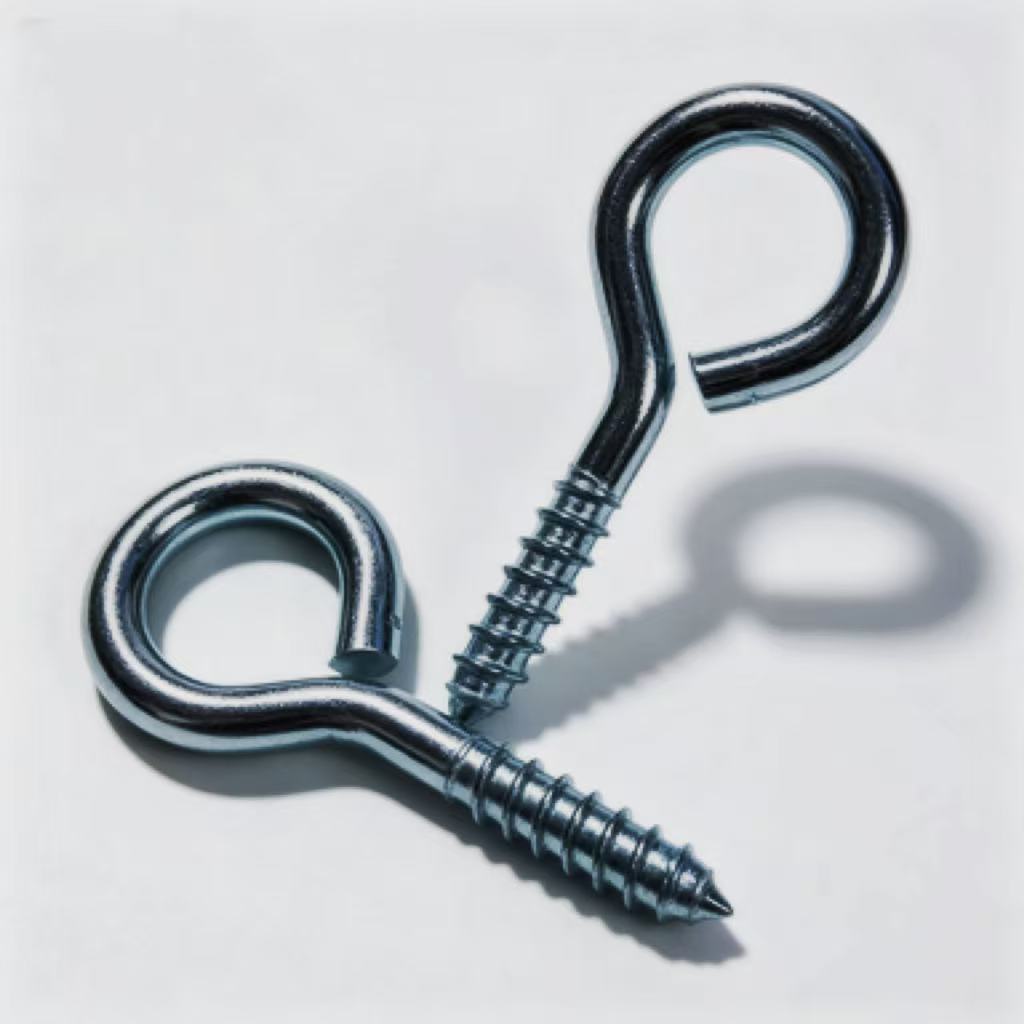
- Diverse Product Specialization: Beyond standard bolts, specialized manufacturers excel in producing unique items like casing geckos, wooden teeth, and welded sheep’s eye screws/bolts, catering to niche construction and industrial needs.
- Global Reach with Local Expertise: With products exported to over 26 countries, these suppliers understand international logistics and compliance, ensuring smooth transactions from Handan to your doorstep.
- R&D and Innovation: Adhering to an integrity-based philosophy, leading factories invest heavily in scientific research and high-tech talent. This commitment allows them to introduce advanced production technologies and rigorous testing methods, ensuring products meet GB, DIN, JIS, ANSI, and other global standards.
- Customization and Flexibility: Leveraging professional technical teams and advanced machinery, these suppliers can customize special specifications regarding quality and quantity according to specific customer needs, adhering to a “quality first, customer first” principle.
Choosing a supplier with this dual capability ensures you receive not just a product, but a comprehensive service solution backed by technical expertise and competitive pricing.
Material Selection Guide for Industrial Applications
Choosing the correct material is crucial for the performance and longevity of the fastener. An experienced industrial fasteners supplier China will guide you based on the operating environment.
Uamea Carbon
Carbon steel is the most common material due to its high strength and low cost. It is typically classified by grade:
- Grade 4.8: Low carbon steel, suitable for general, low-stress applications.
- Grade 8.8: Medium carbon steel, quenched and tempered. The standard for structural bolts and machinery.
- Grade 10.9 and 12.9: Alloy steel, high strength. Used in high-stress applications like automotive engines and heavy machinery. Requires careful handling to avoid hydrogen embrittlement.
Uamea uamea
For environments prone to corrosion, stainless steel is the preferred choice:
- A2 (304): Good corrosion resistance for general outdoor use. Non-magnetic.
- A4 (316): Superior corrosion resistance, especially against chlorides (saltwater). Ideal for marine and chemical processing industries.
Note that stainless steel has lower tensile strength compared to hardened carbon steel, so size adjustments may be necessary for high-load applications.
Alloy Steel and Exotic Materials
For extreme conditions, specialized materials are available:
- B7 Alloy Steel: Used in high-temperature and high-pressure applications, such as oil and gas flanges.
- Titanium: High strength-to-weight ratio and excellent corrosion resistance. Used in aerospace and medical devices.
- Inconel: Nickel-chromium alloy for extreme heat and corrosive environments.
Surface Treatments and Corrosion Protection
Surface treatment not only enhances appearance but also protects the base material from environmental degradation. Understanding these options helps in specifying the right finish for your application.
| Treatment Type | Characteristics | Typical Application |
| Zinc Plating (Electro) | Thin coating, bright finish. Moderate corrosion resistance. | Indoor machinery, electronics. |
| Hot-Dip Galvanizing | Thick zinc layer, rough texture. Excellent corrosion resistance. | Outdoor structures, power transmission towers. |
| Black Oxide | Minimal dimensional change, mild corrosion resistance. Aesthetic matte black. | Tools, firearms, internal machine parts. |
| Dacromet/Geomet | Zinc-flake coating. High corrosion resistance, no hydrogen embrittlement. | Automotive, high-strength bolts (Class 10.9+). |
| Mechanical Zinc Plating | Thicker than electroplating, no hydrogen embrittlement risk. | High-strength structural fasteners. |
Always specify the required salt spray test hours (e.g., 48h, 72h, 500h) to ensure the treatment meets your durability expectations.
Common Mistakes When Importing Fasteners from China
Even experienced buyers can encounter pitfalls. Avoiding these common errors ensures a smoother procurement process.
1. Ignoring Thread Tolerance Classes
Not all threads are created equal. Standard metric threads usually follow tolerance class 6g for bolts and 6H for nuts. Mixing incompatible tolerances can lead to assembly issues. Always specify the tolerance class in your drawings if it deviates from the standard.
2. Overlooking Hydrogen Embrittlement
High-strength bolts (Class 10.9 and above) are susceptible to hydrogen embrittlement during electroplating. If not properly baked after plating, they can fail catastrophically under stress. Ensure your supplier uses mechanical plating or Dacromet for high-strength applications, or verifies proper baking procedures for electroplating.
3. Vague Packaging Instructions
Fasteners are heavy and prone to rust if exposed to moisture during sea freight. Failing to specify rust-preventive oil, vapor-corrosion-inhibitor (VCI) bags, or sturdy palletizing can result in damaged goods upon arrival. Clearly define packaging standards in your contract.
4. Focusing Solely on Unit Price
The cheapest quote often reflects inferior material quality or skipped quality control steps. A slightly higher price from a certified supplier often results in lower total cost of ownership due to reduced rejection rates and fewer field failures.
Logistics and Supply Chain Considerations in 2026
Global logistics have evolved. Efficient supply chain management is key to maintaining production schedules.
Incoterms and Responsibility
Understand the Incoterms used in your contract:
- EXW (Ex Works): You handle all transportation from the factory door. Maximum control, maximum effort.
- FOB (Free on Board): The supplier handles transport to the port and customs clearance. You handle ocean freight and destination logistics. Most common for experienced importers.
- DDP (Delivered Duty Paid): The supplier delivers to your doorstep, handling all customs and duties. Simplifies logistics but may include higher hidden costs.
Consolidation Strategies
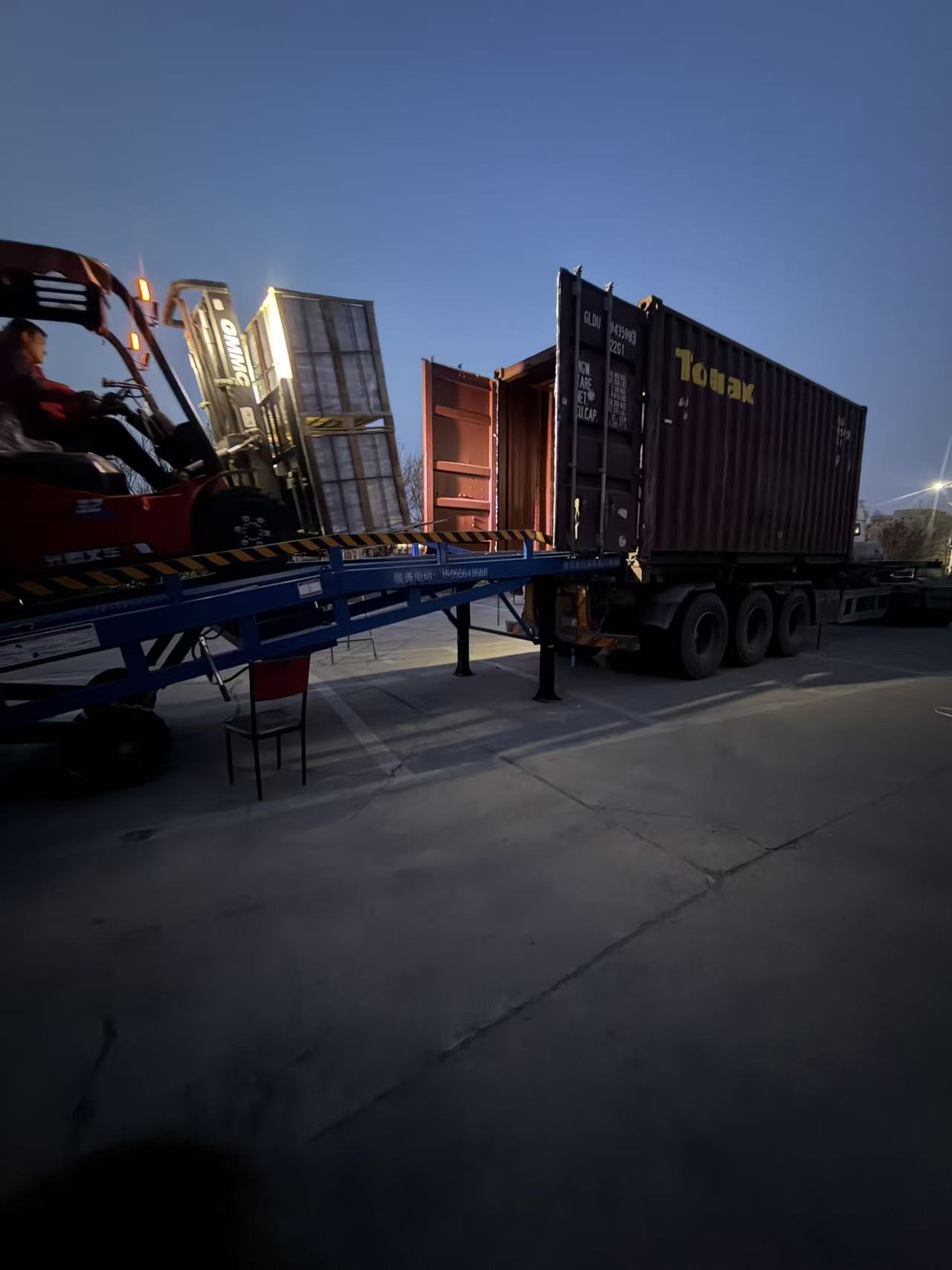
If you source different types of fasteners or other hardware, consider consolidation services. Combining multiple orders into one container reduces shipping costs per unit and simplifies customs clearance.
Digital Tracking and Transparency
Modern suppliers offer digital tracking for production status. Utilize these tools to monitor progress from raw material intake to final inspection. This visibility allows for proactive adjustment of your inventory levels.
FAQ: Sourcing from an Industrial Fasteners Supplier China
What is the typical MOQ for custom fasteners?
Minimum Order Quantities (MOQ) vary by complexity. For standard items, MOQs can be as low as 1,000 pieces. For custom-made fasteners requiring new tooling, MOQs typically range from 5,000 to 10,000 pieces to amortize the tooling cost. However, many suppliers offer flexible MOQs for trial orders.
How long does production take?
Standard items usually have a lead time of 7-15 days. Custom fasteners require 20-30 days, depending on tooling fabrication and surface treatment schedules. Always confirm lead times in writing before placing the order.
Can Chinese suppliers meet ASTM and ASME standards?
Yes, reputable manufacturers are well-versed in ASTM and ASME standards. They can provide material certifications and test reports compliant with these American standards. Ensure you explicitly state the required standard in your purchase order.
How do I handle quality disputes?
A clear quality agreement should be part of your contract. Specify acceptance criteria, inspection methods (e.g., AQL levels), and remedies for non-conforming goods. Third-party inspection services can be hired for pre-shipment inspections to mitigate risks.
Is it safe to pay via T/T or Letter of Credit?
Telegraphic Transfer (T/T) is the most common payment method, typically with a 30% deposit and 70% balance before shipment. For large orders, Letters of Credit (L/C) offer additional security for both parties. Avoid Western Union or unofficial payment channels for business transactions.
Conclusion: Building a Sustainable Supply Partnership
Sourcing from an industrial fasteners supplier China is a strategic decision that impacts your product quality, cost structure, and market competitiveness. By focusing on direct factory relationships, verifying technical certifications, and maintaining clear communication, you can secure a reliable supply of high-quality fasteners.
In 2026, the key to success lies in partnership rather than transactional buying. Look for suppliers who demonstrate engineering expertise, transparency in production, and a commitment to continuous improvement. This approach not only reduces costs but also enhances the reliability of your supply chain.
Who Should Consider Direct Sourcing?
- OEM Manufacturers: Seeking consistent quality for assembly lines.
- Construction Firms: Needing large volumes of structural bolts with certified traceability.
- Distributors: Looking to improve margins by cutting out intermediaries.
- Engineering Projects: Requiring custom solutions for unique mechanical challenges.
Ready to optimize your fastener supply chain? Verify your technical specifications and reach out to a certified manufacturer today to request a detailed quote and sample kit.
→ Explore our full range of industrial fasteners and request a custom quotation