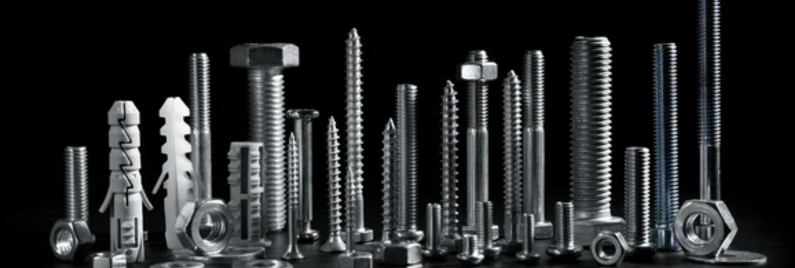
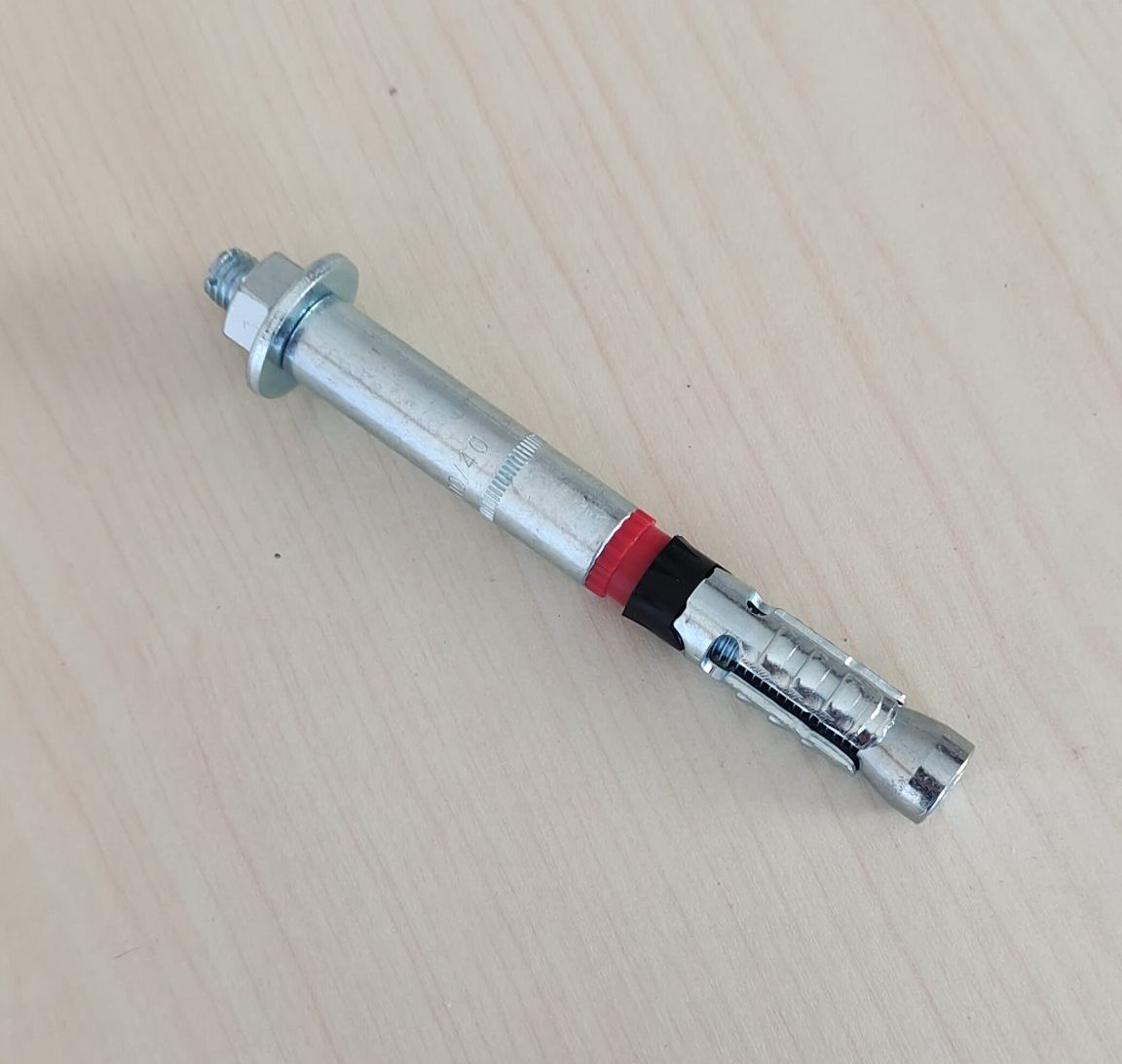
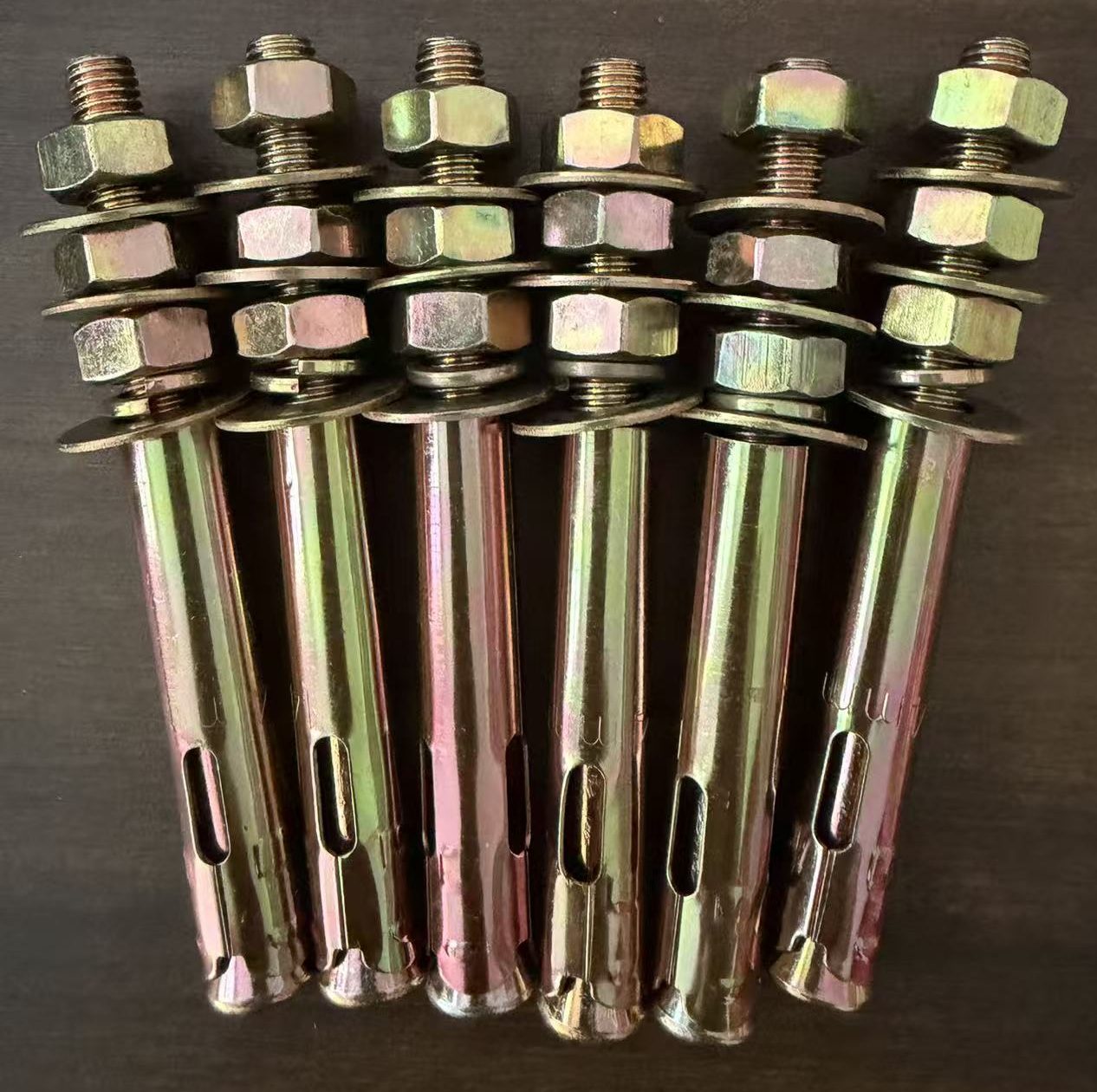
High strength carbon steel bolts are critical fasteners engineered to withstand extreme tensile and shear loads in demanding industrial applications. Manufactured from medium to high-carbon alloys and heat-treated for superior durability, these bolts offer a cost-effective solution compared to alloy steel while maintaining rigorous performance standards. This guide details their specifications, manufacturing processes, and direct factory pricing trends for 2026, helping engineers and procurement specialists make informed sourcing decisions.
What Are High Strength Carbon Steel Bolts?
High strength carbon steel bolts are fasteners produced from carbon steel with a carbon content typically ranging between 0.30% and 0.50%. Unlike standard low-carbon bolts, these undergo specific thermal treatments to achieve elevated mechanical properties. The primary goal is to enhance yield strength and tensile strength without compromising too much on ductility.
Carbon steel serves as the base material due to its excellent balance of cost and performance. When properly heat-treated, it can reach strength grades comparable to some alloy steels but at a significantly lower production cost. This makes them ideal for large-scale infrastructure projects where budget constraints meet high safety requirements.
The term “high strength” generally refers to bolts meeting specific international standards such as ASTM A325, ISO 898-1 Class 8.8, 10.9, or 12.9. These classifications dictate the minimum tensile and yield strengths the bolt must possess. Understanding these grades is essential for selecting the right fastener for your specific load-bearing needs.
Key Material Composition
The chemical composition of high strength carbon steel is carefully controlled during the melting process. While iron remains the dominant element, the precise amount of carbon determines the hardenability of the steel.
- Carbon (C): Typically 0.30%–0.50%, providing the foundation for hardness and strength after quenching and tempering.
- Manganese (Mn): Added to improve hardenability and tensile strength, usually ranging from 0.60% to 1.65%.
- Silicon (Si): Acts as a deoxidizer and strengthens the ferrite phase, often present up to 0.35%.
- Sulfur and Phosphorus: Kept to minimal levels (often below 0.04%) to prevent brittleness and ensure toughness.
Trace elements may be added depending on the specific mill requirements, but the core philosophy remains maximizing strength through carbon content and thermal processing rather than expensive alloying elements like chromium or molybdenum.
Manufacturing Process and Heat Treatment
The production of high strength carbon steel bolts involves a sophisticated sequence of cold forming, machining, and thermal processing. The quality of the final product depends heavily on the precision of each step, particularly the heat treatment phase which defines the mechanical properties.
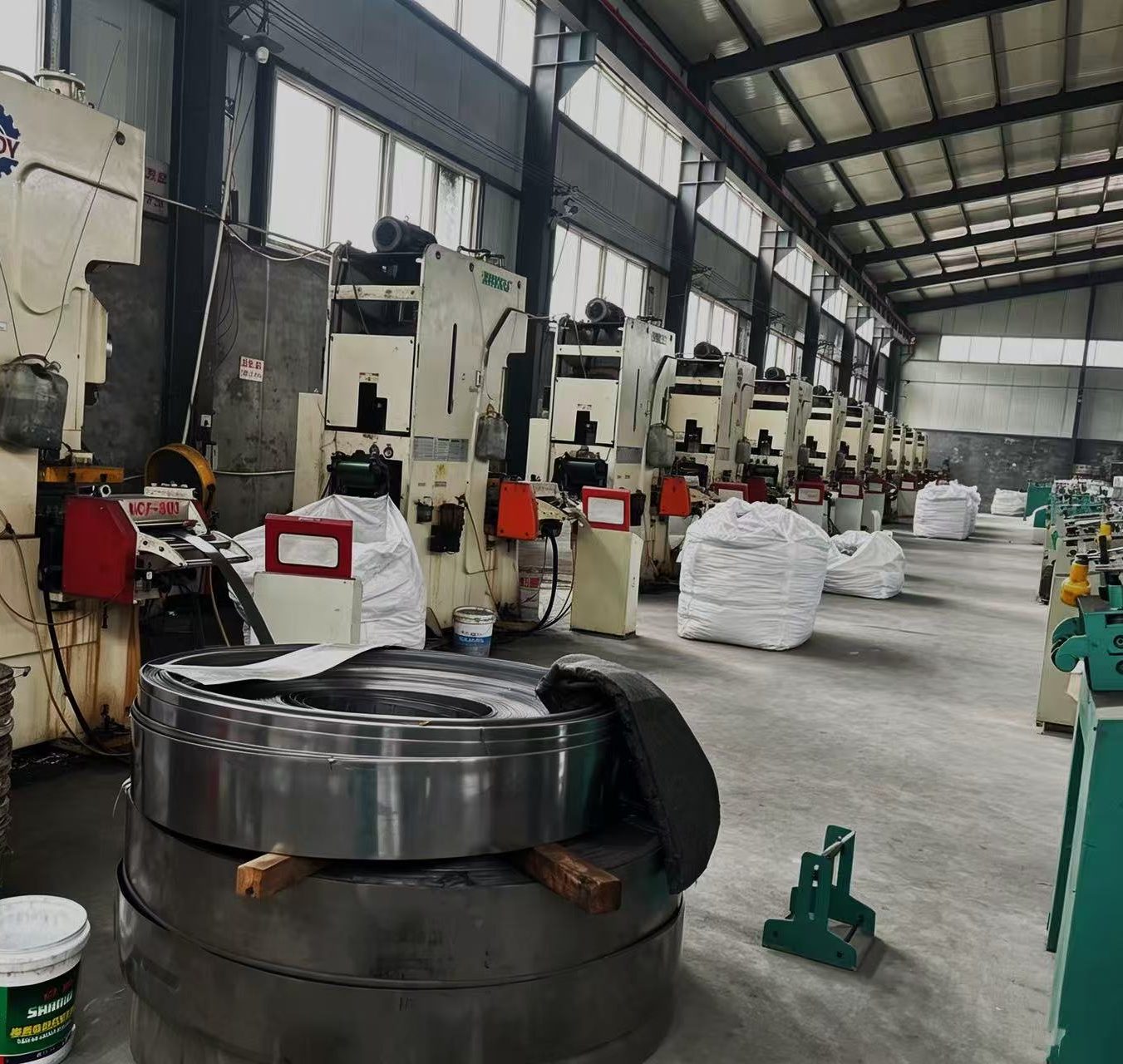
Factory direct suppliers in 2026 utilize advanced continuous mesh belt furnaces to ensure uniform heating and cooling. This consistency is vital for preventing soft spots or excessive brittleness that could lead to catastrophic failure under load.
Step-by-Step Production Workflow
To understand the value proposition of factory-direct bolts, one must appreciate the complexity of their creation. The following steps outline the standard industry workflow:
- Raw Material Selection: High-quality wire rods are sourced from certified mills, ensuring consistent chemical composition before production begins.
- Cold Forging: The wire is drawn to the correct diameter and then cold-forged into the bolt head shape. This work-hardening process initially increases strength.
- Thread Rolling: Threads are formed by rolling rather than cutting. This preserves the grain flow of the metal, resulting in threads that are stronger than cut threads.
- Quenching: Bolts are heated to austenitizing temperatures and rapidly cooled in oil or water. This transforms the microstructure into martensite, creating extreme hardness.
- Tempering: The hardened bolts are reheated to a lower temperature to reduce brittleness while retaining high tensile strength. This balances toughness with hardness.
- Surface Treatment: Final coatings such as zinc plating, hot-dip galvanizing, or black oxide are applied to enhance corrosion resistance.
- Quality Inspection: Every batch undergoes rigorous testing for dimensions, hardness, tensile strength, and coating thickness before shipment.
This streamlined process allows manufacturers to produce vast quantities efficiently. By eliminating intermediaries, factories can pass these efficiency savings directly to buyers, resulting in competitive 2026 pricing structures.
Strength Grades and Standards Comparison
Selecting the correct grade is paramount for structural integrity. High strength carbon steel bolts are categorized by various international standards. Misinterpreting these grades can lead to over-engineering (wasting money) or under-engineering (safety risks).
In the context of 2026 procurement, understanding the equivalence between ASTM, ISO, and SAE standards is crucial for global supply chains. Most factory-direct exporters provide certification aligning with multiple standards to facilitate international trade.
Common Grade Classifications
The table below compares the most prevalent high strength carbon steel bolt grades found in the current market. This comparison highlights the differences in tensile and yield strengths across major standardization bodies.
| Standard System | Grade/Class | Min. Tensile Strength (MPa) | Min. Yield Strength (MPa) | Typical Application |
| ISO / Metric | Class 8.8 | 800 | 640 | General machinery, automotive |
| ISO / Metric | Class 10.9 | 1040 | 940 | Heavy equipment, structural steel |
| ISO / Metric | Class 12.9 | 1220 | 1100 | High-stress die casting molds, engines |
| ASTM (USA) | A325 Type 1 | 725 – 895 | 585 | Structural steel connections |
| ASTM (USA) | A490 Type 1 | 1035 – 1205 | 830 | Heavy structural, bridges |
| SAE (USA) | Grade 5 | 827 | 572 | Automotive, general purpose |
| SAE (USA) | Grade 8 | 1034 | 917 | Suspension systems, high vibration |
It is important to note that Class 10.9 and Grade 8 are often considered the benchmark for high strength carbon steel in general engineering. For more extreme environments requiring higher toughness alongside strength, alloy steel might be suggested, but carbon steel remains the dominant choice for cost-sensitive high-load applications.
Advantages of Factory Direct Sourcing in 2026
The landscape of industrial fastener procurement has shifted significantly. In 2026, buying high strength carbon steel bolts directly from the manufacturer offers distinct advantages over purchasing through distributors or third-party traders. These benefits extend beyond simple price reductions.
Direct engagement with the factory ensures transparency in the supply chain. Buyers gain direct access to technical teams who understand the nuances of the production process, allowing for customized solutions that off-the-shelf distributors cannot provide.
Cost Efficiency and Price Stability
Eliminating middlemen removes multiple layers of markup. Distributors often add 20% to 40% to the base cost to cover their overhead and profit margins. Factory direct pricing reflects the true cost of production plus a reasonable manufacturer margin.
- Volume Discounts: Factories are better positioned to offer tiered pricing for bulk orders, significantly reducing the unit cost for large infrastructure projects.
- Raw Material Hedging: Large manufacturers often hedge raw material costs, providing more stable pricing even when global steel prices fluctuate.
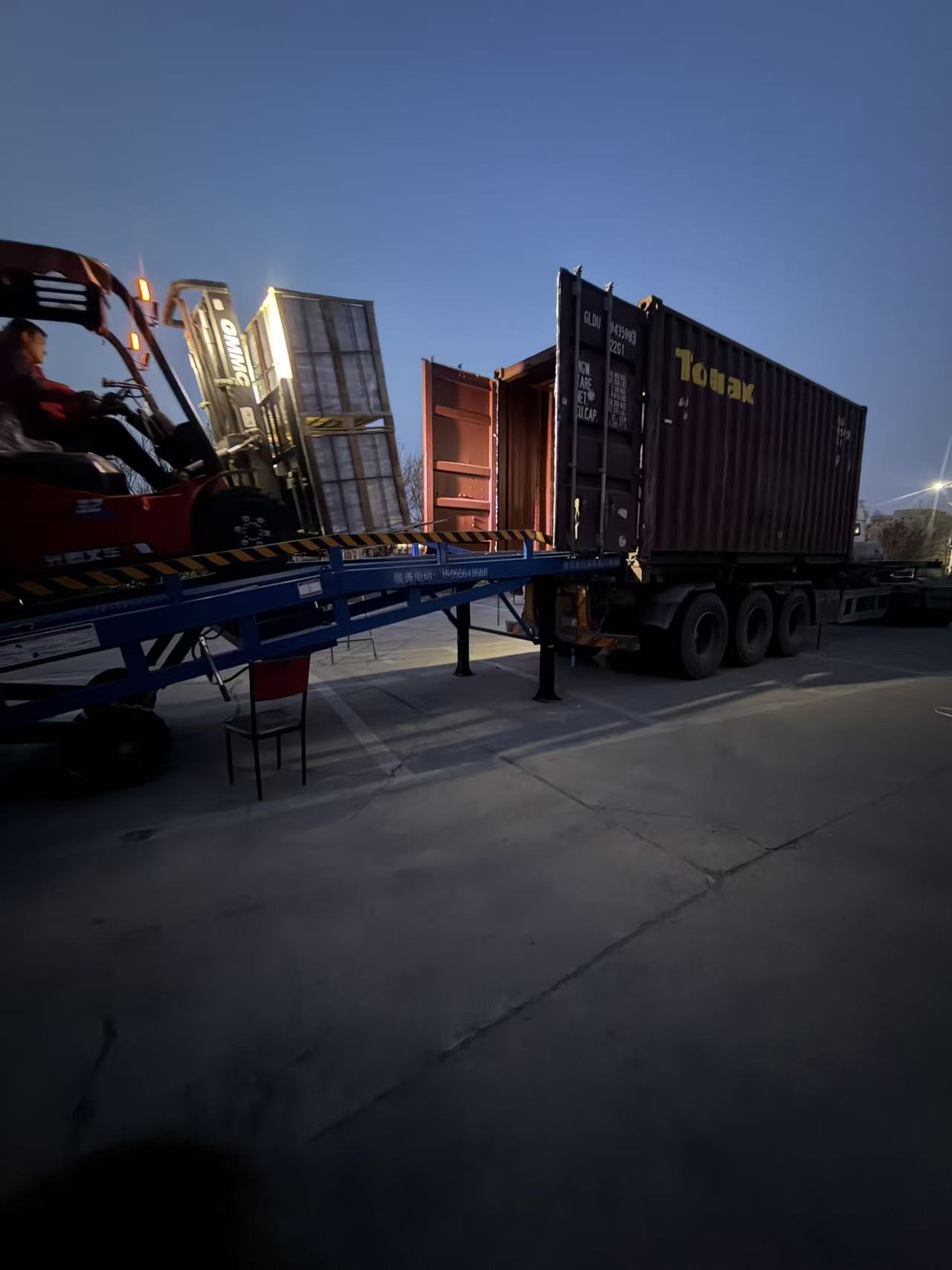
- Reduced Logistics Costs: Direct shipping arrangements optimize container loading, reducing freight costs per unit compared to fragmented distributor shipments.
Furthermore, direct communication allows for real-time negotiation on specifications. If a project requires a non-standard length or a specific thread pitch, the factory can adjust the production line immediately, whereas a distributor would need to place a special order with longer lead times.
Quality Control and Traceability
One of the strongest arguments for factory direct sourcing is the assurance of quality. When you buy from a trader, the origin of the goods can sometimes be obscure. Dealing directly with the manufacturer provides full traceability.
Mill Test Certificates (MTC) are readily available for every heat lot. These documents verify the chemical composition and mechanical properties of the steel used. In 2026, digital tracking systems allow buyers to scan QR codes on packaging to view the entire production history of their bolts, from the molten steel stage to final inspection.
This level of transparency builds trust and reduces the risk of receiving counterfeit or sub-standard fasteners, a persistent issue in the global market. Factories stake their reputation on every batch shipped, incentivizing strict adherence to quality protocols.
Applications of High Strength Carbon Steel Bolts
The versatility of high strength carbon steel bolts makes them indispensable across a wide array of industries. Their ability to handle dynamic loads, vibration, and tension makes them the preferred choice for critical assemblies.
Engineers specify these bolts when the joint reliability is paramount. From the foundations of skyscrapers to the engines of heavy trucks, these fasteners hold the modern world together.
Construction and Infrastructure
In the construction sector, high strength bolts are the backbone of steel structures. They are used extensively in beam-to-column connections, bridge girders, and pre-engineered metal buildings.
- Steel Frameworks: Connecting heavy H-beams and columns in commercial high-rises.
- Bridges: Securing truss members and deck supports where fatigue resistance is critical.
- Wind Turbines: Anchoring tower sections and nacelle components against extreme wind loads.
The demand in this sector is driven by urbanization and infrastructure renewal projects globally. The cost-effectiveness of carbon steel allows developers to maintain budget discipline without sacrificing structural safety.
Automotive and Heavy Machinery
The automotive industry relies heavily on Class 10.9 and Grade 8 bolts for powertrain and chassis applications. These components must endure constant vibration and thermal cycling.
Engine assemblies utilize high strength bolts for cylinder heads and main bearing caps. Suspension systems depend on them for control arms and shock mounts. In heavy machinery like excavators and cranes, these bolts secure hydraulic cylinders and boom joints, where failure could be disastrous.
Manufacturers in this sector prioritize consistency. A single bolt failure in an engine can lead to total system destruction. Therefore, the rigorous quality control offered by top-tier factories is a non-negotiable requirement.
Railway and Transportation
Railway tracks and rolling stock subject fasteners to immense shear forces and impact loads. High strength carbon steel bolts are used in rail clips, fishplates, and bogie assemblies.
The railway industry often demands specific certifications and testing protocols. Factory direct suppliers who specialize in railway fasteners can tailor their heat treatment processes to meet these stringent fatigue life requirements, ensuring safe and reliable train operations.
Surface Treatments and Corrosion Protection
While carbon steel offers excellent mechanical strength, it is susceptible to corrosion when exposed to moisture and harsh chemicals. To mitigate this, various surface treatments are applied. The choice of coating depends on the environment and the required lifespan of the assembly.
Selecting the wrong coating can negate the benefits of using high strength steel. For instance, certain plating processes can introduce hydrogen embrittlement, weakening the bolt. Reputable factories employ baking processes post-plating to eliminate this risk.
Common Coating Options
Understanding the pros and cons of different finishes helps in specifying the right product for your environment.
- Zinc Plating (Electroplating): Provides a bright, aesthetic finish suitable for indoor or mild outdoor environments. It offers moderate corrosion resistance (typically 24-72 hours salt spray test).
- Hot-Dip Galvanizing (HDG): Involves dipping bolts in molten zinc. This creates a thick, rugged coating ideal for outdoor structures, bridges, and marine environments. It offers superior corrosion protection but requires adjusted thread tolerances.
- Geomet/Dacromet: Water-based inorganic coatings that provide excellent corrosion resistance without the risk of hydrogen embrittlement. Ideal for high strength bolts where safety is critical.
- Black Oxide: Primarily cosmetic with minimal corrosion resistance. Often used in conjunction with oil for internal machinery parts where appearance matters less than fit.
- Epoxy Coating: Provides a thick barrier against chemical attack and abrasion, commonly used in wastewater treatment plants and chemical processing facilities.
In 2026, environmental regulations have pushed manufacturers towards more eco-friendly coating technologies. Hexavalent chromium-free passivations are now the industry standard for zinc platings, ensuring compliance with global RoHS and REACH directives.
Installation Best Practices
Even the highest quality bolt can fail if installed incorrectly. Proper installation techniques are essential to achieve the designed clamp load and ensure joint integrity. Industry professionals follow strict guidelines to prevent common issues like over-torquing or thread stripping.
The relationship between torque, tension, and friction is complex. Achieving the correct preload is the ultimate goal of bolting, not just tightening the nut until it stops.
Torque Control Methods
There are several methods to ensure bolts are tightened to the correct specification. The choice of method depends on the criticality of the application and the available tools.
- Calibrated Wrench Method: Using a torque wrench set to a specific value derived from the desired preload and the friction coefficient. This is the most common method but requires regular calibration.
- Turn-of-Nut Method: Tightening the bolt to a “snug-tight” condition and then rotating the nut a specified number of turns. This method is less sensitive to friction variations and is widely used in structural steel erection.
- Direct Tension Indicators (DTI): Using specialized washers with protrusions that flatten as the bolt is tensioned. Visual inspection confirms when the correct load is reached.
- Hydraulic Tensioning: Used for very large diameter bolts in critical applications like wind turbines or pressure vessels. It stretches the bolt hydraulically before the nut is seated, ensuring precise and uniform preload.
Lubrication plays a critical role in all these methods. Unlubricated threads create high friction, leading to inaccurate torque readings and potential thread galling. Always follow the manufacturer’s recommendation regarding lubricants, especially for coated bolts where the coating itself acts as a lubricant.
Factors Influencing 2026 Pricing
Pricing for high strength carbon steel bolts is dynamic, influenced by a confluence of global economic factors. Understanding these drivers helps buyers anticipate market movements and time their purchases effectively.
While factory direct pricing offers stability, it is not immune to macroeconomic shifts. Procurement managers should monitor these indicators to negotiate better contracts.
Raw Material Volatility
The price of iron ore and scrap steel directly impacts the cost of wire rod, the primary raw material for bolts. Geopolitical tensions, mining output, and energy costs in steel-producing nations can cause rapid price fluctuations.
In 2026, the transition to green steel manufacturing may introduce a premium for low-carbon footprint materials. Buyers seeking sustainability credentials should expect slight price variations for certified green steel products compared to traditional blast furnace steel.
Energy and Labor Costs
Heat treatment is an energy-intensive process. Fluctuations in electricity and natural gas prices affect production costs significantly. Additionally, labor shortages in skilled manufacturing sectors can drive up wages, influencing the final unit price.
However, automation in modern factories mitigates some of these labor costs. Facilities investing in robotic handling and automated inspection lines can maintain competitive pricing despite rising wage trends.
Logistics and Trade Policies
Shipping rates and import tariffs remain significant variables. Changes in trade agreements or the imposition of anti-dumping duties can alter the landed cost of imported bolts. Factory direct suppliers with diversified logistics networks can often navigate these challenges better than smaller traders, offering more reliable delivery schedules and predictable pricing.
Frequently Asked Questions (FAQ)
Addressing common queries helps clarify misconceptions and guides buyers toward the right solutions. Below are answers to frequent questions regarding high strength carbon steel bolts.
What is the difference between Grade 8.8 and Grade 10.9 bolts?
The primary difference lies in their tensile and yield strengths. A Class 8.8 bolt has a minimum tensile strength of 800 MPa, while a Class 10.9 bolt reaches 1040 MPa. Consequently, Class 10.9 bolts are harder and stronger but slightly less ductile. Choose 10.9 for higher load applications and 8.8 for general-purpose use where extreme strength is not required.
Can high strength carbon steel bolts be welded?
Generally, welding high strength carbon steel bolts is not recommended. The heat from welding alters the heat-treated microstructure, significantly reducing the strength in the heat-affected zone. This can lead to premature failure. If welding is necessary, use low-strength fasteners designed for welding or consult a structural engineer for alternative connection methods.
How do I prevent hydrogen embrittlement?
Hydrogen embrittlement occurs when hydrogen atoms diffuse into the steel during plating or pickling, causing brittle fracture. To prevent this, high strength bolts (typically above 1000 MPa tensile strength) must undergo a baking process immediately after plating. This releases trapped hydrogen. Always ensure your supplier follows ASTM F1941 or equivalent standards for baking.
Are factory direct bolts as reliable as branded ones?
Yes, provided the factory is reputable and certified. Many “branded” bolts are actually manufactured by third-party factories and simply re-packaged. Buying direct allows you to verify the mill certificates and inspect the production process. Look for ISO 9001 certification and specific product accreditations to ensure reliability.
What is the lead time for custom high strength bolts?
Lead times vary based on quantity and customization. Standard sizes often ship within 2-4 weeks from stock or short production runs. Custom lengths, diameters, or specialized coatings may require 6-10 weeks. Factory direct communication allows for precise scheduling aligned with your project timeline.
Partnering with a Trusted Manufacturer: A Case Study
While the theoretical benefits of factory-direct sourcing are clear, identifying a partner that combines global trade capabilities with deep manufacturing expertise is crucial. A prime example of this integrated approach is found in Handan, Hebei, China—a city renowned as a global hub for fastener manufacturing.
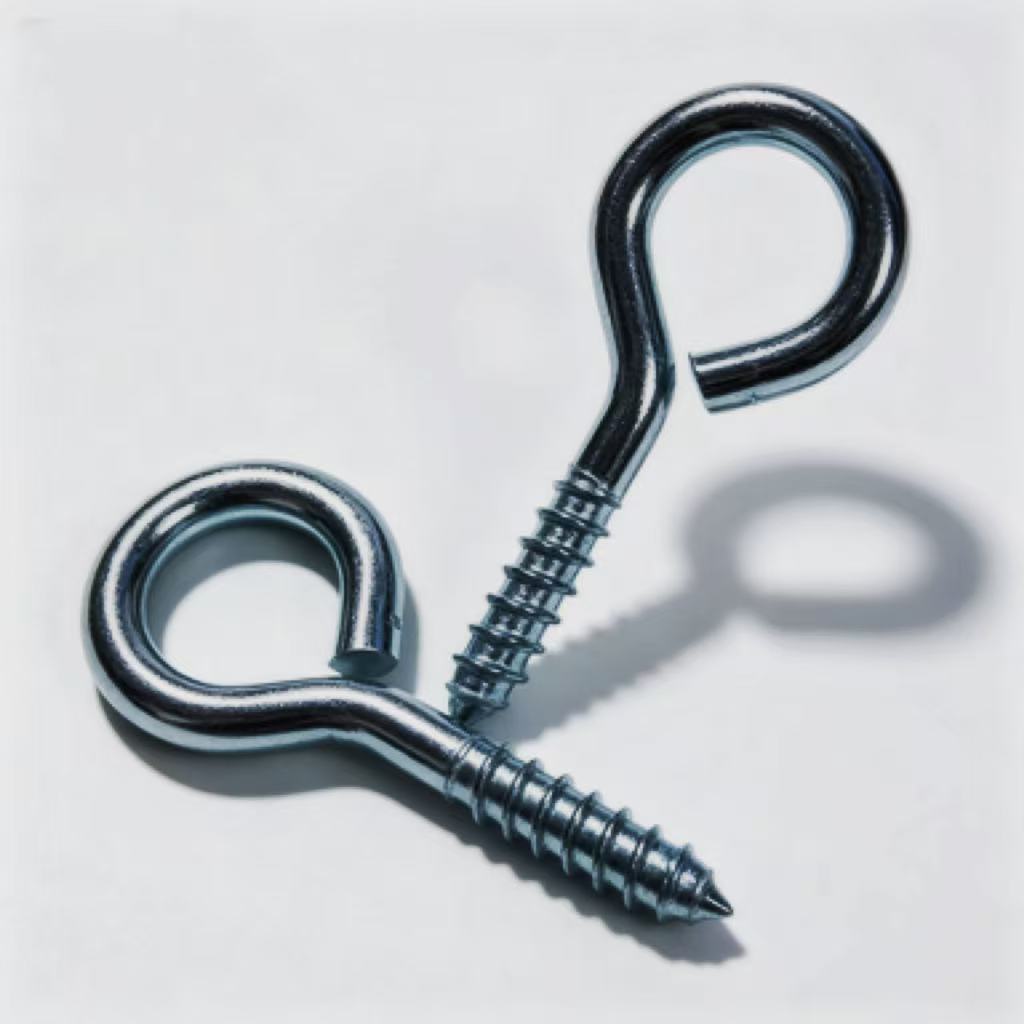
Leading this sector is a company that seamlessly blends industry and trade, specializing in the development, manufacturing, and service of high-quality fasteners and hardware tools. With over a decade of industry experience, this organization has established itself as a reliable partner for clients in more than 26 countries. Their product range is diverse, covering everything from standard high-strength bolts to specialized items like casing geckos and wooden teeth welded sheep’s eye screws/bolts, demonstrating a capacity for both mass production and niche customization.
What sets such a manufacturer apart is their commitment to “quality first, customer first.” By adhering to an integrity-based business philosophy, they invest heavily in scientific research and high-tech talent. This dedication ensures that their production lines utilize advanced technology and perfect testing methods to deliver products that strictly meet GB, DIN, JIS, ANSI, and other international standards. Whether you require standard Class 10.9 bolts for structural steel or custom specifications for unique machinery, their professional technical team and advanced equipment allow for precise customization in quality and quantity. For buyers in 2026, partnering with a manufacturer that prioritizes reputation and customer needs through rigorous quality control is the surest path to securing a resilient supply chain.
Conclusion and Sourcing Recommendations
High strength carbon steel bolts remain a cornerstone of modern engineering, offering an unparalleled balance of performance and cost-efficiency. As we move through 2026, the demand for these critical fasteners continues to grow across construction, automotive, and heavy industry sectors. The key to maximizing value lies in understanding the technical specifications, selecting the appropriate grade and coating, and securing a reliable supply chain.
For procurement professionals and engineers, the shift towards factory direct sourcing presents a strategic opportunity. It eliminates unnecessary markups, ensures transparent quality control, and fosters a collaborative relationship with the manufacturer. By bypassing intermediaries, organizations can secure better pricing, customize specifications to exact needs, and guarantee the authenticity of every bolt used in their projects.
Who should consider factory direct sourcing?
- Large-scale construction firms managing multi-million dollar infrastructure projects.
- OEMs in the automotive and machinery sectors requiring consistent, high-volume supply.
- Distributors looking to expand their product range with private-label options.
- Engineering consultants specifying fasteners for critical safety applications.
Taking the next step involves evaluating your current supply chain. Request Mill Test Certificates, audit potential factory partners, and compare total landed costs rather than just unit prices. In a market where quality and reliability are non-negotiable, partnering directly with a trusted manufacturer—such as those rooted in the experienced hubs of Handan—is the most prudent path forward for securing your project’s structural integrity and financial success.