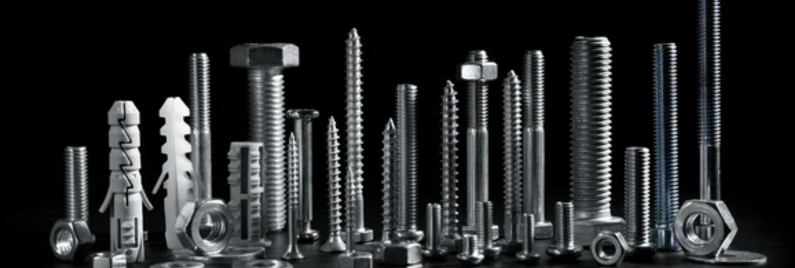
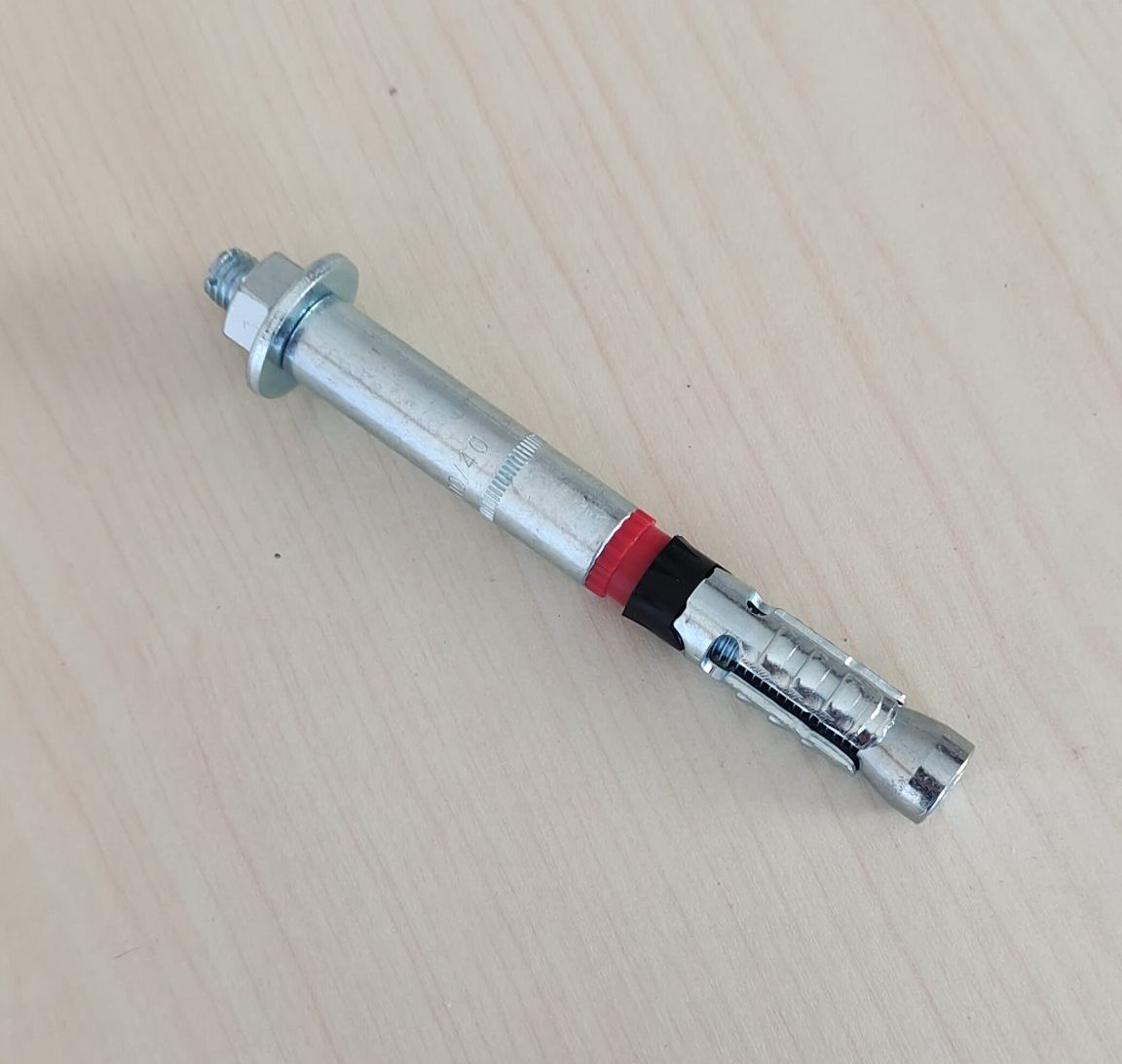
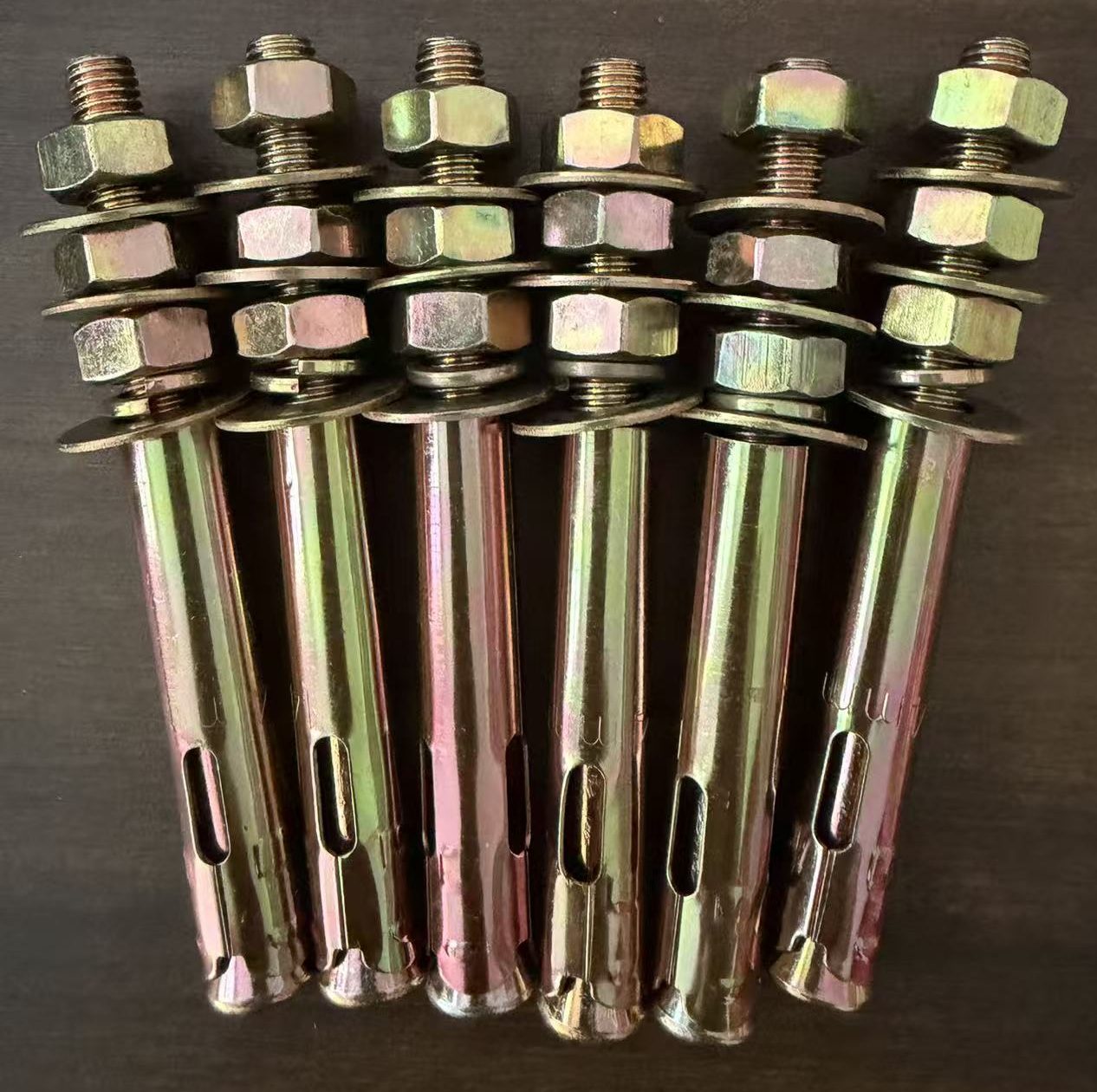
High strength carbon steel bolts are precision-engineered fasteners designed to withstand extreme tensile loads, shear forces, and dynamic stress in critical industrial applications. Manufactured from medium to high-carbon steel alloys and subjected to rigorous heat treatment processes such as quenching and tempering, these fasteners achieve superior mechanical properties, typically ranging from Grade 8.8 to Grade 12.9. As a direct wholesale factory manufacturer, we provide OEM and ODM solutions that ensure strict adherence to international standards including ISO, DIN, ASTM, and JIS. Our production capabilities focus on delivering consistent quality, dimensional accuracy, and cost-effective bulk supply for construction, heavy machinery, automotive, and energy sectors.
What Are High Strength Carbon Steel Bolts?
High strength carbon steel bolts represent a specific category of fastening solutions where the material composition and manufacturing process are optimized for maximum load-bearing capacity. Unlike standard low-carbon steel fasteners, which are suitable for general assembly, high-strength variants are engineered for structural integrity under severe operating conditions. The core distinction lies in the carbon content, which typically ranges from 0.30% to 0.60%, allowing for significant hardening through heat treatment.
These bolts are not merely “stronger”; they exhibit a balanced combination of tensile strength, yield strength, and toughness. This balance is critical because excessive hardness without adequate toughness can lead to brittle failure. In industrial engineering, the term “high strength” generally refers to bolts with a minimum tensile strength of 800 MPa (Grade 8.8) and above. For ultra-high-performance requirements, Grade 10.9 and Grade 12.9 bolts offer tensile strengths exceeding 1000 MPa and 1200 MPa respectively.
The manufacturing journey begins with wire drawing, where steel rods are reduced to precise diameters. This is followed by cold forging or hot forging to form the head and shank. The most critical phase is heat treatment, involving quenching in oil or water to harden the steel, followed by tempering to relieve internal stresses and restore ductility. Surface treatments such as zinc plating, black oxide, or hot-dip galvanizing are applied subsequently to enhance corrosion resistance without compromising the mechanical integrity of the substrate.
Key Material Composition and Metallurgy
The performance of high strength carbon steel bolts is fundamentally dictated by their metallurgical structure. The primary element, carbon, forms iron carbides within the ferrite matrix, significantly increasing hardness and strength. However, the presence of other alloying elements plays a supportive role in refining the grain structure and improving hardenability.
- Carbon (C): The primary strengthening agent. Higher carbon content allows for higher ultimate tensile strength but requires careful control during welding and heat treatment to prevent cracking.
- Manganese (Mn): Enhances hardenability and tensile strength while mitigating the brittleness associated with high carbon levels. It also helps in deoxidizing the steel during production.
- Silicon (Si): Primarily used as a deoxidizer, silicon contributes to strength and elasticity, making it vital for bolts subjected to vibrational loads.
- Phosphorus (P) and Sulfur (S): These are typically considered impurities and are kept to minimal levels. Excessive amounts can lead to cold shortness (brittleness at low temperatures) and hot shortness (cracking during hot working), respectively.
Understanding this composition is essential for procurement specialists and engineers. It explains why high strength bolts cannot be simply substituted with lower-grade alternatives in critical joints. The microstructure achieved through precise thermal cycling creates a martensitic or tempered martensitic structure, which provides the necessary resistance to deformation under load.
Manufacturing Process: From Raw Steel to Finished Fastener
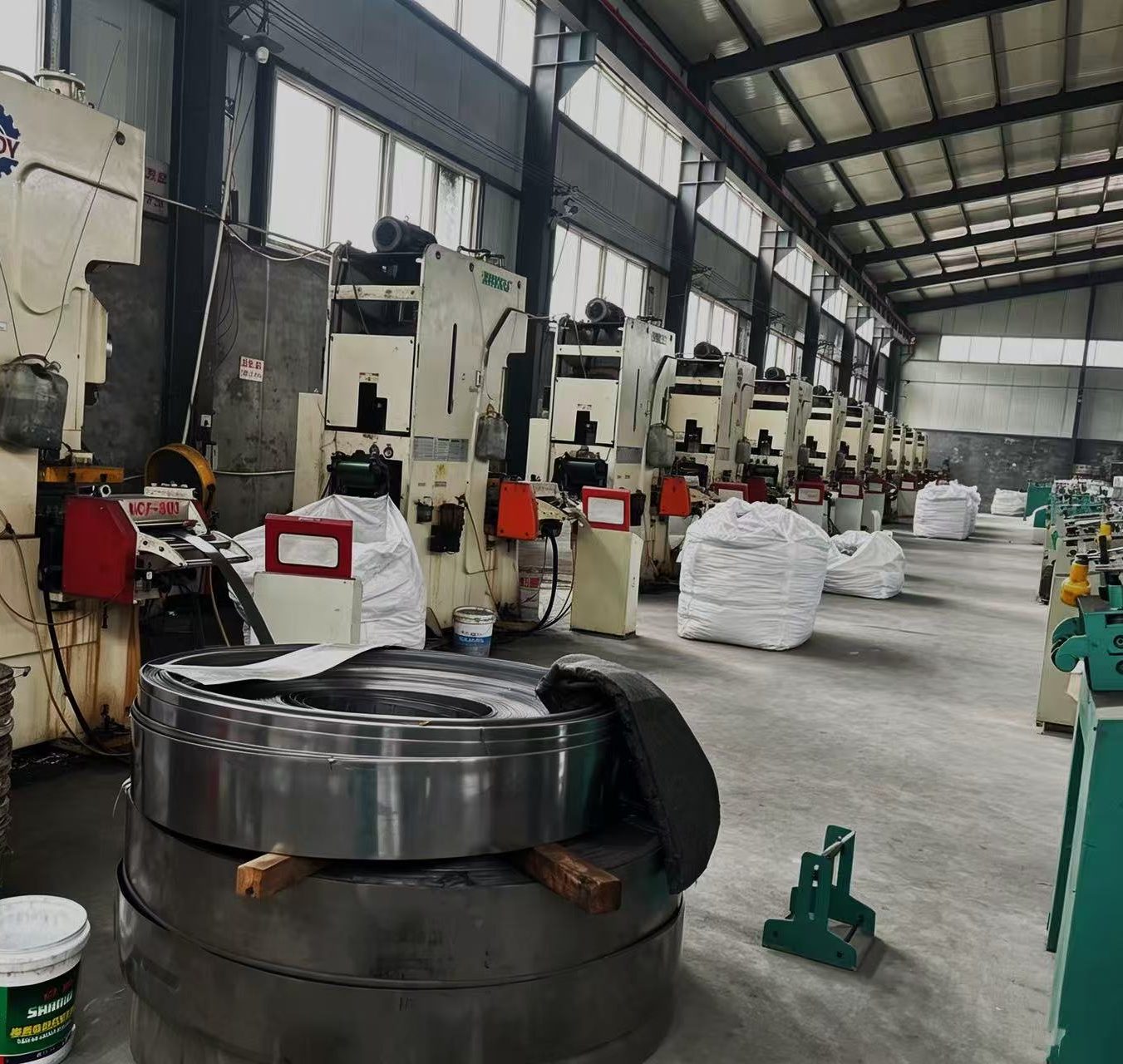
As a specialized manufacturer based in Handan, Hebei—China’s premier hub for fastener production—our production workflow is designed to maintain strict quality control at every stage. With over ten years of industry experience and a commitment to integrating advanced production technology with rigorous testing methods, we ensure that every bolt meets global standards. The transition from raw carbon steel wire to a finished high-strength bolt involves several complex mechanical and thermal processes. Each step is monitored to ensure compliance with international standards (GB, DIN, JIS, ANSI) and customer-specific requirements.
1. Cold Heading and Hot Forging
The formation of the bolt head and shank is achieved through either cold heading or hot forging, depending on the bolt size and grade. For smaller diameters and lower grades, cold heading is preferred due to its high precision and surface finish quality. This process involves forcing the steel wire into a die at room temperature, which work-hardens the material slightly.
For larger diameters and higher grades (such as M20 and above, or Grade 10.9/12.9), hot forging is often employed. The steel is heated to a plastic state and then shaped under high pressure. Hot forging aligns the grain flow of the metal, enhancing the fatigue resistance of the bolt. This is particularly important for bolts used in dynamic environments like bridge construction or heavy machinery, where cyclic loading is common.
2. Thread Rolling vs. Thread Cutting
Thread formation is a critical determinant of a bolt’s strength. We exclusively use thread rolling for high-strength carbon steel bolts. Unlike thread cutting, which removes material and creates stress concentration points, thread rolling displaces the material to form the threads. This process work-hardens the thread roots, significantly improving fatigue life and tensile strength.
The rolled threads also exhibit a smoother surface finish, which reduces friction during tightening and ensures more consistent preload application. Precision dies are used to ensure that the thread pitch, major diameter, and minor diameter adhere strictly to ISO metric or UNC/UNF imperial standards. Any deviation in thread geometry can lead to stripping or improper clamping force, compromising the joint’s integrity.
3. Heat Treatment: Quenching and Tempering
Heat treatment is the defining process for high strength bolts. After forming, the bolts undergo quenching, where they are heated to a critical temperature (typically between 850°C and 900°C) and then rapidly cooled in oil or polymer solutions. This rapid cooling transforms the austenitic structure into martensite, a very hard but brittle phase.
To counteract brittleness, the bolts are immediately tempered. Tempering involves reheating the bolts to a lower temperature (between 400°C and 600°C) and holding them for a specified duration. This process relieves internal stresses, increases toughness, and adjusts the hardness to the desired level. The exact temperature and time parameters are carefully calibrated based on the bolt’s diameter and target grade. For instance, Grade 12.9 bolts require a more rigorous tempering cycle than Grade 8.8 to achieve their higher strength specifications while maintaining adequate ductility.
4. Surface Treatment and Coating
While carbon steel offers excellent strength, it is susceptible to corrosion. Surface treatments are applied to protect the bolts and extend their service life. Common coatings include:
- Zinc Plating (Electroplating): Provides a thin, uniform layer of zinc protection. Suitable for indoor applications or mild environments. Available in clear, blue, or yellow passivations.
- Hot-Dip Galvanizing (HDG): Involves dipping the bolts in molten zinc, creating a thick, robust coating. Ideal for outdoor structures, marine environments, and infrastructure projects. Note that HDG can affect thread fit, requiring over-tapping of nuts.
- Black Oxide: A chemical conversion coating that offers minimal corrosion resistance but provides a matte black finish and reduces light reflection. Often used in automotive and machinery applications where aesthetics and slight lubricity are valued.
- Geomet/Dacromet: Zinc-flake coatings that offer superior corrosion resistance without the risk of hydrogen embrittlement associated with some electroplating processes. These are increasingly popular in the automotive and wind energy sectors.
Technical Specifications and Grade Classifications
Selecting the correct bolt grade is paramount for engineering safety and performance. International standards define these grades based on mechanical properties such as tensile strength, yield strength, and hardness. Understanding these classifications allows engineers and procurement managers to specify the right fastener for their application.
| Property Class / Grade | Min. Tensile Strength (MPa) | Min. Yield Strength (MPa) | Hardness (HV) | Typical Applications |
| Grade 8.8 | 800 | 640 | 250 – 320 | General structural steelwork, machinery, automotive chassis. |
| Grade 10.9 | 1040 | 940 | 320 – 380 | Heavy-duty equipment, bridge connections, high-vibration environments. |
| Grade 12.9 | 1220 | 1100 | 380 – 440 | Critical structural joints, mining equipment, high-stress automotive components. |
| ASTM A325 | 620 – 830 | Not Specified | Varies | Structural steel joints in buildings and bridges (US Standard). |
| ASTM A490 | 1040 – 1210 | Not Specified | Varies | High-strength structural steel joints (US Standard). |
The table above highlights the progression in mechanical properties. Grade 8.8 is the most commonly used high-strength bolt, offering a good balance of strength and cost. Grade 10.9 and 12.9 are reserved for more demanding applications where weight savings or space constraints require higher load capacities per fastener. It is crucial to note that as strength increases, the risk of hydrogen embrittlement also rises, necessitating stricter controls during plating and installation.
Dimensional Standards and Tolerances
High strength bolts are manufactured to precise dimensional standards to ensure interoperability with nuts and washers. The most common standards include:
- ISO 4014/4017: Defines dimensions for hexagon head bolts with coarse pitch threads.
- DIN 931/933: German standards widely used in Europe and globally for half-thread and full-thread hex bolts.
- ASTM F3125: Covers high-strength structural bolts in the United States, replacing older ASTM A325 and A490 specifications for new designs.
- JIS B 1180: Japanese Industrial Standard for hexagon bolts, known for tight tolerances and high quality.
Tolerances for thread fit are typically classified as 6g for external threads (bolts) and 6H for internal threads (nuts). This clearance ensures that bolts can be assembled without excessive friction while maintaining a secure fit. Deviations beyond these tolerances can lead to assembly issues or compromised joint integrity.
Applications of High Strength Carbon Steel Bolts
The versatility of high strength carbon steel bolts makes them indispensable across various industries. Their ability to maintain clamping force under dynamic loads, vibration, and temperature fluctuations ensures the safety and reliability of critical structures and machines.
Construction and Infrastructure
In the construction sector, high strength bolts are the backbone of structural steel connections. They are used to join steel beams, columns, and trusses in skyscrapers, bridges, and industrial warehouses. Grade 8.8 and Grade 10.9 bolts are commonly specified for these applications due to their high shear and tensile capacity. Preloaded joints, where bolts are tightened to a specific tension, rely on these fasteners to transfer loads through friction rather than shear, reducing the risk of slip and fatigue failure.
Bridge construction demands exceptional reliability. High strength bolts resist the cyclic loading caused by traffic and environmental factors. Hot-dip galvanized coatings are often applied to protect against atmospheric corrosion, ensuring a service life of decades without maintenance.
Automotive and Transportation
The automotive industry utilizes high strength bolts in critical safety and powertrain components. Engine mounts, suspension systems, chassis assemblies, and wheel hubs all require fasteners that can withstand high vibration and shock loads. Grade 10.9 and 12.9 bolts are frequently used in these areas to reduce weight and size while maintaining strength. The trend towards electric vehicles (EVs) has further increased the demand for lightweight, high-strength fastening solutions to maximize battery range.
In rail transportation, high strength bolts secure tracks, sleepers, and rolling stock components. The ability to resist loosening under constant vibration is crucial for passenger safety and operational efficiency.
Energy and Power Generation
The energy sector, including oil and gas, wind, and nuclear power, relies on high strength bolts for equipment assembly and structural support. Wind turbine towers, for example, are connected using large-diameter, high-tensile bolts that must withstand extreme weather conditions and dynamic wind loads. In oil and gas refineries, bolts are used in flange connections for pipelines and pressure vessels, where leak prevention is critical. These applications often require specialized coatings to resist corrosive chemicals and high temperatures.
Heavy Machinery and Manufacturing
Industrial machinery, such as excavators, cranes, and conveyor systems, operates under harsh conditions with high dynamic loads. High strength carbon steel bolts ensure that structural components remain securely fastened despite continuous vibration and impact. Mining equipment, in particular, requires bolts with high fatigue resistance to handle the abrasive and high-impact environment.
Selection Guide: How to Choose the Right Bolt
Choosing the appropriate high strength carbon steel bolt involves evaluating several technical and environmental factors. A mismatch between the bolt specification and the application can lead to premature failure, safety hazards, and increased maintenance costs.
1. Load Requirements
Determine the type and magnitude of loads the bolt will. Is it primarily tensile (pulling apart), shear (sliding past each other), or a combination? Calculate the required preload and ensure the bolt’s proof load exceeds this value with an appropriate safety factor. For dynamic loads, consider the fatigue limit of the bolt material.
2. Environmental Conditions
Assess the operating environment. Will the bolt be exposed to moisture, chemicals, extreme temperatures, or UV radiation? Select a surface treatment that provides adequate corrosion protection. For outdoor or marine environments, hot-dip galvanizing or zinc-flake coatings are recommended. For high-temperature applications, ensure the bolt material retains its strength and does not suffer from creep or stress relaxation.
3. Material Compatibility
Avoid galvanic corrosion by ensuring the bolt material and coating are compatible with the materials being joined. For example, using aluminum bolts with steel plates can lead to rapid corrosion. Similarly, ensure that the hardness of the bolt does not exceed the hardness of the nut or the tapped hole, as this can cause thread stripping.
4. Installation Method
Consider how the bolts will be installed. Will they be tightened manually, with torque wrenches, or using hydraulic tensioners? Some coatings have different friction coefficients, which affect the torque-tension relationship. Ensure that the selected bolt and coating combination allows for accurate preload control using the available installation tools.
Common Mistakes and Failure Analysis
Even the highest quality bolts can fail if not properly selected, installed, or maintained. Understanding common failure modes helps in preventing costly downtime and safety incidents.
Hydrogen Embrittlement
Hydrogen embrittlement is a significant risk for high strength steel bolts (Grade 10.9 and above). It occurs when hydrogen atoms diffuse into the steel lattice during electroplating or exposure to corrosive environments, causing sudden brittle fracture under stress. To mitigate this risk, manufacturers should use baking processes after plating to release trapped hydrogen. Procurement teams should specify hydrogen embrittlement relief treatments for high-strength fasteners.
Over-Tightening and Under-Tightening
Over-tightening can stretch the bolt beyond its yield point, leading to permanent deformation and loss of clamping force. In extreme cases, it can cause immediate fracture. Under-tightening results in insufficient preload, allowing the joint to slip under load, which leads to fatigue failure. Using calibrated torque wrenches and following manufacturer-recommended torque values is essential.
Galvanic Corrosion
When two dissimilar metals are in contact in the presence of an electrolyte (such as water), galvanic corrosion can occur. The less noble metal (anode) corrodes faster than it would alone. Using insulated washers or selecting compatible materials can prevent this issue.
Thread Stripping
Thread stripping happens when the threads of the bolt or the nut are sheared off due to excessive torque or mismatched tolerances. This is often caused by using a hard bolt with a soft nut or vice versa. Ensuring that the nut grade matches or exceeds the bolt grade is a simple yet effective preventive measure.
Installation and Maintenance Best Practices
Proper installation and maintenance are crucial for maximizing the performance and lifespan of high strength carbon steel bolts.
Preparation
Ensure that the mating surfaces are clean, flat, and free from debris, rust, or paint. Irregular surfaces can lead to uneven load distribution and bending stresses in the bolt. Use hardened washers if the surface is soft or irregular to distribute the load evenly.
Tightening Sequence
For multi-bolt joints, follow a specific tightening sequence to ensure uniform clamping force. Start from the center and work outwards in a star or cross pattern. Tighten in multiple stages (e.g., 30%, 60%, 100% of final torque) to allow the joint to settle and minimize distortion.
Torque Control
Use calibrated torque wrenches to apply the correct preload. Consider using torque-plus-angle methods for critical applications, as they provide more accurate control over bolt tension. Lubricate threads if specified, but be aware that lubrication reduces friction and increases the tension generated by a given torque.
Regular Inspection
Implement a regular inspection schedule to check for signs of loosening, corrosion, or cracking. Re-torque bolts if necessary, especially after the initial break-in period of a new machine or structure. Replace any bolts that show signs of damage or corrosion.
Frequently Asked Questions (FAQ)
What is the difference between Grade 8.8 and Grade 10.9 bolts?
Grade 10.9 bolts have higher tensile and yield strengths compared to Grade 8.8 bolts. Specifically, Grade 10.9 has a minimum tensile strength of 1040 MPa and yield strength of 940 MPa, whereas Grade 8.8 has 800 MPa and 640 MPa respectively. Grade 10.9 is used for more critical, high-load applications.
Can high strength carbon steel bolts be welded?
Welding high strength carbon steel bolts is generally not recommended. The heat from welding can alter the heat-treated microstructure, reducing the bolt’s strength and toughness. If welding is necessary, specialized procedures and post-weld heat treatment are required, but it is safer to use bolts designed for welding or alternative joining methods.
How do I prevent rust on carbon steel bolts?
Apply appropriate surface coatings such as zinc plating, hot-dip galvanizing, or black oxide. Store bolts in a dry, indoor environment before installation. For existing installations, regular inspection and application of corrosion inhibitors can help extend service life.
What is hydrogen embrittlement and how can it be avoided?
Hydrogen embrittlement is a phenomenon where hydrogen atoms enter the steel, causing it to become brittle and prone to cracking. It is common in high-strength steels. Avoidance strategies include using alternative coatings like zinc-flake, baking bolts after electroplating to remove hydrogen, and avoiding exposure to acidic environments.
Are high strength bolts reusable?
Generally, high strength bolts used in critical structural or dynamic applications should not be reused. Once tightened, they may have undergone plastic deformation or stress relaxation. Reusing them can compromise the joint’s integrity. For non-critical static applications, reuse may be possible if the bolts are inspected for damage and proper torque can still be achieved.
What is the shelf life of high strength carbon steel bolts?
There is no fixed expiration date, but prolonged storage, especially in humid conditions, can lead to corrosion. Properly stored in original packaging in a dry environment, they can last for many years. However, bolts stored for extended periods should be inspected for rust and thread damage before use.
Why Choose Our Wholesale Factory Direct Service?
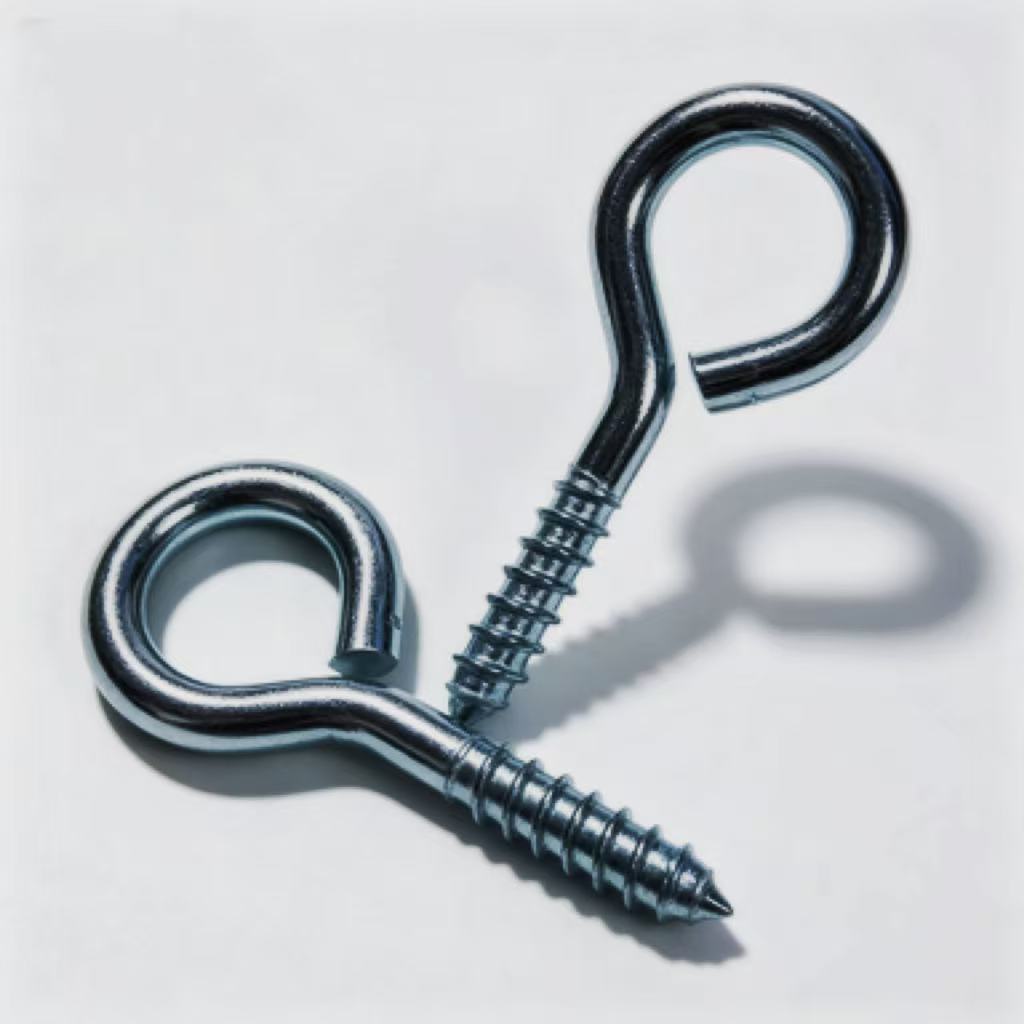
Located in Handan, Hebei, China—the heart of the nation’s fastener manufacturing industry—our company operates as a global industry and trade combination enterprise. With over a decade of specialized experience, we have established ourselves as a trusted partner for clients in more than 26 countries. We specialize in the development, manufacturing, and service of a wide range of fasteners and hardware tools, including high-strength carbon steel bolts, casing geckos, wooden teeth, and welded sheep’s eye screws.
Our commitment to “quality first, customer first” drives our operations. We invest heavily in scientific research and have introduced high-tech talents to leverage advanced production technology and perfect testing methods. This ensures that our products strictly meet GB, DIN, JIS, ANSI, and other international standards. Whether you need standard specifications or custom OEM/ODM solutions, our professional technical team and advanced machinery allow us to deliver high-quality products at competitive prices.
- Strict Quality Control: Every batch undergoes rigorous testing, including tensile strength, hardness, and dimensional checks, ensuring compliance with ISO, DIN, and ASTM standards.
- Customization Capabilities: We offer OEM services, allowing for custom lengths, head styles, thread pitches, and surface coatings to meet specific project requirements.
- Global Reach & Experience: With products sold to over 26 countries and more than ten years of industry expertise, we understand the diverse needs of global markets.
- Technical Support: Our engineering team provides expert advice on bolt selection, installation, and failure analysis, helping you optimize your fastening solutions.
- Cost Efficiency: By sourcing directly from our factory in Handan, you benefit from wholesale pricing, making us an ideal partner for high-volume procurement.
Conclusion and Next Steps
High strength carbon steel bolts are critical components in ensuring the safety, reliability, and longevity of industrial structures and machinery. Understanding their material properties, manufacturing processes, and application requirements is essential for making informed procurement decisions. Whether you are involved in construction, automotive manufacturing, or energy production, selecting the right grade and specification is paramount.
Our commitment to quality, precision, and customer satisfaction makes us a trusted partner for your fastening needs. We invite you to explore our comprehensive product range and leverage our manufacturing expertise for your next project.
Ready to optimize your supply chain?
Contact our sales team today to request a quote, download detailed technical datasheets, or discuss your custom manufacturing requirements. Let us provide you with high-quality, factory-direct high strength carbon steel bolts that meet your exact specifications.
View Full Product Catalog and Technical Specifications