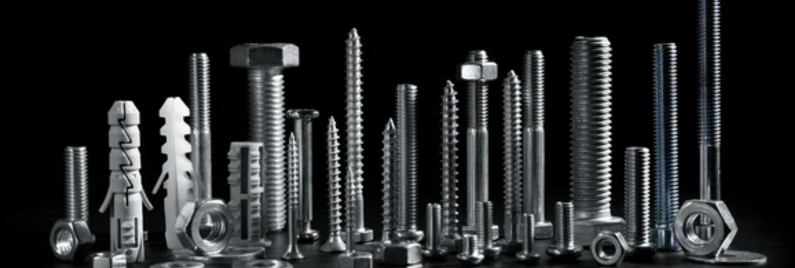
As a leading aerospace fasteners supplier, our OEM factory delivers certified components at direct prices, ensuring compliance with rigorous aviation standards. We specialize in manufacturing high-performance bolts, nuts, and rivets designed for extreme environments. By eliminating intermediaries, we provide cost-effective solutions without compromising on the safety or reliability required by the global aerospace industry.
What Are Aerospace Fasteners and Why Do They Matter?
Aerospace fasteners are specialized mechanical devices used to join structural components in aircraft, satellites, and spacecraft. Unlike standard industrial hardware, these components must withstand extreme temperatures, high vibration, and significant stress loads while maintaining structural integrity over decades of service.
The primary function of these fasteners is to ensure the safety and longevity of airframes. A single failure can lead to catastrophic consequences. Therefore, every bolt and rivet undergoes stringent testing protocols defined by organizations like the FAA and EASA.
Manufacturers prioritize materials that offer high strength-to-weight ratios. Reducing weight is critical in aviation to improve fuel efficiency and payload capacity. Consequently, the selection of the right fastener involves a complex balance of material science and engineering precision.
Our factory focuses exclusively on producing these critical components. We understand that the margin for error is non-existent. This dedication to quality defines our role as a trusted partner for major aerospace assembly lines worldwide.
The Critical Role of Precision in Aviation Safety
Precision in manufacturing is not just a metric; it is a safety requirement. Aerospace fasteners often operate in environments where thermal expansion and contraction occur rapidly. If tolerances are not exact, gaps can form, leading to fatigue cracks.
Modern aircraft utilize thousands of these connection points. From the wing spars to the engine mounts, each fastener plays a vital role in load distribution. The industry relies on suppliers who can consistently deliver parts within micrometer-level specifications.
Furthermore, the installation process requires specific torque values. Over-tightening can strip threads, while under-tightening may cause loosening due to vibration. Our products are engineered to maintain clamp load under dynamic conditions, ensuring long-term stability.
Key Materials Used in High-Performance Aerospace Fasteners
The choice of material determines the performance envelope of any fastener. In the aerospace sector, three primary material families dominate the market due to their unique properties. Understanding these materials helps engineers select the optimal solution for specific applications.
Titanium alloys are widely regarded as the gold standard for high-stress applications. They offer exceptional strength comparable to steel but weigh approximately 45% less. This makes them ideal for primary structural components where weight reduction is paramount.
Stainless steel remains a popular choice for areas requiring moderate strength and excellent corrosion resistance. It is often used in interior cabin structures and non-critical external panels where extreme heat resistance is not the primary concern.
Nickel-based superalloys are reserved for the most demanding environments, such as jet engines. These materials retain their mechanical properties at temperatures exceeding 1000°C, preventing deformation during high-thrust operations.
- Titanium: Best for primary structures requiring maximum strength-to-weight ratio.
- Stainless Steel: Ideal for corrosion-resistant applications with moderate load requirements.
- Nickel Alloys: Essential for high-temperature zones like engine compartments.
- Aluminum: Used for low-load secondary structures to minimize overall aircraft weight.
Corrosion Resistance and Surface Treatments
Beyond base materials, surface treatments play a crucial role in extending the lifespan of aerospace fasteners. Exposure to saltwater, humidity, and hydraulic fluids can accelerate degradation if proper protections are not applied.
Anodizing is a common electrochemical process used primarily on aluminum fasteners. It creates a durable oxide layer that enhances corrosion resistance and provides a good base for paint adhesion. This treatment is standard for many commercial airframe components.
Cadmium plating, though facing environmental restrictions, is still utilized in specific legacy applications due to its superior lubricity and galvanic protection. However, the industry is increasingly shifting toward zinc-nickel and other environmentally friendly alternatives.
Passivation is frequently applied to stainless steel components to remove free iron from the surface, thereby enhancing the natural chromium oxide layer. This process significantly improves resistance to rust and pitting in harsh atmospheric conditions.
Types of Aerospace Fasteners: Bolts, Nuts, and Rivets
The aerospace industry utilizes a diverse range of fastener types, each designed for specific joining methods and load characteristics. Selecting the correct type is fundamental to maintaining the structural health of an aircraft throughout its lifecycle.
Bolts are threaded fasteners designed to be used with a nut. They are typically used in applications requiring high clamping force and the ability to be disassembled for maintenance. Aerospace bolts often feature precise head styles to accommodate specific wrenching tools.
Nuts serve as the mating component for bolts. In aviation, self-locking nuts are prevalent. These incorporate a nylon insert or a deformed thread mechanism that prevents the nut from loosening under vibration, a critical feature for flight safety.
Rivets are permanent fasteners used extensively in aircraft skin and fuselage construction. Once installed, they cannot be easily removed without destruction. This permanence ensures a tight, vibration-proof joint that distributes stress evenly across the joined sheets.
Specialized Fasteners for Engine and Structural Applications
Beyond standard hardware, specialized fasteners address unique challenges in propulsion and airframe design. These components often feature custom geometries or advanced locking mechanisms tailored to specific OEM requirements.
Hi-Lok fasteners represent a hybrid between a bolt and a rivet. They offer the high shear strength of a bolt with the lightweight profile of a rivet. Installation requires a specialized tool that pulls the pin to a precise preload before breaking off the stem.
Blind rivets are essential for areas where access is limited to one side of the structure. These allow technicians to secure panels without needing rear access, streamlining the assembly process for complex fuselage sections.
Turnlock fasteners provide quick-access solutions for inspection panels and cowlings. They allow maintenance crews to open and close access points rapidly without tools, reducing ground time and improving operational efficiency for airlines.
Comparison of Common Aerospace Fastener Materials
Selecting the right material involves balancing strength, weight, cost, and environmental resistance. The following table compares the primary materials used in our manufacturing facility to assist engineers in making informed decisions.
| Material Type | Tensile Strength | Weight Profile | Corrosion Resistance | Primary Application |
| Titanium Alloy (Ti-6Al-4V) | Very High | Low | Excellent | Primary Structure, Wing Spars |
| Stainless Steel (A286) | High | Medium | Very Good | Engine Mounts, Interior Fittings |
| Nickel Superalloy (Inconel) | Extreme | High | Superior | Jet Engine Turbines, Exhaust Systems |
| Aluminum Alloy (7075) | Moderate | Very Low | Good (with treatment) | Fuselage Skin, Non-Critical Panels |
This comparison highlights why no single material fits all scenarios. For instance, while aluminum is the lightest, it lacks the thermal stability required for engine zones. Conversely, nickel alloys provide unmatched heat resistance but add significant weight if used unnecessarily in the airframe.
Our engineering team works closely with clients to analyze these trade-offs. By understanding the specific load paths and environmental exposures of a component, we recommend the most efficient material choice that meets all regulatory standards.
Manufacturing Standards and Quality Certification
In the aerospace sector, documentation is as critical as the physical product. Every batch of aerospace fasteners must be traceable from raw material ingestion to final shipment. This chain of custody ensures accountability and safety.
We adhere strictly to international standards such as AS9100, which outlines quality management system requirements for aviation providers. This certification mandates rigorous control over every aspect of production, from supplier evaluation to employee training.
Material certifications, often referred to as Mill Certs, accompany every shipment. These documents verify the chemical composition and mechanical properties of the raw stock used, ensuring it meets specifications like AMS (Aerospace Material Specifications).
Non-destructive testing (NDT) is routinely performed on critical lots. Techniques such as magnetic particle inspection and dye penetrant testing detect surface flaws that could compromise performance. Only parts passing these inspections proceed to packaging.
The Importance of Traceability in Supply Chains
Traceability allows manufacturers to track a specific fastener back to its heat lot and processing history. In the event of an in-service issue, this data enables rapid identification of affected components, facilitating targeted recalls rather than fleet-wide grounding.
Our factory implements a digital tracking system that assigns a unique identifier to each production run. This ID links the part to its machining parameters, heat treatment cycle, and quality inspector records.
Regulatory bodies require this level of transparency. Airlines and OEMs demand proof that every installed component complies with airworthiness directives. Without robust traceability, a supplier cannot participate in the global aerospace market.
By maintaining comprehensive records, we provide our customers with the confidence needed to certify their final assemblies. This commitment to transparency reinforces our reputation as a reliable source for mission-critical hardware.
Advantages of Sourcing Directly from an OEM Factory
Procuring aerospace fasteners directly from the manufacturer offers distinct advantages over purchasing through distributors. These benefits impact cost, lead time, and technical support, ultimately enhancing the efficiency of your supply chain.
Cost Efficiency: Eliminating middlemen reduces markup costs significantly. Direct pricing allows budget allocation towards higher volumes or upgraded materials without increasing overall expenditure.
Customization Capabilities: OEM factories possess the engineering expertise to modify designs based on specific needs. Whether adjusting thread pitches or altering head geometries, direct collaboration facilitates rapid prototyping and iteration.
Quality Control Oversight: Working directly with the producer ensures that quality protocols are followed precisely. Clients can request audits and witness testing procedures, fostering a relationship built on trust and verification.
- Reduced Lead Times: Direct communication streamlines order processing and production scheduling.
- Technical Expertise: Access to factory engineers for immediate troubleshooting and design optimization.
- Consistent Supply: Better visibility into raw material inventory and production capacity planning.
- Intellectual Property Protection: Secure handling of proprietary designs and specifications.
Streamlining the Procurement Process
The traditional distribution model often introduces delays and communication gaps. When issues arise, messages must pass through multiple layers, slowing down resolution. Direct sourcing removes these barriers.
Our dedicated account managers work alongside client procurement teams to forecast demand accurately. This proactive approach prevents stockouts and ensures that production lines remain operational without interruption.
Furthermore, direct relationships enable flexible payment terms and shipping arrangements tailored to the client’s logistics network. This adaptability is crucial for Just-In-Time (JIT) manufacturing environments common in modern aerospace assembly.
Applications Across Commercial and Defense Sectors
The versatility of high-quality fasteners extends across various segments of the aviation industry. Each sector presents unique challenges that demand tailored solutions from suppliers.
In commercial aviation, the focus is on fuel efficiency and passenger safety. Fasteners here must endure thousands of pressurization cycles. Lightweight titanium and aluminum solutions are predominant in Boeing and Airbus platforms.
The defense sector requires components capable of withstanding extreme maneuvers and hostile environments. Military aircraft often operate in conditions far beyond civil limits, necessitating robust nickel and high-strength steel fasteners.
Space exploration represents the frontier of fastener technology. Satellites and launch vehicles face vacuum conditions and severe thermal shocks. Components must not outgas and must maintain integrity during the violent forces of launch.
Emerging Trends in Urban Air Mobility
The rise of electric vertical takeoff and landing (eVTOL) aircraft introduces new requirements. These vehicles rely heavily on battery density and structural lightness. Fastener suppliers are developing ultra-lightweight composites and hybrid joining techniques.
Vibration profiles in electric propulsion differ from turbine engines. This shift requires re-evaluating locking mechanisms and fatigue resistance characteristics. Our R&D team is actively engaged in creating solutions for this emerging market segment.
As the industry evolves, the demand for innovative fastening solutions will grow. Staying ahead of these trends ensures that manufacturers can meet the rigorous demands of next-generation aerial platforms.
Step-by-Step Guide to Selecting the Right Fastener
Choosing the appropriate fastener is a systematic process that involves evaluating multiple engineering factors. Following a structured approach ensures safety compliance and optimal performance.
Step 1: Define Load Requirements
Determine the shear and tensile loads the joint will experience. Consider both static loads and dynamic forces caused by vibration and maneuvering.
Step 2: Assess Environmental Conditions
Evaluate exposure to temperature extremes, moisture, chemicals, and galvanic corrosion risks. This step dictates the necessary material and coating selections.
Step 3: Determine Weight Constraints
Analyze the impact of fastener weight on the overall assembly. In aerospace, even gram savings can translate to significant fuel reductions over the aircraft’s life.
Step 4: Verify Regulatory Compliance
Ensure the selected fastener meets all relevant industry standards (e.g., NAS, MS, AN specifications) and customer-specific requirements.
- Consult with material engineers to validate compatibility with base structures.
- Review historical data on similar applications to identify potential failure modes.
- Request samples for preliminary testing before full-scale procurement.
- Finalize documentation packages to ensure traceability and certification.
Common Pitfalls in Fastener Selection
One frequent error is overlooking galvanic corrosion. When dissimilar metals contact in the presence of an electrolyte, rapid degradation can occur. Proper isolation techniques or material matching are essential to prevent this.
Another mistake is ignoring installation torque specifications. Using incorrect tools or techniques can induce residual stresses that lead to premature fatigue failure. Training for maintenance personnel is crucial.
Underestimating the effects of thermal cycling is also dangerous. Materials expand and contract at different rates. If not accounted for, this can loosen joints or cause binding, compromising structural integrity.
About Our Manufacturing Heritage
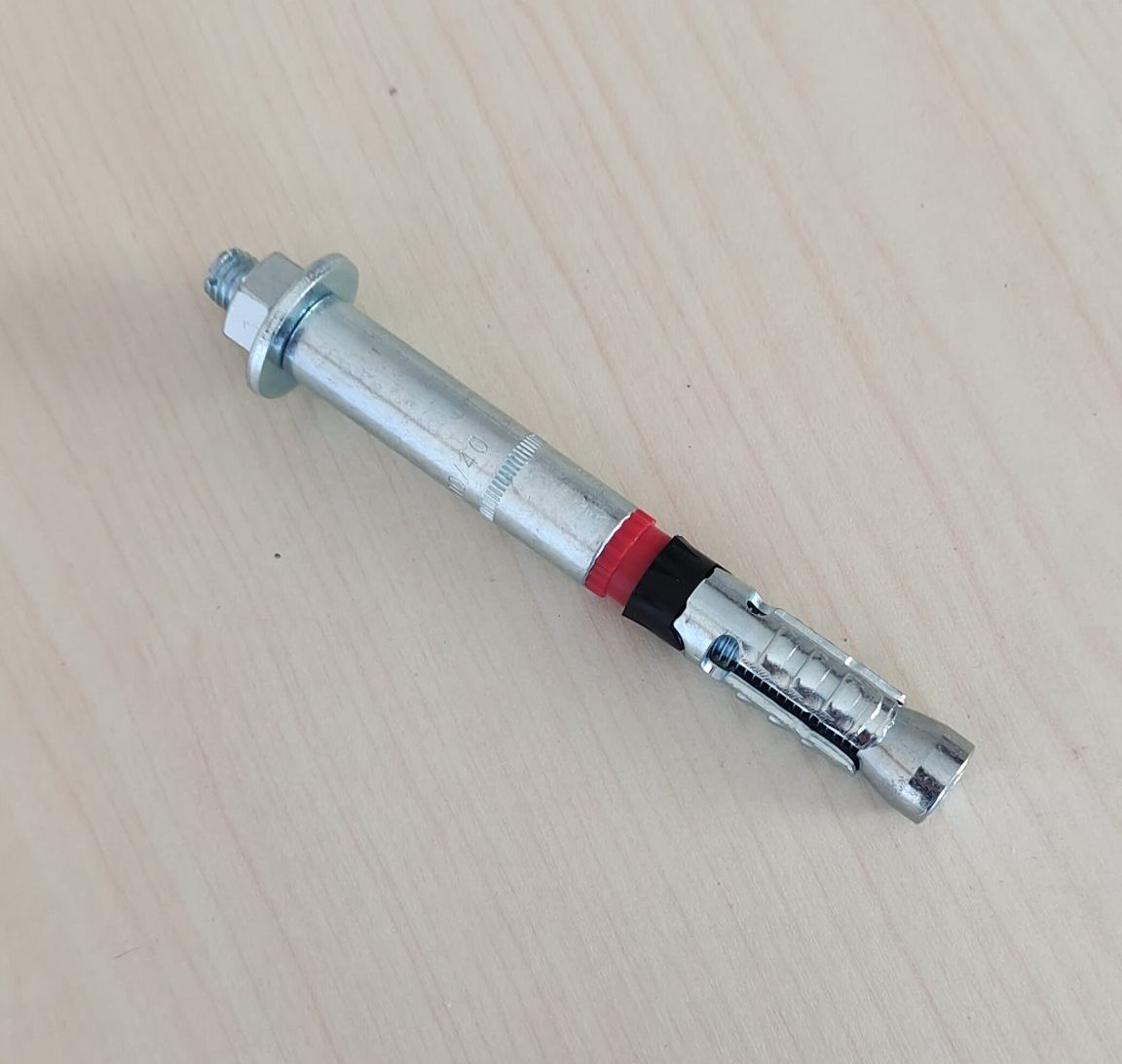
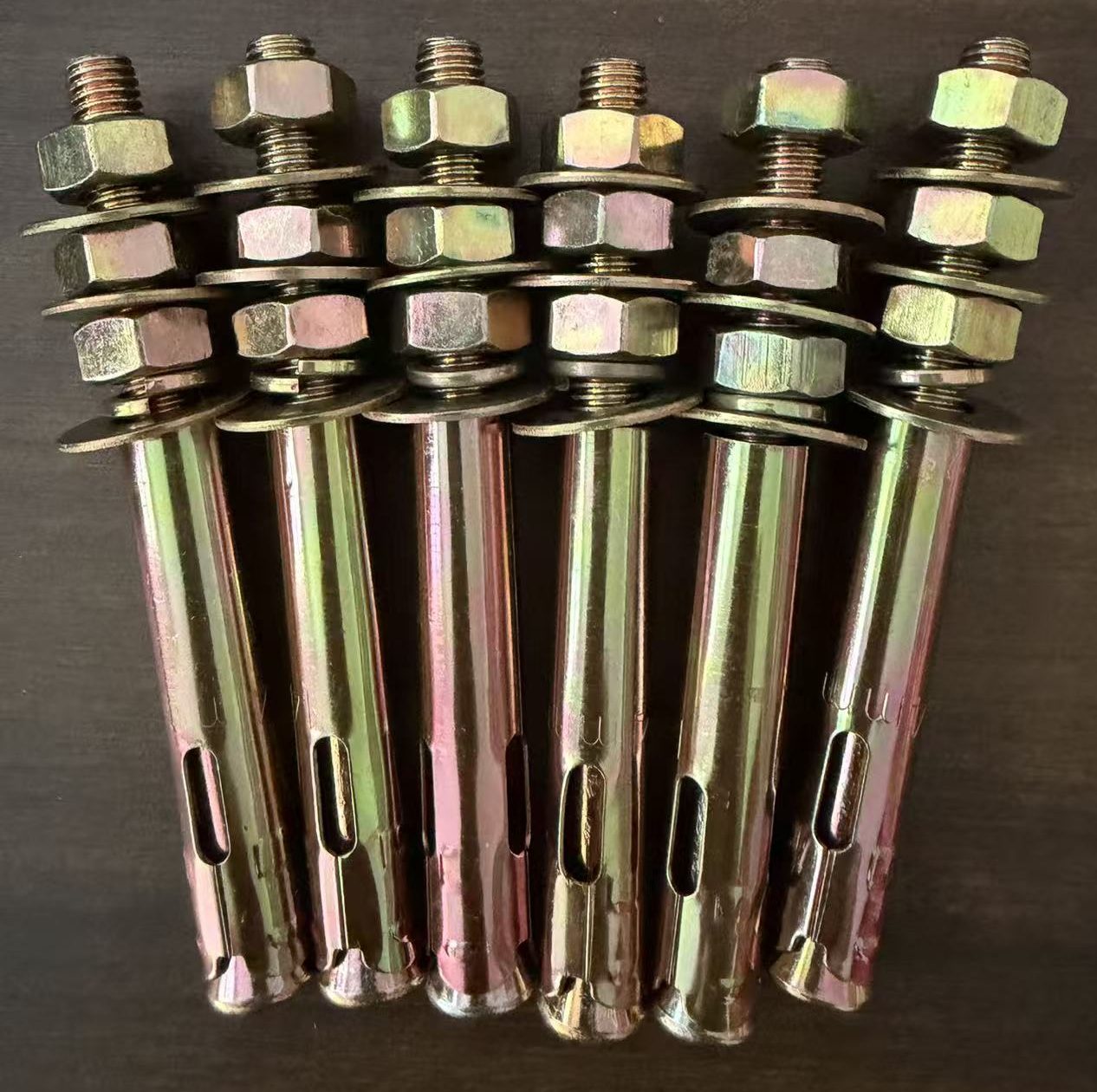
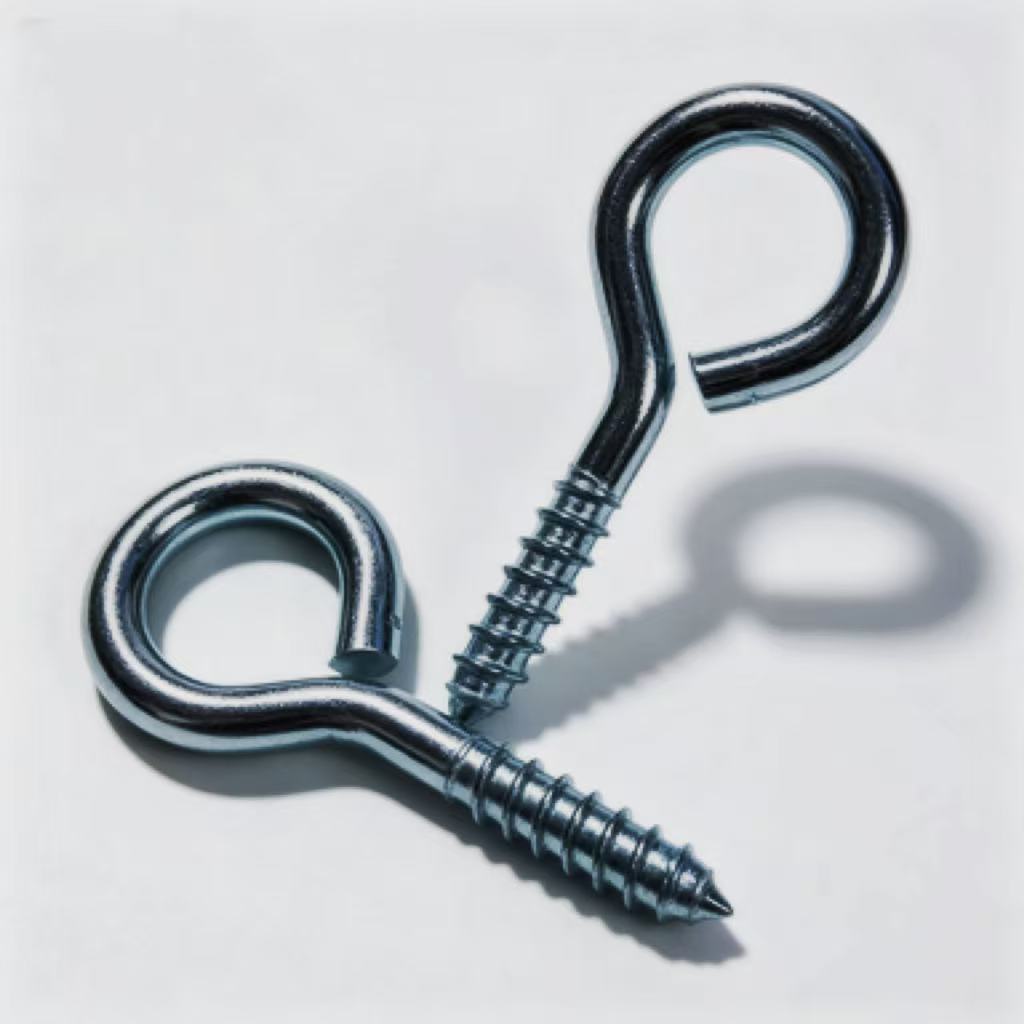
While our current focus is on high-performance aerospace solutions, our foundation is built on over a decade of excellence in the global fastener industry. Located in Handan, Hebei—China’s renowned hub for fastener manufacturing—we operate as an integrated industry and trade entity. Our journey began with mastering diverse hardware solutions, including specialized casing geckos and welded sheep’s eye screws, which honed our precision in complex threading and welding technologies.
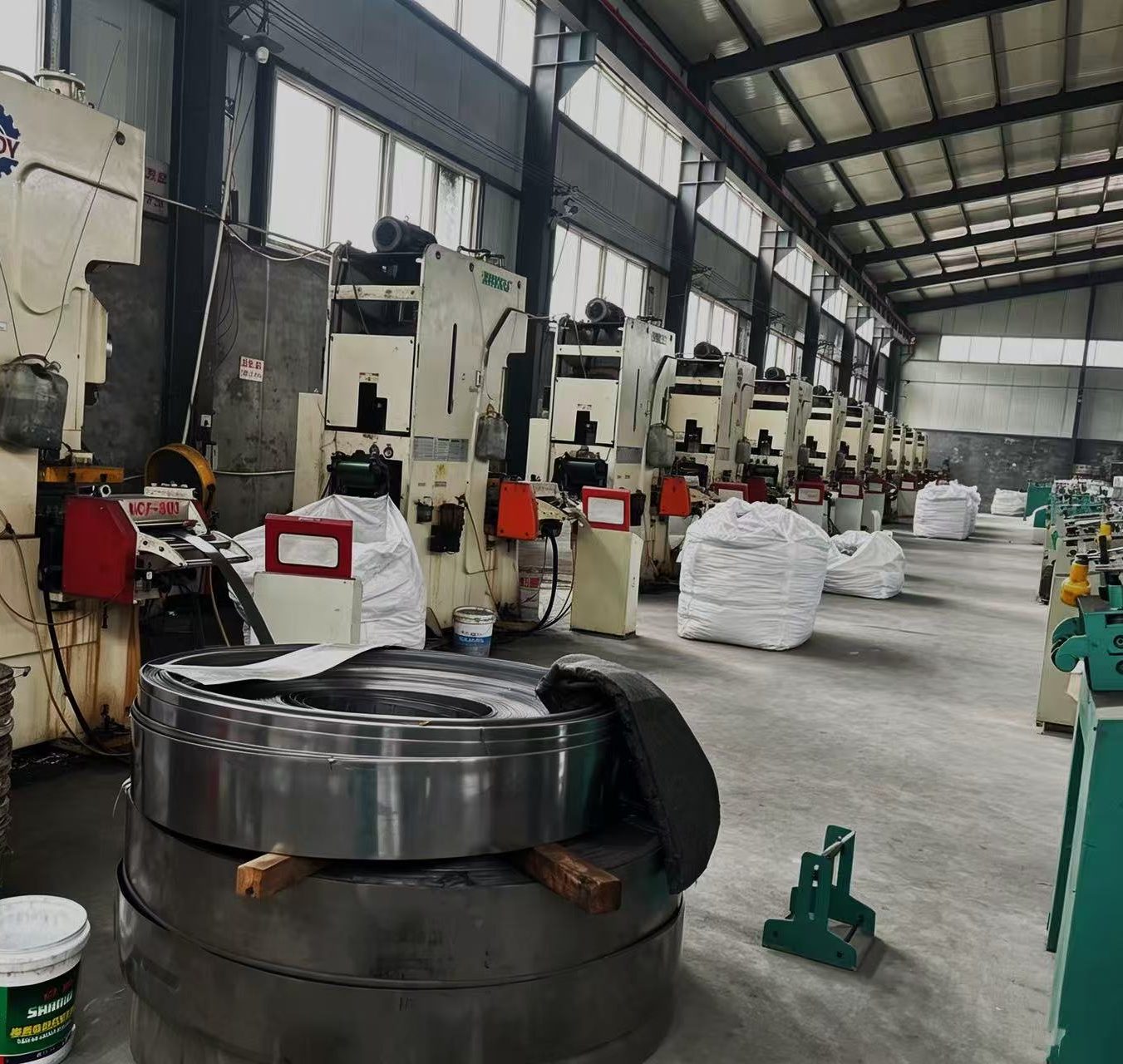
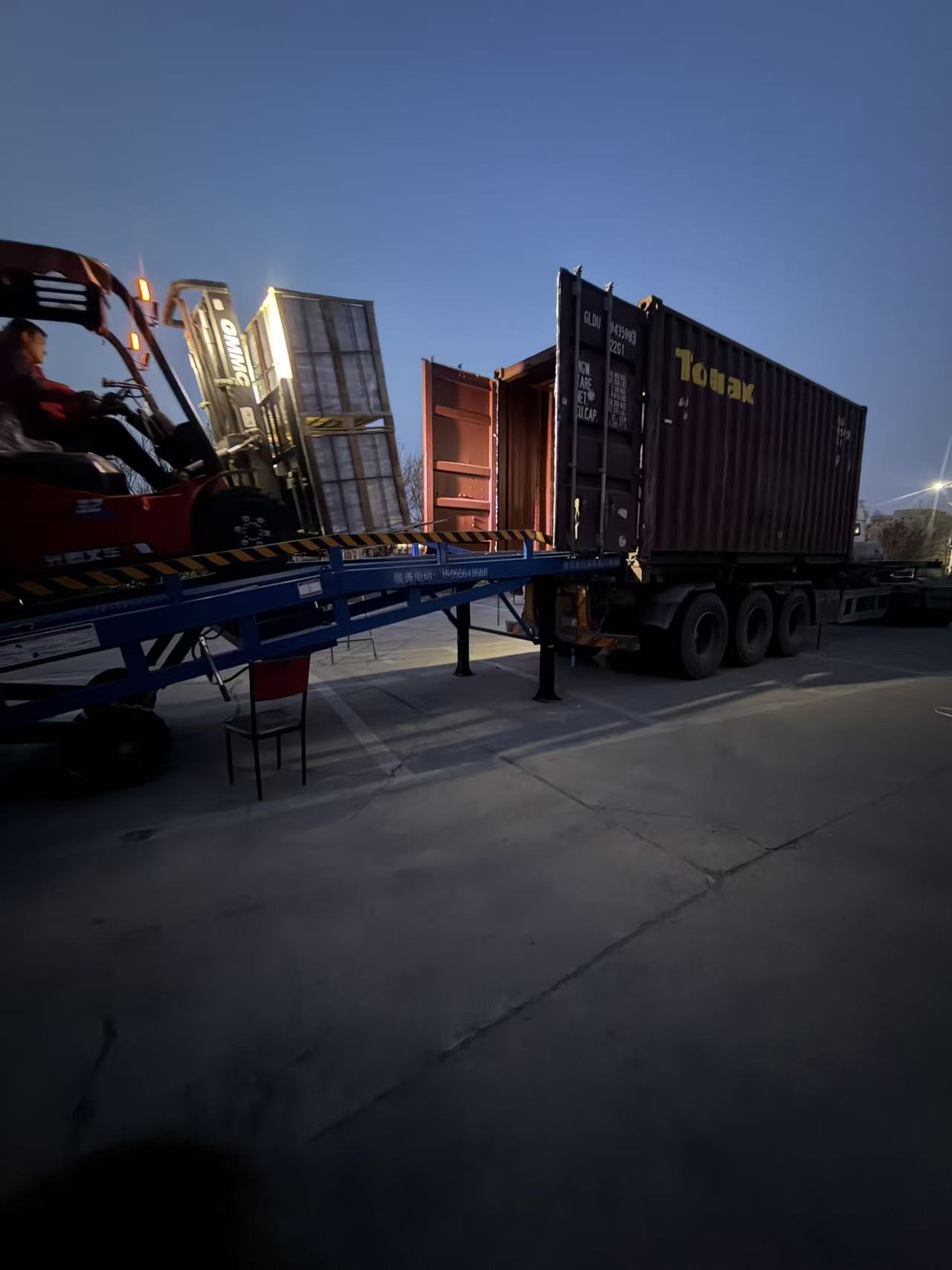
Today, that extensive experience drives our aerospace division. Having exported products to more than 26 countries, we have cultivated a deep understanding of international standards, including GB, DIN, JIS, and ANSI. Our commitment to “quality first, customer first” has led us to invest heavily in scientific research and high-tech talent. By leveraging advanced production machinery and perfecting our testing methodologies, we ensure that every component leaving our facility meets the most rigorous global benchmarks.
Our professional technical team stands ready to customize special specifications regarding quality and quantity, adhering to strict quality control protocols. Whether adapting legacy designs for modern aviation or developing entirely new fastening concepts, our goal remains unchanged: to maintain an impeccable reputation by delivering thoughtful service and products that exceed customer expectations.
Frequently Asked Questions (FAQ)
What distinguishes aerospace fasteners from standard industrial ones?
Aerospace fasteners undergo stricter quality controls, use higher-grade materials, and must meet specific aviation standards like AS9100. They are designed to withstand extreme vibrations, temperatures, and stress loads that industrial fasteners cannot handle.
Can I order custom-sized aerospace fasteners from your factory?
Yes, as an OEM manufacturer with over ten years of industry experience, we specialize in custom production. We can engineer fasteners to meet unique dimensional, material, and performance specifications required by your specific project.
How do you ensure the traceability of your products?
We maintain a comprehensive digital tracking system. Each batch is assigned a unique ID linked to raw material certificates, heat treatment logs, and quality inspection reports, ensuring full traceability from raw material to delivery.
What certifications does your factory hold?
Our facility is certified under AS9100, the global quality management standard for the aerospace industry. We also comply with various national aviation authority regulations and specific OEM standards, building on our history of meeting GB, DIN, JIS, and ANSI requirements.
What is the typical lead time for orders?
Lead times vary based on complexity and volume. Standard items may ship within weeks, while custom engineered solutions may require longer for prototyping and validation. We provide precise timelines upon consultation.
Conclusion: Partnering for Excellence in Aerospace Manufacturing
Selecting the right supplier for aerospace fasteners is a strategic decision that impacts safety, performance, and profitability. Our OEM factory combines decades of engineering expertise with state-of-the-art manufacturing capabilities to deliver superior solutions.
We offer a seamless blend of high-quality materials, rigorous certification, and competitive direct pricing. Whether for commercial airliners, defense jets, or space vehicles, our components meet the highest industry benchmarks.
Who should partner with us?
This service is ideal for aircraft manufacturers, MRO facilities, and defense contractors seeking reliable, certified fasteners without distributor markups. If you value precision, traceability, and cost-efficiency, our factory is your optimal choice.
Take the next step towards optimizing your supply chain. Contact our engineering team today to discuss your specific requirements and discover how our direct-from-factory model can elevate your aerospace projects.