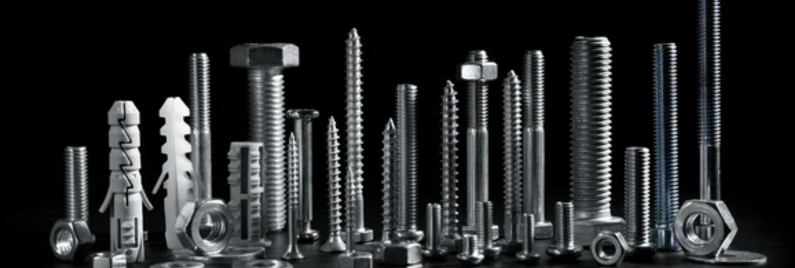
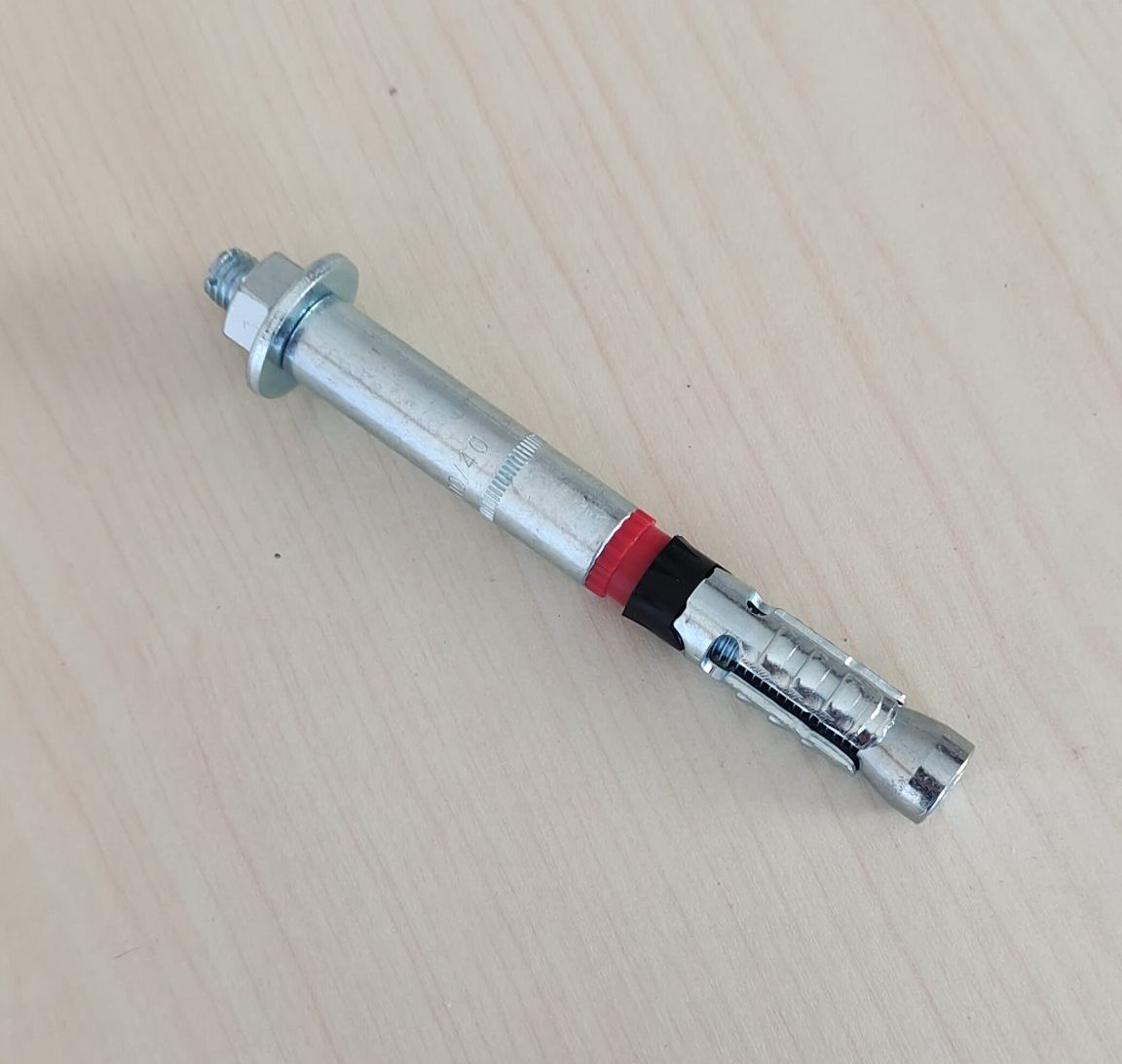
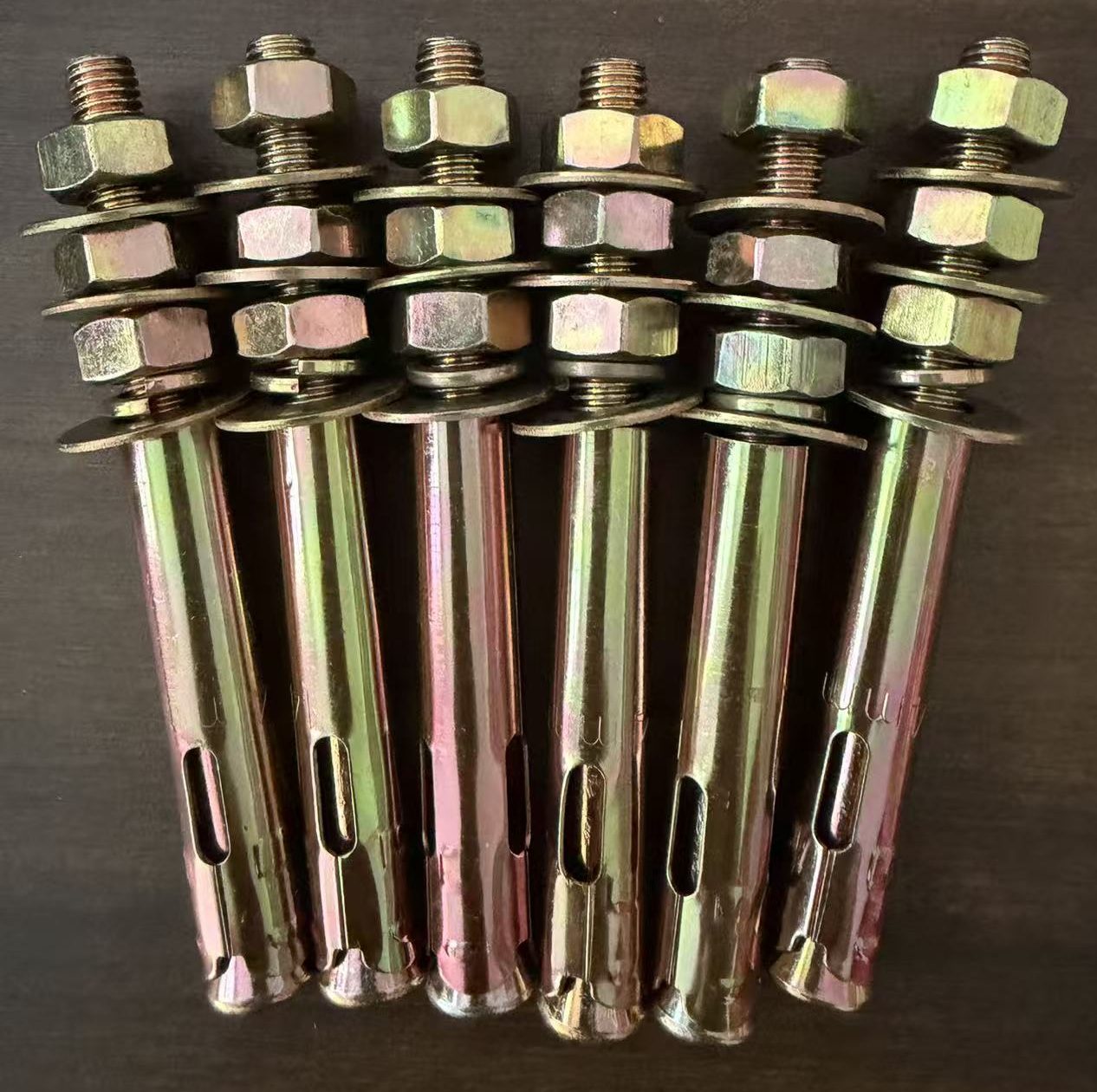
Alloy steel fasteners are high-strength mechanical components engineered from iron-carbon alloys enhanced with elements like chromium, molybdenum, and nickel to withstand extreme stress, temperature, and corrosion. As a leading manufacturer offering factory direct prices in 2026, we specialize in producing precision-engineered fasteners that meet rigorous international standards for heavy-duty industrial applications. Our direct-to-client model ensures superior quality control and cost efficiency without compromising on material integrity or performance reliability.
What Defines High-Performance Alloy Steel Fasteners?
The core distinction of alloy steel fasteners lies in their chemical composition and heat treatment processes. Unlike standard carbon steel, alloy steels incorporate specific metallic elements to enhance mechanical properties. This modification allows the fasteners to maintain structural integrity under dynamic loads and harsh environmental conditions.
Manufacturing these components requires precise control over the microstructure of the steel. The addition of alloying elements facilitates deeper hardening during quenching, resulting in a uniform grain structure. This uniformity is critical for preventing sudden failure in critical infrastructure projects where safety is paramount.
Industry professionals recognize that the value of these fasteners extends beyond initial tensile strength. Their ability to resist fatigue, creep, and hydrogen embrittlement makes them the preferred choice for sectors ranging from automotive to energy production. Understanding these underlying principles is essential for selecting the right component for your specific engineering challenges.
Key Alloying Elements and Their Functions
The performance characteristics of any alloy steel fastener are directly dictated by its elemental makeup. Each added element serves a specific metallurgical purpose, transforming base iron into a sophisticated engineering material.
- Chromium: Enhances hardenability and provides significant resistance to oxidation and corrosion. It is fundamental in creating a protective oxide layer on the surface.
- Molybdenum: Increases strength at elevated temperatures and improves resistance to pitting corrosion. It is crucial for applications involving high thermal cycling.
- Nickel: Improves toughness and impact resistance, particularly in low-temperature environments. It helps prevent brittle fracture under shock loads.
- Vanadium: Refines grain size during heat treatment, which boosts both strength and fatigue resistance. It also aids in maintaining hardness at high temperatures.
- Manganese: Works alongside sulfur to improve machinability while contributing to overall hardenability and tensile strength.
The synergistic effect of these elements allows manufacturers to tailor fastener properties to exact specifications. For instance, increasing molybdenum content is a common strategy for fasteners destined for petrochemical refineries where sour gas environments exist.
Comprehensive Analysis of Alloy Steel Fastener Grades
Selecting the correct grade is the most critical step in ensuring project success. The market offers a variety of grades, each designed to meet specific ASTM, ISO, or DIN standards. Understanding the nuances between these grades prevents over-engineering or, worse, under-specifying components.
In 2026, the industry continues to rely on established grading systems that classify fasteners based on their minimum tensile strength, yield strength, and hardness. These classifications guide engineers in matching the fastener capability with the operational demands of the assembly.
Our factory produces a wide spectrum of these grades, ensuring that whether you need a standard hex bolt for general construction or a specialized stud for a high-pressure valve, the material science supports the application. The following breakdown details the most prevalent grades utilized in modern engineering.
ASTM A193 and A194: The Standard for High-Temperature Service
The ASTM A193 specification covers alloy and stainless steel bolting materials for high-temperature or high-pressure service. Within this category, Grade B7 is arguably the most widely used alloy steel fastener in the world.
Grade B7 fasteners are manufactured from chromium-molybdenum steel (typically AISI 4140 or 4142). They undergo quenching and tempering to achieve a minimum tensile strength of 125 ksi. These are predominantly paired with ASTM A194 Grade 2H nuts, which are made from carbon or alloy steel and hardened to match the bolt’s strength.
Variations like Grade B7M offer lower maximum hardness to reduce the risk of stress corrosion cracking in specific environments. Meanwhile, Grade B16 incorporates vanadium for even higher temperature stability, making it suitable for power generation turbines where thermal creep is a concern.
ASTM A320: Solutions for Low-Temperature Environments
When operations shift to cryogenic temperatures or arctic climates, standard alloy steels may become brittle. The ASTM A320 specification addresses this by defining requirements for alloy steel bolting materials for low-temperature service.
Grade L7 is the low-temperature counterpart to B7. It utilizes similar chromium-molybdenum steel but undergoes special impact testing at minus 150 degrees Fahrenheit to ensure toughness. This grade is indispensable for LNG (Liquefied Natural Gas) facilities and refrigeration plants.
For even more extreme conditions, Grade L43 offers a combination of high strength and exceptional low-temperature impact resistance. Selecting these grades requires a thorough understanding of the minimum design metal temperature (MDMT) of the vessel or pipeline being assembled.
Automotive and Machinery Grades (SAE J429)
Beyond the pressure vessel industry, alloy steel fasteners are the backbone of the automotive and heavy machinery sectors. SAE Grade 5 and Grade 8 bolts represent the standard here.
SAE Grade 5 fasteners are made from medium carbon steel, quenched and tempered. They are marked with three radial lines on the head. While robust, they are often superseded by SAE Grade 8 in high-stress applications. Grade 8 bolts utilize medium carbon alloy steel, featuring six radial lines and offering significantly higher tensile and yield strengths.
These grades are critical in suspension systems, engine blocks, and transmission assemblies where vibration and dynamic loading are constant. The precision required in these sectors demands tight tolerances on thread fit and head dimensions.
Comparative Overview of Common Alloy Steel Grades
To assist in the selection process, the following table contrasts the mechanical properties and typical applications of the most common alloy steel fastener grades available through our factory direct channel. This data reflects current mainstream industry standards.
| Grade Specification | Primary Material | Min Tensile Strength (ksi) | Key Characteristic | Typical Application |
| ASTM A193 B7 | Cr-Mo Steel (4140) | 125 | High Temp & Pressure Resistance | Petrochemical Flanges, Valves |
| ASTM A193 B16 | Cr-Mo-V Steel | 125 | Superior Creep Resistance | Power Plant Turbines |
| ASTM A320 L7 | Cr-Mo Steel | 125 | Cryogenic Toughness | LNG Tanks, Refrigeration |
| SAE Grade 8 | Medium Carbon Alloy | 150 | High Static Load Capacity | Automotive Suspension, Engines |
| ISO 898-1 Class 10.9 | Alloy Steel | 1040 MPa | General High Strength | Structural Steelwork, Machinery |
This comparison highlights that while tensile strength is a vital metric, the environmental suitability (temperature, corrosion) often dictates the final choice. For example, a Grade 8 bolt might have higher room-temperature strength than a B7, but B7 is superior in a high-heat refinery environment due to its specific alloy content and tempering.
Advanced Manufacturing Processes at Our Facility
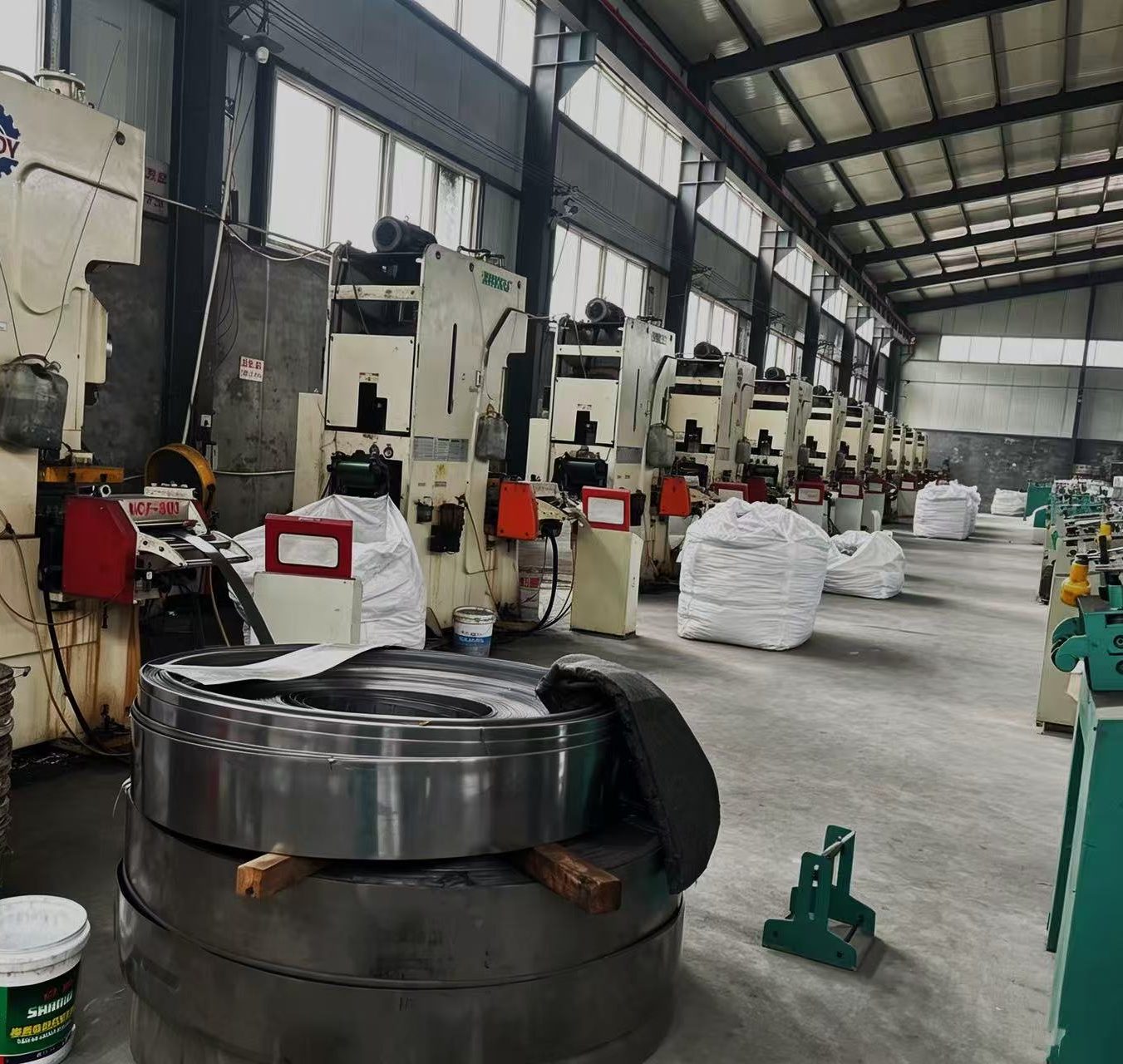
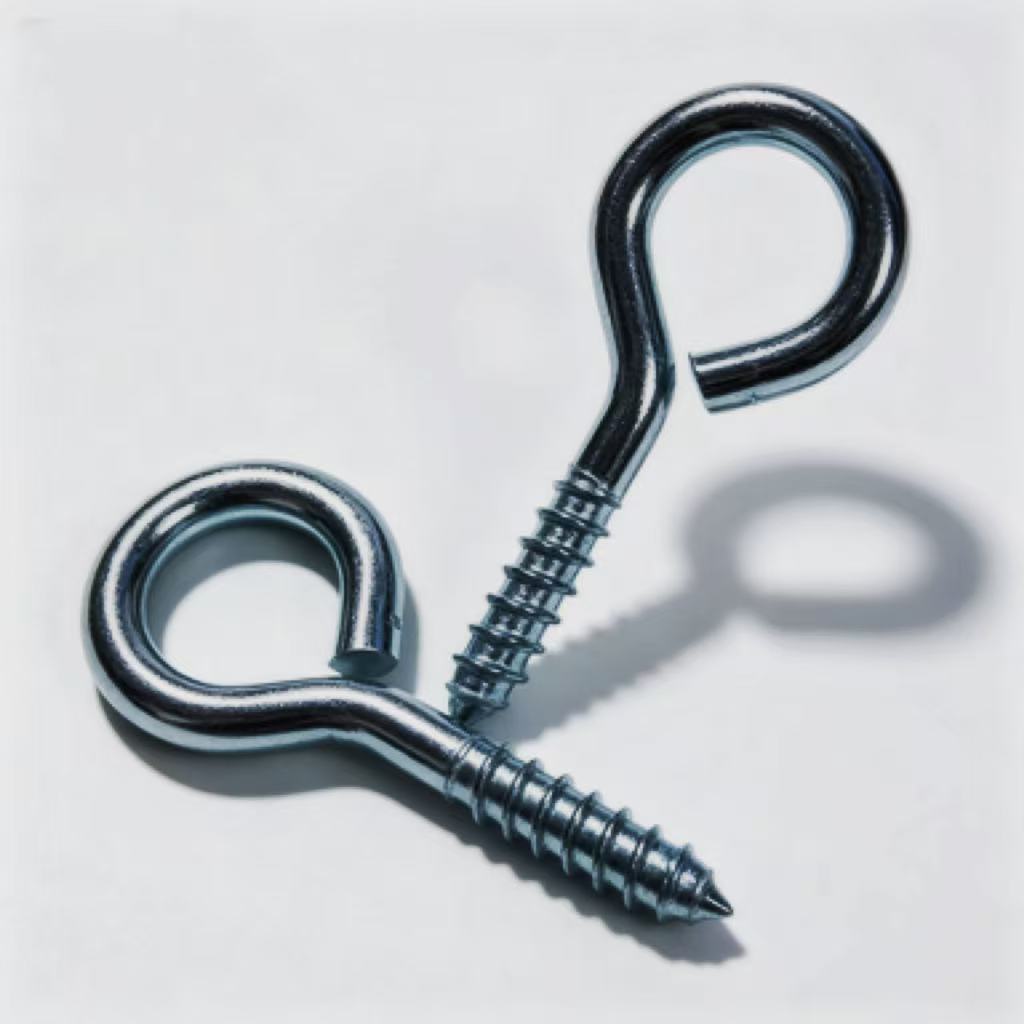
Producing top-tier alloy steel fasteners requires more than just raw materials; it demands a sophisticated manufacturing ecosystem. Located in Handan, Hebei—China’s renowned “Fastener Capital”—our company integrates over a decade of industry experience with state-of-the-art forging, machining, and heat treatment technologies. As a global industry and trade combination enterprise, we have expanded our capabilities beyond traditional products like casing geckos and welded sheep’s eye screws to become a premier developer of high-performance hardware tools.
The journey begins with cold or hot forging, depending on the size and complexity of the fastener. Forging aligns the grain flow of the metal with the shape of the part, inherently increasing its strength compared to simple machining from bar stock. This process is critical for achieving the fatigue resistance required in dynamic applications.
Following forming, the components undergo precision thread rolling. This cold-forming process work-hardens the thread roots, further enhancing fatigue life. Unlike cutting threads, rolling preserves the continuity of the metal grain, eliminating weak points that could initiate cracks under cyclic loading.
The Critical Role of Heat Treatment
Heat treatment is the heart of alloy steel fastener production. It is the stage where the material achieves its designated mechanical properties. Our process involves precise austenitizing, followed by rapid quenching and controlled tempering.
- Austenitizing: The fasteners are heated to a specific temperature where the crystal structure transforms, allowing alloying elements to dissolve uniformly into the steel matrix.
- Quenching: Rapid cooling locks this structure in place, creating a very hard but brittle martensitic phase. The speed and medium of quenching (oil, water, or polymer) are carefully selected based on the alloy chemistry.
- Tempering: The final and perhaps most crucial step. The fasteners are reheated to a lower temperature to relieve internal stresses and restore toughness. The tempering temperature determines the final balance between hardness and ductility.
We employ continuous mesh belt furnaces with real-time atmosphere control to ensure consistency across large production runs. Every batch is accompanied by a certified heat treatment chart, verifying that the time-temperature profile was strictly adhered to.
Surface Coatings and Corrosion Protection
While alloy steel provides inherent strength, additional surface treatments are often necessary to combat corrosion and galling. We offer a range of coating solutions tailored to the operating environment.
Zinc Plating: A cost-effective solution for indoor or mild outdoor environments. It provides a sacrificial layer that protects the base metal. However, it is not suitable for high-temperature applications above 200°C due to the risk of hydrogen embrittlement and coating degradation.
Hot Dip Galvanizing (HDG): Offers a thicker zinc layer for superior corrosion resistance in harsh outdoor settings like bridges and transmission towers. Care must be taken to adjust thread tolerances to accommodate the coating thickness.
PTFE and Xylan Coatings: These fluoropolymer coatings provide excellent chemical resistance and anti-galling properties. They are ideal for valves and fittings in the chemical processing industry where frequent disassembly is required.
Phosphate and Oil: Often used as a temporary protectant during shipping or as a base for paint. It also aids in breakaway torque control during assembly.
Strategic Applications Across Industries
The versatility of alloy steel fasteners makes them indispensable across a broad spectrum of industries. Their deployment is driven by the need for reliability in scenarios where failure is not an option. Understanding these applications helps in specifying the correct product.
Oil, Gas, and Petrochemical Sector
This industry represents the largest consumer of high-grade alloy fasteners. Refineries and offshore platforms operate under extreme pressures and temperatures, often in corrosive atmospheres containing hydrogen sulfide.
Flange connections in pipelines and pressure vessels rely heavily on ASTM A193 B7 studs and A194 2H nuts. In “sour service” environments where hydrogen embrittlement is a risk, we provide NACE MR0175 compliant fasteners with controlled hardness levels to prevent catastrophic failure.
The reliability of these connections ensures the safety of personnel and the environment. A single leaking flange can lead to significant downtime and safety hazards, underscoring the importance of using factory-direct, certified components.
Power Generation and Energy
From traditional coal-fired plants to modern nuclear and renewable energy facilities, power generation demands fasteners that can endure thermal cycling and high stress. Turbine casings, boiler drums, and steam pipes utilize high-temperature alloys like B16 and B11.
In wind energy, the massive tower flanges and blade pitch mechanisms require high-strength bolts capable of resisting fatigue from constant wind loading. Our ISO Class 10.9 and 12.9 fasteners are engineered to handle these dynamic forces over decades of operation.
Nuclear facilities impose the strictest quality assurance requirements. Fasteners used here must undergo extensive documentation and testing, including positive material identification (PMI) and ultrasonic examination, to guarantee absolute conformity.
Heavy Machinery and Automotive Engineering
The automotive and heavy equipment sectors prioritize weight reduction and performance. High-strength alloy fasteners allow designers to use fewer or smaller bolts to achieve the same clamping force, contributing to overall vehicle efficiency.
Engine cylinder heads, connecting rods, and suspension components are subjected to intense vibration and shock loads. SAE Grade 8 and Metric Class 10.9/12.9 fasteners are standard here. The precision of the thread fit is critical to maintain preload and prevent loosening.
In mining and construction equipment, fasteners face abrasive dust, moisture, and heavy impact. Our hardened alloy steel products provide the durability needed to keep excavators, crushers, and haul trucks operational in the toughest terrains.
Quality Assurance and Certification Standards
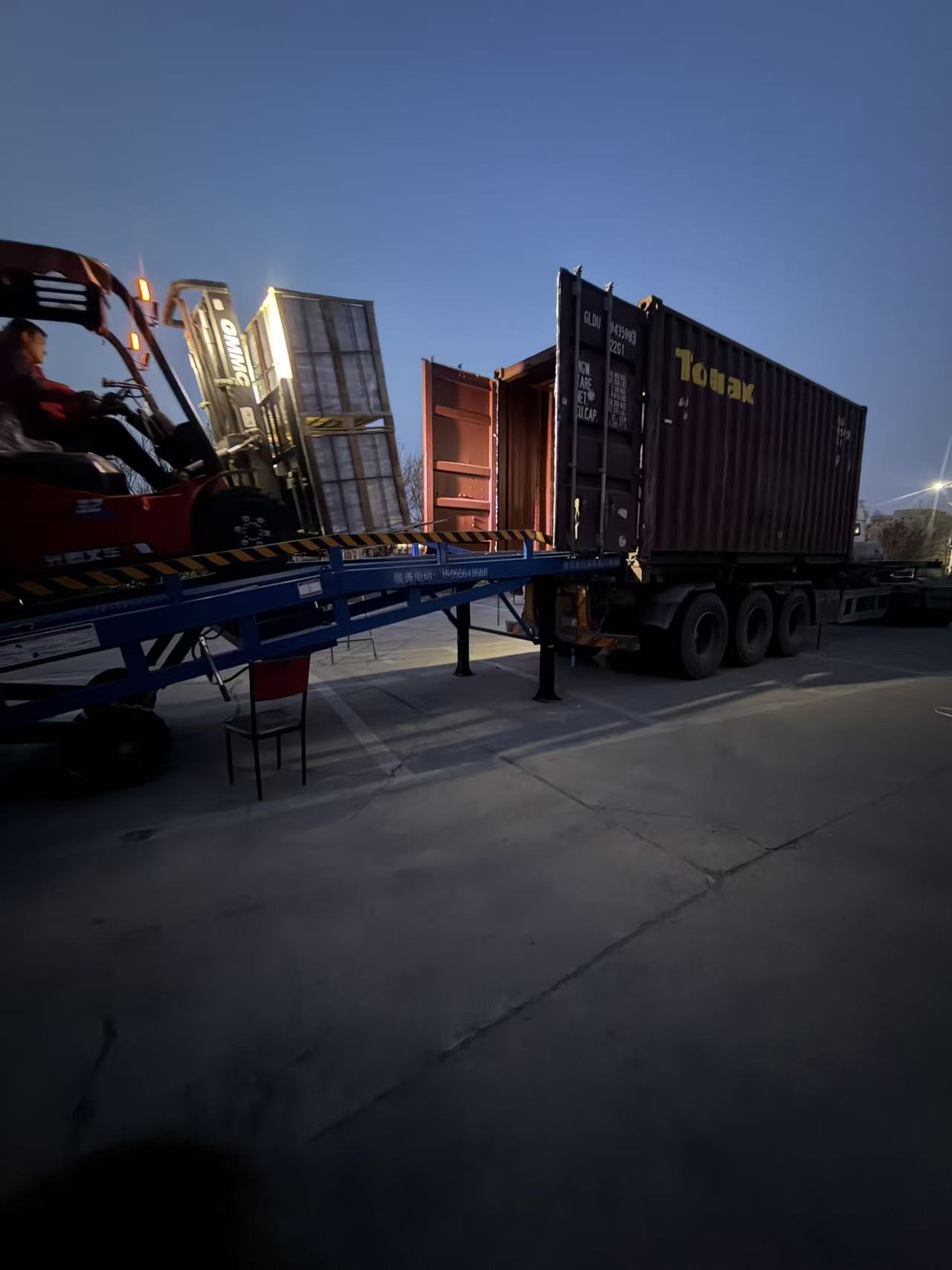
Trust is the cornerstone of our manufacturing philosophy. Adhering to the principle of “quality first, customer first,” we maintain full transparency regarding the quality of our alloy steel fasteners. With products exported to more than 26 countries, our commitment to integrity-based business practices ensures that every shipment meets global expectations.
Our Quality Management System is aligned with ISO 9001 principles, ensuring consistent processes from raw material procurement to final dispatch. We do not merely test finished goods; we monitor quality at every stage of production. By introducing high-tech talents and investing heavily in scientific research, we utilize advanced testing methods to verify compliance with GB, DIN, JIS, ANSI, and other international standards.
Key certifications available include Mill Test Certificates (MTC) EN 10204 Type 3.1, which provides detailed chemical analysis and mechanical test results traceable to the specific heat number. For specialized industries, we can facilitate third-party inspections by agencies such as SGS, BV, or Lloyd’s Register.
We strictly adhere to traceability protocols. Each bundle of fasteners is tagged with a unique identifier linking it to the production batch, heat treatment log, and inspection report. This level of detail is crucial for audits and maintenance records in regulated industries.
Testing Protocols Employed
To guarantee performance, our laboratory conducts a suite of rigorous tests on every production lot:
- Tensile Testing: Verifies that the fastener meets the minimum ultimate tensile and yield strength requirements specified by the relevant standard.
- Hardness Testing: Ensures the material falls within the acceptable Rockwell or Vickers hardness range, confirming proper heat treatment.
- Impact Testing: For low-temperature grades, Charpy V-notch tests are performed to validate toughness at sub-zero temperatures.
- Proof Load Testing: Confirms that the fastener can withstand a specified load without permanent deformation.
- Dimensional Inspection: Uses advanced gauging and optical sorting to verify thread pitch, head height, and overall geometry.
These protocols ensure that the “factory direct price” does not come at the expense of quality. On the contrary, eliminating intermediaries allows us to reinvest savings directly into superior quality control infrastructure.
Why Choose Factory Direct for Your 2026 Projects?
In the evolving landscape of industrial supply chains, sourcing directly from the manufacturer offers distinct strategic advantages. By partnering with us for your alloy steel fasteners, you bypass markups and gain direct access to technical expertise.
Cost Efficiency: Without distributor margins, we offer highly competitive pricing. This is particularly beneficial for large-scale projects requiring thousands of tons of fasteners. The savings can be redirected towards other critical project components.
Customization Capabilities: Off-the-shelf solutions do not always fit unique engineering requirements. Our professional technical team and advanced machinery enable us to customize special specifications, quality, and quantity according to your specific blueprint. Whether you need non-standard lengths, custom head configurations, or specialized coatings, our flexibility sets us apart from standard stockists.
Supply Chain Reliability: Direct communication eliminates information distortion. You receive accurate lead times and real-time production updates. In an era where supply chain disruptions are common, having a direct line to the production floor ensures better planning and inventory management.
Technical Support: Our team consists of metallurgists and engineers who understand the application, not just salespeople. We can advise on grade selection, torque values, and installation best practices, adding value beyond the physical product. Maintaining our reputation and meeting your needs is our ultimate goal.
Frequently Asked Questions (FAQ)
What is the difference between alloy steel and stainless steel fasteners?
The primary difference lies in their composition and intended use. Alloy steel fasteners are strengthened by elements like chromium and molybdenum but generally require coatings for corrosion protection. They excel in high-strength and high-temperature applications. Stainless steel fasteners contain higher chromium (and often nickel) levels, offering inherent corrosion resistance but typically lower tensile strength compared to heat-treated alloy steels. Choose alloy steel for strength and heat resistance; choose stainless for corrosive environments where strength requirements are moderate.
Can alloy steel fasteners be reused?
Reusability depends on the application and the condition of the fastener. In critical high-tension applications (like engine heads or pressure vessels), it is industry best practice to replace high-strength alloy bolts after disassembly. This is because the stretching during initial tightening can alter the metal’s microstructure, reducing its clamp load capacity upon reuse. For non-critical structural applications, visual inspection for thread damage or corrosion may permit reuse, but caution is advised.
How do I prevent hydrogen embrittlement in alloy steel fasteners?
Hydrogen embrittlement is a risk for high-strength alloy steels (typically above 1000 MPa or HRC 32) during plating processes. To prevent this, manufacturers must implement a baking process immediately after plating to diffuse trapped hydrogen. Additionally, avoiding acid pickling and using mechanical cleaning methods like shot blasting can reduce hydrogen uptake. Specifying “hydrogen embrittlement relief baked” in your order is crucial for high-grade fasteners.
What is the lead time for custom alloy steel fastener orders?
Lead times vary based on quantity, grade, and customization requirements. Standard grades in common sizes may be available from stock or produced within a few weeks. Custom heats, special coatings, or non-standard dimensions typically require 4 to 8 weeks for production and testing. We recommend consulting with our engineering team early in the project planning phase to establish a realistic timeline that aligns with your construction or manufacturing schedule.
Do you provide fasteners compliant with NACE MR0175 for sour service?
Yes, we specialize in producing fasteners compliant with NACE MR0175 / ISO 15156 for sour service environments. These fasteners are manufactured with strict controls on hardness (usually max HRC 22 for certain grades) and undergo specialized testing to ensure resistance to sulfide stress cracking. Documentation verifying compliance is provided with every shipment destined for oil and gas applications.
Conclusion and Selection Guide
Selecting the right alloy steel fasteners is a decision that impacts the safety, longevity, and efficiency of your entire project. From the intricate chemistry of the steel to the precision of the threading and the rigor of the heat treatment, every factor plays a role in performance.
As we move through 2026, the demand for reliable, high-strength fastening solutions continues to grow. Whether you are constructing a new refinery, assembling heavy machinery, or maintaining critical infrastructure, the quality of your fasteners cannot be compromised.
Who should choose our factory direct solutions?
- EPC Contractors: Who need bulk quantities with guaranteed certification for large-scale industrial projects.
- OEM Manufacturers: Seeking consistent quality and custom specifications for machinery and automotive production lines.
- Maintenance Teams: Requiring reliable replacements for high-pressure and high-temperature systems with minimal downtime.
By choosing a direct manufacturer rooted in Handan’s fastener heritage, you secure not only a competitive price but also a partnership founded on over ten years of experience, technological innovation, and an unwavering commitment to quality. We invite you to review your project specifications and reach out to our technical team. Let us help you identify the optimal grade, coating, and configuration to ensure your assembly stands the test of time and stress.
Take the next step towards securing your supply chain with premium, factory-direct alloy steel fasteners. Contact us today for a detailed consultation and quote tailored to your 2026 project needs.