As a leading DIN standard fasteners supplier, we provide factory-direct access to high-precision bolts, nuts, and screws engineered for global industrial applications. Our OEM capabilities ensure strict adherence to Deutsches Institut für Normung specifications, delivering reliability for automotive, machinery, and construction sectors without intermediary markups.
What Are DIN Standard Fasteners and Why Do They Matter?
DIN standard fasteners are mechanical fixing components manufactured according to technical norms established by the Deutsches Institut für Normung (German Institute for Standardization). These standards define precise dimensions, thread pitches, material grades, and mechanical properties to ensure interchangeability and safety across international supply chains.
In global manufacturing, consistency is critical. Unlike generic hardware, DIN-certified products undergo rigorous testing to meet specific load-bearing and corrosion-resistance requirements. This makes them the preferred choice for engineers designing heavy-duty equipment where failure is not an option.
The significance of these standards extends beyond Germany. Industries worldwide adopt DIN specifications because they often exceed basic ISO requirements in terms of tolerance precision and material certification. When sourcing components, understanding these nuances is vital for project longevity.
The Evolution of Industrial Fastening Standards
Historically, regional variations in threading caused significant compatibility issues. The introduction of DIN norms created a unified language for engineers. Today, while many DIN standards have been harmonized with ISO equivalents, the “DIN” designation remains a hallmark of quality and precision in the European market.
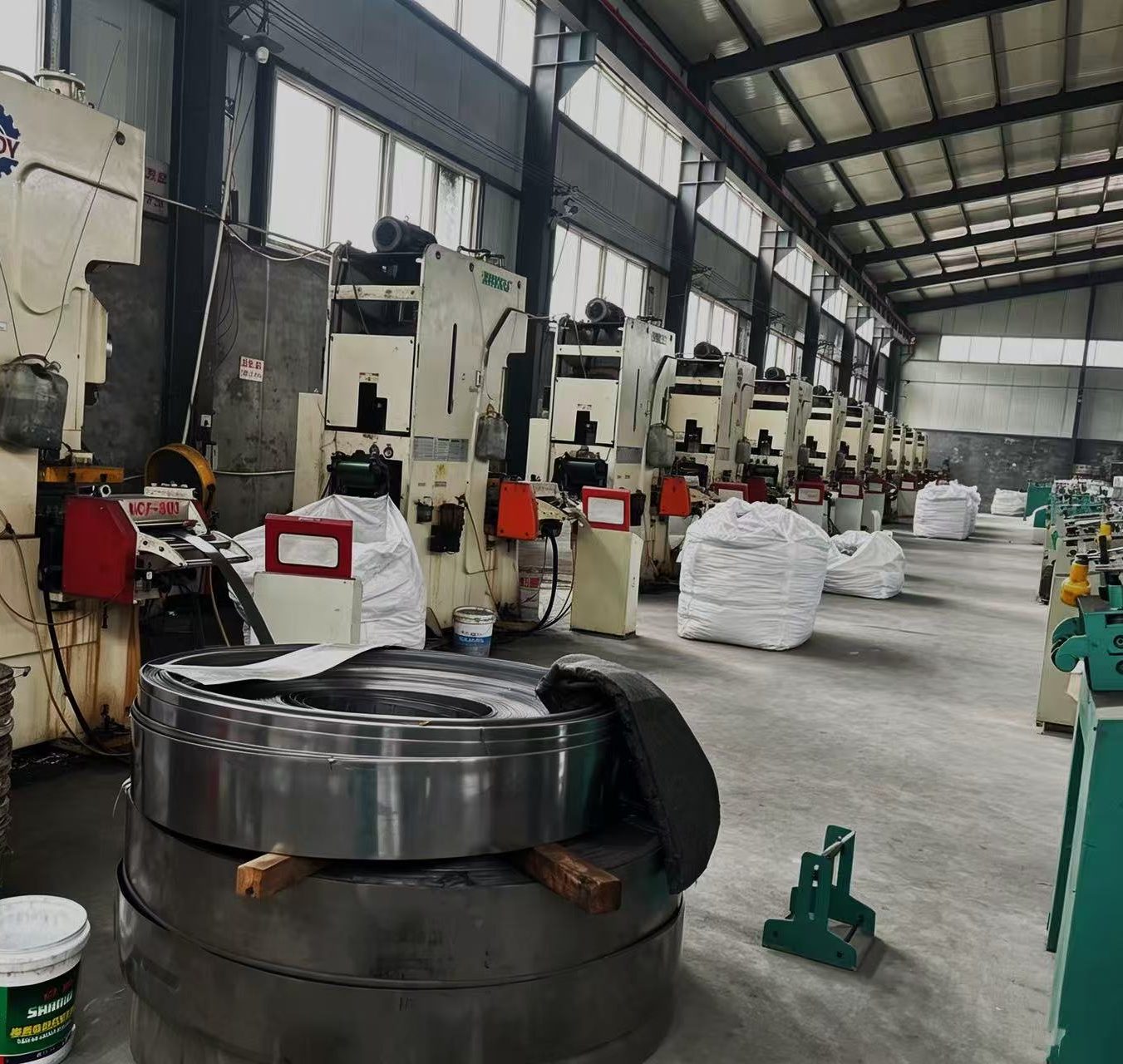
Manufacturers who specialize in these standards maintain dedicated production lines calibrated specifically for these tolerances. This specialization ensures that every batch produced matches the exact chemical composition and tensile strength required by the specific DIN code referenced in blueprints.
Comprehensive Catalog of Factory-Direct DIN Components
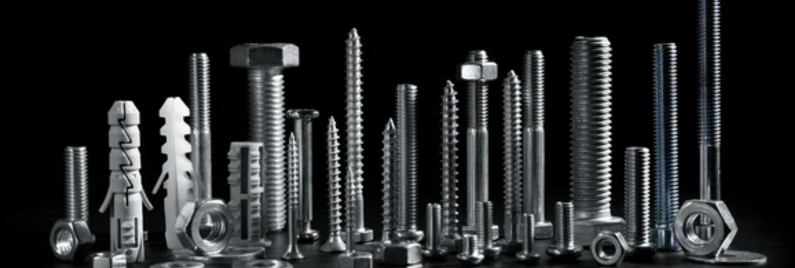
Our factory specializes in a vast array of DIN standard fasteners, ranging from common hexagon head bolts to specialized locking mechanisms. By eliminating middlemen, we offer competitive pricing while maintaining full control over the quality assurance process from raw material selection to final packaging.
We support full OEM customization, allowing clients to specify unique coatings, lengths, or head styles that deviate slightly from standard catalogs while still adhering to the core mechanical principles of the relevant DIN norm. This flexibility is essential for proprietary machinery design.
- Hexagon Head Bolts: Including DIN 931 (partial thread) and DIN 933 (full thread), the workhorses of structural assembly.
- Socket Cap Screws: Such as DIN 912, offering high tensile strength with a low-profile head for confined spaces.
- Nuts and Washers: Precision-matched pairs like DIN 934 nuts and DIN 125 washers to ensure optimal load distribution.
- Set Screws: DIN 913 through DIN 916 series for securing pulleys and gears onto shafts without protruding heads.
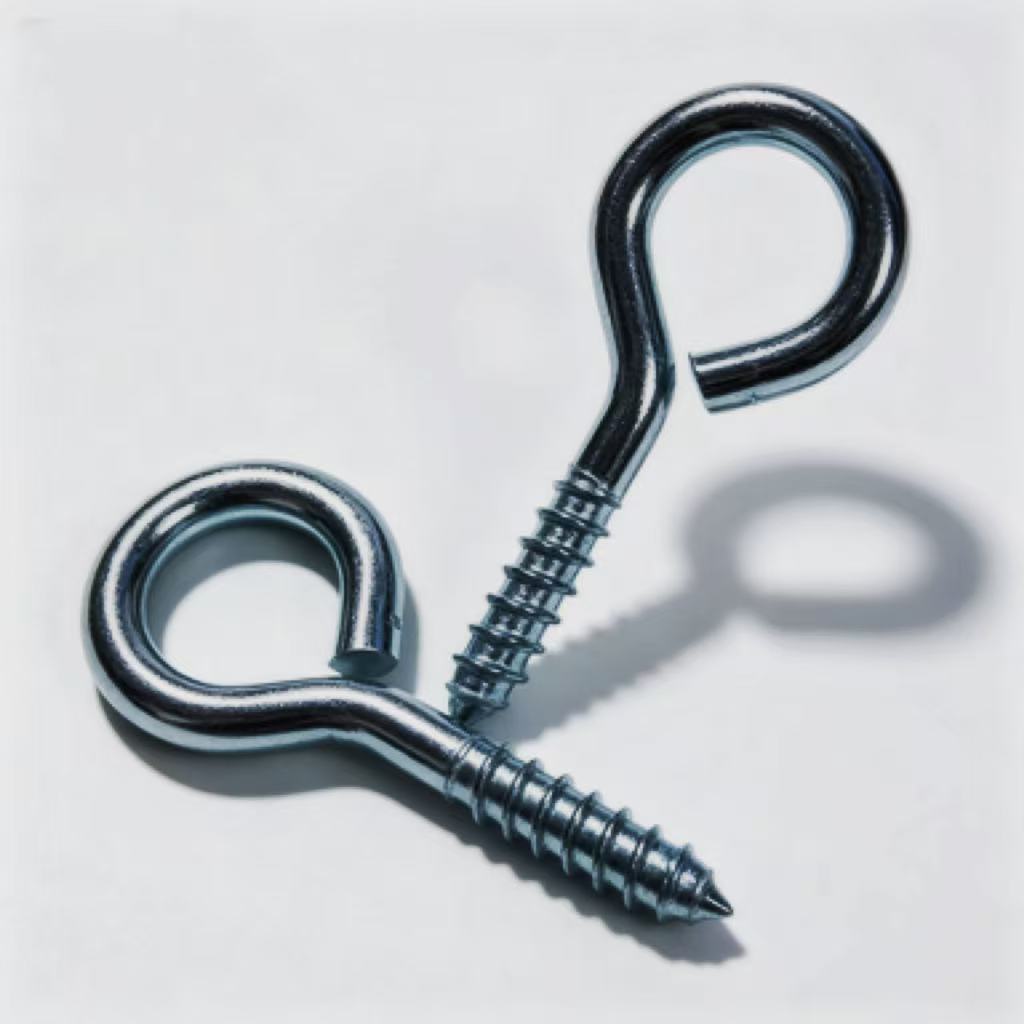
- Specialty Fasteners: Eye bolts, lifting points, and flange screws designed for specific dynamic load scenarios.
Material Grades and Coating Options
Selecting the right material is as important as choosing the correct dimension. We stock fasteners in carbon steel, alloy steel, stainless steel (A2/A4), and brass. Each material grade corresponds to specific environmental demands, from indoor machinery to offshore marine applications.
Surface treatments play a crucial role in corrosion resistance. Common options include zinc plating, hot-dip galvanizing, geometrically controlled zinc flake coatings, and black oxide finishes. Our engineering team assists in selecting the optimal coating based on salt-spray test requirements and operational temperature ranges.
DIN vs. ISO vs. ANSI: A Technical Comparison
While globalization has pushed for standard unification, distinct differences remain between DIN, ISO, and ANSI (American National Standards Institute) fasteners. Understanding these differences prevents costly assembly errors and ensures structural integrity in mixed-supply environments.
Many modern DIN standards have been adopted as ISO standards, yet legacy designs and specific regional preferences keep pure DIN parts in high demand. For instance, certain DIN socket screws feature a slightly different head height or drive depth compared to their ISO counterparts, affecting tool engagement torque.
| Feature | DIN Standard (German) | ISO Standard (International) | ANSI/ASME (American) |
| Thread Profile | Metric (ISO compatible) | Metric | UNC/UNF (Imperial) |
| Tolerance Class | Often tighter (e.g., 6g/6H) | Standard Metric | Class 2A/3A |
| Head Dimensions | Specific to DIN norm | Harmonized but varies | Different across/flats ratios |
| Marking Requirements | Manufacturer ID + Grade | Grade + Standard | Grade + Manufacturer |
| Primary Market | Europe, Asia, Global OEMs | Global General Use | North America |
Interchangeability Challenges
Engineers must be cautious when substituting DIN parts with ANSI equivalents. Even if the diameter appears similar, the thread pitch difference can strip threads or cause joint failure under vibration. Similarly, swapping a DIN 933 for an ISO 4017 may seem trivial, but subtle dimensional changes in the bearing surface can alter clamp load calculations.
Our technical support team provides cross-reference charts to help customers identify true equivalents versus near-matches. We emphasize using the exact standard specified in the original equipment design to maintain warranty validity and safety certifications.
Factory Direct Advantages and OEM Capabilities
Sourcing DIN standard fasteners directly from the manufacturer offers distinct advantages over purchasing through distributors. The primary benefit is cost efficiency; removing layer margins allows for significant savings on bulk orders, particularly for large-scale infrastructure or automotive production runs.
Beyond price, direct factory engagement ensures traceability. Every batch can be tracked back to the heat number of the raw steel, providing complete documentation for quality audits. This level of transparency is increasingly required in regulated industries such as aerospace and railway transport.
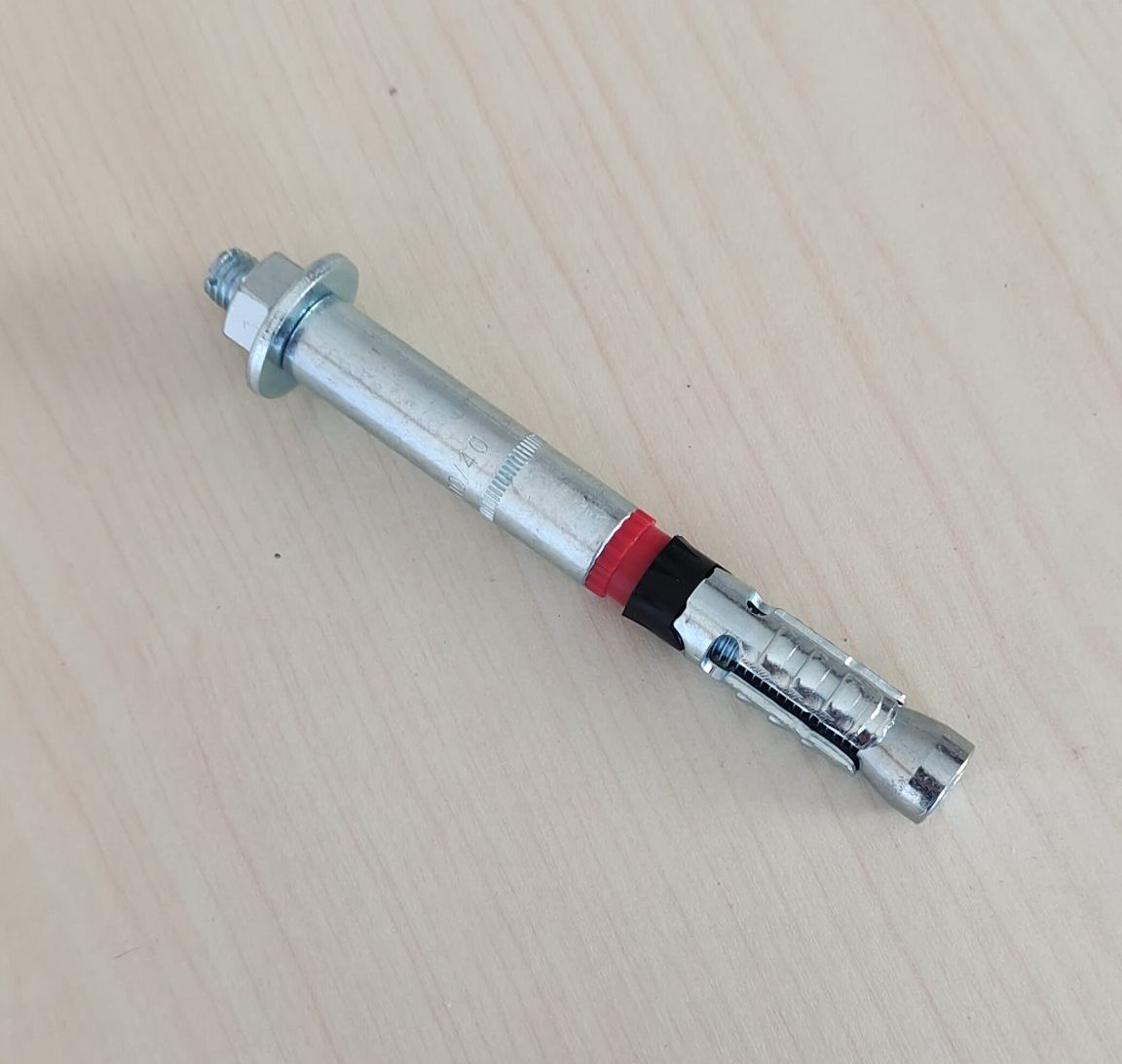
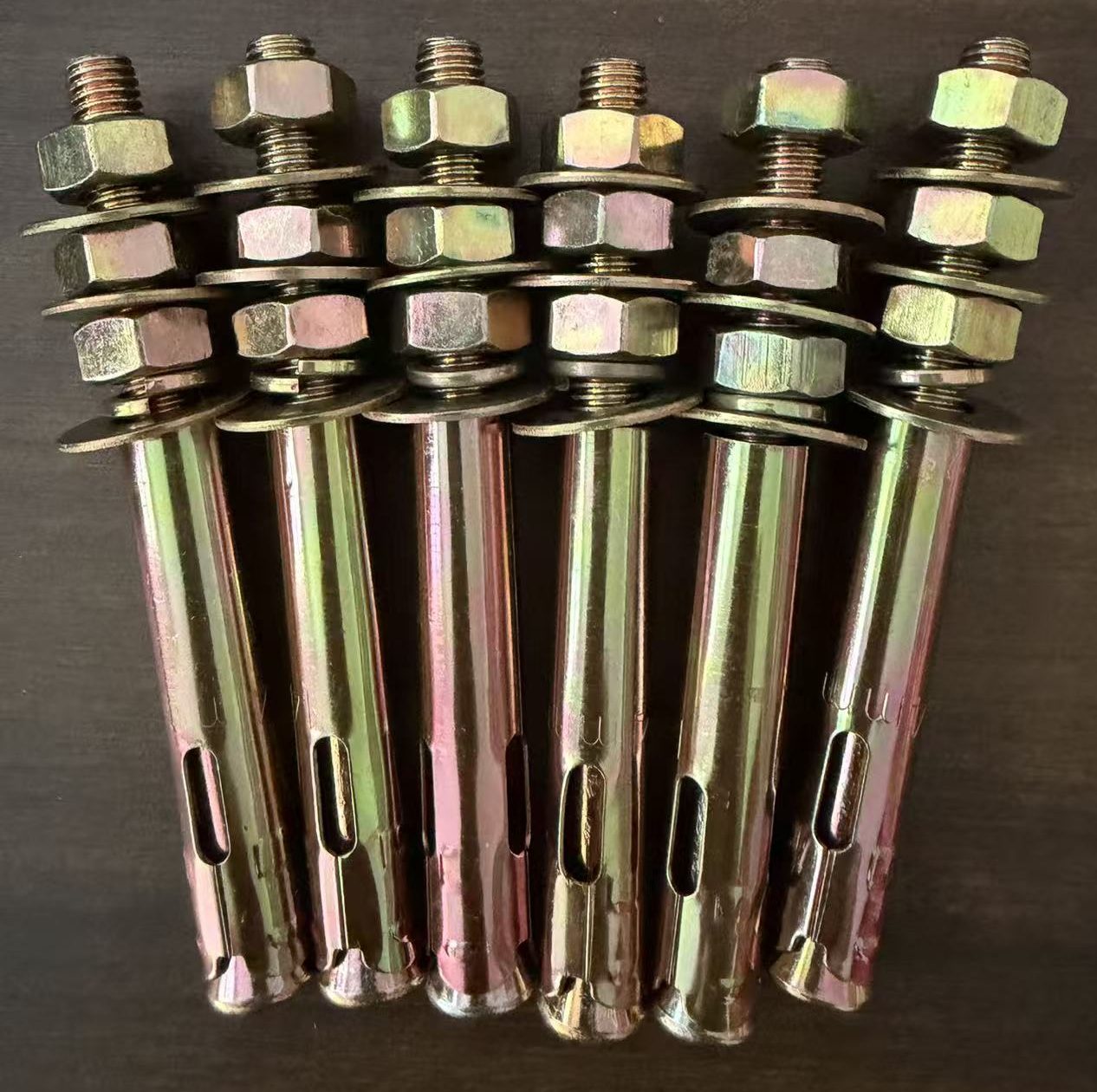
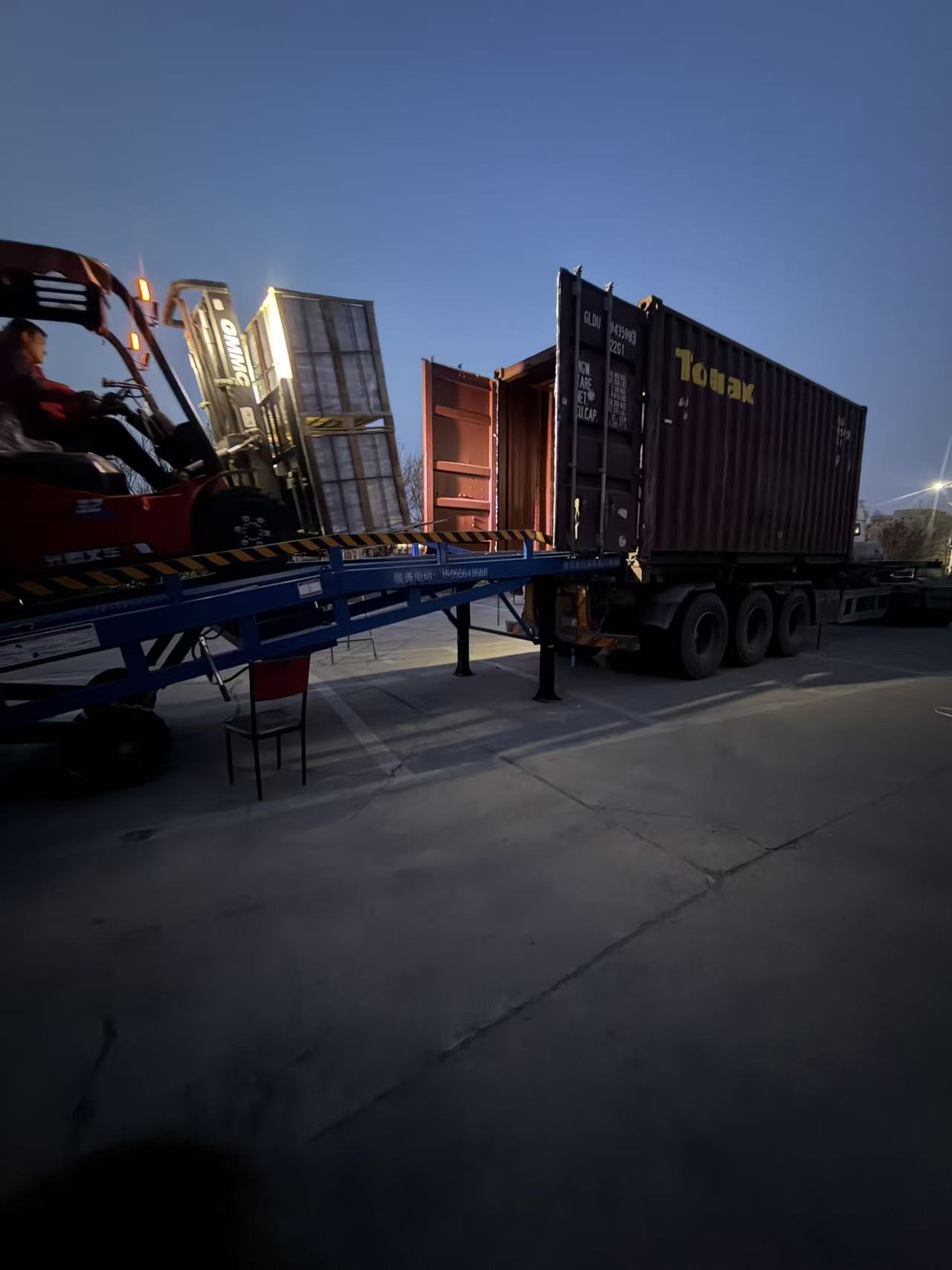
Rooted in Handan, Hebei—China’s renowned hub for fastener manufacturing—our company embodies over a decade of industry expertise as a global industry and trade integration enterprise. While we specialize in unique products like casing geckos and wooden teeth welded sheep’s eye screws, our core strength lies in the comprehensive development, manufacturing, and service of high-precision fasteners and hardware tools. By combining advanced production technology with rigorous scientific research, we deliver products that seamlessly meet GB, DIN, JIS, and ANSI standards for clients in more than 26 countries.
- Custom Tooling: We invest in custom dies and molds to produce non-standard lengths or head configurations tailored to your assembly line needs.
- Rapid Prototyping: Small batch production for R&D phases allows engineers to test fit and function before committing to mass production volumes.
- Quality Control Integration: Real-time monitoring during the heading and threading processes ensures deviations are caught immediately, reducing defect rates to near zero.
- Supply Chain Stability: Direct relationships mitigate the risk of stockouts common in distributor networks during global material shortages.
The OEM Process Explained
Our OEM workflow begins with a detailed review of client drawings or performance requirements. Our engineers analyze stress points and environmental factors to recommend the optimal DIN specification. Once approved, we proceed to sample production, followed by rigorous mechanical testing including tensile, hardness, and salt-spray evaluations.
Upon validation, mass production commences with scheduled quality checkpoints. Final inspection involves statistical sampling methods aligned with international acceptance criteria. Packaging is then customized to suit automated feeding systems or retail-ready kits, depending on the client’s distribution model.
Key Applications Across Major Industries
The versatility of DIN standard fasteners makes them indispensable across diverse sectors. Their reliability under dynamic loads and harsh conditions supports the functionality of complex machines and critical infrastructure worldwide.
In the automotive industry, engine assemblies and chassis components rely heavily on high-tensile DIN bolts that can withstand extreme thermal cycling and vibration. The precision of these fasteners ensures that torque specifications remain stable over the vehicle’s lifespan, preventing loosening and potential safety hazards.
Automotive and Transportation
Modern vehicles contain thousands of fasteners. DIN standards are prevalent in European car manufacturing and are increasingly adopted by global OEMs for powertrain applications. Specific grades like 10.9 and 12.9 are standard for critical suspension and steering connections where failure would be catastrophic.
Electric vehicle (EV) battery packs also utilize specialized DIN-compliant insulated fasteners to prevent short circuits while maintaining structural rigidity. As the EV market expands, the demand for these electrically isolated yet mechanically robust components continues to grow rapidly.
Heavy Machinery and Construction
Excavators, cranes, and agricultural equipment operate in abrasive environments filled with dust, moisture, and mud. Hot-dip galvanized DIN fasteners provide the necessary corrosion protection to prevent seizing and rust-induced failure. The robustness of DIN 931 and 933 bolts supports the massive structural loads encountered in these applications.
Construction projects utilizing prefabricated steel structures depend on the consistency of DIN high-strength bolt assemblies. These connections form the skeleton of warehouses, bridges, and high-rise buildings, requiring absolute confidence in the material yield strength and elongation properties.
Renewable Energy Sector
Wind turbines represent one of the most demanding environments for fasteners. Tower flanges and blade root connections utilize massive DIN-spec bolts subjected to constant cyclic loading from wind forces. Fatigue resistance is paramount, and our factory produces these components with enhanced grain flow structures to maximize endurance limits.
Solar mounting systems also benefit from standardized DIN rails and clamping screws. The ability to source these in large volumes with consistent zinc-flake coatings ensures decades of outdoor exposure without degradation, protecting the investor’s return on renewable energy projects.
Quality Assurance and Certification Protocols
Trust is built on verification. As a premier supplier, we adhere to strict quality management systems, typically aligned with ISO 9001 principles. Every shipment of DIN standard fasteners is accompanied by a Mill Test Certificate (MTC) or EN 10204 3.1 certificate, detailing the chemical analysis and mechanical test results.
Guided by our philosophy of “quality first, customer first,” our internal laboratory is equipped with spectrometers, universal testing machines, and salt spray chambers. This allows us to verify material composition and mechanical performance before any product leaves the facility. We do not rely solely on third-party inspections but maintain an intrinsic culture of quality, constantly seeking to provide excellent and thoughtful service to meet our customers’ evolving needs.
- Dimensional Inspection: Using coordinate measuring machines (CMM) to verify thread pitch, head height, and shank diameter against DIN tolerance tables.
- Hardness Testing: Ensuring core and surface hardness fall within the specified range for the designated property class (e.g., 8.8, 10.9).
- Coating Thickness Analysis: Verifying that plating thickness meets corrosion resistance expectations without compromising thread fit.
- Torque-Tension Testing: Simulating real-world assembly conditions to determine the accurate coefficient of friction and preload capabilities.
Traceability and Batch Control
In the event of a field issue, our traceability system allows us to isolate specific production batches instantly. Each bundle or box is labeled with a unique lot number linking it to the raw material heat, the production shift, and the QC inspector. This rapid response capability minimizes downtime for our clients and facilitates targeted recalls if ever necessary.
We maintain records for a minimum period defined by industry regulations, ensuring that historical data is available for long-term infrastructure projects. This commitment to documentation reinforces our status as an authoritative partner in the supply chain.
How to Select the Right DIN Fastener for Your Project
Choosing the correct component involves more than matching a part number. Engineers must evaluate the application’s mechanical loads, environmental exposure, and assembly constraints. Misselection can lead to premature failure, increased maintenance costs, or safety incidents.
Start by identifying the required tensile strength. High-vibration environments generally demand higher property classes (10.9 or 12.9) combined with prevailing torque nuts or thread-locking adhesives. For corrosive environments, stainless steel A4 (316) or heavily coated carbon steel is mandatory.
Step-by-Step Selection Guide
- Define Load Requirements: Calculate shear and tensile forces acting on the joint to determine the minimum property class needed.
- Assess Environmental Conditions: Consider temperature extremes, humidity, chemical exposure, and UV radiation to select the appropriate material and coating.
- Determine Dimensional Constraints: Review the assembly drawing for head clearance, grip length, and thread engagement depth requirements.
- Check Regulatory Compliance: Verify if the industry mandates specific certifications (e.g., railway EN standards or marine approvals).
- Consult Supplier Expertise: Engage with our professional technical team to validate your selection against current DIN revisions and availability.
Common Pitfalls to Avoid
A frequent error is mixing fasteners of different property classes in a single joint. This creates uneven load distribution, causing the weaker bolt to fail first and transferring excessive stress to the remaining fasteners. Always ensure uniformity in grade and manufacturer within a critical connection.
Another oversight is neglecting the effect of lubrication on torque values. Dry bolts require different tightening torque than oiled or plated ones to achieve the same clamp load. Ignoring this can result in under-tightened joints that loosen or over-tightened bolts that stretch beyond their yield point.
Frequently Asked Questions (FAQ)
What is the difference between DIN 931 and DIN 933?
The primary difference lies in the thread length. DIN 933 specifies a fully threaded hexagon head bolt, suitable for applications where the nut engages along the entire shank. DIN 931 features a partial thread with an unthreaded shank section, designed to bear shear loads more effectively and provide better alignment in clearance holes.
Can you produce fasteners with custom logos or markings?
Yes, as part of our OEM services, we can emboss custom logos, part numbers, or specific grade markings on the bolt head or nut face. This helps in brand identification and inventory management for large-scale projects. Minimum order quantities may apply for custom tooling setups.
Do you provide certificates with every shipment?
Absolutely. Every batch of DIN standard fasteners shipped from our factory includes a comprehensive Quality Certificate. Depending on customer requirements, this can range from a standard Declaration of Conformity to a full EN 10204 3.1 Mill Test Certificate with actual test data.
What is the typical lead time for factory direct orders?
Lead times vary based on volume and customization. Standard items from stock can be dispatched within days. For made-to-order productions involving specific materials or coatings, the typical turnaround is 3 to 6 weeks. We prioritize urgent projects and offer expedited production slots when feasible.
Are your DIN fasteners compatible with ISO nuts?
In most cases, yes. Since many DIN metric threads have been harmonized with ISO standards, a DIN bolt will generally mate with an ISO nut. However, slight variations in tolerance classes or head dimensions may exist. For critical applications, we recommend testing fitment or sticking to a single standard system throughout the assembly.
Conclusion: Partnering for Precision and Reliability
Selecting the right supplier for DIN standard fasteners is a strategic decision that impacts the safety, durability, and cost-efficiency of your projects. By choosing a factory-direct partner with robust OEM capabilities, you gain access to superior quality control, competitive pricing, and technical expertise that distributors simply cannot match.
This solution is ideal for automotive manufacturers, heavy equipment builders, and infrastructure developers who require guaranteed compliance with German industrial norms. Whether you need standard off-the-shelf components or highly customized engineering solutions, our facility in Handan is equipped to deliver, backed by over ten years of experience serving more than 26 countries.
To ensure your next project meets the highest standards of excellence, we invite you to contact our engineering team. Request a quote today to discuss your specific requirements, obtain sample kits, or initiate a custom production run. Let us secure your assemblies with the precision of genuine DIN quality.