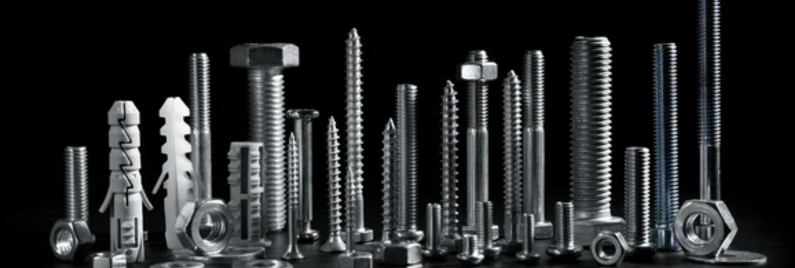
Filifilia o le mea tonu fasteners manufacturer is critical for ensuring structural integrity, safety, and cost-efficiency in industrial projects. As a reliable OEM factory direct source, we deliver precision-engineered bolts, nuts, screws, and custom solutions tailored to rigorous global standards. This guide explores how partnering directly with an experienced manufacturer reduces lead times, guarantees material authenticity, and optimizes supply chain reliability for diverse engineering applications.
What Defines a Leading Fasteners Manufacturer?
A top-tier fasteners manufacturer distinguishes itself through advanced metallurgical expertise, strict quality control protocols, and the ability to scale production without compromising precision. Unlike general suppliers, dedicated manufacturers control the entire production lifecycle, from raw material sourcing to final heat treatment and plating.
Industry leaders prioritize consistency in mechanical properties such as tensile strength, yield strength, and hardness. They adhere to international specifications including ISO, DIN, ANSI, and JIS standards. This ensures that every component performs predictably under stress, vibration, and environmental exposure.
Direct engagement with an OEM factory eliminates intermediaries, providing clients with transparent pricing and direct access to engineering teams. This relationship fosters collaboration on custom designs, allowing for rapid prototyping and iterative improvements based on real-world feedback.
The Importance of Material Selection and Traceability
The foundation of any high-quality fastener lies in its material composition. Reputable manufacturers utilize certified steel alloys, stainless steels, titanium, and exotic superalloys depending on the application requirements. Material traceability is non-negotiable in sectors like aerospace, automotive, and energy.
- Certified Raw Materials: Every batch of wire or bar stock comes with mill test reports (MTRs) verifying chemical composition and mechanical properties.
- Heat Treatment Precision: Controlled heating and cooling processes enhance durability and prevent premature failure due to fatigue or corrosion.
- Surface Finishing: Advanced coatings such as zinc-nickel, Dacromet, or PTFE provide essential protection against harsh environments.
Without proper traceability, identifying the root cause of a field failure becomes nearly impossible. A reliable fasteners manufacturer maintains detailed records linking each shipment back to the specific production run and raw material lot.
OEM Factory Direct: Advantages of Direct Sourcing
Sourcing directly from an OEM factory offers significant strategic advantages over purchasing through distributors or trading companies. The primary benefit is the elimination of markup layers, resulting in more competitive pricing for high-volume orders.
Beyond cost savings, direct communication channels accelerate problem-solving. When technical challenges arise, engineers can consult directly with the production team to adjust tolerances, modify thread forms, or alter head styles immediately. This agility is crucial for just-in-time manufacturing environments.
Furthermore, factory-direct partners often offer greater flexibility in minimum order quantities (MOQs) for custom items. While standard parts may have set MOQs, a collaborative manufacturer can work with clients to develop phased production schedules that align with project milestones.
Quality Control Protocols in Modern Manufacturing
Modern fasteners manufacturer facilities employ sophisticated quality assurance systems to detect defects before products leave the factory floor. Automated optical inspection (AOI) systems scan thousands of parts per hour for dimensional accuracy and surface flaws.
Statistical Process Control (SPC) is utilized to monitor production variables in real-time. If a parameter drifts outside acceptable limits, the machine automatically halts, preventing the creation of non-conforming parts. This proactive approach minimizes waste and ensures batch consistency.
Final validation often includes destructive testing on sample batches. These tests verify that the fasteners meet specified load ratings and torque requirements. Certificates of Compliance (CoC) are issued alongside shipments to document adherence to agreed-upon standards.
Comprehensive Comparison: Standard vs. Custom Fastener Solutions
Understanding the distinction between off-the-shelf standard fasteners and bespoke custom solutions is vital for project planning. While standard parts offer immediate availability, custom engineered fasteners address unique load cases, space constraints, or environmental challenges.
The following table outlines key differences to help decision-makers evaluate their specific needs regarding lead time, cost, and performance optimization.
| Feature | Standard Fasteners | Custom Engineered Fasteners |
| Availability | Immediate stock or short lead time | Requires tooling and production scheduling |
| Cost Structure | Lower unit cost for small quantities | Higher initial setup cost, lower unit cost at volume |
| Design Flexibility | Limited to industry standard dimensions | Fully customizable geometry, threads, and drive types |
| Material Options | Restricted to common grades (e.g., Grade 5, 8, 304) | Access to specialized alloys and composites |
| Application Fit | General purpose assembly | Critical applications with unique stress profiles |
Selecting the right path depends on the criticality of the application. For non-critical assemblies, standard parts from a reliable fasteners manufacturer suffice. However, for high-stress or regulated industries, the investment in custom engineering yields superior long-term reliability.
Key Industries Relying on Precision Fastening
Diverse sectors depend on the expertise of a specialized fasteners manufacturer to maintain operational safety and efficiency. Each industry presents distinct challenges regarding load dynamics, temperature extremes, and corrosive elements.
In the automotive sector, lightweighting trends drive demand for high-strength steel and aluminum fasteners that reduce vehicle mass while maintaining crashworthiness. Vibration resistance is paramount to prevent loosening during operation.
The aerospace industry demands the highest level of certification and traceability. Fasteners here must withstand extreme temperature fluctuations and intense vibrational forces without failing. Titanium and nickel-based superalloys are frequently employed.
Renewable energy projects, particularly wind turbines, require massive fasteners capable of securing blades and towers against severe weather conditions. These components often feature specialized coatings to resist saltwater corrosion in offshore installations.
Construction and Infrastructure Applications
Large-scale infrastructure projects rely on structural bolts that connect steel beams and support heavy loads. The integrity of bridges, skyscrapers, and stadiums hinges on the consistent performance of these connecting elements.
Manufacturers serving this sector must produce fasteners with high ductility to absorb seismic energy during earthquakes. Galvanized finishes are standard to protect against decades of outdoor exposure.
Pre-tensioned bolting techniques are often specified, requiring fasteners with precise yield points. A trusted fasteners manufacturer provides the technical data necessary for engineers to calculate accurate clamp loads and ensure joint stability.
Step-by-Step Guide to Selecting the Right Manufacturer
Navigating the supplier landscape requires a systematic approach to ensure you partner with a facility capable of meeting your specific technical and logistical requirements. Following a structured selection process mitigates risk and ensures project success.
First, define your technical specifications clearly, including material grade, strength class, dimensions, and required certifications. Ambiguity at this stage can lead to costly misunderstandings later in the production cycle.
Next, evaluate potential partners based on their manufacturing capabilities and quality accreditations. Look for ISO 9001 certification and specific industry approvals such as AS9100 for aerospace or IATF 16949 for automotive.
- Request Samples: Always obtain physical samples for independent testing before committing to large orders.
- Audit Facilities: Whenever possible, conduct on-site audits or request virtual tours to verify equipment and cleanliness.
- Check References: Speak with existing clients in similar industries to gauge reliability and customer service responsiveness.
- Review Lead Times: Confirm production capacity and realistic delivery schedules to align with your project timeline.
Finally, assess the manufacturer’s willingness to collaborate on design improvements. A true partner will offer value-engineering suggestions to optimize performance or reduce costs without sacrificing quality.
Evaluating Technical Support and Engineering Collaboration
The level of technical support provided by a fasteners manufacturer often differentiates a commodity supplier from a strategic partner. Complex applications frequently require joint development efforts to solve unique fastening challenges.
Look for manufacturers with in-house engineering teams capable of performing finite element analysis (FEA) or torque-tension calculations. These services help predict how a fastener will behave under actual operating conditions.
Effective communication channels are essential. The ability to quickly resolve technical queries regarding thread fit, lubrication effects, or installation torque can prevent assembly line stoppages and rework.
Common Challenges in Fastener Procurement and Mitigation
Global supply chains face numerous disruptions that can impact the availability and quality of fasteners. Understanding these challenges allows buyers to implement proactive mitigation strategies.
Raw material price volatility is a persistent issue. Fluctuations in steel and nickel markets can affect costing models. Long-term agreements with fixed pricing clauses can provide stability for both parties.
Counterfeit fasteners remain a significant threat to safety and reliability. Substandard materials sold as premium grades can lead to catastrophic failures. Sourcing directly from a verified fasteners manufacturer drastically reduces this risk.
Logistical bottlenecks can delay critical shipments. Diversifying sourcing strategies and maintaining strategic inventory buffers for critical components helps maintain production continuity during transit delays.
The Risk of Counterfeit and Substandard Products
The prevalence of counterfeit fasteners in the global market poses severe risks to industrial safety. These inferior products often lack proper heat treatment or use incorrect alloy compositions, leading to unexpected brittleness or low tensile strength.
Visual inspection alone is rarely sufficient to detect high-quality counterfeits. Laboratory analysis involving spectroscopy and mechanical testing is often required to confirm authenticity.
Partnering exclusively with established, audited manufacturers ensures that every component meets declared specifications. Documentation such as MTRs and CoCs serves as a legal and technical guarantee of product integrity.
Future Trends in Fastener Technology and Manufacturing
The fastener industry is evolving rapidly, driven by advancements in materials science, automation, and digitalization. Staying informed about these trends helps organizations future-proof their supply chains.
Smart fasteners equipped with sensors are emerging for critical infrastructure monitoring. These devices can transmit real-time data on tension, temperature, and vibration, enabling predictive maintenance before failures occur.
Additive manufacturing is beginning to influence custom fastener production, allowing for complex geometries that were previously impossible to machine. This technology is particularly valuable for low-volume, high-complexity aerospace applications.
Sustainability is also becoming a core focus. Manufacturers are developing eco-friendly plating processes that eliminate hexavalent chromium and reducing energy consumption through optimized heat treatment cycles.
The Role of Automation in Quality Assurance
Automation continues to revolutionize how a fasteners manufacturer ensures quality. High-speed vision systems now inspect 100% of production output, detecting minute defects that human inspectors might miss.
Robotic handling systems reduce the risk of damage during packaging and sorting. Integrated data systems track every step of the manufacturing process, creating a digital twin of each batch for complete traceability.
These technological investments not only improve product quality but also enhance production efficiency, allowing manufacturers to respond more quickly to changing market demands.
Our Commitment: A Decade of Excellence in Handan
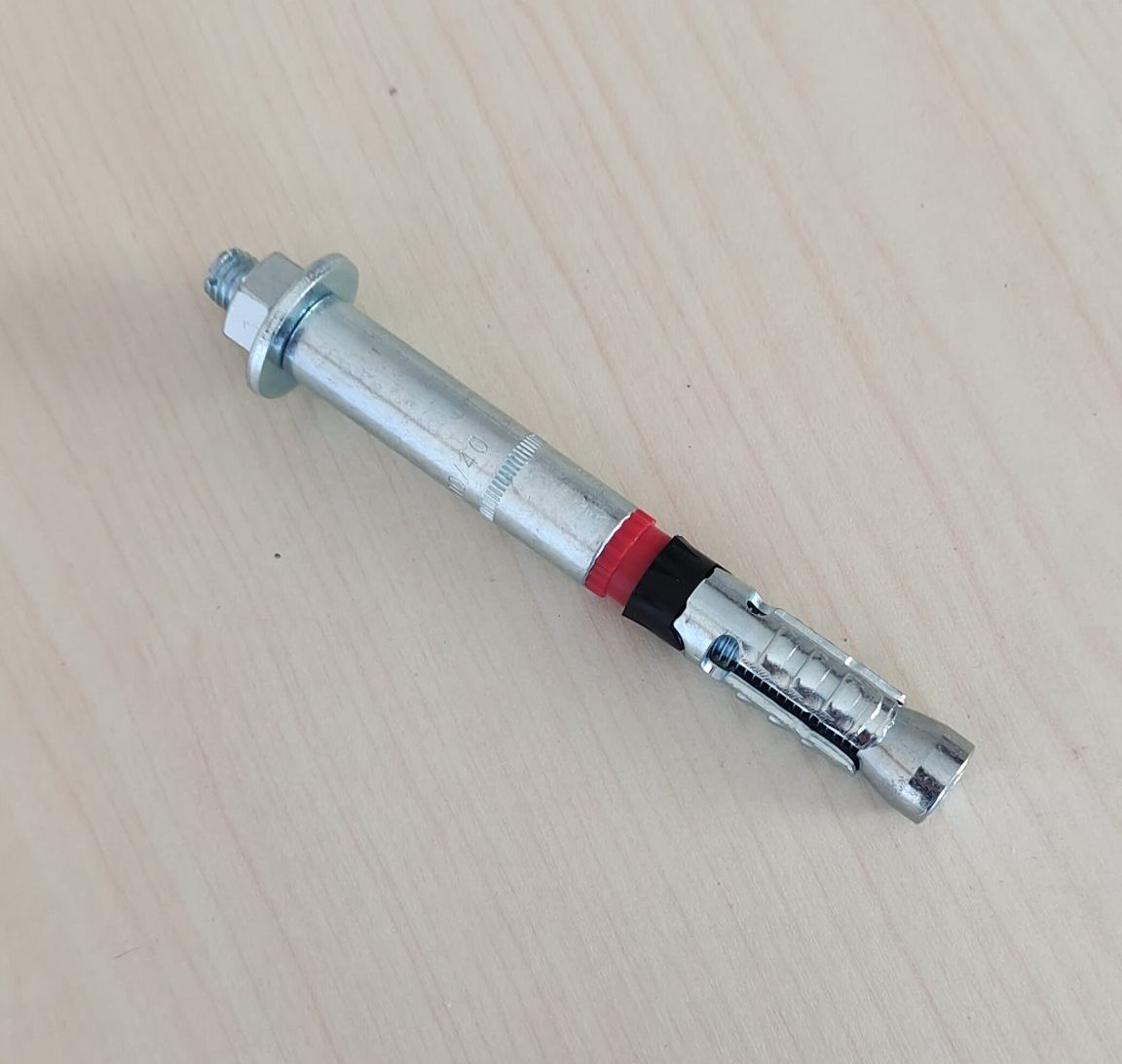
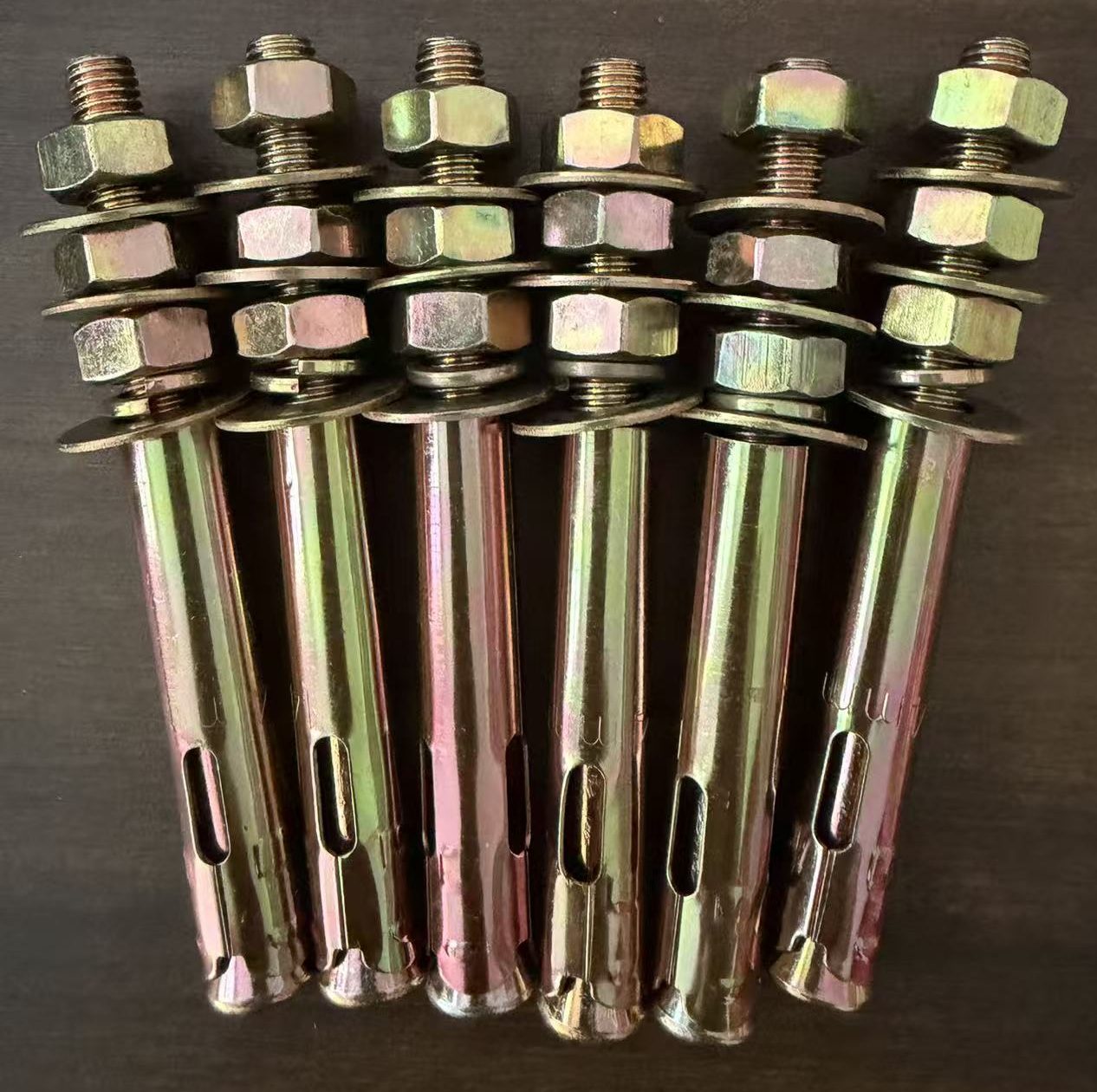
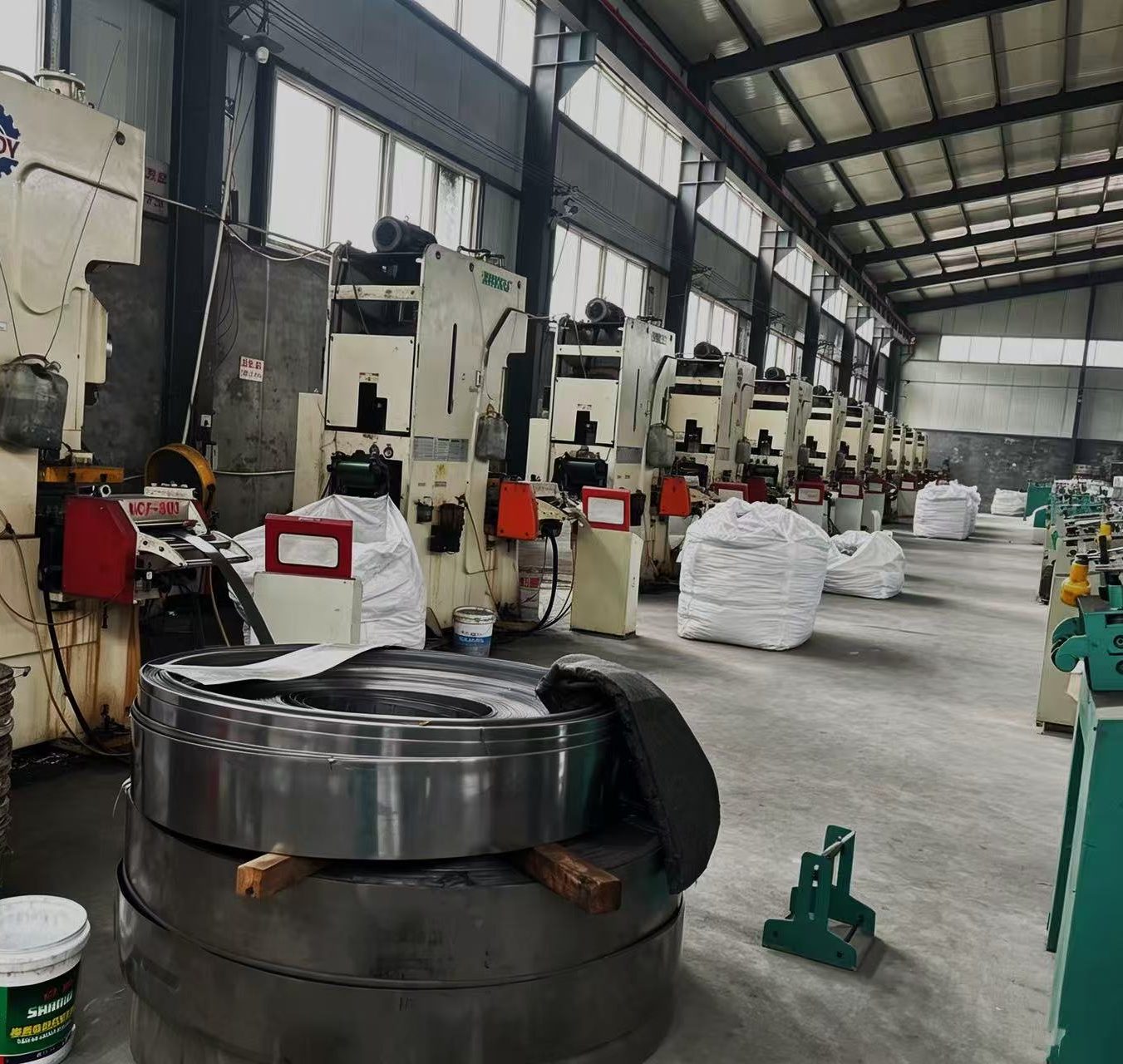
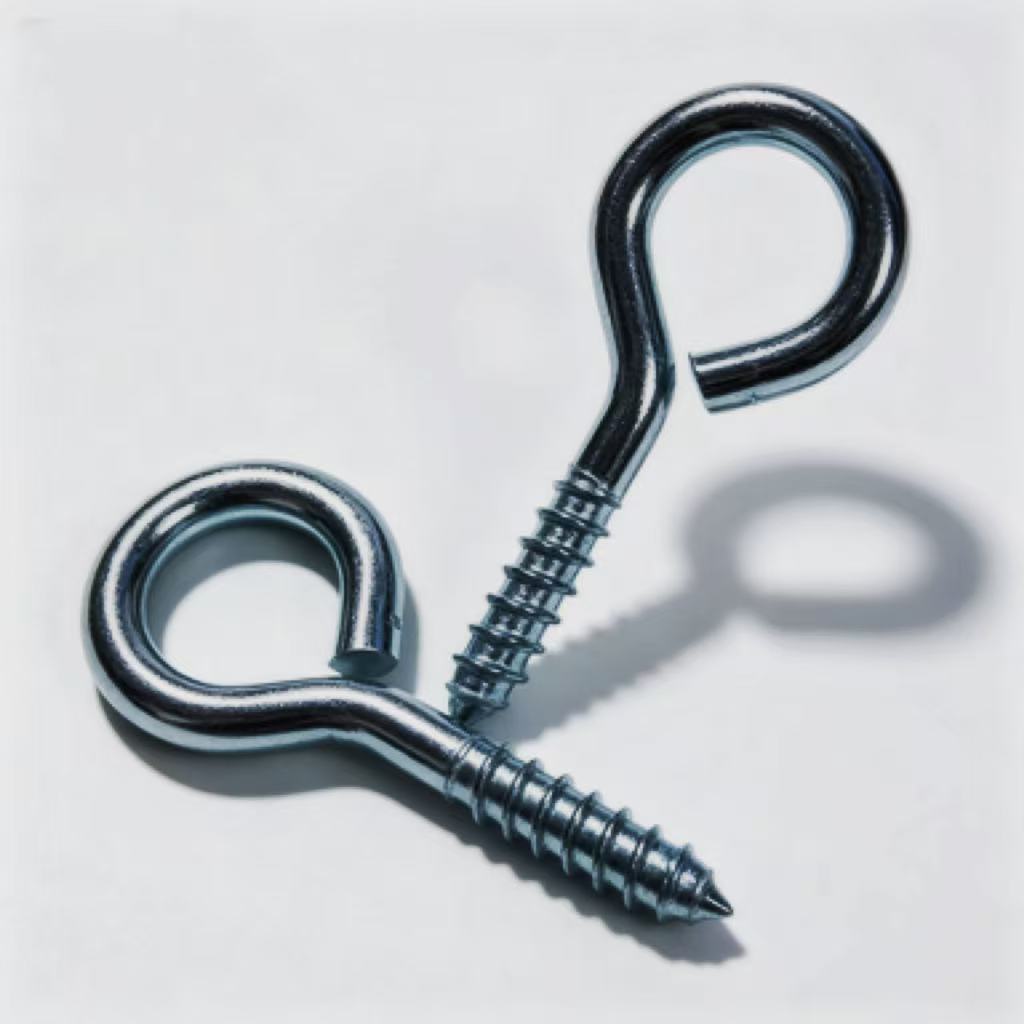
Exemplifying the qualities of a world-class partner, our company operates as a global industry and trade combination entity headquartered in Handan, Hebei, China—the renowned “Fastener Capital.” With over ten years of specialized industry experience, we integrate development, manufacturing, trade, and service to deliver superior hardware solutions. Our product range extends beyond standard offerings to include specialized items such as casing geckos and wooden teeth welded sheep’s eye screws/bolts, catering to niche construction and industrial needs.
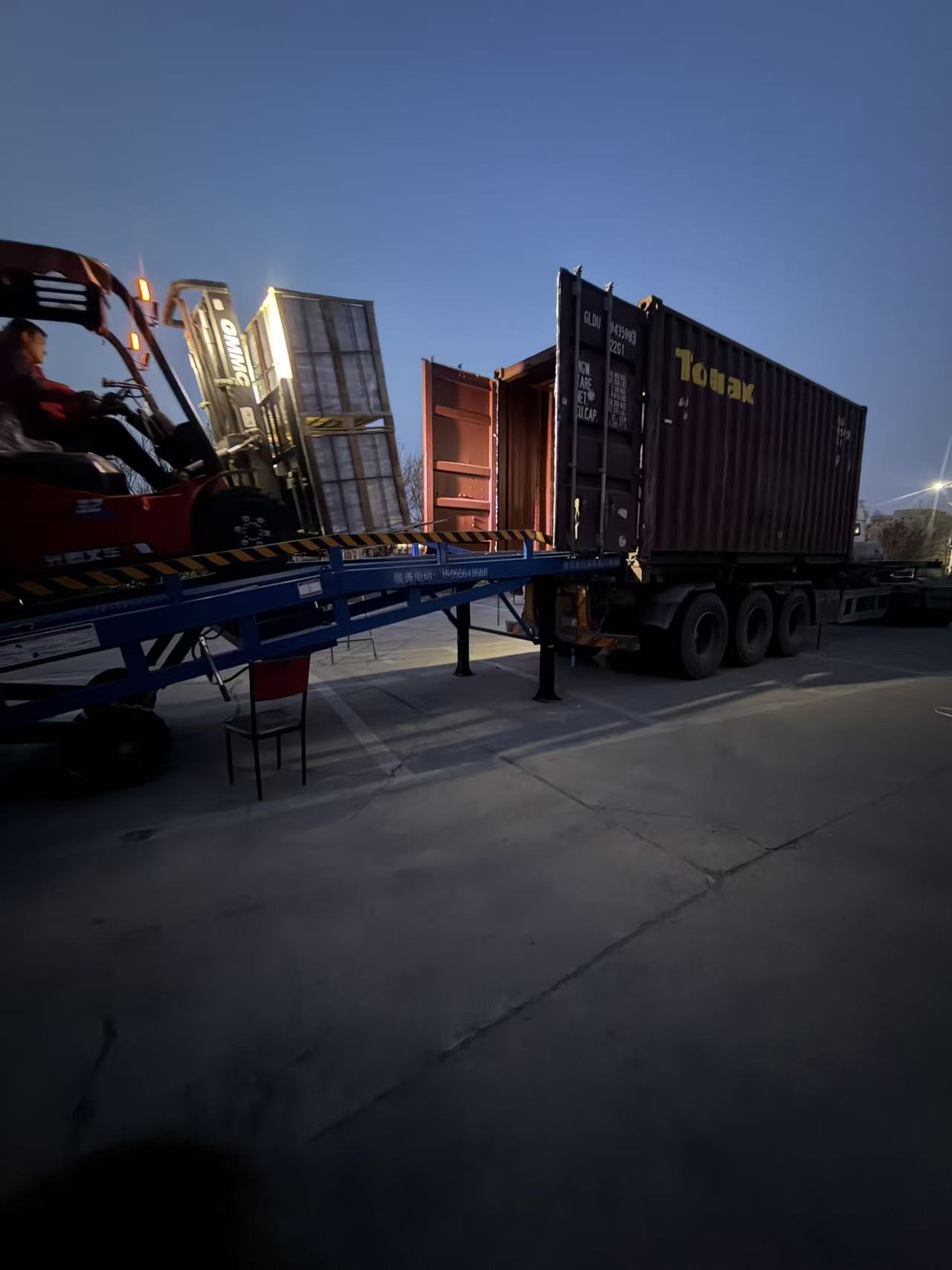
We adhere to an integrity-based business philosophy, heavily investing in scientific research and introducing high-tech talent to drive innovation. By utilizing advanced production technology and perfect testing methods, we ensure all products meet rigorous GB, DIN, JIS, ANSI, and other international standards. Having successfully exported to more than 26 countries, our professional technical team and advanced machinery allow us to customize special specifications, quality, and quantity according to specific customer requirements.
Guided by the principle of “quality first, customer first,” we constantly seek to provide excellent and thoughtful service. Maintaining our reputation and meeting the evolving needs of our global clientele remains our ultimate goal, making us a trusted choice for businesses seeking reliability and precision.
Frequently Asked Questions (FAQ)
Addressing common inquiries helps clarify the complexities of working with a specialized fasteners manufacturer. Below are answers to frequent questions regarding capabilities, standards, and logistics.
What certifications should a reliable fasteners manufacturer hold?
A credible manufacturer should typically hold ISO 9001 for general quality management. Depending on the industry, look for IATF 16949 for automotive, AS9100 for aerospace, or PED compliance for pressure equipment. Specific material certifications like NACE MR0175 for sour service are also crucial for oil and gas applications.
Can a manufacturer produce fasteners according to non-standard drawings?
Yes, most OEM factories specialize in custom production. They can manufacture fasteners based on client-provided CAD drawings or specifications that deviate from DIN, ISO, or ANSI standards. This includes unique head shapes, thread pitches, and lengths tailored to specific assembly needs.
How do you ensure material authenticity in your supply chain?
We enforce strict vendor approval processes for raw material suppliers. Every incoming batch undergoes spectral analysis to verify chemical composition. Full traceability is maintained from the melt shop to the finished product, supported by comprehensive Mill Test Reports for every shipment.
What is the typical lead time for custom fastener orders?
Lead times vary based on complexity and volume. Standard customizations may take 4-6 weeks, while highly complex parts requiring new tooling could require 8-12 weeks. Expedited options are often available for urgent projects, subject to factory capacity.
Do you offer technical support for fastener selection?
Absolutely. Our engineering team assists clients in selecting the appropriate material grade, coating, and design for their specific application. We provide guidance on torque values, preload requirements, and compatibility with mating materials to ensure optimal joint performance.
Conclusion: Making the Strategic Choice
Selecting the right fasteners manufacturer is a strategic decision that impacts the safety, durability, and cost-effectiveness of your final product. By partnering directly with an experienced OEM factory, businesses gain access to superior engineering expertise, rigorous quality controls, and streamlined supply chains.
This approach is ideal for industries where failure is not an option, including aerospace, automotive, heavy machinery, and infrastructure development. Companies seeking long-term reliability and technical collaboration will find the most value in a direct manufacturing relationship.
To move forward, evaluate your current supply chain for vulnerabilities and consider initiating a dialogue with a certified manufacturer. Request samples, review their quality documentation, and discuss your specific engineering challenges to determine the best path for your project.