As a premier alloy steel fasteners manufacturer, we specialize in engineering high-performance bolting solutions compliant with ASTM A193 and ASTM A320 specifications. Our product line is designed for extreme environments, including high-pressure petrochemical processing, cryogenic applications, and heavy industrial machinery. By leveraging advanced metallurgical processes and strict quality control, we deliver fasteners that offer superior tensile strength, corrosion resistance, and thermal stability. This guide details the technical distinctions between Grade B7, L7, and other critical alloys, helping engineers and procurement specialists select the optimal components for safety-critical assemblies.
Understanding Alloy Steel Fasteners in Industrial Applications
Alloy steel fasteners are distinct from standard carbon steel counterparts due to the intentional addition of alloying elements such as chromium, molybdenum, nickel, and vanadium. These elements modify the microstructure of the steel, enhancing mechanical properties that are crucial for demanding industrial settings. Unlike commodity-grade hardware, engineered alloy fasteners are subjected to rigorous heat treatment processes, including quenching and tempering, to achieve specific hardness and toughness levels.
In sectors like oil and gas, power generation, and chemical processing, failure is not an option. The integrity of a flange connection or a pressure vessel relies heavily on the bolt’s ability to maintain clamp load under fluctuating temperatures and pressures. ASTM A193 covers alloy steel and stainless steel bolting materials for high-temperature or high-pressure service, while ASTM A320 focuses on low-temperature applications. Understanding these standards is fundamental to ensuring operational safety and longevity.
The Role of Metallurgy in Fastener Performance
The performance of an alloy steel fastener is dictated by its chemical composition and thermal history. Chromium enhances corrosion resistance and hardenability, while molybdenum increases strength at elevated temperatures and improves resistance to creep. Nickel contributes to toughness, particularly at sub-zero temperatures, making it essential for cryogenic services. Vanadium refines the grain structure, improving both strength and fatigue resistance.
Our manufacturing process ensures that these elemental benefits are fully realized through precise control of austenitizing temperatures and cooling rates. Improper heat treatment can lead to brittle fractures or insufficient yield strength, compromising the entire assembly. Therefore, sourcing from a manufacturer with certified metallurgical laboratories is critical for verifying that each batch meets the stringent requirements of international standards.
ASTM A193 vs. ASTM A320: Key Differences and Selection Criteria
Selecting the correct specification is the first step in fastener engineering. While both ASTM A193 and ASTM A320 govern alloy steel bolting, they serve fundamentally different environmental conditions. Confusing the two can lead to catastrophic failures, particularly in temperature-extreme scenarios.
ASTM A193 is the dominant standard for high-temperature and high-pressure services. It includes various grades, with Grade B7 being the most widely used in the petroleum and chemical industries. Conversely, ASTM A320 is designed for low-temperature service, where standard carbon steels become brittle and prone to impact failure. Grades like L7 and L43 are treated to maintain ductility and toughness at temperatures as low as -150°F (-101°C).
| Feature | ASTM A193 | ASTM A320 |
| Primary Application | High Temperature / High Pressure | Low Temperature / Cryogenic |
| Common Grades | B7, B16, B8, B8M | L7, L43, L7M, LC7 |
| Key Testing Requirement | Tensile Strength, Hardness, Yield | Charpy V-Notch Impact Test |
| Typical Industries | Refineries, Power Plants, Chemical | LNG, Arctic Exploration, Cryogenics |
| Heat Treatment | Quench and Temper | Quench and Temper (Low Temp Toughness) |
Why Impact Testing Matters for Low-Temperature Fasteners
The defining characteristic of ASTM A320 fasteners is the mandatory Charpy V-Notch impact test. At low temperatures, the crystal structure of steel can shift from ductile to brittle, a phenomenon known as the ductile-to-brittle transition. If a fastener lacks sufficient toughness, it may shatter under shock loading rather than deform plastically.
Our production protocol for ASTM A320 Grade L7 involves specialized quenching techniques to ensure fine grain structure. Each batch undergoes impact testing at specified temperatures to verify energy absorption capabilities. This data is documented in the Material Test Report (MTR), providing traceability and assurance for critical cryogenic projects.
Deep Dive into ASTM A193 Grade B7: The Industry Standard
ASTM A193 Grade B7 is arguably the most common alloy steel bolt used in industrial flanging. Composed of Chromium-Molybdenum steel (typically AISI 4140 or 4142), it offers an excellent balance of strength, toughness, and wear resistance. It is suitable for service temperatures up to 1000°F (538°C), making it ideal for steam lines, heat exchangers, and pressure vessels.
Mechanical Properties and Limitations
Grade B7 fasteners are required to have a minimum tensile strength of 125 ksi (860 MPa) and a yield strength of 105 ksi (720 MPa) for diameters up to 2.5 inches. The hardness is strictly controlled between 241 and 321 HB. Exceeding the upper hardness limit can increase susceptibility to hydrogen embrittlement and stress corrosion cracking, particularly in sour service environments containing hydrogen sulfide (H2S).
For applications involving H2S, NACE MR0175/ISO 15156 compliance is often required. In such cases, the hardness of B7 bolts must be capped at 22 HRC (approximately 248 HB). We offer customized heat treatment protocols to meet these stricter hardness limits without compromising the structural integrity required by the ASTM standard.
ASTM A193 Grade B16: Enhanced Performance for Higher Temperatures
When service conditions exceed the capabilities of Grade B7, Grade B16 becomes the preferred choice. B16 contains higher levels of chromium, molybdenum, and vanadium. This composition provides greater retention of strength at temperatures above 1000°F and improved resistance to stress relaxation.
B16 is commonly used in turbine casings and high-pressure steam headers. The addition of vanadium stabilizes carbides, preventing grain growth during prolonged exposure to high heat. While B16 is more expensive than B7 due to its complex alloy content, its extended service life in extreme thermal cycles often results in lower total cost of ownership.
ASTM A320 Grades: Ensuring Safety in Cryogenic Environments
Cryogenic applications present unique challenges. Materials that perform well at ambient temperatures can fail catastrophically when exposed to liquefied natural gas (LNG), liquid nitrogen, or oxygen. ASTM A320 addresses this by specifying alloys and heat treatments that maintain ductility at sub-zero temperatures.
Grade L7: The Cryogenic Workhorse
ASTM A320 Grade L7 is chemically similar to A193 B7 but undergoes a different heat treatment regimen to optimize low-temperature toughness. It is widely used in LNG processing plants and refrigeration systems. The key differentiator is the impact test requirement: L7 bolts must demonstrate sufficient energy absorption at -150°F (-101°C).
Our manufacturing process for L7 includes precise tempering to relieve internal stresses induced during quenching. This ensures that the fastener can withstand thermal contraction and expansion cycles without developing micro-cracks. We provide full certification packages, including impact test results for each heat number, to satisfy rigorous project QA/QC requirements.
Grade L43 and LC7: Specialized Alloys for Extreme Cold
For even more demanding cryogenic services, Grade L43 and LC7 are available. L43 is a nickel-chromium-molybdenum alloy that offers superior toughness at extremely low temperatures. LC7 is a low-carbon variant of L7, designed to minimize carbide precipitation and enhance weldability if post-installation modifications are required.
Selection between L7, L43, and LC7 depends on the specific minimum design metal temperature (MDMT) of the application. Our engineering team assists clients in interpreting ASME B31.3 process piping codes to determine the appropriate grade based on operational parameters and safety factors.
Manufacturing Excellence: From Raw Material to Finished Product
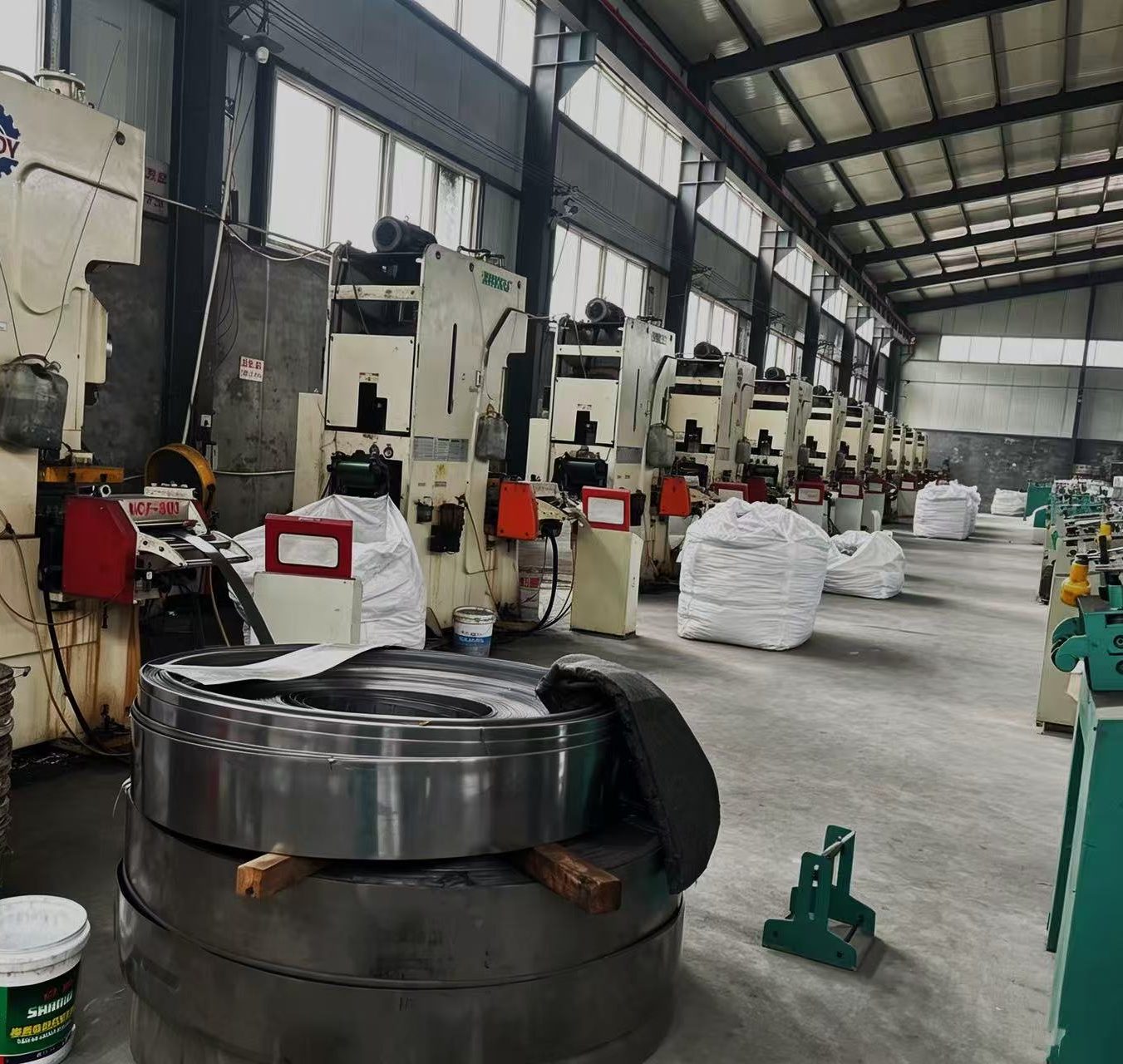
Producing high-quality alloy steel fasteners requires more than just machining threads. It demands a vertically integrated approach that controls every stage of production. As a dedicated manufacturer, we oversee raw material sourcing, hot forging, heat treatment, machining, surface finishing, and testing.
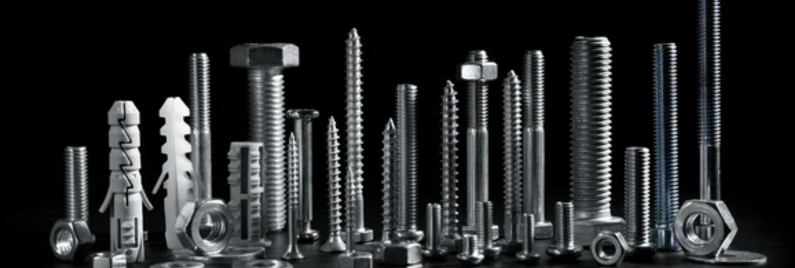
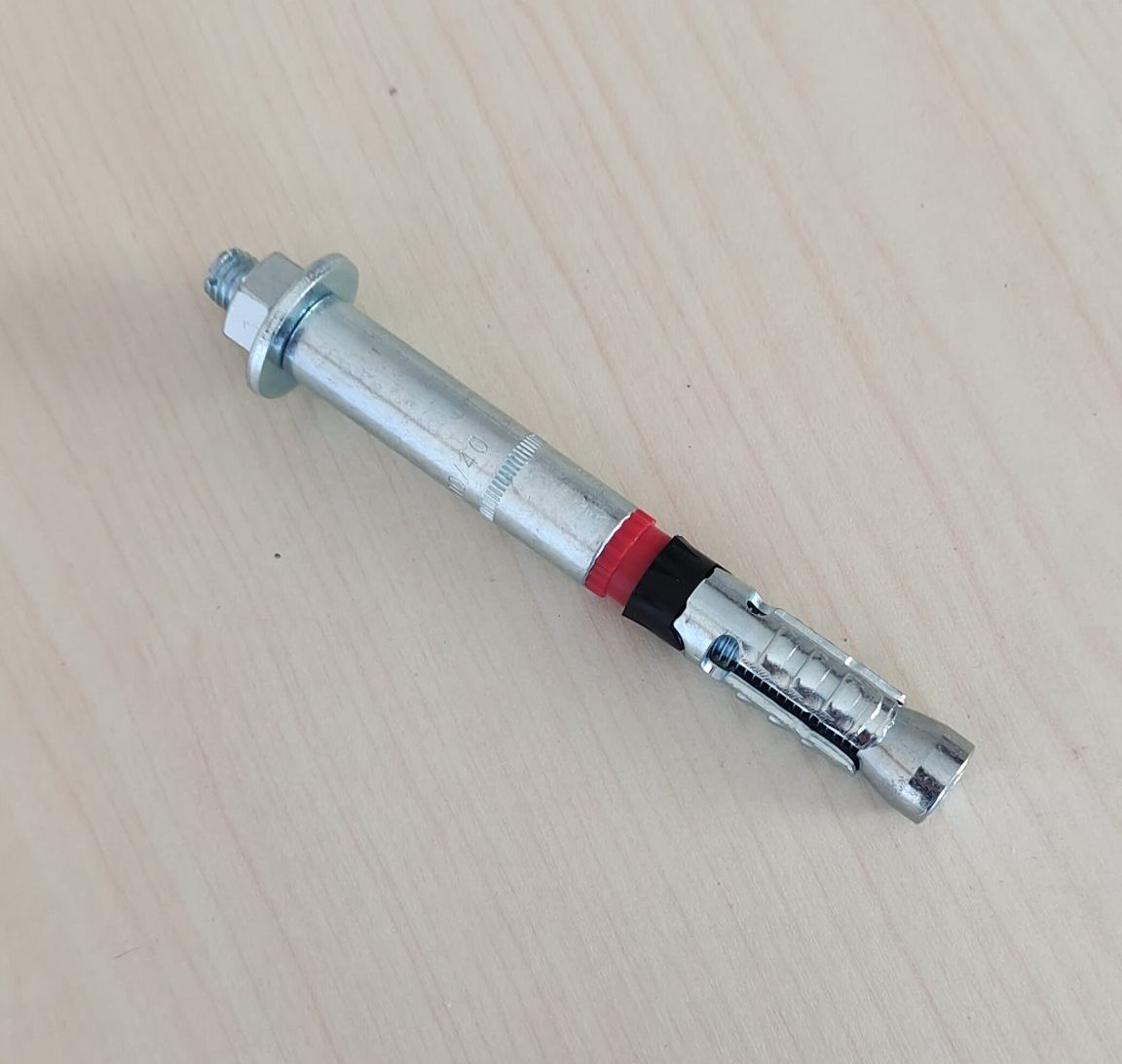
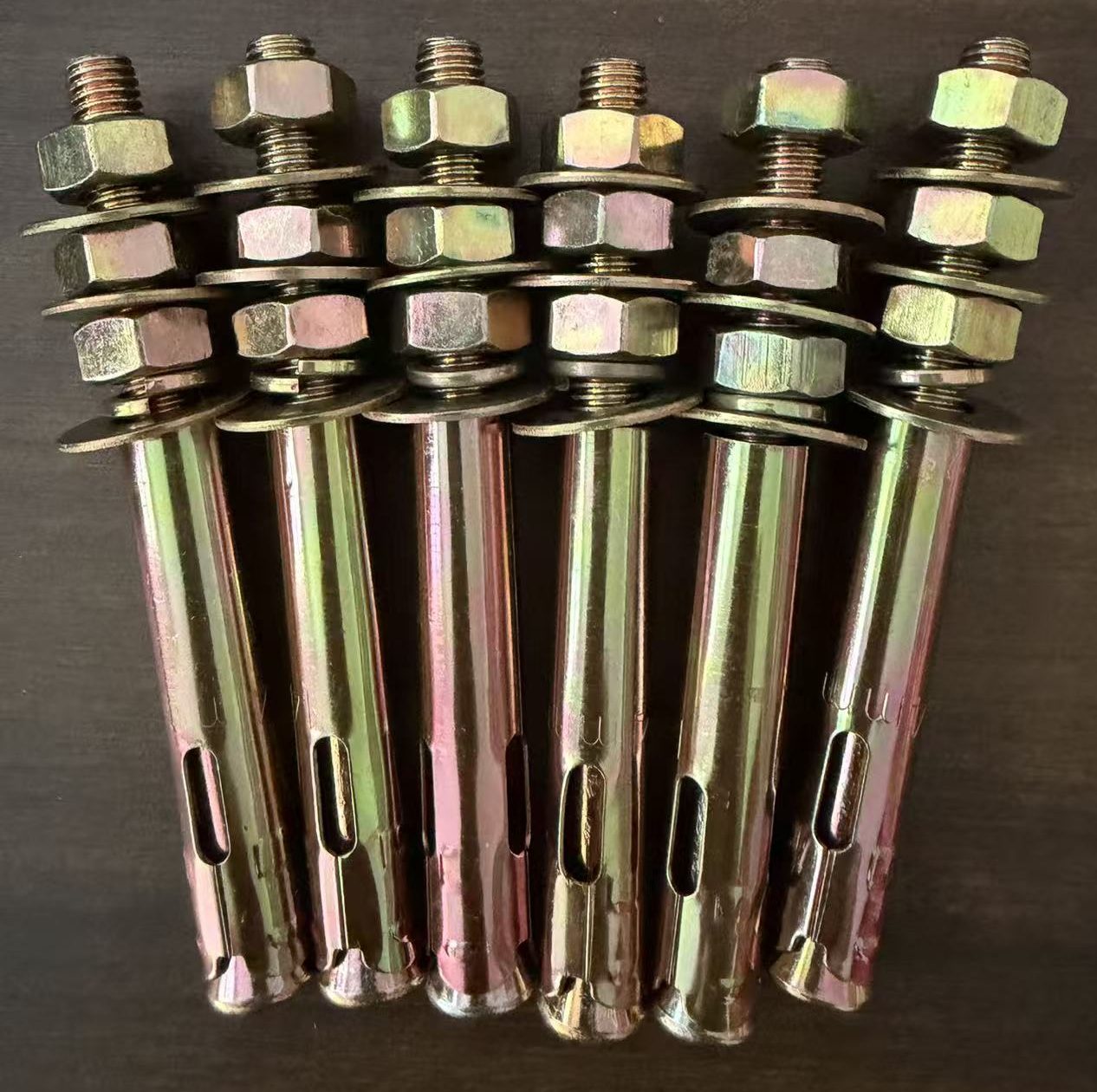
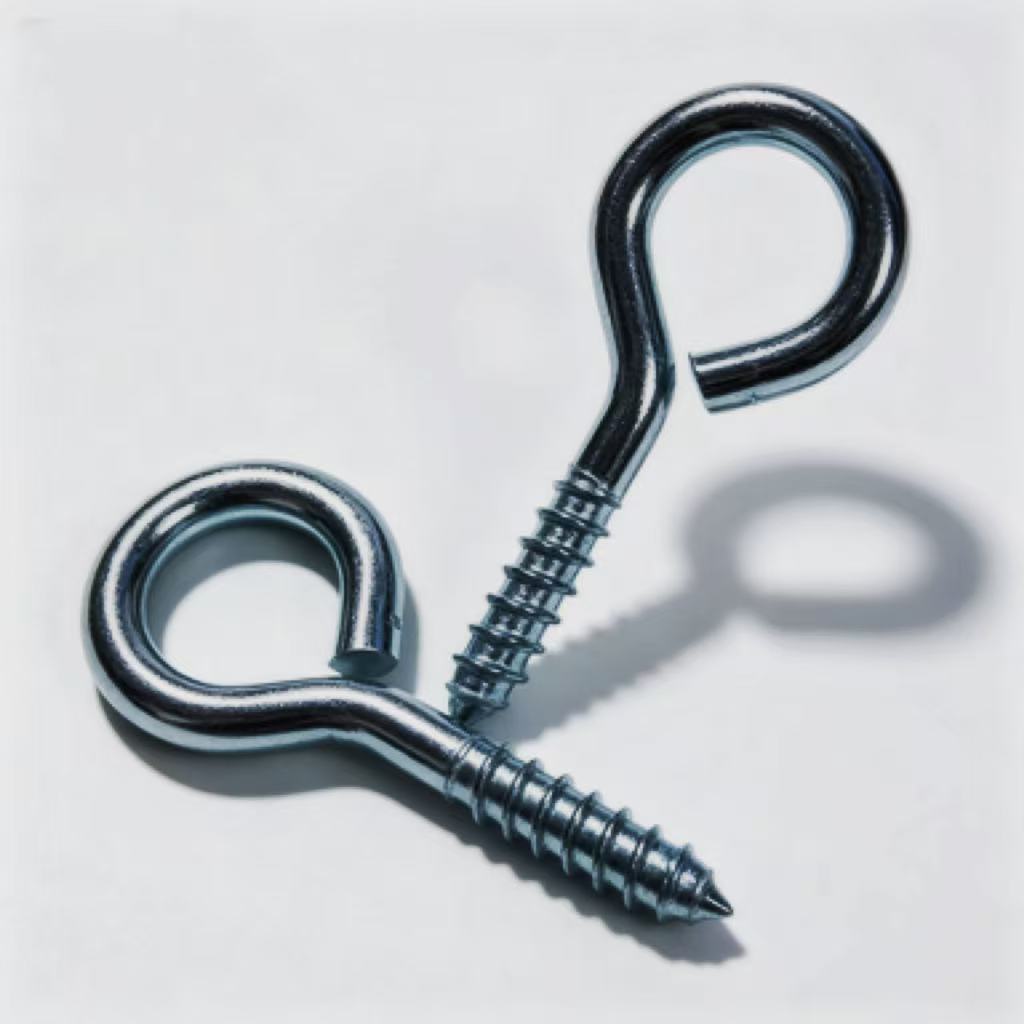
Based in Handan, Hebei—a city renowned globally for its fastener manufacturing ecosystem—our company combines over a decade of industry experience with a robust integration of industry and trade. While we produce a diverse range of hardware, including specialized casing geckos and wooden teeth welded sheep’s eye screws, our core competency lies in the development and manufacturing of high-specification industrial fasteners. We adhere to an integrity-based business philosophy, continuously investing in scientific research and introducing high-tech talent to refine our production technologies. This commitment allows us to provide products that meet not only ASTM standards but also GB, DIN, JIS, and ANSI specifications, serving customers in more than 26 countries.
Hot Forging vs. Cold Forming
For alloy steel fasteners, especially those in larger diameters and higher grades, hot forging is the preferred method of forming. Hot forging aligns the grain structure of the metal, creating a continuous grain flow that follows the shape of the bolt. This results in superior mechanical properties compared to cold forming, which can introduce residual stresses and disrupt grain continuity.
Our state-of-the-art forging presses ensure precise dimensional accuracy and optimal grain flow. This process reduces the likelihood of premature fatigue failure, particularly in the head-to-shank transition area, which is a common stress concentration point. For smaller diameters where cold forming is feasible, we employ intermediate annealing steps to restore ductility before final threading.
Precision Threading and Tolerance Control
Thread quality directly impacts the clamping force distribution and fatigue life of a joint. We utilize advanced thread rolling and cutting techniques to achieve Class 2A or 3A tolerances as per ASME B1.1. Thread rolling, in particular, work-hardens the surface of the threads, increasing fatigue resistance and creating a smoother finish that reduces friction during tightening.
Strict gauge inspection ensures that pitch diameter, major diameter, and thread angle are within specified limits. Misaligned or out-of-tolerance threads can cause galling, uneven load distribution, and eventual loosening of the joint. Our automated optical inspection systems detect microscopic defects that traditional gauges might miss, ensuring 100% compliance with dimensional standards.
Surface Treatments and Coatings for Corrosion Protection
Alloy steel, while strong, is susceptible to corrosion if not properly protected. The choice of coating depends on the operating environment, temperature, and compatibility with the mating surfaces. Incorrect coating selection can lead to hydrogen embrittlement or coating degradation under thermal cycling.
- Phosphate and Oil: A common, cost-effective finish for general industrial use. It provides moderate corrosion resistance and acts as a lubricant during installation. However, it is not suitable for highly corrosive environments.
- Xylan/PTFE Coatings: These fluoropolymer coatings offer excellent corrosion resistance and a low coefficient of friction. They are ideal for applications requiring precise torque-tension relationships and are resistant to many chemicals.
- Zinc Plating: Provides good corrosion protection but is limited to temperatures below 400°F (204°C). Above this temperature, zinc can suffer from liquid metal embrittlement when in contact with steel. Hydrogen embrittlement relief baking is mandatory after electroplating.
- Dacromet/Geomet: Water-based inorganic coatings that offer superior corrosion resistance and heat tolerance up to 600°F (315°C). They are free from hexavalent chromium and do not suffer from hydrogen embrittlement.
Managing Hydrogen Embrittlement Risks
Hydrogen embrittlement is a critical concern for high-strength alloy steel fasteners (tensile strength > 150 ksi or hardness > 35 HRC). During electroplating or acid cleaning, hydrogen atoms can diffuse into the steel lattice, causing delayed brittle failure under stress. To mitigate this, we implement mandatory baking procedures immediately after plating. Parts are heated to 375°F (190°C) for a specified duration to allow trapped hydrogen to escape before the material cools.
For critical applications, we recommend using mechanical plating or non-electrolytic coatings like Dacromet, which do not introduce hydrogen into the substrate. Our technical team evaluates the risk profile of each order to recommend the safest and most effective surface treatment.
Quality Assurance and Certification Protocols
Trust is built on transparency and verification. Our quality management system is aligned with ISO 9001 standards, ensuring consistent processes and documented traceability. Every shipment of alloy steel fasteners is accompanied by comprehensive documentation that validates compliance with ASTM specifications.
Material Test Reports (MTR)
An MTR is a certified document that traces the physical and chemical properties of the material used in the fasteners. It includes data on:
- Chemical composition analysis (Carbon, Manganese, Phosphorus, Sulfur, Silicon, Chromium, Molybdenum, etc.)
- Mechanical test results (Tensile strength, Yield strength, Elongation, Reduction of Area)
- Hardness readings (Brinell or Rockwell)
- Impact test values (for ASTM A320 grades)
- Heat treatment lot numbers and furnace charts
We retain samples from each production batch for a defined period, allowing for independent third-party testing if required by the client. This level of accountability is essential for projects in regulated industries such as nuclear power, offshore drilling, and pharmaceutical processing.
Third-Party Inspection and Certification
For projects requiring additional oversight, we facilitate inspections by recognized third-party agencies such as SGS, Bureau Veritas, or DNV. These agencies verify dimensional accuracy, material composition, and mechanical performance against the specified standards. We also support specific client inspections, allowing your quality engineers to witness testing procedures and audit our manufacturing facilities.
Common Challenges in Alloy Steel Fastener Procurement
Procuring alloy steel fasteners involves navigating several technical and logistical challenges. Understanding these pitfalls can prevent project delays and costly rework.
Counterfeit and Substandard Materials
The market is flooded with substandard fasteners that claim compliance with ASTM standards but lack the necessary alloy content or heat treatment. These “fake” bolts may pass visual inspection but fail under load or in corrosive environments. To avoid this, always source from manufacturers who provide verifiable MTRs linked to specific heat numbers. Spectrographic analysis can be used to verify chemical composition upon receipt.
Lead Times and Availability
Specialized alloy grades like B16 or L43 may not be readily available off-the-shelf due to the complexity of their production. Lead times can vary based on raw material availability and furnace scheduling. Early engagement with your manufacturer during the design phase allows for better planning and inventory management. We maintain strategic stockpiles of common raw materials to expedite production for urgent requirements.
Compatibility with Mating Components
The fastener is only one part of the joint. Compatibility with nuts, washers, and flanges is crucial. Using a hard bolt with a soft nut can lead to thread stripping, while mismatched thermal expansion coefficients can cause loss of preload at extreme temperatures. We recommend using nuts and washers that match the bolt’s grade and material specification, such as ASTM A194 Grade 2H nuts for B7 bolts.
FAQ: Frequently Asked Questions About Alloy Steel Fasteners
What is the maximum service temperature for ASTM A193 Grade B7?
ASTM A193 Grade B7 is generally suitable for service temperatures up to 1000°F (538°C). Above this temperature, the material may experience significant creep and stress relaxation, leading to joint failure. For higher temperatures, Grade B16 or stainless steel grades like B8 are recommended.
Can ASTM A320 L7 bolts be used at room temperature?
Yes, ASTM A320 L7 bolts can be used at ambient temperatures. However, they are typically more expensive than A193 B7 bolts due to the additional impact testing and specialized heat treatment. Unless low-temperature toughness is a specific requirement, B7 is usually the more cost-effective choice for standard industrial applications.
What is the difference between B7 and L7 bolts?
Chemically, B7 and L7 are very similar (both are Chromium-Molybdenum steels). The primary difference lies in the heat treatment and testing. B7 is optimized for high-temperature strength, while L7 is optimized for low-temperature toughness and must pass Charpy V-Notch impact tests at -150°F. L7 is essentially a B7 bolt with verified cryogenic properties.
How do I prevent galling on alloy steel fasteners?
Galling is a form of wear caused by adhesion between sliding surfaces. To prevent galling, use lubricants or anti-seize compounds during installation. Coatings like PTFE or Xylan also reduce friction. Avoid over-tightening, and ensure that the nut and bolt threads are clean and free of debris. Using dissimilar materials for the bolt and nut can also help, but care must be taken to avoid galvanic corrosion.
Do you supply fasteners for NACE MR0175 compliant applications?
Yes, we supply alloy steel fasteners that comply with NACE MR0175/ISO 15156 for sour service environments. This involves strict control of hardness (max 22 HRC) and chemical composition to resist sulfide stress cracking. Certifications confirming NACE compliance are provided with the MTR.
Strategic Selection Guide for Engineers and Procurement
Choosing the right alloy steel fastener is a balance of performance, cost, and risk management. Here is a streamlined approach to making the right decision:
- Define Operating Conditions: Determine the minimum and maximum temperatures, pressure levels, and presence of corrosive agents (e.g., H2S, chlorides).
- Select the Specification: Use ASTM A193 for high temp/pressure and ASTM A320 for low temp/cryogenic applications.
- Choose the Grade: Start with B7 or L7 as baseline options. Upgrade to B16, L43, or stainless grades only if specific environmental factors dictate.
- Determine Coating Requirements: Select a coating that provides adequate corrosion protection without compromising thermal stability or introducing hydrogen embrittlement risks.
- Verify Supplier Credentials: Ensure the manufacturer holds ISO 9001 certification and can provide full traceability via MTRs.
This systematic approach minimizes the risk of premature failure and ensures that your infrastructure operates safely and efficiently throughout its design life.
Conclusion: Partnering for Precision and Reliability
In the realm of industrial construction and maintenance, the integrity of every connection matters. Alloy steel fasteners manufactured to ASTM A193 and A320 specifications are the backbone of safe, high-performance operations in energy, chemical, and heavy manufacturing sectors. By understanding the nuances of metallurgy, heat treatment, and testing, engineers can make informed decisions that enhance reliability and reduce lifecycle costs.
Our commitment extends beyond mere supply; we act as a technical partner, offering expertise in material selection, failure analysis, and custom manufacturing solutions. With a professional technical team and advanced machinery, we adhere to the principle of “quality first, customer first,” constantly seeking to provide thoughtful service and competitive pricing. Whether you require standard Grade B7 studs for a refinery turnaround or specialized L7 bolts for an LNG facility, our rigorous quality assurance protocols ensure that every fastener meets the highest standards of excellence.
For detailed technical datasheets, custom quoting, or consultation on your specific project requirements, contact our engineering sales team today. Let us help you secure your operations with precision-engineered fastening solutions.
Explore Our Full Range of Industrial Fasteners and Technical Resources