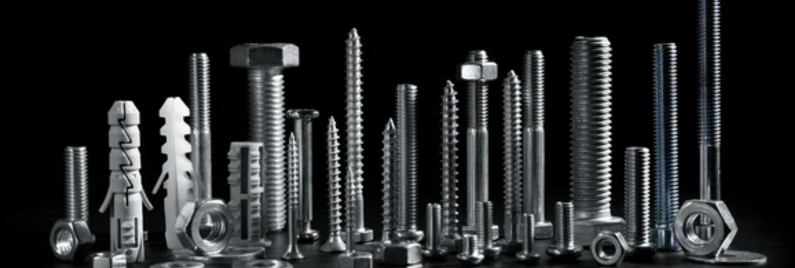
Looking for a reliable industrial fasteners supplier with factory direct pricing? As we approach 2026, sourcing high-quality bolts, nuts, screws, and specialized anchoring systems directly from the manufacturer is the most effective strategy to reduce costs while ensuring structural integrity. This guide details how to identify top-tier suppliers, understand critical material specifications, and navigate the evolving landscape of industrial connection solutions without intermediaries.
What Defines a Top Industrial Fasteners Supplier in 2026?
The definition of a leading supplier has shifted dramatically over recent years. It is no longer sufficient to merely stock inventory. A true partner in the industrial sector must demonstrate deep technical expertise, robust quality control systems, and the agility to adapt to global supply chain fluctuations. In 2026, the market prioritizes vendors who offer factory direct price models, eliminating markup layers that traditionally inflate project budgets.
When evaluating potential partners, industry professionals look beyond the catalog. The focus is on the supplier’s ability to provide engineering support, custom manufacturing capabilities, and certified traceability for every batch produced. This shift reflects a broader industry trend where reliability and technical precision outweigh simple availability.
Key indicators of a superior supplier include:
- Direct Manufacturing Control: Ownership of production facilities ensures strict adherence to tolerance standards and material composition.
- Certification Compliance: Full alignment with ISO, ASTM, DIN, and specific industry standards like ASME or API.
- Supply Chain Transparency: Real-time visibility into raw material sourcing and production timelines.
- Technical Consultation: The ability to advise on load calculations, corrosion resistance, and installation best practices.
Choosing a supplier that embodies these traits minimizes the risk of component failure, which can lead to costly downtime or safety hazards. The move toward direct factory engagement allows buyers to negotiate terms based on volume and long-term partnership rather than spot-market volatility.
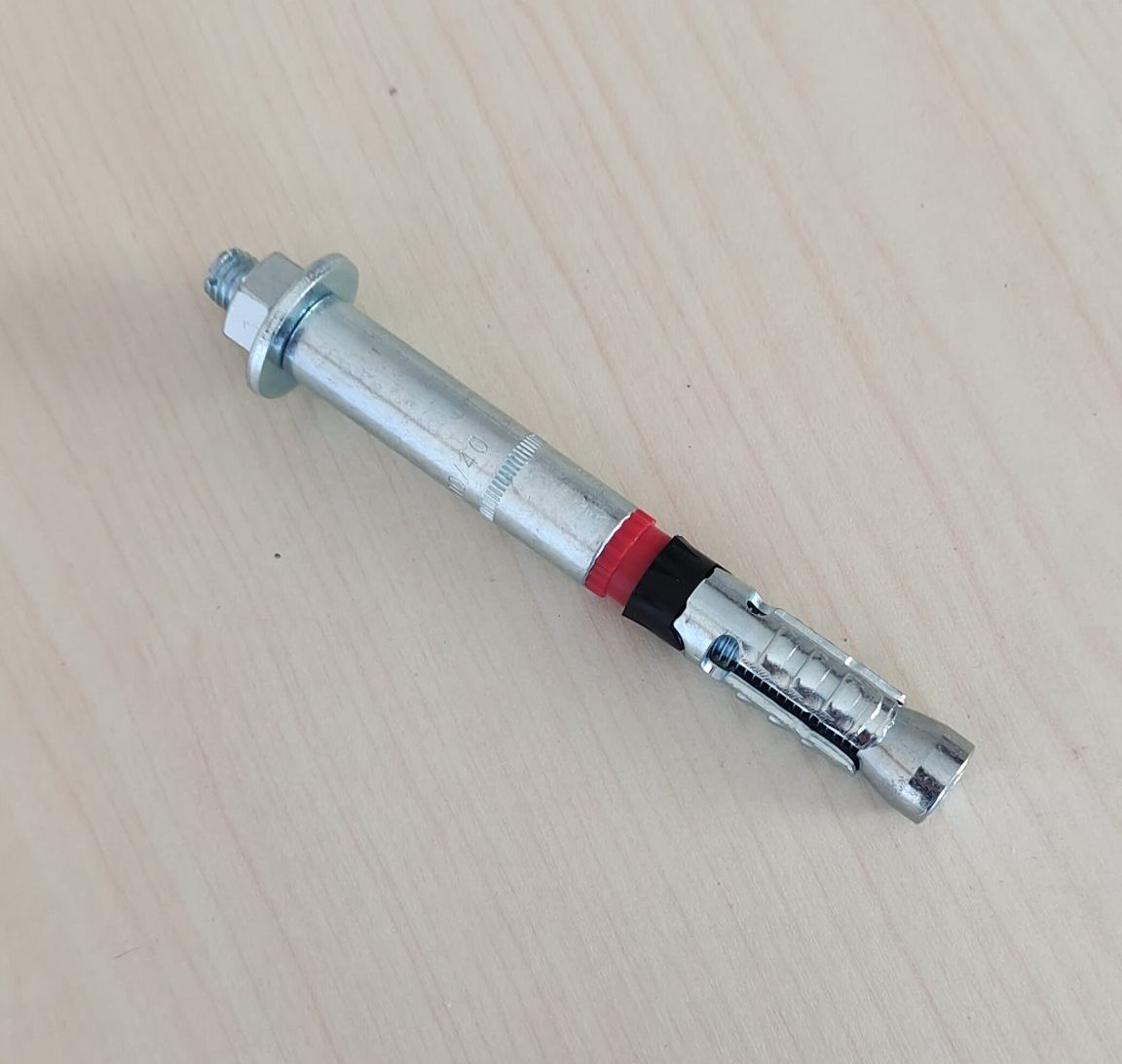
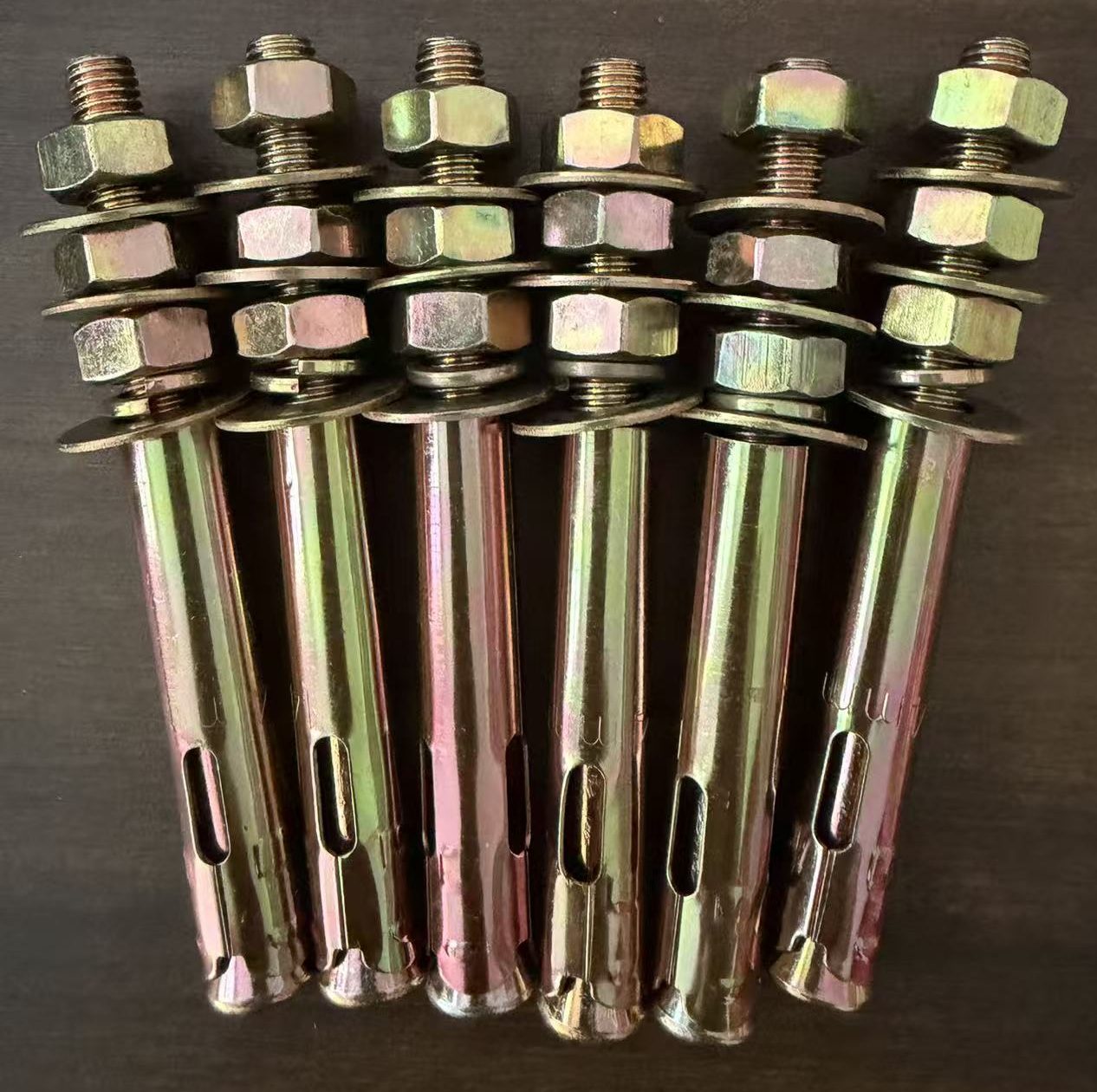
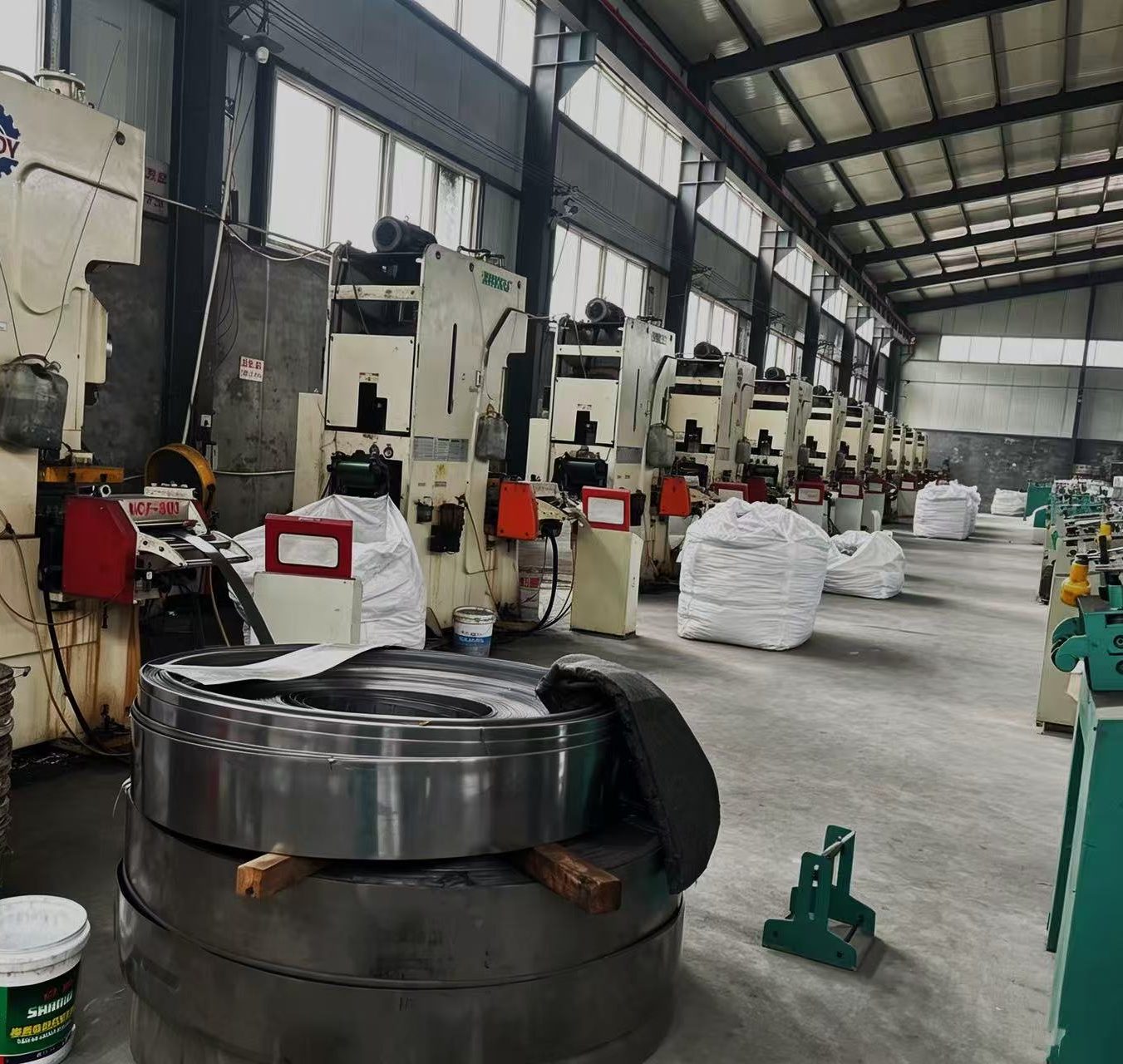
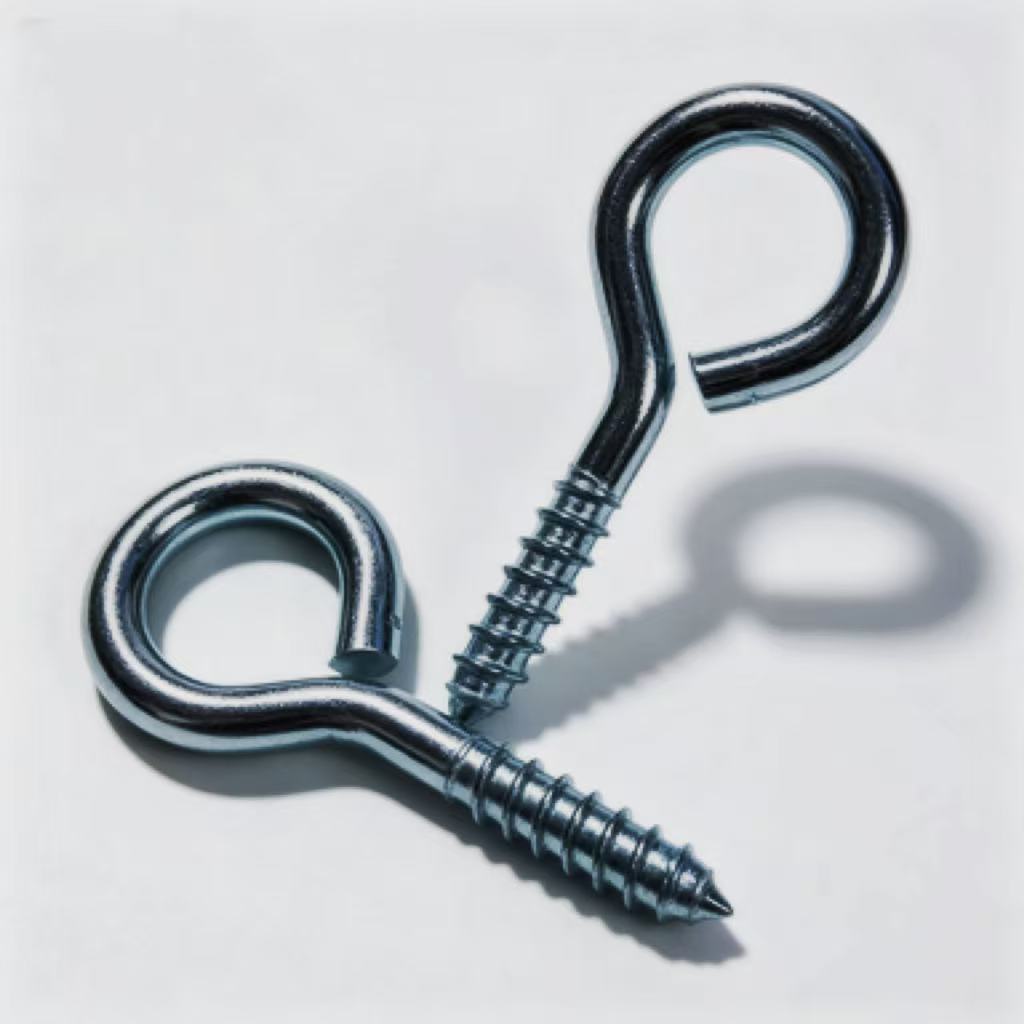
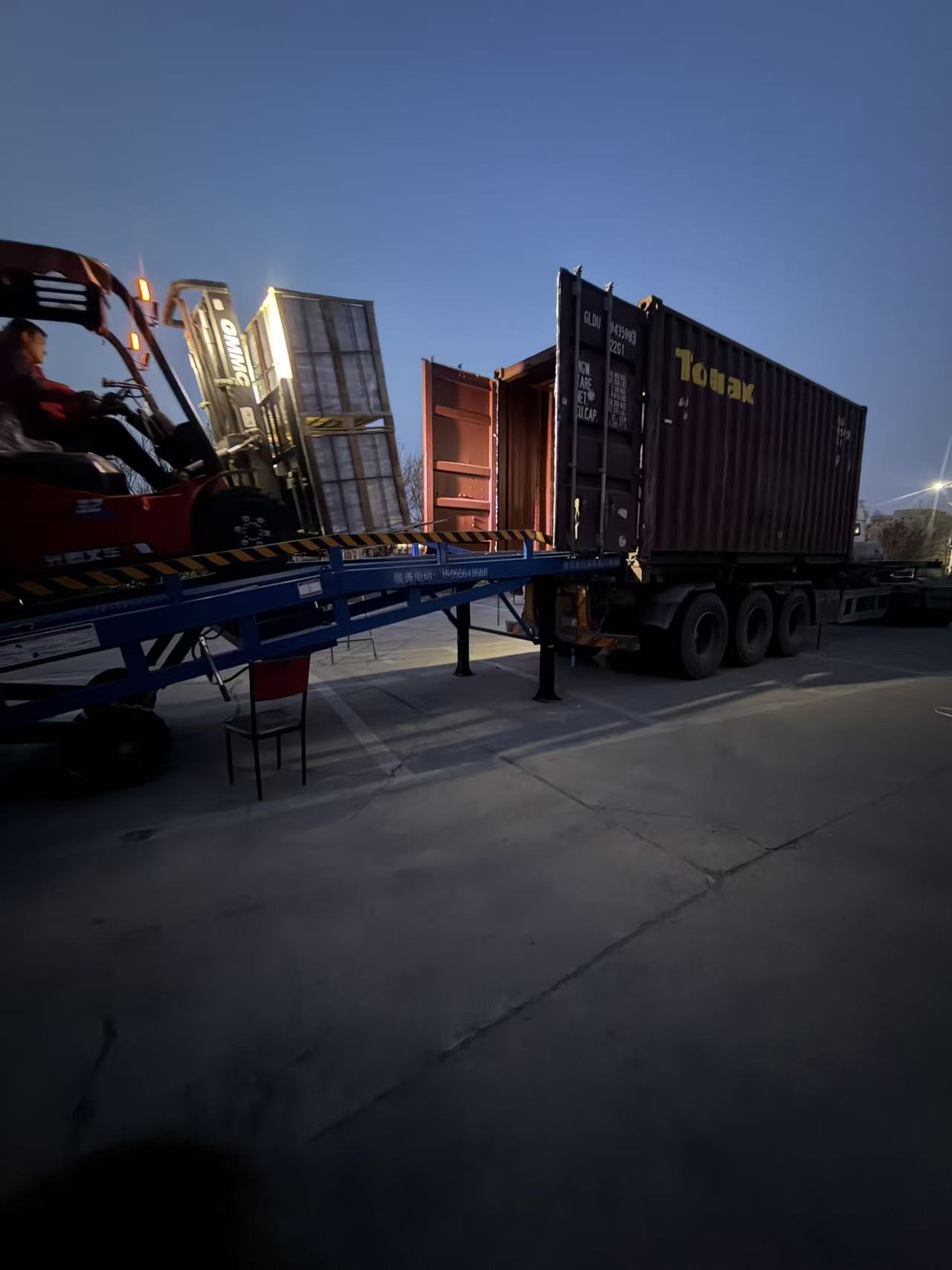
To illustrate what a modern, integrated supplier looks like in practice, consider the example of established manufacturers based in Handan, Hebei, China—the heart of the global fastener industry. Leading entities in this region operate as global industry and trade combinations, specializing in the development, manufacturing, and service of diverse hardware solutions. With over a decade of experience, these companies have expanded their reach to more than 26 countries, producing specialized items ranging from casing geckos to wooden teeth welded sheep’s eye screws and bolts. By adhering to an integrity-based philosophy and investing heavily in scientific research and high-tech talent, such factories utilize advanced production technologies to deliver products meeting GB, DIN, JIS, ANSI, and other international standards. Their commitment to “quality first, customer first” ensures that they not only provide competitive factory-direct pricing but also offer the flexibility to customize specifications, quality, and quantity according to unique project needs.
The Economic Advantage of Factory Direct Pricing
Understanding the cost structure of industrial fasteners is essential for procurement managers aiming to optimize budgets. Traditional distribution networks often involve multiple handoffs, each adding a margin to the final price. By engaging directly with the factory, organizations can bypass these intermediaries, resulting in significant savings.
Factory direct pricing does not just mean a lower unit cost; it also implies better control over logistics and inventory management. Direct relationships allow for customized production runs that match exact project requirements, reducing waste from over-ordering standard sizes that may not fit specific application needs.
In the current economic climate, raw material costs fluctuate frequently. A direct line to the manufacturer provides clearer insights into these fluctuations, enabling more accurate forecasting and budget allocation. This transparency is crucial for large-scale infrastructure projects where margin errors can compound quickly.
Cost Breakdown: Distributor vs. Factory Direct
To illustrate the financial impact, consider the typical cost components involved in acquiring industrial fasteners through different channels. The following comparison highlights where value is retained when sourcing directly.
| Cost Component | Traditional Distributor Model | Factory Direct Model |
| Base Material Cost | Standard market rate | Bulk raw material rates (Lower) |
| Manufacturing Margin | Included in wholesale price | Direct factory margin (Transparent) |
| Distributor Markup | 15% – 30% added layer | Eliminated entirely |
| Warehousing & Handling | Multiple touchpoints increase cost | Single point shipment optimization |
| Customization Fees | High minimums and setup fees | Flexible MOQs and integrated R&D |
| Lead Time Variability | Dependent on distributor stock | Scheduled directly into production line |
This table demonstrates that the savings extend beyond the sticker price. Reduced handling and optimized logistics contribute to a lower total cost of ownership. Furthermore, direct engagement facilitates faster resolution of quality issues, as there is no third party to buffer communication.
Critical Material Selection for Industrial Applications
Selecting the correct material is the cornerstone of any successful fastening application. The environment in which the industrial fasteners will operate dictates the necessary alloy composition, heat treatment, and coating. Using the wrong material can lead to premature failure due to corrosion, fatigue, or brittle fracture.
In 2026, the industry sees a growing demand for high-performance alloys capable of withstanding extreme temperatures and corrosive environments. From offshore oil rigs to chemical processing plants, the stakes for material selection have never been higher. Engineers must balance mechanical strength with environmental resistance.
Common materials used in industrial settings include carbon steel, stainless steel, alloy steel, and exotic superalloys. Each offers distinct advantages depending on the application. Understanding the nuances between grades such as 304 and 316 stainless steel, or Grade 5 versus Grade 8 bolt strengths, is vital for specification accuracy.
Carbon Steel vs. Stainless Steel: A Strategic Comparison
Carbon steel remains the workhorse of the construction and heavy machinery sectors due to its high tensile strength and cost-effectiveness. However, it requires protective coatings to prevent rust in humid or chemically active environments. Stainless steel, while more expensive upfront, offers inherent corrosion resistance, making it ideal for food processing, marine, and architectural applications.
The decision often comes down to the lifecycle cost rather than the initial purchase price. A cheaper carbon steel bolt that corrodes within two years may cost far more in replacement labor and downtime than a stainless steel alternative that lasts decades.
| Feature | Carbon Steel (e.g., Grade 8.8, 10.9) | Stainless Steel (e.g., A2-70, A4-80) |
| Primary Strength | Very High Tensile Strength | Moderate to High Strength |
| Corrosion Resistance | Low (Requires Plating/Coating) | Excellent (Inherent Property) |
| Temperature Tolerance | Good up to moderate heat | Excellent in extreme heat/cold |
| Magnetic Properties | Ferromagnetic | Generally Non-magnetic (Austenitic) |
| Cost Efficiency | High (Lowest Initial Cost) | Moderate (Higher Initial, Lower Lifecycle) |
| Typical Applications | Structural Steel, Heavy Machinery | Marine, Food & Bev, Chemical Plants |
When specifying materials, always consult the latest industry standards and consider the specific environmental factors present at the installation site. Factors such as salt spray exposure, pH levels, and ambient temperature swings play a decisive role in material longevity.
Advanced Coating Technologies and Surface Treatments
Beyond base material selection, surface treatments are critical for enhancing the performance of industrial fasteners. Modern coating technologies have evolved to provide superior protection against corrosion, wear, and galling. These treatments extend the service life of components and ensure reliable performance under stress.
Traditional zinc plating is still widely used, but newer options like geometrically controlled zinc-flake coatings offer enhanced protection with thinner layers. These advanced coatings are particularly valuable in automotive and aerospace applications where weight and precision are paramount.
Hot-dip galvanizing remains the gold standard for outdoor structural applications, providing a thick, durable barrier against the elements. However, for high-strength bolts, care must be taken to avoid hydrogen embrittlement during the plating process, a risk that reputable factories manage through rigorous baking protocols.
Choosing the Right Coating for Your Environment
Selecting a coating involves analyzing the severity of the environment. Mild indoor environments may only require basic electroplating, while harsh coastal or chemical environments demand multi-layer systems or specialized polymers.
- Zinc Plating: Suitable for indoor, dry environments. Offers basic rust protection and a bright aesthetic finish.
- Hot-Dip Galvanizing: Ideal for outdoor structures, bridges, and power transmission towers. Provides thick, rugged protection.
- Zinc-Nickel Alloy: Delivers exceptional corrosion resistance, often surpassing standard zinc by several times. Used in automotive and hydraulic systems.
- PTFE/Polymer Coatings: Excellent for chemical resistance and reducing friction. Commonly used in valve assemblies and pumping equipment.
- Dacromet/Geomet: Chrome-free alternatives that offer high heat resistance and uniform coverage, increasingly popular due to environmental regulations.
It is crucial to verify that the chosen coating is compatible with the substrate material and the intended torque values. Some coatings can alter the friction coefficient, affecting the clamp load achieved during installation. Factory experts can provide precise torque-tension data for coated products.
Quality Assurance and Certification Standards
In the realm of industrial fasteners, quality is not negotiable. A single failed component can compromise an entire assembly, leading to catastrophic consequences. Therefore, adherence to international quality standards is a non-negotiable requirement for any top-tier supplier.
Reputable manufacturers operate under strict Quality Management Systems (QMS), typically certified to ISO 9001 standards. This ensures that every step of the production process, from raw material inspection to final packaging, is documented and controlled. Traceability is key; every batch should be traceable back to the mill certificate of the raw material.
Certifications vary by industry. For example, pressure vessel applications may require ASME certification, while oil and gas projects often mandate API standards. Automotive suppliers usually need IATF 16949 compliance. A capable factory will hold these certifications and make them readily available for audit.
The Role of Third-Party Testing
While internal quality controls are essential, independent third-party testing adds an extra layer of trust. Leading suppliers routinely submit samples to accredited laboratories for verification of mechanical properties, chemical composition, and coating thickness.
Common tests include:
- Tensile Strength Testing: Verifies the maximum load the fastener can withstand before breaking.
- Hardness Testing: Ensures the material has been heat-treated correctly to achieve the desired grade.
- Salt Spray Testing: Evaluates the corrosion resistance of coatings over extended periods.
- Hydrogen Embrittlement Relief: Confirms that high-strength plated parts have been properly baked to prevent delayed failure.
Requesting Mill Test Reports (MTRs) and Certificate of Conformance (CoC) with every shipment is a best practice. These documents serve as legal proof that the products meet the specified requirements. In 2026, digital integration allows for instant access to these certificates via QR codes or online portals, streamlining the verification process.
Step-by-Step Guide to Sourcing Industrial Fasteners
Navigating the procurement process for industrial fasteners requires a structured approach to ensure you receive the right product at the right price. Following a systematic method helps avoid common pitfalls such as specification mismatches, delivery delays, and quality discrepancies.
This guide outlines the essential steps for engaging with a factory direct supplier effectively. Whether you are procuring for a one-off project or establishing a long-term supply chain, these steps provide a roadmap for success.
- Define Technical Requirements: Clearly outline the size, grade, material, coating, and quantity needed. Reference specific standards (e.g., ASTM A325) to eliminate ambiguity.
- Identify Potential Suppliers: Research manufacturers with proven experience in your specific industry. Verify their certifications and production capacity.
- Request Detailed Quotations: Ask for comprehensive quotes that break down unit costs, tooling fees, shipping terms, and lead times. Ensure the quote specifies the exact standard being met.
- Evaluate Sample Quality: Before committing to a large order, request samples for testing. Verify dimensions, finish, and markings against your specifications.
- Negotiate Terms and Logistics: Discuss payment terms, Incoterms, and packaging requirements. Clarify protocols for handling non-conforming goods.
- Finalize and Monitor Production: Once the order is placed, maintain regular communication with the factory. Request production updates and pre-shipment inspection reports.
Adhering to this process minimizes risks and fosters a professional relationship with the supplier. Clear communication at the outset prevents misunderstandings later in the supply chain. Remember, the cheapest option is not always the most cost-effective if it compromises quality or delivery reliability.
Emerging Trends in Industrial Fastening Technology
The fastener industry is continuously evolving, driven by advancements in materials science, automation, and sustainability goals. As we look toward 2026 and beyond, several trends are reshaping how industrial fasteners are designed, manufactured, and utilized.
One significant trend is the development of lighter yet stronger alloys to support the push for energy efficiency in transportation and aerospace. Reducing weight without sacrificing strength is a primary driver for innovation in metallurgy. Additionally, smart fasteners equipped with sensors are beginning to emerge, allowing for real-time monitoring of tension and structural health.
Sustainability is another major focus. Manufacturers are increasingly adopting eco-friendly plating processes that eliminate hazardous chemicals like hexavalent chromium. Recycling initiatives and the use of recycled raw materials are becoming standard practices among forward-thinking factories.
The Impact of Automation on Manufacturing Precision
Automation has revolutionized the production of industrial fasteners. Modern cold heading and threading machines operate with unprecedented speed and precision, maintaining tight tolerances that were difficult to achieve manually. This technological leap ensures consistent quality across massive production runs.
Automated optical inspection systems now scan every part for defects, rejecting any item that deviates from the norm. This level of scrutiny reduces the likelihood of defective parts reaching the customer, enhancing overall safety and reliability. Factories investing in these technologies are better positioned to meet the rigorous demands of modern industry.
Common Challenges and How to Overcome Them
Despite the benefits of factory direct sourcing, challenges can arise. Supply chain disruptions, raw material shortages, and logistical bottlenecks are realities of the global market. Being prepared to address these issues is part of effective procurement management.
One common challenge is the mismatch between expected and actual lead times. Global events can impact shipping schedules and production capacity. To mitigate this, maintain open lines of communication with your supplier and build buffer time into your project schedules whenever possible.
Another issue is the variation in quality between batches. Even with strict controls, slight deviations can occur. Implementing a robust incoming quality assurance (IQA) process at your facility ensures that any discrepancies are caught before the parts are installed. Establishing clear rejection criteria with your supplier beforehand streamlines this process.
Addressing Counterfeit Risks
The prevalence of counterfeit fasteners in the global market poses a serious threat to safety and reliability. Substandard materials and incorrect heat treatments can lead to sudden failures. Sourcing directly from verified, reputable factories is the most effective defense against counterfeits.
Always verify the supplier’s credentials and check for authentic certification marks on the products. Be wary of prices that seem too good to be true, as they often indicate compromised quality. Building a long-term relationship with a trusted partner reduces the risk of encountering fraudulent goods.
Frequently Asked Questions (FAQ)
Below are answers to common questions regarding the sourcing and specification of industrial fasteners. These insights address frequent concerns faced by engineers and procurement specialists.
What is the minimum order quantity (MOQ) for factory direct purchases?
MOQs vary significantly depending on the type of fastener and the manufacturer. Standard items may have lower MOQs, while custom-specification parts often require higher volumes to justify setup costs. Many factories offer flexible MOQs for long-term partners or trial orders.
How long does it typically take to receive a custom order?
Lead times depend on the complexity of the customization and current production schedules. Simple modifications might take a few weeks, while entirely new designs could require several months for tooling and prototyping. Always confirm the timeline during the quotation phase.
Can factory direct suppliers provide custom packaging?
Yes, most manufacturers offer customized packaging solutions to meet specific logistical or branding needs. Options range from bulk boxing to individual blister packs with custom labeling. Discuss these requirements early in the negotiation process.
What certifications should I look for in a fastener supplier?
At a minimum, look for ISO 9001 certification. Depending on your industry, additional certifications like ASME, API, or IATF 16949 may be required. Ensure the supplier can provide valid documentation for these accreditations.
Is it possible to get technical support for fastener selection?
Reputable factory direct suppliers typically employ engineering teams capable of providing technical support. They can assist with material selection, load calculations, and troubleshooting installation issues to ensure optimal performance.
Conclusion: Securing Your Supply Chain for the Future
In the competitive landscape of 2026, securing a reliable source for industrial fasteners is a strategic imperative. Partnering with a top-tier supplier that offers factory direct price advantages ensures not only cost efficiency but also uncompromised quality and technical support. The ability to trace materials, verify certifications, and customize solutions provides a distinct edge in project execution.
This approach is ideally suited for construction firms, manufacturing plants, infrastructure developers, and maintenance organizations that prioritize longevity and safety. By cutting out intermediaries, businesses gain greater control over their supply chains, enabling them to respond more agilely to market changes and project demands.
To move forward, evaluate your current procurement strategies. Identify opportunities to engage directly with manufacturers who align with your quality standards and volume requirements. Request detailed quotations and sample kits to begin building a partnership that will support your industrial goals for years to come. The right supplier is not just a vendor; they are a critical component of your operational success.