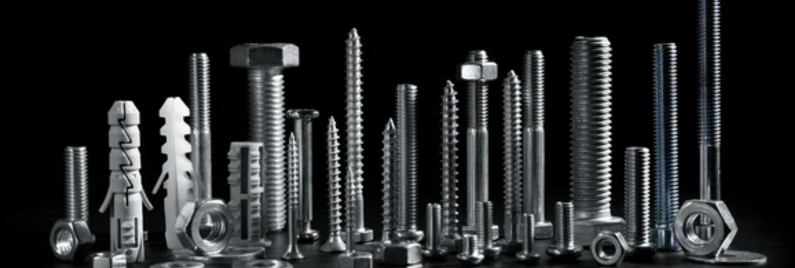
A DIN934 hex nut is the globally recognized standard for a heavy-duty, single-height hexagonal fastener used in metric bolted connections. Defined by the Deutsches Institut für Normung, this component ensures precise thread engagement, consistent torque application, and reliable structural integrity across industrial machinery, automotive assemblies, and construction frameworks. Understanding its specific dimensions, material grades, and performance limits is essential for engineers and procurement specialists seeking compliance and safety.
What Defines the DIN934 Hex Nut Standard?
The DIN934 hex nut represents the baseline specification for metric coarse-thread nuts in general engineering applications. Unlike lighter variants, this standard mandates a specific height-to-width ratio that maximizes load distribution across the bolt threads. The design philosophy centers on providing sufficient thread engagement to prevent stripping under tensile stress while maintaining a compact profile suitable for confined spaces.
Industry professionals rely on this standard because it eliminates ambiguity in sourcing. When a blueprint specifies DIN934, it dictates exact geometric tolerances, chamfer angles, and wrench sizes. This uniformity allows for seamless interchangeability between manufacturers who adhere to the norm, ensuring that a nut produced in one facility fits a bolt produced in another without compromise.
The technical definition extends beyond simple geometry. It encompasses the mechanical properties required for different property classes, ranging from low-carbon steel for non-critical applications to high-tensile alloy steels for heavy loads. The standard also dictates surface finish requirements, ensuring that plating or coating processes do not interfere with thread fitment or torque accuracy.
Geometric Characteristics and Tolerances
The defining feature of the DIN934 hex nut is its hexagonal shape, designed for optimal grip by standard wrenches and sockets. The distance across flats (wrench size) and the distance across corners are strictly regulated to prevent rounding during high-torque installation. A slight chamfer on the top face facilitates easier starting of the thread, reducing the risk of cross-threading during manual assembly.
Thread tolerance is another critical aspect. The internal threads are manufactured to specific tolerance classes, typically 6H for general purposes. This ensures a smooth fit with external threads of class 6g or 6h, balancing ease of assembly with minimal play. Deviations beyond these limits can lead to premature failure or difficulty in achieving the correct preload.
Height is a distinguishing factor against thinner alternatives like DIN936. The DIN934 profile provides approximately 0.8 times the nominal diameter in height. This increased material volume allows for more threads to engage with the bolt, significantly enhancing resistance to vibration-induced loosening and shear forces. In dynamic environments, this extra engagement is often the difference between a secure joint and a catastrophic failure.
Comprehensive DIN934 Hex Nut Size Chart and Specifications
Selecting the correct size is fundamental to project success. The following table outlines the core dimensional specifications for the most common metric sizes of the DIN934 hex nut. These values represent the nominal dimensions and standard wrench sizes required for installation.
| Nominal Size (d) | Thread Pitch (P) | Wrench Size (s) | Height (m) | Max Outer Diameter (e) |
| M3 | 0.5 mm | 5.5 mm | 2.4 mm | 6.01 mm |
| M4 | 0.7 mm | 7 mm | 3.2 mm | 7.66 mm |
| M5 | 0.8 mm | 8 mm | 4.7 mm | 8.79 mm |
| M6 | 1.0 mm | 10 mm | 5.2 mm | 11.05 mm |
| M8 | 1.25 mm | 13 mm | 6.8 mm | 14.38 mm |
| M10 | 1.5 mm | 16 mm | 8.4 mm | 17.77 mm |
| M12 | 1.75 mm | 18 mm | 10.8 mm | 20.03 mm |
| M16 | 2.0 mm | 24 mm | 14.8 mm | 26.75 mm |
| M20 | 2.5 mm | 30 mm | 18.0 mm | 32.95 mm |
| M24 | 3.0 mm | 36 mm | 21.5 mm | 39.55 mm |
It is crucial to note that while nominal sizes remain constant, manufacturing tolerances allow for minor variations. High-precision applications may require nuts screened to tighter limits than the standard ISO tolerance bands. Always consult the specific technical data sheet for critical load-bearing scenarios to ensure the selected DIN934 hex nut meets the exact project requirements.
The thread pitch listed above refers to the standard coarse thread series. Fine thread variants exist but fall under different designations. Using a coarse thread nut on a fine thread bolt, or vice versa, will result in immediate thread damage and joint failure. Verification of pitch compatibility is a mandatory step before assembly begins.
Material Grades and Mechanical Properties
The performance of a DIN934 hex nut is heavily dependent on its material composition and heat treatment. The standard categorizes these components into property classes, which indicate their strength and hardness. The most prevalent classes include 4, 5, 6, 8, 10, and 12, with higher numbers denoting greater tensile strength.
Class 4 and 5: Typically manufactured from low-carbon steel, these are suitable for general-purpose applications where extreme loads are not expected. They offer good ductility and are often used in consumer goods, light fixtures, and non-structural framing. These grades are usually unhardened or lightly hardened.
Class 8: This is the industry workhorse for medium-to-heavy duty applications. Made from medium carbon steel and quenched and tempered, Class 8 nuts provide an excellent balance of strength and toughness. They are the default choice for automotive suspensions, industrial machinery, and structural steelwork where reliability is paramount.
Class 10 and 12: Designed for high-stress environments, these nuts utilize alloy steels and rigorous heat treatment processes. They are essential in hydraulic systems, heavy mining equipment, and high-performance automotive engines. Using a lower-grade nut with a high-tensile bolt can compromise the entire assembly, as the nut may strip before the bolt reaches its yield point.
Stainless steel variants, such as A2 (304) and A4 (316), are also widely available under the DIN934 geometry. While they generally correspond to lower strength classes compared to hardened carbon steel, their corrosion resistance makes them indispensable for marine, chemical, and food processing industries. Selection must always weigh strength requirements against environmental exposure.
DIN934 vs. Other Hex Nut Standards: A Technical Comparison
In the realm of metric fasteners, confusion often arises between similar-looking standards. Distinguishing the DIN934 hex nut from its counterparts is vital for ensuring the correct clamp load and thread engagement. The primary differences lie in height, weight, and intended load capacity.
The most common comparison is between DIN934 and DIN936. While both share the same wrench size and outer diameter for a given nominal diameter, their heights differ significantly. DIN936 is a “thin” or “jam” nut, possessing roughly half the height of a DIN934. Consequently, DIN936 offers fewer engaged threads and is unsuitable for primary load-bearing duties. It is typically used as a lock nut against a full-height nut or in space-constrained applications where full engagement is impossible.
Another frequent point of reference is DIN985, the nylon insert lock nut. While DIN985 shares the overall height and wrench size of DIN934, it incorporates a polymer collar to prevent loosening due to vibration. If an application requires prevailing torque or self-locking capabilities, DIN985 is the appropriate choice. However, for static joints or where a separate locking mechanism (like a washer or thread locker) is preferred, the standard DIN934 hex nut remains superior due to its all-metal construction and higher temperature tolerance.
| Feature | DIN934 (Standard) | DIN936 (Thin/Jam) | DIN985 (Nyloc) |
| Primary Function | General fastening | Locking / Space saving | Vibration resistance |
| Height Ratio | ~0.8 x Nominal Diameter | ~0.4 x Nominal Diameter | ~0.8 x Nominal Diameter |
| Thread Engagement | Full | Partial | Full (with nylon insert) |
| Temperature Limit | High (Metal only) | High (Metal only) | Limited by Nylon (~120°C) |
| Reusability | High | Moderate | Limited (Nylon degrades) |
Understanding these distinctions prevents costly errors. Substituting a DIN936 for a specified DIN934 in a high-load scenario can reduce the shear strength of the joint by nearly 50%, leading to potential structural failure. Conversely, using a DIN934 where a DIN936 is specified may cause interference issues in tightly packed assemblies.
Furthermore, regional equivalents exist, such as the ISO 4032, which is technically harmonized with DIN934. In modern procurement, specifying ISO 4032 often yields the same physical product as DIN934, reflecting the global alignment of metric standards. However, legacy drawings may still explicitly call for DIN934, necessitating familiarity with the designation.
Installation Best Practices for Optimal Performance
Proper installation is just as critical as selecting the right DIN934 hex nut. Even the highest grade fastener will fail if installed incorrectly. Following a systematic approach ensures that the joint achieves the designed preload and maintains integrity over its service life.
- Surface Preparation: Ensure that the bearing surfaces under the nut and bolt head are clean, flat, and free of debris. Irregularities can cause uneven load distribution, leading to bending stresses in the bolt.
- Lubrication Strategy: Apply appropriate lubrication to the threads and the bearing face unless the fastener is pre-coated with a friction-modifying compound. Lubrication reduces the coefficient of friction, allowing more of the applied torque to convert into clamping force rather than overcoming friction.
- Torque Control: Use a calibrated torque wrench to apply the specified tightening value. Over-tightening can stretch the bolt beyond its yield point or strip the internal threads of the nut. Under-tightening fails to generate sufficient clamp load, risking joint separation.
- Sequence Matters: In multi-bolt flanges or patterns, tighten nuts in a star or crisscross pattern. This ensures even compression of the gasket or joint interface, preventing warping and leakage.
- Verification: For critical applications, perform a secondary check after a settling period. Thermal cycling and initial embedment relaxation can reduce preload, necessitating a re-torque operation.
The relationship between torque and tension is complex and influenced by many factors, including thread pitch, surface finish, and lubrication. Relying solely on “feel” is inadequate for engineered structures. Reference torque tables provided by fastener manufacturers or engineering handbooks to determine the correct values for the specific property class of your DIN934 hex nut.
Additionally, consider the use of hardened washers when installing high-strength nuts on soft materials. Without a washer, the rotating nut can gouge the base material during tightening, altering the friction coefficient and potentially damaging the structural component. A hardened washer distributes the load and provides a smooth surface for rotation.
Common Applications Across Industries
The versatility of the DIN934 hex nut makes it a ubiquitous component in virtually every sector of heavy and light industry. Its robust design handles diverse environmental conditions and mechanical stresses, making it the go-to solution for permanent and semi-permanent joints.
Automotive Manufacturing: From engine blocks to chassis suspension systems, DIN934 nuts secure critical components. In these applications, Class 8 or higher nuts are standard to withstand the intense vibrations and dynamic loads experienced during vehicle operation. Corrosion-resistant coatings are frequently applied to protect against road salts and moisture.
Construction and Infrastructure: Steel structures, bridges, and building frameworks rely on large-diameter DIN934 nuts to connect beams and columns. Here, the focus is on shear strength and long-term stability. Galvanized versions are often specified to combat atmospheric corrosion over decades of service. The reliability of these connections is non-negotiable for public safety.
Industrial Machinery: Conveyor systems, pumps, compressors, and manufacturing robots utilize thousands of these fasteners. The ability to disassemble and reassemble machinery for maintenance is a key advantage of the hex nut design. Engineers value the standardization, which simplifies inventory management and reduces downtime during repairs.
Energy Sector: In wind turbines and oil refineries, fasteners face extreme conditions including high winds, salt spray, and temperature fluctuations. Specialized alloy versions of the DIN934 hex nut are employed here to resist hydrogen embrittlement and stress corrosion cracking. The failure of a single nut in these environments can lead to significant operational losses or safety hazards.
Even in consumer electronics and appliance manufacturing, smaller metric sizes of DIN934 are found securing internal frames and panels. While the loads are lower, the precision of the metric thread system ensures that automated assembly lines can operate efficiently without jamming or misalignment issues.
Advantages and Limitations of DIN934 Hex Nuts
Every engineering solution involves trade-offs. Understanding the specific strengths and weaknesses of the DIN934 hex nut helps designers make informed decisions about when to use it and when to consider alternative fastening methods.
Key Advantages:
- Standardization: Global availability ensures that replacements are easy to source anywhere in the world, reducing supply chain risks.
- Tool Compatibility: The hexagonal shape works with common, inexpensive tools found in every toolkit, simplifying assembly and maintenance.
- High Load Capacity: The full-height design provides superior thread engagement, supporting high tensile and shear loads compared to thin nuts.
- Reusability: All-metal construction allows for multiple cycles of installation and removal without significant loss of performance, unlike nylon insert locks.
- Temperature Resistance: Lacking plastic components, these nuts perform reliably in high-temperature environments where other locking mechanisms would fail.
Notable Limitations:
- Vibration Sensitivity: As a standard nut, it lacks inherent locking features. In high-vibration environments, it requires auxiliary locking devices such as lock washers, thread-locking fluids, or double-nutting.
- Space Requirements: The full height may be prohibitive in extremely compact designs where axial space is limited, necessitating the use of thinner alternatives.
- Corrosion Risk: Standard carbon steel versions are susceptible to rust if not properly plated or coated. In aggressive chemical environments, stainless steel or exotic alloy upgrades are mandatory, increasing cost.
- Installation Torque: Achieving precise preload requires skilled labor and calibrated tools. Manual tightening often leads to inconsistent results.
Weighing these factors against project requirements is essential. For a static indoor application, the simplicity of DIN934 is ideal. For a vibrating motor mount, the additional cost and complexity of a locking system must be factored into the design phase.
Partnering for Precision: Manufacturing Excellence
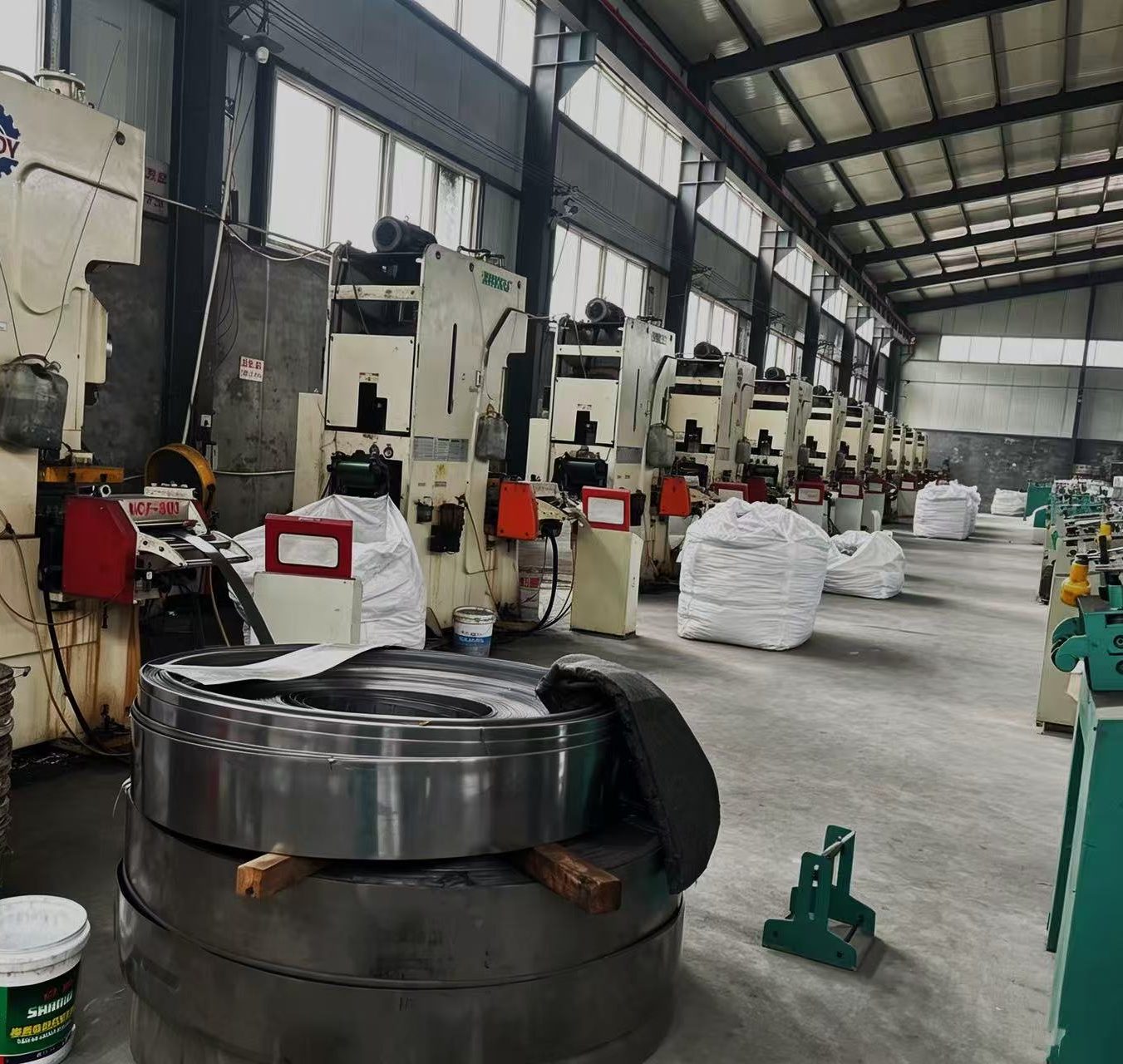
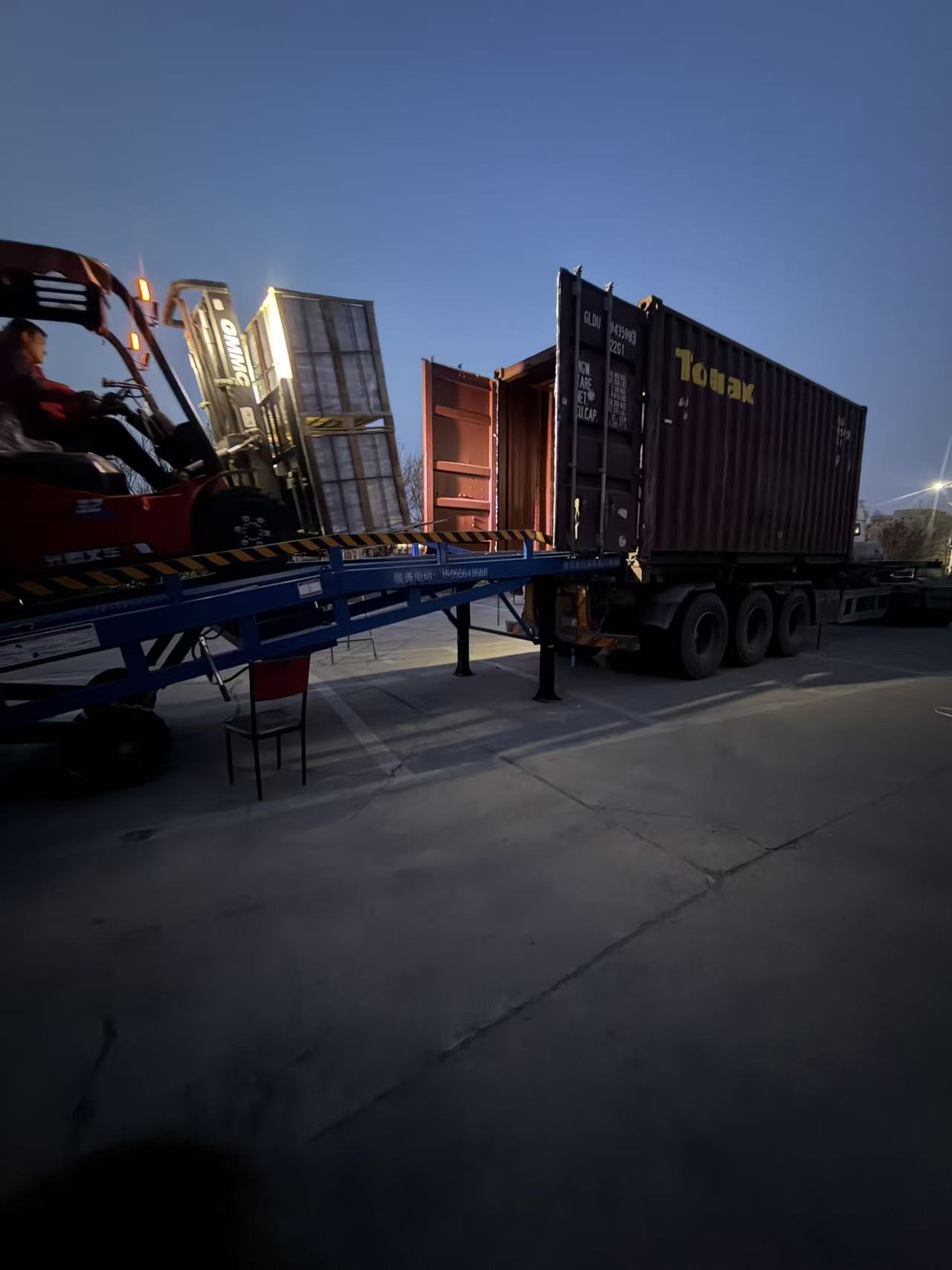
While understanding the technical specifications of the DIN934 hex nut is vital, sourcing these components from a reliable manufacturer is equally critical to project success. Located in Handan, Hebei—China’s renowned hub for fastener production—our company stands as a premier global industry and trade integration enterprise. With over a decade of specialized experience, we have established ourselves as a trusted partner for clients in more than 26 countries.
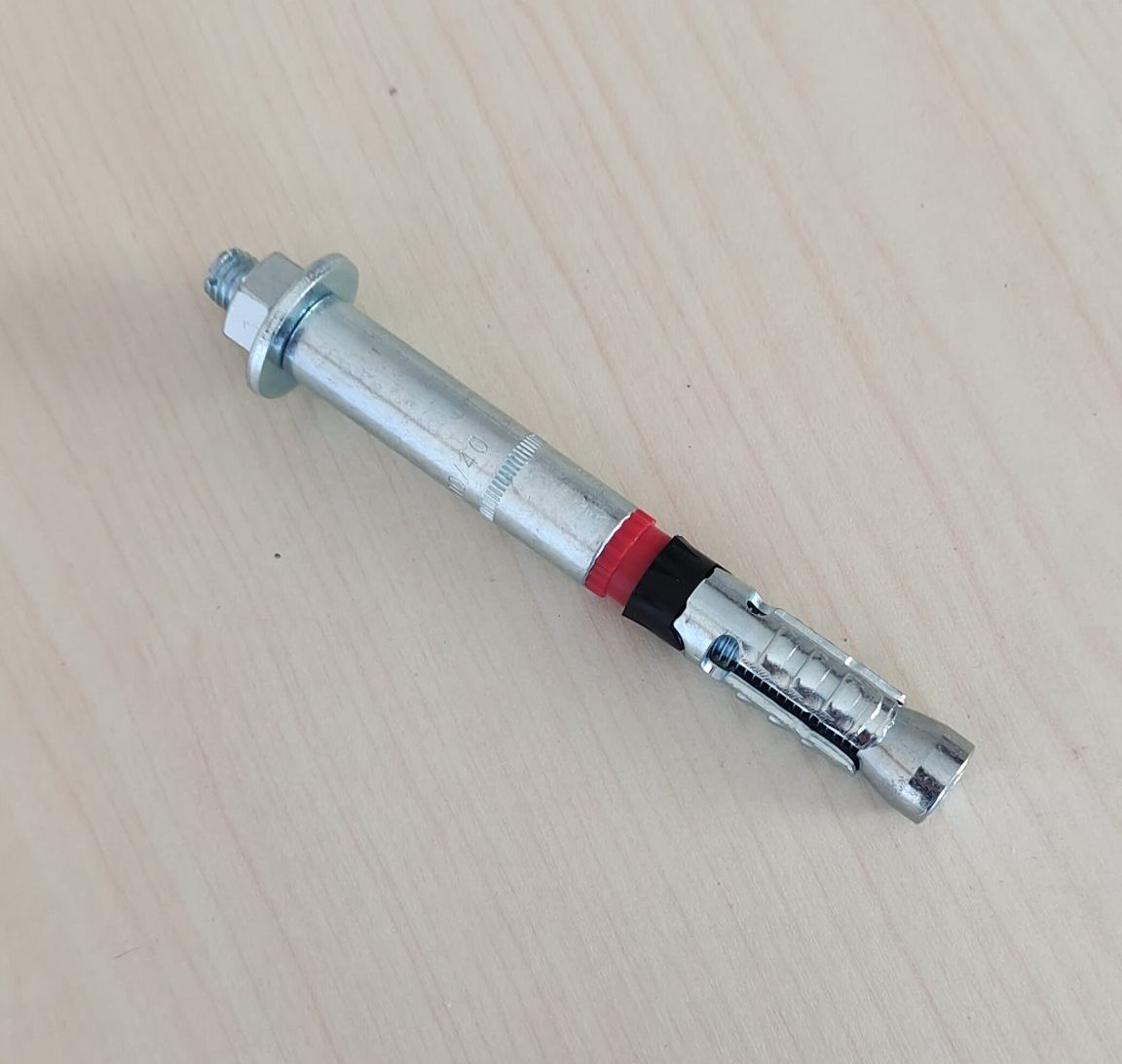
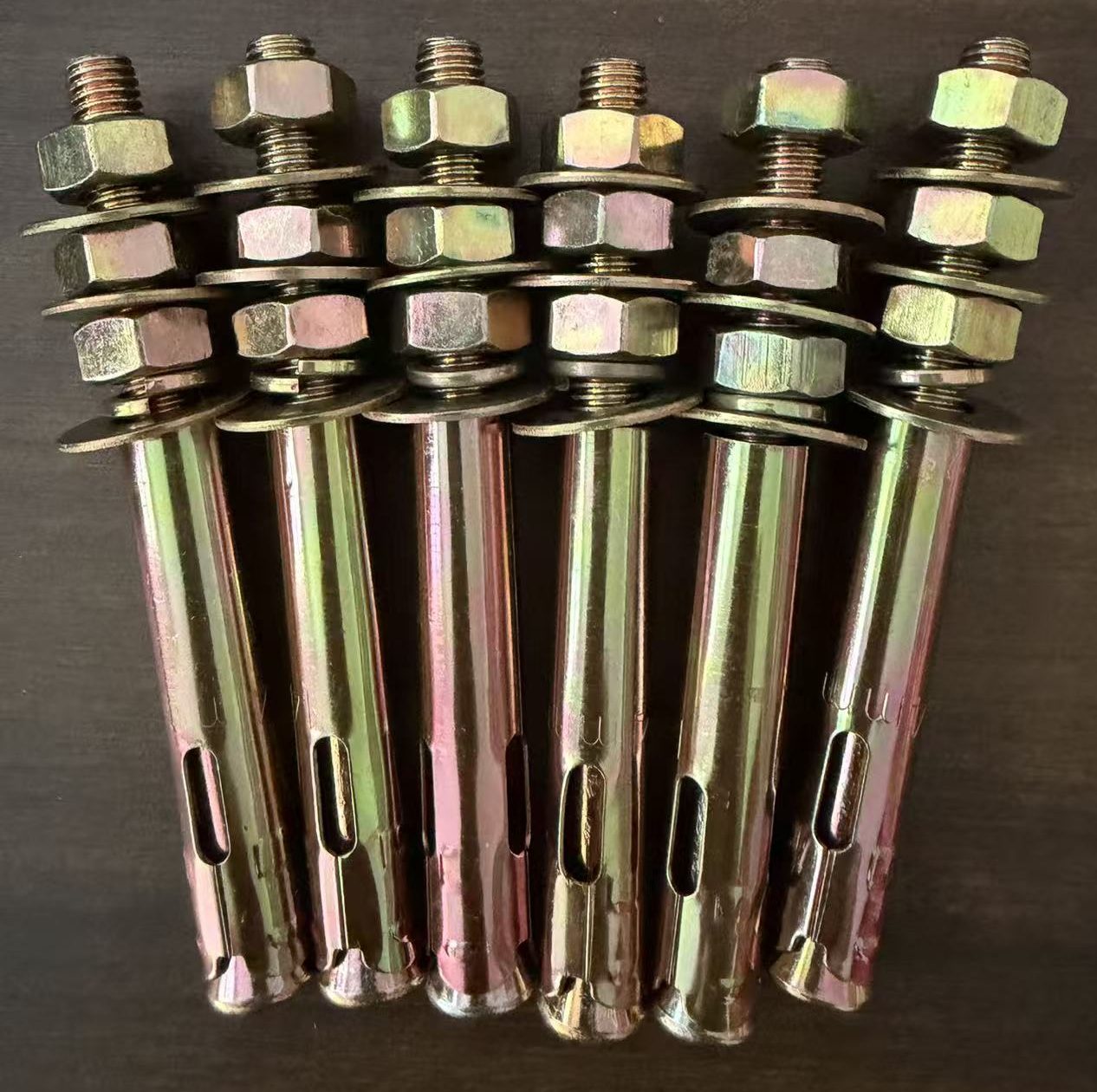
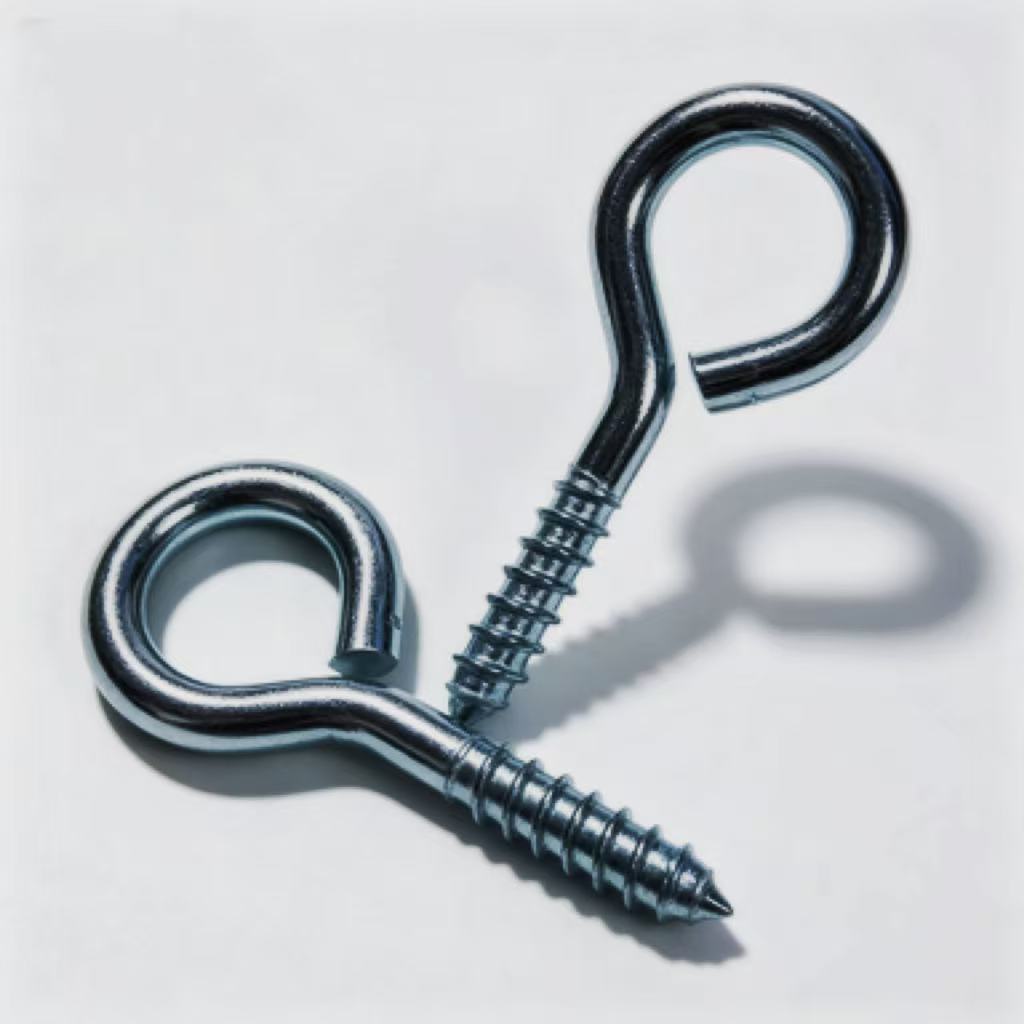
Our expertise extends far beyond standard offerings. While we specialize in the development, manufacturing, and trade of comprehensive fastener solutions and hardware tools, our production capabilities include unique products such as casing geckos and wooden teeth welded sheep’s eye screws/bolts. More importantly for structural applications, we possess the advanced technology and high-tech talent necessary to produce fasteners that strictly adhere to GB, DIN, JIS, ANSI, and other international standards.
We believe that quality is not just a metric but a philosophy. Adhering to the principle of “quality first, customer first,” we invest heavily in scientific research and employ perfect testing methods to ensure every DIN934 hex nut leaving our facility meets rigorous performance criteria. Our professional technical team and advanced machinery allow us to offer competitive prices without compromising on integrity. Whether you require standard stock items or customized specifications tailored to unique project needs, we are committed to providing thoughtful service and maintaining a reputation for excellence that meets the evolving demands of the global market.
Frequently Asked Questions (FAQ)
What is the difference between DIN934 and ISO 4032?
Practically speaking, there is no significant difference in dimensions or performance. ISO 4032 is the international standard that has largely harmonized with DIN934. Most manufacturers produce a single product line that satisfies both specifications. If a drawing calls for DIN934, an ISO 4032 compliant nut is generally an acceptable and identical substitute.
Can I use a DIN934 nut with an imperial bolt?
No. Metric and imperial (UNC/UNF) thread profiles have different pitch angles and measurements. Attempting to force a metric DIN934 hex nut onto an imperial bolt will damage the threads of both components and result in a weak, unreliable joint. Always match the thread system of the nut to the bolt exactly.
How do I identify the property class of a DIN934 nut?
Property classes are typically stamped on one face of the nut. For example, a “8” indicates Class 8, while “10” indicates Class 10. Smaller nuts (below M5) may not have enough surface area for stamping, in which case certification documents from the supplier must be relied upon to verify the grade.
Is a lock washer necessary with a DIN934 nut?
It depends on the application. In static, non-vibrating joints, a plain washer or no washer may suffice. However, in any environment subject to vibration, shock, or thermal cycling, a locking mechanism is highly recommended. This can be a split lock washer, a toothed washer, or a chemical thread locker to prevent the DIN934 hex nut from loosening over time.
What surface finishes are available for DIN934 nuts?
Common finishes include zinc plating (clear or yellow), hot-dip galvanizing, phosphate, and black oxide. Stainless steel versions (A2/A4) have a natural passivated finish. The choice of finish depends on the required level of corrosion resistance and aesthetic considerations. Hot-dip galvanizing offers the thickest protection but alters dimensions slightly, requiring oversized bolts.
Conclusion and Selection Guide
The DIN934 hex nut remains the cornerstone of metric fastening technology, offering a proven balance of strength, reliability, and ease of use. Its standardized dimensions and clear property class definitions provide engineers with the confidence needed to design safe and durable structures. Whether securing a delicate instrument or a massive bridge, the correct application of this component is fundamental to mechanical integrity.
This guide is ideally suited for procurement managers, mechanical engineers, and maintenance technicians who need to verify specifications or understand the nuances of metric fasteners. By recognizing the differences between DIN934 and other standards, selecting the appropriate material grade, and adhering to proper installation protocols, professionals can maximize the lifespan and performance of their assemblies.
When specifying your next project, prioritize verifying the property class required for your load conditions and assess the environmental factors that might dictate a specific surface finish or material. Always pair your DIN934 hex nut with compatible bolts and, where necessary, appropriate locking elements to ensure a fail-safe connection. For critical applications, consult with certified fastener specialists to validate your selection against the latest industry codes and safety regulations.