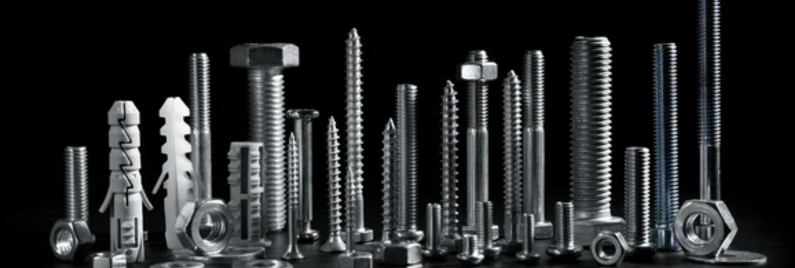
Looking for a reliable metal fasteners manufacturer? We provide factory-direct pricing and comprehensive OEM solutions for industrial, automotive, and construction applications. As a dedicated production facility located in Handan, Hebei—the heart of China’s fastener manufacturing hub—we eliminate intermediaries to deliver high-quality bolts, screws, nuts, and custom components directly to your supply chain. With over a decade of industry experience and exports to more than 26 countries, our expertise ensures precision engineering, strict quality control, and scalable manufacturing capabilities tailored to your specific project requirements.
What Defines a Top Metal Fasteners Manufacturer?
Selecting the right partner for metal fasteners involves more than just comparing unit costs. A top-tier manufacturer distinguishes itself through vertical integration, advanced metallurgical knowledge, and unwavering commitment to quality standards. In the current industrial landscape, buyers seek suppliers who can navigate complex material specifications while maintaining rapid turnaround times.
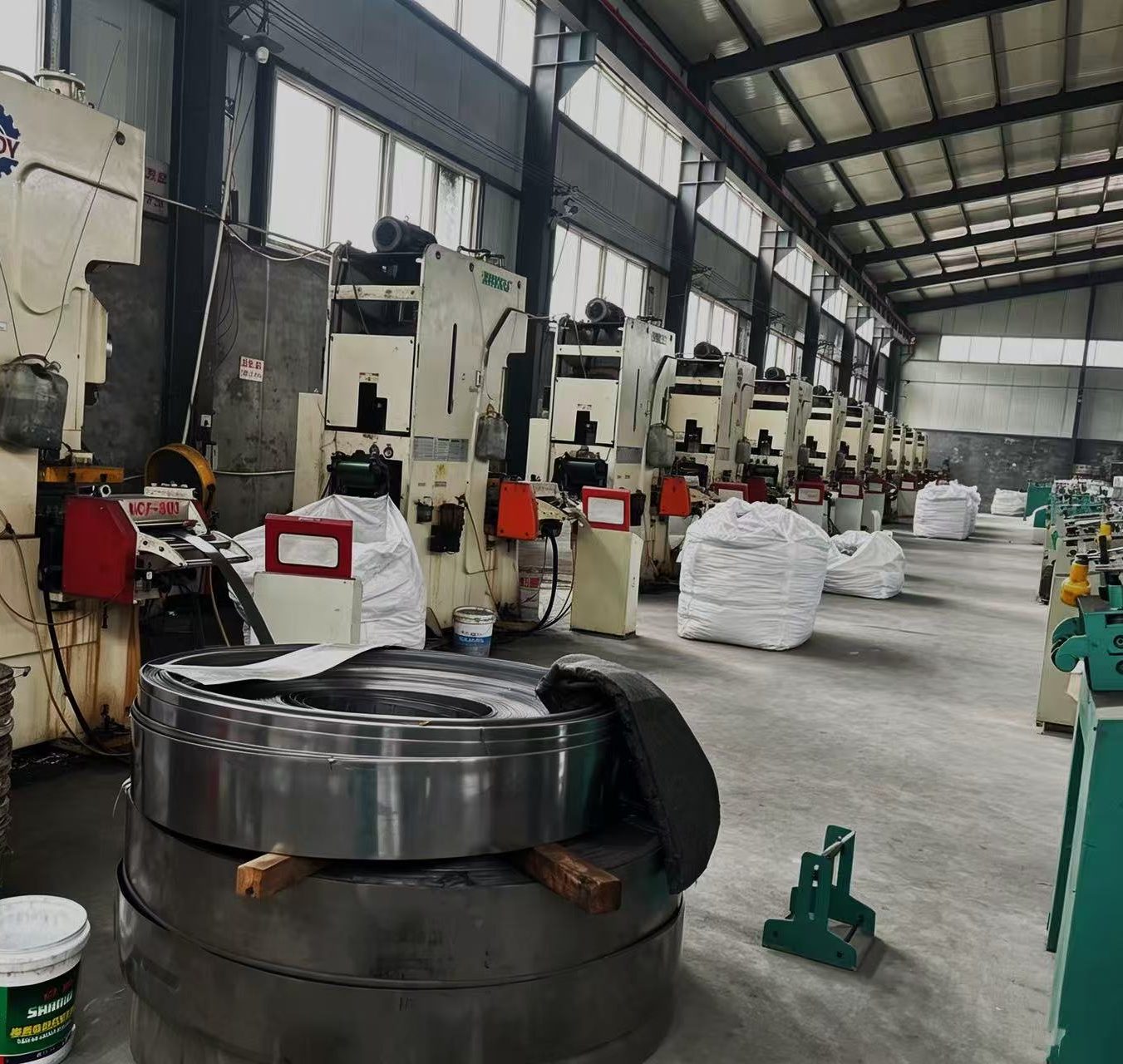
The core differentiator lies in the production model. Factory-direct manufacturers control every stage of the process, from raw material sourcing to final heat treatment. This control minimizes variables that often lead to defects in outsourced production lines. Furthermore, authoritative manufacturers invest heavily in R&D to stay ahead of evolving industry demands, such as lightweighting in automotive sectors or corrosion resistance in marine environments.
Trustworthiness is built on transparency. Leading facilities openly share their certification portfolios, including ISO 9001 for quality management and specific industry accreditations like IATF 16949 for automotive supply chains. They do not merely sell products; they provide engineering support to ensure the selected fastener solution matches the mechanical loads and environmental conditions of the application.
Key Attributes of Industry-Leading Facilities
To identify a genuine expert in the field, evaluate potential partners against these critical criteria:
- Vertical Integration: The ability to perform cold heading, threading, heat treatment, and surface finishing under one roof.
- Material Expertise: Proficiency in working with diverse alloys, including stainless steel, carbon steel, titanium, and superalloys.
- Quality Assurance Systems: Implementation of statistical process control (SPC) and real-time monitoring during production.
- OEM Flexibility: Capacity to adapt quickly to custom designs, non-standard dimensions, and low-volume prototyping.
- Supply Chain Stability: Robust inventory management of raw materials to prevent delays during market fluctuations.
Comprehensive Overview of Metal Fasteners Types
The term metal fasteners encompasses a vast array of hardware components designed to mechanically join or affix two or more objects together. Understanding the specific categories is essential for specifying the correct part for your assembly. While the basic function remains consistent, the geometry, thread pitch, and head style vary significantly based on the intended load and installation method.
Bolts and screws form the backbone of most mechanical assemblies. Bolts typically require a nut to secure the joint and are used in applications requiring high clamping force. Screws, conversely, often create their own threads or mate with pre-tapped holes. The distinction is crucial for engineers calculating shear strength and tensile limits. Recent industry trends show a shift toward high-strength grades to reduce component size without sacrificing performance.
Nuts serve as the counterpart to bolts, featuring internal threads that match the external threads of the bolt. Variations include hex nuts, lock nuts, and flange nuts, each designed to address specific vibration or spacing challenges. Washers, though simple in appearance, play a vital role in distributing load and preventing surface damage during tightening. Specialized washers also provide locking mechanisms to prevent loosening under dynamic loads.
Specialized Fastener Categories
Beyond standard hardware, specialized applications demand unique solutions. These components often require custom manufacturing processes and rigorous testing protocols:
- Rivets: Permanent mechanical fasteners ideal for aerospace and sheet metal applications where disassembly is not required.
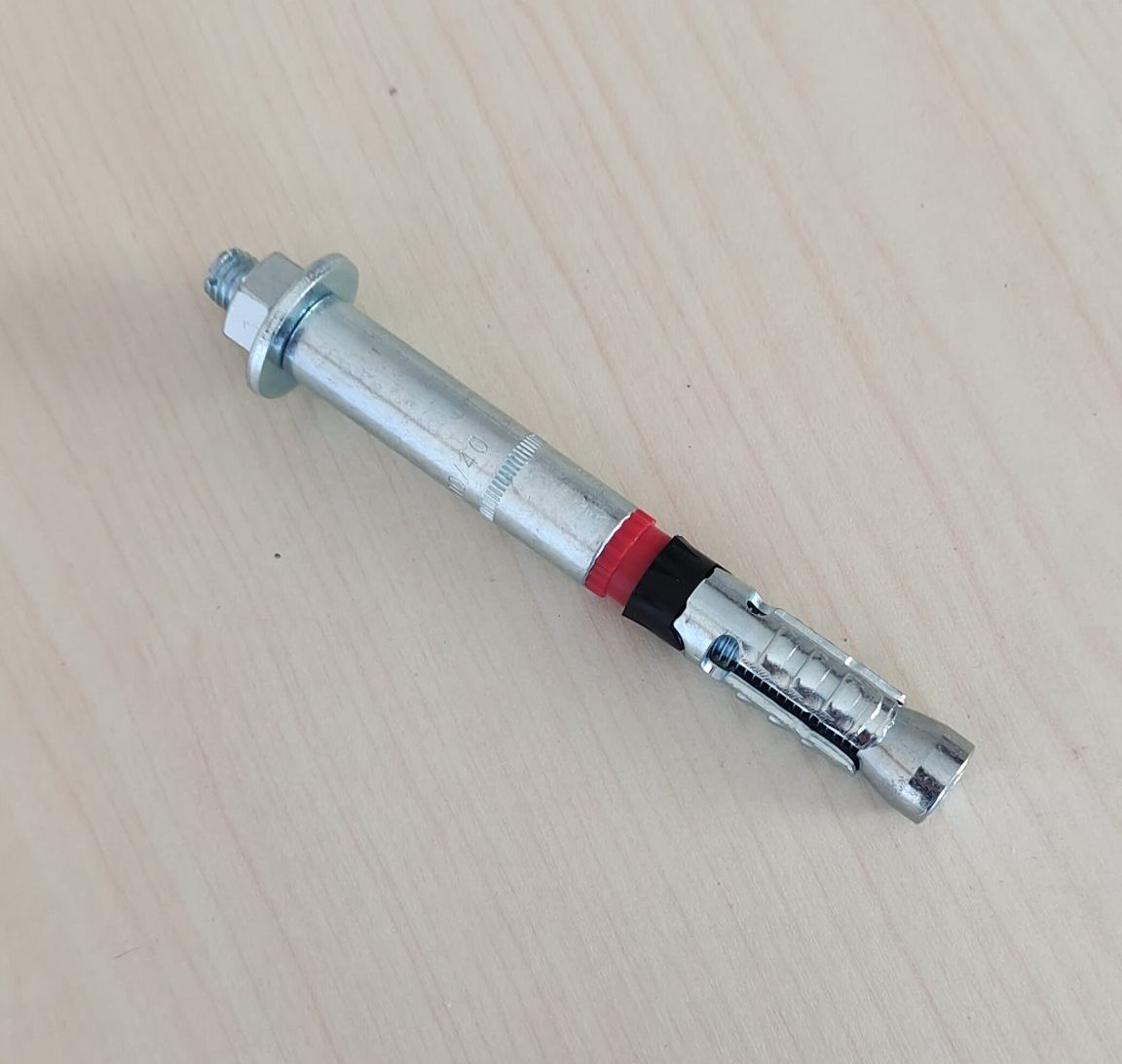
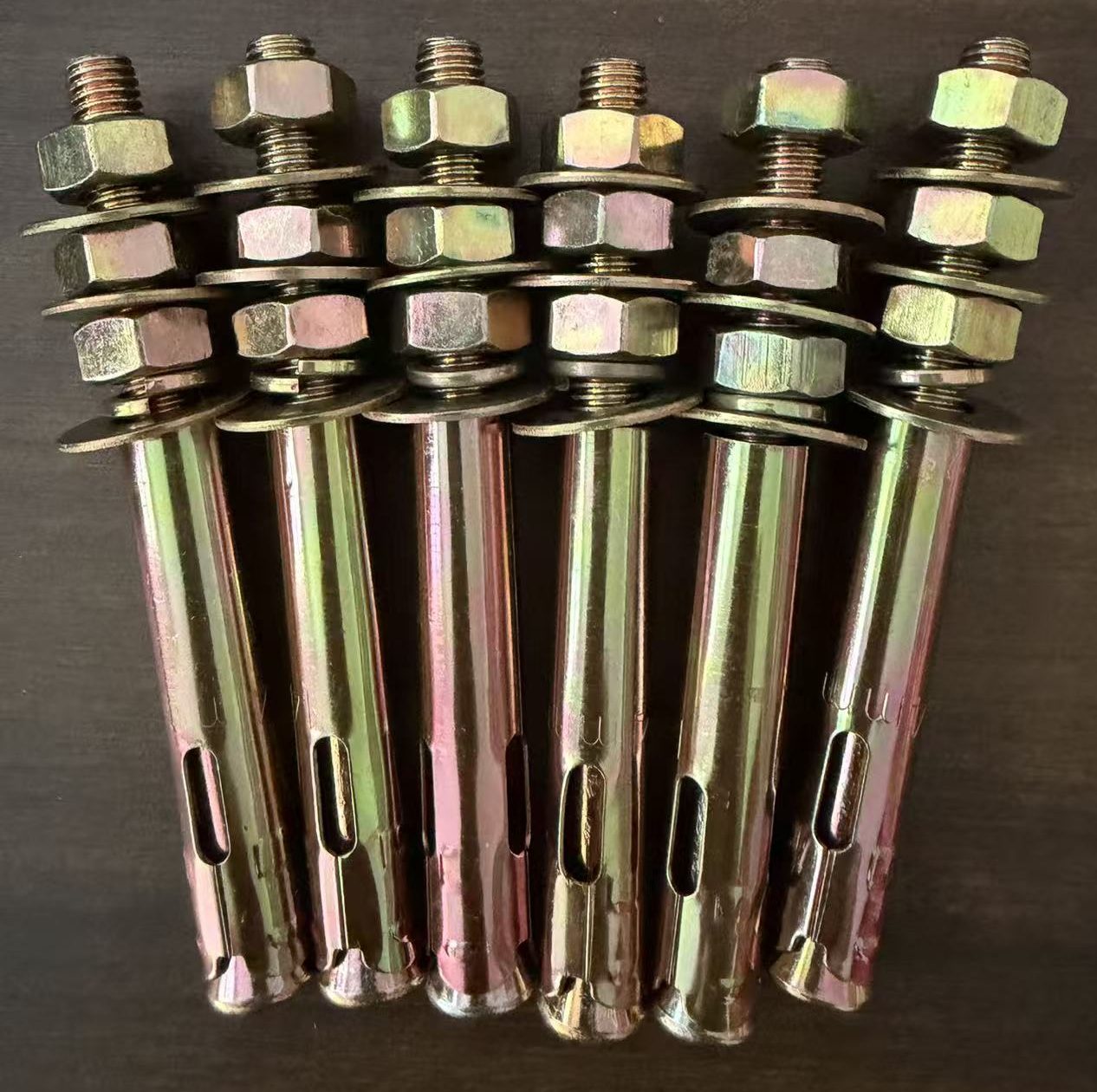
- Anchors: Designed for securing objects to concrete or masonry, critical in construction and infrastructure projects.
- Retaining Rings: Used to hold components onto a shaft or within a housing, offering a space-saving alternative to nuts and bolts.
- Threaded Rods: Long lengths of threaded metal used for hanging structures or creating custom bolt sizes on-site.
- Pins: Including dowel pins and clevis pins, used for alignment and pivoting mechanisms in heavy machinery.
Why Choose Factory Direct Pricing for Metal Fasteners?
The economic advantage of purchasing metal fasteners directly from the manufacturer cannot be overstated. Traditional supply chains often involve multiple layers of distributors, wholesalers, and retailers, each adding a markup to the final price. By bypassing these intermediaries, buyers access true factory-direct pricing, which can result in significant cost savings, especially for large-volume orders.
Beyond cost reduction, direct engagement with the factory enhances communication efficiency. Technical queries regarding tolerances, material grades, or finish specifications are resolved immediately by engineering teams rather than filtered through sales agents with limited technical knowledge. This direct line of communication reduces the risk of specification errors that can lead to costly rework or project delays.
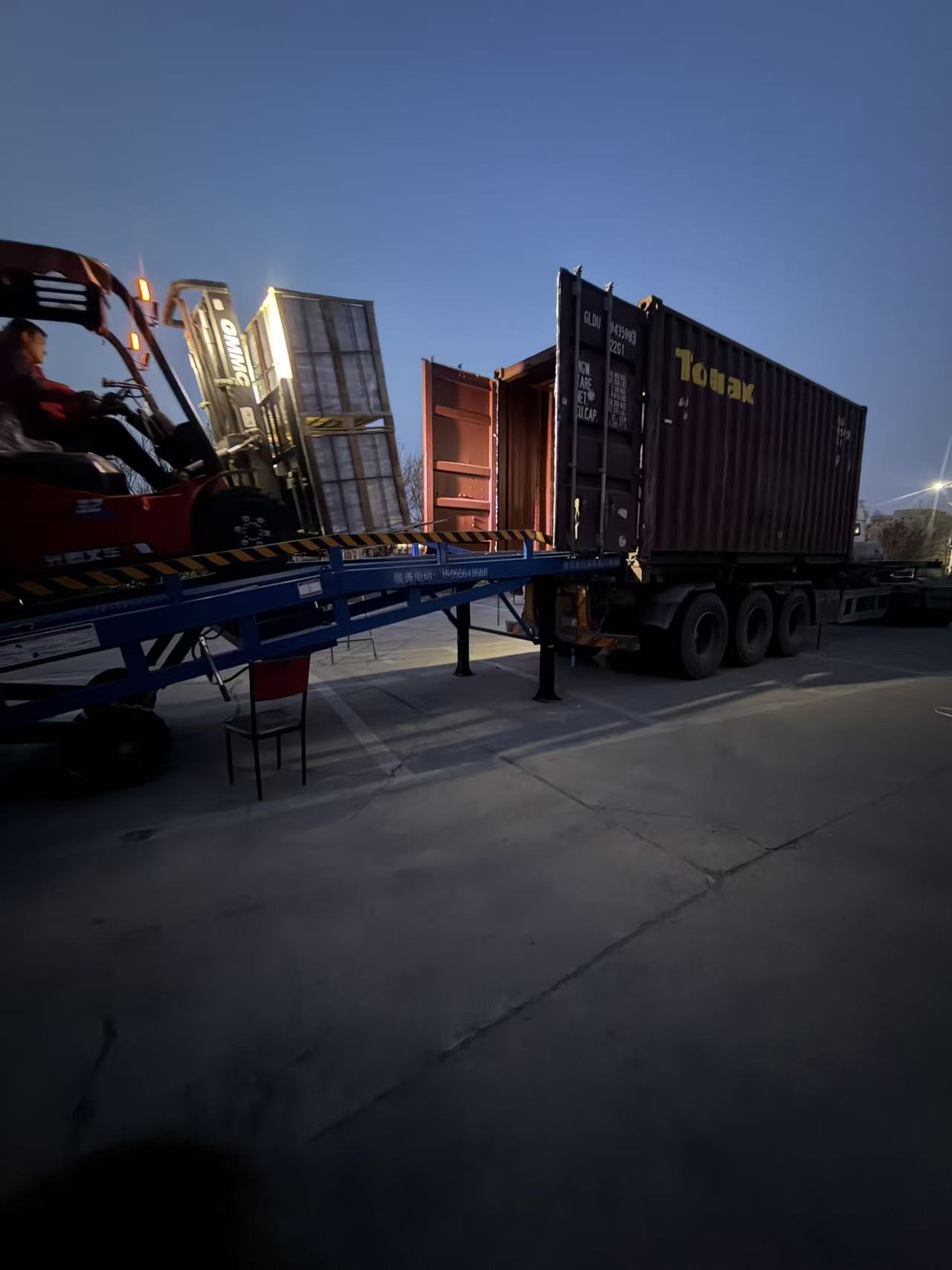
Lead times are another critical factor. Manufacturers have direct visibility into production schedules and raw material availability. They can prioritize urgent orders or adjust production lines to meet specific delivery windows more effectively than third-party sellers who rely on stock availability. In volatile markets, this agility ensures business continuity for clients dependent on just-in-time manufacturing models.
Economic and Operational Benefits
Switching to a factory-direct model offers tangible benefits across several operational dimensions:
- Cost Efficiency: Elimination of distributor markups lowers the total cost of ownership for procurement departments.
- Customization Access: Direct factories are more willing to accommodate small-batch custom runs that distributors typically reject.
- Quality Traceability: Full visibility into the production batch, heat lot, and inspection reports for every shipment.
- Inventory Management: Opportunities for vendor-managed inventory (VMI) programs where the factory monitors and replenishes stock.
- Technical Collaboration: Early involvement of manufacturing engineers in the design phase to optimize parts for producibility.
OEM Services: Customizing Metal Fasteners for Your Needs
Original Equipment Manufacturer (OEM) services represent the pinnacle of value addition in the fastener industry. Off-the-shelf components rarely meet the exacting demands of specialized machinery or innovative product designs. A capable manufacturer offers end-to-end OEM solutions, transforming conceptual drawings into functional, high-performance metal fasteners.
The OEM process begins with collaborative design review. Engineering teams analyze the application requirements, including load vectors, thermal exposure, and chemical environment. They may suggest modifications to thread forms, head configurations, or material selections to enhance performance or reduce manufacturing costs. This proactive approach prevents failures before production even begins.
Prototyping is a crucial phase in OEM engagements. Rapid prototyping allows clients to test fit, form, and function before committing to mass production. Advanced manufacturers utilize CNC machining and rapid tooling techniques to produce samples that mimic the final production quality. Once validated, the transition to full-scale production is seamless, ensuring consistency between the prototype and the final delivered goods.
The OEM Workflow Explained
Understanding the steps involved in custom manufacturing helps clients plan their projects effectively:
- Requirement Analysis: Detailed discussion of application parameters, load requirements, and environmental constraints.
- Design & Engineering: Creation of 3D models and technical drawings, including tolerance analysis and material selection.
- Tooling Development: Fabrication of custom dies, molds, and fixtures required for the specific geometry of the fastener.
- Sample Production: Manufacturing of initial batches for testing, validation, and client approval.
- Mass Production: Scaling up operations with strict quality controls to meet volume deadlines.
- Final Inspection & Delivery: Comprehensive testing according to agreed standards followed by secure logistics handling.
Material Selection Guide for Metal Fasteners
The longevity and reliability of any assembly depend heavily on the material chosen for its metal fasteners. No single material suits all applications; the choice must balance strength, corrosion resistance, weight, and cost. Industry professionals evaluate these factors carefully to ensure the fastener performs reliably throughout the product’s lifecycle.
Carbon steel remains the most widely used material due to its excellent strength-to-cost ratio. It is suitable for general industrial applications where corrosion is not a primary concern. However, carbon steel requires protective coatings, such as zinc plating or galvanization, when exposed to moisture. High-strength alloy steels are employed in critical structural applications where failure is not an option.
Stainless steel is the preferred choice for environments prone to corrosion, such as marine, food processing, and chemical industries. Grades like 304 and 316 offer varying levels of resistance to chlorides and acids. For extreme conditions involving high temperatures or aggressive chemicals, exotic alloys like Inconel, Hastelloy, or Titanium provide the necessary resilience, albeit at a higher cost point.
Comparative Analysis of Common Materials
The following table outlines the characteristics of prevalent materials used in fastener manufacturing to aid in selection:
| Material Type | Key Properties | Ideal Applications | Limitations |
| Uamea Carbon | High tensile strength, cost-effective, magnetic | General construction, automotive frames, machinery | Prone to rust without coating |
| Stainless Steel (304/316) | Excellent corrosion resistance, aesthetic finish | Marine equipment, food processing, architectural | Lower strength than alloy steel, higher cost |
| Alloy Steel (e.g., Grade 8) | Very high strength, heat treatable | Heavy-duty trucks, suspension systems, high-stress joints | Requires plating for corrosion protection |
| Titanium | High strength-to-weight ratio, biocompatible | Aerospace, medical implants, racing components | Expensive, difficult to machine |
| Brass/Bronze | Non-magnetic, good electrical conductivity | Electrical connections, marine fittings, decorative uses | Lower mechanical strength, soft material |
Quality Control and Certification Standards
In the realm of metal fasteners, quality is not negotiable. A single defective component can compromise the integrity of an entire structure or machine. Reputable manufacturers adhere to rigorous international standards to ensure every piece leaving the factory meets specified mechanical and dimensional properties. This commitment to quality builds the trust necessary for long-term industrial partnerships.
Certifications serve as objective proof of a manufacturer’s capability. ISO 9001 is the baseline for quality management systems, ensuring consistent processes and continuous improvement. For automotive suppliers, IATF 16949 is mandatory, demanding stricter controls on defect prevention and supply chain variation. Aerospace applications often require AS9100 certification, which includes additional requirements for traceability and risk management.
Testing protocols are integrated throughout the production cycle. Raw materials undergo spectrographic analysis to verify chemical composition. During manufacturing, dimensional checks ensure threads and head heights fall within tolerance limits. Finished products are subjected to mechanical testing, including tensile strength, hardness, and torque tests. Salt spray testing validates the effectiveness of surface coatings against corrosion.
Essential Testing Procedures
To guarantee reliability, top manufacturers implement a multi-stage testing regime:
- Chemical Analysis: Verifying the alloy composition matches the specified grade using spectrometry.
- Dimensional Inspection: Using coordinate measuring machines (CMM) and thread gauges to check geometric accuracy.
- Mechanical Testing: Conducting tensile, yield, and elongation tests to confirm mechanical properties.
- Hardness Testing: Measuring Rockwell or Vickers hardness to ensure proper heat treatment.
- Surface Coating Verification: Performing salt spray tests and coating thickness measurements.
Applications Across Key Industries
The versatility of metal fasteners makes them indispensable across a broad spectrum of industries. Each sector presents unique challenges that dictate the type, material, and specification of the fasteners used. Understanding these application nuances helps in selecting the most appropriate solutions for specific operational needs.
In the automotive industry, the trend toward electrification and lightweighting drives demand for high-strength, reduced-weight fasteners. Components must withstand constant vibration and thermal cycling while contributing to overall vehicle safety. Manufacturers in this sector often require fasteners with precise torque-tension relationships to ensure consistent assembly line performance.
The construction and infrastructure sector relies on massive quantities of fasteners for connecting steel beams, securing facades, and anchoring concrete structures. Here, durability and resistance to environmental elements are paramount. Galvanized and hot-dipped fasteners are standard to prevent rust over decades of exposure. Seismic zones demand fasteners with high ductility to absorb energy during earthquakes.
Sector-Specific Requirements
Different industries prioritize different attributes in their fastener supplies:
- Aerospace: Demands extreme precision, lightweight materials like titanium, and full traceability for every batch.
- Electronics: Requires miniature fasteners with tight tolerances and often non-conductive or non-magnetic properties.
- Energy (Oil & Gas): Needs fasteners capable of withstanding high pressure, extreme temperatures, and sour gas environments.
- Railway: Focuses on fatigue resistance and locking mechanisms to prevent loosening under heavy dynamic loads.
- Medical Devices: Mandates biocompatible materials, sterile packaging, and adherence to strict regulatory standards.
How to Evaluate and Select a Manufacturer
Choosing the right supplier for metal fasteners is a strategic decision that impacts product quality and operational efficiency. It requires a systematic evaluation of potential partners beyond just price quotes. Buyers should assess technical capabilities, quality systems, and financial stability to ensure a sustainable supply relationship.
Start by reviewing the manufacturer’s portfolio and case studies. Look for experience in your specific industry or with similar applications. Request samples to evaluate build quality and finish personally. Engage their technical team with specific questions about your application; their responsiveness and depth of knowledge will indicate their level of expertise and customer service orientation.
Visit the facility if possible, or request a virtual audit. Observing the production floor provides insights into their organizational culture, equipment maintenance, and workflow efficiency. Check their references from current clients to verify reliability and delivery performance. A transparent manufacturer will welcome scrutiny and provide detailed documentation to support their claims.
Checklist for Supplier Vetting
Use this checklist to streamline your supplier selection process:
- Certification Verification: Confirm valid ISO, IATF, or industry-specific certificates.
- Production Capacity: Ensure they can handle your projected volumes and peak demand periods.
- Technical Support: Assess the availability and expertise of their engineering support team.
- Quality Track Record: Review historical data on defect rates and return policies.
- Logistics Capability: Evaluate their packaging standards and shipping network reliability.
Frequently Asked Questions (FAQ)
Addressing common inquiries helps clarify uncertainties regarding metal fasteners procurement and specifications. Below are answers to frequent questions encountered by industry buyers and engineers.
What is the difference between Grade 5 and Grade 8 bolts?
Grade 5 and Grade 8 refer to the strength classification of carbon steel bolts. Grade 5 bolts are medium-strength, suitable for general automotive and machinery applications. Grade 8 bolts are hardened and offer higher tensile and yield strength, making them ideal for heavy-duty applications like suspension systems and high-stress structural connections. The choice depends on the load requirements of the specific assembly.
How do I prevent metal fasteners from corroding?
Corrosion prevention starts with selecting the right material, such as stainless steel or silicon bronze for harsh environments. If using carbon steel, apply protective coatings like zinc plating, hot-dip galvanization, or organic coatings. Additionally, using proper installation techniques to avoid damaging the coating and ensuring regular maintenance can extend the lifespan of the fasteners significantly.
Can you manufacture fasteners with left-hand threads?
Yes, specialized manufacturers can produce fasteners with left-hand threads upon request. These are typically used in applications where rotation might loosen a standard right-hand thread, such as on the left side of bicycle pedals or certain rotating machinery components. Custom tooling may be required, which can affect lead times and initial costs.
What information is needed for an OEM quote?
To receive an accurate OEM quote, provide a detailed drawing with dimensions and tolerances, specify the material grade, define the required surface finish, and estimate the annual volume. Information about the application environment and any specific industry standards you must comply with is also helpful for the engineering team to recommend the best manufacturing approach.
Do you provide material test reports (MTRs)?
Reputable manufacturers always provide Material Test Reports (MTRs) or Certificates of Conformance with their shipments. These documents verify the chemical composition and mechanical properties of the materials used, ensuring they meet the specified standards. MTRs are essential for quality assurance and traceability, particularly in regulated industries like aerospace and pressure vessel manufacturing.
Conclusion and Next Steps
Selecting the right partner for metal fasteners is a critical decision that influences the safety, durability, and cost-efficiency of your projects. By choosing a factory-direct manufacturer with robust OEM capabilities, you gain access to superior pricing, enhanced technical support, and uncompromised quality control. The ability to customize components to your exact specifications ensures optimal performance in even the most demanding applications.
This approach is ideally suited for automotive manufacturers, construction firms, industrial equipment builders, and any organization requiring reliable, high-volume, or specialized fastening solutions. Whether you need standard components or complex custom designs, partnering directly with the source eliminates unnecessary risks and inefficiencies inherent in traditional supply chains.
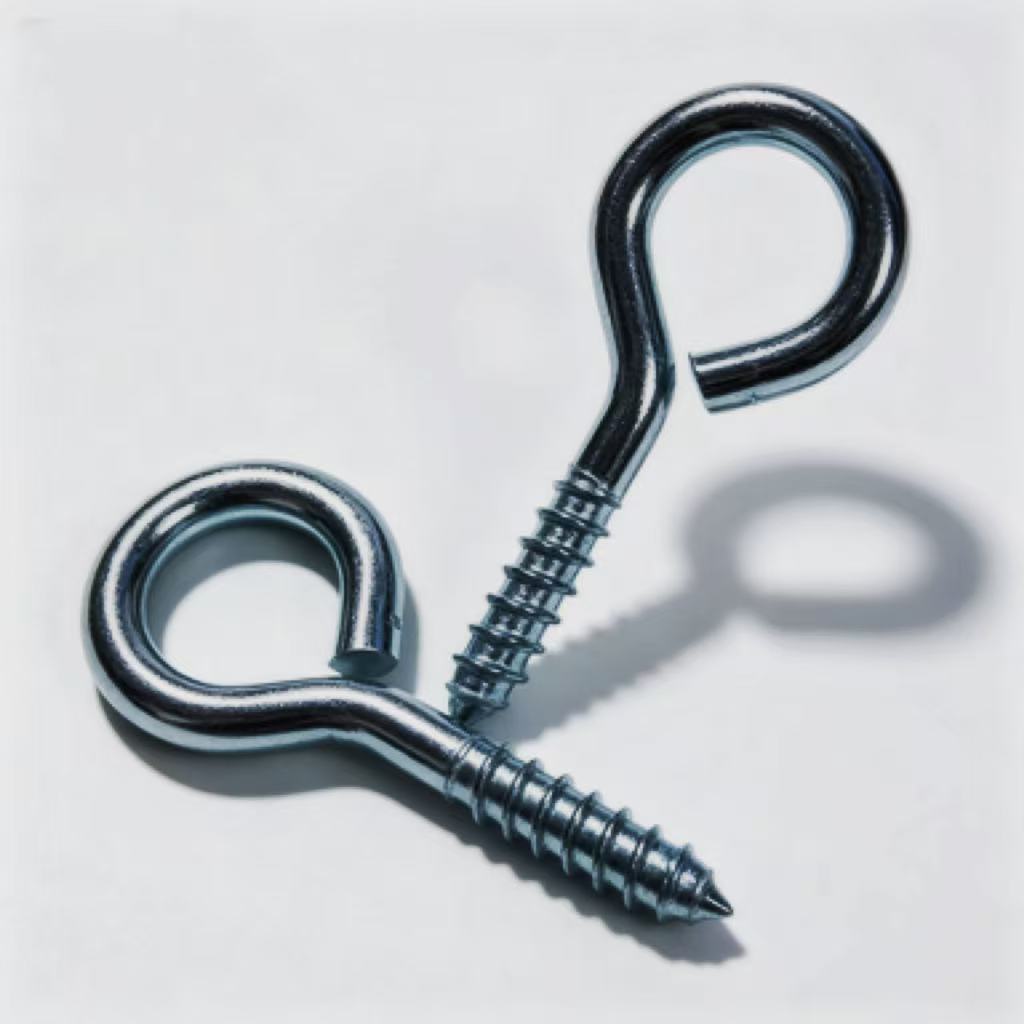
As a global industry and trade combination company based in Handan, Hebei, we specialize in the development, manufacturing, and service of fasteners and hardware tools. With over ten years of experience and a presence in more than 26 countries, we pride ourselves on producing a wide range of products, from standard bolts to specialized items like casing geckos and wooden teeth welded sheep’s eye screws. Our professional technical team utilizes advanced machinery and perfect testing methods to ensure all products meet GB, DIN, JIS, ANSI, and other international standards. Adhering to the principle of “quality first, customer first,” we are committed to providing competitive prices, customized specifications, and thoughtful service to meet your unique needs.
To move forward, evaluate your current fastener requirements and identify areas where customization or cost reduction could add value. Reach out to our engineering team to discuss your specific needs, request samples, or initiate a custom OEM project. Taking this step today secures a supply chain foundation built on quality, transparency, and mutual success for the future.