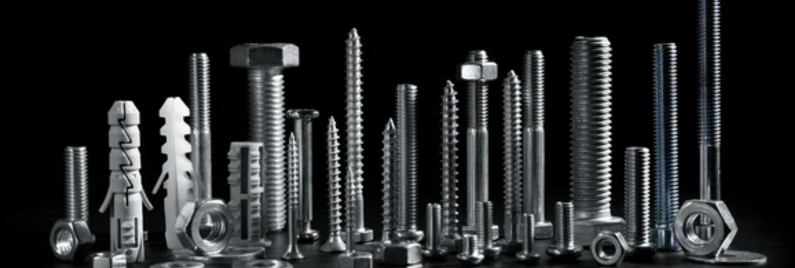
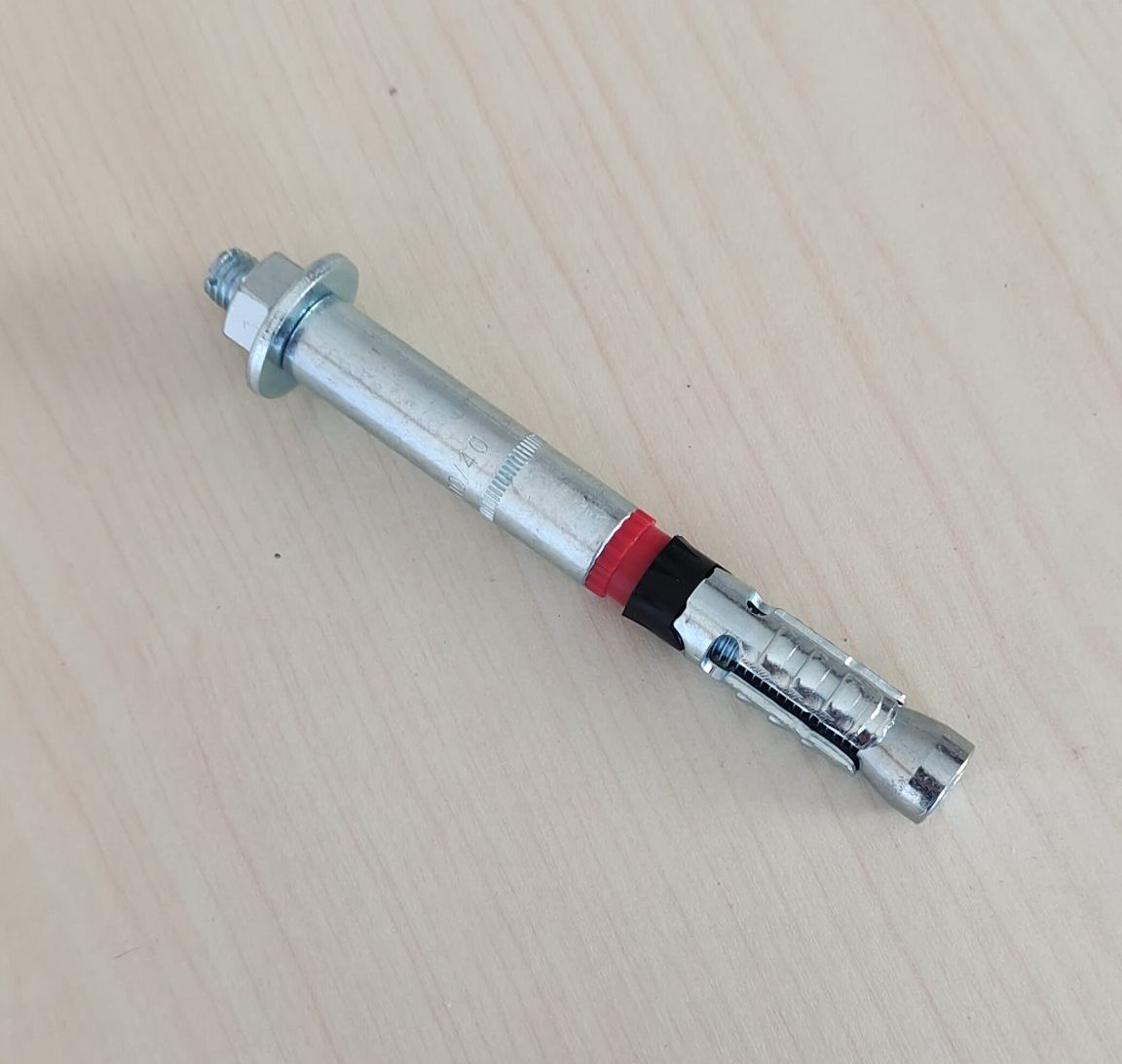
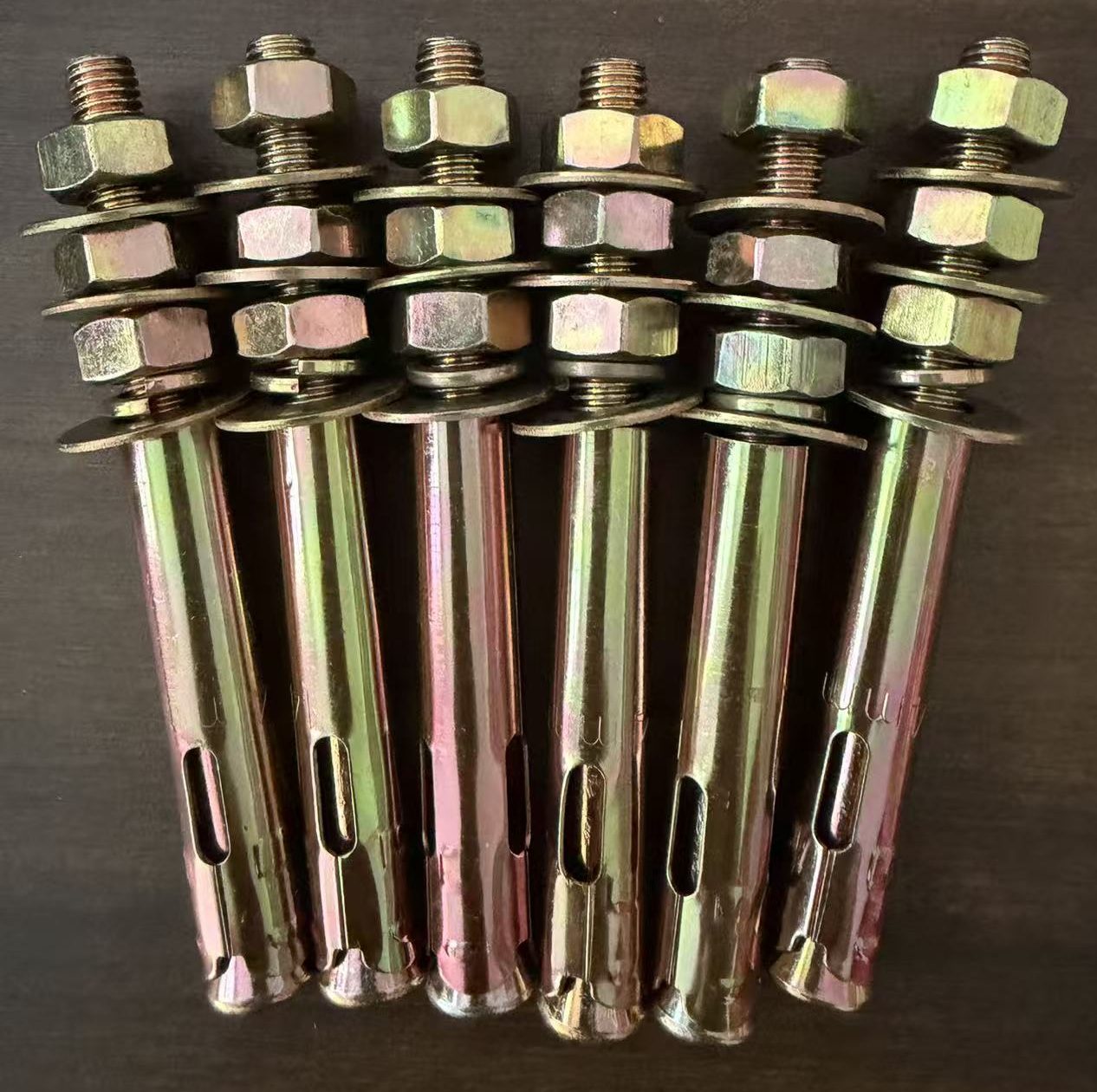
A wedge anchor is a heavy-duty mechanical fastener designed for securing structural elements into solid concrete. It utilizes an expanding wedge mechanism at the base of the bolt to create a secure, permanent hold under tension and shear loads. As a direct manufacturer with over a decade of industry experience, we supply high-grade wedge anchors compliant with international standards (GB, DIN, JIS, ANSI), offering factory-direct pricing for construction, industrial, and infrastructure projects. This guide details technical specifications, installation protocols, load capacities, and selection criteria to ensure optimal performance and safety in critical applications.
What Is a Wedge Anchor and How Does It Work?
Understanding the fundamental mechanics of a wedge anchor is essential for engineers and procurement specialists. Unlike adhesive anchors that rely on chemical bonding, wedge anchors are mechanical expansion devices. They provide immediate load-bearing capacity upon installation, making them ideal for time-sensitive construction schedules.
The Mechanical Expansion Principle
The core functionality of a wedge anchor relies on a simple yet robust mechanical interaction between three primary components: the stud (bolt), the nut, and the clip (or collar). When the nut is tightened, it pulls the stud upward. Since the clip is trapped between the stud and the walls of the pre-drilled hole, this upward movement forces the clip to expand outward against the concrete.
This expansion creates significant radial pressure against the hole walls. The friction generated by this pressure, combined with the mechanical interlock of the expanded clip, secures the anchor firmly in place. The system is self-locking; once the torque is applied, the anchor remains fixed even if the external load vibrates or shifts, provided the concrete substrate remains intact.
Key Components Breakdown
- The Stud: Typically made from carbon steel or stainless steel, this is the threaded rod that protrudes from the concrete. It bears the tensile and shear loads.
- The Clip (Collar): A split sleeve that surrounds the bottom of the stud. It is the active expanding element that engages with the concrete.
- The Nut and Washer: These components transfer the tightening torque into axial force, driving the expansion mechanism. The washer distributes the load over the surface material being secured.
This mechanical simplicity ensures reliability. There are no curing times, no mixing errors, and no sensitivity to temperature fluctuations during installation, which are common risks with chemical anchors.
Why Choose Direct Factory Pricing for Wedge Anchors?
In the B2B industrial sector, procurement efficiency and cost control are paramount. Sourcing wedge anchors directly from a manufacturer eliminates multiple layers of distribution, resulting in tangible benefits for large-scale projects and regular supply needs.
Cost Efficiency and Transparency
Direct factory pricing removes the markups added by wholesalers, distributors, and retail outlets. For projects requiring thousands of units, this difference translates into significant budget savings. Furthermore, direct engagement allows for transparent pricing structures based on raw material indices (such as steel prices), ensuring fair market value.
Customization and Specification Control
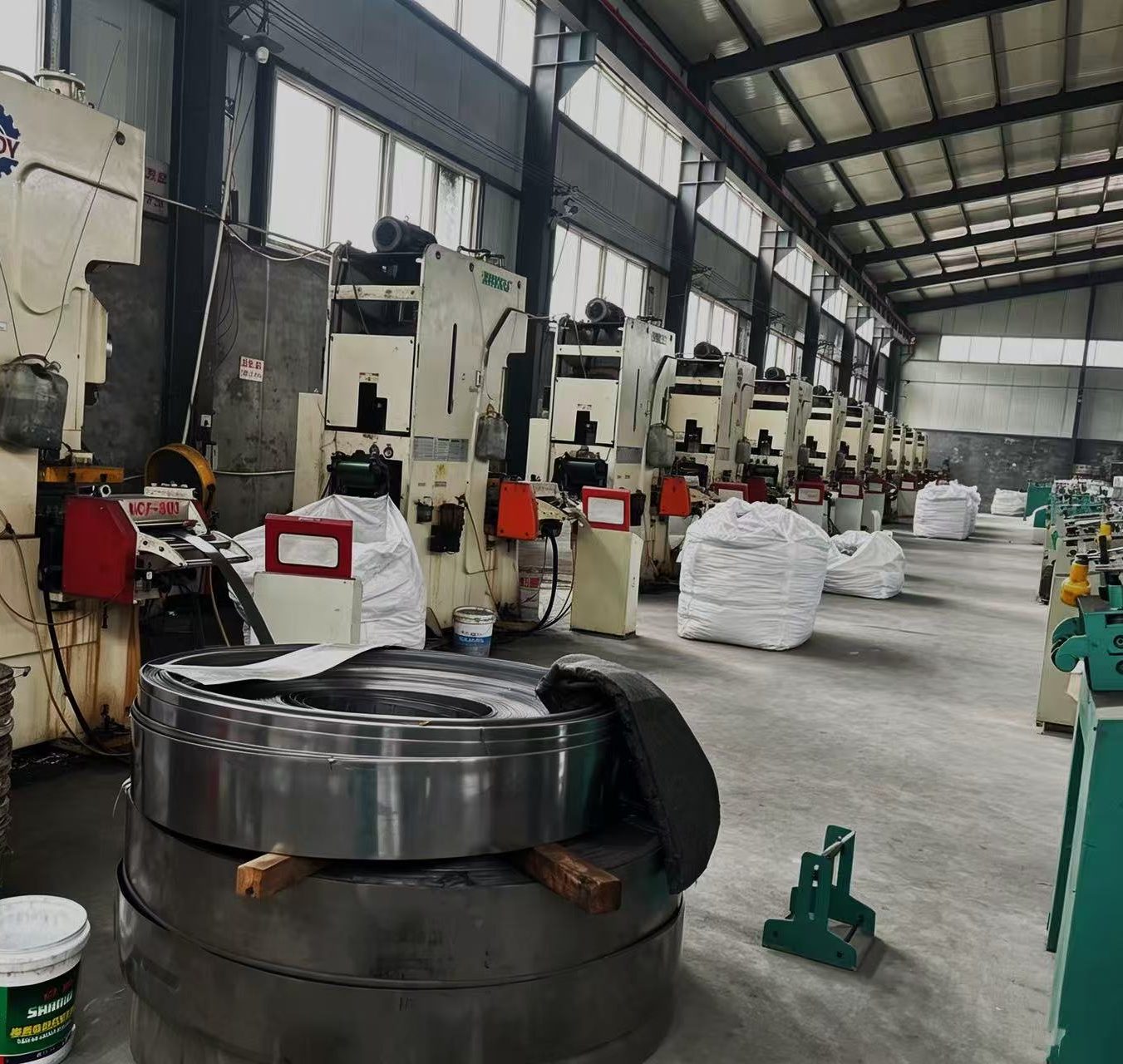
Standard catalog items may not always meet unique engineering requirements. As a manufacturer based in Handan, Hebei—a hub for fastener manufacturing—we offer customization options that distributors cannot provide. Leveraging advanced production technology and a professional technical team, we tailor solutions to your specific needs, including:
- Special Lengths: Custom stud lengths for thick fixtures or deep embedment requirements.
- Material Grades: Specific stainless steel grades (e.g., 316L for marine environments) or high-tensile carbon steel variants.
- Thread Types: Metric (M6-M24) or Imperial (1/4″-1″) threads tailored to regional standards such as GB, DIN, JIS, or ANSI.
- Coating Options: Zinc plating, hot-dip galvanizing, or specialized coatings for corrosion resistance.
Quality Assurance and Traceability
When sourcing from a direct manufacturer, every batch of wedge anchors comes with full traceability. We adhere to a “quality first, customer first” philosophy, maintaining strict quality control protocols including material certification and mechanical testing reports. With our products exported to more than 26 countries, we ensure that our documentation meets the compliance needs of regulated industries such as nuclear power, bridge construction, and high-rise building development.
Technical Specifications and Material Standards
Selecting the correct wedge anchor requires a detailed understanding of material properties and dimensional standards. Our manufacturing process adheres to rigorous international guidelines to ensure consistency and safety.
Material Grades and Corrosion Resistance
The choice of material dictates the anchor’s suitability for specific environments. Using the wrong material can lead to premature failure due to corrosion or stress cracking.
| Material Type | Grade/Standard | Key Characteristics | Typical Applications |
| Uamea Carbon | Class 4.8 / 5.8 | Zinc plated, moderate strength, cost-effective. | Indoor dry environments, general HVAC, non-structural fixtures. |
| Uamea Carbon | Class 8.8 / 10.9 | High tensile strength, heat-treated, zinc plated. | Heavy machinery, structural steel connections, high-load applications. |
| Uamea uamea | A2 (304) | Good corrosion resistance, non-magnetic. | Food processing plants, outdoor structures, mild chemical exposure. |
| Uamea uamea | A4 (316/316L) | Superior corrosion resistance, chloride resistant. | Marine environments, swimming pools, coastal infrastructure, chemical plants. |
Dimensional Standards and Tolerances
Precision manufacturing ensures that the wedge anchor fits correctly into the drilled hole. Deviations in diameter or thread pitch can compromise holding power. Our production lines utilize CNC machining and advanced testing methods to maintain tight tolerances.
- Diameter Range: We produce anchors ranging from M6 (1/4″) to M24 (1″), covering light-duty to heavy-industrial needs.
- Length Variations: Standard lengths are available, but custom lengths can be manufactured to optimize embedment depth without excessive waste.
- Thread Precision: Threads are rolled or cut to ensure smooth nut engagement and consistent torque application.
Load Capacity Considerations
Load capacity is not solely a property of the anchor but a system characteristic involving the concrete substrate. Key factors include:
- Concrete Compressive Strength: Higher strength concrete (e.g., C30/37 or higher) provides greater resistance to pull-out and splitting.
- Embedment Depth: Deeper embedment generally increases pull-out resistance, up to the point of steel failure.
- Edge Distance and Spacing: Anchors placed too close to the edge of the concrete or too close to each other can cause concrete splitting, drastically reducing capacity.
Engineers must consult technical data sheets for specific allowable load values, which are derived from standardized testing methods such as ETAG 001 or ACI 355.2.
Step-by-Step Installation Guide for Wedge Anchors
Proper installation is critical to achieving the rated performance of a wedge anchor. Even the highest quality anchor will fail if installed incorrectly. Follow this professional installation protocol to ensure reliability.
Phase 1: Preparation and Drilling
The first step is preparing the concrete substrate. The hole must be clean, straight, and of the correct diameter.
- Select the Correct Drill Bit: Use a carbide-tipped hammer drill bit that matches the nominal diameter of the wedge anchor. For example, use a 10mm bit for an M10 anchor. Do not use worn-out bits, as they create oversized holes.
- Drill the Hole: Drill perpendicular to the concrete surface. The hole depth should exceed the required embedment depth by approximately 10-15mm to accommodate dust accumulation.
- Clean the Hole: This is the most often skipped but most critical step. Use compressed air, a vacuum, or a wire brush to remove all drilling dust. Dust acts as a lubricant, preventing the clip from gripping the concrete effectively.
Phase 2: Anchor Insertion
Once the hole is clean, the anchor can be inserted.
- Assemble the Anchor: Ensure the nut is threaded onto the stud just enough to protect the threads during insertion. Some installers prefer to remove the nut entirely to drive the anchor deeper, then re-thread it.
- Insert into Hole: Place the wedge anchor into the cleaned hole. If necessary, tap it gently with a hammer until the washer sits flush against the surface. Ensure the anchor is seated at the correct depth.
Phase 3: Setting and Tightening
The final phase activates the expansion mechanism.
- Tighten the Nut: Using a torque wrench, tighten the nut clockwise. As the nut turns, it pulls the stud up, forcing the clip to expand against the hole walls.
- Apply Recommended Torque: Continue tightening until the recommended installation torque is reached. This ensures the anchor is fully set. Avoid over-tightening, which can strip threads or damage the concrete locally.
- Final Check: Ensure the fixture is secure and does not rotate. The anchor is now ready to bear load immediately.
Common Installation Errors to Avoid
- Oversized Holes: Using a damaged drill bit results in a hole larger than the anchor, preventing proper expansion.
- Insufficient Cleaning: Leaving dust in the hole reduces friction and holding power by up to 50%.
- Incorrect Embedment: Installing the anchor too shallow reduces pull-out capacity; too deep may prevent the clip from expanding properly against the intended concrete zone.
- Using Impact Wrenches: High-speed impact tools can generate excessive heat and torque, potentially damaging the anchor or stripping threads before the expansion is complete. Hand torque wrenches are preferred for precision.
Wedge Anchors vs. Other Concrete Fasteners
Choosing the right fastener depends on the application requirements. While wedge anchors are versatile, they are not always the optimal solution. Understanding the differences helps in making informed engineering decisions.
Wedge Anchors vs. Sleeve Anchors
Sleeve anchors also use mechanical expansion but operate differently. In a sleeve anchor, the entire body expands. Wedge anchors typically offer higher load capacities in stronger concrete because the expansion is concentrated at the tip, creating a more efficient keying effect. Sleeve anchors are easier to install in lower-strength concrete or masonry but may not achieve the same tensile strength as wedge anchors in high-grade concrete.
Wedge Anchors vs. Drop-In Anchors
Drop-in anchors are female connectors, meaning they leave a flush, threaded hole in the concrete. They are ideal when the bolt needs to be removable or when a smooth surface is required. Wedge anchors are male connectors, leaving a stud protruding. Wedge anchors are generally faster to install and cheaper, while drop-in anchors offer aesthetic and functional flexibility for removable fixtures.
Wedge Anchors vs. Chemical Adhesive Anchors
Chemical anchors use epoxy or vinyl ester resins to bond the stud to the concrete. They are superior for cracked concrete, very high loads, or where edge distances are minimal. However, they require curing time, are sensitive to temperature and humidity, and involve more complex installation procedures. Wedge anchors are preferred for speed, simplicity, and immediate loading in non-cracked concrete.
| Feature | Wedge Anchor | Sleeve Anchor | Chemical Anchor |
| Installation Speed | Fast | Fast | Slow (Curing Time) |
| Immediate Load | Yes | Yes | No |
| Load Capacity | High | Medium | Very High |
| Concrete Condition | Non-Cracked | Non-Cracked/Masonry | Cracked/Non-Cracked |
| Cost | Low | Low | High |
| Complexity | Low | Low | High |
Application Scenarios for Wedge Anchors
Wedge anchors are ubiquitous in modern construction and industrial maintenance. Their versatility makes them suitable for a wide range of sectors.
Construction and Structural Engineering
In building construction, wedge anchors secure steel columns, beam clamps, and facade elements to concrete foundations. Their high tensile strength ensures that structural connections remain stable under dynamic loads such as wind or seismic activity. They are commonly used in:
- Securing sill plates for wood or steel framing.
- Attaching bracketry for curtain walls.
- Anchoring stair stringers to concrete slabs.
Industrial Machinery and Equipment
Factories and processing plants rely on wedge anchors to secure heavy machinery. Vibrations from motors, pumps, and compressors require fasteners that will not loosen over time. The mechanical lock of the wedge anchor provides excellent resistance to vibration-induced loosening, especially when paired with locking nuts or washers.
HVAC and Fire Protection Systems
Hanging ductwork, pipe trays, and fire sprinkler systems requires reliable overhead anchoring. Wedge anchors are ideal for these applications because they can be installed quickly above head height. Their immediate load-bearing capability allows workers to hang pipes and ducts immediately after installation, improving workflow efficiency.
Infrastructure and Public Works
Bridges, tunnels, and highways utilize wedge anchors for attaching safety barriers, lighting fixtures, and signage. In these environments, corrosion resistance is critical. Stainless steel wedge anchors (A4/316) are often specified to withstand de-icing salts, moisture, and atmospheric pollution.
Selection Guide: How to Choose the Right Wedge Anchor
Selecting the appropriate wedge anchor involves balancing load requirements, environmental conditions, and concrete characteristics. Use this checklist to guide your specification process.
1. Determine Load Requirements
Calculate the maximum tensile (pull-out) and shear (side-to-side) loads the anchor will experience. Include a safety factor, typically between 2:1 and 4:1, depending on the criticality of the application. Consult engineering tables to match these loads with the appropriate anchor diameter and embedment depth.
2. Assess Concrete Conditions
Verify the compressive strength of the concrete. Wedge anchors perform best in concrete with a minimum strength of 20 MPa (3000 psi). If the concrete is old, cracked, or of low strength, consider alternative anchoring methods. Ensure the concrete thickness is sufficient to prevent blowout at the bottom.
3. Evaluate Environmental Factors
Will the anchor be exposed to moisture, chemicals, or extreme temperatures? For indoor, dry environments, zinc-plated carbon steel is sufficient. For outdoor, wet, or chemically aggressive environments, specify stainless steel A2 or A4. In highly corrosive marine atmospheres, A4 (316L) is the standard choice.
4. Check Edge Distance and Spacing
Maintain adequate distance from the edge of the concrete slab to prevent splitting. A general rule of thumb is a minimum edge distance of 10 times the anchor diameter. Similarly, space anchors apart by at least 10 diameters to avoid overlapping stress cones in the concrete.
5. Verify Regulatory Compliance
Ensure the selected anchor meets local building codes and international standards. Look for certifications such as CE marking under ETAG 001, ICC-ES reports in the US, or other relevant regional approvals. Documentation is essential for project handover and liability protection.
Frequently Asked Questions (FAQ)
Can wedge anchors be removed and reused?
No, wedge anchors are designed for permanent installation. Once expanded, the clip deforms plastically to grip the concrete. Attempting to remove them usually damages the anchor and the concrete hole. If a fixture needs to be removable, consider using a drop-in anchor or a sleeve anchor with a removable bolt, though even these are not truly reusable in the same hole.
What is the minimum concrete thickness required?
The minimum concrete thickness should be at least equal to the embedment depth plus 1.5 times the anchor diameter. This ensures that the expansion forces do not cause the bottom of the concrete slab to spall or blow out. Always refer to the specific technical data sheet for exact minimum thickness requirements for each diameter.
Can I use wedge anchors in brick or block work?
It is generally not recommended. Wedge anchors rely on the uniform density and high compressive strength of solid concrete. Brick, cinder block, and hollow masonry lack the structural integrity to withstand the radial expansion forces, leading to cracking and failure. For masonry, use sleeve anchors or specialized masonry screws designed for brittle materials.
How do I know if the anchor is fully set?
The anchor is fully set when the nut reaches the specified installation torque. Visually, you may see the washer compress slightly against the fixture. If the nut spins freely without tightening, the hole may be oversized, or the anchor may not be seated correctly. In such cases, remove the anchor, inspect the hole, and reinstall with a new anchor if necessary.
Are wedge anchors suitable for seismic zones?
Standard wedge anchors are not automatically rated for seismic applications. Seismic zones require anchors that have been tested and certified for cyclic loading and cracked concrete conditions. If your project is in a seismic zone, you must specify anchors with explicit seismic certification (e.g., ICC-ES AC308 or ETAG 001 Option 7 for cracked concrete).
What is the shelf life of wedge anchors?
Wedge anchors do not have a strict expiration date like chemical adhesives. However, stored carbon steel anchors should be kept in a dry environment to prevent rusting before installation. Stainless steel anchors are less susceptible to storage issues. If carbon steel anchors show significant surface rust, they should be inspected for pitting before use, as deep pits can act as stress concentrators.
Maintenance and Inspection Best Practices
While wedge anchors are low-maintenance, periodic inspection ensures long-term safety, especially in critical applications.
Visual Inspection
Regularly check for signs of corrosion, particularly at the interface between the nut and the stud. Look for any movement or loosening of the nut, which could indicate vibration issues or concrete degradation. If rust staining appears on the surrounding concrete, it may indicate internal corrosion of the anchor.
Torque Verification
In high-vibration environments, periodically verify the torque of the nuts. If loosening is detected, investigate the cause. It may be necessary to install locking mechanisms such as nylon-insert lock nuts or spring washers to maintain preload.
Concrete Condition Monitoring
Inspect the concrete around the anchor for cracks or spalling. Cracks radiating from the anchor suggest overloading or improper installation. If concrete deterioration is observed, consult a structural engineer to assess the integrity of the connection.
Conclusion: Secure Your Projects with Reliable Wedge Anchors
Wedge anchors remain a cornerstone of modern construction and industrial fastening due to their simplicity, reliability, and cost-effectiveness. By understanding the mechanical principles, selecting the correct material grade, and adhering to strict installation protocols, engineers and contractors can ensure secure, long-lasting connections.
Based in Handan, Hebei, China, we are a global industry and trade combination company specializing in the development, manufacturing, and service of fasteners and hardware tools. With more than ten years of experience and exports to over 26 countries, we are committed to supplying high-quality wedge anchors that meet the rigorous demands of global infrastructure projects. Our factory-direct model ensures you receive competitive pricing without compromising on quality or compliance. Whether you need standard carbon steel anchors for indoor use or premium stainless steel solutions for harsh environments, our production capabilities—backed by advanced machinery and a dedicated technical team—are tailored to your specifications.
For technical datasheets, custom quoting, or bulk order inquiries, contact our engineering support team today. Let us help you select the optimal fastening solution for your next project.
View Full Product Catalog and Technical Specifications